Semaglutide: Ozempic/Wegovy GLP-1 Agonist With 2025 MASH Approval
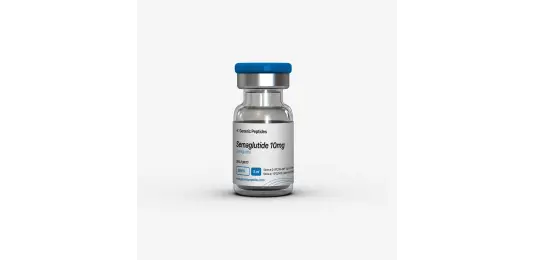
Semaglutide (Ozempic, Wegovy, Rybelsus): The FDA-Approved GLP-1 Receptor Agonist With Multiple Indications, Robust Phase 3 Evidence, and 2025 MASH Approval
By Medical Team of Generic Peptides
Semaglutide is a synthetic 31-amino-acid GLP-1 receptor agonist analog manufactured by Novo Nordisk and marketed under three brand names: Ozempic (subcutaneous injection 0.25-2.0 mg weekly for type 2 diabetes), Wegovy (subcutaneous injection 2.4 mg weekly for chronic weight management, cardiovascular risk reduction, and metabolic dysfunction-associated steatohepatitis), and Rybelsus (oral tablet 7-14 mg daily for type 2 diabetes). The compound's structural design starts from the native GLP-1(7-37) sequence and incorporates several modifications that produce the pharmacokinetic profile enabling once-weekly subcutaneous dosing. The α-aminoisobutyric acid (Aib) substitution at position 8 replaces the alanine that's otherwise rapidly cleaved by dipeptidyl peptidase-4 (DPP-4), conferring resistance against the enzymatic degradation that limits native GLP-1 to a 1-2 minute half-life. The lysine at position 26 is modified through a γ-glutamic acid spacer linked to a C18 fatty diacid chain that mediates strong, reversible albumin binding — the structural feature that extends semaglutide's plasma half-life to approximately 165 hours (about 7 days) and enables weekly dosing. The arginine substitution at position 34 (replacing the native lysine) prevents acylation at that position during manufacturing, ensuring specific modification at the position-26 lysine. Molecular weight 4113.58 Da. Molecular formula C₁₈₇H₂₉₁N₄₅O₅₉.
This compound represents fundamentally different positioning from most peptides covered in this article series. Semaglutide is one of the most rigorously validated pharmaceutical products in modern medicine, with FDA approvals across four major indications (type 2 diabetes 2017, weight management 2021, cardiovascular risk reduction 2024, MASH August 2025), tens of thousands of patients enrolled across pivotal Phase 3 trials, and global commercial use that has produced one of the most substantial real-world safety databases in pharmaceutical history. The contrast with research-chemical peptides, off-label compounding pharmacy products, and investigational compounds discussed elsewhere in this article series is genuinely substantial — semaglutide is the gold standard for what FDA-approved pharmaceutical peptide development looks like when it succeeds.
The 2025 regulatory and clinical landscape includes several major developments. On August 15, 2025, FDA granted accelerated approval to Wegovy (semaglutide 2.4 mg) for treatment of noncirrhotic metabolic dysfunction-associated steatohepatitis (MASH) in adults with moderate to advanced liver fibrosis (stages F2-F3), making semaglutide the first and only GLP-1 receptor agonist approved for MASH and the second drug overall after resmetirom (Rezdiffra, Madrigal Pharmaceuticals, March 2024). The approval was based on Part 1 of the Phase 3 ESSENCE trial (NCT04822181, Sanyal AJ, Newsome PN, Kliers I, et al., NEJM 2025;392:2089-2099) showing 62.9% MASH resolution without worsening fibrosis at 72 weeks versus 34.3% with placebo, and 36.8% fibrosis improvement without worsening MASH versus 22.4% placebo. On February 21, 2025, FDA declared the long-running semaglutide shortage resolved (after nearly three years of supply constraints starting in early 2022), triggering specific deadlines for compounding pharmacy access — 503A pharmacies until April 22, 2025, and 503B outsourcing facilities until May 22, 2025. The April 24, 2025 court denial of the Outsourcing Facilities Association preliminary injunction effectively ended the compounded semaglutide era for products that are "essentially copies" of FDA-approved formulations.
I'll be direct about my assessment of semaglutide from the start. The compound has substantial pharmaceutical merits that distinguish it from essentially every other compound covered in this article series — multiple FDA approvals with rigorous Phase 3 evidence, well-characterized pharmacology, comprehensive safety profile from tens of thousands of patients in clinical trials and millions in commercial use, established commercial pathway with ongoing pharmaceutical development across multiple indications, and clinical effects on outcomes (cardiovascular events, weight loss, glycemic control, MASH histology) that exceed what any historical anti-obesity or anti-diabetic intervention has demonstrated. The honest limitations involve substantial cost (list price approximately $1,350/month for Wegovy), high rate of gastrointestinal side effects (nausea affects approximately 44% of patients in clinical trials), weight regain pattern after discontinuation that has been documented in extension studies, the boxed warning regarding thyroid C-cell tumors based on rodent studies whose human relevance remains uncertain, the persistent gray market for compounded and counterfeit semaglutide that operates parallel to legitimate pharmaceutical channels with documented quality concerns, and the muscle mass loss that accompanies the weight loss (approximately 25-40% of weight loss represents lean mass rather than fat).
This article walks through what semaglutide actually is and how its structural modifications enable the once-weekly dosing profile, the GLP-1 receptor mechanism that produces effects across glycemic control, weight management, cardiovascular outcomes, and now MASH histology, the substantial Phase 3 clinical evidence base across multiple indications including the SELECT cardiovascular outcomes trial and ESSENCE MASH trial, the safety profile from extensive clinical and post-marketing experience, the 2025 regulatory developments including MASH approval and shortage resolution, and how to think about semaglutide decisions given the operational realities including the high cost, GI tolerability concerns, and chronic-use considerations.
What Semaglutide Is
Semaglutide's pharmaceutical development by Novo Nordisk began in the late 1990s through systematic optimization of GLP-1 analogs aimed at producing compounds suitable for less-frequent dosing than the initial GLP-1 receptor agonists permitted. The native human GLP-1 has plasma half-life of 1-2 minutes due to rapid DPP-4 enzymatic degradation — making native GLP-1 impractical for therapeutic use without modification. Earlier GLP-1 receptor agonists addressed this through different approaches: exenatide (Byetta, derived from exendin-4 found in Gila monster venom) provided DPP-4 resistance through the natural exendin-4 sequence with twice-daily dosing; liraglutide (Victoza/Saxenda) used albumin-binding fatty acid attachment for once-daily dosing.
Semaglutide's structural design built on liraglutide's albumin-binding strategy with several improvements that extended the half-life from approximately 13 hours (liraglutide) to approximately 165 hours (semaglutide). The Aib substitution at position 8 (replacing alanine) confers DPP-4 resistance similar to liraglutide's approach. The C18 fatty diacid chain attached at position-26 lysine through a γ-glutamic acid spacer mediates stronger albumin binding than liraglutide's C16 fatty acid, providing more sustained protection against renal clearance and enzymatic degradation. The arginine substitution at position 34 prevents alternative acylation sites during manufacturing, ensuring consistent product characteristics. The combined modifications produce the once-weekly subcutaneous dosing profile that distinguishes semaglutide from earlier GLP-1 receptor agonists.
The pharmacokinetic profile shows peak plasma concentrations at approximately 1-3 days post-injection. Steady state is reached after 4-5 weeks of weekly dosing. The compound is cleared primarily through proteolytic degradation throughout the body, with small amounts excreted through renal and biliary pathways. Pharmacokinetics aren't significantly altered by mild-to-moderate hepatic or renal impairment, and no dose adjustments are required for these conditions.
The oral semaglutide formulation (Rybelsus) represents a separate pharmaceutical achievement — semaglutide was the first GLP-1 receptor agonist to achieve oral bioavailability through the SNAC (sodium N-[8-(2-hydroxybenzoyl)amino]caprylate) absorption enhancer that allows the peptide to cross gastric mucosa. Bioavailability is approximately 0.4-1% (substantially less than subcutaneous administration), requiring 7-14 mg daily oral doses to achieve therapeutic plasma concentrations.
The compound is supplied in pre-filled multi-dose pen injectors (Ozempic, Wegovy) or as single-dose autoinjector pens (some Wegovy formulations) for subcutaneous administration. The Rybelsus oral tablet is taken on empty stomach with limited water (no more than 4 oz) at least 30 minutes before food, beverage, or other oral medications — specific administration requirements driven by the SNAC-mediated absorption mechanism.
The naming convention is genuinely complex. Semaglutide is the international nonproprietary name. Ozempic refers specifically to the subcutaneous formulations (0.25, 0.5, 1.0, 2.0 mg) approved for type 2 diabetes. Wegovy refers specifically to the 2.4 mg subcutaneous formulation approved for weight management, cardiovascular risk reduction, and MASH. Rybelsus refers to the oral tablets approved for type 2 diabetes. All three brand names contain the same active ingredient (semaglutide) with different formulations and approved indications. Generic semaglutide isn't currently available in the United States — Novo Nordisk's primary patent expires in 2031 with secondary patents potentially extending protection through 2033 or beyond. Internationally, Canada and China primary patents expire in 2026, allowing earlier generic competition in those markets.
Semaglutide Mechanism of Action
Semaglutide functions as a GLP-1 receptor agonist, binding the GLP-1 receptor with high affinity and triggering the diverse downstream effects that underlie the compound's therapeutic profile across glycemic control, weight management, cardiovascular outcomes, and MASH applications.
The GLP-1 receptor is a class B G-protein coupled receptor expressed in pancreatic β-cells (where activation produces glucose-dependent insulin secretion), pancreatic α-cells (suppression of glucagon secretion in glucose-dependent manner), gastric smooth muscle (slowed gastric emptying), hypothalamic and brainstem neurons (appetite suppression and satiety signaling), cardiomyocytes (direct cardiac effects including improved myocardial energy substrate utilization), vascular endothelium (anti-inflammatory and vasodilatory effects), and various other tissues with emerging mechanistic implications.
The pancreatic effects produce the glycemic control mechanism. Semaglutide binding to GLP-1 receptors on pancreatic β-cells stimulates glucose-dependent insulin secretion — meaning insulin release is enhanced when blood glucose levels are elevated (after meals) but not when glucose is normal or low. This glucose-dependent activation explains why GLP-1 receptor agonists have substantially lower hypoglycemia risk than insulin or sulfonylureas. The glucagon suppression is similarly glucose-dependent, contributing to glycemic control during postprandial periods while sparing glucagon's protective effects during hypoglycemia.
The weight management effects involve multiple parallel mechanisms. Slowed gastric emptying (delayed by approximately 30-60 minutes at therapeutic doses) extends the duration of postprandial satiety. Hypothalamic GLP-1 receptor activation in the arcuate nucleus and other satiety centers produces appetite suppression that translates to reduced energy intake — typically 20-30% reduction in caloric consumption in trial populations. Direct effects on reward pathways in the limbic system reduce hedonic eating drive, contributing to the qualitative changes in food preference (reduced cravings for high-fat, high-sugar foods) that patients commonly report. The combined mechanisms produce sustained weight loss that's substantially greater than what behavioral interventions alone typically achieve.
The cardiovascular benefits operate through multiple converging pathways. Direct effects on cardiomyocytes include improved myocardial substrate utilization and reduced inflammation. Vascular effects include endothelial function improvement, blood pressure reduction (typically 3-5 mmHg systolic), and lipid profile improvements (modest reductions in LDL cholesterol and triglycerides, modest HDL elevation). Anti-inflammatory effects reduce circulating C-reactive protein and other inflammatory markers. Weight loss itself provides substantial cardiovascular benefit through reduced cardiac workload, improved ventricular function, and reduced atherosclerotic risk factors. The relative contributions of weight-dependent versus weight-independent mechanisms aren't fully resolved, but the SELECT trial data (covered below) demonstrated that cardiovascular benefit emerges early in treatment before substantial weight loss has occurred — supporting weight-independent contributions to the cardioprotective effects.
The MASH effects involve hepatic GLP-1 receptor expression (limited but present), substantial weight loss-mediated effects on hepatic fat content, and potentially direct effects on hepatic stellate cell activity that drive fibrosis development. Weight loss alone produces substantial improvement in steatohepatitis when achieved through any intervention; semaglutide's particular efficacy in achieving sustained substantial weight loss explains much of the MASH benefit. Direct hepatic effects beyond weight-mediated benefits remain incompletely characterized.
The pharmacokinetic-pharmacodynamic relationship is straightforward — therapeutic plasma concentrations sustained throughout the weekly dosing interval produce continuous GLP-1 receptor activation, and the steady receptor signaling produces the chronic therapeutic effects. The 165-hour half-life provides receptor coverage that's relatively consistent across the weekly dosing interval, distinguishing semaglutide from GLP-1 receptor agonists with shorter half-lives where receptor activation cycles between peaks and troughs.
The mechanism distinction from tirzepatide (Mounjaro/Zepbound, Eli Lilly's dual GIP/GLP-1 receptor agonist) involves the additional GIP receptor activation that tirzepatide provides. GIP (glucose-dependent insulinotropic polypeptide) is the second incretin hormone, and its receptor activation contributes additional metabolic effects that have produced somewhat greater weight loss in head-to-head comparisons (SURMOUNT-5 trial reported approximately 20.2% mean weight loss with tirzepatide versus 13.7% with semaglutide at 72 weeks). For patients seeking maximum weight loss efficacy, tirzepatide may have advantages; for patients seeking the established cardiovascular and MASH evidence, semaglutide currently has more comprehensive Phase 3 outcomes data.
Semaglutide Clinical Evidence: The Comprehensive Phase 3 Program
The clinical evidence base for semaglutide is among the most comprehensive in modern pharmaceutical development, spanning multiple indications across diabetes, weight management, cardiovascular outcomes, and now MASH histology.
The SUSTAIN program established semaglutide's role in type 2 diabetes treatment. SUSTAIN-6 (Marso SP, Bain SC, Consoli A, et al., NEJM 2016;375:1834-1844) demonstrated cardiovascular safety and a signal of cardiovascular benefit in 3,297 patients with type 2 diabetes — establishing the foundation for subsequent broader cardiovascular development. Multiple SUSTAIN trials documented superior glycemic control versus placebo and active comparators (sitagliptin, exenatide, insulin glargine, dulaglutide), with HbA1c reductions of 1.4-1.8% from baseline. The compound received FDA approval for type 2 diabetes in December 2017 as Ozempic.
The STEP program established semaglutide's weight management efficacy. STEP 1 (Wilding JPH, Batterham RL, Calanna S, et al., NEJM 2021;384:989-1002) enrolled 1,961 adults with obesity (BMI ≥30) or overweight (BMI ≥27) with at least one weight-related comorbidity, randomizing to semaglutide 2.4 mg weekly or placebo for 68 weeks. Mean weight loss was 14.9% with semaglutide versus 2.4% with placebo (placebo-subtracted difference of 12.4 percentage points). 86% of semaglutide-treated patients achieved at least 5% weight loss versus 31% on placebo; 32% achieved at least 20% weight loss versus 2% on placebo. These results substantially exceeded any prior pharmacological weight loss intervention. STEP 2 examined the same dosing in patients with type 2 diabetes; STEP 3 evaluated combination with intensive behavioral therapy; STEP 4 demonstrated continued weight loss benefit with continued treatment versus weight regain after discontinuation; STEP 5 documented sustained weight loss over 2 years of continued treatment. The accumulated STEP evidence supported FDA approval of Wegovy for chronic weight management in June 2021. Pediatric expansion (STEP TEENS) supported December 2022 expansion to adolescents 12+ with obesity.
The SELECT trial (Lincoff AM, Brown-Frandsen K, Colhoun HM, et al., NEJM 2023;389:2221-2232) established semaglutide's cardiovascular benefit in non-diabetic patients with obesity or overweight and established cardiovascular disease. Conducted at 804 clinical sites in 41 countries enrolling 17,604 patients aged 45+ with established cardiovascular disease and BMI ≥27 but no diabetes. Patients received semaglutide 2.4 mg weekly or placebo with mean follow-up of 39.8 months. The primary endpoint (composite of cardiovascular death, nonfatal myocardial infarction, or nonfatal stroke) occurred in 6.5% of semaglutide patients versus 8.0% of placebo patients — a 20% relative risk reduction (HR 0.80, 95% CI 0.72-0.90, P<0.001). Secondary endpoints showed consistent benefits across cardiovascular components with statistical significance for the major composite outcome. The cardiovascular benefit emerged early in treatment (within the first months) before substantial weight loss had occurred, supporting weight-independent contributions to the cardioprotective effects. SELECT data supported the March 2024 FDA approval of Wegovy for cardiovascular risk reduction in adults with established cardiovascular disease and obesity or overweight — the first weight loss medication approved for cardiovascular outcomes prevention. Among 11,679 patients with prediabetes at baseline (HbA1c 5.7-6.4%), semaglutide produced 73% relative risk reduction in progression to diabetes — a substantial finding with implications for diabetes prevention strategy.
The ESSENCE trial (Sanyal AJ, Newsome PN, Kliers I, et al., NEJM 2025;392:2089-2099) established semaglutide's MASH efficacy. Conducted as a phase 3, randomized, double-blind, placebo-controlled trial in adults with biopsy-confirmed metabolic dysfunction-associated steatohepatitis with stage F2-F3 fibrosis. Part 1 enrolled 800 patients (of 1,200 planned for the full 240-week study) randomized 2:1 to semaglutide 2.4 mg weekly or placebo. Primary histologic endpoints assessed at 72 weeks: resolution of steatohepatitis without worsening fibrosis occurred in 62.9% semaglutide versus 34.3% placebo (difference 28.6 percentage points, 95% CI 22-35), and improvement in liver fibrosis without worsening steatohepatitis occurred in 36.8% semaglutide versus 22.4% placebo (difference 14.4 percentage points, 95% CI 8-21). Both primary endpoints exceeded statistical significance thresholds. Combined endpoint (resolution AND improvement) occurred in 33% versus 16% (difference 17 percentage points, 95% CI 10-23). Mean weight loss 10.5% versus 2% placebo. The August 15, 2025 FDA accelerated approval was based on these Part 1 results, with continued approval contingent on Part 2 results addressing whether semaglutide reduces liver-related clinical events over 240 weeks (expected readout 2029).
Additional clinical evidence includes oral semaglutide development through the PIONEER program supporting Rybelsus approval in September 2019 and subsequent indications, the FLOW trial (Perkovic V, Tuttle KR, Rossing P, et al., NEJM 2024;391:109-121) showing kidney outcome benefits in patients with type 2 diabetes and chronic kidney disease, and ongoing development for Alzheimer's disease (evoke and evoke+ trials), heart failure with preserved ejection fraction, and other potential indications.
What the evidence supports with high confidence: semaglutide produces substantial, sustained glycemic control improvements in type 2 diabetes; substantial sustained weight loss in obesity/overweight populations exceeding any prior pharmacological intervention; meaningful cardiovascular event reduction in established CVD patients with obesity but without diabetes; significant improvements in MASH histology in noncirrhotic patients with moderate-to-advanced fibrosis; favorable safety profile across these indications with predictable, manageable side effect patterns.
What the evidence supports less robustly: cardiovascular benefit in primary prevention populations (without established CVD); specific kidney outcome benefits beyond what the FLOW trial documented; durable weight loss after treatment discontinuation (extension data shows substantial weight regain); potential additional indications under continued investigation including Alzheimer's disease and heart failure preserved ejection fraction.
Semaglutide Safety Profile
The safety profile is comprehensively characterized through tens of thousands of patients in clinical trials plus extensive post-marketing experience since the original 2017 FDA approval. The accumulated evidence supports a generally favorable risk-benefit profile within indicated patient populations, with specific safety considerations that warrant clinical attention.
Common adverse events in clinical trials are predominantly gastrointestinal and reflect the GLP-1 receptor agonist class effect of slowed gastric emptying combined with central effects on satiety. Nausea is the most prominent side effect, affecting approximately 44% of patients in STEP 1 (the pivotal weight management trial) and similar rates across other trials. Diarrhea (~30%), vomiting (~25%), constipation (~24%), abdominal pain (~20%), dyspepsia (~9%), and eructation (belching, ~7%) constitute the broader GI tolerability spectrum. These effects are typically dose-dependent, mostly occurring during dose escalation phases, and tend to attenuate with continued treatment. The standard dose escalation protocol (starting at 0.25 mg weekly and increasing every 4 weeks through 0.5, 1.0, 1.7, and 2.4 mg target dose) is specifically designed to minimize GI tolerability issues.
Discontinuation due to adverse events is documented but manageable. In SELECT, 16.6% of semaglutide patients discontinued treatment due to adverse events versus 8.2% placebo — primarily driven by gastrointestinal intolerance. In STEP 1, GI events led to treatment discontinuation in 7% of semaglutide patients versus 3.1% placebo. These discontinuation rates are substantially higher than placebo but remain manageable for patients motivated by treatment benefits.
The boxed warning regarding thyroid C-cell tumors (medullary thyroid carcinoma, MTC) is based on rodent studies showing dose-dependent and treatment-duration-dependent thyroid C-cell tumors at clinically relevant exposures. Whether this finding translates to humans is uncertain — human relevance hasn't been definitively established. Semaglutide is contraindicated in patients with personal or family history of medullary thyroid carcinoma or multiple endocrine neoplasia syndrome type 2 (MEN-2). FDA-mandated REMS programs include serum calcitonin monitoring protocols for early detection of potential C-cell hyperplasia. In SELECT, no medullary thyroid carcinomas were confirmed by event adjudication committees in either treatment group across 17,604 patients followed for mean 39.8 months — providing reassuring (though not definitive) post-marketing safety data on this concern.
Acute pancreatitis is a recognized concern with all GLP-1 receptor agonists. SELECT documented pancreatitis in 0.2% semaglutide patients versus 0.3% placebo (P=0.28, no statistically significant difference). SUSTAIN-6 showed pancreatitis in similar low rates between groups. While the absolute rate is low, patients should be monitored for symptoms (severe abdominal pain, nausea, vomiting), and treatment should be discontinued if pancreatitis is confirmed.
Diabetic retinopathy progression has been documented in patients with type 2 diabetes who experience rapid HbA1c improvement, particularly those with advanced retinopathy at baseline. The mechanism involves the rapid metabolic improvement producing acute changes in retinal microcirculation. Patients with established diabetic retinopathy should have ophthalmologic monitoring during treatment initiation.
Gallbladder disease (cholelithiasis, cholecystitis) occurs at modestly elevated rates with semaglutide. SELECT documented gallbladder disorders in 2.8% semaglutide versus 2.3% placebo. The mechanism involves rapid weight loss-induced cholesterol mobilization that can precipitate gallstone formation, plus potential direct effects on gallbladder motility.
Acute kidney injury can occur in patients experiencing severe gastrointestinal side effects with associated dehydration. The mechanism is volume depletion-mediated rather than direct nephrotoxicity. Patients are counseled to maintain adequate hydration during treatment, particularly during dose escalation when GI effects are most prominent.
Hypoglycemia is uncommon in non-diabetic patients (semaglutide's glucose-dependent insulin secretion mechanism prevents inappropriate insulin release in normoglycemic states). In type 2 diabetes patients, hypoglycemia risk increases when semaglutide is combined with insulin or sulfonylureas — these combinations require dose adjustment of the concurrent medications.
Suicidal ideation and self-harm concerns prompted FDA review beginning 2023 based on European post-marketing reports. The January 2024 FDA communication concluded no causal evidence supported a link between GLP-1 receptor agonists and suicidal thoughts/behavior, but ongoing monitoring continues. Patients with history of mental health conditions warrant clinical attention.
Muscle mass loss accompanies semaglutide-mediated weight loss. Approximately 25-40% of weight loss represents lean mass rather than fat tissue — this proportion is similar to weight loss achieved through caloric restriction generally. Concurrent resistance training and adequate protein intake (typically 1.2-1.6 g/kg body weight daily) help mitigate muscle loss during treatment. The clinical significance of muscle loss varies by patient population — younger patients with adequate baseline muscle mass typically tolerate the changes well, while older patients or those with sarcopenia at baseline may face more substantial functional implications.
Weight regain after treatment discontinuation is well-documented. STEP 4 specifically examined this — patients who discontinued semaglutide after initial 20-week treatment regained approximately two-thirds of their lost weight over the subsequent year, while those who continued treatment maintained the weight loss. This finding reframes semaglutide as chronic disease management rather than short-term weight loss intervention — patients seeking sustained benefit need to plan for chronic treatment.
Pregnancy and lactation considerations involve documented animal reproductive toxicity at clinically relevant exposures. FDA recommends discontinuing semaglutide at least 2 months before planned pregnancy due to the long half-life. Wegovy is contraindicated during pregnancy.
Long-term safety beyond the trial durations (typically 2-4 years for the major Phase 3 trials) is being characterized through ongoing extension studies and post-marketing surveillance. The accumulated commercial use experience since 2017 hasn't generated unexpected long-term safety signals beyond the predictable class effects.
Drug interactions are relatively limited. Semaglutide doesn't significantly affect cytochrome P450 enzymes. The slowed gastric emptying may affect absorption of orally administered medications with narrow therapeutic windows (specifically warfarin, levothyroxine, oral contraceptives) — clinical monitoring may be warranted. Insulin and sulfonylureas require dose adjustment given hypoglycemia interaction. Other antidiabetic medications including metformin, SGLT2 inhibitors, and DPP-4 inhibitors are generally compatible.
Semaglutide Regulatory and Commercial Situation in 2026
The regulatory situation for semaglutide reflects the compound's positioning as established FDA-approved pharmaceutical with multiple indications and active commercial pathway.
In the United States, semaglutide has FDA approval for: type 2 diabetes (Ozempic, December 2017); chronic weight management in adults with obesity or overweight with comorbidities (Wegovy, June 2021); chronic weight management in pediatric patients aged 12+ with obesity (Wegovy, December 2022); type 2 diabetes (Rybelsus oral, September 2019); cardiovascular risk reduction in adults with established cardiovascular disease and obesity or overweight (Wegovy, March 2024); and noncirrhotic MASH with moderate-to-advanced liver fibrosis (Wegovy, August 2025, accelerated approval). The approved indications span diabetes, obesity, cardiovascular disease, and now metabolic liver disease — making semaglutide the most broadly indicated peptide pharmaceutical in modern medicine.
The European Medicines Agency has approved semaglutide for similar indications as the FDA. Other major regulatory authorities have approved various semaglutide formulations across global markets.
The 2022-2025 shortage period was one of the most consequential drug shortages in recent pharmaceutical history. Beginning in early 2022 due to overwhelming demand exceeding Novo Nordisk's manufacturing capacity, the shortage drove prescription fills up 442% between January 2021 and December 2023. During the shortage, FDA enforcement discretion permitted compounding pharmacies (503A) and outsourcing facilities (503B) to produce compounded semaglutide. This compounding period generated $6-8 billion in annualized revenue across compounded GLP-1 products with an estimated 4-5 million compounded prescriptions per year, fundamentally reshaping access patterns and creating substantial competitive dynamics in the market.
On February 21, 2025, FDA declared the semaglutide shortage resolved based on Novo Nordisk's expanded manufacturing capacity meeting current and projected demand. The declaration triggered specific deadlines for compounding wind-down: 503A pharmacies until April 22, 2025; 503B outsourcing facilities until May 22, 2025. The Outsourcing Facilities Association (OFA) filed suit (4:25-cv-00174, N.D. Tex.) challenging the determination as "reckless and arbitrary." On April 24, 2025, the district court denied OFA's preliminary injunction motion, effectively ending the legitimate compounding pathway for products that are "essentially copies" of FDA-approved formulations.
Compounded semaglutide remains technically available through 503A pharmacies under specific circumstances — for products that are NOT essentially copies of FDA-approved formulations (different doses, alternative formulations addressing patient-specific needs like documented allergies to inactive ingredients). The "clinical difference" exemption has driven creative compounding practices including different concentrations, B12 additions, peptide cocktails, and microdose protocols. FDA has issued substantial warning letters during this transition period, and state pharmacy boards have been overwhelmed with regulatory complexity.
The counterfeit semaglutide market represents a substantial concern. NHANES studies and JAMA Network Open analyses have documented that nearly half of online pharmacies selling semaglutide are illegal operations, with some products containing dangerous impurities or excessive doses. The National Association of Attorneys General sent a February 2025 letter to acting FDA commissioner Sara Brenner requesting agency action against counterfeit GLP-1 distribution.
Commercial pricing reflects the high cost of brand-name pharmaceuticals. Ozempic list price is approximately $935.77 per month as of January 2026 (WAC, wholesale acquisition cost). Wegovy list price is approximately $1,350 per month. Cash price without insurance ranges $800-1,100 monthly depending on pharmacy. Insurance coverage varies substantially — commercial insurance typically provides $25-150 monthly copay; Medicare Part D typically excludes weight management indications but covers diabetes indications; Medicaid coverage varies dramatically by state. NovoCare savings programs reduce costs for many patients: $25 monthly copay with commercial insurance in some configurations; $349 monthly self-pay for 0.25, 0.5, or 1.0 mg pens; $499 monthly self-pay for 2.0 mg pen; $199 monthly introductory pricing for first two months at low doses.
Patent expiration timing affects future generic competition. Novo Nordisk's primary US patent expires in 2031; secondary patents may extend protection through 2033 or beyond. Canadian and Chinese primary patents expire in 2026, allowing earlier generic competition in those markets. The generic semaglutide market in the US is therefore approximately 5-7 years away from emergence.
For sports anti-doping, GLP-1 receptor agonists are not currently specifically prohibited by WADA. However, performance enhancement potential is being monitored as the class develops, and athletes using semaglutide for legitimate medical indications should follow current WADA guidance directly given the evolving regulatory landscape.
Who Uses Semaglutide and How It Compares to Alternatives
The patient population using semaglutide in 2026 reflects the compound's broad approved indications and established clinical role in metabolic and cardiovascular medicine.
Patients with type 2 diabetes use semaglutide (Ozempic or Rybelsus) for glycemic control, often as second-line treatment after metformin or in combination with other antidiabetic medications. The compound has become standard-of-care for type 2 diabetes patients with cardiovascular comorbidities given the demonstrated cardiovascular outcome benefits.
Patients with obesity or overweight with weight-related comorbidities use Wegovy for chronic weight management. The clinical positioning has expanded substantially since the 2021 approval, with widespread integration into obesity medicine practice.
Patients with established cardiovascular disease and obesity or overweight use Wegovy for cardiovascular risk reduction following the March 2024 indication expansion. The 20% MACE reduction in SELECT supports use as cardiovascular prevention strategy in this specific population.
Adolescents 12+ with obesity use Wegovy following the December 2022 pediatric expansion. Pediatric obesity treatment represents an evolving clinical area with ongoing considerations about long-term treatment in growing patients.
Patients with noncirrhotic MASH and stage F2-F3 fibrosis use Wegovy following the August 2025 MASH approval. The clinical positioning is rapidly evolving as hepatologists integrate the treatment option, with practice guidance from AASLD providing implementation framework.
The relevant comparisons in 2026:
Tirzepatide (Mounjaro for type 2 diabetes, Zepbound for weight management; Eli Lilly) is the dual GIP/GLP-1 receptor agonist that has demonstrated greater weight loss efficacy in head-to-head trials. SURMOUNT-5 reported 20.2% mean weight loss with tirzepatide versus 13.7% with semaglutide at 72 weeks. Both compounds have FDA approval for obesity and type 2 diabetes; tirzepatide doesn't yet have approved cardiovascular outcome or MASH indications. For patients prioritizing maximum weight loss efficacy, tirzepatide may have advantages; for patients seeking the established cardiovascular and MASH evidence, semaglutide currently has more comprehensive indications.
Liraglutide (Victoza for type 2 diabetes, Saxenda for weight management; Novo Nordisk) is the daily-injection GLP-1 receptor agonist that preceded semaglutide. Lower weight loss efficacy (~6-8% in SCALE trial vs 14.9% with semaglutide in STEP 1). Daily injection rather than weekly. Generally less expensive but with reduced efficacy. Semaglutide has substantially superseded liraglutide for most clinical applications.
Other GLP-1 receptor agonists (dulaglutide/Trulicity, exenatide/Byetta and Bydureon, lixisenatide/Adlyxin) provide different pharmacokinetic and dosing profiles with comparable mechanism. Selection depends on specific patient considerations and cost factors.
SGLT2 inhibitors (empagliflozin/Jardiance, dapagliflozin/Farxiga, canagliflozin/Invokana) are alternative cardiometabolic medications with established cardiovascular and renal outcome benefits. Mechanism through sodium-glucose cotransporter inhibition rather than incretin pathway. Generally lower weight loss efficacy than GLP-1 receptor agonists. Different side effect profile (genitourinary infections, diabetic ketoacidosis risk) but with established outcome benefits in heart failure and chronic kidney disease.
Metformin remains first-line treatment for type 2 diabetes with extensive evidence base, generic availability, and dramatically lower cost. For patients without specific indications for GLP-1 receptor agonist therapy (no cardiovascular disease, no significant obesity, well-controlled glucose), metformin provides appropriate first-line management.
Bariatric surgery (gastric bypass, sleeve gastrectomy, gastric banding) provides surgical weight loss with potentially greater efficacy than pharmacological intervention but with surgical risks and irreversibility considerations. For patients with severe obesity (BMI ≥40 or BMI ≥35 with comorbidities), bariatric surgery represents alternative pathway with substantial accumulated outcome evidence.
Resmetirom (Rezdiffra; Madrigal Pharmaceuticals) is the only other FDA-approved MASH treatment (March 2024). Different mechanism (thyroid hormone receptor-β selective agonist). Oral once-daily administration. Different side effect profile. For patients with MASH who don't have indications for weight loss benefit (limited overweight/obesity) or who have contraindications to semaglutide, resmetirom provides alternative.
For patients in 2026 considering semaglutide, the decision typically involves matching the specific approved indications to patient circumstances, weighing cost considerations against clinical benefits, evaluating tolerance for GI side effects, and considering long-term treatment implications given the chronic disease management framework that semaglutide use typically requires.
Honest Assessment of Semaglutide in 2026
I'll be direct about semaglutide's positioning in current practice.
The compound has exceptional pharmaceutical merits that distinguish it from essentially every other compound covered in this article series — multiple FDA approvals across major therapeutic categories (diabetes, obesity, cardiovascular disease, metabolic liver disease), Phase 3 evidence base spanning tens of thousands of patients with rigorous outcomes assessment, demonstrated benefits on hard clinical endpoints (cardiovascular events, MASH histologic resolution, glycemic control, sustained weight loss), comprehensive safety characterization through clinical trials and substantial real-world commercial use, ongoing pharmaceutical development across additional potential indications (Alzheimer's disease, heart failure, kidney disease), and global commercial pathway with established reimbursement frameworks. Few peptide pharmaceuticals in history have achieved this breadth of clinical validation and indication expansion.
The honest limitations don't undermine the substantial therapeutic value but warrant clinical attention. The high cost (approximately $1,000-1,400 monthly list price) creates access barriers despite manufacturer assistance programs. Gastrointestinal side effects affect substantial proportions of patients with nausea in approximately 44% during clinical trials, leading to treatment discontinuation in 7-17% of patients across various trials. Weight regain after discontinuation reframes the compound as chronic disease management rather than short-term intervention. The boxed warning regarding thyroid C-cell tumors creates clinical caution despite the absence of human medullary thyroid carcinoma signal in extensive surveillance. Muscle mass loss accompanying weight loss requires specific clinical attention through resistance training and adequate protein intake. The compounded and counterfeit gray markets that emerged during the 2022-2025 shortage period continue to operate with documented quality concerns despite the formal regulatory wind-down. Long-term safety beyond 2-4 year trial durations is being characterized through ongoing surveillance but isn't yet definitively established. Tirzepatide's superior weight loss efficacy in head-to-head comparison creates competitive positioning concerns for semaglutide's weight management applications specifically.
What's genuinely uncertain about semaglutide includes the durability of clinical benefits with very long-term continuous treatment (decade-plus exposures), the magnitude of cardiovascular benefit in primary prevention populations without established CVD, the optimal sequencing and combination with tirzepatide and other GLP-1 receptor agonists, the specific kidney outcome benefits beyond what FLOW documented, and whether emerging indications (Alzheimer's disease through ongoing evoke trials, heart failure with preserved ejection fraction, additional metabolic conditions) will produce additional approved uses. The pharmaceutical foundation will continue developing as Novo Nordisk's pipeline progresses across these potential indications.
For patients navigating semaglutide decisions, the framing reflects the compound's substantial therapeutic value and specific operational considerations. Patients with type 2 diabetes have a well-validated treatment with cardiovascular outcome benefits — semaglutide represents standard-of-care option particularly in patients with cardiovascular comorbidities. Patients with obesity or overweight with weight-related comorbidities have access to a pharmacological intervention exceeding what any prior anti-obesity medication has demonstrated, with the tradeoffs of GI tolerability, cost, and chronic-use requirements. Patients with established cardiovascular disease and obesity have specific indication for cardiovascular event reduction supported by the SELECT trial data. Patients with noncirrhotic MASH and moderate-to-advanced fibrosis have a new approved option supported by ESSENCE trial Phase 3 evidence. The decision framework typically involves matching specific approved indications to patient circumstances rather than questioning whether the compound has merit — the Phase 3 evidence base substantially establishes therapeutic value within indicated populations.
For patients pursuing semaglutide outside FDA-approved indications (off-label weight loss without comorbidities, non-approved cardiovascular prevention contexts) or through gray market channels (compounded products in the post-shortage era, counterfeit semaglutide), the operational considerations include legal/regulatory questions, quality concerns for non-pharmaceutical-grade material, and absence of insurance coverage that drives substantial out-of-pocket costs. These patients should weigh access pathway considerations carefully against the well-validated FDA-approved options.
Semaglutide's place in the broader therapeutic landscape represents the gold standard for what FDA-approved peptide pharmaceutical development can achieve. The compound has fundamentally reshaped diabetes management, established pharmacological obesity treatment as a viable major therapeutic category, demonstrated GLP-1 receptor agonist cardiovascular benefits in non-diabetic patients, and now extended indication coverage to MASH where pharmaceutical options were previously limited. The contrast with research-chemical peptides, off-label compounding pharmacy products, and investigational compounds covered elsewhere in this article series is genuinely substantial — semaglutide demonstrates what rigorous pharmaceutical development can produce when peptide therapeutics succeed across the full development-to-commercialization continuum.
The next 12-24 months will likely produce additional clinical evidence as Part 2 of ESSENCE progresses toward 2029 readout for liver-related clinical events, the evoke and evoke+ Alzheimer's disease trials advance, additional indications including heart failure with preserved ejection fraction undergo Phase 3 development, and post-marketing surveillance continues to refine understanding of long-term effects. The pharmacological foundation won't change — semaglutide is what it has been: a once-weekly GLP-1 receptor agonist with substantial clinical effects across glycemic control, weight management, cardiovascular outcomes, and metabolic liver disease, supported by comprehensive Phase 3 evidence across multiple major indications. The compound represents established therapeutic value for appropriately selected patients, with the operational considerations (cost, GI tolerability, chronic-use requirements) that warrant clinical attention rather than questions about underlying efficacy or safety.
References
[1] Lincoff AM, Brown-Frandsen K, Colhoun HM, et al. Semaglutide and Cardiovascular Outcomes in Obesity without Diabetes. New England Journal of Medicine. 2023;389(24):2221-2232. PMID: 37952131. DOI: 10.1056/NEJMoa2307563. Foundational SELECT trial establishing cardiovascular outcomes benefit in non-diabetic obesity population.
[2] Wilding JPH, Batterham RL, Calanna S, Davies M, Van Gaal LF, Lingvay I, et al. Once-Weekly Semaglutide in Adults with Overweight or Obesity. New England Journal of Medicine. 2021;384(11):989-1002. PMID: 33567185. STEP 1 pivotal weight management trial.
[3] Marso SP, Bain SC, Consoli A, et al. Semaglutide and Cardiovascular Outcomes in Patients with Type 2 Diabetes. New England Journal of Medicine. 2016;375(19):1834-1844. SUSTAIN-6 cardiovascular outcomes trial in type 2 diabetes.
[4] Sanyal AJ, Newsome PN, Kliers I, et al. Phase 3 trial of semaglutide in metabolic dysfunction-associated steatohepatitis. New England Journal of Medicine. 2025;392(21):2089-2099. ESSENCE Part 1 results supporting MASH approval. NCT04822181.
[5] Newsome PN, Buchholtz K, Cusi K, et al. A Placebo-Controlled Trial of Subcutaneous Semaglutide in Nonalcoholic Steatohepatitis. New England Journal of Medicine. 2021;384(12):1113-1124. Phase 2 NASH/MASH research preceding ESSENCE.
[6] Husain M, Birkenfeld AL, Donsmark M, et al. Oral semaglutide and cardiovascular outcomes in patients with type 2 diabetes. New England Journal of Medicine. 2019;381(9):841-851. PIONEER 6 oral semaglutide cardiovascular safety.
[7] Perkovic V, Tuttle KR, Rossing P, et al. Effects of semaglutide on chronic kidney disease in patients with type 2 diabetes. New England Journal of Medicine. 2024;391(2):109-121. FLOW trial kidney outcomes research.
[8] U.S. Food and Drug Administration. Wegovy (semaglutide) injection 2.4 mg prescribing information. Updated August 2025 to include MASH indication. https://www.accessdata.fda.gov/drugsatfda_docs/label/2025/215256s024lbl.pdf.
[9] U.S. Food and Drug Administration. Approval letter for Wegovy (semaglutide) injection for the treatment of noncirrhotic metabolic dysfunction-associated steatohepatitis (MASH) with moderate to advanced liver fibrosis. NDA 215256/S-024. August 15, 2025.
[10] U.S. Food and Drug Administration. FDA clarifies policies for compounders as national GLP-1 supply begins to stabilize. February 21, 2025. Drug shortage resolution announcement with compounding wind-down deadlines.
[11] American Association for the Study of Liver Diseases. Semaglutide therapy for metabolic dysfunction-associated steatohepatitis. Hepatology. 2026 May (in press). AASLD practice recommendation following August 2025 FDA approval.
[12] Novo Nordisk. Wegovy approved by FDA for the treatment of adults with noncirrhotic MASH with moderate to advanced liver fibrosis. Press release August 15, 2025.
[13] Davies M, Færch L, Jeppesen OK, et al. Semaglutide 2.4 mg once a week in adults with overweight or obesity, and type 2 diabetes (STEP 2): a randomised, double-blind, double-dummy, placebo-controlled, phase 3 trial. Lancet. 2021;397(10278):971-984. STEP 2 trial in patients with obesity and type 2 diabetes.
[14] Rubino DM, Greenway FL, Khalid U, et al. Effect of weekly subcutaneous semaglutide vs daily liraglutide on body weight in adults with overweight or obesity without diabetes: the STEP 8 randomized clinical trial. JAMA. 2022;327(2):138-150. Head-to-head comparison with liraglutide.
[15] Rubino D, Abrahamsson N, Davies M, et al. Effect of continued weekly subcutaneous semaglutide vs placebo on weight loss maintenance in adults with overweight or obesity: the STEP 4 randomized clinical trial. JAMA. 2021;325(14):1414-1425. STEP 4 weight loss maintenance research.
[16] Wadden TA, Bailey TS, Billings LK, et al. Effect of subcutaneous semaglutide vs placebo as an adjunct to intensive behavioral therapy on body weight in adults with overweight or obesity: the STEP 3 randomized clinical trial. JAMA. 2021;325(14):1403-1413. STEP 3 combination with behavioral therapy.
[17] Wegmann J, Gomes BMS, Bjørnshave A, et al. Tirzepatide once weekly versus semaglutide once weekly for the treatment of obesity (SURMOUNT-5). New England Journal of Medicine. 2025;392(20):1893-1905. Head-to-head comparison demonstrating tirzepatide's greater weight loss efficacy.
[18] Aroda VR, Frias JP, Somogyi A, et al. Long-term efficacy and safety of subcutaneous semaglutide injectable in patients with type 2 diabetes: 4-year results from SUSTAIN 6 extension. Diabetes Care. 2024 (extension publication).
[19] U.S. Food and Drug Administration. FDA's preliminary evaluation of GLP-1 receptor agonists and reports of suicidal thoughts or actions. January 2024. Drug Safety Communication concluding no causal evidence.
[20] Outsourcing Facilities Association v. FDA, 4:25-cv-00174 (N.D. Tex.). United States District Court for the Northern District of Texas. April 24, 2025 denial of preliminary injunction motion regarding compounded semaglutide.
[21] Pharmacy Times. FDA Ends Semaglutide Shortage Listing, Contributing to Ongoing Legal Challenges. February 2025. Coverage of February 21, 2025 shortage resolution and OFA litigation.
[22] AJMC. FDA Approves Semaglutide for MASH With Fibrosis. August 2025. Industry coverage of August 15, 2025 MASH approval and ESSENCE trial results.
[23] University of Illinois Chicago Drug Information Group. What is the latest information on subcutaneous semaglutide for MASLD/MASH? November 2025. Comprehensive clinical reference.
[24] Lau J, Bloch P, Schäffer L, et al. Discovery of the once-weekly glucagon-like peptide-1 (GLP-1) analogue semaglutide. Journal of Medicinal Chemistry. 2015;58(18):7370-7380. Foundational medicinal chemistry research describing semaglutide's structural design.
[25] Knudsen LB, Lau J. The discovery and development of liraglutide and semaglutide. Frontiers in Endocrinology. 2019;10:155. Comprehensive review of GLP-1 analog development from native GLP-1 through liraglutide and semaglutide.