HCG: FDA-Approved Gonadotropin With 2020–2026 Supply Shortage Concerns
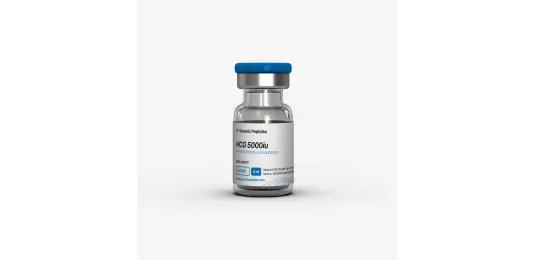
HCG (Human Chorionic Gonadotropin): The FDA-Approved Glycoprotein Hormone, Its Specific Clinical Indications, and the Ongoing 2020-2026 Supply Shortage Affecting Patient Access
By Medical Team of Generic Peptides
Human Chorionic Gonadotropin (HCG) is a glycoprotein hormone produced naturally by the placenta during pregnancy and synthesized commercially for medical use. Structurally, HCG consists of two non-covalently linked subunits: an α-subunit (92 amino acids) shared with luteinizing hormone (LH), follicle-stimulating hormone (FSH), and thyroid-stimulating hormone (TSH); and a β-subunit (145 amino acids) that gives HCG its specific biological activity. Total molecular weight is approximately 36.7 kDa with extensive glycosylation. The β-subunit's distinctive 24-amino-acid C-terminal tail dramatically extends HCG's plasma half-life to approximately 30-36 hours, compared with LH's 30-minute half-life — a structural difference that defines much of HCG's pharmaceutical utility.
Unlike most peptides covered in this article series, HCG is FDA-approved for specific clinical indications and has been a regulated pharmaceutical product for decades. Current FDA-approved products in 2026 include Pregnyl (Organon, 10,000 IU intramuscular), Novarel (Ferring, 10,000 IU intramuscular), Ovidrel (EMD Serono, 250 mcg subcutaneous — recombinant choriogonadotropin alfa produced in Chinese hamster ovary cells), and generic HCG for injection from select manufacturers. The approved indications include induction of ovulation in selected anovulatory women undergoing fertility treatment, treatment of hypogonadotropic hypogonadism in men, treatment of cryptorchidism (undescended testes) in pediatric patients, and stimulation of testosterone production in selected male hypogonadism contexts. Off-label use is substantially broader than the approved indications, particularly involving testosterone replacement therapy adjunct, fertility preservation in men on TRT, and post-cycle therapy contexts.
The most important practical fact about HCG in 2026 is that the compound has been in supply shortage since 2020 — now in its sixth consecutive year of disrupted availability. The shortage stems from the Biologics Price Competition and Innovation Act (BPCIA), enacted in 2009 and effective March 23, 2020, which reclassified HCG from a small-molecule drug to a biologic product. The reclassification triggered manufacturing changes, regulatory adjustments, and supply chain disruptions that have proven persistent. As of early 2026, availability of FDA-approved HCG products remains intermittent, varies by region and pharmacy type, and continues to affect patient care across reproductive endocrinology, urology, endocrinology, and primary care. The shortage represents one of the longer-running pharmaceutical supply disruptions in recent US healthcare history and constitutes a major operational consideration for any clinical or research use of HCG in 2026.
What HCG offers clinically is well-characterized: reliable LH receptor activation producing testosterone synthesis from Leydig cells in men or ovulation induction in women, with extensive randomized controlled trial evidence supporting the FDA-approved indications and substantial off-label clinical experience supporting expanded uses. The 2026 Andrology review by Esteves et al. on hCG-based clinical treatments for non-obstructive azoospermia represents current expert synthesis. The Smit, Verdegaal, and Bond 2025 paper in F&S Reports documented HCG efficacy for restoring spermatogenesis in men using non-prescribed androgens, addressing a clinical population poorly characterized in earlier research. The compound's pharmacology is mature, the clinical applications are established, and the evidence base substantially exceeds what's available for any other peptide covered in this article series.
The honest positive framing of HCG in 2026: it's a well-characterized FDA-approved hormone with documented efficacy for specific medical conditions, substantial off-label utility validated through accumulated clinical practice, and a regulatory pathway that doesn't depend on the FDA Category 2 reclassification activity affecting other peptides. The honest limitations: the persistent supply shortage that affects access, the cost barriers facing many patients including substantial out-of-pocket expenses, and the dosing complexity that requires clinical expertise to navigate properly given the variation between FDA-approved monotherapy doses and the lower doses appropriate for TRT-adjunct use.
This article walks through what HCG actually is, the well-established mechanism that produces its clinical effects, the specific FDA-approved indications and substantial off-label applications, the supply shortage that defines current access reality, the safety profile from decades of pharmaceutical use, the dosing considerations across clinical contexts, and how to think about HCG decisions in the operational reality of 2026 medical practice.
What HCG Is
HCG was originally isolated from the urine of pregnant women in the 1920s and 1930s. The hormone is produced by syncytiotrophoblast cells of the placenta starting shortly after implantation, with serum levels rising rapidly during early pregnancy. The compound's primary physiological role is maintaining the corpus luteum during early pregnancy, supporting progesterone production until placental progesterone production becomes sufficient. The pregnancy detection role of HCG (the basis for all pregnancy tests) reflects this physiological function — HCG appears in maternal blood and urine within days of conception and rises predictably during early pregnancy.
The structural foundation involves two glycoprotein subunits. The α-subunit comprises 92 amino acids and is identical across HCG, LH, FSH, and TSH within a given species — these four hormones share this common subunit. The β-subunit determines biological specificity. HCG's β-subunit comprises 145 amino acids and shares approximately 80% sequence identity with LH's β-subunit through the first 121 residues. The critical structural difference is HCG's additional 24-amino-acid C-terminal extension on the β-subunit that LH lacks. This extension is heavily glycosylated and substantially extends HCG's plasma half-life by reducing renal clearance. The resulting half-life of approximately 30-36 hours compares with LH's ~30 minutes — a clinically meaningful difference that allows less frequent dosing for HCG than would be needed for native LH replacement.
Commercial HCG production has historically used purification from the urine of pregnant women — the so-called urinary-derived HCG that constitutes Pregnyl, Novarel, and generic HCG products. The urinary preparation method is established and produces functional hormone, but it has limitations including supply dependence on collection from pregnant donors, batch-to-batch variability, and various impurity profiles. Recombinant HCG (choriogonadotropin alfa, marketed as Ovidrel) is produced in Chinese hamster ovary cells through standard biotechnology methods. The recombinant product offers more consistent characteristics, reduced impurity concerns, and supply chain that doesn't depend on urine collection. Both urinary-derived and recombinant HCG produce the same clinical effects through the same mechanism, though dosing units and administration routes differ.
The compound is supplied as lyophilized powder for reconstitution (urinary-derived products) or as pre-filled solution (Ovidrel pen). Reconstituted urinary-derived HCG remains stable for limited periods under refrigeration. Subcutaneous and intramuscular routes both produce comparable testosterone responses in men, with subcutaneous administration generally better tolerated and amenable to self-administration.
HCG Mechanism of Action
HCG binds the LH/CG receptor (LHCGR) on Leydig cells in male testes and on theca and granulosa cells in female ovaries. The receptor is a G-protein coupled receptor that activates the Gs-cAMP-PKA signaling cascade upon ligand binding, triggering downstream steroidogenesis. HCG and LH activate this same receptor with similar potency, but HCG's longer half-life produces more sustained receptor activation per dose.
In men, HCG administration mimics LH effects on Leydig cells. The activated LHCGR signaling drives expression of the steroidogenic acute regulatory protein (StAR) and various enzymes in the testosterone synthesis pathway. Cholesterol mobilization to the inner mitochondrial membrane initiates testosterone production, with the synthesized testosterone released into testicular interstitial fluid (intratesticular testosterone) and into systemic circulation (serum testosterone). Intratesticular testosterone supports spermatogenesis through Sertoli cell function — testicular sperm production requires intratesticular testosterone concentrations 50-100 fold higher than serum levels.
The clinical significance of this distinction becomes apparent when considering testosterone replacement therapy (TRT). Exogenous testosterone administration suppresses LH release through hypothalamic-pituitary feedback, reducing intratesticular testosterone production by approximately 94% in healthy men according to the Coviello 2005 study and related research. The dramatic reduction in intratesticular testosterone during TRT impairs spermatogenesis, leading to decreased sperm production and eventually azoospermia in approximately 65% of men on TRT. Concurrent low-dose HCG administration (typically 500 IU subcutaneous every other day) maintains intratesticular testosterone production through direct LHCGR stimulation independent of pituitary signaling, preserving spermatogenesis during TRT. This mechanism — using HCG to bypass the suppressed gonadotropin axis and directly stimulate testicular function — is the foundation for HCG's substantial off-label use in men's health.
In women, HCG's primary clinical use is ovulation triggering during fertility treatment. HCG administration mimics the natural LH surge that triggers final follicular maturation and ovulation. The 36-hour half-life of HCG means a single trigger dose produces sustained LH-like signaling adequate to complete ovulation. This pharmacological substitution for the natural LH surge is reliable and well-validated through decades of fertility treatment.
Beyond the primary LHCGR-mediated effects, HCG produces several secondary effects worth noting. Testosterone produced in response to HCG stimulation undergoes normal physiological conversion to dihydrotestosterone (DHT) via 5α-reductase and to estradiol via aromatase. The estradiol conversion can produce clinically significant aromatization in some men, sometimes requiring concurrent aromatase inhibitor (anastrozole) use to manage elevated estradiol levels. Different patients show substantial variation in aromatization response to HCG-stimulated testosterone production.
HCG's effects on the hypothalamic-pituitary-gonadal axis are limited because HCG works downstream of the pituitary. The compound stimulates the testes (or ovaries) directly without affecting GnRH or gonadotropin release. This downstream mechanism distinguishes HCG from compounds like clomiphene or enclomiphene that work through pituitary stimulation, and from compounds like testosterone that suppress the entire axis.
HCG FDA-Approved Indications and Off-Label Applications
The FDA-approved indications for HCG include several specific clinical contexts that have been validated through extensive Phase III trials and decades of clinical use.
Female fertility applications include induction of ovulation in selected anovulatory women undergoing fertility treatment. HCG is administered as a "trigger shot" after follicular development has been stimulated by FSH or clomiphene, mimicking the natural LH surge to complete oocyte maturation and trigger ovulation. This application is foundational to assisted reproductive technology — virtually all IVF cycles and many timed intercourse or IUI cycles use HCG triggering. The standard trigger dose is approximately 5,000-10,000 IU urinary-derived HCG or 250 mcg recombinant choriogonadotropin alfa (equivalent to approximately 6,500 IU). Ovulation typically occurs 36-40 hours after the trigger administration.
Male hypogonadism treatment, specifically for hypogonadotropic hypogonadism (low testosterone with low or normal LH/FSH levels — indicating pituitary or hypothalamic origin rather than testicular failure). The condition can result from congenital factors (Kallmann syndrome and related disorders), pituitary tumors, prior surgery or radiation, anabolic steroid use causing prolonged HPG axis suppression, or other causes affecting upstream gonadotropin signaling. HCG monotherapy can restore testosterone production in these patients by directly stimulating Leydig cells, often producing better outcomes than testosterone replacement therapy alone for men wishing to preserve fertility.
Cryptorchidism (undescended testes) treatment in pediatric patients. The standard protocol involves 4,000 units IM three times weekly for three weeks, with surgical orchiopexy as definitive treatment when pharmacological therapy is unsuccessful or unavailable. The pharmacological success rate is moderate, and surgical management has become more prominent in current pediatric urology practice.
Off-label applications represent substantially broader clinical use than the FDA-approved indications.
TRT adjunct for fertility preservation is the largest off-label application in current US practice. Men on testosterone replacement therapy who wish to preserve fertility receive concurrent HCG to maintain intratesticular testosterone and ongoing spermatogenesis. Standard dosing involves 500 IU subcutaneously every other day (3 times weekly), based on the Coviello 2005 research demonstrating preservation of intratesticular testosterone at this dose. The Hsieh, Pastuszak, Hwang, Lipshultz 2013 paper provided additional clinical validation for concurrent HCG during TRT to preserve spermatogenesis. The 2010 Hsieh retrospective review of 26 hypogonadal men demonstrated that 500 IU HCG every other day maintained normal semen parameters during concurrent TRT over 6+ months, with 9 of 26 men achieving pregnancy with their partners during treatment.
TRT monotherapy for men wishing to maintain fertility represents another off-label application. For some hypogonadal men, HCG monotherapy at 1,500-3,000 IU 2-3 times weekly can produce adequate testosterone elevation while preserving testicular function and fertility — avoiding the testicular suppression and infertility associated with testosterone replacement. The 2022 study of 31 hypogonadal men with baseline testosterone above 300 ng/dL showed HCG monotherapy improved libido in 80%, energy in 79%, and erectile dysfunction in 86% of participants. This subgroup of patients with symptoms of testosterone deficiency despite "normal" testosterone levels represents a clinical population poorly served by traditional TRT decision frameworks.
Post-cycle therapy (PCT) for men recovering from anabolic androgenic steroid use. HCG administration during the recovery period helps re-establish testicular function suppressed by prolonged exogenous androgen use. The Smit, Verdegaal, Bond 2025 paper in F&S Reports specifically addressed HCG efficacy for restoring spermatogenesis in men using non-prescribed androgens, providing real-world evidence for this clinical application that earlier research had not adequately characterized.
Treatment of non-obstructive azoospermia in selected hypogonadal patients. The 2026 Esteves Andrology review synthesized current evidence and proposed the APHRODITE criteria for stratifying patients who might benefit from HCG-based fertility treatment. Selected patients with hypogonadotropic hypogonadism contributing to azoospermia can sometimes recover spermatogenesis with HCG monotherapy or HCG combined with FSH (recombinant FSH or human menopausal gonadotropins).
The off-label HCG weight loss applications deserve specific mention because they represent a problematic historical use category. Despite popular off-label promotion since the 1950s for "HCG diet" weight loss protocols (typically combining HCG injections with very low-calorie diets), randomized controlled trials have consistently failed to demonstrate that HCG produces weight loss beyond what the caloric restriction alone produces. The FDA has issued multiple warnings against HCG weight loss claims, and homeopathic HCG products marketed for weight loss have been subject to FDA enforcement actions. Current evidence does not support HCG for weight loss applications.
The 2020-2026 HCG Supply Shortage
The persistent supply shortage represents the most important practical consideration for HCG access in 2026.
The shortage's origin lies in the Biologics Price Competition and Innovation Act (BPCIA), enacted in 2009 with the relevant provisions taking effect March 23, 2020. The Act reclassified HCG from a small-molecule drug to a biologic product, requiring manufacturers to comply with biologic regulatory requirements rather than drug regulatory requirements. The transition triggered manufacturing changes, supply chain adjustments, regulatory submissions, and various operational shifts that proved more disruptive than anticipated. As manufacturers worked through the regulatory transition, supply availability became intermittent and patient access began to suffer.
By 2026, the shortage is in its sixth consecutive year. Specific manufacturer products have varying availability patterns. Pregnyl (Organon, 10,000 units IM) is available intermittently through major distributors with better availability at specialty pharmacies. Novarel (Ferring, 10,000 units IM) shows similar intermittent availability patterns. Generic HCG (10,000 units) availability is variable, with some generic manufacturers maintaining more consistent output than others. Ovidrel (EMD Serono, 250 mcg subcutaneous, recombinant) is generally more available than urinary-derived products because the recombinant manufacturing process doesn't depend on urinary collection.
The clinical impact of the shortage extends across multiple specialties. Reproductive endocrinology practices managing IVF protocols sometimes face decisions about whether to use Lupron (leuprolide) trigger as a substitute when HCG is unavailable, with Lupron triggering having different pharmacology and outcome implications. Urology and men's health practices managing TRT-adjunct fertility preservation face challenges when patients can't reliably access HCG. Pediatric urology practices treating cryptorchidism often shift toward surgical orchiopexy more readily when pharmacological therapy is unavailable. Primary care providers prescribing HCG for various indications must navigate availability uncertainty.
Cost barriers compound the availability problem. Many patients face significant out-of-pocket expenses for HCG, particularly for off-label uses where insurance coverage is limited. Insurance coverage varies by plan and indication, with fertility-related uses often requiring prior authorization and step therapy. Prescription discount programs (GoodRx, SingleCare, RxSaver) can reduce cash prices by 30-60% but don't eliminate cost concerns. Some patients pursue compounded HCG from compounding pharmacies as a cost-effective alternative, though compounded HCG faces its own regulatory considerations.
The shortage's resolution timeline is uncertain. Manufacturer supply patterns have been gradually improving since the lowest availability period of 2021-2023, but full resolution to pre-2020 availability hasn't materialized. Some industry analysts expect continued intermittent availability through 2027 or later, with full normalization dependent on manufacturer capacity expansion and regulatory pathway optimization.
Alternative protocols when HCG is unavailable include several options. For TRT-adjunct fertility preservation, clomiphene citrate 25-50 mg oral daily or every other day can provide alternative gonadotropin axis stimulation through pituitary action rather than direct testicular stimulation. Enclomiphene (off-label use) provides similar mechanism with potentially better tolerability. For IVF triggering, Lupron (leuprolide 1-2 mg subcutaneous) can substitute for HCG in GnRH antagonist IVF protocols, though with different pharmacology. For cryptorchidism, surgical orchiopexy is the definitive alternative when pharmacological treatment is unavailable.
For patients and providers in 2026, real-time pharmacy availability tools (such as Medfinder for Providers) help locate pharmacies with current HCG stock, reducing prescription rejections and patient callbacks. Specialty pharmacies often have better availability than retail chains. Compounding pharmacy HCG remains an option for some clinical situations where traditional pharmaceutical products are unavailable.
HCG Safety Profile
HCG's safety profile has been characterized through more than 50 years of pharmaceutical use, with substantial accumulated evidence about tolerability and adverse event patterns.
Common reported effects in clinical use include injection site reactions (typically mild redness, tenderness, occasional bruising), fluid retention and mild edema, mild headache occasionally, mood changes (some patients report mood shifts during HCG therapy, possibly related to fluctuating testosterone or estradiol levels), and ovarian hyperstimulation symptoms in women receiving fertility treatment doses. The female-specific concerns relate primarily to the fertility treatment context where ovarian response can occasionally produce symptomatic ovarian hyperstimulation.
In men receiving HCG for testosterone production, the secondary effects of testosterone elevation include the standard considerations applicable to any androgen therapy: estradiol conversion and potential aromatization-related effects (gynecomastia, water retention, mood effects), hematocrit elevation requiring monitoring in some patients, prostate considerations relevant to older men, and potential effects on sleep apnea in susceptible patients. Patients on HCG-based testosterone production warrant the same monitoring approach as patients on TRT.
Rare but documented adverse effects include allergic reactions (particularly to urinary-derived products containing impurities), thromboembolic events (rare but documented, particularly at higher doses), and ovarian hyperstimulation syndrome (specific to fertility treatment contexts in women, ranging from mild to severe).
The 2022 study of 31 men receiving HCG monotherapy reported the side effect profile was generally mild, with the major effects being expected consequences of testosterone elevation rather than HCG-specific adverse events. This favorable tolerability supports the off-label use of HCG monotherapy for selected hypogonadal men.
Long-term safety in extended therapeutic use is supported by accumulated clinical experience including decades of fertility treatment use, established cryptorchidism treatment protocols, and sustained TRT-adjunct use over years. No specific long-term safety signals have emerged that distinguish HCG unfavorably from other endocrine interventions in similar clinical contexts.
Cancer considerations involve modest concerns related to androgen elevation rather than HCG-specific issues. HCG itself doesn't have established cancer-promoting effects beyond what would be expected from the testosterone elevation it produces. For patients with androgen-sensitive cancers (prostate cancer, certain breast cancers in men), HCG should be approached with the same caution that applies to TRT.
Drug interactions span several considerations. Concurrent testosterone replacement therapy is the most common combination, with HCG specifically used to mitigate the testicular suppression that TRT produces. Aromatase inhibitors like anastrozole are sometimes combined with HCG to manage the estradiol elevation that HCG-stimulated testosterone production can produce in some patients. Selective estrogen receptor modulators (clomiphene, enclomiphene) work through different mechanisms (pituitary stimulation rather than direct testicular stimulation) and are typically used as alternatives to HCG rather than in combination, except in specific clinical contexts. Recombinant FSH or human menopausal gonadotropins are combined with HCG in fertility treatment protocols requiring both LH-like and FSH stimulation.
Contraindications include known hypersensitivity to HCG or its components, pregnancy (HCG is not appropriate during established pregnancy outside specific clinical contexts), undiagnosed abnormal genital bleeding, active hormone-sensitive cancers (prostate cancer, certain breast cancers), uncontrolled cardiac or thrombotic disease, and severe hepatic or renal dysfunction. The competitive sports context excludes HCG for athletes subject to WADA testing as discussed below.
HCG and Sports Anti-Doping
HCG is prohibited by WADA under category S2.2.5 (Peptide Hormones, Growth Factors, Related Substances, and Mimetics — chorionic gonadotropin in males only). Prohibited at all times for male athletes. The female prohibition is more limited because HCG has legitimate physiological roles during pregnancy.
The doping concern with HCG in male athletes is twofold. First, HCG can mask exogenous testosterone use by maintaining endogenous testicular function during anabolic steroid cycles. Second, HCG itself provides ergogenic effects through testosterone elevation. WADA-accredited laboratories have validated detection methods for both urinary-derived and recombinant HCG products. Athletes subject to WADA testing should not use HCG outside of specific Therapeutic Use Exemption (TUE) frameworks for documented medical conditions.
The Department of Defense Operation Supplement Safety has issued advisories regarding HCG and related hormones for military service members in performance contexts.
Who Uses HCG and Clinical Applications in 2026
The patient populations using HCG in 2026 reflect the established FDA-approved indications and the substantial off-label applications that have accumulated through decades of clinical practice.
Women undergoing fertility treatment use HCG for ovulation triggering during IVF, IUI, and timed intercourse cycles. This represents one of the largest single use categories — virtually all IVF cycles use HCG triggering, and many fertility treatment protocols depend on reliable HCG access. The supply shortage has produced specific clinical challenges in this population, sometimes requiring substitution with Lupron triggering protocols.
Men with hypogonadotropic hypogonadism use HCG as monotherapy or combination therapy with FSH for testosterone production and fertility maintenance. This FDA-approved application has substantial supporting evidence and established treatment protocols.
Men on testosterone replacement therapy concurrent with fertility preservation goals use low-dose HCG (typically 500 IU SC every other day) to maintain intratesticular testosterone and ongoing spermatogenesis. This off-label application has accumulated substantial clinical evidence and represents one of the largest off-label use categories.
Men with hypogonadal symptoms but normal-range testosterone (above 300 ng/dL) sometimes use HCG monotherapy for symptomatic improvement. The 2022 study of 31 such patients reported subjective improvements in libido, energy, and erectile dysfunction in 79-86% of participants, supporting this clinical application despite its off-label status.
Men recovering from anabolic androgenic steroid use (post-cycle therapy contexts) use HCG to restore testicular function suppressed by prolonged exogenous androgen use. The Smit 2025 paper provided real-world evidence for this application.
Pediatric patients with cryptorchidism receive HCG as pharmacological treatment, though surgical orchiopexy has become more prominent in current pediatric urology practice particularly when HCG is unavailable.
Patients with non-obstructive azoospermia in selected clinical contexts use HCG-based protocols for fertility treatment. The 2026 Esteves Andrology review and APHRODITE criteria provide current frameworks for patient selection.
The relevant comparisons in 2026:
Testosterone replacement therapy provides direct testosterone elevation through topical, injectable, or other formulations. TRT is FDA-approved with extensive evidence base. The fundamental difference from HCG is mechanism — TRT replaces testosterone directly while suppressing endogenous production; HCG stimulates endogenous testosterone production while preserving testicular function. For men prioritizing fertility preservation, HCG offers important advantages.
Clomiphene citrate works through estrogen receptor blockade at the hypothalamus, increasing GnRH release and downstream gonadotropin signaling. This produces testosterone elevation through endogenous LH stimulation. Clomiphene is oral (avoiding injection burden), substantially cheaper than HCG, and has emerged as a preferred alternative for many men's health applications during the HCG shortage. The mechanism requires functioning pituitary and testicular axis, limiting use in primary hypogonadism contexts where HCG remains preferable.
Enclomiphene (the trans-isomer of clomiphene) offers similar mechanism with potentially better tolerability profile. Off-label use has expanded as an HCG alternative.
Recombinant LH (lutropin alfa) provides direct LH replacement for fertility applications. More expensive than HCG and less commonly used because HCG's longer half-life provides operational advantages.
GnRH analogs (leuprolide, triptorelin) work upstream at the pituitary. Used for IVF triggering as alternatives to HCG and for various other applications.
Recombinant FSH (follitropin alfa, follitropin beta) and human menopausal gonadotropins (Menopur) are commonly combined with HCG in fertility treatment protocols requiring both FSH and LH-like stimulation.
For patients in 2026 considering HCG-based therapy, the operational decision frequently involves availability and cost considerations alongside clinical appropriateness. Patients with reliable HCG access have a well-established FDA-approved option for specific indications and substantial off-label applications. Patients facing access challenges may need to consider alternatives like clomiphene, enclomiphene, or other approaches depending on the specific clinical context.
Honest Assessment of HCG's Position in 2026
I'll be direct about HCG's clinical positioning in current practice.
HCG is the most pharmacologically established compound covered in this article series — FDA-approved for specific indications, validated through decades of clinical use, supported by substantial randomized controlled trial evidence, and integrated into standard treatment protocols across multiple specialties. The clinical applications are real and clinically meaningful. The off-label uses (TRT-adjunct fertility preservation, post-cycle therapy, monotherapy for selected hypogonadal patients) represent legitimate medical practice supported by accumulated clinical evidence even where formal Phase III trial validation is more limited.
The honest limitations are operational rather than pharmacological. The 2020-2026 supply shortage represents a major access problem that has affected patient care across multiple clinical contexts. Cost barriers compound the availability problem. The dosing complexity (substantial differences between FDA-approved monotherapy doses and the lower doses appropriate for TRT-adjunct use) requires clinical expertise to navigate properly. The compound's regulatory shift from drug to biologic in 2020 introduced ongoing supply chain challenges that haven't fully resolved. Compounded HCG access through compounding pharmacies provides partial mitigation but introduces its own regulatory and quality considerations.
What's genuinely uncertain about HCG in 2026: how the supply shortage will resolve over the next 12-24 months, whether manufacturer capacity expansion will restore pre-2020 availability or whether intermittent availability will persist, how the clinical practice patterns shaped by years of HCG access challenges will evolve as availability changes, and whether continued pressure on pharmaceutical alternatives (clomiphene, enclomiphene, recombinant LH) will produce competitive market dynamics that benefit patient access.
For patients navigating HCG decisions in 2026, the framing reflects the compound's specific clinical positioning combined with the operational realities. Patients with FDA-approved indications who can access HCG through standard pharmaceutical channels have a well-validated treatment option supported by decades of clinical evidence. Patients pursuing off-label applications (TRT-adjunct fertility preservation being the most common) have substantial clinical evidence supporting use but face the operational challenges of supply access and cost. Patients facing access barriers can typically pursue alternatives (clomiphene, enclomiphene) for some applications, surgical alternatives (orchiopexy) for cryptorchidism, or substitute trigger protocols (Lupron) for IVF — though the alternatives have different pharmacology and outcome profiles than HCG itself.
HCG occupies a different position in the broader peptide therapy landscape than most compounds covered in this article series — established FDA-approved drug rather than research peptide or compounding pharmacy compound. The pharmacology is mature, the clinical applications are documented, the safety profile is well-characterized. The challenges are practical: supply access, cost, and the dosing complexity that requires clinical expertise. For patients whose clinical situation matches HCG's documented utility and who can navigate the operational challenges, the compound provides a treatment option supported by evidence that newer or less-developed compounds simply can't match. For patients facing access barriers, the alternatives exist but typically with different pharmacology, different evidence bases, and different operational considerations.
The next 12-24 months will likely produce more clarity about HCG supply chain resolution. Whether availability improves substantially or remains intermittent will affect clinical practice patterns and patient access decisions across multiple specialties. The pharmacological foundation won't change — HCG is what it has been for decades. The question is whether the operational reality of access will catch up to the clinical utility the compound continues to provide for patients whose medical needs match its specific therapeutic profile.
References
[1] Coviello AD, Matsumoto AM, Bremner WJ, Herbst KL, Amory JK, Anawalt BD, Yan X, Brown TR, Wright WW, Zirkin BR, Jarow JP. Low-dose human chorionic gonadotropin maintains intratesticular testosterone in normal men with testosterone-induced gonadotropin suppression. Journal of Clinical Endocrinology and Metabolism. 2005;90(5):2595-2602. Foundational research establishing low-dose HCG for intratesticular testosterone preservation during TRT.
[2] Hsieh TC, Pastuszak AW, Hwang K, Lipshultz LI. Concomitant intramuscular human chorionic gonadotropin preserves spermatogenesis in men undergoing testosterone replacement therapy. Journal of Urology. 2013;189(2):647-650.
[3] Esteves SC, Achermann APP, Simoni M, Santi D, Casarini L. Human chorionic gonadotropin-based clinical treatments for infertile men with non-obstructive azoospermia. Andrology. 2026. DOI: 10.1111/andr.70003. Current expert review with APHRODITE criteria for patient stratification.
[4] Smit DL, Verdegaal T, Bond P. Efficacy of human chorionic gonadotropin hormone in restoring spermatogenesis in men using non-prescribed androgens: a retrospective analysis of real-world data. F&S Reports. 2025. Real-world evidence for HCG efficacy in non-prescribed androgen user populations.
[5] Singhania N, Devi KB, Kaur J, Bhansali A, Gorsi U, Sachdeva N, Arora S, Rai A, Walia R. Effect of combined low dose human gonadotropic hormone, follicle stimulating hormone, and testosterone therapy (LFT regimen) versus conventional high dose human gonadotropic hormone and follicle stimulating hormone on spermatogenesis and biomarkers in men with hypogonadotropic hypogonadism. Endocrine Practice. 2024;30(10):978-986.
[6] Madhusoodanan V, Patel P, Lima TFN, Gondokusumo J, Lo E, Thirumavalavan N, Lipshultz LI, Ramasamy R. Human chorionic gonadotropin monotherapy for the treatment of hypogonadal symptoms in men with total testosterone > 300 ng/dL. International Brazilian Journal of Urology. 2019. Foundational reference for HCG monotherapy in symptomatic patients with normal-range testosterone.
[7] Coviello AD, Bremner WJ, Matsumoto AM, Herbst KL, Amory JK, Anawalt BD, Sutton PR, Wright WW, Brown TR, Yan X, Zirkin BR, Jarow JP. Intratesticular testosterone concentrations comparable with serum levels are not sufficient to maintain normal sperm production in men receiving a hormonal contraceptive regimen. Journal of Andrology. 2004;25(6):931-938. Related foundational research.
[8] Pregnyl prescribing information. Organon. FDA-approved 10,000 units intramuscular HCG for fertility, hypogonadism, and cryptorchidism indications.
[9] Novarel prescribing information. Ferring Pharmaceuticals. FDA-approved 10,000 units intramuscular HCG.
[10] Ovidrel prescribing information. EMD Serono. FDA-approved 250 mcg subcutaneous recombinant choriogonadotropin alfa.
[11] Crosnoe LE, Grober E, Ohl D, Kim ED. Exogenous testosterone: a preventable cause of male infertility. Translational Andrology and Urology. 2013;2(2):106-113.
[12] Ide V, Vanderschueren D, Antonio L. Treatment of men with central hypogonadism: alternatives for testosterone replacement therapy. International Journal of Molecular Sciences. 2020;22(1):21.
[13] American Urological Association. Evaluation and Management of Testosterone Deficiency Guideline. AUA practice guidelines on TRT and HCG-based alternatives. https://www.auanet.org/guidelines-and-quality/guidelines/testosterone-deficiency-guideline.
[14] U.S. Food and Drug Administration. Biologics Price Competition and Innovation Act (BPCIA) implementation effective March 23, 2020. Reclassification of HCG products as biologics.
[15] Medfinder for Providers. Real-time pharmacy availability tools for HCG and other medications affected by ongoing supply disruptions. medfinder.com/providers.
[16] World Anti-Doping Agency. The Prohibited List, current edition. HCG prohibited under S2.2.5 (chorionic gonadotropin in males only). Prohibited at all times. https://www.wada-ama.org/en/prohibited-list.
[17] Department of Defense Operation Supplement Safety. Advisory pages on HCG and related compounds.
[18] U.S. Food and Drug Administration. Warning letters and enforcement actions regarding HCG weight loss product claims. FDA position that HCG is not effective for weight loss applications and that homeopathic HCG products marketed for weight loss are subject to enforcement.
[19] Liu PY, Swerdloff RS, Veldhuis JD. Clinical review 171: The rationale, efficacy and safety of androgen therapy in older men: future research and current practice recommendations. Journal of Clinical Endocrinology and Metabolism. 2004;89(10):4789-4796.
[20] Ramasamy R, Stahl PJ, Schlegel PN. Medical therapy for spermatogenic failure. Asian Journal of Andrology. 2012;14(1):57-60.
[21] Depenbusch M, von Eckardstein S, Simoni M, Nieschlag E. Maintenance of spermatogenesis in hypogonadotropic hypogonadal men with human chorionic gonadotropin alone. European Journal of Endocrinology. 2002;147(5):617-624.
[22] Liu PY, Baker HW, Jayadev V, Zacharin M, Conway AJ, Handelsman DJ. Induction of spermatogenesis and fertility during gonadotropin treatment of gonadotropin-deficient infertile men: predictors of fertility outcome. Journal of Clinical Endocrinology and Metabolism. 2009;94(3):801-808.
[23] Burris AS, Rodbard HW, Winters SJ, Sherins RJ. Gonadotropin therapy in men with isolated hypogonadotropic hypogonadism: the response to human chorionic gonadotropin is predicted by initial testicular size. Journal of Clinical Endocrinology and Metabolism. 1988;66(6):1144-1151. Foundational research on HCG in hypogonadotropic hypogonadism.
[24] Vicari E, Mongioi A, Calogero AE, Moncada ML, Sidoti G, Polosa P, D'Agata R. Therapy with human chorionic gonadotrophin alone induces spermatogenesis in men with isolated hypogonadotrophic hypogonadism — long-term follow-up. International Journal of Andrology. 1992;15(4):320-329.
[25] Bouloux PM, Nieschlag E, Burger HG, Skakkebaek NE, Wu FC, Handelsman DJ, Baker GH, Ochsenkuehn R, Syska A, McLachlan RI, Giwercman A, Conway AJ, Turner L, van Kuijk JH, Voortman G. Induction of spermatogenesis by recombinant follicle-stimulating hormone (puregon) in hypogonadotropic azoospermic men who failed to respond to human chorionic gonadotropin alone. Journal of Andrology. 2003;24(4):604-611.