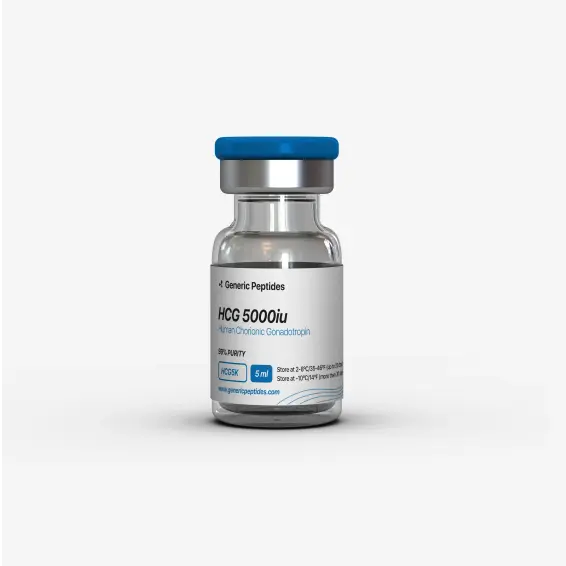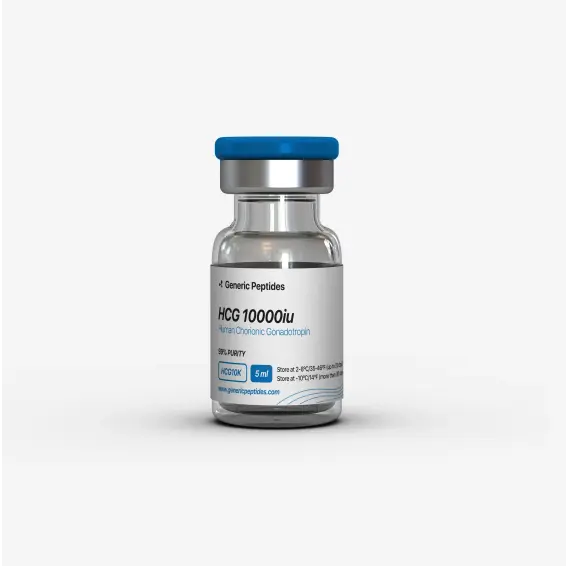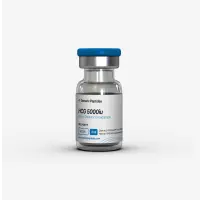
HCG

CAS # 9002-61-3
Mol. weight ~36,700 Da
Formula Glycoprotein dimer (α + β subunits)
Identity
Manufacturer Generic Peptides
Active substance Human Chorionic Gonadotropin (hCG)
Synonyms Choriogonin; hCG; Choriogonadotropin; Pregnyl; Profasi; Novarel
Composition
Form Lyophilized powder
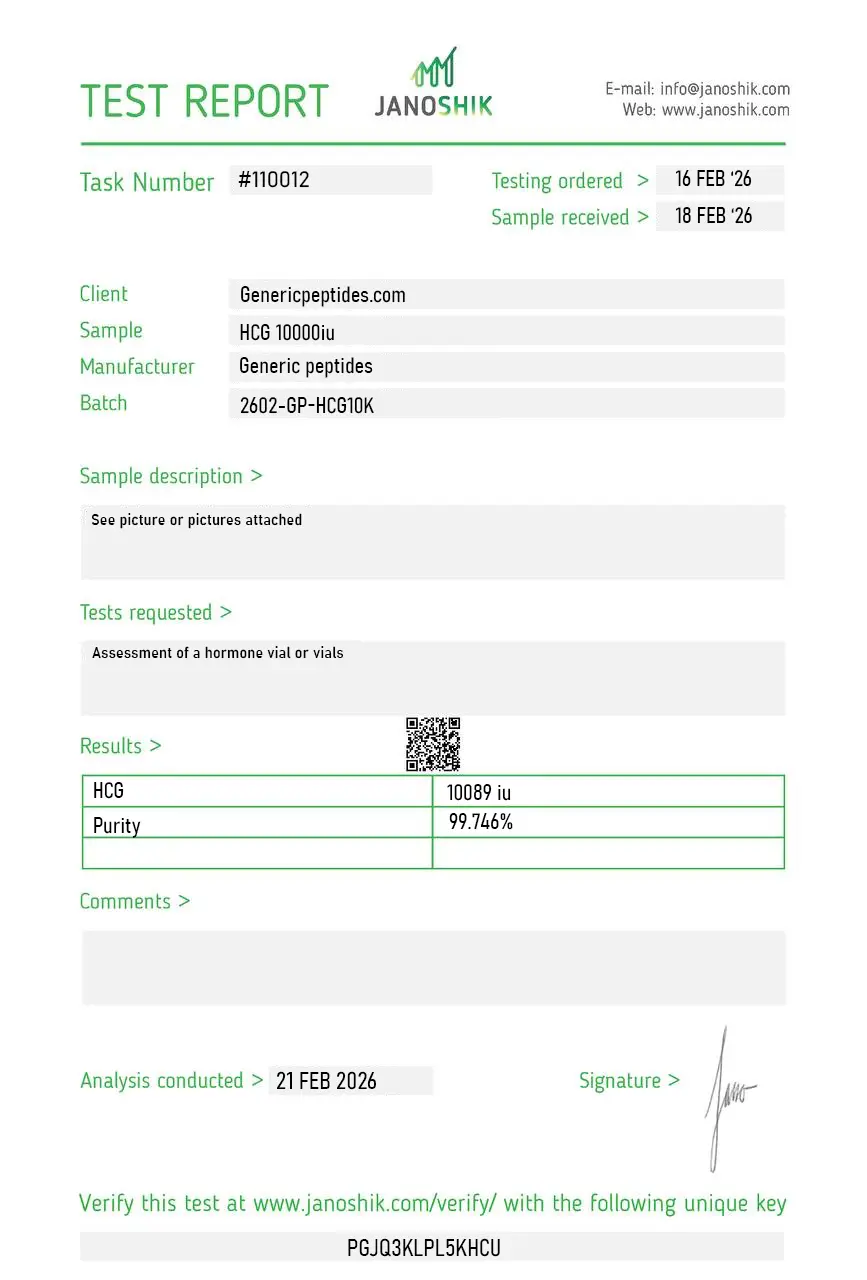
Purity ≥ 99% HPLC
Sequence Glycoprotein dimer — α-subunit (92 aa) + β-subunit (145 aa)
Product usage — Research only
  • For in vitro testing and laboratory use only.
  • Not for human or animal consumption.
  • Bodily introduction is illegal.
  • Handle only by licensed professionals.
  • Not a drug, food, or cosmetic.
  • Educational use only.
Availability: In Stock
$49.00
Quantity
Strength
Shipping
Wishlist
Quick Summary: HCG (Human Chorionic Gonadotropin)
  • Men on TRT who want to preserve testicular size and fertility, AAS users in PCT, and women undergoing fertility treatment.
  • It mimics LH by directly stimulating the testes to produce testosterone, bypassing the suppressed pituitary entirely.
  • Unlike SERMs, it restores testicular function from the bottom up without needing a functioning HPG axis to work.
  • HCG raises testosterone and oestradiol — it does not suppress hormones, but PCT with a SERM is needed afterward to restart the pituitary.
  • Fully FDA-approved for hypogonadism and fertility; prescription-only and a controlled substance in the USA; WADA-banned under S2.
  • Standard TRT support dose is 500 IU subcutaneously every other day; PCT typically uses 500–1,000 IU every other day for 2–3 weeks.
  • In PCT, use HCG for 2–3 weeks first to prime the testes, then switch to a SERM — never run both simultaneously for best results.
  • Monitor oestradiol throughout — HCG reliably raises it and gynaecomastia is a real risk without aromatase inhibitor management.

HCG (Human Chorionic Gonadotropin): The Complete Guide to the LH-Analogue Used in Fertility, TRT, and Post-Cycle Therapy — What the Science Really Says

Of all the compounds in this series, human chorionic gonadotropin occupies the most unusual regulatory position: it is simultaneously a fully FDA-approved pharmaceutical drug with decades of clinical use, a naturally occurring human hormone produced during pregnancy, one of the most widely used compounds in assisted reproductive technology, a standard-of-care fertility treatment for specific forms of hypogonadism, and — in the context that brings most readers to this article — the most common ancillary compound used by anabolic-androgenic steroid users to prevent testicular atrophy and restore fertility. Unlike every other compound in this series, HCG requires no pharmacological justification for its existence or its mechanisms. It is not a research chemical. It is not a grey-market peptide. It is a real, approved medicine, and the science behind how and why it works is among the most rigorously established in reproductive endocrinology. The question this article answers is not whether HCG works — it does, in clearly defined contexts — but what exactly it does, in which contexts it is appropriate, what the genuine risks are, and how to understand its use across its radically different populations of users.

What It Is and Where It Comes From

Human chorionic gonadotropin (HCG, also written hCG) is a naturally occurring glycoprotein hormone produced almost exclusively by the syncytiotrophoblast cells of the human placenta during pregnancy. It is a heterodimeric glycoprotein consisting of two non-covalently bound subunits — with a total molecular weight of approximately 36,700 Da (36.7 kDa). Its alpha subunit (92 amino acids) is structurally identical to the alpha subunits of LH, FSH, and TSH. It is the beta subunit that confers HCG's biological specificity — 145 amino acids with approximately 85% structural homology to LH's beta subunit, plus a unique 24-amino-acid C-terminal extension that is heavily glycosylated. This glycosylated tail explains HCG's most clinically important pharmacological property: a dramatically longer half-life than LH (approximately 36 hours for HCG versus 30 minutes for LH), enabling the convenient twice- or three-times-weekly dosing schedules used in clinical practice.

HCG was first identified in 1920 and is the basis of all pregnancy tests. Its physiological role in pregnancy is to maintain the corpus luteum (and its progesterone production) after the initial LH surge, sustaining the hormonal environment necessary for early pregnancy before the placenta takes over progesterone production.

Two Main Forms

Urinary HCG (uHCG): Extracted and purified from the urine of pregnant women. Has been produced commercially since the 1930s. Brands include Pregnyl (Organon), Novarel (Ferring), and Profasi. Typically measured in International Units (IU). A 2024 pharmacokinetic study by Handelsman et al. (Clinical Endocrinology) — the first direct comparison of urinary and recombinant forms in men — confirmed that 1,500 IU urinary HCG is approximately equivalent to 62.5 mcg recombinant HCG, and 5,000 IU urinary HCG is approximately equivalent to 250 mcg recombinant HCG.

Recombinant HCG (rHCG, choriogonadotropin alfa): Produced using recombinant DNA technology in Chinese hamster ovary (CHO) cells. First FDA-approved in 2000, EMA-approved in 2001. Brand name Ovidrel (EMD Serono) in the United States, available as a prefilled syringe pen (250 mcg per pen, equivalent to approximately 6,500 IU urinary HCG). Higher purity than urinary preparations, lower rate of injection-site reactions, and more reliable dose-to-dose consistency. The recombinant pen allows fractionated dosing using incremental clicks (each click ≈ 10 mcg ≈ 260 IU).

How It Works — The Mechanism

HCG is structurally and functionally an LH analogue. Its primary mechanism of action is binding to and activating the LH receptor (LHR) — a G-protein-coupled receptor expressed on testicular Leydig cells in men (stimulating testosterone and oestradiol synthesis), ovarian theca and granulosa cells in women (stimulating oestradiol, triggering ovulation, and supporting corpus luteum progesterone production), and placental trophoblast cells during pregnancy.

In men, the Leydig cell cascade: LH/HCG receptor binding → Gs protein activation → adenylyl cyclase → cAMP → PKA → StAR protein activation → cholesterol transport into mitochondria → steroidogenic enzyme cascade → testosterone synthesis and secretion. The result is a dose-dependent increase in intratesticular testosterone (ITT) — the concentration of testosterone inside the testes, which is normally 50–100 times higher than serum testosterone and is the critical driver of spermatogenesis.

Why intratesticular testosterone matters: Spermatogenesis requires extremely high concentrations of testosterone within the testis, far exceeding what circulates in blood. When exogenous testosterone is administered in TRT or anabolic steroid use, serum testosterone is elevated but LH production is suppressed by negative feedback. Without LH stimulation, Leydig cells become dormant and ITT collapses to essentially zero — producing testicular atrophy and azoospermia even while serum testosterone is elevated. HCG directly replaces the missing LH signal at the Leydig cell, restoring ITT without requiring restoration of HPG axis function.

Very high or very frequent HCG doses can downregulate LH receptor expression on Leydig cells through receptor internalisation (desensitisation) — reducing the testis's responsiveness to subsequent LH or HCG stimulation. This is why dosing discipline matters and why the lowest effective dose is preferred.

Approved Indications — The FDA-Sanctioned Uses

1. Prepubertal Cryptorchidism (Undescended Testes)

Cryptorchidism occurs in approximately 3% of full-term male births. HCG stimulates testosterone production in the undescended testis, which can trigger descent by increasing androgen-mediated growth of the gubernaculum. Treatment is typically initiated between ages 4–9. Standard paediatric dosing regimens range from 500 IU intramuscularly three times weekly for 4–6 weeks to higher doses depending on age and response. The response is typically temporary in most cases.

2. Selected Cases of Hypogonadotropic Hypogonadism in Males

This is the most directly relevant approved indication. Hypogonadotropic hypogonadism (HH) — secondary hypogonadism — is gonadal failure resulting from insufficient gonadotropin secretion rather than from primary testicular failure. Causes include Kallmann syndrome, idiopathic hypogonadotropic hypogonadism (IHH), pituitary tumours, and — most commonly in contemporary practice — suppression by exogenous testosterone or anabolic-androgenic steroids. HCG is FDA-approved specifically for this indication, making it the only approved gonadotropin therapy for male HH in the United States. In men with HH who wish to preserve or restore fertility, HCG is the first-line treatment, typically at 1,500–2,000 IU two to three times weekly, with FSH added after 4–6 months if spermatogenesis has not been initiated.

3. Induction of Ovulation in Anovulatory Infertile Women

In women who have failed to ovulate due to hypothalamic-pituitary dysfunction, HCG is used to trigger ovulation after follicular development has been stimulated with FSH or menotropins. HCG mimics the endogenous mid-cycle LH surge that triggers follicular rupture and oocyte release. The standard trigger dose is 5,000–10,000 IU urinary HCG (or 250 mcg recombinant HCG) administered when the leading follicle reaches 18–20 mm on ultrasound, with oocyte retrieval in IVF performed approximately 36 hours later.

The weight-loss claim — an explicit FDA repudiation: The Pregnyl label and all FDA-approved HCG labelling contains an explicit boxed warning statement: "HCG HAS NOT BEEN DEMONSTRATED TO BE EFFECTIVE ADJUNCTIVE THERAPY IN THE TREATMENT OF OBESITY. THERE IS NO SUBSTANTIAL EVIDENCE THAT IT INCREASES WEIGHT LOSS BEYOND THAT RESULTING FROM CALORIC RESTRICTION." The 1950s Dr. Simeons HCG diet protocols have been comprehensively refuted by randomised controlled trials. Homeopathic HCG diet products still circulating online contain no active ingredient and have no evidence of efficacy.

Off-Label Uses: TRT Support, AAS PCT, and Fertility Restoration

Use 1: Testicular Preservation During TRT (Ongoing Low-Dose)

When men receive testosterone replacement therapy, exogenous testosterone suppresses the HPG axis through negative feedback, halting LH and FSH production. Without LH, Leydig cells become dormant, ITT collapses, and the testes typically shrink over months. Low-dose HCG administered concurrently directly replaces the missing LH signal and maintains Leydig cell activity. The landmark Calof et al. study demonstrated that 500 IU of HCG every other day preserves semen parameters in men on TRT, while doses under approximately 300 IU fail to normalise ITT. A 2025 study from Baylor College of Medicine (Stocks et al., Fertility and Sterility) found that in 77 men with a history of testosterone use seeking fertility treatment, hCG/FSH reboot (3,000 IU hCG + 75 IU FSH three times weekly) produced sperm concentration improvement in 74% — and crucially, this improvement rate was identical whether patients were continuing testosterone therapy during the reboot or not.

Use 2: Post-Cycle Therapy (PCT) After AAS Use

After completing an anabolic-androgenic steroid cycle, endogenous LH and FSH production are suppressed and the HPG axis is in a state of functional hypogonadism. HCG used in the immediate post-cycle period (or during the final weeks of the cycle before discontinuation) directly stimulates Leydig cells to restore ITT before the HPG axis recovers. This "primes" the testes so that when SERMs (clomiphene, tamoxifen) subsequently restart pituitary LH and FSH production, the testes are already responsive rather than atrophied and unresponsive. The combination of HCG (testes priming) followed by SERM PCT (HPG axis restart) is the most evidence-supported approach to post-cycle hormonal restoration.

Use 3: Spermatogenesis Restoration in AAS-Induced Infertility

A major 2025 retrospective analysis from a Dutch harm reduction clinic (F&S Reports, Dokania et al.) studied 19 men who had been using non-prescribed androgens for at least 3 months and were unwilling to discontinue AAS use while seeking fertility. Using the recombinant HCG pen at 520–1,040 IU three times weekly — without stopping AAS — published data from the same harm reduction framework showed 84% of participants demonstrated sperm count improvement from a mean baseline of 18.0 million to 146.9 million total sperm count, with 89% showing improved total motile sperm count. This 2025 publication is the first formal clinical data on HCG efficacy in ongoing AAS users and represents an important harm reduction medicine framework.

Pharmacokinetics

HCG has pharmacokinetic properties distinctly advantageous for clinical use compared to native LH. After intramuscular or subcutaneous administration:

  • Half-life: approximately 36 hours (urinary or recombinant), compared to 30 minutes for native LH
  • Peak serum concentration: 6–12 hours post-injection
  • Duration of action: testosterone and oestradiol responses persist for 2–4 days following a single injection, enabling the clinically practical twice- or three-times-weekly dosing schedules
  • Bioavailability: subcutaneous bioavailability is comparable to intramuscular for recombinant HCG
The 2024 Handelsman et al. pharmacokinetic study specifically confirmed that the standard 250 mcg recombinant dose (full pen) leads to supraphysiological testosterone levels in most patients — supporting the recommendation for fractionated dosing in fertility treatment. The standard 1,500 IU urinary HCG dose commonly used clinically is well-matched to 62.5 mcg recombinant HCG (6 pen clicks), not the full 250 mcg pen.

Dosage Across Different Applications

HCG dosing is expressed in International Units (IU) for urinary preparations and in micrograms (mcg) for recombinant preparations. The equivalence is approximately: 250 mcg rHCG ≈ 6,500 IU uHCG; 62.5 mcg rHCG ≈ 1,500 IU uHCG.

Hypogonadotropic Hypogonadism (Men) — FDA-Approved Dosing

1,500–2,000 IU intramuscularly or subcutaneously, 2–3 times per week. Treatment typically continued for months to years. If testosterone normalises but spermatogenesis has not been achieved within 4–6 months, FSH 75 IU subcutaneously every other day is added. HCG monotherapy induces complete spermatogenesis in approximately 40% of patients; combined hCG + FSH achieves it in approximately 86%.

Fertility Preservation on TRT

500 IU subcutaneously every other day (the dose with strongest ITT evidence). Alternatively, 250–500 IU two to three times weekly. Continue throughout TRT. Monitor oestradiol — if elevated, consider aromatase inhibitor.

Testicular Size Maintenance Only (Men on TRT, No Fertility Goal)

1,500 IU weekly (minimum) to 2,500 IU weekly. Sufficient to maintain pre-TRT testicular size without full spermatogenic restoration.

AAS Post-Cycle Therapy (PCT) — Off-Label, No Formal Guidelines

  • Phase 1 (final 2 weeks of AAS cycle or immediately post-cycle): 500–1,000 IU every other day for 2–3 weeks
  • Followed by SERM-based PCT (clomiphene or tamoxifen) for 4–6 weeks to restart HPG axis GnRH/LH/FSH pulsatility
  • HCG is typically stopped before or at the start of SERM therapy

AAS Spermatogenesis Restoration (Harm Reduction Context)

520–1,040 IU recombinant HCG equivalent three times weekly, as used in the Dutch harm reduction clinic protocol. Add FSH after 4–6 months if azoospermia persists.

Ovulation Trigger (Women, Fertility Treatment)

5,000–10,000 IU urinary HCG or 250 mcg recombinant HCG, single dose subcutaneously or intramuscularly when leading follicle ≥ 18 mm. Oocyte retrieval in IVF 36 hours later.

Cryptorchidism (Paediatric)

4,000 IU three times weekly for 3 weeks (for patients 6–10 years). Multiple dosing schedules exist ranging from 500 IU to 1,000 IU three times weekly for 4–6 weeks depending on age.

Cycles and Protocols

The Critical "Start Before Stopping" Principle for PCT

The optimal use of HCG in the post-AAS context is to begin administration before the AAS has fully cleared the system — ideally in the final 2 weeks of the cycle, or within 1–2 weeks of the last AAS dose. Starting HCG while residual AAS is still present maintains testicular responsiveness, so that by the time the cycle is complete and the HPG axis begins to recover, the testes are primed rather than atrophied. This approach reduces the severity and duration of post-cycle hypogonadism.

The HCG-SERM Sequencing Principle

HCG and SERMs serve different purposes in HPG axis restoration: HCG restores testicular function from the bottom up (testes → testosterone), while SERMs (clomiphene, tamoxifen) restart the axis from the top down (pituitary → LH/FSH → testes). The two approaches are not simultaneously optimal because HCG provides exogenous LH-like stimulation that continues to suppress endogenous LH production through negative feedback. Therefore the standard protocol is: HCG first for 2–4 weeks to restore testicular size and responsiveness, then switch to SERM for 4–6 weeks to restore pituitary LH and FSH secretion. Running HCG and SERM simultaneously is less effective than sequencing them.

Long-Term TRT + HCG: The Maintenance Mindset

For men on lifelong TRT who use HCG for testicular preservation, HCG's protective effect requires continuous administration — testicular atrophy will recur if HCG is stopped while continuing TRT. The dose should be the minimum effective to maintain ITT within a satisfactory range, guided by oestradiol levels and monitoring for side effects.

What HCG Is Combined With and Why

With Testosterone (TRT Protocol)

The most common clinical combination. TRT replaces systemic testosterone to treat hypogonadism; HCG replaces the missing LH signal to maintain testicular function simultaneously. Together they provide physiological serum testosterone without testicular atrophy or infertility.

With FSH (Fertility Restoration)

FSH is required for Sertoli cell support of spermatogenesis, particularly initiation in men who have never undergone puberty or in those with severe testicular atrophy. HCG handles the Leydig cell/testosterone production aspect; FSH handles the Sertoli cell/spermatogenesis aspect. The combination (3,000 IU HCG + 75 IU FSH three times weekly) is the current clinical standard for fertility restoration in men with previous TRT/AAS-induced azoospermia.

With Clomiphene Citrate (SERM)

Combined HCG + CC protocols in PCT and fertility restoration work through complementary mechanisms: HCG directly stimulates Leydig cells from below; clomiphene blocks oestrogen feedback at the hypothalamus/pituitary, increasing endogenous LH and FSH production from above. In men with non-obstructive azoospermia after AAS use, hCG 3,000 IU three times weekly combined with CC or tamoxifen produced recovery of spermatogenesis to >1 million/mL in 98% of men within 4–5 months in one retrospective series.

With Aromatase Inhibitors (Anastrozole, Letrozole)

HCG stimulates Leydig cell steroidogenesis, which increases not only testosterone but also oestradiol through aromatase activity in Leydig cells. In some men, HCG-stimulated oestradiol elevation becomes clinically problematic — causing gynecomastia, water retention, or mood changes. Anastrozole (0.5–1 mg twice weekly) can be added when oestradiol levels rise excessively. Monitoring oestradiol is essential in any HCG protocol.

What the Science Shows — Evidence Overview

Strongly established in randomised controlled evidence:

  • HCG triggers ovulation effectively in anovulatory women — decades of ART evidence, multiple meta-analyses; 250 mcg rHCG equivalent to 5,000–10,000 IU uHCG for IVF outcomes
  • HCG induces testosterone production and testicular growth in hypogonadotropic hypogonadism — multiple clinical trials confirming testosterone normalisation in >98% and complete spermatogenesis with HCG/FSH combination in 86% of patients
  • HCG preserves semen parameters in men on TRT — landmark Calof et al. study + multiple subsequent series; minimum effective dose approximately 500 IU every other day for ITT normalisation

Well-supported in clinical series and cohort data (not randomised):

  • HCG restores spermatogenesis in AAS-induced azoospermia — retrospective series of 77 men (Baylor, 2025) showing 74% sperm concentration improvement; harm reduction clinic data (Netherlands, 2025) showing 84% total sperm count improvement
  • HCG + FSH combination superior to HCG monotherapy for complete spermatogenesis restoration
  • Concurrent TRT does not impede HCG/FSH-mediated spermatogenic recovery — confirmed 2025 data

Disproven:

  • HCG for weight loss — multiple placebo-controlled trials showing no efficacy beyond caloric restriction; FDA labelling reflects this explicitly
  • Homeopathic HCG preparations — contain no active ingredient; no clinical evidence

Side Effects and Real Risks

Gynecomastia and Oestradiol Elevation

The most common clinically significant adverse effect of HCG in men. HCG stimulates Leydig cell aromatase activity, increasing oestradiol production alongside testosterone. Elevated oestradiol causes breast tissue growth (gynecomastia), water retention, and potential mood changes. This effect is dose-dependent and is the primary reason to use the minimum effective HCG dose rather than higher doses. Management: monitor serum oestradiol (target: approximately 20–40 pg/mL in men); add aromatase inhibitor if oestradiol rises above the male reference range.

Leydig Cell Desensitisation

Supraphysiological or excessively frequent HCG dosing can downregulate LH receptor expression on Leydig cells, causing progressive loss of testosterone response. This is particularly a risk with continuous high-dose administration (>1,500–2,000 IU more than three times weekly for extended periods). Dose minimisation and avoiding continuous round-the-clock LH receptor stimulation are the practical management strategies.

Testicular Pain

Reported in some men, particularly when starting HCG after a period of testicular atrophy. The sudden resumption of Leydig cell activity can cause localised discomfort. Typically transient and managed by dose adjustment.

Fluid Retention, Headache, Fatigue, Mood Changes

Testosterone elevation from HCG drives renal sodium reabsorption, producing mild peripheral oedema at higher doses. Non-specific systemic effects including headache, fatigue, and mood changes are reported in some users — usually mild and transient.

Depression / Post-Cycle Syndrome

In the PCT context, if HCG is stopped abruptly without transitioning to SERM support, a period of relative hypogonadism can occur while the HPG axis recovers. This is one reason HCG is bridged into SERM therapy rather than stopped cold.

In Women: Ovarian Hyperstimulation Syndrome (OHSS)

The most serious risk of HCG in women undergoing fertility treatment. OHSS involves dramatic ovarian enlargement, ascites, pleural effusion, nausea, vomiting, dyspnoea, and oliguria. In severe cases it can be life-threatening through haemoconcentration, thromboembolism, and multi-organ dysfunction. Risk factors: polycystic ovary syndrome, young age, low body weight, previous OHSS, high antral follicle count. In high-risk patients, GnRH agonist trigger (instead of HCG) can reduce OHSS risk. A single 500 mcg rHCG dose led to a higher OHSS rate than 250 mcg with no improvement in pregnancy rates — confirming the value of the lower standard dose.

Thromboembolism and Anaphylaxis

HCG-associated ovarian hyperstimulation in women increases thromboembolism risk — pulmonary complications and thromboembolic reactions have resulted in death in rare cases. Anaphylaxis has been reported with urinary-derived HCG products; recombinant preparations carry lower risk due to higher purity.

Precocious Puberty in Children

Androgen secretion stimulated by HCG in boys treated for cryptorchidism can cause premature sexual development. Therapy should be discontinued if signs appear.

Effects on Hormones and the Endocrine System

Testosterone

The primary intended effect in males. Dose-dependent increase in ITT and serum testosterone through direct Leydig cell stimulation. Peak testosterone response 2–4 days after injection. Serum testosterone can reach physiological or supraphysiological levels depending on dose, baseline Leydig cell function, and whether other androgens are co-administered.

Oestradiol (Oestrogen)

Rises proportionally with testosterone through Leydig cell and peripheral aromatase activity. The oestradiol elevation is a predictable and manageable consequence of HCG use in men — it is not an error but a pharmacological consequence requiring monitoring and dose management.

LH and FSH (Endogenous)

HCG partially suppresses endogenous LH production through the same negative feedback mechanism as exogenous testosterone. The LH suppression from HCG is less complete than from exogenous testosterone, but sustained HCG use continues to suppress endogenous LH. This is why HCG alone is not sufficient for full HPG axis recovery — SERM therapy is needed to restart endogenous LH and FSH pulsatility.

Intratesticular Testosterone (ITT)

The pharmacologically critical endpoint in men. HCG at adequate doses (≥500 IU every other day) restores ITT to near-normal levels during TRT or AAS suppression, maintaining the spermatogenic environment even when serum LH is suppressed.

Progesterone and Pregnenolone

HCG stimulates the full Leydig cell steroidogenic pathway, increasing not only testosterone but also upstream precursors including pregnenolone and progesterone. Some clinicians note that this "upstream" hormone restoration is one of HCG's advantages over TRT alone, since exogenous testosterone bypasses this pathway entirely.

Cancer Risk — A Direct Answer

In Men: Androgen-Sensitive Cancers

HCG raises testosterone and oestradiol. Prostatic carcinoma and other androgen-dependent neoplasms are absolute contraindications per the FDA label. Men with prostate cancer or a history of it should not receive HCG. For men with elevated PSA or known prostate cancer risk, HCG requires careful physician evaluation. This mirrors the standard contraindication for TRT in prostate cancer.

HCG and Testicular Cancer Risk

The relationship between HCG and testicular cancer is complex. HCG is produced by some testicular germ cell tumours (particularly choriocarcinoma) and elevated serum HCG is a tumour marker in this context. HCG therapy does not cause testicular cancer in the published evidence, but gynecomastia (which HCG can cause through oestradiol elevation) is associated with a small increase in male breast cancer risk. This is a theoretical rather than documented direct causal relationship.

In Women: Ovarian Cancer

The relationship between fertility treatment and ovarian cancer has been extensively studied. Current evidence does not support a causal relationship between properly supervised HCG-trigger fertility treatment and ovarian cancer risk. OHSS itself is the dominant acute risk.

Contraindications

Both sexes:

  • Prior allergic reaction to HCG preparations
  • Known or suspected HCG-sensitive tumour (trophoblastic disease in women; choriocarcinoma)
  • Pregnancy (HCG confounds pregnancy testing)

Men specifically:

  • Prostate carcinoma or other androgen-dependent neoplasm
  • Primary testicular failure (hypergonadotropic hypogonadism) — HCG requires intact Leydig cells to work
  • Adrenal or thyroid disorders not controlled
  • Cardiac disease, renal disease, epilepsy, migraine, or asthma (androgens cause fluid retention)

Women specifically:

  • Primary ovarian failure
  • Uncontrolled thyroid or adrenal dysfunction
  • Organic intracranial lesion such as pituitary tumour
  • Abnormal uterine bleeding of undetermined origin
  • Ovarian cysts not due to polycystic ovarian syndrome
  • Sex hormone-dependent tumours

Interactions With Drugs and Other Substances

  • Testosterone (TRT/AAS): Co-administration is the most common clinical scenario. HCG and testosterone are pharmacologically complementary with no adverse pharmacokinetic interaction. Testosterone provides systemic androgen; HCG maintains intratesticular androgen and testicular function.
  • Aromatase Inhibitors (Anastrozole, Letrozole, Exemestane): Added to control HCG-induced oestradiol elevation in men. The AIs do not impair HCG's testosterone-stimulating action.
  • SERMs (Clomiphene, Tamoxifen): Sequential (not concurrent) combination is optimal for HPG axis recovery. HCG first, then SERM. Running both simultaneously provides less efficient HPG restart.
  • FSH (Follitropin Alfa/Beta): Standard combination for fertility restoration. No adverse interaction; FSH adds the Sertoli cell/spermatogenesis support that HCG alone cannot provide.
  • GnRH Agonists (Leuprolide, Buserelin) — in ART women: Downregulate pituitary before FSH stimulation; HCG trigger administered when follicles are mature.
  • GnRH Antagonists (Ganirelix, Cetrorelix) — in ART women: Prevent premature LH surge; HCG trigger after antagonist protocol triggers final maturation.
  • Corticosteroids: Can blunt hypothalamic-pituitary-adrenal function; no direct HCG pharmacokinetic interaction.

United States

HCG has full FDA approval as a pharmaceutical drug under multiple brand names (Pregnyl, Novarel, Ovidrel) for the three indications described above. It is a Schedule IV controlled substance in the United States under the Anabolic Steroid Control Act — because of its use to mitigate AAS side effects and its role in the grey-market anabolic steroid ecosystem. This means it requires a prescription and is not legally available without one. The FDA's 2020 removal of HCG from the Category 1 503B compounding list restricted injectable compounding preparations, though some 503A compounding pharmacies continue to prepare it under patient-specific prescriptions.

European Union

HCG is an approved prescription medicine across all EU member states, with multiple marketing authorisations for the fertility and hypogonadism indications. Recombinant choriogonadotropin alfa (Ovidrel) received EMA approval in 2001. Available by prescription through standard pharmaceutical channels. Not a controlled substance in the drug enforcement sense in most EU countries.

United Kingdom

Prescription-only medicine (POM) under the Human Medicines Regulations 2012. Pregnyl and Ovidrel are licensed in the UK. Available through NHS and private prescription.

Australia

Prescription only. Schedule 4 Prescription Medicine. Licensed for fertility and hypogonadism indications.

Sports Status — WADA Position

HCG is explicitly prohibited by WADA under Section S2: Peptide Hormones, Growth Factors, Related Substances, and Mimetics — specifically listed under the subsection on LH and substances stimulating LH secretion. The prohibition is at all times — in-competition and out-of-competition — for both men and women.

The rationale is clear: HCG's ability to stimulate endogenous testosterone production makes it a potential masking agent (enabling testosterone use while maintaining "normal" serum LH) and a direct performance enhancer in its own right. Because HCG is a legitimate approved pharmaceutical with genuine medical applications, TUE applications are considered — but must be approved in advance.

Detection: HCG is detectable by immunoassay in urine; male reference ranges are essentially zero (<2 IU/L), so any HCG excretion above this threshold is flagged. Recombinant HCG has a slightly different glycosylation pattern from urinary HCG, which WADA-accredited labs can distinguish using isoelectric focusing — meaning the specific form can be identified. The biological passport programme also monitors testosterone-to-epitestosterone ratios, which HCG can affect.

Reconstitution and Storage

Urinary HCG — Lyophilised Powder

Store at room temperature (up to 25°C) for long-term storage until reconstitution; some formulations require refrigerator storage — check individual product labelling. The multi-dose vials of Pregnyl (10,000 IU) come with a vial of bacteriostatic water for injection.

Reconstitution

Add the entire vial of accompanying bacteriostatic water to the HCG powder vial. For a 10,000 IU vial reconstituted with 10 mL: 1,000 IU/mL concentration. Gently roll to dissolve — do not shake. The solution should be clear and colourless. Refrigerate at 2–8°C post-reconstitution; use within 30–60 days depending on formulation and storage conditions. Do not freeze reconstituted solution.

Recombinant HCG (Ovidrel)

Comes as a prefilled syringe pen containing 250 mcg/0.5 mL. Refrigerate at 2–8°C; can be kept at room temperature for up to 30 days. Each pen delivers 25 clicks; each click = 10 mcg = approximately 260 IU equivalent. Administer subcutaneously. Do not freeze.

Who Uses HCG and For What Purpose

Fertility Medicine Patients (Men and Women)

The primary legitimate medical user population. Men with hypogonadotropic hypogonadism needing gonadotropin therapy to achieve fertility. Women undergoing ovulation induction or ART cycles needing an LH-equivalent ovulation trigger. This is mainstream reproductive endocrinology and the clinical foundation upon which all HCG knowledge rests.

Men on Testosterone Replacement Therapy (TRT)

The fastest-growing user group. Men receiving medically supervised TRT for documented hypogonadism who wish to preserve testicular function and fertility potential. Physician-prescribed HCG co-administration is increasingly standard practice in TRT clinics that take fertility preservation seriously. This is entirely legal, physician-supervised, and clinically supported.

Anabolic Steroid Users (Performance and Bodybuilding Community)

HCG is identified as one of the 10 most common ancillary substances used by AAS users across systematic reviews. Its use in PCT and as an on-cycle testicular preservation compound is widespread and has been for decades. The harm reduction clinic data from the Netherlands published in 2025 represents the first formal clinical engagement with this population's real-world HCG use patterns — a landmark shift from ignoring the practice to studying and optimising it.

Harm Reduction Clinics

As demonstrated by the Dutch harm reduction clinic, some specialised medical services now offer supervised HCG therapy to AAS users who are unwilling to discontinue steroid use but seek fertility. This represents an evidence-based harm reduction approach that acknowledges the reality of AAS use while seeking to improve health outcomes.

Comparison With Alternatives

HCG vs Clomiphene Citrate for Testosterone Restoration

These two agents address different aspects of HPG axis dysfunction. Clomiphene acts at the hypothalamus/pituitary to increase endogenous LH and FSH production — it requires an intact HPG axis to work. HCG bypasses the hypothalamus and pituitary entirely, stimulating the testes directly. For men with intact HPG axis function (including TRT users after cessation), clomiphene is an effective, oral, less invasive option. For men with genuinely deficient LH production (true hypogonadotropic hypogonadism, Kallmann syndrome), clomiphene is ineffective — only direct Leydig cell stimulation with HCG works. For PCT after AAS use, the two are commonly sequenced: HCG first (testes), then clomiphene (HPG axis).

HCG vs Gonadorelin (GnRH) for Testicular Preservation on TRT

Gonadorelin and kisspeptin analogues stimulate the hypothalamus to produce endogenous GnRH pulses, which in turn stimulate pituitary LH and FSH, which in turn stimulate the testes — a top-down approach. HCG stimulates the testes directly — bottom-up. The GnRH pulsatile approach is closer to physiological but requires more complex administration. For most clinical purposes, HCG is more practical and well-characterised.

HCG vs FSH Alone

FSH alone cannot stimulate testosterone production (only LH/HCG does this). FSH alone can stimulate Sertoli cells but requires adequate ITT to support full spermatogenesis. HCG alone can restore ITT and often initiates spermatogenesis, but complete spermatogenesis especially in men with no prior puberty often requires both. The combination is the clinical standard for complete fertility restoration.

What Doctors and Official Medicine Say

Unlike every other compound in this series, what doctors and official medicine say about HCG is not a matter of off-label controversy — it is mainstream reproductive endocrinology with decades of clinical evidence, AUA guidelines, ASRM guidelines, and standard-of-care clinical pathways. For its approved indications, HCG has the endorsement of every major endocrinology and reproductive medicine organisation.

The grey area relates primarily to the TRT/AAS support context. Many endocrinologists and general practitioners do not include HCG in TRT protocols — either because they are unfamiliar with the evidence, because the FDA compounding restrictions have reduced access, or because their TRT monitoring doesn't prioritise testicular preservation. Reproductive urologists, by contrast, are highly familiar with HCG's role in fertility preservation and routinely prescribe it alongside TRT. The 2025 publications from Baylor (Fertility and Sterility) and the Dutch harm reduction clinic (F&S Reports) advance the evidence base for the TRT + HCG approach considerably.

Summary — The Key Takeaways

HCG is the most pharmacologically distinct compound in this guide: it is not a research peptide, not a grey-market chemical, and not a speculative longevity compound. It is a fully approved pharmaceutical with a clear molecular identity, a well-characterised receptor, decades of human clinical evidence, and indispensable roles in reproductive medicine. Its mechanism — replacing the LH signal at the Leydig cell to restore intratesticular testosterone and support spermatogenesis — is among the most fundamentally important in male reproductive endocrinology.

For men on TRT, the evidence that HCG preserves testicular function, maintains fertility potential, and prevents the testicular atrophy that would otherwise accompany LH suppression is now well-established. For men recovering from AAS use, HCG primes the testes for HPG axis recovery in a way that significantly improves post-cycle outcomes. For men with hypogonadotropic hypogonadism who want to achieve fertility, HCG is the approved, evidence-based first-line treatment.

The genuine risks — oestradiol elevation causing gynecomastia, Leydig cell desensitisation from excessive dosing, OHSS in women, and cardiac and thrombotic risks in fertility treatment contexts — are real but manageable with appropriate dosing, monitoring, and physician supervision. HCG is not a compound for unsupervised self-administration. It is a powerful hormonal agent that works through the same receptor as the body's master testosterone regulatory signal, and should be treated accordingly.

⚠ DISCLAIMER This article is for informational and educational purposes only. It does not constitute medical advice, diagnosis, or treatment. HCG is a prescription-only medicine requiring physician authorisation. While it has FDA-approved indications, it is also a controlled substance in the United States and is explicitly prohibited by WADA under Section S2 in athletic competition. Do not use HCG without consulting a licensed healthcare professional, particularly a reproductive endocrinologist or urologist. Anyone using HCG in the context of fertility treatment must do so under physician supervision with appropriate monitoring. The author and publisher accept no liability for any actions taken based on the content of this article.

HCG (Human Chorionic Gonadotropin) Dosage & Usage Guide: Complete Protocols for Testosterone Support, Fertility, and PCT

Introduction

HCG (Human Chorionic Gonadotropin) dosage and usage is one of the most clinically established topics in hormone optimization, fertility medicine, and post-cycle therapy — making it unique among compounds discussed in performance and peptide communities in that it has decades of FDA-approved human clinical data, standardized pharmaceutical formulations, and well-defined medical protocols. HCG mimics Luteinizing Hormone (LH), directly stimulating the Leydig cells of the testes to produce testosterone and maintain testicular function during periods of suppressed gonadotropin output. This guide covers all clinical protocols, real-world applications, and practical administration in full detail.

What Research Says About Dosage

Unlike most research peptides, HCG has extensive published clinical trial data across multiple indications spanning six decades.

Study / Source Dose Used Goal Population
Coviello et al. (2005, JCEM) 125–500 IU every other day Testosterone maintenance during TRT Men on exogenous testosterone
Coviello et al. findings 250 IU EOD → maintained intratesticular testosterone Intratesticular T preservation Healthy men on TRT
Wenker et al. (2015, Journal of Urology) 500–3,000 IU 3x weekly Male infertility, sperm production Hypogonadal men
Depenbusch et al. (2002) 1,500–5,000 IU 3x weekly Spermatogenesis induction Hypogonadotropic hypogonadal men
Liu et al. (2009) 500–1,000 IU 3x weekly Hypogonadism treatment Men with secondary hypogonadism
Boregowda et al. (2019, review) 250–500 IU EOD or 500–1,000 IU 3x weekly TRT co-administration Men on testosterone therapy
PCT community consensus 500–1,000 IU EOD × 2–4 weeks HPTA recovery post-AAS cycle Community extrapolated
Female fertility (IVF trigger) 5,000–10,000 IU single injection Ovulation triggering Women undergoing IVF / IUI
Key clinical finding: The Coviello 2005 study established that 250 IU every other day maintains intratesticular testosterone during exogenous testosterone suppression — this is now the most widely cited clinical basis for HCG co-administration with TRT.

Real-World Dosage Protocols

Male protocols

Application Dose Frequency Notes
TRT co-administration (testicular maintenance) 250–500 IU Every other day (EOD) Most common TRT add-on protocol
TRT co-administration (conservative) 125–250 IU EOD or 3x weekly Coviello study lower range; sufficient for many
Hypogonadism monotherapy 500–1,000 IU 3x weekly Alternative to TRT; maintains fertility
Fertility / spermatogenesis 1,500–3,000 IU 3x weekly Often combined with FSH / HMG
PCT (post-AAS cycle) 500–1,000 IU EOD × 2–4 weeks Followed by SERM therapy (Nolvadex/Clomid)
Aggressive PCT / heavy suppression 1,000–2,000 IU EOD × 2 weeks, then taper For long or heavily suppressive cycles
Cryptorchidism (undescended testes) 500–1,000 IU 3x weekly Pediatric clinical use; requires physician

Female protocols

Application Dose Frequency Notes
Ovulation trigger (IVF / IUI) 5,000–10,000 IU Single injection 34–36 hrs before egg retrieval
Luteal phase support 1,500–2,500 IU Every 3 days × 3 doses Post-trigger / post-transfer
Ovulation induction (with FSH) 250 mcg r-HCG (Ovidrel) Single injection Recombinant HCG equivalent

Dosage by Goal (Male Focus)

Goal Dose Frequency Cycle / Duration Notes
Testicular maintenance on TRT 250–500 IU EOD Ongoing with TRT Gold standard co-administration protocol
Testicular size preservation 500 IU EOD Ongoing Addresses TRT-induced testicular atrophy
Fertility preservation on TRT 500–1,000 IU 3x weekly Ongoing Higher doses needed for sperm production
Hypogonadism monotherapy 500–1,000 IU 3x weekly 3–6 months; reassess Maintains endogenous T + fertility
PCT — moderate suppression 500 IU EOD × 2–3 weeks 2–3 weeks; follow with SERM Standard PCT duration
PCT — heavy suppression 1,000–2,000 IU EOD × 2 weeks, then 500 IU EOD × 2 weeks EOD tapering 4 weeks total; follow with SERM Taper down approach
Pre-TRT testicular priming 500–1,000 IU 3x weekly × 4–6 weeks Short course pre-TRT initiation Maximizes baseline before suppression
Libido / well-being on TRT 250–500 IU EOD Ongoing Some men report improved mood/libido with LH signaling restored

Forms and Preparations

Form Type Bioavailability Notes
Urinary HCG (Pregnyl, Novarel, Profasi) Natural extracted High (SubQ or IM) Standard pharmaceutical form; most widely available
Recombinant HCG — choriogonadotropin alfa (Ovidrel) Synthetic recombinant High (SubQ) 250 mcg ≈ 6,500 IU urinary HCG; primarily female fertility use
Compounded HCG Varies by pharmacy High (SubQ or IM) Available via compounding pharmacies; common in TRT clinics
Oral HCG (drops, sublingual) Negligible Widely sold but pharmacologically inert — avoid
Nasal HCG Very low / unproven Not a validated route for HCG
Critical warning: Oral and sublingual HCG products (often marketed as homeopathic or weight loss drops) have no pharmacological HCG activity at the doses used. The FDA has repeatedly warned against these products. Injectable forms (SubQ or IM) are the only clinically validated administration routes.

Reconstitution Guide

HCG comes as a lyophilized (freeze-dried) powder with a separate diluent ampule, typically bacteriostatic water or sterile sodium chloride solution.

Vial Size Diluent Added Resulting Concentration Volume per 250 IU Volume per 500 IU Volume per 1,000 IU
5,000 IU vial 5 mL BW 1,000 IU/mL 0.25 mL 0.5 mL 1.0 mL
5,000 IU vial 2 mL BW 2,500 IU/mL 0.10 mL 0.20 mL 0.40 mL
10,000 IU vial 10 mL BW 1,000 IU/mL 0.25 mL 0.5 mL 1.0 mL
10,000 IU vial 5 mL BW 2,000 IU/mL 0.125 mL 0.25 mL 0.50 mL
2,000 IU vial 2 mL BW 1,000 IU/mL 0.25 mL 0.5 mL 1.0 mL

Reconstitution steps

  1. Wipe both vial septums with alcohol swabs; allow to dry
  2. Draw diluent (BW or supplied saline) into syringe
  3. Inject diluent slowly down the vial wall — not directly onto powder
  4. Swirl gently until fully dissolved — never shake
  5. Solution should be clear and colorless; discard if cloudy or particulate
  6. Refrigerate immediately at 2–8°C; use within 30–60 days
  7. Do not freeze reconstituted HCG — freezing denatures the protein

Injection Guide

Injection Type Site Needle Size Notes
Subcutaneous Belly fat, love handles, upper thigh 27–31G, 0.5 inch Preferred for self-administration; comfortable and effective
Intramuscular Glute, deltoid, quad 23–25G, 1–1.5 inch Traditional clinical route; equally effective

SubQ injection steps

  1. Remove vial from refrigerator; allow to reach room temperature (5–10 min)
  2. Wipe vial septum and injection site with alcohol; allow to dry fully
  3. Draw correct volume into insulin syringe; verify IU calculation
  4. Pinch skin at injection site; insert at 45°
  5. Aspirate lightly — resite if blood appears
  6. Inject slowly and steadily; withdraw; apply light pressure
  7. Rotate sites with each injection
  8. Return vial to refrigerator immediately

PCT Protocol — Full Framework

HCG is used in PCT to restore testicular responsiveness before SERM therapy. It is used before SERMs, not simultaneously (HCG suppresses LH during use).

Phase Timing Compound Dose Frequency Duration
Last AAS injection (ester clearance) Wait appropriate ester clearance time Varies by ester
Phase 1 — HCG Begin after ester clears HCG 500–1,000 IU EOD 2–4 weeks
Transition 3 days after last HCG injection Stop HCG
Phase 2 — SERM Start 3 days after last HCG Nolvadex or Clomid 40/40/20/20 mg (Nolva) or 50/50/25/25 mg (Clomid) Daily 4 weeks
Monitoring Throughout PCT and 4 weeks post Bloodwork LH, FSH, total T, free T, estradiol Check at PCT start and 4–6 weeks post-PCT
Why HCG before SERMs — not together: HCG suppresses pituitary LH secretion (negative feedback) while in use. Running SERMs simultaneously wastes their HPTA-stimulating effect. HCG first restores testicular sensitivity; SERMs then restore pituitary-hypothalamic function.

Ester Clearance Times Before Starting HCG (PCT Context)

AAS Ester Half-Life Wait Before Starting HCG
Testosterone Propionate 2–3 days 3–4 days after last injection
Testosterone Enanthate 7–10 days 14 days after last injection
Testosterone Cypionate 8–12 days 14–16 days after last injection
Testosterone Undecanoate (Nebido) 20–21 days 4–5 weeks after last injection
Nandrolone Decanoate (Deca) 14–16 days 3–4 weeks after last injection
Trenbolone Enanthate 7–10 days 14 days after last injection
Boldenone Undecylenate (EQ) 14 days 3 weeks after last injection

Cycle Length and Timing

Protocol Duration Frequency Notes
TRT co-administration (ongoing) Indefinite EOD Reassess dose annually; monitor estradiol
Fertility protocol on TRT 3–6 months minimum 3x weekly Sperm production takes 74 days (spermatogenesis cycle)
PCT HCG phase 2–4 weeks EOD Stop 3 days before starting SERM
Hypogonadism monotherapy 3–6 months; reassess 3x weekly Monitor T levels, LH, FSH, sperm count
Pre-TRT priming 4–6 weeks 3x weekly Optional; maximizes baseline
Desensitization prevention (long TRT) Avoid continuous high dose High-dose continuous HCG causes Leydig cell desensitization

Beginner Protocol (TRT Co-Administration)

  • Starting dose: 250–500 IU SubQ every other day
  • Reconstitution: 5,000 IU vial + 2 mL BW → 0.1 mL = 250 IU; 0.2 mL = 500 IU
  • Injection timing: Any time of day; consistency matters more than specific timing
  • Weeks 1–4: Assess testicular response (volume, consistency), libido, and well-being
  • Bloodwork at week 6–8: Estradiol (E2) — HCG stimulates testicular aromatase and raises estrogen; this is the primary monitoring parameter
  • If E2 elevates excessively: Reduce to 250 IU EOD or discuss aromatase inhibitor with prescribing physician
  • What to expect: Testicular fullness within 2–4 weeks; improved libido in some men; occasional increase in acne or oiliness from elevated estrogen
  • What to watch: Signs of high estrogen — water retention, mood changes, nipple sensitivity — adjust dose accordingly

Common Dosage Mistakes

Mistake Why It Happens How to Avoid
Using oral / sublingual HCG drops Marketed aggressively online Only injectable forms (SubQ or IM) have pharmacological activity
Running HCG and SERMs simultaneously in PCT Trying to do everything at once HCG suppresses LH; run HCG first, then SERMs after 3-day clearance
Continuous high-dose HCG (> 500 IU EOD long-term) Wanting maximum testicular stimulation Chronic high-dose causes Leydig cell desensitization; 250–500 IU EOD is sufficient
Not monitoring estradiol on HCG Unaware of aromatase stimulation HCG strongly stimulates testicular aromatase; E2 can rise significantly
Freezing reconstituted HCG Trying to extend shelf life Freezing denatures the protein; refrigerate only at 2–8°C
Starting HCG too early in PCT (before ester clears) Impatience Circulating androgens suppress HPTA; wait for appropriate ester clearance
Skipping HCG in PCT after long/heavy cycles Not understanding testicular desensitization Long cycles cause testicular atrophy; HCG is critical for recovery in this context
Expecting HCG to fully replace TRT Hoping to avoid exogenous testosterone HCG raises T in secondary hypogonadism but cannot substitute for primary hypogonadism
Not rotating injection sites Habit Repeated injections at same site cause lipodystrophy and variable absorption

Safety and Maximum Dose

Dose Range Category Notes
125–250 IU EOD Conservative / maintenance Sufficient for testicular maintenance per Coviello study
250–500 IU EOD Safe / therapeutic Standard TRT co-administration range; well tolerated
500–1,000 IU 3x weekly Therapeutic (fertility / PCT) Standard fertility and PCT range; monitor estradiol
1,000–2,000 IU EOD Caution — high end PCT heavy suppression; short-term use only
> 2,000 IU per dose continuously Avoid long-term Leydig cell desensitization risk; estradiol elevation
> 5,000 IU (outside fertility trigger) Clinical context only Single-dose fertility trigger in women; not appropriate for male ongoing use

Full side effect profile

Side Effect Frequency Severity Notes
Estradiol elevation Very common Mild–moderate Testicular aromatase stimulation; monitor E2
Water retention Common Mild E2-related; usually dose-dependent
Acne / oily skin Common Mild T and E2 elevation; usually manageable
Testicular aching / heaviness Occasional Mild Increased testicular activity; usually transient
Gynecomastia risk Moderate (E2-mediated) Moderate if occurs Monitor E2; AI may be needed at higher doses
Mood changes / irritability Occasional Mild E2 fluctuation; stabilizes with consistent dosing
Headache Occasional Mild Self-resolving; reduce dose if persistent
Injection site reaction Occasional Mild Rotate sites; use SubQ for comfort
Leydig cell desensitization With chronic high dose Serious long-term Avoid doses > 500 IU EOD long-term
Ovarian hyperstimulation (women) Dose-dependent Serious Clinical monitoring required in all female fertility protocols

Monitoring Bloodwork Reference

Marker When to Test Target Notes
Estradiol (E2) Baseline + every 6–8 weeks on HCG 20–40 pg/mL (men) Most important HCG monitoring marker
Total Testosterone Baseline + every 8–12 weeks Varies by protocol Confirms therapeutic effect
LH / FSH Pre-PCT and post-PCT Returning to normal range Confirms HPTA recovery
Sperm analysis Baseline + 3–6 months (fertility protocols) > 15 million/mL (WHO) Spermatogenesis takes ~74 days
Hematocrit Every 3–6 months on TRT + HCG < 52% HCG raises T which raises RBC production

Quick Reference Summary

Goal Dose Frequency Duration Route Key Monitoring
TRT testicular maintenance 250–500 IU EOD Ongoing SubQ E2 every 6–8 weeks
TRT fertility preservation 500–1,000 IU 3x weekly Ongoing SubQ Sperm analysis at 3–6 months
Hypogonadism monotherapy 500–1,000 IU 3x weekly 3–6 months; reassess SubQ T, LH, FSH, E2
PCT — moderate suppression 500 IU EOD × 2–3 weeks 2–3 weeks then SERM SubQ LH, FSH, T post-PCT
PCT — heavy suppression 1,000 IU EOD × 2 weeks → 500 IU EOD × 2 weeks EOD tapering 4 weeks then SERM SubQ Full hormone panel
Female ovulation trigger 5,000–10,000 IU Single injection Once (34–36 hrs pre-retrieval) SubQ or IM Clinical monitoring required
Beginner TRT add-on 250–500 IU EOD Ongoing with TRT SubQ E2 at 6–8 weeks
Disclaimer This article is for informational and educational purposes only. It does not constitute medical advice, diagnosis, or treatment. While HCG is an FDA-approved pharmaceutical medication for specific indications (cryptorchidism, hypogonadotropic hypogonadism, female infertility), its use for TRT co-administration, PCT, and performance purposes represents off-label use that should be supervised by a qualified healthcare professional. Estradiol elevation is a significant and consistent side effect requiring monitoring. Female fertility protocols carry risk of ovarian hyperstimulation syndrome (OHSS) and must be conducted under medical supervision. Do not self-administer HCG for fertility purposes without physician oversight.

HCG (Human Chorionic Gonadotropin) Storage Guide: Lyophilized Powder and Reconstituted Solution

HCG is a large glycoprotein hormone that is more sensitive to temperature and handling than most peptides — particularly once reconstituted. Follow the guidelines below carefully and it will stay fully active and ready to use.

Lyophilized Powder (Unreconstituted Vial)

Parameter Details Notes
Storage temperature 2–8°C (36–46°F) — refrigerator required; room temperature storage not recommended beyond 30 days Shelf life: up to 24 months refrigerated when sealed; always follow manufacturer expiry date
Freezing Allowed — –20°C (–4°F) or below is acceptable for dry powder Avoid repeated freeze-thaw cycles; let vial warm to room temperature before opening to prevent condensation; some manufacturers advise against freezing — check product labeling
Light sensitivity Yes — protect from light Keep in original packaging or a dark container; away from UV and direct sunlight; HCG is more light-sensitive than most smaller peptides
Signs of degradation Yellow or brown discoloration; visible clumping or caking; unusual odor after reconstitution Fresh powder is white to off-white and completely dry; discard if discolored or clumped
Common mistakes Storing at room temperature long-term; exposing to humidity; leaving unsealed Keep vials sealed and refrigerated at all times; do not leave out longer than necessary during handling

Reconstituted Solution (After Mixing with Bacteriostatic Water)

Parameter Details Notes
Storage temperature 2–8°C (36–46°F) — refrigerator only; do not leave at room temperature for more than 30 minutes Shelf life: up to 30 days with bacteriostatic water; use plain sterile water within 24–48 hours only. HCG is a large, fragile glycoprotein and degrades significantly faster in solution than most peptides — always use bacteriostatic water for multi-dose vials
After reconstitution — freezing Not recommended — freezing damages the glycoprotein structure of HCG; refrigerator only, no exceptions HCG is particularly vulnerable to freeze-thaw damage in solution; keep powder unreconstituted if longer storage is needed and mix only what you need
Light sensitivity Yes — protect from light Store vial wrapped in foil or in a dark container inside the fridge; reconstituted HCG is especially sensitive to UV and ambient light degradation
Signs of degradation Cloudiness; particulates; color change to yellow or brown; foaming; unusual odor A properly reconstituted solution is clear and colorless; even slight cloudiness is a reason to discard — do not use if in doubt
Common mistakes Leaving reconstituted vial at room temperature; using plain sterile water for multi-dose use; shaking vigorously; storing beyond 30 days Always swirl very gently, never shake — HCG is sensitive to mechanical agitation; use bacteriostatic water only; label with the date of reconstitution; discard after 30 days regardless of remaining volume
Disclaimer This guide is for general informational purposes only and does not constitute medical or pharmaceutical advice; always follow the storage instructions provided by your specific manufacturer or prescribing professional.

Shipping & Product Authenticity

Every order is processed quickly and shipped with full tracking. All products come directly from the official Dragon Pharma supply chain — in original manufacturer packaging, handled discreetly from warehouse to door.

Shipping Times

Destination Delivery Time Notes
USA Domestic 4–5 business days Faster when local warehouse stock is selected at checkout
International 13–15 business days Tracking included; update frequency may vary by destination country
Order Processing 24–48 business hours Processing begins after payment confirmation
Tracking Provided on all orders Tracking number sent after dispatch; multiple warehouses may result in separate shipments

Direct Supply & Discreet Delivery

This product is supplied through the official Dragon Pharma distribution chain and shipped in original manufacturer packaging. The outer shipping package remains discreet, with privacy-focused handling and no unnecessary external product details.

All shipments use plain outer packaging with no product branding or references visible on the outside. Your privacy is handled as a default, not an option.

What to Expect

  • Orders are processed after payment confirmation
  • USA domestic shipping is typically faster when local stock is selected
  • International orders include tracking, though update frequency may vary by destination
  • Multiple warehouses may result in separate shipments when applicable

Authenticity & Verified Supply

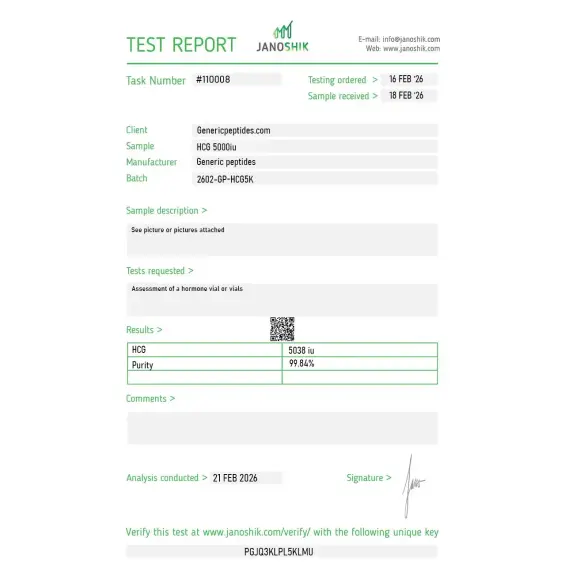
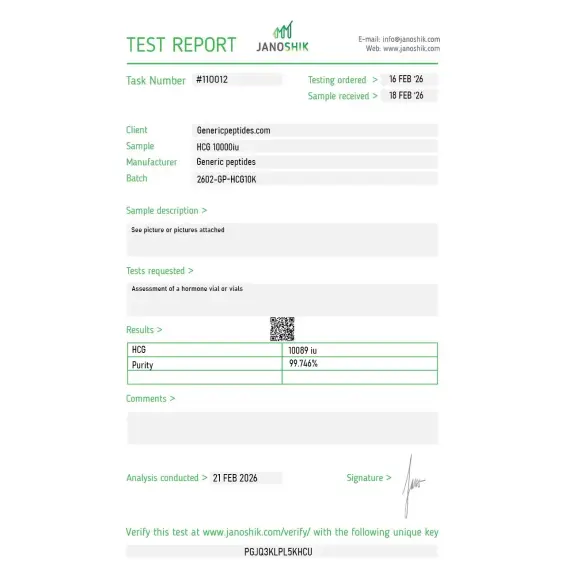
Authenticity support includes official Dragon Pharma presentation, batch-linked lab proof, and original packaging — all of which help reinforce product legitimacy and buyer confidence.

Authenticity Feature Details
Packaging Original manufacturer packaging — sealed and unaltered
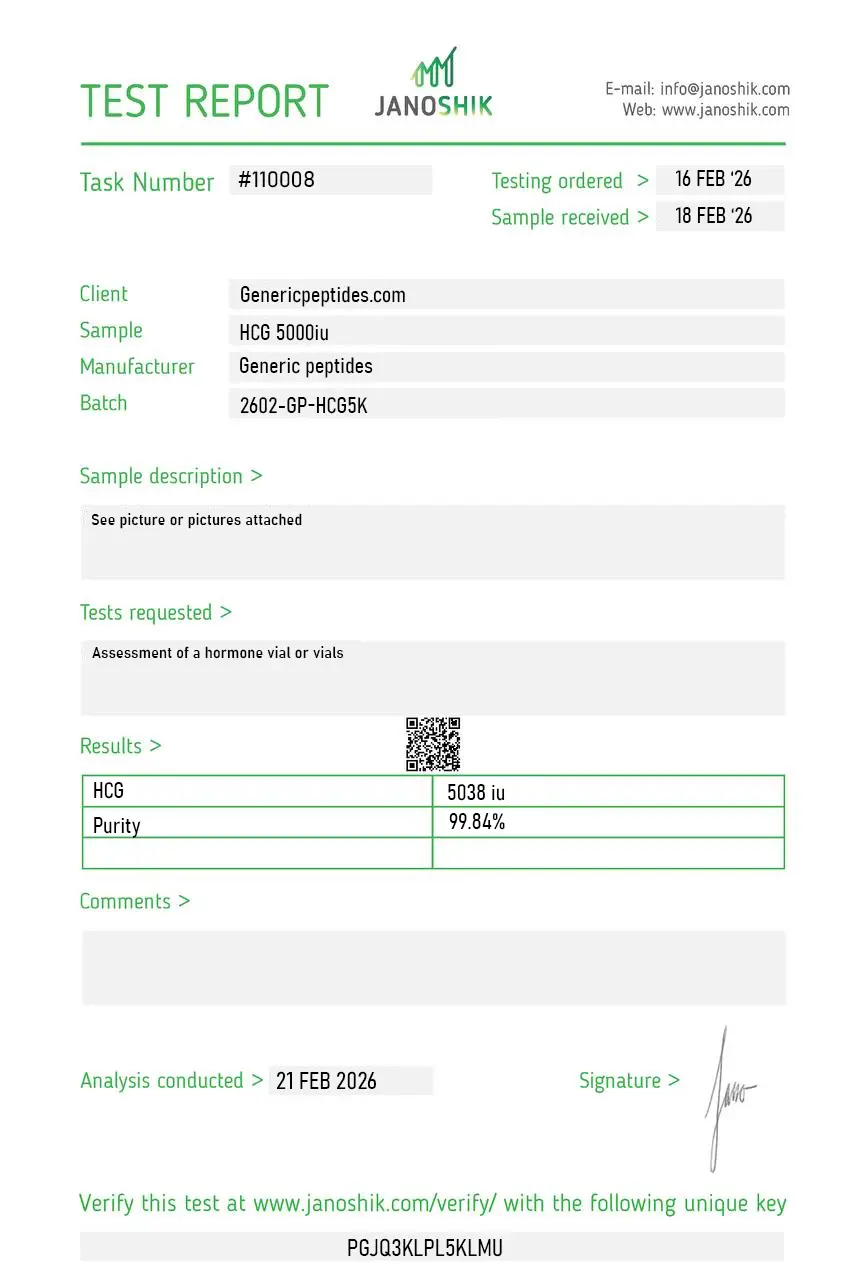
Lab Proof Batch-linked certificate of analysis available on request
Supply Chain Sourced exclusively through official Dragon Pharma distribution
Shipping & Returns For complete delivery details, tracking policy, and reshipment terms, please see our Shipping Info page.
Please log in to write review.

Human Chorionic Gonadotropin (HCG) is a glycoprotein hormone — technically a large peptide — produced naturally by the placenta shortly after a fertilized egg implants in the uterine wall. It is the hormone that pregnancy tests detect, which is why HCG is commonly called "the pregnancy hormone." Structurally, it shares close similarity with luteinizing hormone (LH), the pituitary hormone that triggers testosterone production in men and ovulation in women. HCG used medically is either extracted from the urine of pregnant women (brand names such as Pregnyl and Novarel) or produced synthetically using recombinant DNA technology (brand name Ovidrel). Unlike the research peptides covered elsewhere in this series, HCG is an FDA-approved prescription medication with well-established clinical indications — though it is also widely misused outside those indications.

HCG works by binding to and activating the LH/HCG receptor (LHCGR), which is the same receptor that the body's natural LH uses. Because HCG is structurally so similar to LH, it mimics LH's actions throughout the body. In men, LH normally travels from the pituitary gland to the Leydig cells in the testes and signals them to produce testosterone. HCG does exactly the same — it directly stimulates the Leydig cells to synthesize testosterone, bypassing the need for a functioning pituitary-hypothalamic axis entirely. This is a critical distinction: TRT delivers testosterone from outside the body and suppresses the body's own production, while HCG stimulates the testes to produce testosterone themselves. In women, HCG mimics the LH surge that triggers ovulation — the release of a mature egg from the follicle — making it a cornerstone of assisted reproduction protocols.

HCG has clear, evidence-backed FDA-approved indications. In men, it is approved to treat hypogonadotropic hypogonadism — a form of low testosterone caused by insufficient LH signaling from the pituitary — and to treat cryptorchidism (undescended testicles) in young boys when a hormonal rather than surgical approach is appropriate. In women, it is FDA-approved to trigger ovulation as part of infertility treatment, typically administered after follicle maturation has been confirmed by ultrasound. It is also a standard component of IVF protocols to trigger the final maturation and release of eggs before retrieval. A 2024 review of the literature confirmed that for men with hypogonadism who wish to preserve fertility, HCG and gonadotropin medications are the most reliable alternatives to testosterone replacement therapy, with other options remaining more experimental.

This is one of the most clinically important and frequently asked questions about HCG. When men take exogenous testosterone (TRT), the brain detects the elevated testosterone and stops signaling the pituitary to release LH. Without LH stimulation, the Leydig cells in the testes go quiet — they stop producing testosterone and sperm. Over time, this leads to testicular atrophy (physical shrinkage of the testes) and azoospermia (absence of sperm in semen), effectively rendering the man infertile for the duration of TRT and sometimes for months or years afterward. HCG solves this by providing an LH-like signal directly to the testes, bypassing the suppressed pituitary-hypothalamic axis. Studies have confirmed that low doses — as little as 500 IU subcutaneously three times per week — are sufficient to maintain normal intratesticular testosterone levels and preserve spermatogenesis in most men on TRT.

Dosing depends on the goal. For fertility preservation in men on TRT, studies support 500 IU subcutaneously every other day as an effective maintenance dose to sustain testicular function. For men who need to restore spermatogenesis after TRT suppression, higher doses of 1,500–2,000 IU two to three times weekly are typically used. For men with hypogonadotropic hypogonadism being treated primarily with HCG to restore both testosterone and fertility, the same range applies, and it can take up to two years of consistent treatment to reach maximum sperm production. For men whose only goal is preventing testicular atrophy during TRT (without immediate fertility concern), 1,500 IU weekly has been shown to maintain pre-TRT testicular size. All dosing must be prescribed and supervised by a physician, with regular testosterone, LH, and estradiol monitoring.

The side effect profile of HCG varies by sex and dosage. In men, the most commonly reported effects are mild headache, fatigue, mood changes, and injection site reactions — most of which resolve within the first few weeks as the body adjusts. Because HCG elevates testosterone, and testosterone converts to estradiol via the aromatase enzyme, elevated estrogen is a meaningful concern in men, potentially causing gynecomastia (breast tissue development), water retention, and mood fluctuations. This estrogen excess is more pronounced when HCG is combined with TRT. In rare cases, blood clots are a documented risk, which can lead to serious events including deep vein thrombosis, pulmonary embolism, heart attack, or stroke. In women undergoing fertility treatment, the most serious risk is Ovarian Hyperstimulation Syndrome (OHSS) — a potentially life-threatening condition involving ovarian swelling, severe abdominal pain, bloating, rapid weight gain, nausea, and in severe cases fluid accumulation in the chest and abdomen. Mild to moderate OHSS affects roughly 10–20% of stimulated cycles, while severe OHSS is less common but requires hospitalization.

The HCG diet — which combines HCG injections or drops with an extreme 500-calorie-per-day restriction — has been marketed since the 1950s based on claims that HCG targets fat stores and suppresses hunger. The FDA's position is clear and unambiguous: HCG has no known effect on appetite, hunger, fat loss, or fat distribution. Multiple controlled clinical studies have found no difference in weight loss between groups given HCG and those given placebo — both groups lost weight at the same rate solely because of the severe caloric restriction. The FDA formally deems the marketing of HCG as a weight loss enhancement fraudulent, and any over-the-counter product claiming to contain HCG is illegal and almost certainly ineffective. The 500-calorie diet accompanying HCG weight loss programs is itself potentially dangerous, carrying risks of nutritional deficiency, gallstone formation, and metabolic damage.

HCG is widely used in the bodybuilding community as a tool to restart natural testosterone production and restore testicular function after anabolic steroid cycles — a practice commonly called "post-cycle therapy" (PCT). There is genuine physiological rationale for this: after prolonged anabolic steroid use, the hypothalamic-pituitary-gonadal axis is suppressed, and HCG's direct stimulation of the testes can help accelerate recovery. A 2025 retrospective study from a Dutch harm reduction clinic found that HCG improved spermatogenesis in the majority of men who continued using non-prescribed androgens, though some remained azoospermic. Despite its medical legitimacy in certain contexts, HCG is banned in competitive sports by the World Anti-Doping Agency under the S2 category — Peptide Hormones and Related Substances — because elevated testosterone produced by HCG constitutes a performance advantage. High-profile athletes including MLB's Manny Ramirez and NFL's Brian Cushing have been suspended for positive HCG tests.

Several contraindications are well-established. Men with prostate cancer should not use HCG, as it elevates testosterone which can fuel prostate cancer growth. Men with hormone-sensitive tumors — including certain brain cancers — should also avoid it. Women should not use HCG if they are already pregnant, and it must be used with extreme caution in women with ovarian cysts or conditions that increase OHSS risk. People with a history of blood clots, heart disease, or stroke face elevated risk from HCG-associated thrombogenicity. Boys should not receive HCG without specialist pediatric endocrinologist involvement, as it can trigger premature puberty. Anyone with uncontrolled thyroid disease should have their thyroid stabilized before considering HCG therapy.

HCG is an FDA-approved prescription drug in the United States — it is not a research chemical or supplement. This means it requires a valid prescription from a licensed physician and must be dispensed by a licensed pharmacy. A 2019 FDA ruling significantly restricted compounding pharmacies from producing HCG, contributing to supply shortages in the US market. Over-the-counter "homeopathic HCG" drops and supplements are illegal and pharmacologically inert — the HCG molecule at 30,000 daltons is far too large to be absorbed through any oral or sublingual route. The only valid delivery method for pharmaceutical HCG is injection (intramuscular or subcutaneous). Anyone sourcing HCG from non-pharmacy channels, wellness clinics operating outside normal prescribing standards, or online suppliers without a prescription is taking both legal and health risks from unverified product quality.

Related Products