HMG: Urinary-Derived Menotropins Combining FSH and LH Activity
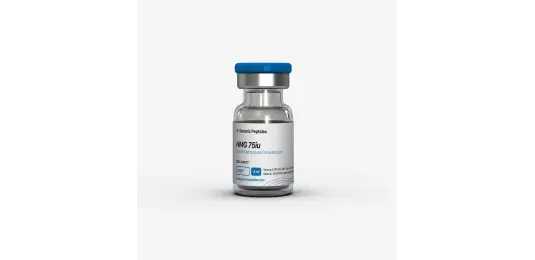
HMG / Menopur (Human Menopausal Gonadotropin) Guide 2026: Side Effects, Mechanism, FDA-Approved Indications, IVF Protocols, OHSS Risk, and Comparison to Gonal-F
By Medical Team of Generic Peptides
Human Menopausal Gonadotropin (HMG, also called menotropins) is a fertility medication consisting of FSH (follicle-stimulating hormone) and LH (luteinizing hormone) activity in approximately equal proportions, purified from the urine of postmenopausal women. The current FDA-approved product in 2026 is Menopur (Ferring Pharmaceuticals), supplied in 75 IU FSH + 75 IU LH activity per vial, administered subcutaneously for ovulation induction and controlled ovarian stimulation in IVF protocols. Earlier hMG formulations including Pergonal, Repronex, Bravelle, and Humegon have largely been discontinued in favor of highly purified Menopur, which represents the current standard for urinary-derived gonadotropin preparations.
The compound is a biologic product rather than a synthetic peptide, derived through extraction and purification from urine of postmenopausal donors who have naturally elevated gonadotropin levels reflecting the hypergonadotropic state of menopause. The half-life of approximately 32 hours allows once-daily administration. Each Menopur vial provides FSH bioactivity that drives follicular recruitment and growth, plus LH bioactivity that supports steroid hormone production within developing follicles and contributes to the final stages of follicular maturation. The LH activity in Menopur comes primarily from contaminating human chorionic gonadotropin (hCG) rather than pure LH, since hCG and LH activate the same LH/CG receptor (LHCGR) and contribute equivalent LH-like signaling at the ovarian level.
HMG occupies a specific position in modern fertility medicine relative to recombinant FSH alternatives like Gonal-F (follitropin alfa) and Follistim (follitropin beta). Recombinant FSH preparations provide pure FSH activity through Chinese hamster ovary cell production without LH contamination. The clinical question of whether the LH activity in HMG provides meaningful clinical benefit beyond pure FSH stimulation has been the subject of multiple meta-analyses and randomized controlled trials over more than two decades. The accumulated evidence supports comparable outcomes in most contexts, with some meta-analyses suggesting slightly higher pregnancy and live birth rates with HMG and others showing no significant differences. The Cochrane Collaboration analysis didn't reveal major differences in clinical outcomes between urinary and recombinant gonadotropin products. The American Society for Reproductive Medicine Practice Committee has stated that no confirmed differences in safety, purity, or clinical efficacy exist among the various available urinary or recombinant gonadotropin products.
Unlike most peptides covered in this article series, HMG is a fully developed pharmaceutical product with FDA approval, established clinical use protocols, integration into standard IVF and ovulation induction practice, and substantial randomized controlled trial evidence base. The operational considerations involve cost (HMG is typically more expensive per cycle than recombinant alternatives), supply chain dependence on urine collection from postmenopausal donors (a unique manufacturing constraint not affecting synthetic gonadotropins), and clinical decisions about when LH-containing preparations versus pure FSH preparations are most appropriate for specific patient populations.
I'll be direct about HMG's clinical positioning from the start. The compound has substantial evidence base, FDA approval, and established clinical role in modern reproductive medicine. The honest limitations are operational and clinical-decision-oriented rather than pharmacological. The supply chain depends on urinary collection that has been periodically affected by various challenges. The cost is meaningfully higher than recombinant alternatives. The clinical question of when LH supplementation through HMG provides advantage over pure FSH stimulation has not been fully resolved despite decades of research, with current evidence suggesting modest benefits in specific patient subgroups (poor responders, women over 35, certain ovarian stimulation protocols) rather than universal advantage.
This article walks through what HMG actually is, the FSH and LH activities that define its therapeutic profile, the evolution from earlier formulations to current highly purified Menopur, the FDA-approved indications and clinical applications, the comparative evidence base versus recombinant FSH alternatives, the safety profile from decades of pharmaceutical use, and how to think about HMG decisions given the current clinical landscape and operational considerations.
What HMG Is
HMG was developed in the 1960s through the extraction and purification methodology that Piero Donini established in 1949 — a relatively simple method to obtain gonadotropins from the urine of postmenopausal women. Bruno Lunenfeld successfully introduced menotropins into clinical use in 1961, making HMG one of the foundational pharmaceutical interventions for ovulation induction and the broader development of modern reproductive medicine. The compound preceded the development of assisted reproductive technology by more than a decade and was the only gonadotropin preparation commercially available for ovulation induction and controlled ovarian stimulation in IVF for more than 30 years before recombinant alternatives emerged in the early 1990s.
The biological foundation involves the natural elevation of gonadotropin levels that occurs during menopause. Postmenopausal women have hypergonadotropic states with elevated FSH and LH levels reflecting the loss of ovarian feedback inhibition. The urinary excretion of these elevated gonadotropins provides the source material for HMG production. Modern manufacturing involves collection of urine from large pools of postmenopausal donors, followed by extensive purification processes that progressively isolate the gonadotropin proteins from urinary contaminants.
The historical evolution reflects progressive purification improvements. Early Pergonal preparations contained substantial uncharacterized protein contaminants that necessitated intramuscular administration and produced high rates of injection site reactions. The 1980s saw introduction of partially purified preparations including Repronex with reduced (but still present) contaminant burden. Modern highly purified HMG (HP-hMG, marketed as Menopur) represents a manufacturing advance that produces preparations nearly devoid of uncharacterized proteins, allowing subcutaneous administration with substantially reduced injection site reactions. The randomized comparison published in Reproductive Biology and Endocrinology (PMC1309620) documented a seven-fold difference in injection site reactions between Menopur (4.9%) and earlier Repronex (34.4%) preparations, with 98% of Menopur subjects completing IVF cycles without significant injection site reactions compared to 81% with Repronex.
The current Menopur formulation (Ferring Pharmaceuticals) provides 75 IU FSH activity and 75 IU LH activity per vial in a 1:1 ratio. The compound is supplied as lyophilized powder for reconstitution with sterile water before subcutaneous injection, with newer pre-filled pen devices providing liquid formulation that's bioequivalent to powder reconstitution. Ferring's pre-filled pen device represents a usability improvement allowing easier self-administration with reduced preparation steps.
The naming convention varies. HMG, hMG, human menopausal gonadotropin, menotropins, and various brand names (Menopur, Pergonal, Repronex, Bravelle, Humegon, Menogon, Merional) all refer to urinary-derived FSH+LH preparations. The current US-marketed product is Menopur. Some international markets retain other formulations. Earlier Repronex and similar partially purified products have largely been discontinued.
HMG Mechanism of Action
HMG's mechanism reflects the combined actions of FSH and LH on ovarian follicular development and steroidogenesis.
The FSH component binds FSH receptors on granulosa cells of developing ovarian follicles. FSH receptor activation triggers G-protein coupled signaling through cAMP/PKA pathways, driving granulosa cell proliferation, expression of aromatase enzyme, and conversion of androgens to estrogens within the developing follicle. FSH is fundamental for follicular recruitment in the early stages of folliculogenesis — without adequate FSH stimulation, follicles arrest at the primary stage rather than progressing through preantral and antral development.
The LH component (acting through the LHCGR receptor) binds receptors on theca cells of developing follicles, driving androgen production through cAMP/PKA signaling. The androgens (primarily testosterone and androstenedione) produced by theca cells diffuse to granulosa cells where FSH-induced aromatase converts them to estrogens. This is the classical "two-cell, two-gonadotropin" theory of estrogen production: LH acts on theca cells to produce androgens, FSH acts on granulosa cells to convert androgens to estrogens. The combined action produces the rising estradiol levels that characterize follicular development.
LH activity also becomes important in late follicular development, when LH receptors appear on granulosa cells of preovulatory follicles. This LH signaling supports final follicular maturation and is part of the physiological mechanism for the LH surge that triggers ovulation.
The LH activity in Menopur and other HMG preparations comes primarily from contaminating hCG rather than pure LH. hCG and LH share the LHCGR receptor and produce equivalent LH-like signaling at the ovarian level. The hCG content in HMG provides the functional LH-equivalent activity that complements the FSH stimulation. This mechanism explains why some IVF protocols use Gonal-F (recombinant FSH) combined with low-dose hCG as a cost-conscious alternative to Menopur — the combination provides similar functional FSH+LH-equivalent activity through different sources.
The pharmacokinetic profile reflects the different protein characteristics of FSH versus LH/hCG. FSH has a substantially longer half-life than LH, with detectable serum levels persisting 24+ hours after administration while LH activity becomes undetectable within 24 hours of injection. The functional LH-equivalent activity from contaminating hCG has longer persistence than pure LH would, contributing to the sustained gonadotropin signaling that the 32-hour overall half-life provides.
The pulsatile physiological gonadotropin secretion that occurs in normal cycles is replaced by sustained gonadotropin levels with HMG administration. This sustained pattern produces "supraphysiological" follicular recruitment that allows multiple follicles to develop simultaneously — desirable for IVF where multiple oocytes are needed but distinctly different from the single-follicle pattern of natural cycles. The supraphysiological pattern requires careful monitoring of follicular development through ultrasound and estradiol measurements to manage stimulation appropriately.
HMG FDA-Approved Indications and Clinical Applications
The FDA-approved indications for menotropins (Menopur) cover specific clinical contexts validated through extensive randomized controlled trial evidence.
Ovulation induction in oligo-anovulatory women constitutes one major approved indication. Women with infrequent or absent ovulation due to hypogonadotropic hypogonadism (insufficient endogenous gonadotropin signaling), polycystic ovary syndrome refractory to first-line treatments, or other functional causes of anovulation receive menotropin therapy to stimulate follicular development and induce ovulation. The treatment typically involves daily subcutaneous injections (75-450 IU/day depending on individual response) with monitoring through ultrasound and serum estradiol measurements until follicles reach appropriate size, followed by hCG administration to trigger ovulation. Success rates for ovulation induction in carefully selected patients reach approximately 70-80%.
Controlled ovarian stimulation for assisted reproductive technology (IVF and ICSI cycles) constitutes the larger indication by patient volume. Women undergoing IVF receive menotropins to stimulate development of multiple follicles, allowing retrieval of multiple oocytes per cycle and improving the probability of successful fertilization, embryo development, and pregnancy. The protocols vary based on patient age, ovarian reserve, prior cycle outcomes, and clinical center preferences. Daily Menopur administration during the stimulation phase typically produces retrieval of 8-15 mature oocytes per cycle depending on age and response. Clinical pregnancy rates with euploid embryo transfer typically range from 35-50% depending on age and embryo quality.
Male fertility treatment constitutes a smaller but established off-label use. Men with hypogonadotropic hypogonadism contributing to infertility receive HMG (often combined with HCG) to provide both FSH and LH activity needed for spermatogenesis. The 2024 Singhania et al. paper in Endocrine Practice examined the LFT regimen (low-dose HMG plus FSH plus testosterone) versus conventional high-dose gonadotropin therapy in men with hypogonadotropic hypogonadism, providing recent evidence for combination protocols.
Specific subpopulations where HMG's LH-containing profile may provide advantages include women over 35 (where ovarian aging may benefit from supplemental LH support), poor responders to previous IVF cycles (where additional LH activity may improve follicular development), women with low endogenous LH (where LH supplementation has clearer mechanistic rationale), and specific ovarian stimulation protocols (particularly long GnRH agonist protocols where pituitary suppression eliminates endogenous LH production). The 2025 Gynogen HP vs Menopur noninferiority trial (PMC12152847) provides recent evidence for highly purified HMG products in IVF contexts.
Off-label applications beyond the specific FDA-approved indications include various combination protocols and specialized fertility contexts. Mixed protocols using highly purified urinary FSH (Bravelle) with highly purified HMG (Menopur) in the same syringe have been documented, with the mixing not altering bioactivity. Combinations with recombinant FSH provide flexibility in adjusting FSH:LH ratios for specific patient needs. Various clinical contexts including ovarian rejuvenation research with PRP or stem cell combinations are exploring HMG integration with experimental tissue repair approaches, though these applications remain in clinical trial phases (2024-2026).
HMG vs Recombinant FSH: The Comparative Evidence
The clinical question of whether HMG (containing both FSH and LH activity) provides advantages over recombinant FSH alone (Gonal-F follitropin alfa, Follistim follitropin beta) has been studied extensively for more than two decades.
Recombinant FSH preparations are produced in Chinese hamster ovary cells through standard biotechnology methods, producing pure FSH without LH contamination, free of urinary impurities, and with consistent batch-to-batch characteristics. The recombinant approach offers manufacturing advantages including supply chain that doesn't depend on urine collection, more predictable quality, and reduced theoretical concerns about contamination.
The clinical efficacy comparison has produced complex results across multiple studies. The European and Israeli Study Group on Highly Purified Menotropin versus Recombinant Follicle-Stimulating Hormone published comparative trials showing comparable outcomes between HP-HMG and rFSH in most contexts. Andersen, Devroey, Arce 2006 in Human Reproduction documented similar clinical outcomes between HP-hMG and rFSH in IVF cycles. Multiple meta-analyses have synthesized the comparative evidence.
The accumulated evidence supports several conclusions. Pregnancy and live birth rates are slightly higher following HP-hMG compared to rFSH treatment in some meta-analyses, with the difference being small in magnitude (typically 2-5 percentage points). The mechanistic explanation for any HMG advantage centers on the FSH and hCG bioactivity ratio that HP-hMG provides, with the LH-equivalent activity through contaminating hCG potentially supporting follicular development and steroidogenesis in ways that pure FSH stimulation doesn't replicate. Cochrane Collaboration analyses haven't revealed major differences in clinical outcomes between urinary and recombinant gonadotropin products. The American Society for Reproductive Medicine Practice Committee has concluded that no confirmed differences in safety, purity, or clinical efficacy exist among available urinary or recombinant gonadotropin products.
The clinical decision between HMG and recombinant FSH typically reflects multiple factors beyond pure efficacy considerations. Cost is meaningfully different — HMG (Menopur) is typically more expensive per cycle than recombinant FSH alternatives. Insurance coverage varies by plan and may favor different products. Patient response patterns from previous cycles often guide product selection. Specific clinical contexts (poor responders, women over 35, particular ovarian stimulation protocols) may favor LH-containing preparations. Some clinicians preferentially use HMG for specific protocols based on accumulated clinical experience even where head-to-head trials don't show clear advantages.
The accumulated evidence supports that HMG and recombinant FSH provide comparable outcomes in most contexts, with HMG potentially offering modest advantages in specific patient subgroups where LH activity supplementation provides mechanistic benefit. For patients prioritizing the longest-established evidence base and the LH-containing profile, HMG (Menopur) represents the validated option. For patients prioritizing manufacturing consistency and supply chain independence, recombinant FSH alternatives may be preferable. For specific clinical contexts where mixed protocols or LH supplementation is indicated, HMG often plays a role.
HMG Safety Profile
The safety profile for HMG has been characterized through more than 60 years of pharmaceutical use, providing substantial accumulated evidence about tolerability and adverse event patterns.
Common reported effects in clinical use include injection site reactions (substantially reduced with current highly purified Menopur compared to earlier formulations — 4.9% vs 34.4% in randomized comparison), abdominal discomfort and bloating during ovarian stimulation (reflecting the multiple developing follicles), mood changes, breast tenderness, and mild pelvic discomfort. These effects are generally well-tolerated and predictable.
The most clinically significant safety concern is ovarian hyperstimulation syndrome (OHSS), which can occur with any gonadotropin therapy producing supraphysiological follicular recruitment. OHSS ranges from mild (abdominal discomfort, modest fluid shifts) to severe (significant fluid third-spacing, electrolyte abnormalities, thromboembolic risk, organ dysfunction). Severe OHSS is rare with appropriate monitoring and modern protocols, with reported rates of severe OHSS typically <1% in carefully managed cycles. Risk factors include high response phenotypes (PCOS, young age, high AMH), high estradiol levels during stimulation, and development of large numbers of follicles.
Multiple pregnancy is another inherent risk of gonadotropin therapy. The supraphysiological recruitment of multiple follicles increases the probability of multi-follicular ovulation in non-IVF cycles or transfer of multiple embryos in IVF cycles. Modern IVF practice has substantially reduced multiple pregnancy rates through single embryo transfer policies, but ovulation induction cycles outside IVF can still produce twin or higher-order multiple pregnancies. Multi-fetal pregnancy carries increased maternal and fetal risks.
Thromboembolic events are uncommon but documented, particularly in the context of OHSS. The hyperestrogenic state combined with hemoconcentration in moderate-to-severe OHSS creates thromboembolic risk that requires clinical attention.
Allergic reactions to urinary-derived products were more common with earlier formulations containing protein contaminants. Modern highly purified HMG has substantially reduced allergic reaction rates, though hypersensitivity remains a documented contraindication.
The safety database for HMG includes decades of clinical use across diverse patient populations with established surveillance through fertility treatment registries and reproductive medicine practice. No specific long-term safety signals have emerged that distinguish HMG unfavorably from other gonadotropin products in similar clinical contexts. Cancer surveillance studies in women treated with fertility medications have generally not shown elevated cancer risk attributable to gonadotropin therapy, though some specific cancer types (particularly ovarian) have been the subject of ongoing surveillance.
Drug interactions involve standard considerations. Other gonadotropin products represent mechanistically related compounds — combinations are common in fertility protocols (HMG with rFSH, HMG with hCG triggering, sequential gonadotropin protocols). GnRH analogs (leuprolide, cetrorelix, ganirelix) are used in standard IVF protocols to prevent premature ovulation; the combinations are well-established. Selective estrogen receptor modulators (clomiphene) and aromatase inhibitors (letrozole) are sometimes used as preliminary or adjunctive treatments before or alongside HMG. Antithrombotic medications may be used in specific clinical contexts to address thromboembolic risk.
Contraindications include known hypersensitivity to HMG or its components, primary ovarian insufficiency (where exogenous gonadotropins won't produce response), uncontrolled non-gonadal endocrinopathy (thyroid, adrenal disorders), tumors of the pituitary, hypothalamus, breast, ovary, or uterus, undiagnosed abnormal genital bleeding, ovarian cysts not due to PCOS, and pregnancy.
Who Uses HMG and How It Compares to Alternatives
The patient populations using HMG in 2026 span specific fertility-related clinical contexts where the FSH+LH activity profile aligns with treatment goals.
Women undergoing IVF or ICSI for various infertility causes use HMG as one option for controlled ovarian stimulation. The compound is integrated into established IVF protocols at fertility clinics worldwide, with selection between HMG and recombinant FSH typically based on patient factors, clinic preferences, cost considerations, and prior cycle response patterns.
Women undergoing ovulation induction for anovulatory infertility (PCOS refractory to first-line treatments, hypogonadotropic hypogonadism, other functional anovulation) use HMG when oral fertility medications (clomiphene, letrozole) haven't produced adequate response or when the clinical context favors gonadotropin therapy.
Women over 35 and poor responders to previous IVF cycles sometimes preferentially receive HMG for the LH-containing activity that may provide modest advantages in these populations.
Women in long GnRH agonist protocols where pituitary suppression eliminates endogenous LH production may benefit from HMG's LH supplementation, though specific evidence for this benefit varies across studies.
Men with hypogonadotropic hypogonadism contributing to infertility use HMG in combination with HCG for spermatogenesis induction. The 2024 Singhania et al. LFT regimen research provides recent evidence for these protocols.
The relevant comparisons:
Recombinant FSH alternatives (Gonal-F follitropin alfa, Follistim follitropin beta) provide pure FSH activity with manufacturing advantages of recombinant production. Generally less expensive than HMG. Comparable outcomes in most contexts based on accumulated evidence. May be preferable for patients where LH supplementation isn't specifically indicated.
Recombinant LH (lutropin alfa, available in some markets) provides pure LH activity for combination with rFSH when specific LH supplementation is desired. Less commonly used because of cost and availability constraints; HMG often substitutes when LH activity is wanted.
HCG provides LH-equivalent activity through the LHCGR receptor that LH and hCG share. Low-dose hCG combined with rFSH can substitute for HMG in some protocols, providing LH-equivalent activity at potentially lower cost. The CNY Fertility analysis documents this approach as a cost-conscious alternative to Menopur, particularly for self-pay cycles.
Highly purified urinary FSH preparations (Bravelle was previously available, largely discontinued) provided pure FSH from urinary source. These have been substantially superseded by recombinant FSH alternatives.
Other highly purified hMG preparations exist in international markets (Merional, Meriofert in some countries; Gynogen HP in India per the 2025 PMC12152847 trial). Menopur remains the FDA-approved and EU-approved reference product.
Corifollitropin alfa provides long-acting recombinant FSH with reduced injection frequency. Different operational profile but similar overall therapeutic positioning.
For patients in 2026 considering gonadotropin therapy options, the decision typically involves weighing cost considerations, prior cycle response patterns, specific clinical context (LH supplementation rationale), and clinic-specific preferences. HMG's role in modern fertility practice is established and ongoing despite the availability of recombinant alternatives, reflecting both the modest evidence-based advantages in specific subgroups and the integrated clinical experience that has accumulated through decades of use.
Honest Assessment of HMG in 2026
I'll be direct about HMG's clinical positioning in current practice.
HMG is the most pharmaceutically established compound covered in this article series after HCG — FDA-approved with decades of clinical use, integrated into standard fertility treatment protocols, supported by substantial randomized controlled trial evidence, and continuously refined through manufacturing improvements (highly purified Menopur, pre-filled pen device). The clinical applications are real and clinically meaningful. The compound has played a foundational role in modern reproductive medicine since the 1960s.
The honest limitations are operational and clinical-decision-oriented rather than pharmacological. The supply chain depends on urine collection from postmenopausal donors — an unusual manufacturing constraint that creates supply chain considerations distinct from synthetic or recombinant alternatives. The cost is meaningfully higher per cycle than recombinant FSH alternatives, with cost considerations affecting patient access particularly in self-pay contexts. The clinical question of when LH supplementation through HMG provides advantage over pure FSH stimulation has not been fully resolved despite decades of research, with current evidence supporting modest benefits in specific subgroups (poor responders, women over 35) rather than universal advantage. The LH activity in HMG comes primarily from contaminating hCG rather than pure LH, which means combinations of rFSH plus low-dose hCG can substitute functionally at potentially lower cost.
The methodological consideration affecting interpretation of the comparative HMG vs rFSH evidence is that meta-analyses have produced somewhat varying conclusions depending on which studies were included, what outcomes were prioritized, and how subgroup analyses were conducted. The Cochrane Collaboration position (no major differences) and the American Society for Reproductive Medicine position (no confirmed differences) reflect cautious interpretation of the evidence base. Some industry-supported analyses have suggested somewhat larger HMG advantages than independent meta-analyses, which is a methodological consideration worth acknowledging when evaluating product positioning claims.
What's genuinely uncertain about HMG in 2026 is whether ongoing research on subgroup-specific advantages (poor responders, women over 35, specific stimulation protocols) will produce more robust evidence for differential HMG vs rFSH effects, whether emerging combination approaches with novel adjunctive therapies (PRP, mesenchymal stem cells in ovarian rejuvenation contexts) will integrate HMG in ways that change clinical positioning, and how cost dynamics will evolve as biosimilar recombinant FSH alternatives become more widely available.
For patients navigating HMG decisions in 2026, the framing reflects the compound's specific clinical positioning. Patients undergoing fertility treatment with appropriate clinical indications and physician guidance have a well-validated treatment option supported by extensive evidence. Patients in subgroups where LH supplementation may provide advantages (poor responders, women over 35, long GnRH agonist protocols) have particular mechanistic rationale for HMG. Patients prioritizing cost considerations or in clinical contexts where pure FSH stimulation is appropriate may find recombinant FSH alternatives equally suitable. The decision typically reflects clinical context, prior response patterns, cost considerations, and clinic-specific preferences rather than dramatic differences in clinical efficacy.
HMG's role in the broader fertility medicine landscape is established and ongoing despite the long-standing availability of recombinant alternatives. The 60+ years of clinical experience, continuous manufacturing improvements producing highly purified preparations, integration into standard IVF and ovulation induction protocols, and modest evidence-based advantages in specific subgroups collectively maintain HMG's clinical relevance. The pharmacological foundation is mature, the clinical applications are documented, and the safety profile is well-characterized. The challenges are practical: cost, supply chain considerations, and the ongoing clinical refinement of when LH-containing preparations provide advantage over pure FSH stimulation.
The next 12-24 months likely won't produce dramatic changes in HMG's clinical positioning. The compound has reached pharmaceutical maturity. New highly purified preparations from international manufacturers (Gynogen HP, others) may expand global access. Pre-filled pen devices represent ongoing usability improvements. Combinations with experimental adjunctive therapies remain in clinical trial phases. The fundamental clinical role — gonadotropin therapy for ovulation induction and controlled ovarian stimulation — continues to depend on HMG and its alternatives in patterns that have stabilized through accumulated clinical experience.
References
[1] Donini P, et al. Methods for the extraction of gonadotropins from human urine. Foundational 1949 methodology research enabling subsequent menotropin development.
[2] Lunenfeld B. Historical perspectives in gonadotrophin therapy. Human Reproduction Update. 2004;10(6):453-467. Foundational clinical introduction of menotropins research.
[3] Deeks ED. Highly purified human menopausal gonadotropin (Menopur®): a profile of its use in infertility. Clinical Drug Investigation. 2018;38:1077-1084. Comprehensive review of HP-hMG clinical positioning.
[4] Andersen AN, Devroey P, Arce JC. Clinical outcome following stimulation with highly purified hMG or recombinant FSH in patients undergoing IVF: a randomized assessor-blind controlled trial. Human Reproduction. 2006;21(12):3217-3227. European and Israeli Study Group comparative trial.
[5] European and Israeli Study Group on Highly Purified Menotropin versus Recombinant Follicle-Stimulating Hormone. Efficacy and safety of highly purified menotropin versus recombinant follicle-stimulating hormone in in vitro fertilization/intracytoplasmic sperm injection cycles: a randomized, comparative trial. Fertility and Sterility. 2002.
[6] Keene JL, Matzuk MM, Otani T, Fauser BC, Galway AB, Hsueh AJ, Boime I. Expression of biologically active human follitropin in Chinese hamster ovary cells. Journal of Biological Chemistry. 1989;264(9):4769-4775. Foundational recombinant FSH development context.
[7] Cochrane Collaboration. Comparative analyses of urinary versus recombinant gonadotropins in assisted reproduction. Multiple Cochrane reviews documenting comparable outcomes.
[8] American Society for Reproductive Medicine. Practice Committee statement on gonadotropin products. Position that no confirmed differences in safety, purity, or clinical efficacy exist among available gonadotropin products.
[9] Coomarasamy A, Afnan M, Cheema D, van der Veen F, Bossuyt PM, van Wely M. Urinary hMG versus recombinant FSH for controlled ovarian hyperstimulation following an agonist long down-regulation protocol in IVF or ICSI treatment: a systematic review and meta-analysis. Human Reproduction. 2008;23(2):310-315.
[10] Al-Inany HG, Abou-Setta AM, Aboulghar MA, Mansour RT, Serour GI. Efficacy and safety of human menopausal gonadotrophins versus recombinant FSH: a meta-analysis. Reproductive BioMedicine Online. 2008;16(1):81-88. Meta-analysis of comparative outcomes.
[11] Bosch E, Vidal C, Labarta E, Simon C, Remohi J, Pellicer A. Highly purified hMG versus recombinant FSH in ovarian hyperstimulation with GnRH antagonists — a randomized study. Human Reproduction. 2008;23(10):2346-2351.
[12] Devroey P, Pellicer A, Andersen AN, Arce JC. A randomized assessor-blind trial comparing highly purified hMG and recombinant FSH in a GnRH antagonist cycle with compulsory single-blastocyst transfer. Fertility and Sterility. 2012;97(3):561-571.
[13] Smitz J, Andersen AN, Devroey P, Arce JC. Endocrine profile in serum and follicular fluid differs after ovarian stimulation with HP-hMG or recombinant FSH in IVF patients. Human Reproduction. 2007;22(3):676-687.
[14] Comparison study of highly purified hMG (Menopur) versus partially purified hMG (Repronex). PMC1309620. Documented seven-fold reduction in injection site reactions with current highly purified Menopur formulation.
[15] Bioequivalence study of HP-hMG liquid in pre-filled pen versus powder formulation. PMC8594316. Confirmed bioequivalence supporting interchangeable use of pen and powder presentations.
[16] Gynogen HP versus Menopur noninferiority comparative trial. PMC12152847. 2025 multicenter randomized study comparing two highly purified hMG preparations in IVF.
[17] Casarini L, Santi D, Brigante G, Simoni M. Two hormones for one receptor: evolution, biochemistry, actions, and pathophysiology of LH and hCG. Endocrine Reviews. 2018;39(5):549-592. Foundational review of LH and hCG sharing the LHCGR receptor relevant to HMG's LH activity coming from contaminating hCG.
[18] Grzesik P, Kreuchwig A, Rutz C, et al. Differences in signal activation by LH and hCG are mediated by the LH/CG receptor's extracellular hinge region. Frontiers in Endocrinology. 2015;6:140. Mechanistic research on LH and hCG signaling differences.
[19] Singhania N, Devi KB, Kaur J, Bhansali A, Gorsi U, Sachdeva N, Arora S, Rai A, Walia R. Effect of combined low dose human gonadotropic hormone, follicle stimulating hormone, and testosterone therapy (LFT regimen) versus conventional high dose human gonadotropic hormone and follicle stimulating hormone on spermatogenesis and biomarkers in men with hypogonadotropic hypogonadism. Endocrine Practice. 2024;30(10):978-986.
[20] Menopur prescribing information. Ferring Pharmaceuticals. FDA-approved 75 IU FSH + 75 IU LH activity per vial for ovulation induction and controlled ovarian stimulation.
[21] Platteau P, Smitz J, Albano C, et al. Exogenous luteinizing hormone activity may influence the treatment outcome in in vitro fertilization but not in intracytoplasmic sperm injection cycles. Fertility and Sterility. 2004;81(5):1401-1404.
[22] Goa KL, Wagstaff AJ. Follitropin alpha in infertility: a review. BioDrugs. 1998;9(3):235-260. Comparison context for recombinant FSH development.
[23] CNY Fertility analysis. Menopur vs Gonal-F: Key Differences in IVF Stimulation Medications. March 2026 clinical comparison documenting current practice patterns.
[24] Wikipedia. Menotropin. Comprehensive overview of menotropin history, brand names, and clinical use including discontinued formulations.
[25] U.S. Food and Drug Administration. Menopur approval and prescribing information. Current FDA-approved menotropin product. Earlier Repronex, Bravelle, and similar formulations largely discontinued in favor of highly purified Menopur.