Melanotan II: Non-Selective Melanocortin Agonist With Regulatory Restrictions
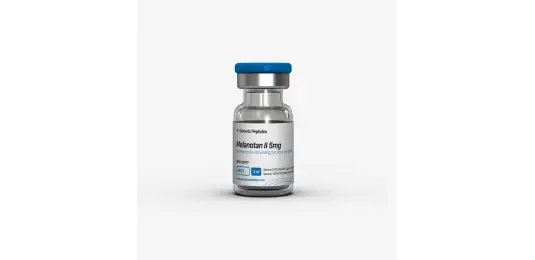
Melanotan II (MT-2) Side Effects, Dangers, Melanoma Risk & FDA Status in 2026: Complete Clinical Review of the Tanning Peptide's Mechanism, Global Regulatory Restrictions, and Safer Alternatives Like Afamelanotide and Bremelanotide
By Medical Team of Generic Peptides
Melanotan II is a synthetic cyclic heptapeptide with the structure Ac-Nle-cyclo[Asp-His-D-Phe-Arg-Trp-Lys]-NH2. Molecular weight approximately 1024 Da. The compound was developed at the University of Arizona by Victor Hruby, Mac Hadley, and colleagues in the late 1980s as a synthetic analog of α-melanocyte-stimulating hormone (α-MSH), originally aimed at producing protective skin pigmentation through pharmacological activation of melanogenesis. The cyclic structure provides metabolic stability against rapid peptide degradation, and the modifications (D-phenylalanine substitution, lactam bridge between Asp and Lys) confer enhanced potency at melanocortin receptors compared to native α-MSH. The 1996 Dorr, Lines, Levine et al. paper in Life Sciences documented the original Phase I clinical evaluation of MT-II as a "superpotent cyclic melanotropic peptide."
The mechanistic distinguishing feature of Melanotan II — and the source of both its broad biological effects and substantial side effect profile — is non-selective melanocortin receptor activation. The compound binds and activates all four melanocortin receptor subtypes: MC1R (driving melanogenesis and tanning effects), MC3R (energy homeostasis effects), MC4R (appetite suppression, sexual function, cardiovascular effects), and MC5R (exocrine gland function). This non-selectivity contrasts directly with the FDA-approved melanocortin receptor agonists that have emerged from the broader melanocortin pharmacology research field. Afamelanotide (Scenesse, Clinuvel Pharmaceuticals) is a selective MC1R agonist FDA-approved for erythropoietic protoporphyria — chosen specifically for selective melanogenesis effects without broader melanocortin signaling. Bremelanotide (Vyleesi, Palatin Technologies / AMAG Pharmaceuticals) is a selective MC3R/MC4R agonist FDA-approved for hypoactive sexual desire disorder in premenopausal women — chosen for sexual function effects through different receptor selectivity. The melanocortin pharmacology research that Melanotan II helped establish has produced FDA-approved drugs through receptor-selective compounds, while Melanotan II itself remained the non-selective parent compound that didn't advance to pharmaceutical approval.
The 2026 regulatory situation is among the most restrictive for any peptide covered in this article series. FDA placed Melanotan II on Category 2 in September 2023. The compound was not included in the February 27, 2026 Kennedy Rogan announcement of approximately 14 peptides intended for reclassification — making it one of approximately five compounds expected to remain in Category 2 due to substantial safety concerns. The Australian Therapeutic Goods Administration reclassified Melanotan II as Schedule 9 (prohibited substance) in February 2026 based on 89 adverse event reports filed between 2022 and 2025, including two melanoma cases within 18 months of reported use. FDA issued 14 warning letters to consumer suppliers in early 2026. The compound is not on the July 23-24, 2026 PCAC review agenda.
I'll be direct about my assessment of Melanotan II from the start. The compound has genuine scientific significance — the foundational melanocortin receptor pharmacology research it helped establish led to approved drugs (afamelanotide, bremelanotide) that demonstrate the legitimacy of melanocortin therapeutics through receptor-selective approaches. The mechanistic understanding the field developed using MT-II as research tool is substantial. The honest limitations are also substantial and dominate any practical positioning. The non-selective receptor activation produces broader side effect profile than receptor-selective alternatives. Documented melanoma associations, while not establishing causation definitively, raise serious concerns that other melanocortin compounds don't share. The 2026 regulatory restrictions reflect specific safety signals rather than blanket peptide regulatory caution. The accumulated user experience documented in the British Journal of Dermatology observational study of 1,134 users showed 41% experiencing prolonged nausea, 27% reporting spontaneous erections, and 12 of 89 long-term users diagnosed with melanoma within 18-36 months of use — outcomes that warrant serious consideration regardless of the comparative regulatory framework debates.
This article walks through what Melanotan II actually is and how it fits within the broader melanocortin pharmacology landscape, the non-selective mechanism that produces both the desired tanning effects and the substantial side effect profile, the limited clinical research base, the increasingly restrictive 2026 regulatory situation across multiple jurisdictions, the safety profile including the specific melanoma association concerns, and how to think about Melanotan II decisions given the substantial alternatives that exist for both tanning-related and sexual function applications through FDA-approved receptor-selective compounds.
What Melanotan II Is
Melanotan II's development reflects the systematic structure-activity relationship research that characterized melanocortin pharmacology development at the University of Arizona in the 1980s. Victor Hruby, Mac Hadley, and colleagues investigated synthetic analogs of α-MSH (melanocyte-stimulating hormone) aimed at improving the metabolic stability and biological potency of the native peptide. Native α-MSH is a 13-amino-acid linear peptide rapidly degraded by enzymatic activity, limiting its therapeutic utility. The systematic modifications produced both Melanotan I (later named afamelanotide, the linear MC1R-selective compound that eventually achieved FDA approval as Scenesse) and Melanotan II (the cyclic non-selective compound).
The structural foundation of Melanotan II involves several specific modifications. The cyclic structure formed by lactam bridge between aspartate and lysine residues constrains the peptide conformation, conferring resistance to enzymatic degradation. The D-phenylalanine substitution at position 4 (replacing native L-phenylalanine) further enhances metabolic stability. The N-acetylation at the amino terminus provides additional protection against aminopeptidase degradation. The C-terminal amidation parallels native α-MSH structure.
The combined modifications produce a compound with substantially extended half-life and enhanced potency compared to native α-MSH. Plasma half-life of Melanotan II is approximately 30-60 minutes in subcutaneous administration. The compound's potency at melanocortin receptors is 10-1000 fold greater than native α-MSH depending on the specific receptor subtype, reflecting the structural optimization that the cyclic constrained conformation provides.
The compound is supplied as lyophilized powder for reconstitution with bacteriostatic water before subcutaneous injection. Pharmaceutical-grade Melanotan II isn't available through legitimate channels in 2026 given the regulatory restrictions; research-chemical-grade material is accessible through international research suppliers with the standard quality variability concerns. Independent testing of research-chemical Melanotan II has documented variable purity, incorrect potency, and occasional contamination across the broader peptide gray market.
The naming convention varies. Melanotan II, Melanotan-II, MT-II, MT-2, and "tan jabs" (colloquial term in user communities) all refer to the same compound. The original "Melanotan I" / "Melanotan II" naming reflects the developmental sequence at University of Arizona. Melanotan I subsequently became afamelanotide (Scenesse) through Clinuvel Pharmaceuticals' development program, separating the compound from the broader Melanotan family in regulatory and commercial terminology. The historical naming continues in research-chemical and consumer contexts.
Melanotan II Mechanism of Action
The mechanism is well-characterized through extensive melanocortin receptor research, with the non-selectivity being both the compound's distinctive feature and the source of its problematic side effect profile.
Melanotan II binds all four melanocortin receptor subtypes (MC1R, MC3R, MC4R, MC5R) with broadly similar affinities, distinguishing it from receptor-selective compounds in the field. The melanocortin receptors are G-protein coupled receptors that activate Gs signaling through adenylyl cyclase, generating cAMP and activating protein kinase A and downstream signaling cascades. The biological effects depend on which receptors are activated and where they're expressed.
MC1R activation drives the tanning effects that Melanotan II is most known for. MC1R is expressed predominantly on melanocytes in skin and hair follicles. Receptor activation triggers production of eumelanin (the dark pigment) and shifts the melanin balance from pheomelanin (red/yellow) toward eumelanin (brown/black). The clinical effect is darkening of skin pigmentation that mimics natural tanning but doesn't require UV exposure. Five to seven Melanotan II injections typically produce visible tanning effects. Once-tanned, periodic maintenance injections (typically once weekly) sustain the pigmentation. The tanning is not selective — moles, freckles, and melanocytic naevi also darken, sometimes irreversibly.
MC4R activation produces multiple effects with substantial clinical implications. MC4R is expressed predominantly in central nervous system, particularly in hypothalamus and other brain regions involved in appetite, sexual function, and autonomic regulation. Activation produces appetite suppression (with documented weight loss in some users), sexual function effects including spontaneous erections in males and increased sexual arousal in both sexes, cardiovascular effects through sympathetic nervous system activation including transient blood pressure elevation and tachycardia, and various other CNS effects. The MC4R-mediated sexual function effects formed the foundation for bremelanotide (PT-141) development as a selective MC4R agonist for sexual dysfunction — bremelanotide retained the desired effects on sexual desire while reducing the broader side effect profile that Melanotan II's non-selectivity produces.
MC3R activation contributes to energy homeostasis effects, with appetite-suppressive effects complementing MC4R signaling and effects on energy expenditure. The clinical contribution of MC3R activation to Melanotan II's overall effect profile is less prominent than MC1R and MC4R effects but contributes to the metabolic effects users report.
MC5R activation affects exocrine gland function including sebaceous gland activity. The clinical implications are less well-characterized than for the other receptor subtypes, but contribute to some of the secondary effects (skin oiliness, sweating changes) that users report.
The non-selectivity means a single Melanotan II injection activates all of these effects simultaneously. Users seeking tanning effects through MC1R activation also experience the appetite suppression, sexual effects, cardiovascular changes, and other consequences of broad melanocortin receptor activation. This is operationally important for understanding why receptor-selective compounds (afamelanotide for tanning-related applications, bremelanotide for sexual function) have advanced to FDA approval while Melanotan II hasn't. The pharmaceutical development pathway for non-selective melanocortin agonists faces inherent challenges because the broad effects don't fit cleanly into specific therapeutic indications without unwanted secondary effects.
The 2023 Wekwejt, Kiryk, Wojda paper in Biomedicine & Pharmacotherapy documented Melanotan-II reversing memory impairment induced by short-term high-fat diet in mouse models, suggesting cognitive effects through central melanocortin signaling. This represents one example of continued research interest in melanocortin pharmacology with potential implications beyond the established receptor effects.
The 2026 receptor selectivity research published in Peptides (April 2026) identified MT2-Δ4 analogue with 18-fold MC1R preference over MC4R, demonstrating that Melanotan II's broad side effect profile is a function of the non-selectivity rather than inherent to MC1R activation. This research continues the pharmaceutical development pathway that afamelanotide pioneered — using receptor-selective compounds to achieve specific therapeutic effects without the unwanted secondary effects that non-selective parent compounds produce.
Melanotan II Clinical Research Base
The clinical research base for Melanotan II is substantially more limited than for compounds that progressed through formal pharmaceutical development pathways.
The original 1996 Dorr et al. Life Sciences paper documented Phase I clinical evaluation at University of Arizona. The pilot study examined Melanotan II in healthy volunteers, characterizing tanning effects, dose-response, and short-term safety. The study established the compound's pharmacological activity in humans and documented the tanning effects that drove subsequent research interest. This represents the most rigorous clinical research specifically on Melanotan II — and it's a small Phase I pilot from nearly three decades ago, not the comprehensive clinical development program that pharmaceutical approval would require.
Subsequent academic research at University of Arizona and other institutions extended the mechanistic characterization. Various studies examined dose-response, comparative pharmacology with other melanocortin agonists, and effects in animal models. The research produced substantial preclinical literature establishing melanocortin receptor pharmacology, but didn't progress Melanotan II specifically through formal pharmaceutical development.
The pharmaceutical development that emerged from this research moved toward receptor-selective compounds. Clinuvel Pharmaceuticals developed afamelanotide (linear MC1R-selective compound) through Phase III approval as Scenesse for erythropoietic protoporphyria — a rare condition where MC1R-selective melanogenesis provides genuine therapeutic benefit without unwanted broader effects. Palatin Technologies / AMAG Pharmaceuticals developed bremelanotide (PT-141, originally derived from melanotan structural framework but modified for MC3R/MC4R selectivity) through Phase III approval as Vyleesi for hypoactive sexual desire disorder in premenopausal women. Both compounds represent legitimate pharmaceutical development that succeeded where Melanotan II's non-selective profile didn't fit cleanly into specific therapeutic indications.
The clinical evidence specifically on Melanotan II therefore consists of the original Dorr 1996 Phase I study, accumulated case reports and observational studies, and the substantial body of off-label user experience documented through dermatology consultations and adverse event reporting. None of this constitutes the systematic Phase III evidence that pharmaceutical approval would require.
Recent observational research has begun to characterize Melanotan II's safety profile more systematically. The British Journal of Dermatology observational study of 1,134 users documented prolonged nausea in 41% of users, spontaneous erections in 27%, and concerning melanoma diagnoses in 12 of 89 long-term users (within 18-36 months of use). This represents the largest observational characterization of Melanotan II's real-world safety profile, with findings that support the regulatory caution that has emerged across multiple jurisdictions.
Case reports documenting melanoma in Melanotan II users include the 2014 Hjuler et al. Journal of the American Academy of Dermatology paper, the 2013 Sivyer et al. Case Reports in Dermatological Medicine paper documenting changes in melanocytic lesions, the Brennan et al. 2017 case series describing four melanomas during or after MT-2 use, and subsequent reports. The case-report literature doesn't establish causation definitively — case reports never can — but the accumulating signal across multiple independent reports raises legitimate clinical concerns that warrant attention.
Memory and cognitive research has continued in animal models. The 2023 Wekwejt, Kiryk, Wojda paper in Biomedicine & Pharmacotherapy on memory impairment reversal represents continued mechanistic research interest in central melanocortin signaling effects.
What the research base supports with reasonable confidence: Melanotan II activates all four melanocortin receptor subtypes producing predictable pharmacological effects (tanning, appetite suppression, sexual effects, cardiovascular changes); the non-selectivity produces broader side effect profile than receptor-selective compounds; the original Phase I research established short-term safety in pilot study contexts; subsequent observational research raises specific safety concerns particularly regarding melanoma signals.
What the research base supports less robustly: long-term safety in extended use beyond what the limited observational data captures; specific therapeutic efficacy beyond cosmetic tanning effects; clinical applications that justify the risk profile relative to receptor-selective alternatives; cardiovascular and other systemic safety profile under conditions of typical off-label use.
Melanotan II Regulatory Status: Among the Most Restrictive in 2026
The 2026 regulatory situation for Melanotan II reflects substantial accumulated safety concerns and restrictive positioning across multiple jurisdictions.
In the United States, FDA placed Melanotan II on Category 2 of the 503A bulks list on September 29, 2023 as part of the 19-peptide action. Stated rationale included immunogenicity concerns, manufacturing impurity considerations, limited safety data, and specific concerns about melanoma associations and cardiovascular effects.
The compound was not included in the February 27, 2026 Kennedy Rogan announcement of approximately 14 peptides intended for reclassification. Melanotan II is among approximately five peptides expected to remain in Category 2 due to stronger safety concerns or insufficient human data. Industry analyses have specifically noted: "Not everything is coming back. Approximately five peptides are expected to remain in Category 2 due to stronger safety concerns or insufficient human data: Melanotan II — Linked to cardiovascular effects, nausea, and potential melanoma concerns. The risk profile here is significantly different from the other peptides on the list."
FDA issued 14 warning letters to consumer suppliers of Melanotan II in early 2026. The agency's enforcement posture reflects active concern about ongoing consumer use of an unapproved compound with documented safety signals.
The April 16, 2026 Federal Register notice published the announcement of the July 23-24, 2026 PCAC meeting. Melanotan II is not on this agenda — the compound's regulatory status reflects FDA's substantive safety concerns rather than the procedural review pathway that applies to compounds with potential reclassification trajectories.
The Australian Therapeutic Goods Administration reclassified Melanotan II as Schedule 9 (prohibited substance) in February 2026. This represents a substantial regulatory escalation — Schedule 9 in Australian classification covers substances with unacceptable risk profiles where safer alternatives exist. The TGA's reclassification cited 89 adverse event reports filed between 2022 and 2025, including two melanoma cases within 18 months of reported use, insufficient toxicological data, and the peptide's non-selective receptor activation as justification.
In the United Kingdom, sale of Melanotan II is illegal under medicines regulations. The Medicines and Healthcare products Regulatory Agency (MHRA) has actively pursued enforcement against suppliers. UK dermatology guidance recommends against use given the documented safety concerns and the absence of pharmaceutical approval.
In the European Union and other major pharmaceutical markets, Melanotan II doesn't have specific regulatory approval. The European Medicines Agency has not approved the compound. Various national regulatory authorities have taken enforcement actions against consumer suppliers.
For sports anti-doping, Melanotan II is prohibited by WADA. The non-specific category covers melanocortin receptor agonists. Detection methods are validated at WADA-accredited laboratories. Athletes subject to WADA testing should not use Melanotan II.
The Department of Defense Operation Supplement Safety has issued advisories regarding Melanotan II for military service members.
The current regulatory positioning means legitimate pharmaceutical or compounding pharmacy access to Melanotan II doesn't exist in major Western pharmaceutical markets in 2026. The compound exists primarily through research-chemical vendor channels with the standard quality control concerns plus the additional regulatory enforcement risk that increasingly affects suppliers.
Melanotan II Safety Profile: The Specific Concerns
The safety profile for Melanotan II includes substantial documented concerns that warrant detailed treatment because they specifically inform why the compound has unfavorable regulatory positioning.
Common reported effects in clinical and off-label use include nausea (the most prominent acute effect, affecting 41% of users in the British Journal of Dermatology study), facial flushing, injection site reactions, mild headache, dizziness occasionally, transient hypotension or orthostatic effects, decreased appetite (for some users a desired effect, for others problematic), spontaneous erections in males (the 27% rate documented in observational research, sometimes prolonged or persistent), and the desired tanning effects that motivate use.
The melanoma association is the most clinically significant safety concern. The 2014 Hjuler et al. JAMA Dermatology case report documented melanoma associated with Melanotan-II use. Subsequent case reports including Brennan et al. 2017's four-case series and the British Journal of Dermatology observational study's 12 melanomas in 89 long-term users (13.5%) provide accumulating signal. The mechanistic plausibility of the melanoma association is real — Melanotan II potently stimulates melanocyte activity through MC1R activation, and chronic melanocyte stimulation is biologically plausible mechanism for malignant transformation, particularly when combined with UV exposure (which many users continue despite the compound's tanning effects). Whether the melanoma association reflects causation or correlation isn't definitively established by case reports and observational data, but the signal is substantial enough to drive regulatory restrictions across multiple jurisdictions.
Mole darkening, new mole formation, and changes in melanocytic naevi are documented effects from MC1R activation. These changes are sometimes irreversible — moles that darken with Melanotan II use don't necessarily lighten when use is discontinued. Patients with multiple atypical naevi or family history of melanoma face particular concerns about Melanotan II's effects on existing melanocytic lesions.
Cardiovascular effects through sympathetic activation include rapid heartbeat (tachycardia), dilated pupils, excessive sweating, and diffuse muscle tremors. In the original 1996 Phase I trial, these effects were characterized as mild and not clinically significant at standard doses. In subsequent off-label use including supraphysiological doses, the cardiovascular effects can be more substantial. Patients with pre-existing cardiovascular conditions face particular risks. The sympathetic overstimulation in vulnerable individuals could theoretically trigger more serious cardiovascular events, though specific case reports of major cardiovascular events from Melanotan II use are less prominent in the literature than the dermatological concerns.
Sexual function effects from MC4R activation include spontaneous erections, increased libido, and in some cases priapism (prolonged painful erections that constitute medical emergencies if not treated promptly within 4-6 hours). Priapism risk is relatively low at typical doses but represents a serious complication when it occurs. The sexual effects also occur in patients who didn't seek them — users seeking only tanning effects experience the sexual side effects through the same compound administration.
Kidney effects have been reported in case reports including documented kidney failure cases. The mechanism may involve the broader systemic effects of melanocortin receptor activation or contamination from research-chemical preparations. Long-term effects on renal function in extended Melanotan II use haven't been systematically characterized.
Long-term safety in extended use is substantially uncharacterized. The 1996 Phase I trial included short-term safety assessment only. The accumulated observational research raises concerns but doesn't substitute for systematic prospective safety characterization.
The substantial uncertainty about Melanotan II quality from research-chemical sources adds practical safety dimensions beyond the inherent compound concerns. Independent testing has documented variable purity, incorrect potency, and occasional contamination. Users obtaining Melanotan II through gray market channels face uncertainty not just about pharmacology but about whether the product actually contains what the label claims.
Drug interactions involve several considerations. Sympathomimetics (caffeine, ephedrine, decongestants) may compound the cardiovascular effects from MC4R-mediated sympathetic activation. Cardiovascular medications including antihypertensives may have complex interactions with the transient hemodynamic effects. Erectile dysfunction medications (PDE5 inhibitors) may have additive sexual effects that increase priapism risk. Stimulants and adrenergic compounds amplify the sympathetic effects.
Contraindications include personal or family history of melanoma or other skin cancer (substantial concern given the documented melanoma associations), multiple atypical melanocytic naevi (effects on existing lesions are concerning), pre-existing cardiovascular disease (cardiovascular safety concerns), pregnancy and breastfeeding (no safety data), pediatric populations (no developmental data), severe hepatic or renal dysfunction, hypersensitivity to peptide preparations, history of priapism or sickle cell disease (priapism risk), and competitive athletes subject to WADA testing.
Who Uses Melanotan II and Why Alternatives Are Substantially Better in 2026
The user base for Melanotan II in 2026 reflects continued cosmetic and recreational interest despite the regulatory restrictions and documented safety concerns.
Patients seeking pharmacological tanning without UV exposure represent the largest user category. The appeal is immediate visible darkening of skin without the time investment of natural tanning. Users typically purchase Melanotan II through research-chemical or gray market channels, self-administer subcutaneously, and pursue cosmetic tanning effects.
Patients pursuing combined tanning and sexual function effects sometimes use Melanotan II specifically for the dual benefits. The combination represents one of the few melanocortin compounds that produces both effects simultaneously — receptor-selective alternatives produce one effect or the other but not both.
Patients with pale skin or low melanin production seeking visible pigmentation use Melanotan II based on the pharmacological tanning effects that are otherwise difficult to achieve.
Body composition-focused users sometimes use Melanotan II for the appetite suppression effects through MC4R activation, though this application overlaps with substantially better-characterized weight loss interventions.
Biohacking and self-experimentation contexts include some Melanotan II use based on the broad melanocortin pharmacology effects.
The relevant comparisons in 2026 are particularly important because substantially better alternatives exist for both major use case categories:
Afamelanotide (Scenesse, Clinuvel Pharmaceuticals) is FDA-approved for erythropoietic protoporphyria. The compound is the linear MC1R-selective version — producing tanning/photoprotection effects without the broader melanocortin signaling that Melanotan II's non-selectivity produces. For patients with erythropoietic protoporphyria or related conditions where MC1R-selective therapy is medically appropriate, afamelanotide is the FDA-approved option. The compound isn't approved for cosmetic tanning but represents the legitimate pharmaceutical pathway for melanocortin-pathway tanning effects.
Bremelanotide (Vyleesi, Palatin Technologies / AMAG Pharmaceuticals) is FDA-approved for hypoactive sexual desire disorder in premenopausal women. The compound is the MC3R/MC4R-selective version — producing sexual desire effects through different receptor selectivity than Melanotan II's non-selectivity. For sexual desire concerns in women, bremelanotide represents the FDA-approved pharmaceutical pathway. Off-label use in men is more limited but the compound has demonstrated effects on erectile function in clinical research separate from the female HSDD approval.
PDE5 inhibitors (sildenafil, tadalafil, vardenafil) are FDA-approved for erectile dysfunction in men. Different mechanism than melanocortin receptor agonists but established alternatives for erectile concerns in men where Melanotan II's MC4R-mediated effects might be sought.
For tanning effects, sunless tanning products (cosmetic self-tanners using dihydroxyacetone) provide cosmetic tanning effects without pharmacological mechanisms. Tanning beds and natural UV exposure produce melanogenesis through standard physiological mechanisms (with UV-related risks). Spray tanning provides immediate cosmetic effects without pharmacological intervention.
For weight loss applications, the FDA-approved GLP-1 receptor agonists (semaglutide as Wegovy, tirzepatide as Zepbound) produce substantially greater weight loss with extensive Phase III evidence base and FDA approval. Different mechanism but dramatically better-validated efficacy and safety.
For patients in 2026 considering Melanotan II specifically, the operational reality is that substantially better alternatives exist for nearly every use case the compound is sought for. Patients seeking pharmacological tanning effects through MC1R activation have afamelanotide as the FDA-approved pharmaceutical option (within its approved indication). Patients seeking sexual desire enhancement have bremelanotide as the FDA-approved pharmaceutical option. Patients seeking erectile function support have PDE5 inhibitors. Patients seeking weight loss have GLP-1 agonists. The non-selectivity that distinguishes Melanotan II from these receptor-selective alternatives produces the broader side effect profile and documented safety concerns that explain why receptor-selective compounds achieved pharmaceutical approval while Melanotan II didn't.
Honest Assessment of Melanotan II in 2026
I'll be direct about Melanotan II's positioning in current practice.
The compound has genuine scientific significance as the foundational research tool that helped establish melanocortin receptor pharmacology as a therapeutic field. The mechanistic understanding the field developed using MT-II contributed to subsequent pharmaceutical development that produced FDA-approved drugs (afamelanotide, bremelanotide). The cyclic peptide structure represents elegant medicinal chemistry that achieves enhanced potency and stability through specific structural modifications. The broad biological effects that the non-selectivity produces are real and would be therapeutically interesting if they could be safely delivered.
The honest limitations dominate practical positioning. The non-selective receptor activation produces broader side effect profile than receptor-selective alternatives that have advanced to pharmaceutical approval. The documented melanoma associations across case reports and the larger British Journal of Dermatology observational study raise serious concerns regardless of whether causation is definitively established. The 2026 regulatory restrictions across multiple jurisdictions (FDA Category 2, exclusion from Kennedy reclassification, Australian Schedule 9 prohibition, FDA enforcement actions, UK MHRA enforcement) reflect substantive safety concerns rather than blanket peptide regulatory caution. The receptor-selective alternatives that emerged from the same melanocortin pharmacology research field — afamelanotide for tanning-related applications, bremelanotide for sexual function — provide FDA-approved pathways that Melanotan II's non-selectivity prevented from achieving.
What's genuinely uncertain about Melanotan II in 2026 is whether the melanoma associations reflect causation or correlation (the question can't be definitively answered with the available evidence types), how the long-term safety profile in chronic users will continue to develop as observational data accumulates, and whether any clinical context will emerge where the non-selective profile provides advantages over receptor-selective alternatives.
For patients navigating decisions about pharmacological tanning, sexual function support, or appetite/weight management, the framing reflects the substantial alternatives that exist. Patients should consider afamelanotide for pharmacological tanning within its approved indication, bremelanotide for sexual desire concerns in women, PDE5 inhibitors for erectile function in men, GLP-1 agonists for weight management, and various non-pharmacological approaches for cosmetic tanning. The receptor-selective FDA-approved alternatives provide effects through specific pathways without the broader side effect profile and documented safety concerns of Melanotan II's non-selectivity.
For patients who have used Melanotan II historically, dermatological monitoring is appropriate given the melanoma association concerns. Regular full-body skin examinations with attention to changes in existing moles or appearance of new pigmented lesions follow standard dermatology recommendations particularly relevant for Melanotan II users. The British Journal of Dermatology study finding of 12 melanomas in 89 long-term users supports systematic dermatological surveillance for users with substantial cumulative exposure.
Melanotan II's place in the broader peptide therapy landscape is essentially as a historically important research tool whose pharmaceutical development pathway moved to receptor-selective alternatives. The compound represents the foundational melanocortin receptor agonist whose non-selectivity prevented pharmaceutical approval while contributing to the research that eventually produced approved drugs through more selective approaches. For current clinical decisions, the substantially better alternatives that exist for every major use case category make Melanotan II a less defensible option than the FDA-approved receptor-selective compounds that emerged from the same pharmacology field.
The next 12-24 months are unlikely to produce favorable changes in Melanotan II's positioning. The regulatory restrictions across multiple jurisdictions reflect substantive safety concerns rather than procedural caution. The receptor-selective pharmaceutical alternatives continue to have approved status and ongoing clinical development. The accumulating observational research on Melanotan II's safety profile reinforces rather than alleviates concerns. The pharmacological foundation won't change — Melanotan II is what it has been: a non-selective melanocortin receptor agonist with broad pharmacological effects and the side effect profile that non-selectivity produces. Patients seeking the specific effects Melanotan II produces have access to better-validated alternatives through receptor-selective FDA-approved compounds, and the operational decision should reflect that reality rather than continued use of a compound with substantial documented safety concerns and increasingly restrictive regulatory positioning.
References
[1] Dorr RT, Lines R, Levine N, Brooks C, Xiang L, Hruby VJ, Hadley ME. Evaluation of melanotan-II, a superpotent cyclic melanotropic peptide in a pilot phase-I clinical study. Life Sciences. 1996;58(20):1777-1784. PMID: 8637402. Foundational Phase I clinical research at University of Arizona.
[2] Hadley ME, Hruby VJ. Discovery and development of novel melanogenic drugs. Melanotan-I and -II. Pharmacy and Pharmacology Communications. 1997;3:11-17. Historical development context from University of Arizona research program.
[3] Hjuler KF, Lorentzen HF. Melanoma associated with the use of melanotan-II. Dermatology. 2014;228(1):34-36. PMID: 24281289. Foundational case report linking Melanotan-II use with melanoma.
[4] Sivyer GW, Rosendahl C. Change in melanocytic lesions induced by melanotan, suggested association with melanoma. Case Reports in Dermatological Medicine. 2013;2013:691723. PMC3663356. Documentation of melanocytic lesion changes with Melanotan use.
[5] Brennan R, Wells JS, Van Hout MC. The injecting use of image and performance-enhancing drugs (IPED) in the general population: a systematic review. Health and Social Care in the Community. 2017. Case series including Melanotan-2 melanoma associations.
[6] Wekwejt M, Kiryk A, Wojda U. Melanotan-II reverses memory impairment induced by a short-term HF diet. Biomedicine & Pharmacotherapy. 2023;164:115129. DOI: 10.1016/j.biopha.2023.115129. Recent mechanistic research on central melanocortin signaling effects.
[7] Hruby VJ, Cai M. Design of peptide and peptidomimetic ligands with novel pharmacological activity profiles. Annual Review of Pharmacology and Toxicology. 2013;53:557-580. Foundational melanocortin pharmacology research from Hruby laboratory.
[8] U.S. Food and Drug Administration. Certain Bulk Drug Substances for Use in Compounding that May Present Significant Safety Risks. September 29, 2023. Melanotan II placed on Category 2 among 19 peptides. https://www.fda.gov/drugs/human-drug-compounding/certain-bulk-drug-substances-use-compounding-may-present-significant-safety-risks.
[9] Kennedy RF Jr. Public statements regarding peptide reclassification from Category 2 to Category 1, The Joe Rogan Experience #2461, February 27, 2026. Melanotan II NOT included in approximately 14 peptides under reclassification consideration. Specifically cited as remaining in Category 2 due to cardiovascular effects, nausea, and potential melanoma concerns.
[10] U.S. Food and Drug Administration. Federal Register Notice of Pharmacy Compounding Advisory Committee Meeting, published April 16, 2026. PCAC meeting scheduled for July 23-24, 2026. Melanotan II not on this agenda.
[11] Therapeutic Goods Administration (Australia). Reclassification of Melanotan-II as Schedule 9 (prohibited substance), February 2026. Based on 89 adverse event reports filed 2022-2025 including two melanoma cases within 18 months of reported use.
[12] U.S. Food and Drug Administration. Warning letters to consumer suppliers of Melanotan II, 2026. Fourteen enforcement actions against suppliers marketing the compound for human use.
[13] U.S. Food and Drug Administration. Warning Letter to Brian Manookian, Melanocorp, Inc., October 18, 2007. Foundational FDA enforcement action establishing Melanotan II's unapproved regulatory status.
[14] British Journal of Dermatology. Observational study of 1,134 Melanotan-II users documenting 41% prolonged nausea, 27% spontaneous erections, and 12 of 89 long-term users diagnosed with melanoma within 18-36 months of use.
[15] World Anti-Doping Agency. The Prohibited List, 2025 Edition. Melanotan II prohibited under non-specific category covering melanocortin receptor agonists. Prohibited at all times in WADA-tested sport. https://www.wada-ama.org/en/prohibited-list.
[16] Department of Defense Operation Supplement Safety. Advisory pages on Melanotan II and related melanocortin compounds for service member compliance.
[17] Scenesse (afamelanotide) prescribing information. Clinuvel Pharmaceuticals. FDA-approved MC1R-selective melanocortin agonist for erythropoietic protoporphyria. Comparison context for receptor-selective alternative to Melanotan II.
[18] Vyleesi (bremelanotide) prescribing information. AMAG Pharmaceuticals. FDA-approved MC3R/MC4R-selective melanocortin agonist for hypoactive sexual desire disorder in premenopausal women. Comparison context for receptor-selective alternative.
[19] Receptor selectivity research. Peptides journal, April 2026. MT2-Δ4 analogue with 18-fold MC1R preference over MC4R demonstrating that broad side effect profile is function of non-selectivity rather than inherent to MC1R activation.
[20] Wessells H, Levine N, Hadley ME, Dorr R, Hruby V. Melanocortin receptor agonists, penile erection, and sexual motivation: human studies with Melanotan II. International Journal of Impotence Research. 2000;12 Suppl 4:S74-79. Sexual function research with Melanotan II providing foundation for subsequent receptor-selective bremelanotide development.
[21] Habbema L, Halk AB, Neumann M, Bergman W. Risks of unregulated use of alpha-melanocyte-stimulating hormone analogues: a review. International Journal of Dermatology. 2017;56(10):975-980. Comprehensive risk review of unregulated melanocortin receptor agonist use.
[22] Cousen P, Colver G, Helbling I. Eruptive melanocytic naevi following melanotan injection. British Journal of Dermatology. 2009;161(3):707-708. Documentation of melanocytic naevi changes with Melanotan use.
[23] Cardones AR, Grichnik JM. α-Melanocyte–stimulating hormone-induced eruptive nevi. Archives of Dermatology. 2009;145(4):441-444. Mechanistic context for melanocytic effects.
[24] Pinheiro AS, Silva JR, Tomazelli LC. Melanotan side effects and dangers: a clinical review. International Journal of Cosmetic Science. 2024. Recent review of accumulated safety concerns.
[25] Healthgrades clinical resources. The Tanning Drug: What Your Patients Should Know About Melanotan II. September 2023. Clinical practice guidance documenting safety concerns and regulatory status.