Tirzepatide: Dual GIP/GLP-1 Agonist With Superior Weight Loss Data
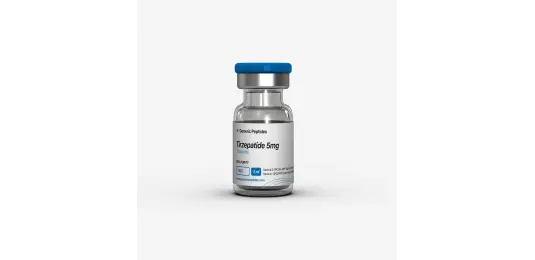
Tirzepatide (Mounjaro / Zepbound): The First-in-Class Dual GIP/GLP-1 Receptor Agonist With FDA-Approved T2DM, Obesity, and Sleep Apnea Indications and Superior Weight Loss to Semaglutide in 2025 SURMOUNT-5
By Medical Team of Generic Peptides
Tirzepatide (LY3298176) is a synthetic 39-amino-acid peptide that activates both glucose-dependent insulinotropic polypeptide (GIP) and glucagon-like peptide-1 (GLP-1) receptors as a single molecule — making it the first and only FDA-approved dual GIP/GLP-1 receptor agonist. The compound is a structural modification of native GIP designed for selective dual receptor activation, with C20 fatty acid moiety attachment that extends the plasma half-life enabling once-weekly subcutaneous administration. Molecular formula C₂₂₅H₃₄₈N₄₈O₆₈, molecular weight 4,813.5 Da. Tirzepatide was developed by Eli Lilly and Company as an extension of incretin therapy beyond the GLP-1 monotherapy that semaglutide and liraglutide had established, with the dual mechanism designed to produce greater metabolic effects than GLP-1 receptor agonism alone.
Tirzepatide occupies an essentially unique position in the contemporary peptide therapy landscape — it represents the most successful peptide pharmaceutical development program since semaglutide, with three FDA-approved indications across the most clinically significant chronic disease areas (type 2 diabetes, obesity, and obstructive sleep apnea), the most-prescribed weight management medication in 2025 (per Eli Lilly market data), and head-to-head superiority over semaglutide in the SURMOUNT-5 Phase IIIb trial published in NEJM in May 2025. The compound is not a "research peptide" in the sense that most peptides covered in this article series are — it is established pharmaceutical therapy with full regulatory legitimacy, comprehensive insurance coverage frameworks for approved indications, and accumulated commercial and clinical experience since the initial 2022 approval.
The 2024-2026 regulatory and commercial landscape for tirzepatide includes substantial expansion activity that reshapes the metabolic medicine treatment paradigm. December 20, 2024: FDA approved Zepbound for moderate-to-severe obstructive sleep apnea in adults with obesity — the first medication ever approved specifically for OSA treatment, based on SURMOUNT-OSA Phase III evidence demonstrating significant apnea-hypopnea index reductions and substantial weight loss. May 11, 2025: SURMOUNT-5 head-to-head trial published in New England Journal of Medicine demonstrated tirzepatide produces 47% greater relative weight loss than semaglutide (20.2% vs 13.7% at 72 weeks). June 20, 2025: Eli Lilly submitted sBLA for pediatric T2DM expansion. December 19, 2025: FDA approved Mounjaro pediatric T2DM expansion for ages 10 and older. January 2026: FDA requested removal of suicidal behavior warning from GLP-1 RA medications including tirzepatide based on studies not supporting the association. February 23, 2026: FDA approved monthly multi-dose KwikPen format for chronic weight management. 2026 MHRA UK update: warning about rare severe acute pancreatitis based on Yellow Card Scheme reports.
Tirzepatide also represents the contemporary pharmaceutical "model" that distinguishes legitimate FDA-approved peptide therapy from the broader peptide gray market. The compound has demonstrated through the SURPASS, SURMOUNT, SYNERGY-NASH, SUMMIT, and ongoing SURPASS-CVOT programs how rigorous Phase III pharmaceutical development produces evidence that supports broad regulatory approvals and clinical practice integration. The substantial cost ($1,000-1,300/month list price) and insurance coverage complexity reflect the operational realities of branded pharmaceutical pricing rather than the regulatory uncertainty affecting non-FDA-approved peptides covered elsewhere in this article series.
I'll be direct about my assessment of tirzepatide from the start. The compound has substantial pharmaceutical merits that distinguish it from essentially every peptide covered in this article series — full FDA approval across three indications (T2DM, obesity, OSA), Phase III evidence in over 20,000 patients across multiple trial programs, demonstrated head-to-head superiority over semaglutide, comprehensive insurance coverage for approved indications, accumulated commercial experience since 2022 with extensive post-marketing surveillance, and ongoing investigational development extending into MASH/NASH (SYNERGY-NASH), heart failure (SUMMIT), cardiovascular outcomes (SURPASS-CVOT), and pediatric applications. The compound represents the established gold standard for incretin-based metabolic therapy. The honest limitations involve specific operational considerations that warrant clinical attention. The substantial cost limits access despite manufacturer assistance programs and insurance coverage for approved indications. The common gastrointestinal side effects affect treatment tolerability with substantial discontinuation rates in some patient populations. The boxed warning about thyroid C-cell tumors in rats requires careful contraindication management for patients with MTC family history or MEN-2. The weight regain after discontinuation pattern means tirzepatide is effectively chronic therapy rather than time-limited intervention. The cardiovascular outcomes evidence (SURPASS-CVOT) is still pending with results expected 2027, leaving the cardiovascular benefit profile less established than semaglutide's SELECT trial documented for that compound. The MASH FDA approval pathway requires Phase 3 SYNERGY-NASH completion and review.
This article walks through what tirzepatide actually is and how its dual GIP/GLP-1 receptor agonism distinguishes it pharmacologically, the well-characterized mechanism through complementary incretin receptor activation, the substantial Phase III clinical evidence supporting the multiple FDA-approved indications, the safety profile from extensive clinical experience plus 2026 MHRA pancreatitis update, the 2024-2026 regulatory and commercial developments, and how to think about tirzepatide decisions given the operational realities including FDA-approved pathway versus alternatives.
What Tirzepatide Is
Tirzepatide's structural design reflects rational drug design building on the success of GLP-1 receptor agonists by adding GIP receptor activation in a single molecule.
The endogenous biology starts with two natural incretin hormones. GLP-1 (glucagon-like peptide-1) is a 30-amino-acid peptide secreted by intestinal L-cells in response to nutrient ingestion, with primary effects on glucose-dependent insulin secretion, glucagon suppression, slowed gastric emptying, and central appetite suppression through hypothalamic GLP-1 receptors. GIP (glucose-dependent insulinotropic polypeptide) is a 42-amino-acid peptide secreted by intestinal K-cells in response to nutrient ingestion, with primary effects on glucose-dependent insulin secretion (more pronounced effect than GLP-1 on insulin secretion in some contexts) and additional metabolic effects including direct effects on adipose tissue. Together these incretin hormones are responsible for approximately 60-70% of the postprandial insulin response in healthy individuals, with their combined effects representing the natural physiological response to nutrient absorption.
Native GIP has very brief plasma half-life (minutes) due to DPP-4 cleavage at the N-terminal positions and other rapid metabolic pathways. Earlier GIP analog development had been limited by the perception that GIP receptor activation might be less therapeutically valuable than GLP-1 — particularly since GIP secretion was often elevated in diabetes despite metabolic dysfunction. Eli Lilly's tirzepatide development overcame these challenges through structural modifications producing a long-acting dual-acting peptide that activates both GIP and GLP-1 receptors with somewhat different relative potencies (more potent at GIP receptor than at GLP-1 receptor) but functional activation at both.
The structural foundation involves a 39-amino-acid peptide based on the GIP backbone with strategic amino acid substitutions and a C20 fatty acid moiety attached at lysine 20 through gamma-glutamic acid linker. The fatty acid modification provides albumin binding that extends plasma half-life from minutes (native GIP) to approximately 5 days, supporting once-weekly subcutaneous dosing. The amino acid substitutions optimize dual receptor binding affinity while maintaining metabolic stability.
The pharmacokinetic profile reflects the long-acting design. After subcutaneous administration, peak plasma levels occur at approximately 24-48 hours. Half-life is approximately 5 days, supporting steady-state concentrations after approximately 4 weeks of weekly dosing. The compound is metabolized through proteolytic degradation pathways with minimal unchanged elimination. The pharmacokinetic profile supports clinically practical once-weekly subcutaneous administration that has become standard for the modern incretin-based therapy class.
The pharmaceutical formulation involves clear, colorless to slightly yellow solution in pre-filled single-dose pens (KwikPen autoinjector) or single-dose vials. Six dose strengths are available: 2.5 mg, 5 mg, 7.5 mg, 10 mg, 12.5 mg, and 15 mg per 0.5 mL injection. Dose escalation begins at 2.5 mg weekly with increases every 4 weeks based on tolerability. Maintenance doses are typically 5, 10, or 15 mg weekly. The KwikPen autoinjector design allows patient self-administration with pre-attached, hidden needle that patients don't need to handle or see — supporting self-administration adherence. The February 2026 multi-dose KwikPen approval added monthly format option for chronic weight management.
The two brand names for the same molecule reflect different FDA-approved indications. Mounjaro (FDA-approved May 13, 2022) is marketed for type 2 diabetes treatment as adjunct to diet and exercise. Zepbound (FDA-approved November 8, 2023) is marketed for chronic weight management in adults with obesity or overweight with at least one weight-related comorbidity, plus moderate-to-severe obstructive sleep apnea in adults with obesity (added December 20, 2024). Both contain identical tirzepatide active ingredient — chemically and pharmacologically identical — with the brand differentiation reflecting FDA labeling for different approved indications rather than any pharmacological difference.
Tirzepatide Mechanism of Action
The mechanism is well-characterized through extensive preclinical and clinical research, with the dual GIP/GLP-1 receptor agonism producing complementary metabolic effects that drive both glycemic control and weight reduction.
GLP-1 receptor activation: Tirzepatide binds and activates GLP-1 receptors on pancreatic β-cells (stimulating glucose-dependent insulin secretion), pancreatic α-cells (suppressing glucagon secretion in glucose-elevated conditions), gastric smooth muscle (slowing gastric emptying), and central nervous system neurons including hypothalamic centers (suppressing appetite and food intake). The GLP-1 receptor agonism provides the foundation pharmacology familiar from semaglutide and liraglutide.
GIP receptor activation: Tirzepatide also binds and activates GIP receptors on pancreatic β-cells (additional insulinotropic effects), adipocytes (effects on lipid metabolism and adipose tissue function), and central nervous system neurons. The GIP receptor activation provides complementary effects that enhance both insulin response and weight-related effects beyond what GLP-1 monotherapy produces.
The dual receptor mechanism produces several therapeutically important effects:
Glycemic control: Combined GLP-1 and GIP receptor activation produces greater glucose-dependent insulin secretion than either receptor individually, with more robust glycemic control documented in T2DM patients across the SURPASS Phase III program. The glucose-dependent nature of the insulin response (insulin secretion only when blood glucose is elevated) limits hypoglycemia risk in monotherapy contexts.
Weight reduction: The combined receptor activation produces greater appetite suppression and food intake reduction than GLP-1 monotherapy. Average weight loss in clinical trials reached 20.9% with 15 mg dose at 72 weeks (SURMOUNT-1), substantially exceeding what GLP-1 monotherapy typically produces. The mechanism involves both central appetite suppression effects and peripheral effects on adipose tissue lipid metabolism through GIP receptor activation.
Insulin sensitivity improvement: Tirzepatide improves insulin sensitivity through multiple mechanisms including direct effects on hepatic glucose production, improved muscle glucose uptake, and weight loss-mediated reduction in insulin resistance.
Gastric emptying delay: GLP-1 receptor activation slows gastric emptying, contributing to early satiety and reduced food intake during meals. This effect produces some of the gastrointestinal side effects (nausea, vomiting) but also contributes meaningfully to the weight reduction efficacy.
Appetite suppression: Both GLP-1 and GIP receptor activation in hypothalamic appetite centers suppresses food intake, with the dual mechanism producing greater effects than GLP-1 monotherapy alone.
Metabolic effects on adipose tissue: GIP receptor activation has direct effects on adipocyte function including lipid storage, lipolysis, and adipose tissue inflammation. These direct effects on adipose tissue distinguish tirzepatide's mechanism from GLP-1 monotherapy.
Cardiovascular effects: The metabolic improvements (weight reduction, blood pressure reduction, lipid profile improvement, glycemic control) collectively produce cardiovascular risk reduction. The SUMMIT trial demonstrated specific benefits in heart failure with preserved ejection fraction (HFpEF) with obesity. The SURPASS-CVOT trial is ongoing with results expected 2027, which will provide definitive evidence on cardiovascular outcomes comparable to semaglutide's SELECT trial findings.
Hepatic effects: Tirzepatide reduces hepatic fat content and improves liver-related parameters in MASH/NASH contexts. The SYNERGY-NASH Phase 2 trial demonstrated significant MASH resolution and fibrosis improvement effects.
OSA effects: The mechanism in obstructive sleep apnea operates through weight loss-mediated reduction in upper airway obstruction. The substantial weight loss tirzepatide produces translates to clinically meaningful improvements in apnea-hypopnea index and other sleep-related parameters documented in the SURMOUNT-OSA trials.
Tirzepatide Phase III Evidence Base
The clinical evidence base for tirzepatide is exceptionally substantial, with multiple Phase III trial programs across the multiple FDA-approved indications.
SURPASS program (T2DM):
The SURPASS Phase III global clinical development program included 5 global registration trials plus 2 regional trials in Japan. SURPASS-1 evaluated tirzepatide monotherapy in T2DM patients inadequately controlled with diet and exercise alone. SURPASS-2 compared tirzepatide head-to-head against injectable semaglutide 1 mg in T2DM patients on metformin. SURPASS-3 evaluated tirzepatide added to insulin glargine. SURPASS-4 compared tirzepatide against insulin glargine in T2DM patients with high CV risk. SURPASS-5 compared tirzepatide added to titrated insulin glargine versus placebo. SURPASS-AP-Combo evaluated tirzepatide versus insulin glargine in Asian-Pacific T2DM patients.
Key SURPASS findings included superior A1C reductions across all comparators (vs semaglutide 1 mg in SURPASS-2: HbA1c reduction approximately 0.5% greater for tirzepatide), substantial weight reductions in T2DM patients (typically 5-12 kg depending on dose and comparator), and favorable safety profile consistent with incretin-based therapy class.
SURMOUNT program (obesity):
SURMOUNT-1 (NCT04184622) evaluated tirzepatide for chronic weight management in adults with obesity but without diabetes. 72-week treatment course in 2,539 participants. Average weight loss with 5 mg: 15.0%, 10 mg: 19.5%, 15 mg: 20.9%, versus 3.1% with placebo. These weight reduction magnitudes substantially exceed what GLP-1 monotherapy produces.
SURMOUNT-2 (NCT04657003) evaluated tirzepatide in T2DM patients with obesity. Demonstrated significant weight loss with similar magnitude to SURMOUNT-1.
SURMOUNT-3 evaluated weight loss maintenance after intensive lifestyle intervention. Demonstrated continued weight loss with tirzepatide following lifestyle intervention period.
SURMOUNT-4 evaluated long-term continued therapy versus tirzepatide discontinuation. Demonstrated weight regain pattern after discontinuation, supporting chronic therapy positioning.
SURMOUNT-5 (head-to-head vs semaglutide):
SURMOUNT-5 (NCT05822830) is the critically important Phase IIIb head-to-head comparison published in NEJM on May 11, 2025. The 72-week, multicenter, randomized, open-label trial enrolled 751 adults with obesity or overweight with at least one comorbidity (hypertension, dyslipidemia, OSA, or cardiovascular disease) without diabetes. Patients randomized 1:1 to maximum tolerated dose tirzepatide (10 mg or 15 mg) or maximum tolerated dose semaglutide (1.7 mg or 2.4 mg) once weekly for 72 weeks.
Primary endpoint results: tirzepatide produced 20.2% (95% CI -21.4 to -19.1) average weight reduction versus 13.7% (95% CI -14.9 to -12.6) with semaglutide. 47% greater relative weight loss with tirzepatide versus semaglutide.
Secondary endpoints (all favored tirzepatide statistically significantly):
- Weight reduction ≥10%: substantially higher rates with tirzepatide
- Weight reduction ≥15%: substantially higher rates with tirzepatide
- Weight reduction ≥20%: substantially higher rates with tirzepatide (approximately 32% achieved this threshold)
- Weight reduction ≥25%: approximately 31.6% achieved with tirzepatide
- Waist circumference: tirzepatide -18.4 cm vs semaglutide -13.0 cm (p<0.001)
Safety profile was consistent between groups with most adverse events mild to moderately severe and occurring during dose escalation. The SURMOUNT-5 head-to-head superiority establishes tirzepatide as the superior incretin-based therapy for weight management when both compounds are available.
SURMOUNT-OSA program (sleep apnea):
SURMOUNT-OSA (NCT05412004) was the foundation for the December 2024 OSA approval. Multi-center, randomized, double-blind, parallel master protocol. Two studies under master protocol: Study 1 in patients unable or unwilling to use PAP therapy, Study 2 in patients on PAP therapy. 469 participants randomized 1:1 across multiple countries. Primary endpoint: change in apnea-hypopnea index (AHI) at 52 weeks.
Findings: Tirzepatide produced 25 fewer breathing disruptions per hour (no PAP) and 29 fewer breathing disruptions per hour (on PAP) versus 5-6 fewer per hour with placebo. Mean weight loss 45-50 lb with tirzepatide vs 4-6 lb with placebo. The substantial improvements in AHI plus weight loss supported the December 20, 2024 FDA approval of Zepbound as the first medication ever approved specifically for OSA treatment.
SYNERGY-NASH (MASH):
SYNERGY-NASH (NCT04166773) Phase 2 dose-finding trial published in NEJM on June 8, 2024 (Loomba et al., DOI 10.1056/NEJMoa2401943). 190 patients with biopsy-confirmed MASH and stage 2 or 3 fibrosis randomized to tirzepatide 5 mg, 10 mg, 15 mg, or placebo for 52 weeks.
Primary endpoint (MASH resolution without fibrosis worsening at 52 weeks): 10% placebo, 44% (5 mg), 56% (10 mg), 62% (15 mg). All three tirzepatide doses statistically significantly superior to placebo.
Key secondary endpoint (fibrosis improvement ≥1 stage without MASH worsening): 30% placebo, 55% (5 mg), 51% (10 mg), 51% (15 mg). All three doses statistically significantly superior to placebo.
The Phase 2 SYNERGY-NASH findings represent strong evidence for tirzepatide's MASH efficacy, though Phase 3 confirmation is needed for FDA approval pathway. Phase 3 SYNERGY-NASH trial is in development. The findings position tirzepatide as potential second FDA-approved MASH treatment after resmetirom (Rezdiffra, FDA approved March 2024).
SUMMIT (HFpEF with obesity):
The SUMMIT Phase III trial demonstrated significant cardiovascular benefits in heart failure with preserved ejection fraction (HFpEF) with obesity. Over 2-year follow-up, tirzepatide decreased risk of major cardiovascular complications including urgent heart failure visits, hospitalizations, and more frequent diuretic use. This represents the first specific cardiovascular outcome benefit documented in a Phase III tirzepatide trial.
SURPASS-CVOT (cardiovascular outcomes):
SURPASS-CVOT examines cardiovascular safety and benefit of tirzepatide in T2DM patients with established cardiovascular disease. Trial continues to enroll and follow patients with initial results expected 2027. This trial will determine whether tirzepatide produces cardiovascular benefits comparable to or exceeding semaglutide's SELECT trial findings — a critically important question for the compound's positioning in patients with cardiovascular comorbidities.
Pediatric T2DM expansion:
The I8F-MC-GPGV Phase 3 trial with open-label extension assessed tirzepatide in pediatric and adolescent participants with T2DM inadequately controlled with metformin, basal insulin, or both. The trial supported the December 19, 2025 FDA approval of Mounjaro for pediatric T2DM patients aged 10 years and older, expanding the approved patient population to include pediatric type 2 diabetes patients.
What the clinical evidence supports with substantial confidence: tirzepatide produces clinically significant and superior glycemic control in T2DM compared to multiple comparators including semaglutide; substantial and superior weight reduction (20-25%+ in many patients); meaningful improvements in obstructive sleep apnea through weight-mediated mechanism; significant MASH resolution and fibrosis improvement (Phase 2 evidence); cardiovascular benefits in HFpEF with obesity; favorable safety profile across the multiple Phase III trial programs.
What the clinical evidence supports less robustly: definitive cardiovascular outcomes in CV disease (SURPASS-CVOT pending until 2027); MASH approval (Phase 3 SYNERGY-NASH needed); long-term effects beyond 72 weeks treatment courses; specific mechanistic understanding of why dual GIP/GLP-1 receptor agonism produces superior effects to GLP-1 monotherapy; effects in rare disease populations not represented in primary trial programs.
Tirzepatide Safety Profile
The safety profile is extensively characterized through multiple Phase III trial programs plus post-marketing surveillance since the 2022 initial approval.
Common adverse events (predominantly gastrointestinal, dose-dependent, typically occurring during dose escalation):
- Nausea (15-30% of patients depending on dose)
- Diarrhea (15-25%)
- Vomiting (5-10%)
- Constipation (5-15%)
- Decreased appetite (10-15%) — therapeutic but sometimes excessive
- Abdominal pain (5-10%)
- Dyspepsia (5%)
These GI effects are typically mild to moderate, occur predominantly during dose escalation phase, and improve over time for most patients. However, persistent GI effects lead to treatment discontinuation in approximately 5-10% of patients.
Boxed warning: Tirzepatide causes thyroid C-cell tumors in rats. Whether tirzepatide causes medullary thyroid carcinoma (MTC) in humans remains unknown. The compound is contraindicated in patients with personal or family history of MTC or in patients with Multiple Endocrine Neoplasia syndrome type 2 (MEN 2). This contraindication reflects the regulatory framework affecting all GLP-1 receptor agonists rather than specific human evidence of risk.
Pancreatitis: Acute pancreatitis has been reported in clinical trials and post-marketing experience. Patients should discontinue tirzepatide if pancreatitis is suspected. 2026 MHRA UK update: Following increased reports to Yellow Card Scheme of acute pancreatitis with fatalities in patients taking semaglutide or tirzepatide, MHRA updated guidance to warn of small risk of severe acute pancreatitis. This represents emerging post-marketing safety signal warranting clinical attention.
Hypoglycemia: Risk increased when combined with insulin or sulfonylureas. Mild hypoglycemia symptoms include dizziness, sweating, confusion, headache, blurred vision, slurred speech, shakiness, fast heartbeat. Concurrent use with hypoglycemic agents requires monitoring and potential dose adjustment.
Acute kidney injury: Reported in patients with severe GI adverse events leading to dehydration. Monitor renal function in patients with significant GI symptoms.
Acute gallbladder disease: Documented in clinical trials. Patients should be evaluated for cholelithiasis and cholecystitis if symptoms suggest these conditions.
Diabetic retinopathy: Worsening retinopathy reported in T2DM patients during rapid glycemic improvement. Patients with pre-existing retinopathy should be monitored during tirzepatide initiation.
Hypersensitivity reactions: Including anaphylaxis and angioedema have been reported. Patients with previous serious hypersensitivity reactions to GLP-1 receptor agonists should not receive tirzepatide.
Suicidal behavior and ideation: Initial post-marketing reports raised concerns about possible association between GLP-1 RA medications and suicidal ideation. January 2026: FDA requested removal of suicidal behavior and ideation warning from GLP-1 RA medications based on multiple studies since 2024 not supporting the association. This represents updated regulatory understanding based on accumulated evidence.
Severe gastroparesis: Tirzepatide should not be used in patients with severe gastroparesis or other severe gastrointestinal disease given the gastric emptying effects.
Pregnancy and breastfeeding: Limited safety data, with prudent caution. Women of childbearing potential should be counseled about contraception during treatment.
Drug interactions: Tirzepatide doesn't significantly affect cytochrome P450 enzymes. The slowed gastric emptying may affect oral medication absorption. Concurrent use with insulin or sulfonylureas requires monitoring for hypoglycemia. Other GLP-1 RA medications shouldn't be used with tirzepatide (mechanistically redundant). The compound shouldn't be used with other tirzepatide-containing products.
Long-term safety: Supported by accumulated Phase III and post-marketing evidence since 2022. Approximately 4 years of accumulated commercial experience with no major unexpected safety signals beyond the documented GI effects, pancreatitis cases, and the MHRA-flagged severe pancreatitis concern.
Weight regain after discontinuation: Documented pattern showing patients regain more than half the weight lost during treatment within 1 year of discontinuation, with full return to previous weight by approximately 18 months. This pattern positions tirzepatide as effectively chronic therapy rather than time-limited intervention — patients seeking sustained weight reduction need continued treatment.
Tirzepatide Regulatory Status and Commercial Situation in 2026
The regulatory situation for tirzepatide reflects the compound's positioning as established FDA-approved pharmaceutical with active expansion into additional indications.
FDA-approved indications:
- Type 2 diabetes mellitus in adults (Mounjaro, May 13, 2022) — adjunct to diet and exercise to improve glycemic control
- Type 2 diabetes mellitus in pediatric patients aged 10 years and older (Mounjaro expansion, December 19, 2025)
- Chronic weight management in adults with obesity or overweight with at least one weight-related comorbidity (Zepbound, November 8, 2023)
- Moderate-to-severe obstructive sleep apnea in adults with obesity (Zepbound, December 20, 2024)
International approvals:
- European Union (Mounjaro): September 2022 approval for T2DM, subsequent expansion for weight management
- United Kingdom (Mounjaro): November 2023 expansion for weight management
- Canada: November 2022 approval for T2DM
- Australia: December 2022 approval for T2DM
- Numerous other major markets across Asia, Latin America, and other regions
Commercial situation in 2026:
Tirzepatide was the most prescribed weight management medication in 2025 per Eli Lilly market data, reflecting both its clinical efficacy and the substantial obesity treatment market growth. Eli Lilly's expanded production capacity has stabilized supply at all six dose strengths through Q2 2026. The FDA removed all tirzepatide doses from the official drug shortage list in late 2024, and recent pharmacy reports confirm consistent availability.
Pricing and access:
- List price approximately $1,000-1,300/month
- Mounjaro Savings Card for commercially insured patients: $25/month, max $150/fill, 13 fills over 12 months
- Government-insured patients (Medicare, Medicaid) ineligible for manufacturer savings card per federal regulations
- TrumpRx initiative announced November 2025: $245/month Medicaid/CHIP, $50/month Medicare for opt-in states, potentially implemented April 1, 2026 for patients with obesity plus at least one comorbidity (elevated LDL, hypertension, or MASLD)
- Insurance coverage varies substantially: many commercial insurers cover for FDA-approved indications with prior authorization; coverage for OSA indication added by major carriers following December 2024 approval
Compounding pharmacy situation:
During the 2023-2024 FDA tirzepatide drug shortage, compounding pharmacies prepared compounded tirzepatide versions under shortage exception provisions. After FDA removed tirzepatide from shortage list in late 2024, compounded versions became generally restricted under standard 503A and 503B provisions. The compounded tirzepatide market has become substantially constrained, with most patients now receiving FDA-approved branded products through legitimate pharmacy channels.
For sports anti-doping: Tirzepatide is not specifically prohibited under WADA Prohibited List as a metabolic medication rather than performance enhancer. Athletes with FDA-approved indications can use tirzepatide. The compound's weight loss effects could theoretically affect weight-class sports, but this is a competitive consideration rather than anti-doping issue.
Who Uses Tirzepatide and How It Compares to Alternatives
The patient population using tirzepatide in 2026 reflects substantial expansion across the multiple FDA-approved indications.
Type 2 diabetes patients represent the original user base since the May 2022 approval. Tirzepatide is positioned as second-line or third-line therapy after metformin, with substantial growth in primary therapy use given the superior efficacy demonstrated across SURPASS Phase III program.
Obesity patients represent the largest growth segment since the November 2023 Zepbound approval. The substantial weight loss efficacy (20%+ in many patients on 15 mg dose) drives clinical demand. The market includes patients with BMI ≥30 plus patients with BMI ≥27 with weight-related comorbidities.
Obstructive sleep apnea patients with obesity represent the newest user category since the December 2024 OSA approval. The first-in-class status as the only FDA-approved OSA medication drives clinical interest. Sleep medicine specialists report increased patient interest and growing comfort with prescribing tirzepatide for OSA-specific cases.
Pediatric T2DM patients represent the newest expansion (December 2025 approval) with 10+ years age population now eligible for FDA-approved tirzepatide therapy.
Pre-diabetes and metabolic syndrome patients in some clinical contexts use tirzepatide off-label for weight management and metabolic improvement.
MASH patients have growing interest based on the SYNERGY-NASH Phase 2 evidence, though FDA approval for MASH indication awaits Phase 3 completion.
The relevant comparisons in 2026:
Semaglutide (Ozempic/Wegovy) is the most direct comparator. GLP-1 monotherapy versus tirzepatide's dual mechanism. SURMOUNT-5 head-to-head demonstrated tirzepatide superiority for weight loss (20.2% vs 13.7%). Semaglutide has more established cardiovascular outcomes evidence (SELECT trial 2023) — tirzepatide's SURPASS-CVOT pending. Semaglutide has FDA-approved MASH indication (August 2025). For most patients, tirzepatide produces superior efficacy with similar safety profile. For patients with established cardiovascular disease seeking documented CV benefit, semaglutide currently has the more established evidence base until SURPASS-CVOT results.
Liraglutide (Victoza/Saxenda) is older GLP-1 with daily injection requirement. Substantially less effective than tirzepatide for both glycemic control and weight loss. Largely supplanted by once-weekly options.
Resmetirom (Rezdiffra) is FDA-approved THRβ agonist for MASH (March 2024 approval). Different mechanism (thyroid hormone receptor) than tirzepatide. Established as first FDA-approved MASH therapy. For MASH patients, resmetirom currently has FDA approval that tirzepatide doesn't yet have (pending Phase 3 SYNERGY-NASH). However, tirzepatide produces substantially greater MASH resolution rates per Phase 2 SYNERGY-NASH (62% vs 30% for resmetirom in their respective trials).
Setmelanotide (Imcivree) is FDA-approved for rare obesity syndromes (POMC, PCSK1, LEPR deficiencies, BBS). Different mechanism (MC4R agonism) and different patient population than tirzepatide. Niche pediatric obesity applications.
Bariatric surgery remains the gold standard for substantial sustained weight loss (typically 25-30% body weight reduction). Tirzepatide produces comparable weight loss to some bariatric procedures (sleeve gastrectomy ~25-30%) without surgical morbidity. For patients seeking non-surgical weight reduction, tirzepatide approaches surgical effectiveness.
Insulin therapy for T2DM produces glycemic control but typically with weight gain rather than reduction. Tirzepatide's combination of glycemic control plus weight loss positions it favorably versus insulin for many T2DM patients.
For patients in 2026 considering tirzepatide, the operational decision typically involves matching the FDA-approved indications to clinical circumstances, navigating insurance coverage and cost considerations, and weighing the substantial efficacy benefits against the GI side effect profile and chronic therapy positioning. Patients with FDA-approved indications and adequate insurance coverage have a clear pathway to therapy. Patients with non-approved indications or cost concerns face more complex decisions.
Honest Assessment of Tirzepatide in 2026
I'll be direct about tirzepatide's positioning in current practice.
The compound represents the most successful peptide pharmaceutical development program of the contemporary metabolic medicine era — full FDA approval across three indications (T2DM 2022, obesity 2023, OSA 2024) with pediatric T2DM expansion 2025, Phase III evidence in over 20,000 patients across multiple trial programs (SURPASS, SURMOUNT, SUMMIT, SYNERGY-NASH, SURMOUNT-OSA), demonstrated head-to-head superiority over semaglutide in the SURMOUNT-5 trial published in NEJM May 2025 (47% greater relative weight loss), the most prescribed weight management medication in 2025, comprehensive insurance coverage frameworks for approved indications, and ongoing investigational expansion into MASH/NASH (SYNERGY-NASH Phase 3 in development), heart failure (SUMMIT positive Phase 3), and cardiovascular outcomes (SURPASS-CVOT pending 2027). The compound is essentially the gold standard for incretin-based metabolic therapy with substantial commercial and clinical evidence advantages over alternatives.
The honest limitations involve specific operational considerations rather than fundamental therapeutic concerns. The substantial cost ($1,000-1,300/month list price) limits access despite manufacturer assistance programs, insurance coverage for approved indications, and emerging price reduction initiatives. The common gastrointestinal side effects affect tolerability with discontinuation in 5-10% of patients. The boxed warning about thyroid C-cell tumors in rats requires careful contraindication management. The weight regain pattern after discontinuation positions tirzepatide as effectively chronic therapy. The 2026 MHRA pancreatitis update reflects emerging post-marketing safety signal warranting clinical attention. The cardiovascular outcomes evidence is still pending (SURPASS-CVOT until 2027) leaving tirzepatide's CV benefit profile less established than semaglutide's documented findings. The MASH FDA approval pathway requires Phase 3 SYNERGY-NASH completion. The non-FDA-approved off-label uses (anti-aging, longevity wellness) lack supporting evidence base.
What's genuinely uncertain about tirzepatide in 2026 includes the SURPASS-CVOT cardiovascular outcomes results expected 2027 and how these will compare to semaglutide's SELECT findings, whether Phase 3 SYNERGY-NASH will support FDA approval for MASH indication, whether the 2026 MHRA pancreatitis warning will translate to FDA labeling changes or remain regional regulatory variation, whether long-term extended treatment beyond 72 weeks will produce unexpected effects, and whether emerging new generation incretin therapies (retatrutide and others in development) will eventually displace tirzepatide as next-generation metabolic therapy.
For patients navigating tirzepatide decisions in 2026, the framing reflects the compound's specific positioning. Patients with FDA-approved indications and adequate insurance coverage have access to highly effective evidence-based therapy with substantial clinical evidence supporting use. Patients with type 2 diabetes seeking optimal glycemic control plus weight management have superior alternative to insulin and to GLP-1 monotherapy. Patients with obesity seeking effective non-surgical weight reduction have therapy approaching surgical-level efficacy without surgical morbidity. Patients with obstructive sleep apnea and obesity have first-ever FDA-approved medication option that addresses underlying cause through weight reduction. Patients without insurance coverage or with cost concerns face access challenges that the various assistance programs and emerging price reduction initiatives partially address.
Tirzepatide's place in the broader peptide therapy landscape represents the contrast that distinguishes legitimate FDA-approved peptide therapy from research-grade peptides in the gray market. The compound demonstrates how rigorous Phase III pharmaceutical development through standard FDA approval pathways produces evidence supporting comprehensive clinical adoption, regulatory legitimacy, insurance coverage, and accumulated post-marketing safety experience. The contrast with non-FDA-approved peptides covered elsewhere in this article series is genuinely substantial — tirzepatide's evidence base, regulatory positioning, and commercial framework establish standards that compounded or research-grade peptides cannot match through current pathways.
The next 12-24 months will produce critical evidence developments. SURPASS-CVOT cardiovascular outcomes results expected 2027 will be definitive for cardiovascular positioning. Phase 3 SYNERGY-NASH completion may support MASH FDA approval. Continued post-marketing surveillance will refine understanding of pancreatitis and other rare adverse events. The pharmacological foundation won't change — tirzepatide is what it has been: the first-in-class dual GIP/GLP-1 receptor agonist with synthetic 39-amino-acid peptide structure, with comprehensive Phase III evidence supporting multiple FDA-approved indications, with head-to-head superiority over semaglutide in SURMOUNT-5, and with established commercial and clinical positioning since 2022. Whether tirzepatide maintains its current dominant positioning depends on continued clinical evidence development, expanded indication approvals, and emerging next-generation incretin therapies that may eventually challenge the current standard of care.
References
[1] U.S. Food and Drug Administration. Mounjaro (tirzepatide) injection. NDA 215866. Initial U.S. approval May 13, 2022, for type 2 diabetes mellitus in adults.
[2] U.S. Food and Drug Administration. Zepbound (tirzepatide) injection. Initial approval November 8, 2023 for chronic weight management. December 20, 2024 expansion for obstructive sleep apnea.
[3] Eli Lilly and Company. FDA approves Lilly's Mounjaro (tirzepatide) injection, the first and only GIP and GLP-1 receptor agonist for the treatment of adults with type 2 diabetes. Press release May 13, 2022.
[4] U.S. Food and Drug Administration. FDA approves new medication for chronic weight management. Press release November 8, 2023. Zepbound approval announcement.
[5] Eli Lilly and Company. FDA approves Zepbound (tirzepatide) as the first and only prescription medicine for moderate-to-severe obstructive sleep apnea in adults with obesity. Press release December 20, 2024.
[6] Aronne LJ, Sattar N, Horn DB, Bays HE, Wharton S, Lin WY, Ahmad NN, Zhang S, Liao R, Bunck MC, Jouravskaya I, Murphy MA; SURMOUNT-5 Investigators. Tirzepatide as Compared with Semaglutide for the Treatment of Obesity. New England Journal of Medicine. 2025;392(16):1543-1554. PMID: 40378341. DOI: 10.1056/NEJMoa2416394. Pivotal head-to-head Phase IIIb evidence.
[7] Jastreboff AM, Aronne LJ, Ahmad NN, Wharton S, Connery L, Alves B, Kiyosue A, Zhang S, Liu B, Bunck MC, Stefanski A; SURMOUNT-1 Investigators. Tirzepatide Once Weekly for the Treatment of Obesity. New England Journal of Medicine. 2022;387(3):205-216. PMID: 35658024. SURMOUNT-1 obesity Phase III foundational evidence.
[8] Loomba R, Hartman ML, Lawitz EJ, Vuppalanchi R, Boursier J, Bugianesi E, Yoneda M, Behling C, Cummings OW, Tang Y, Brouwers B, Robins DA, Nikooie A, Bunck MC, Haupt A, Sanyal AJ; SYNERGY-NASH Investigators. Tirzepatide for Metabolic Dysfunction-Associated Steatohepatitis with Liver Fibrosis. New England Journal of Medicine. 2024;391(4):299-310. PMID: 38856224. DOI: 10.1056/NEJMoa2401943. SYNERGY-NASH Phase 2 MASH evidence.
[9] Malhotra A, Grunstein RR, Fietze I, Weaver TE, Redline S, Azarbarzin A, Sands SA, Schwab RJ, Dunn JP, Chakladar S, Bunck MC, Bednarik J; SURMOUNT-OSA Investigators. Tirzepatide for the Treatment of Obstructive Sleep Apnea and Obesity. New England Journal of Medicine. 2024;391(13):1193-1205. SURMOUNT-OSA evidence supporting OSA approval.
[10] Frías JP, Davies MJ, Rosenstock J, Pérez Manghi FC, Fernández Landó L, Bergman BK, Liu B, Cui X, Brown K; SURPASS-2 Investigators. Tirzepatide versus Semaglutide Once Weekly in Patients with Type 2 Diabetes. New England Journal of Medicine. 2021;385(6):503-515. SURPASS-2 head-to-head Phase III in T2DM.
[11] Dahl D, Onishi Y, Norwood P, Huh R, Bray R, Patel H, Rodríguez Á. Effect of Subcutaneous Tirzepatide vs Placebo Added to Titrated Insulin Glargine on Glycemic Control in Patients With Type 2 Diabetes: The SURPASS-5 Randomized Clinical Trial. JAMA. 2022;327(6):534-545. PMID: 35133415. SURPASS-5 evidence.
[12] Gao L, Lee BW, Chawla M, Kim J, Huo L, Du L, Huang Y, Ji L. Tirzepatide versus insulin glargine as second-line or third-line therapy in type 2 diabetes in the Asia-Pacific region: the SURPASS-AP-Combo trial. Nature Medicine. 2023;29(6):1500-1510. SURPASS-AP-Combo evidence in Asian-Pacific population.
[13] Mamas MA, Bays H, Li R, Upadhyay N, Irani T, Senyucel C, Dunn JP, Liu-Seifert H. Tirzepatide compared with semaglutide and 10-year cardiovascular disease risk reduction in obesity: post-hoc analysis of the SURMOUNT-5 trial. European Heart Journal Open. 2025. DOI: 10.1093/ehjopen/oeaf117. Cardiovascular risk modeling from SURMOUNT-5.
[14] Eli Lilly and Company. SURMOUNT-5 head-to-head trial detailed results. Press release May 11, 2025. Tirzepatide superiority over semaglutide for weight management.
[15] Eli Lilly and Company. Mounjaro pediatric T2DM expansion approval. December 19, 2025. FDA approval letter for sBLA 215866 supplement 39 expanding indication to pediatric patients aged 10 years and older.
[16] Mounjaro (tirzepatide) prescribing information. Eli Lilly and Company. 2025 update reflecting current FDA-approved indications, dosing, contraindications, and warnings.
[17] Zepbound (tirzepatide) prescribing information. Eli Lilly and Company. 2025 update reflecting current FDA-approved indications, dosing, contraindications, and warnings.
[18] Vuppalanchi R, Loomba R, Sanyal AJ, Nikooie A, Tang Y, Robins DA, Brouwers B, Hartman ML. Randomised clinical trial: Design of the SYNERGY-NASH phase 2b trial to evaluate tirzepatide as a treatment for metabolic dysfunction-associated steatohepatitis. Alimentary Pharmacology and Therapeutics. 2024;60(1):17-32. PMID: 38768298. Trial design documentation.
[19] AJMC. Tirzepatide as Most Prescribed Weight Management Medication in 2025. February 23, 2026. Multi-dose KwikPen approval coverage. Industry coverage of tirzepatide market position.
[20] UK Medicines and Healthcare products Regulatory Agency (MHRA). 2026 update on GLP-1 medication including warning of small risk of severe acute pancreatitis based on Yellow Card Scheme reports.
[21] U.S. Food and Drug Administration. January 2026 request for removal of suicidal behavior and ideation warning from GLP-1 RA medications. Updated regulatory position based on accumulated evidence not supporting association.
[22] StatPearls. Tirzepatide. NCBI Bookshelf. Last updated February 20, 2024. Comprehensive pharmaceutical reference.
[23] World Anti-Doping Agency. The Prohibited List, current edition. Tirzepatide not specifically prohibited as metabolic medication. https://www.wada-ama.org/en/prohibited-list.
[24] U.S. Department of Health and Human Services. TrumpRx pricing initiative announcement November 2025. GLP-1 RA pricing for Medicaid/CHIP and Medicare populations potentially implemented April 1, 2026.
[25] Department of Defense Operation Supplement Safety. Advisory pages on metabolic medications including tirzepatide for service member compliance.