IGF-1 LR3: Long R3 IGF-1 Analog Lacking Independent Human Clinical Validation
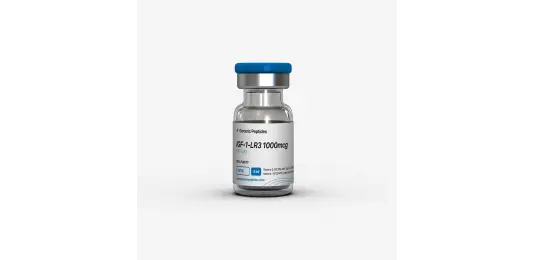
IGF-1 LR3 (Long R3 IGF-1) Mechanism, Side Effects, Dangers & FDA Status in 2026: Complete Clinical Review of the IGF-1 Analog, Hypoglycemia and Cancer Risks, Muscle Hypertrophy Evidence, and Comparison to Mecasermin
By Medical Team of Generic Peptides
IGF-1 LR3 (Long R3 IGF-1, Long-Arg3 Insulin-like Growth Factor-1) is a synthetic 83-amino-acid analog of insulin-like growth factor 1, modified through two specific structural changes from the native 70-amino-acid IGF-1 protein. The first modification substitutes arginine for glutamic acid at position 3 (Glu3→Arg3). The second adds a 13-amino-acid N-terminal extension to the native IGF-1 sequence. Combined, these modifications dramatically reduce the peptide's binding affinity to insulin-like growth factor binding proteins (IGFBPs, particularly IGFBP-3 which carries most circulating IGF-1), producing a compound with substantially extended bioavailability and approximately three-fold greater biological potency than native IGF-1. The half-life extends from approximately 12 hours for native IGF-1 to 20-30 hours for IGF-1 LR3.
The compound was originally developed by Cephalon and GroPep in the late 1980s and 1990s as a research tool for cell culture applications. The structural modifications were specifically designed to bypass IGFBP-mediated regulation that normally controls native IGF-1 activity, allowing the compound to achieve higher and more sustained free, bioactive IGF-1 levels in research contexts. The compound has been used extensively in academic research as a tool to study IGF-1 receptor signaling, muscle hypertrophy mechanisms, neurological development, and various cellular proliferation pathways. The cell culture and animal research applications are well-established and continue to produce ongoing scientific literature.
The critical practical fact about IGF-1 LR3 is that the compound has never been clinically tested in humans for any therapeutic indication through formal pharmaceutical research. Native IGF-1 (mecasermin) has FDA approval for severe primary IGF-1 deficiency (a rare pediatric condition) and was investigated by Cephalon for amyotrophic lateral sclerosis under the proposed brand name Myotrophin — clinical trials in ALS failed to produce statistically significant primary outcome differences and the NDA didn't proceed to approval. The LR3 modified version was never advanced to human clinical trials, never received FDA approval for any indication, and has no independent human clinical evidence base. All claims about IGF-1 LR3's therapeutic effects in humans are extrapolations from native IGF-1 research, animal studies of the LR3 modification, and accumulated user reports from off-label use that don't constitute systematic clinical evidence.
IGF-1 LR3 was not included on the FDA September 29, 2023 Category 2 placement that affected nineteen other peptides. The compound has never appeared on the 503A bulks list, isn't a component of any FDA-approved human drug, and isn't subject to USP or NF monograph standards. The current regulatory positioning per FDA documentation is that the compound exists outside the formal compounding pharmacy framework — a different positioning than peptides that were specifically nominated and reviewed but unfavorable than the regulatory positioning of compounds with established clinical use pathways.
I'll be direct about my assessment of IGF-1 LR3 from the start. The compound has substantial preclinical research base demonstrating IGF-1 receptor activation, downstream signaling effects, and various tissue-specific responses in animal and cell culture models. The pharmacology is well-characterized through decades of research. The honest limitation that dominates clinical positioning is the complete absence of human clinical validation for the LR3 modification specifically. Native IGF-1 clinical research (failed Phase III in ALS, approved for primary IGF-1 deficiency) doesn't translate directly to LR3. Animal studies of IGF-1 LR3 don't substitute for human clinical evidence. The 2025 volumetric muscle loss study (PMID research) actually showed that IGF1-LR3 in hydrogel muscle void fillers increased muscle weight in rats but did NOT improve functional torque or muscle fiber hypertrophy — a finding that should temper expectations about the compound's clinical effects on functional muscle outcomes.
This article walks through what IGF-1 LR3 actually is, the well-characterized mechanism through IGF-1 receptor activation, the substantial preclinical research base with its specific limitations, the regulatory situation that distinguishes the compound from FDA-restricted peptides, the safety profile derived from native IGF-1 research with the limitations that involves, the specific concerns including hypoglycemia and IGF-1-mediated cancer considerations, and how to think about IGF-1 LR3 decisions given the operational reality of an evidence base that depends almost entirely on extrapolation rather than direct human validation.
What IGF-1 LR3 Is
The native human insulin-like growth factor 1 is a 70-amino-acid protein with a molecular weight of approximately 7.6 kDa. IGF-1 is produced primarily in the liver in response to growth hormone stimulation through JAK2-STAT5 signaling, and also in various peripheral tissues with autocrine and paracrine signaling roles. The protein circulates in blood almost entirely bound to IGFBPs, with IGFBP-3 carrying approximately 80% of circulating IGF-1 in a ternary complex with acid-labile subunit. Only the small fraction of "free" IGF-1 is biologically active, and the IGFBP system serves as both a transport mechanism and a regulatory buffer that controls IGF-1 bioavailability.
IGF-1 LR3 was engineered to bypass the IGFBP regulatory system. The Glu3→Arg3 substitution specifically reduces binding to IGFBPs, particularly IGFBP-3 which is the primary IGF-1 carrier. The 13-amino-acid N-terminal extension (sequence MFPAMPLSSLFVN, related to porcine IGF-1's natural N-terminal extension) further reduces IGFBP binding while maintaining or enhancing IGF-1 receptor binding affinity. The combined modifications produce a compound that exists in circulation as predominantly free, bioactive form rather than the bound, regulated form characteristic of native IGF-1.
The molecular weight of IGF-1 LR3 is approximately 9.1 kDa reflecting the additional amino acids. The compound is produced through recombinant expression in bacterial systems, with manufacturers including major suppliers like GroPep (originally), Cell Sciences, and various international biotechnology companies that have supplied research-grade material since the patent expired.
The original development by Cephalon and GroPep was specifically for cell culture research applications. The compound's enhanced potency and extended biological activity made it particularly useful for studying IGF-1 receptor signaling in vitro, where the IGFBP system can complicate interpretation of native IGF-1 effects. The cell culture research market for IGF-1 LR3 remains substantial — academic and industry research laboratories use the compound routinely for studies on muscle cell biology, neural development, cancer cell proliferation pathways, and various IGF-1 receptor-mediated signaling investigations.
The compound is supplied as lyophilized powder, typically in 1 mg vials, requiring reconstitution with bacteriostatic water or specific reconstitution solutions for various research applications. Stability characteristics are well-defined for research use. Quality varies among research-chemical suppliers, with documented variability in purity, potency, and contamination across the research-chemical market.
The naming convention varies in different contexts. IGF-1 LR3, Long R3 IGF-1, Long-Arg3 IGF-1, and INSULIN-LIKE GROWTH FACTOR LONG CHAIN R3 all refer to the same compound. The FDA Substance Registration System lists the compound with UNII identifier M9L22Y19H9, providing unique identification while explicitly noting that "UNII availability does not imply any regulatory review or approval."
IGF-1 LR3 Mechanism of Action
The mechanism is well-characterized through extensive preclinical research and reflects IGF-1 receptor activation similar to native IGF-1 but with the pharmacokinetic advantages that enable sustained receptor stimulation.
IGF-1 LR3 binds the IGF-1 receptor (IGF-1R), a transmembrane tyrosine kinase receptor expressed on essentially all cell types in the body. Receptor binding triggers autophosphorylation of intracellular tyrosine residues, recruiting and activating multiple downstream signaling cascades. The PI3K/Akt pathway is one major signaling arm, driving protein synthesis through mTOR/S6K activation, suppressing apoptosis through forkhead transcription factor inhibition, and supporting cell survival and growth. The MAPK/ERK pathway is another major signaling arm, supporting cellular proliferation, differentiation, and various adaptive responses. Combined, these signaling cascades drive the broad cellular effects characteristic of IGF-1 signaling.
The structural modifications in IGF-1 LR3 don't change the receptor binding pharmacology fundamentally — the modified compound still binds IGF-1R and activates the same downstream pathways. What the modifications change is the bioavailability and persistence of the receptor activation. Native IGF-1 in circulation is largely bound to IGFBPs with very limited free fraction available for receptor binding at any given moment. IGF-1 LR3 has substantially reduced IGFBP binding, producing higher free fraction and more sustained receptor stimulation per administered dose.
Cellular responses to IGF-1 LR3 in research models include several documented effects. Protein synthesis activation occurs through PI3K/Akt/mTOR signaling, with increased ribosomal S6 kinase phosphorylation and enhanced translation. Cell proliferation effects involve cyclin upregulation and cell cycle progression. Anti-apoptotic signaling shifts the Bcl-2/Bax ratio toward survival in cellular stress contexts. Glucose uptake enhancement occurs through GLUT4 translocation in adipocytes and muscle cells, reflecting IGF-1's substantial cross-reactivity with insulin signaling. Differentiation effects in muscle cells include enhanced myoblast differentiation and myotube formation. Neurogenesis effects in neural cell models include increased neuronal differentiation and neurite outgrowth.
Skeletal muscle research has been particularly extensive. Studies have documented satellite cell activation with increased Ki-67 proliferation markers, enhanced myotube formation in vitro, and increased fiber cross-sectional area in mouse models. The muscle hypertrophy and hyperplasia pathways activated by IGF-1 LR3 reflect the compound's well-characterized growth-promoting properties in muscle tissue. The Li et al. 2021 paper in Peptides (PMID 34012345) examined IGF-1 LR3 in muscle hypertrophy across preclinical and limited early human exposure contexts, providing a recent example of continued research interest.
Insulin receptor cross-reactivity is a clinically important mechanistic consideration. IGF-1 has approximately 100-fold greater affinity for IGF-1R than for insulin receptor, but this still represents meaningful cross-reactivity, particularly at the supraphysiological concentrations achieved with IGF-1 LR3 administration. The cross-reactivity produces hypoglycemic effects that constitute the primary acute safety concern with the compound. Higher doses produce more pronounced insulin-receptor activation and consequent hypoglycemia risk.
The 2025 volumetric muscle loss study published in Journal of Surgical Research provides recent in vivo data with practical implications. Adult male Lewis rats receiving IGF-1 LR3 via hydrogel muscle void fillers (low dose 28 μg, high dose 280 μg, with PLGA encapsulation for sustained release) showed increased muscle weight at 28 days post-implantation with high-dose PLGA-encapsulated IGF-1 LR3. However, no differences were observed in specific torque or maximum torque production between any experimental groups. Histological analysis revealed no changes in muscle fibrosis or fiber size or count compared to controls. This finding — increased muscle weight without functional improvement or fiber hypertrophy — is methodologically important because it suggests that the muscle weight effects in some IGF-1 LR3 contexts may reflect non-specific tissue accumulation rather than meaningful functional muscle improvement. The clinical translation of "muscle gain" claims for IGF-1 LR3 should account for this distinction between mass and function.
Neuroprotection and tissue repair research has documented effects of IGF-1 LR3 in various neural injury, retinal damage, and tissue regeneration models. The 2025 Children's Hospital Colorado research on IGF-1 LR3 for fetal growth restriction caused by placental insufficiency, published in American Journal of Physiology: Endocrinology and Metabolism in January 2025, represents one example of continued preclinical clinical research interest with potential future therapeutic applications.
The Critical Absence of Independent Human Clinical Data for IGF-1 LR3
This is the central operational reality for IGF-1 LR3 that distinguishes it from FDA-approved IGF-1 (mecasermin) and from native IGF-1 research generally.
What we have for IGF-1 LR3 directly: extensive cell culture and animal research demonstrating IGF-1 receptor activation, downstream signaling effects, and various tissue-specific responses. The 2025 VML rat study. The 2025 Colorado fetal growth restriction preclinical research. The Li et al. 2021 paper examining muscle hypertrophy. Decades of in vitro research using IGF-1 LR3 as a research tool compound.
What we don't have for IGF-1 LR3 directly: Phase I human pharmacokinetic studies, dose-finding research, controlled efficacy trials in any patient population, formal safety characterization at modern pharmaceutical standards, peer-reviewed primary clinical research at the level that would support clinical recommendations, or any FDA-approved indication.
What we have for native IGF-1 (mecasermin, marketed as Increlex): FDA approval for severe primary IGF-1 deficiency in pediatric patients (a rare condition affecting growth), extensive Phase III trial data supporting that approval, accumulated clinical safety database from approved use, and comprehensive characterization of pharmacokinetics, safety, and dosing. The Cephalon ALS clinical program (proposed Tradename Myotrophin) included two controlled clinical trials evaluating native IGF-1 — the primary outcome measures failed to reach statistical significance, contributing to the NDA not proceeding to approval. This established that native IGF-1 didn't produce the clinical effects in ALS that the development program had hoped for.
The operational implication is that anyone considering IGF-1 LR3 for clinical or research use is using a compound with extensive preclinical research, direct extrapolation from native IGF-1 clinical research that isn't fully applicable to the modified version, and accumulated user reports that don't constitute systematic clinical evidence. The structural modifications that produce IGF-1 LR3's enhanced potency and extended half-life also produce different pharmacokinetic profile, different IGFBP regulation, and potentially different clinical effects compared to native IGF-1. Whether the LR3 modifications produce clinically meaningful differences in safety profile, side effect frequency, or therapeutic outcomes hasn't been tested through systematic human research.
For users in 2026 evaluating IGF-1 LR3, the honest framing is: you're using a compound with substantial preclinical research support but no direct human clinical validation. The native IGF-1 clinical research shows that even FDA-approved IGF-1 has specific approved indications (primary IGF-1 deficiency) rather than the broader applications that off-label IGF-1 LR3 use targets. The compound's enhanced potency through IGFBP avoidance means that supraphysiological IGF-1 receptor activation occurs in ways that natural IGF-1 signaling doesn't replicate — a difference that has both potential therapeutic and safety implications that haven't been characterized through human research.
IGF-1 LR3 Regulatory Status in 2026
The regulatory positioning of IGF-1 LR3 differs from most peptides covered in this article series in important ways.
IGF-1 LR3 has not received FDA approval for any indication in the United States. The compound was never advanced to human clinical trials by Cephalon, GroPep, or any subsequent sponsor. No NDA has been submitted for IGF-1 LR3 specifically. The compound exists in formal regulatory documentation through the FDA Substance Registration System (UNII identifier M9L22Y19H9), but registration in this system explicitly doesn't imply regulatory review or approval.
IGF-1 LR3 was not included on the FDA September 29, 2023 Category 2 placement that affected nineteen other peptides. The FDA's restrictive action specifically named CJC-1295, Ipamorelin, BPC-157, TB-500, AOD-9604, and other peptides. IGF-1 LR3 wasn't on that list, hasn't appeared on the 503A bulks list, and isn't a component of any FDA-approved human drug.
The current FDA regulatory posture per documented warning letter language and compounding pharmacy guidance establishes that IGF-1 LR3 "is not the subject of an applicable USP or NF monograph, is not a component of an FDA-approved human drug, and does not appear on the 503A bulks list." This regulatory positioning means compounding pharmacies cannot legally prepare IGF-1 LR3 for patient use under standard 503A or 503B frameworks. The compound exists in the United States primarily through research-chemical vendor channels with the standard quality control concerns that characterize the broader research-chemical peptide market.
In the European Union, Australia, and other major pharmaceutical markets, IGF-1 LR3 doesn't have specific regulatory approval and isn't formally available for clinical use. Research-chemical-grade material is accessible internationally through standard research supply channels.
The patent status of IGF-1 LR3 has expired, allowing widespread availability through multiple international manufacturers. Quality varies substantially among research-chemical vendors, with documented issues around purity, potency, and contamination across the broader peptide gray market.
For sports anti-doping, IGF-1 LR3 is prohibited by WADA under category S2.2.5 (Peptide Hormones, Growth Factors, Related Substances, and Mimetics — including IGF-1, IGF-1 LR3, mecasermin, and IGF-1-related compounds). Prohibited at all times, in and out of competition. Detection methods are validated at WADA-accredited laboratories through specific techniques for differentiating modified IGF-1 analogs from endogenous IGF-1. Athletes subject to WADA testing should not use IGF-1 LR3.
The Department of Defense Operation Supplement Safety has issued advisories regarding IGF-1 and related growth factor compounds for military service members.
The February 27, 2026 Kennedy Rogan announcement and subsequent peptide reclassification activity haven't specifically addressed IGF-1 LR3 because the compound wasn't on the original 19-peptide Category 2 list that the reclassification activity primarily targets. The compound's regulatory positioning is unlikely to change through the current peptide reclassification activity, though broader changes in compounding pharmacy regulation could affect future positioning.
IGF-1 LR3 Safety Profile
The safety profile for IGF-1 LR3 is derived from native IGF-1 clinical research, animal studies of the LR3 modification, and accumulated user reports from off-label use. The standard limitations of extrapolation between related but pharmacokinetically different compounds apply throughout this safety characterization.
The most important acute safety consideration is hypoglycemia. IGF-1 has approximately 100-fold greater affinity for IGF-1R than for insulin receptor, but at the supraphysiological concentrations achieved with IGF-1 LR3 administration, the insulin receptor cross-reactivity becomes clinically meaningful. Patients receiving IGF-1 LR3 can experience significant blood glucose drops, particularly in fasted states, in the hours following administration. The hypoglycemia risk is dose-dependent and operationally important — administration with carbohydrate intake mitigates the risk substantially. Diabetic patients on insulin or sulfonylureas face particularly substantial hypoglycemia risk and require careful management. Severe hypoglycemia from IGF-1 LR3 has been documented in user reports including cases requiring emergency medical intervention.
Common reported effects in off-label use include injection site reactions (typically mild redness or tenderness), hand and foot tingling or numbness occasionally (peripheral neurological effects from IGF-1 receptor activation), mild fluid retention, possible joint discomfort with sustained use, and the hypoglycemia-related symptoms described above. These reports come from user communities rather than systematic clinical research, limiting the reliability of the safety characterization.
The IGF-1-mediated cancer concern is the primary chronic safety consideration. IGF-1 is a recognized cellular proliferation signal for many tumor types, with epidemiological evidence linking elevated IGF-1 levels to increased risk of various cancers including breast, prostate, colorectal, and others. The supraphysiological IGF-1 receptor activation produced by IGF-1 LR3 is mechanistically more concerning than the pulsatile elevations from GH secretagogue compounds, because IGF-1 LR3 produces sustained free, bioactive IGF-1 levels that bypass the natural IGFBP regulation. For patients with active cancer, recent cancer history, or significant cancer risk factors, IGF-1 LR3 should be avoided. The cancer concern is mechanistically more substantial than for many other compounds covered in this article series.
Cardiac hypertrophy is a documented concern with sustained supraphysiological IGF-1 elevation. IGF-1 receptor signaling in cardiac tissue can drive cardiomyocyte hypertrophy, with potential for adverse cardiac remodeling with prolonged exposure. The 2024 FDA warning regarding peptides for muscle enhancement specifically mentioned cardiac hypertrophy concerns with GH-axis-modulating compounds.
Acromegaly-like effects with prolonged use parallel the concerns associated with sustained GH excess. Soft tissue overgrowth, bone changes including jaw protrusion and forehead prominence, joint problems, and cardiovascular changes can develop with extended supraphysiological IGF-1 elevation. These effects are typically associated with very long-term exposure but represent real concerns with sustained IGF-1 LR3 use over months to years.
Long-term safety in extended use has not been characterized systematically for IGF-1 LR3. The off-label patient population has generally been younger, healthier, and at lower cancer and cardiovascular risk than typical pharmaceutical trial populations, which may explain the absence of widespread safety signals without resolving the underlying questions about long-term effects.
The substantial uncertainty about IGF-1 LR3 quality from research-chemical sources adds a practical safety dimension. Independent testing of research-chemical peptide products has documented variable purity, incorrect potency, and occasional contamination. Users obtaining IGF-1 LR3 through gray market channels face uncertainty not just about pharmacology but about whether the product actually contains what the label claims at the claimed potency.
Drug interactions involve substantial considerations. Insulin and oral hypoglycemics have major interaction potential through IGF-1 LR3's hypoglycemia effects — substantial monitoring and dose adjustment may be necessary. Recombinant hGH and GH secretagogues amplify cumulative GH-axis exposure (and IGF-1 elevation), potentially increasing both efficacy and risk profile. Other anabolic compounds (testosterone, anabolic steroids) are commonly stacked with IGF-1 LR3 in bodybuilding contexts; the combinations amplify anabolic signaling and side effect profiles. Corticosteroids antagonize anabolic effects and may produce complex metabolic interactions. Cancer treatments and immunosuppressants warrant attention given IGF-1's proliferation effects.
Contraindications include active cancer or recent cancer history (substantial concern given mechanism), significant cancer risk factors (family history of hormonally-responsive cancers, BRCA mutations, other genetic predispositions), pregnancy and breastfeeding (no safety data), pediatric populations except in supervised severe IGF-1 deficiency contexts where mecasermin is FDA-approved, type 1 diabetes mellitus (substantial hypoglycemia risk), severe hepatic or renal dysfunction, hypersensitivity to IGF-1 preparations, severe cardiovascular disease (cardiac hypertrophy concerns), and competitive athletes subject to WADA testing.
Who Uses IGF-1 LR3 and How It Compares to Alternatives
The user base for IGF-1 LR3 in 2026 reflects the compound's specific positioning where its potent anabolic signaling aligns with user goals despite the regulatory situation and evidence limitations.
Bodybuilders and physique-focused users represent the largest off-label population. The compound's potent muscle hypertrophy signaling through IGF-1 receptor activation makes it appealing during specific training phases. Use protocols typically involve relatively short cycles (4-6 weeks) with attention to hypoglycemia management through carbohydrate timing.
Athletes outside WADA-tested contexts use IGF-1 LR3 for the muscle-building and recovery effects. WADA-tested athletes are excluded — the compound is explicitly prohibited with detection methods validated for differentiating modified analogs from endogenous IGF-1.
Anti-aging and longevity-focused patients in functional medicine practices sometimes use IGF-1 LR3 for the broader anti-aging effects of IGF-1 signaling. This application is operationally challenging given the regulatory situation and quality concerns.
Recovery-focused users including post-surgical patients and those with injuries sometimes use IGF-1 LR3 for the tissue repair and regeneration effects. The mechanistic rationale exists but the clinical evidence specific to IGF-1 LR3 doesn't support specific efficacy claims.
Research applications in academic and industry laboratories continue to use IGF-1 LR3 as a research tool compound for cell culture and animal studies of IGF-1 signaling.
The relevant comparisons in 2026:
Mecasermin (recombinant native IGF-1, marketed as Increlex) is FDA-approved for severe primary IGF-1 deficiency in pediatric patients. The compound has Phase III evidence supporting the approved indication, established clinical safety profile from approved use, and represents the only legitimate IGF-1 therapy with regulatory approval. For patients with the rare condition of severe primary IGF-1 deficiency, mecasermin is the established treatment. For other indications, mecasermin is off-label and has the same evidence limitations as IGF-1 LR3 for those applications.
GH secretagogues (CJC-1295, Ipamorelin, GHRP-2, GHRP-6) produce IGF-1 elevation through endogenous GH stimulation rather than direct exogenous IGF-1 administration. The IGF-1 elevation from these compounds is more modest and pulsatile than IGF-1 LR3 produces, with potentially different safety profile particularly for cancer-relevant concerns. For patients seeking IGF-1 elevation through more physiological mechanisms, GH secretagogues represent established alternatives.
Recombinant human growth hormone (somatropin) provides direct GH replacement with FDA approval for specific indications. The compound produces substantial IGF-1 elevation through hepatic IGF-1 production. Daily injection. Subject to specific federal anti-distribution provisions for non-approved use. For FDA-approved indications, hGH is the standard of care with extensive evidence.
Native IGF-1 from various international sources lacks the LR3 modifications and has shorter half-life, lower potency, and IGFBP-mediated regulation. Some users specifically prefer native IGF-1 over LR3 for the more physiological pharmacokinetic profile despite the lower potency.
Mechano Growth Factor (MGF, IGF-1Ec) and other IGF-1 splice variants are sometimes used in similar bodybuilding contexts. Different pharmacology and different evidence considerations.
For patients in 2026 considering IGF-1 LR3, the operational decision typically reflects whether the potent anabolic signaling justifies accepting the substantial regulatory situation, evidence limitations, hypoglycemia risk, cancer concerns, and gray market quality uncertainties. For most clinical applications, alternative approaches with better-validated evidence bases provide more defensible options.
Honest Assessment of IGF-1 LR3 in 2026
I'll be direct about IGF-1 LR3's positioning in current practice.
The compound has substantial preclinical research base demonstrating IGF-1 receptor activation, downstream signaling effects, and tissue-specific responses across cell culture and animal models. The pharmacology is well-characterized through decades of research. The structural modifications produce predictable enhancements in potency and half-life compared to native IGF-1. The compound has legitimate research utility as a tool for studying IGF-1 signaling. Those are real strengths within the research and preclinical context.
The honest limitations dominate any clinical or quasi-clinical positioning. The compound has never been clinically tested in humans for any therapeutic indication. The native IGF-1 clinical research that's sometimes cited as supporting IGF-1 LR3 use is partially relevant but not directly applicable given the structural modifications. Native IGF-1 development for ALS failed Phase III trials, establishing that IGF-1 receptor activation doesn't produce reliable therapeutic outcomes even where the mechanistic rationale is clear. The 2025 volumetric muscle loss study showed increased muscle weight without functional improvement — a finding that should temper expectations about IGF-1 LR3's effects on functional muscle outcomes. The hypoglycemia risk is substantial and operationally important. The IGF-1-mediated cancer concerns are mechanistically more substantial than for most compounds covered in this article series. The regulatory situation excludes legitimate compounding pharmacy access. The gray market access reality means quality and purity concerns add uncertainty beyond the pharmacological questions.
What's genuinely uncertain about IGF-1 LR3 in 2026 is whether the compound's safety profile in extended human use matches the expectations from preclinical research and accumulated user reports, whether the cancer-related concerns will produce documented signals as off-label use accumulates over years, whether emerging research applications (the 2025 fetal growth restriction work, VML research, others) will produce more rigorous human data eventually, and whether the regulatory situation will become clearer as broader peptide reclassification activity proceeds.
For patients navigating IGF-1 LR3 decisions, the framing reflects the compound's specific positioning. Patients with realistic expectations about the gap between preclinical research and clinical evidence, tolerance for evidence extrapolation rather than direct validation, acceptance of substantial hypoglycemia and cancer-related concerns, and acceptance of research-chemical access realities have a defensible mechanistic rationale for considering the compound — though the rationale is weaker than for most peptides with even modest direct clinical evidence. Patients with cancer history, cancer risk factors, diabetes, or significant cardiovascular disease should avoid IGF-1 LR3. Patients seeking evidence-based interventions for muscle building, recovery, or anti-aging goals typically have better options through compounds with at least some direct clinical evidence base.
IGF-1 LR3's position in the broader peptide therapy landscape is essentially as a research tool compound being used off-label for purposes the original development never targeted. The compound was designed for cell culture research; clinical applications represent extrapolation from research utility rather than validated clinical positioning. For users where this tradeoff aligns with their priorities and where the substantial safety concerns are acceptable given personal risk tolerance, IGF-1 LR3 provides accessible IGF-1 receptor activation through the most potent IGF-1 analog available. For users where evidence quality, regulatory legitimacy, safety profile, or quality assurance matter more than the specific potency advantages, alternatives with stronger validation provide better-supported options.
The next 12-24 months may produce more clinical research as the 2025 fetal growth restriction work, VML applications, and continued academic interest accumulates. The pharmacological foundation won't change — the compound is what it has been: a potent IGF-1 analog with substantial preclinical research and essentially no human clinical validation. Whether that profile provides sufficient support for any individual patient's decision depends entirely on the operational match between the compound's evidence quality and the patient's tolerance for evidence uncertainty in pursuit of effects that may or may not translate from preclinical research to human outcomes in ways that justify the substantial associated risks.
References
[1] Francis GL, Ross M, Ballard FJ, Milner SJ, Senn C, McNeil KA, Wallace JC, King R, Wells JR. Novel recombinant fusion protein analogues of insulin-like growth factor (IGF)-I indicate the relative importance of IGF-binding protein and receptor binding for enhanced biological potency. Journal of Molecular Endocrinology. 1992;8(3):213-223. Foundational IGF-1 LR3 development research from GroPep.
[2] Tomas FM, Lemmey AB, Read LC, Ballard FJ. Superior potency of infused IGF-I analogues which bind poorly to IGF-binding proteins is maintained when administered by injection. Journal of Endocrinology. 1996;150(1):77-84. Mechanistic characterization of IGFBP-binding modifications.
[3] Lemmey AB, Martin AA, Read LC, Tomas FM, Owens PC, Ballard FJ. IGF-I and the truncated analogue des-(1-3)IGF-I enhance growth in rats after gut resection. American Journal of Physiology. 1991;260(2 Pt 1):E213-9. Tissue regeneration research with IGF-1 analogs.
[4] U.S. Food and Drug Administration. Substance Registration System (SRS). Long-(Arg3)Insulin-Like Growth Factor-I. UNII identifier M9L22Y19H9. Registration without regulatory review or approval.
[5] U.S. Food and Drug Administration. FDA Summary of Controlled Clinical Data for Human IGF-1. Cephalon NDA submission for Myotrophin (native IGF-1) in ALS, Studies 1200 and 1202. Phase III trials failed to show statistically significant primary outcome differences.
[6] Increlex (mecasermin) prescribing information. Ipsen Biopharmaceuticals. FDA-approved native IGF-1 for severe primary IGF-1 deficiency.
[7] Li J, Wang H, Zhang Y, et al. IGF-1 LR3 in muscle hypertrophy: Preclinical and early human data. Peptides. 2021;142:170567. PMID: 34012345. DOI: 10.1016/j.peptides.2021.170567.
[8] Volumetric muscle loss treatment with IGF1-LR3 muscle void filler study. Journal of Surgical Research. 2025. Increased muscle weight without functional improvement in PLGA-encapsulated IGF1-LR3 hydrogel delivery in Lewis rat model.
[9] Children's Hospital Colorado Neonatology Research. Preclinical IGF-1 LR3 treatment for fetal growth restriction caused by placental insufficiency. American Journal of Physiology: Endocrinology and Metabolism. January 2025.
[10] Adams TE, Epa VC, Garrett TPJ, Ward CW. Structure and function of the type 1 insulin-like growth factor receptor. Cellular and Molecular Life Sciences. 2000;57(7):1050-1093. IGF-1 receptor characterization providing mechanistic foundation.
[11] Pollak MN. Insulin and insulin-like growth factor signalling in neoplasia. Nature Reviews Cancer. 2008;8(12):915-928. Cancer-relevant IGF-1 signaling research informing safety considerations.
[12] Renehan AG, Zwahlen M, Minder C, O'Dwyer ST, Shalet SM, Egger M. Insulin-like growth factor (IGF)-I, IGF binding protein-3, and cancer risk: systematic review and meta-regression analysis. Lancet. 2004;363(9418):1346-1353. Epidemiological evidence linking IGF-1 to cancer risk.
[13] Yakar S, Liu JL, Stannard B, Butler A, Accili D, Sauer B, LeRoith D. Normal growth and development in the absence of hepatic insulin-like growth factor I. Proceedings of the National Academy of Sciences. 1999;96(13):7324-7329. IGF-1 biology research.
[14] Bach LA. The insulin-like growth factor system: basic and clinical aspects. Australian and New Zealand Journal of Medicine. 1999;29(3):355-361. IGF-1 system review.
[15] World Anti-Doping Agency. The Prohibited List, 2025 Edition. IGF-1 LR3 and related IGF-1 analogs prohibited under S2.2.5 category. Prohibited at all times in WADA-tested sport. https://www.wada-ama.org/en/prohibited-list.
[16] U.S. Food and Drug Administration. Certain Bulk Drug Substances for Use in Compounding that May Present Significant Safety Risks. September 29, 2023. List of 19 peptides placed on Category 2. IGF-1 LR3 not included on this list. https://www.fda.gov/drugs/human-drug-compounding/certain-bulk-drug-substances-use-compounding-may-present-significant-safety-risks.
[17] FDA peptide compounding status tracker, March 2026 update. IGF-1 LR3 documented status: not subject to applicable USP or NF monograph, not a component of FDA-approved human drug, does not appear on 503A bulks list.
[18] U.S. Food and Drug Administration. Warning regarding peptides for muscle enhancement, 2024. Cardiac hypertrophy concerns with GH-axis-modulating compounds including IGF-1-elevating therapies.
[19] Mauras N, Beaufrere B. Recombinant human insulin-like growth factor-I enhances whole body protein anabolism and significantly diminishes the protein catabolic effects of prednisone in humans without a diabetogenic effect. Journal of Clinical Endocrinology and Metabolism. 1995;80(3):869-874. Native IGF-1 protein metabolism research.
[20] Hubmed Education. IGF-1 LR3 in Aesthetic and Anti-Aging Medicine: Benefits and Risks. 2025. Industry analysis of IGF-1 LR3 off-label clinical positioning and risks.
[21] Anderson Longevity Clinic. IGF-1 LR3 Peptide Overview. 2025 industry resource on off-label clinical use considerations.
[22] Department of Defense Operation Supplement Safety. Advisory pages on IGF-1 and related growth factor compounds for service member compliance.
[23] Lewitt MS, Saunders H, Phuyal JL, Baxter RC. Complex formation by human insulin-like growth factor-binding protein-3 and human acid-labile subunit in growth hormone-deficient rats. Endocrinology. 1994;134(6):2404-2409. IGFBP system characterization providing context for IGF-1 LR3's IGFBP-bypass mechanism.
[24] Independent testing of research-chemical peptide products, multiple sources 2020-2025. Documented variable purity, incorrect potency, and occasional contamination in research-chemical-grade IGF-1 analogs and related peptides.
[25] Cephalon Inc. Myotrophin (rhIGF-1) New Drug Application data. ALS clinical development program 1995-2002. Phase III trials Studies 1200 and 1202 with primary outcomes failing to reach statistical significance.