PT-141: FDA-Approved Bremelanotide for Female HSDD With Off-Label Use
PT-141 (Bremelanotide / Vyleesi): The FDA-Approved Melanocortin Receptor Agonist for Female Hypoactive Sexual Desire Disorder With Modest Effect Size and Substantial Off-Label Use
By Medical Team of Generic Peptides
PT-141 — chemical name bremelanotide, marketed under the brand name Vyleesi — is a synthetic cyclic heptapeptide melanocortin receptor agonist FDA-approved on June 21, 2019, for the treatment of acquired, generalized hypoactive sexual desire disorder (HSDD) in premenopausal women. Sequence Ac-Nle-cyclo[Asp-His-D-Phe-Arg-Trp-Lys]-OH (with a free acid C-terminus that distinguishes the compound from Melanotan II's amide C-terminus). Molecular formula C₅₀H₆₈N₁₄O₁₀ ● xCH₃COOH (1≤x≤2). Molecular weight 1025.16 Da. The compound is supplied as a sterile clear solution in a pre-filled syringe within a single-dose autoinjector pen, providing 1.75 mg bremelanotide (equivalent to 1.89 mg bremelanotide acetate) in 0.3 mL solution. Self-administered subcutaneously into the abdomen or thigh at least 45 minutes before anticipated sexual activity. Maximum one dose per 24 hours, no more than eight doses per month.
PT-141's structural and developmental relationship to Melanotan II is genuinely important for understanding its pharmacology. Bremelanotide was developed at Palatin Technologies in the early 2000s through systematic refinement of the Melanotan II structural framework, after researchers noticed that Melanotan II — originally designed for sunless tanning at the University of Arizona — was producing unexpected sexual arousal effects in early clinical studies. Palatin's medicinal chemistry team isolated and refined the arousal-related activity through structural modifications, with the most important change being the conversion of Melanotan II's C-terminal amide to a free carboxylic acid. This single structural modification produced a compound with substantially different receptor binding profile and pharmaceutical development trajectory than the parent compound. Despite the structural relationship, bremelanotide is now marketed by Cosette Pharmaceuticals (which acquired the product from Palatin Technologies on January 3, 2024) as an FDA-approved pharmaceutical with regulatory legitimacy that distinguishes it from Melanotan II's restrictive regulatory positioning across multiple jurisdictions.
The pharmacological characterization deserves clarification because the popular description of bremelanotide as "selectively MC4R-targeted" or "MC3R/MC4R selective" is genuinely inaccurate per the FDA prescribing information. Bremelanotide is a melanocortin receptor agonist that non-selectively activates several receptor subtypes with the following order of potency: MC1R > MC4R > MC3R > MC5R > MC2R. The compound has higher binding affinity at MC1R than at any other melanocortin receptor. The FDA label explicitly states: "At therapeutic dose levels, binding to MC1R and MC4R is most relevant. Neurons expressing MC4R are present in many areas of the central nervous system. The mechanism by which VYLEESI improves HSDD in women is unknown." This is genuinely important — bremelanotide isn't pharmacologically distinct from Melanotan II by virtue of receptor selectivity (both compounds are non-selective melanocortin agonists), but rather by virtue of pharmaceutical development that selected for an indication (HSDD) where MC4R-mediated central nervous system effects are therapeutically relevant rather than the broader set of effects (tanning, appetite, sexual function, cardiovascular) that Melanotan II's clinical use produces. The pharmaceutical development pathway, controlled clinical trials, and FDA approval distinguish bremelanotide rather than fundamental receptor selectivity differences.
The clinical evidence base for bremelanotide's HSDD indication comes from the RECONNECT Phase 3 trials (Studies 301 and 302) — two identically designed, double-blind, randomized, placebo-controlled trials evaluating subcutaneous bremelanotide 1.75 mg administered as-needed via autoinjector. Total enrollment 1,202 premenopausal women with acquired, generalized HSDD across both studies. The Kingsberg et al. 2019 paper in Obstetrics and Gynecology documented the primary efficacy outcomes: responder rates of 58.3% and 58.2% in the bremelanotide groups versus 36.1% and 35.4% in the placebo groups (P<0.001 in both studies) for the FSFI-Desire domain endpoint. The Cohen's d effect sizes for the co-primary endpoints were 0.35 and 0.33 — statistically significant but small effect magnitudes by standard interpretive conventions (Cohen's d of 0.2 is considered small, 0.5 medium, and 0.8 large). The magnitude of clinical benefit is modest: about 25% of patients treated with bremelanotide experienced an increase of 1.2 or more in their sexual desire score (scaled 1.2 to 6.0), and the absolute differences in FSFI-Desire scores between bremelanotide and placebo groups were statistically robust but clinically modest.
The 2026 regulatory and commercial situation reflects the compound's specific positioning as an FDA-approved pharmaceutical product with active ongoing development. Cosette Pharmaceuticals acquired Vyleesi from Palatin Technologies on January 3, 2024, including 5 Orange Book listed patents with protection through 2041. The acquisition came after Vyleesi had experienced 8 consecutive quarters of double-digit prescription growth, indicating substantial uptake despite the modest effect size. Palatin Technologies continues research on bremelanotide — in June 2024, Palatin announced initiation of a Phase 2 clinical study evaluating bremelanotide co-administered with a PDE5 inhibitor (sildenafil) for treatment of erectile dysfunction in men, building on accumulated evidence of synergistic effects between melanocortin and PDE5 mechanisms. A Phase 4 lactation study (NCT06867835) sponsored by Cosette began in 2025 to characterize bremelanotide concentrations in breast milk in healthy lactating women. The compound is widely available in the United States through specialty pharmacies and telemedicine platforms, with patient assistance programs that can reduce out-of-pocket cost to as little as $0 for eligible patients despite the underlying list price of several hundred dollars per autoinjector.
I'll be direct about my assessment of bremelanotide from the start. The compound has substantial pharmaceutical merits — FDA approval based on robust Phase 3 evidence, well-characterized pharmacology, clear regulatory pathway, established safety profile, ongoing pharmaceutical development for additional indications, commercial backing from a specialty pharmaceutical company focused on women's health. The honest limitations involve the modest effect size that's been demonstrated in pivotal trials (Cohen's d 0.33-0.35 is statistically significant but small), the high placebo response rate (~35%) that complicates interpretation of clinical benefit in individual patients, the substantial nausea side effect (occurring in approximately 40% of patients in clinical trials), the cardiovascular contraindications that exclude meaningful patient populations, the focal hyperpigmentation concerns particularly affecting visible areas like face and gingiva, the off-label use in men that has Phase 2 trial evidence emerging but lacks Phase 3 validation specifically for ED applications, and the persistent gray market in research-chemical "PT-141" that operates parallel to the legitimate Vyleesi pharmaceutical product with the standard quality control concerns affecting research-chemical sources.
This article walks through what bremelanotide actually is, the non-selective melanocortin receptor activation mechanism that produces the central nervous system effects relevant to sexual desire, the substantial Phase 3 RECONNECT clinical evidence with its specific limitations, the safety profile derived from the comprehensive clinical development program, the commercial and regulatory situation including Cosette's 2024 acquisition and ongoing Phase 2 male ED development, and how to think about bremelanotide decisions given the operational realities including the legitimate FDA-approved pathway versus the alternative research-chemical sources.
What Bremelanotide / PT-141 Is
Bremelanotide's structural design reflects deliberate pharmaceutical optimization starting from the Melanotan II framework that Hruby, Hadley, and colleagues developed at the University of Arizona in the 1980s. Palatin Technologies' medicinal chemistry team in the early 2000s recognized that Melanotan II's broader pharmacological profile (including the unexpected sexual arousal effects observed in clinical studies) could be refined toward specific therapeutic indications through structural modifications.
The single most important structural change distinguishing bremelanotide from Melanotan II is the conversion of the C-terminal amide group to a free carboxylic acid. Melanotan II has Ac-Nle-cyclo[Asp-His-D-Phe-Arg-Trp-Lys]-NH2 (note the C-terminal -NH2 amide). Bremelanotide has Ac-Nle-cyclo[Asp-His-D-Phe-Arg-Trp-Lys]-OH (note the C-terminal free carboxylic acid). This single modification produces meaningful differences in the compound's pharmacology, pharmacokinetics, and clinical effect profile despite the structural similarity.
The cyclic heptapeptide structure provides metabolic stability against enzymatic degradation, allowing clinically practical half-life of approximately 2 hours after subcutaneous administration. The pharmacokinetic profile shows peak plasma concentrations at approximately 1 hour post-injection. The compound is metabolized primarily through proteolytic degradation, with renal excretion of metabolites.
The compound is supplied as Vyleesi in pre-filled autoinjector pens designed for self-administration. Each autoinjector contains 1.75 mg bremelanotide (equivalent to 1.89 mg bremelanotide acetate) in 0.3 mL solution. Inactive ingredients consist of 2.5% glycerin, sterile water for injection, and hydrochloric acid or sodium hydroxide added to adjust pH. The autoinjector design allows easy self-administration without requiring patients to manipulate vials or syringes — an important practical consideration for the as-needed dosing protocol the compound's clinical use requires.
The naming convention reflects multiple historical and commercial designations. PT-141 is the original Palatin Technologies designation from early development. Bremelanotide is the assigned international nonproprietary name. Vyleesi is the brand name FDA-approved for the commercial product. The "PT" prefix derived from "Palatin Technologies" plus the compound number assignment from the company's research portfolio. All these names refer to the same compound, with usage typically reflecting context — pharmaceutical and medical literature uses "bremelanotide" or "Vyleesi," while research-chemical and off-label discussion contexts often use "PT-141."
Generic bremelanotide may eventually become available given that the patent protection extends to 2041 for the Orange Book listed patents, so generic competition is unlikely in the near term. The current commercial supply comes exclusively from Cosette Pharmaceuticals as Vyleesi.
Bremelanotide / PT-141 Mechanism of Action
The mechanism involves non-selective activation of multiple melanocortin receptor subtypes with the central nervous system effects through MC4R activation being most relevant for the HSDD therapeutic effect.
Bremelanotide binds and activates all five melanocortin receptor subtypes (MC1R, MC2R, MC3R, MC4R, MC5R) with the order of potency MC1R > MC4R > MC3R > MC5R > MC2R per the FDA-approved prescribing information. The melanocortin receptors are G-protein coupled receptors that activate Gs signaling through adenylyl cyclase, generating cAMP and activating protein kinase A and downstream signaling cascades. The biological effects depend on which receptors are activated and where they're expressed.
MC4R activation in central nervous system pathways is the proposed therapeutic mechanism for HSDD. MC4R is expressed in many brain areas including the hypothalamus, where activation modulates neural circuits involved in sexual desire and arousal. Preclinical research suggests bremelanotide affects dopamine signaling pathways linked to sexual desire and motivated behavior, though the specific molecular mechanism by which MC4R activation translates to improved sexual desire isn't fully characterized. The FDA label explicitly states: "The mechanism by which VYLEESI improves HSDD in women is unknown." This honest acknowledgment of mechanistic uncertainty is unusual in pharmaceutical labeling and reflects the genuine state of knowledge about how melanocortin signaling produces the clinical effect.
MC1R activation drives the melanogenesis effects responsible for the focal hyperpigmentation that occurs in approximately 1% of bremelanotide users (particularly affecting face, gingiva, and breasts). MC1R is expressed on melanocytes in skin and hair follicles, with receptor activation triggering eumelanin production. The 1% hyperpigmentation incidence is substantially lower than what Melanotan II produces because bremelanotide's primary application involves intermittent rather than chronic dosing, but the mechanism is fundamentally the same.
MC3R activation contributes to energy homeostasis effects, with appetite-suppressive effects being subtle at therapeutic bremelanotide doses. The effect is much less prominent than what Melanotan II produces.
The cardiovascular effects through sympathetic activation involve transient blood pressure elevation and heart rate decrease. Once-daily bremelanotide dosing in dedicated cardiovascular safety studies produced mean increases of 1.9 mmHg in daytime systolic blood pressure (95% CI: 1.0 to 2.7) and 1.7 mmHg in daytime diastolic blood pressure (95% CI: 0.9 to 2.4), with effects resolving within 12 hours of dosing. These changes are clinically modest in patients without cardiovascular disease but become potentially problematic in patients with uncontrolled hypertension or established cardiovascular disease — leading to the contraindications in the FDA label.
The pharmacokinetic profile reflects the cyclic peptide structure's metabolic stability. After subcutaneous administration, bremelanotide reaches peak plasma concentrations at approximately 1 hour post-dose. Half-life is approximately 2.7 hours. Bioavailability after subcutaneous administration is approximately 100%. The compound is metabolized primarily through proteolytic degradation with multiple metabolites cleared through renal excretion. The pharmacokinetics support the recommended dosing pattern — administration ≥45 minutes before anticipated sexual activity provides adequate time for absorption and central nervous system effects, while the relatively short half-life means the cardiovascular effects don't persist beyond several hours.
The mechanism distinction from PDE5 inhibitors (sildenafil, tadalafil, vardenafil) is important for understanding bremelanotide's clinical positioning. PDE5 inhibitors work peripherally by enhancing nitric oxide-mediated vasodilation in genital tissues, supporting erectile function in men through improved blood flow. Bremelanotide works centrally through melanocortin receptor activation in brain pathways involved in sexual desire and motivation. The compound is a "desire-pathway modulator" rather than a "blood-flow amplifier." This different mechanism explains both why bremelanotide is approved for HSDD (a disorder of sexual desire rather than physical sexual response) and why the compound shows synergistic effects with PDE5 inhibitors when combined for ED treatment — the mechanisms are complementary rather than redundant.
Bremelanotide / PT-141 Clinical Evidence: The RECONNECT Phase 3 Trials and Effect Size Considerations
The clinical evidence base for bremelanotide's HSDD indication derives from a comprehensive Phase 1-3 development program with the pivotal Phase 3 trials providing the basis for FDA approval.
The RECONNECT Phase 3 program included two identically designed studies (Study 301 and Study 302). Both were 24-week, randomized, double-blind, placebo-controlled, parallel-group trials with optional open-label extension phases. The studies were conducted at multiple US and Canadian sites in premenopausal women with acquired, generalized HSDD of at least 6 months' duration. Patients self-administered bremelanotide 1.75 mg or placebo via autoinjector pen, as needed, for 24 weeks. Total enrollment was 1,202 women across both studies.
The co-primary endpoints were change from baseline to end-of-study in two patient-reported outcome measures. The Female Sexual Function Index — Desire domain (FSFI-D) measures sexual desire intensity and frequency on a scale from 1.2 to 6.0, with higher scores indicating greater desire. The Female Sexual Distress Scale — Desire/Arousal/Orgasm Item 13 (FSDS-DAO Item 13) measures distress associated with low desire, with higher scores indicating greater distress.
The Kingsberg et al. 2019 paper in Obstetrics and Gynecology (PMC6819021) reported the primary efficacy results. Bremelanotide produced statistically significant improvements compared to placebo in both co-primary endpoints in both studies. Responder rates (defined as patients meeting predefined improvement thresholds) were 58.3% in Study 301 bremelanotide group versus 36.1% placebo group, and 58.2% in Study 302 bremelanotide group versus 35.4% placebo group (P<0.001 in both studies).
The effect size analysis (Simon et al. 2020 in Journal of Sexual Medicine) calculated Cohen's d effect sizes for the co-primary endpoints. The integrated population effect sizes were 0.35 for FSFI-D and 0.33 for FSDS-DAO Item 13, both highly statistically significant (P<0.0001) but small effect magnitudes by standard interpretive conventions where Cohen's d of 0.2 is considered small, 0.5 medium, and 0.8 large.
The clinical magnitude of the bremelanotide effect deserves honest characterization. The Kingsberg 2019 paper documented that approximately 25% of bremelanotide-treated patients had clinically meaningful improvement in sexual desire score (defined as FSFI-D increase of 1.2 or more on the 1.2-to-6.0 scale). The remaining 75% of patients didn't achieve this clinical threshold. Combined with the substantial placebo response rate (35-36% in both studies), the actual clinical benefit attributable specifically to bremelanotide treatment is modest in magnitude. The compound produces real, statistically robust effects that exceed placebo, but the absolute magnitude of clinical change is small enough that many patients won't experience clinically meaningful improvement.
Subgroup analyses (Simon et al. 2022 Journal of Women's Health) examined efficacy across prespecified subgroups including age, weight, BMI, and bioavailable testosterone levels. Bremelanotide produced statistically significant improvements compared to placebo across most subgroups, supporting that the treatment effect is reasonably consistent across patient populations within the FDA-approved indication. The subgroup analyses didn't identify specific predictors of treatment response that would allow targeted patient selection.
Open-label extension phase data (52-week follow-up) supported sustained efficacy in patients who continued treatment, with safety profile consistent with the controlled phase.
The RECONNECT trials measured patient-reported sexual desire and distress outcomes rather than objective measures of sexual activity, frequency, or partner-rated outcomes. This is appropriate for HSDD since the disorder is fundamentally about subjective experience of low desire and associated distress, but it does mean the evidence base is built on patient-reported outcomes that have inherent limitations including potential placebo response amplification through expectation effects.
What the RECONNECT evidence supports with reasonable confidence: bremelanotide produces statistically significant improvements compared to placebo in patient-reported sexual desire and associated distress in premenopausal women with HSDD; the effect is consistent across the studies and across most patient subgroups; the safety profile is well-characterized through the comprehensive development program.
What the evidence supports less robustly: the magnitude of clinical benefit is modest (Cohen's d 0.33-0.35); approximately 75% of treated patients don't achieve the predefined clinically meaningful improvement threshold; the high placebo response rate complicates individual patient prediction; the trials weren't designed to differentiate the magnitude of bremelanotide effect from the substantial expectation effects that characterize sexual function trials generally.
For male erectile dysfunction applications, the evidence base is more limited. Earlier intranasal bremelanotide development for ED was discontinued due to dose-dependent blood pressure increases that pushed the FDA toward the female HSDD indication via subcutaneous route. Phase 2 studies in men documented response rates of 34% bremelanotide users versus 9% placebo for adequate erection achievement in some studies, though these older intranasal studies don't directly translate to current subcutaneous bremelanotide use patterns in men. The June 2024 Palatin Technologies announcement of Phase 2 development for bremelanotide co-administered with PDE5 inhibitor (sildenafil) for ED treatment represents formal pharmaceutical development for the male combination application. Phase 2 results from this trial will provide better-characterized evidence for the combination approach than currently exists.
Bremelanotide / PT-141 Safety Profile
The safety profile is comprehensively characterized through the bremelanotide clinical development program including drug-drug interaction studies, blood pressure and cardiac electrophysiology studies, the Phase 2b dose-ranging study, and the Phase 3 RECONNECT registration trials. The Clayton et al. 2022 paper in Journal of Women's Health provides comprehensive synthesis of the safety findings.
The most common adverse events in clinical trials were predictable based on melanocortin receptor pharmacology. Nausea was the most prominent side effect, occurring in approximately 40% of bremelanotide-treated patients. The nausea is typically mild to moderate and tends to occur shortly after dosing, often resolving within several hours. Antiemetic medications can be used adjunctively if needed. Some patients discontinue treatment due to nausea, while others find the side effect tolerable given the desired clinical benefit.
Flushing occurred in approximately 20% of patients. Headache occurred in approximately 11% of patients. Injection site reactions (typically mild redness or tenderness) occurred in approximately 13% of patients. These adverse events are generally well-tolerated and resolve spontaneously without specific intervention.
Cardiovascular effects involve transient blood pressure increases and heart rate decreases that typically resolve within 12 hours. The mean systolic blood pressure increase of 1.9 mmHg and diastolic increase of 1.7 mmHg are clinically modest in healthy patients but become potentially problematic in patients with uncontrolled hypertension or established cardiovascular disease. The FDA label contains specific contraindications: bremelanotide is contraindicated in patients with uncontrolled hypertension or known cardiovascular disease. The label recommends considering cardiovascular risk before initiating treatment and periodically during treatment, ensuring blood pressure is well-controlled, and limiting use to one dose per 24 hours and no more than 8 doses per month to minimize the risk of more pronounced blood pressure effects.
Focal hyperpigmentation is a specific safety concern affecting approximately 1% of patients receiving up to 8 doses per month. The hyperpigmentation involves visible body areas including the face, gingiva, and breasts. The mechanism is MC1R-mediated melanogenesis. The hyperpigmentation can persist after discontinuation and may not always resolve completely. Patients with darker baseline skin pigmentation may be at higher risk, though specific risk factors haven't been fully characterized. Patients should be counseled about the hyperpigmentation possibility before treatment initiation, particularly given the visible body areas affected.
Pregnancy considerations are based on animal reproduction studies that documented fetal harm in dogs and developmental effects in mice at exposures 16-fold and 125-fold the maximum recommended dose respectively. The lowest dose associated with fetal harm hasn't been identified in either species. The FDA recommends effective contraception during bremelanotide treatment. Among 1,057 patients in clinical trials, 7 pregnancies occurred — five resulted in full-term live births with no major congenital anomalies, one spontaneous abortion, one outcome unknown. The clinical pregnancy data is reassuring but limited.
Lactation considerations are being actively characterized through the ongoing Cosette-sponsored Phase 4 study (NCT06867835) measuring bremelanotide concentrations in breast milk in healthy lactating women. Until this study completes, bremelanotide should be used with caution in breastfeeding patients, particularly while nursing newborns or preterm infants.
Drug interactions are relatively limited. Notable interactions include naltrexone (bremelanotide may decrease naltrexone exposure, potentially reducing alcohol use disorder treatment efficacy). Substrates of CYP1A2 and other cytochrome P450 enzymes don't have clinically significant interactions. Alcohol can be used with bremelanotide without specific restrictions — a notable difference from flibanserin (Addyi) which has historically carried alcohol-related warnings. Antihypertensive medications may have additive blood pressure effects, but the transient bremelanotide cardiovascular effects don't typically require dose adjustments in well-controlled hypertensive patients.
Long-term safety data extend through 52 weeks in the open-label extension phases. Beyond this duration, safety data is limited. The accumulated commercial use experience since 2019 FDA approval, supplemented by post-marketing surveillance, hasn't identified additional unexpected long-term safety signals.
Contraindications include uncontrolled hypertension, known cardiovascular disease, hypersensitivity to bremelanotide or product components, and pregnancy. Patients with significant cardiovascular risk factors should be evaluated carefully before treatment initiation.
The safety database covers thousands of patients across the clinical development program plus accumulated commercial use experience, providing substantial characterization of the compound's safety profile. The risk/benefit profile is genuinely favorable for appropriately selected patients within the FDA-approved indication, though the cardiovascular contraindications and substantial nausea side effect rate exclude or limit treatment for meaningful patient populations.
Bremelanotide / PT-141 Off-Label Use in Men
The off-label use of bremelanotide in men for erectile dysfunction and low libido represents a substantial clinical practice area despite the FDA approval being limited to female HSDD. Understanding this off-label use requires acknowledgment of the substantial historical evidence and the active ongoing pharmaceutical development for male applications.
The original Palatin Technologies development program included extensive Phase 2 evaluation of intranasal bremelanotide for erectile dysfunction in men in the early-to-mid 2000s. These studies documented response rates of approximately 34% for adequate erection achievement with bremelanotide versus 9% with placebo in some endpoints. The intranasal development was discontinued not due to lack of efficacy but due to dose-dependent blood pressure increases that exceeded the FDA's safety thresholds for the broader ED population. The pivot to female HSDD via subcutaneous administration addressed the safety concerns through a more controlled administration route and a population (premenopausal women) with different baseline cardiovascular risk profiles than the typical ED population (older men with cardiovascular comorbidities).
The 2005 King Pharmaceuticals/Palatin Technologies combination study reported that bremelanotide co-administered with sildenafil 25 mg produced stronger erectile responses than either drug alone. This synergistic combination represents the mechanistic basis for the so-called "Viagra reboot" protocols that some andrology clinics use in PDE5-inhibitor-resistant patients.
The June 2024 Palatin Technologies announcement of Phase 2 clinical development for bremelanotide co-administered with PDE5 inhibitor for ED treatment represents formal pharmaceutical development that may eventually produce FDA-approved combination therapy. The mechanistic rationale is sound — bremelanotide's central nervous system effects on desire pathways combined with PDE5 inhibitors' peripheral effects on vasodilation address ED through complementary mechanisms.
Clinical practice patterns for off-label bremelanotide use in men involve several common protocols. Subcutaneous injection of 1.75 mg (using the same Vyleesi autoinjector pen prescribed off-label) at least 45 minutes before anticipated sexual activity. Combination with PDE5 inhibitors (typically sildenafil 25-50 mg) for synergistic effects in PDE5-inhibitor-resistant patients. Some clinics use compounded bremelanotide formulations at varying doses (typically 0.5-2 mg subcutaneous or intranasal), though this off-label compounded use lacks the quality assurance of the FDA-approved Vyleesi product.
The safety considerations for male off-label use include the same cardiovascular concerns that apply to female use, with additional considerations because the typical male ED population is older with higher baseline cardiovascular risk. Hypertension, established cardiovascular disease, and concurrent use of nitrates (which interact with PDE5 inhibitors) represent significant clinical considerations.
Off-label male use isn't FDA-approved and requires physician supervision, particularly cardiovascular screening before initiation. Patients pursuing this use should work with andrology or sexual medicine specialists who can provide appropriate evaluation and monitoring.
The Davitt et al. 2024 abstract presented at Journal of Sexual Medicine provides recent clinical evidence on bremelanotide use in men with sexual dysfunctions from a sexual medicine clinic, though comprehensive Phase 3 evidence specifically for male ED applications doesn't yet exist.
Bremelanotide / PT-141 Regulatory Status and Commercial Situation in 2026
The regulatory situation for bremelanotide is fundamentally different from most peptides covered in this article series because of the FDA approval and active pharmaceutical commercialization.
In the United States, bremelanotide as Vyleesi (Cosette Pharmaceuticals) has FDA approval for acquired, generalized HSDD in premenopausal women. The compound is widely available through specialty pharmacies and telemedicine platforms with patient assistance programs that can reduce out-of-pocket cost substantially for eligible patients. Insurance coverage varies but the manufacturer's patient assistance program offers $0 copay for many commercially-insured patients (excluding government-funded programs like Medicaid or TRICARE). The autoinjector pen format allows convenient self-administration.
The Cosette acquisition from Palatin Technologies on January 3, 2024 transferred 5 Orange Book listed patents with protection through 2041, providing extended commercial exclusivity. Palatin Technologies retained development rights for additional bremelanotide indications, with the June 2024 Phase 2 announcement for male ED combination therapy reflecting continued development.
The compound is widely available through telemedicine platforms partnering with various prescribers, with patients in many states able to obtain prescriptions through online consultation followed by mail delivery of the autoinjector pens. This telemedicine availability has supported substantial uptake despite the underlying list price of several hundred dollars per autoinjector.
Alternative access through compounding pharmacies has been a parallel market for "PT-141" formulations at lower price points. The compounded formulations operate in regulatory gray area — bremelanotide is FDA-approved as Vyleesi, which generally limits compounding pharmacies' authority to prepare unapproved formulations of the same compound. The compounded versions exist primarily for off-label male use and for cost-conscious patients seeking lower-cost alternatives, with the standard quality concerns affecting compounded peptide preparations.
In international pharmaceutical markets, bremelanotide approval status varies. Health Canada has approved Vyleesi for the same female HSDD indication. European Medicines Agency hasn't approved bremelanotide for HSDD; the compound isn't available through legitimate pharmaceutical channels in EU member states. Some other jurisdictions have approved or are considering approval.
For sports anti-doping, bremelanotide's WADA status involves nuance. The compound isn't specifically listed by name on the current WADA Prohibited List, but melanocortin receptor agonists may fall under broader prohibited categories depending on interpretation. Athletes considering use should consult current WADA documentation directly.
The Department of Defense Operation Supplement Safety has addressed melanocortin compounds in advisories for service members.
The compound was not included on the FDA September 29, 2023 Category 2 placement that affected nineteen other peptides because bremelanotide is FDA-approved rather than a non-approved compounding pharmacy peptide. The regulatory positioning fundamentally differs from compounds like Melanotan II (which shares structural similarity but lacks approval and has substantial regulatory restrictions including Australian Schedule 9 prohibition and FDA enforcement actions).
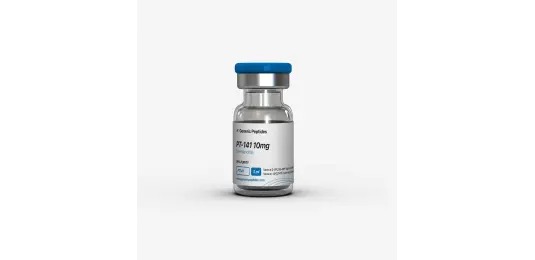
The persistent gray market for "PT-141" research-chemical formulations exists parallel to the legitimate Vyleesi pharmaceutical product. These research-chemical sources typically supply 10 mg vials at substantially lower cost per dose than the FDA-approved autoinjector format, with explicit "research use only" disclaimers but de facto use by individuals (often men) seeking off-label applications. The quality variability, dose accuracy concerns, and contamination risks affecting research-chemical peptide markets generally apply to PT-141 sources.
Honest Assessment of Bremelanotide / PT-141 in 2026
I'll be direct about bremelanotide's positioning in current practice.
The compound has substantial pharmaceutical merits — FDA approval based on robust Phase 3 evidence (RECONNECT studies meeting predefined efficacy endpoints with statistical significance), well-characterized pharmacology, comprehensive safety profile from an extensive clinical development program, established commercial pathway with Cosette Pharmaceuticals' ongoing investment in patient access programs, ongoing pharmaceutical development through Palatin's Phase 2 male ED combination program, regulatory legitimacy that distinguishes the compound from research-chemical alternatives. The mechanistic rationale through MC4R activation in central nervous system pathways provides scientifically credible basis for the sexual desire effects, and the structural development from Melanotan II represents successful pharmaceutical refinement of a parent compound's broader effects into a specific therapeutic indication.
The honest limitations dominate practical clinical positioning despite the FDA approval. The effect size in the Phase 3 trials is genuinely modest (Cohen's d 0.33-0.35 — small by standard interpretive conventions). Approximately 75% of treated patients don't achieve clinically meaningful improvement in sexual desire score per the predefined threshold. The high placebo response rate (35-36%) complicates individual patient prediction and raises questions about how much of the apparent treatment benefit reflects specific bremelanotide pharmacology versus expectation effects characteristic of sexual function trials. Nausea affects approximately 40% of patients — a substantial side effect rate that limits tolerability for many users. The cardiovascular contraindications exclude meaningful patient populations including women with hypertension or established cardiovascular disease. The focal hyperpigmentation concern, while affecting only 1% of patients, involves visible body areas (face, gingiva, breasts) that make this side effect particularly impactful when it occurs. The high cost (several hundred dollars per autoinjector at list price) limits access despite patient assistance programs.
The clinical decision framework for bremelanotide reflects these competing considerations. For premenopausal women with diagnosed HSDD who have tried alternative interventions (relationship counseling, addressing relationship/situational factors, treating underlying medical conditions, addressing medication side effects, etc.) without sufficient improvement, bremelanotide represents a legitimate FDA-approved option with real but modest expected benefit. The 25% clinically meaningful response rate means meaningful benefit for some patients but no significant benefit for the majority. The cardiovascular contraindications and nausea side effect rate require careful patient selection and counseling. The cost considerations make patient assistance programs important for access. Patients with cardiovascular risk factors, contraindications, or low tolerance for nausea may find the risk/benefit profile unfavorable.
For postmenopausal women, bremelanotide is not FDA-approved, and small case series with off-label use show variable outcomes. The approval limitation reflects the trial population (premenopausal women) rather than mechanistic differences — postmenopausal HSDD may or may not respond similarly to bremelanotide treatment, and the absence of dedicated trials in this population leaves clinical evidence inadequate for clear recommendations.
For men with erectile dysfunction or low libido, off-label bremelanotide use has accumulated substantial clinical experience and Phase 2 evidence supports the synergistic combination with PDE5 inhibitors. The pending Phase 2 combination trial may eventually produce FDA-approved male ED indication, but current off-label use lacks the regulatory legitimacy of the female HSDD application. Patients considering this use should work with andrology or sexual medicine specialists who can provide appropriate cardiovascular evaluation and monitoring.
What's genuinely uncertain about bremelanotide in 2026 includes whether the ongoing Phase 2 male ED combination trial will produce FDA approval for male applications, whether longer-term efficacy data will emerge supporting sustained benefit beyond the 24-week trial duration, whether the focal hyperpigmentation incidence will increase with longer-term commercial use, and how the persistent gray market in compounded "PT-141" will evolve relative to the legitimate Vyleesi pharmaceutical pathway.
For patients navigating bremelanotide decisions in 2026, the framing reflects the compound's specific positioning as an FDA-approved treatment with modest but real efficacy and substantial side effect/contraindication considerations. Patients in the FDA-approved indication (premenopausal women with HSDD) without cardiovascular contraindications who can tolerate the nausea side effect and afford the cost have a legitimate pharmaceutical option supported by Phase 3 evidence. Patients outside the approved indication or with significant cardiovascular risk factors should approach bremelanotide with appropriate clinical guidance, recognizing that off-label use lacks the regulatory legitimacy and rigorous evidence base of the approved application.
Bremelanotide's place in the broader peptide therapy landscape reflects successful pharmaceutical development from a structurally related parent compound (Melanotan II) into a specific therapeutic indication with FDA approval. The compound demonstrates that melanocortin pharmacology can produce clinically validated treatments through targeted indication development, even when the parent compound (Melanotan II) faced substantial regulatory restrictions. The contrast between bremelanotide's regulatory legitimacy and Melanotan II's increasingly restrictive positioning across multiple jurisdictions illustrates how pharmaceutical development pathway and indication selection critically affect compound positioning regardless of underlying mechanism similarity.
The next 12-24 months will likely produce clearer evidence for several developing applications. The Palatin Phase 2 male ED combination trial may produce results supporting FDA approval for male applications. The Cosette-sponsored Phase 4 lactation study will provide safety data for lactating women. Continued accumulation of post-marketing safety data and clinical experience will refine understanding of long-term effects. The pharmaceutical foundation won't change — bremelanotide is what it has been: an FDA-approved cyclic heptapeptide melanocortin receptor agonist with non-selective receptor activation profile but specific therapeutic application for premenopausal HSDD, with modest but statistically robust effect size and substantial side effect/contraindication considerations that warrant careful patient selection. The compound's role for appropriately selected patients within and adjacent to its approved indication is established and ongoing through the Cosette commercial pathway and Palatin's continuing development for additional applications.
References
[1] Kingsberg SA, Clayton AH, Portman D, Williams LA, Krop J, Jordan R, Lucas J, Simon JA. Bremelanotide for the Treatment of Hypoactive Sexual Desire Disorder: Two Randomized Phase 3 Trials. Obstetrics and Gynecology. 2019;134(5):899-908. PMID: 31599840. PMC6819021. Foundational Phase 3 RECONNECT trials establishing FDA-approved efficacy.
[2] Clayton AH, Kingsberg SA, Portman D, Sadiq A, Krop J, Jordan R, Lucas J, Simon JA. Safety Profile of Bremelanotide Across the Clinical Development Program. Journal of Women's Health. 2022;31(2):171-182. PMID: 34890281. Comprehensive safety analysis across thousands of patients in clinical development.
[3] Simon JA, Clayton AH, Kingsberg SA, Portman D, Jordan R, Williams L, Krop J. Effect Size of Bremelanotide Treatment in the Phase 3 RECONNECT Studies. Journal of Sexual Medicine. 2020;17(1 Suppl):S57. Effect size analysis with Cohen's d 0.35 and 0.33 for co-primary endpoints.
[4] Simon JA, Kingsberg SA, Portman D, Jordan R, Lucas J, Sadiq A, Krop J, Clayton AH. Prespecified and Integrated Subgroup Analyses from the RECONNECT Phase 3 Studies of Bremelanotide. Journal of Women's Health. 2022;31(3):391-400. PMID: 35230162. Subgroup efficacy analyses across age, weight, BMI, bioavailable testosterone.
[5] U.S. Food and Drug Administration. VYLEESI (bremelanotide injection) prescribing information. Approved June 21, 2019. https://www.accessdata.fda.gov/drugsatfda_docs/label/2019/210557s000lbl.pdf. FDA-approved labeling including non-selective MC1R>MC4R>MC3R>MC5R>MC2R potency order.
[6] Pfaus J, Giuliano F, Gelez H. Bremelanotide: An overview of preclinical CNS effects on female sexual function. Journal of Sexual Medicine. 2007;4(Suppl 4):269-279. PMID: 17958611. Preclinical CNS effects supporting therapeutic mechanism.
[7] Diamond LE, Earle DC, Heiman JR, Rosen RC, Perelman MA, Harning R. An effect on the subjective sexual response in premenopausal women with sexual arousal disorder by bremelanotide (PT-141), a melanocortin receptor agonist. Journal of Sexual Medicine. 2006;3(4):628-638. PMID: 16839319. Early Phase 2 evidence in premenopausal women.
[8] Cosette Pharmaceuticals. Cosette Pharmaceuticals Acquires Vyleesi (Bremelanotide Injection) from Palatin Technologies Inc. Press release January 3, 2024. Acquisition of 5 Orange Book listed patents with protection through 2041.
[9] Palatin Technologies. Press Release: Palatin Announces the Initiation of a Phase 2 Clinical Study of Bremelanotide Co-Administered with a PDE5i for the Treatment of Erectile Dysfunction (ED). June 2024. Cranbury, NJ. Phase 2 development for male ED combination application.
[10] Clarke H. Phase 2 study launches of bremelanotide plus a PDE5 inhibitor for erectile dysfunction. Urologic Times. June 20, 2024. Coverage of ongoing Phase 2 male ED combination development.
[11] Cosette Pharmaceuticals. Phase 4 Lactation Study NCT06867835. Single Dose of Vyleesi in Lactating Female Subjects to Measure the Concentration of Bremelanotide in Breast Milk. Initiated 2025. Pharmacokinetic study in 10 healthy lactating women.
[12] Hadley ME, Hruby VJ. Discovery and development of novel melanogenic drugs. Melanotan-I and -II. Pharmacy and Pharmacology Communications. 1997;3:11-17. Historical context of structural development from University of Arizona research.
[13] Pincus MR, Michl J, Bowne W, Sarafraz-Yazdi E. The neurobiology of bremelanotide for the treatment of hypoactive sexual desire disorder in premenopausal women. CNS Spectrums. Cambridge Core. Neurobiology review of melanocortin pathway in sexual desire.
[14] Palatin Technologies & King Pharmaceuticals. Two-drug combination shows positive results in men with ED. Urology Times. April 8, 2005. Foundational combination study with bremelanotide plus sildenafil 25 mg.
[15] Schieszer J. Intranasal Drug Holds Promise for ED. Renal & Urology News. September 15, 2007. Coverage of earlier intranasal bremelanotide ED development.
[16] Davitt K, et al. Use of Bremelanotide (Vyleesi) in Men with Sexual Dysfunctions: Results from a Sexual Medicine Clinic. Journal of Sexual Medicine. 2024;21(Supplement_1). Abstract documenting off-label male use clinical experience.
[17] Drugs.com. Vyleesi (bremelanotide) FDA Approval History. Last updated January 18, 2025. https://www.drugs.com/history/vyleesi.html. Comprehensive approval history documentation.
[18] U.S. Food and Drug Administration. Bremelanotide acetate, molecular formula C₅₀H₆₈N₁₄O₁₀ ● xCH₃COOH (1≤x≤2), molecular weight 1025.16 Da. Pharmaceutical product specifications including 1.75 mg per autoinjector pen in 0.3 mL solution with 2.5% glycerin.
[19] Cosette Pharmaceuticals. Vyleesi prescribing information [package insert]. South Plainfield, NJ; 2024. Updated commercial labeling information.
[20] Joffe HV, Chang C, Sewell C, Easley O, Nguyen C, Dunn S, Lehrfeld K, Lee L, Kim MJ, Slagle AF, Beitz J. FDA Approval of Flibanserin — Treating Hypoactive Sexual Desire Disorder. New England Journal of Medicine. 2016;374(2):101-104. PMID: 26760081. Comparison context for FDA approval of female HSDD treatments.
[21] Goldfischer ER, Breaux J, Katz M, Kaufman J, Smith WB, Kimura T, Sadiq A, Lucas J, Frydman J, Jordan R, Krop J. Continued efficacy and safety of flibanserin in premenopausal women with hypoactive sexual desire disorder (HSDD): results from the 28-week open-label extension of the BEGONIA trial. Journal of Sexual Medicine. 2014;11(12):3027-3034. PMID: 25196078. Comparison context for alternative HSDD treatment.
[22] World Anti-Doping Agency. The Prohibited List, current edition. Melanocortin receptor agonists may fall under broader prohibited categories. Athletes should consult current WADA documentation directly. https://www.wada-ama.org/en/prohibited-list.
[23] Department of Defense Operation Supplement Safety. Advisory pages on melanocortin compounds for service member compliance.
[24] AdisInsight (Springer). Bremelanotide profile. Cosette Pharmaceuticals development pipeline information including ongoing trials and indication expansion. https://adisinsight.springer.com/drugs/800014146.
[25] Pharmacy Times, Drugs.com, Mayo Clinic, and other clinical reference sources for bremelanotide patient information, drug interactions, lactation considerations, and clinical use guidance. Multiple sources reflecting current 2026 clinical practice information.