Somatropin: FDA-Approved Recombinant HGH Distinct From Peptide Secretagogues
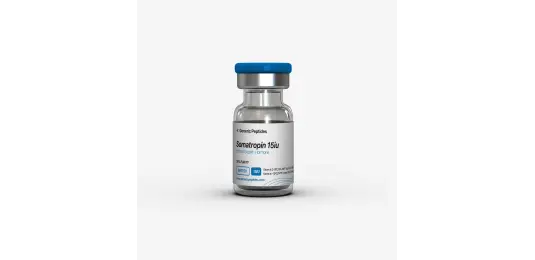
Somatropin: The FDA-Approved Recombinant Human Growth Hormone With Multiple Indications, Long-Acting Weekly Formulations, and Distinct Positioning From Peptide Secretagogues
By Medical Team of Generic Peptides
Somatropin is recombinant human growth hormone (rhGH) — a 191-amino-acid single-chain polypeptide protein produced through recombinant DNA technology in E. coli expression systems (and increasingly through mammalian cell systems for newer formulations). Molecular weight approximately 22.1 kDa (22,124 Da). The compound's amino acid sequence is identical to native pituitary-derived human growth hormone, with two intramolecular disulfide bonds (Cys53-Cys165 and Cys182-Cys189) maintaining the characteristic four-helix bundle tertiary structure required for biological activity. Somatropin functions as direct exogenous GH replacement, binding the growth hormone receptor (GHR) on target tissues throughout the body and activating the JAK2/STAT5 signaling pathway responsible for the diverse anabolic, metabolic, and tissue-specific effects of GH. The compound's full-length protein structure produces direct receptor activation rather than the indirect endogenous GH stimulation that characterizes GH-related peptides like sermorelin, CJC-1295, Ipamorelin, GHRP-2, GHRP-6, MK-677, and Hexarelin.
This compound is fundamentally different from most products covered in this article series. Where other "peptides" in this series typically refer to short synthetic peptides (3-32 amino acids) used as research compounds or off-label therapeutics, somatropin is a full-length recombinant protein pharmaceutical with comprehensive FDA approval pathway across multiple indications, established commercial commercialization since 1985 through multiple brands and biosimilars, and substantial insurance coverage for approved indications. The contrast between somatropin and the GH-related peptide secretagogues covered elsewhere in this series is genuinely substantial — somatropin is the established gold standard for GH replacement therapy, while peptide secretagogues represent investigational or off-label alternatives that work through endogenous stimulation rather than exogenous replacement.
The 2025-2026 regulatory landscape reflects continued expansion of long-acting growth hormone (LAGH) formulations alongside the established daily injection formulations. Three weekly LAGH formulations are now FDA-approved with substantial commercial uptake: Skytrofa (lonapegsomatropin-tcgd, Ascendis Pharma) — a prodrug with transient PEGylation that releases unmodified somatropin over the dosing week, FDA-approved for pediatric GHD in 2021 and adult GHD in 2025 based on the foresiGHt Phase 3 trial; Sogroya (somapacitan-beco, Novo Nordisk) — an albumin-binding GH analog with single-point mutation at amino acid 101 plus a non-covalent albumin-binding moiety, FDA-approved for adult GHD in August 2020, pediatric GHD in April 2023, and expanded in March 2026 to include idiopathic short stature, small for gestational age without catch-up growth, and Noonan syndrome; Ngenla/Genryzon (somatrogon-ghla, Pfizer/OPKO Health) — a fusion protein incorporating three carboxy-terminal peptides of human chorionic gonadotropin for extended half-life, FDA-approved for pediatric GHD in June 2023. These weekly formulations provide approximately 313 injection-free days per year compared to daily somatropin alternatives — substantial quality of life improvement for patients requiring chronic GH replacement therapy.
The somatropin pharmaceutical pathway includes eleven distinct FDA-approved brand-name products: Accretropin (Emergent Biosolutions), Genotropin (Pfizer/Pharmacia & Upjohn — original 1995 NDA), Humatrope (Eli Lilly — approved October 1986), Norditropin (Novo Nordisk), Nutropin (Genentech), Nutropin AQ (Genentech), Omnitrope (Sandoz — first US-approved biosimilar in 2006), Saizen (EMD Serono), Serostim (EMD Serono — specific FDA approval for AIDS wasting), Zorbtive (EMD Serono — specific FDA approval for short bowel syndrome), Tev-Tropin (Teva), and Zomacton (Ferring). Plus the three long-acting weekly formulations (Skytrofa, Sogroya, Ngenla). The breadth of available products across multiple manufacturers and the existence of biosimilars (with Omnitrope establishing the first US-approved biosimilar pathway in 2006) demonstrate the mature commercialization landscape that distinguishes somatropin from essentially all peptide-based alternatives in GH-related therapeutics.
I'll be direct about my assessment of somatropin from the start. The compound has substantial pharmaceutical merits that distinguish it from essentially every peptide alternative in GH-related therapeutics — multiple FDA-approved indications across pediatric and adult populations supported by extensive Phase 3 evidence, established safety profile from accumulated decades of clinical use spanning hundreds of thousands of patients, comprehensive insurance coverage frameworks for approved indications, biosimilar competition supporting price moderation through Omnitrope and other approved alternatives, ongoing pharmaceutical innovation through the long-acting weekly formulations that address the historical adherence challenge of daily injections, and well-characterized pharmacology that makes treatment outcomes predictable for appropriately selected patients. The honest limitations involve the substantial cost (typically $1,000-5,000+/month depending on formulation, dose, and brand), strict insurance coverage criteria that limit access to FDA-approved indications, theoretical and observed safety concerns including cancer-relevant IGF-1 pathway effects and metabolic considerations, the historical 2010 FDA Drug Safety Communication regarding potential mortality risk (subsequently reassured through extended analyses), the substantial off-label diversion to anti-aging and bodybuilding contexts that creates counterfeit product concerns, and the WADA prohibition under S2 affecting competitive athletes.
This article walks through what somatropin actually is and how its full-length recombinant protein structure produces direct GH receptor activation, the comprehensive FDA-approved indications spanning pediatric growth disorders to adult GH deficiency to specific conditions like AIDS wasting and short bowel syndrome, the substantial Phase 3 clinical evidence base supporting approval across multiple patient populations, the safety profile from accumulated decades of clinical use, the regulatory and commercial landscape including long-acting formulations and biosimilar competition, and how to think about somatropin decisions given the operational realities including the FDA-approved pathway versus peptide secretagogue alternatives covered elsewhere in this article series.
What Somatropin Is
Somatropin's pharmaceutical development began with the recognition that pituitary-derived human growth hormone — extracted from cadaveric pituitary glands and used since the 1950s for pediatric growth hormone deficiency — had become contaminated with prions in some preparations, leading to Creutzfeldt-Jakob disease cases that effectively ended pituitary-derived hGH use in 1985. The pharmaceutical industry's pivot to recombinant DNA-produced hGH transformed the therapeutic landscape, providing essentially unlimited supply of pharmaceutical-grade growth hormone without the prion transmission risks of pituitary-derived preparations.
The first FDA-approved recombinant hGH was Genentech's Protropin (somatrem) in 1985 — a 192-amino-acid variant with an extra N-terminal methionine residue from the recombinant expression system. Eli Lilly's Humatrope (somatropin), approved October 1986, was the first true 191-amino-acid recombinant hGH identical to native pituitary hGH. Subsequent products refined the manufacturing processes, expression systems, and formulations while maintaining the same fundamental 191-amino-acid sequence.
The molecular structure consists of a single polypeptide chain of 191 amino acids with two intramolecular disulfide bonds creating a characteristic four-helix bundle tertiary structure. The four α-helices arrange in an antiparallel up-up-down-down topology with two long crossover loops connecting the helices. This tertiary structure is essential for biological activity — somatropin's interaction with the growth hormone receptor depends on specific surface residues distributed across the helices that engage the receptor through a 1:2 binding stoichiometry (one GH molecule binds two GH receptor molecules sequentially, creating an active receptor dimer).
The recombinant production typically uses E. coli expression systems for the standard somatropin products. Some newer formulations use mammalian cell expression for specific advantages. The recombinant bacterial production produces protein lacking glycosylation present in some endogenous GH variants (though the major circulating endogenous GH form is the 191-amino-acid 22 kDa form without glycosylation, making recombinant somatropin essentially identical to the dominant native form).
Somatropin is supplied in multiple presentations across the various brand-name products. Pre-filled multi-dose pen injectors (Genotropin pens, Humatrope cartridges, Norditropin FlexPro, etc.) provide convenient self-administration with adjustable dosing. Vial-and-syringe presentations remain available for some formulations. Long-acting formulations have specific delivery systems — Skytrofa uses a fixed-dose autoinjector with weekly disposable cartridges, while Sogroya and Ngenla use multi-dose pen injectors that allow adjustable weekly dosing.
The naming convention reflects the establishment of "somatropin" as the international nonproprietary name for the 191-amino-acid recombinant hGH product. Brand names vary across manufacturers and include Genotropin, Humatrope, Norditropin, Nutropin, Nutropin AQ, Omnitrope, Saizen, Serostim, Zorbtive, Zomacton, Tev-Tropin, and Accretropin. Long-acting formulations have specific INNs reflecting their structural modifications — lonapegsomatropin (Skytrofa), somapacitan (Sogroya), and somatrogon (Ngenla). The "tropin" suffix is the standard naming convention for growth hormone-related compounds, while the "-relin" suffix (sermorelin, tesamorelin) designates GHRH analogs that stimulate endogenous GH release rather than providing exogenous replacement.
Somatropin Mechanism of Action
The mechanism is exhaustively characterized through decades of GH receptor biology research and represents one of the best-understood endocrine signaling systems in pharmaceutical practice.
Somatropin binds the growth hormone receptor (GHR), a class I cytokine receptor expressed on the surface of hepatocytes, adipocytes, myocytes, chondrocytes, and many other cell types throughout the body. The receptor binding occurs through a 1:2 stoichiometry — one somatropin molecule binds two GHR molecules sequentially through two distinct binding sites on the somatropin surface, creating an active receptor dimer that initiates intracellular signaling.
The activated GHR dimer recruits the intracellular tyrosine kinase JAK2 (Janus Kinase 2), which phosphorylates the receptor and creates docking sites for the STAT5 transcription factors (Signal Transducers and Activators of Transcription, primarily STAT5a and STAT5b). The phosphorylated STAT5 proteins translocate to the nucleus where they activate transcription of GH-responsive genes including IGF-1 (insulin-like growth factor 1), IGFBP-3 (IGF binding protein 3), and ALS (acid-labile subunit). The hepatic transcriptional response generates the systemic IGF-1 elevation that mediates many of GH's downstream tissue effects.
The clinical effects emerge through both direct GH receptor signaling and indirect IGF-1-mediated effects. Direct GH effects on adipose tissue stimulate lipolysis and reduce fat mass over time. Direct effects on muscle support protein synthesis and lean body mass maintenance. Direct effects on bone support epiphyseal cartilage development in growing children, contributing to linear growth. Direct effects on liver, kidney, and other tissues support various metabolic and tissue-specific responses.
The IGF-1-mediated effects extend the GH signaling profile substantially. IGF-1 is the primary mediator of GH's anabolic effects on cartilage and bone growth, with hepatic IGF-1 elevation correlating with linear growth response in pediatric GHD treatment. IGF-1 signaling through the type 1 IGF receptor (IGF-1R) supports protein synthesis, cellular proliferation, and tissue maintenance across many organ systems. The integration of direct GH effects and indirect IGF-1-mediated effects produces the complete pharmacological response that characterizes somatropin therapy.
The pharmacokinetic profile reflects the balance between somatropin's relatively rapid clearance and the sustained downstream effects through IGF-1 elevation. Standard recombinant somatropin has plasma half-life of approximately 2-4 hours after subcutaneous administration. This brief plasma residence required daily injection for the standard formulations, with patients typically administering somatropin in the evening to align with natural GH pulse timing. The long-acting weekly formulations (Skytrofa, Sogroya, Ngenla) extend the effective duration through different mechanisms — Skytrofa releases unmodified somatropin gradually from a transient PEG conjugate over the dosing week; Sogroya uses albumin binding to extend the effective half-life; Ngenla uses fusion protein structure to slow clearance. All three weekly formulations achieve sustained IGF-1 elevation across the dosing interval at levels comparable to daily somatropin formulations.
The mechanism distinction from GH-related peptide secretagogues is clinically important and worth specific emphasis. GHRH analogs (sermorelin, CJC-1295, Modified GRF 1-29, tesamorelin) work through GHRH receptor activation on pituitary somatotrophs, stimulating endogenous GH release while preserving feedback regulation. Ghrelin receptor agonists (Ipamorelin, GHRP-2, GHRP-6, MK-677/Ibutamoren, Hexarelin) work through GHS-R1a activation in pituitary and hypothalamic sites, similarly stimulating endogenous GH release through different upstream pathway. Both peptide secretagogue classes depend on functional pituitary GH production capacity — patients with severely depleted somatotroph function may not respond adequately to either secretagogue class. Somatropin bypasses these upstream considerations entirely by providing direct exogenous GH that activates GH receptors regardless of pituitary functional status. For patients with primary pituitary disease, hypothalamic dysfunction, or severely depleted somatotroph capacity, somatropin provides therapeutic option that peptide secretagogues cannot match.
The pulsatile-versus-continuous GH exposure distinction is mechanistically and clinically relevant. Native endogenous GH secretion follows pulsatile pattern with major nocturnal pulses during slow-wave sleep, smaller daytime pulses driven by exercise and feeding, and trough periods between pulses where GH levels are essentially undetectable. Daily somatropin produces single GH peak per day with subsequent decline over 12-24 hours — approximating but not perfectly replicating physiological pulsatility. Long-acting weekly formulations produce more sustained continuous GH exposure that may not optimally replicate physiological patterns. Whether continuous exposure produces meaningful clinical disadvantages compared to more pulsatile patterns remains an active research question — Phase 3 trials of long-acting formulations have shown non-inferiority to daily somatropin for primary growth and IGF-1 endpoints, but more nuanced metabolic effects of continuous versus pulsatile exposure haven't been comprehensively characterized.
Somatropin Clinical Evidence Base and FDA-Approved Indications
The clinical evidence base for somatropin is among the most comprehensive in modern pharmaceutical practice, spanning multiple FDA-approved indications across pediatric and adult populations supported by Phase 3 clinical trials and accumulated decades of post-marketing experience.
Pediatric growth hormone deficiency (GHD) represents the original FDA-approved indication and remains the most extensively studied somatropin application. Multiple Phase 3 trials across the various somatropin products have established efficacy for accelerating linear growth in children with documented GHD, achieving mean annual height velocities of 8-12 cm/year compared to baseline growth velocities of 2-4 cm/year before treatment. The growth response continues throughout childhood and adolescence with appropriate dose adjustments, supporting near-normal final adult heights in most pediatric GHD patients receiving treatment from early childhood. Long-term efficacy and safety have been characterized through registries like the Genentech National Cooperative Growth Study (NCGS), Pfizer International Growth Study (KIGS), Eli Lilly Genetics and Neuroendocrinology of Short Stature International Study (GeNeSIS), and the PATRO Children study (Omnitrope), providing post-marketing surveillance data spanning thousands of pediatric patients over decades of follow-up.
Adult growth hormone deficiency was added as approved indication in 1996, supported by Phase 3 evidence demonstrating improvements in body composition (reduced fat mass, increased lean mass), bone mineral density, exercise capacity, and quality of life measures in adults with documented GHD. Adult GHD treatment dosing is substantially lower than pediatric dosing (typically 0.2-0.6 mg daily for adults versus 0.025-0.05 mg/kg/day for children), reflecting the different physiological roles of GH in growing children versus adult metabolic regulation.
Turner syndrome was approved as somatropin indication in 1996 based on Phase 3 evidence demonstrating modest improvements in adult height in girls with this chromosomal condition. The Toddler Turner Study and subsequent research established that somatropin treatment combined with appropriate hormone replacement can improve final height by 5-10 cm compared to untreated patients.
Prader-Willi syndrome received somatropin approval in 2000 based on improvements in body composition, motor development, and respiratory function. This indication carries specific safety considerations — pediatric patients with Prader-Willi syndrome who are severely obese, have history of upper airway obstruction or sleep apnea, or have severe respiratory impairment face risk of sudden death with somatropin treatment, leading to specific contraindications in the FDA labeling.
Small for gestational age (SGA) without catch-up growth received approval in 2001 based on Phase 3 evidence in children born SGA who hadn't achieved normal height by age 2. Somatropin treatment can support catch-up growth and improved final adult height in these patients.
Idiopathic short stature (ISS) received approval in 2003 (Humatrope first, others subsequently) based on evidence that somatropin treatment in non-GH-deficient short children can produce 5-7 cm increase in adult height. This indication remains controversial — some clinicians and patients view ISS treatment as appropriate medical intervention, while others view it as cosmetic intervention with limited functional benefit.
SHOX gene deficiency received approval in 2006 based on Phase 3 evidence in patients with this specific genetic short stature condition.
Noonan syndrome received approval based on accumulated evidence supporting growth benefits in this multi-system genetic condition.
Chronic kidney disease in pediatric patients received approval supporting growth maintenance in children with CKD-associated growth failure.
Specific adult conditions include AIDS-associated wasting (Serostim approval based on evidence of fat mass reduction and lean mass maintenance in HIV patients with significant wasting) and short bowel syndrome (Zorbtive approval based on evidence of intestinal absorption support reducing parenteral nutrition requirements).
The long-acting formulations have been specifically validated through Phase 3 non-inferiority trials demonstrating equivalent efficacy to daily somatropin for pediatric and adult GHD applications. The heiGHt trial (Skytrofa) demonstrated non-inferiority for annual height velocity in pediatric GHD. The foresiGHt trial (Skytrofa for adult GHD) demonstrated efficacy in adult GHD population. The REAL3 trial (Sogroya) and various Phase 3 studies established efficacy across pediatric indications. The somatrogon Phase 3 program supported Ngenla approval. These trials uniformly demonstrate that weekly long-acting somatropin can achieve growth and IGF-1 outcomes comparable to daily somatropin while providing the substantial adherence and quality of life benefits of less frequent injection.
What the evidence supports with high confidence: somatropin produces substantial improvements in linear growth in pediatric patients with documented GHD; modest improvements in body composition, bone density, and quality of life in adult GHD patients; meaningful growth improvements across the various pediatric short stature conditions with FDA approval; specific clinical benefits in AIDS wasting and short bowel syndrome populations; comparable efficacy of weekly long-acting formulations versus daily somatropin in primary endpoints; favorable safety profile across approved indications with predictable, manageable adverse event patterns.
What the evidence supports less robustly: specific long-term outcomes (cancer incidence, cardiovascular events, mortality) in children treated with somatropin compared to untreated GHD populations; precise effect magnitudes in specific subpopulations within approved indications; comparisons of metabolic effects between continuous and pulsatile GH exposure patterns; specific clinical advantages of long-acting versus daily formulations beyond adherence considerations.
Somatropin Safety Profile
The safety profile is comprehensively characterized through more than four decades of accumulated clinical experience plus systematic post-marketing surveillance through multiple international registries. The accumulated evidence supports a favorable risk-benefit profile within FDA-approved indications, with specific safety considerations that warrant clinical attention.
Common adverse events in clinical practice are typically mild and manageable. Injection site reactions (mild redness, occasional bruising) are the most common side effects, generally resolving within hours. Headache occurs occasionally, particularly during initial treatment phases. Fluid retention with edema in extremities occurs in some patients, typically dose-dependent and reversible with dose adjustment. Joint pain (arthralgia) and muscle pain (myalgia) occur in some patients, particularly adults receiving treatment.
The metabolic effects of GH replacement include known impacts on glucose metabolism. GH antagonizes insulin action at multiple metabolic sites, and somatropin treatment can produce or worsen insulin resistance, glucose intolerance, or frank diabetes mellitus. The risk is greater in patients with pre-existing risk factors (obesity, family history of diabetes, polycystic ovary syndrome). HbA1c monitoring is recommended at baseline and periodically during treatment, with treatment modifications if significant glucose dysregulation develops. The clinical significance varies by patient population — pediatric GHD patients with normal baseline metabolic status typically tolerate treatment without diabetes development, while adult patients (particularly with metabolic risk factors) face higher risk.
The cancer-related concerns reflect the IGF-1 pathway's role in cellular proliferation and the theoretical implications for tumor biology. Studies of somatropin-treated populations have generally not demonstrated increased cancer incidence at standard therapeutic doses, but specific concerns persist regarding patients with active cancer (where GH treatment might support tumor proliferation), childhood cancer survivors (where GH replacement requires careful risk-benefit consideration), and patients with cancer-relevant family history. Active malignancy is contraindication for somatropin treatment in all approved indications. Patients with completed cancer treatment who develop GH deficiency from cancer therapy can typically be treated with somatropin after appropriate clinical evaluation, though specific risk considerations apply.
The 2010 FDA Drug Safety Communication regarding somatropin and possible increased risk of death warrants honest discussion. The communication was triggered by preliminary results from the French Santé Adulte GH Enfant (SAGhE) study suggesting elevated all-cause mortality in childhood GH-treated patients followed into adulthood. Subsequent analyses including extended SAGhE follow-up, parallel European registries, and large US cohorts have generally not confirmed the initial signal — the consensus through 2025-2026 reviews supports that childhood somatropin treatment doesn't produce clinically meaningful increases in long-term mortality at standard therapeutic doses. The FDA's current position remains that benefits of somatropin treatment continue to outweigh potential risks for FDA-approved indications.
The slipped capital femoral epiphysis (SCFE) concern affects pediatric patients during somatropin treatment. The increased growth rate produced by GH replacement can predispose to femoral epiphysis displacement at the growth plate, requiring orthopedic intervention. Patients should be evaluated for hip pain or limp during treatment, with imaging assessment if symptoms develop. The risk is specific to actively growing pediatric patients and resolves after epiphyseal closure.
Pseudotumor cerebri (idiopathic intracranial hypertension) is rare but recognized somatropin complication, typically presenting with headache, visual disturbances, or papilledema during initial treatment phases. The condition typically resolves with treatment discontinuation or dose reduction. Funduscopic examination is recommended at baseline and if symptoms develop.
Cardiac considerations involve potential effects of chronic GH excess on cardiac structure. Acromegaly produces cardiomyopathy and ventricular hypertrophy through chronic supraphysiological GH/IGF-1 effects. Somatropin treatment at standard therapeutic doses doesn't typically produce these effects but cardiac monitoring is appropriate in patients with established cardiovascular disease.
Adrenal insufficiency considerations apply because GH excess can mask central adrenal insufficiency by suppressing the hypothalamic-pituitary-adrenal axis differential testing. Patients with potential adrenal axis dysfunction should be evaluated before somatropin initiation.
Specific contraindications include active malignancy, acute critical illness following open heart surgery, abdominal surgery, or multiple accidental trauma (where somatropin use may increase mortality based on Phase 3 studies in critically ill populations), severe respiratory impairment (particularly Prader-Willi syndrome with airway compromise), proliferative or severe non-proliferative diabetic retinopathy, hypersensitivity to somatropin or formulation excipients, closed epiphyses (for growth indications in pediatric patients).
Long-term safety surveillance extends through multiple decades of accumulated clinical experience. The accumulated registry data covers hundreds of thousands of patient-years across the various somatropin products and indications. The post-marketing experience has refined understanding of specific safety considerations without identifying unexpected major safety signals beyond the known mechanism-related effects.
Drug interactions involve standard considerations. Glucocorticoids may interact through GH axis modulation effects requiring dose adjustments. Insulin and oral hypoglycemics may require dose adjustments given GH's anti-insulin effects. Estrogen replacement (oral) increases hepatic GH effects and may require somatropin dose adjustment. Levothyroxine adjustments may be needed given GH effects on thyroid hormone metabolism. CYP450 substrate medications may have altered metabolism during GH treatment in some contexts.
Somatropin Regulatory and Commercial Situation in 2026
The regulatory situation for somatropin reflects the compound's positioning as established FDA-approved pharmaceutical with multiple indications, biosimilar competition, and active pharmaceutical innovation through long-acting formulations.
In the United States, somatropin has FDA approval across the multiple indications described above through eleven distinct brand-name products (Genotropin, Humatrope, Norditropin, Nutropin/Nutropin AQ, Omnitrope, Saizen, Serostim, Zorbtive, Zomacton, Tev-Tropin/Accretropin, plus the long-acting Skytrofa, Sogroya, Ngenla). The pharmaceutical landscape includes both reference product manufacturers and biosimilar competition (Omnitrope as the first FDA-approved biosimilar in 2006). The commercial pathway includes specialty pharmacy distribution, comprehensive insurance coverage frameworks for FDA-approved indications, and patient assistance programs that support access for patients facing coverage gaps.
The European Medicines Agency has approved somatropin for similar indications as the FDA. International pharmaceutical markets generally have established approval frameworks for somatropin products with appropriate biosimilar competition supporting access.
Insurance coverage in the US generally supports somatropin treatment for FDA-approved indications when properly documented. Pediatric GHD requires demonstration of inadequate GH response on stimulation testing combined with growth failure documentation. Adult GHD requires documented diagnosis through appropriate clinical and laboratory assessment. Coverage for less common indications (Turner syndrome, Prader-Willi syndrome, SGA, ISS, etc.) typically requires specific documentation demonstrating the qualifying condition. Off-label use for anti-aging or athletic performance applications is generally not covered by insurance and requires cash payment.
The substantial cost of somatropin treatment ($1,000-3,000+/month for daily formulations, $2,500-5,000+/month for long-acting weekly formulations) reflects the complex biopharmaceutical manufacturing requirements, specialized cold-chain distribution, and pharmaceutical company pricing strategies. Patient assistance programs from manufacturers can substantially reduce costs for eligible patients. Biosimilar competition from Omnitrope and other approved alternatives provides modest price moderation but hasn't dramatically reduced overall somatropin treatment costs.
The off-label diversion to anti-aging, longevity, and athletic performance contexts represents a substantial parallel market beyond FDA-approved indications. Various wellness clinics, anti-aging practices, and gray market sources prescribe or supply somatropin for adult applications without documented GH deficiency. This off-label use raises specific concerns including cost (typically cash payment of $1,000+/month), counterfeit product risks, lack of appropriate medical oversight, and theoretical safety concerns regarding chronic supraphysiological GH/IGF-1 exposure in healthy individuals.
The counterfeit somatropin market represents a significant safety concern affecting both off-label users and patients with legitimate prescriptions seeking lower-cost alternatives through unauthorized sources. International online pharmacies and gray market sources have been documented to sell counterfeit somatropin products with inconsistent quality, incorrect doses, or contamination concerns. The FDA has issued multiple warnings about counterfeit GH products and has pursued enforcement actions against unauthorized distributors.
For sports anti-doping, somatropin is prohibited under WADA category S2 (Peptide Hormones, Growth Factors, Related Substances, and Mimetics). Prohibited at all times, in and out of competition. WADA-accredited laboratories use multiple testing approaches including the GH isoform test (measuring differential ratio of 22 kDa GH versus other isoforms — administered recombinant somatropin shifts the ratio compared to endogenous secretion patterns) and the GH biomarker test (measuring integrated marker combining IGF-1 and procollagen type III amino-terminal propeptide [P-III-NP]). The combined testing approach provides reliable detection of somatropin doping. Therapeutic Use Exemption (TUE) for somatropin is available for athletes with documented GH deficiency requiring replacement therapy.
The Department of Defense Operation Supplement Safety has issued advisories regarding GH-related compounds for service members.
The Drug Supply Chain Security Act and similar regulatory frameworks support somatropin supply chain integrity through pedigree tracking, serialization, and other mechanisms designed to reduce counterfeit product entry into legitimate distribution channels.
Who Uses Somatropin and How It Compares to Alternatives
The patient population using somatropin in 2026 reflects the compound's broad approved indications and established clinical role across pediatric and adult endocrine medicine.
Pediatric patients with growth hormone deficiency represent the largest user population, with treatment typically initiated after appropriate diagnostic evaluation (GH stimulation testing, IGF-1 assessment, growth velocity documentation, imaging evaluation) and continued through completion of skeletal maturation. The long-term treatment course typically extends from diagnosis (often early-to-middle childhood) through epiphyseal closure (mid-to-late adolescence), supporting near-normal final adult height in most patients.
Pediatric patients with other approved short stature conditions (Turner syndrome, Prader-Willi syndrome, SGA without catch-up growth, ISS, SHOX deficiency, Noonan syndrome, chronic kidney disease) use somatropin for the specific approved indications with treatment protocols tailored to each condition.
Adult patients with diagnosed growth hormone deficiency use somatropin for replacement therapy, typically continuing indefinitely once initiated. The adult dosing is substantially lower than pediatric dosing, reflecting the metabolic rather than growth-promoting role of GH in adult physiology.
Patients with HIV-associated wasting use Serostim (the specific somatropin formulation FDA-approved for this indication) for fat mass reduction and lean mass maintenance.
Patients with short bowel syndrome use Zorbtive (the specific approved formulation) for intestinal absorption support reducing parenteral nutrition requirements.
The off-label patient populations include adults pursuing anti-aging applications, bodybuilders and athletes seeking performance enhancement, and others using somatropin without documented FDA-approved indications. These off-label uses occur in cash-pay contexts through wellness clinics, anti-aging practices, and gray market sources, with the various concerns about cost, counterfeit risks, and lack of appropriate medical oversight.
The relevant comparisons in 2026:
Sermorelin (covered separately) provides GHRH-mediated endogenous GH stimulation with prior FDA approval and current compounding pharmacy access. Different mechanism (GHRH receptor stimulation versus direct exogenous GH replacement). Lower cost ($200-350/month compounding versus $1,000-5,000+/month somatropin). Generally modest effects compared to direct somatropin replacement. For adult patients without confirmed GH deficiency seeking gentler GH optimization with regulatory legitimacy, sermorelin provides alternative pathway. For patients with confirmed pituitary dysfunction or significant GH deficiency, somatropin's direct replacement mechanism is essential.
Tesamorelin (Egrifta, Theratechnologies) is FDA-approved for HIV-associated lipodystrophy through different mechanism (full GHRH 1-44 analog). Specific to HIV lipodystrophy indication with substantial cost.
CJC-1295, Modified GRF 1-29, Ipamorelin, GHRP-2, GHRP-6, MK-677/Ibutamoren, Hexarelin (covered separately) provide endogenous GH stimulation through various mechanisms. None have FDA approval for any indication. Various regulatory complications affecting different compounds. For patients seeking alternatives to somatropin without medical indication for direct replacement, these peptide secretagogues represent off-label or research-chemical options with substantially lower cost but reduced regulatory legitimacy.
IGF-1 LR3 (covered separately) provides modified IGF-1 with enhanced potency through IGFBP avoidance. Different mechanism (direct IGF-1 receptor activation rather than GH receptor activation through somatropin). No FDA approval and various regulatory complications. For specific applications targeting IGF-1 pathway, IGF-1 LR3 represents alternative.
Mecasermin (Increlex, Ipsen Biopharmaceuticals) is FDA-approved native IGF-1 (full 70-amino-acid recombinant IGF-1) for severe primary IGF-1 deficiency. Different positioning than somatropin for the specific indication of severe IGF-1 deficiency where somatropin treatment is ineffective due to GH receptor defects or post-receptor signaling problems.
For patients in 2026 considering GH-related therapy, the decision framework involves matching specific clinical indications to appropriate treatment options. Patients with confirmed pituitary GH deficiency or specific FDA-approved indications have somatropin as the established gold standard with comprehensive evidence base. Patients seeking adult GH optimization without confirmed deficiency have various alternative pathways with different regulatory and evidence considerations. The cost differential between FDA-approved somatropin and peptide secretagogue alternatives is substantial (often 5-10× higher for somatropin), reflecting the different regulatory pathways and pharmaceutical positioning.
Honest Assessment of Somatropin in 2026
I'll be direct about somatropin's positioning in current practice.
The compound has substantial pharmaceutical merits that distinguish it from essentially every peptide-based alternative in GH-related therapeutics — multiple FDA-approved indications across pediatric and adult populations supported by extensive Phase 3 evidence, established safety profile from accumulated decades of clinical use, comprehensive insurance coverage frameworks for approved indications, biosimilar competition through Omnitrope and other approved alternatives, ongoing pharmaceutical innovation through the long-acting weekly formulations addressing the historical adherence challenge, well-characterized pharmacology making treatment outcomes predictable for appropriately selected patients, and established commercial pathway across multiple manufacturers providing supply security and clinical experience continuity. Few pharmaceutical compounds in modern medicine have achieved this breadth of clinical validation and indication expansion.
The honest limitations don't undermine the substantial therapeutic value but warrant clinical attention. The very high cost ($1,000-5,000+/month depending on formulation, dose, and indication) creates access barriers despite manufacturer assistance programs and biosimilar competition. Strict insurance coverage criteria limit access to FDA-approved indications, excluding adult anti-aging applications and other off-label uses that drive substantial gray market activity. The cancer-relevant theoretical concerns through IGF-1 pathway effects warrant clinical attention particularly in patients with cancer history or risk factors. The metabolic effects on glucose homeostasis can produce or worsen diabetes mellitus, requiring monitoring and potential treatment modifications. The historical 2010 FDA Drug Safety Communication regarding mortality risk has been substantially reassured through extended analyses but remains part of the complete safety discussion. The substantial off-label diversion to anti-aging and bodybuilding contexts creates counterfeit product concerns that affect both off-label users and patients pursuing lower-cost alternatives outside legitimate pharmaceutical channels. The WADA prohibition under S2 affects competitive athletes who must avoid somatropin entirely or pursue TUE for documented medical indications.
What's genuinely uncertain about somatropin in 2026 includes the long-term metabolic and cancer outcomes in patients receiving extended somatropin treatment beyond what current evidence has comprehensively characterized, the specific clinical advantages of continuous (long-acting) versus pulsatile (daily) GH exposure patterns beyond adherence considerations, the optimal patient selection criteria for adult GH replacement (where the threshold between physiological deficiency requiring replacement and age-related decline not requiring intervention remains somewhat fluid), and the evolving regulatory framework for adult anti-aging applications (which currently lack FDA approval but represent substantial clinical activity).
For patients navigating somatropin decisions, the framing reflects the compound's substantial therapeutic value within FDA-approved indications and specific operational considerations. Patients with confirmed pediatric or adult GH deficiency have access to a well-validated treatment with established safety profile, comprehensive Phase 3 evidence, and multiple formulation options. Patients with the various other approved indications (Turner syndrome, Prader-Willi syndrome, SGA, ISS, SHOX deficiency, Noonan syndrome, chronic kidney disease, AIDS wasting, short bowel syndrome) have specific FDA-approved options supported by indication-specific evidence. Patients pursuing somatropin outside FDA-approved indications (adult anti-aging without confirmed deficiency, athletic performance, etc.) should weigh the substantial cost against the limited evidence base for these applications, the absence of insurance coverage, the counterfeit product concerns affecting gray market sources, and the broader regulatory considerations.
For clinicians prescribing somatropin, the decision framework typically involves confirming appropriate FDA-approved indication, selecting appropriate formulation (daily versus long-acting weekly based on patient preference and adherence considerations), establishing appropriate baseline assessments (cardiovascular risk, metabolic status, cancer screening), monitoring during treatment for efficacy (growth velocity in pediatric patients, IGF-1 elevation, clinical response in adults) and safety (glucose tolerance, blood pressure, signs of adverse effects), and adjusting treatment based on response and tolerance.
Somatropin's place in the broader peptide therapy landscape represents the established gold standard for GH-related treatment with comprehensive FDA-approved pathway. The compound demonstrates what successful pharmaceutical development can achieve when therapeutic peptides advance through standard regulatory pathways with appropriate clinical validation and commercial commercialization. The contrast with peptide secretagogues (sermorelin, CJC-1295, Ipamorelin, GHRP family compounds, MK-677, Hexarelin) is substantial — somatropin provides direct exogenous GH replacement through FDA-approved pharmaceutical pathway, while peptide secretagogues represent indirect endogenous stimulation approaches with various regulatory and evidence considerations.
The next 12-24 months will likely produce continued clinical evidence as the long-acting formulations accumulate post-marketing experience, additional indications potentially expand for the long-acting products (Sogroya's March 2026 expansion to ISS, SGA, and Noonan syndrome demonstrates this trajectory), and biosimilar competition continues to evolve. The pharmacological foundation won't change — somatropin is what it has been: a 191-amino-acid recombinant human growth hormone protein providing direct GH receptor activation with substantial clinical effects across multiple FDA-approved indications, supported by extensive Phase 3 evidence and accumulated decades of clinical experience. The compound represents established therapeutic value for appropriately selected patients within indicated populations, with the operational considerations (cost, monitoring requirements, indication-specific positioning) that warrant clinical attention rather than questions about underlying efficacy or safety.
References
[1] Eli Lilly. Humatrope (somatropin for injection) prescribing information. October 1986 original FDA approval. Updated formulations and labeling through 2025.
[2] Pfizer. Genotropin (somatropin for injection) prescribing information. NDA 020280 originally approved 1995. Multiple formulation updates through 2025.
[3] Novo Nordisk. Norditropin (somatropin) prescribing information. Multiple formulations including FlexPro pen. Updated 2025.
[4] Genentech. Nutropin and Nutropin AQ (somatropin) prescribing information. Original approvals and ongoing updates.
[5] Sandoz. Omnitrope (somatropin) prescribing information. First US-approved biosimilar somatropin, 2006 FDA approval.
[6] EMD Serono. Saizen, Serostim, and Zorbtive (somatropin) prescribing information. Specific approvals for general indications, AIDS wasting, and short bowel syndrome respectively.
[7] Ascendis Pharma. Skytrofa (lonapegsomatropin-tcgd) prescribing information. Updated July 2025. FDA-approved 2021 for pediatric GHD, 2025 for adult GHD based on foresiGHt Phase 3 trial.
[8] Novo Nordisk. Sogroya (somapacitan-beco) prescribing information. April 2023 pediatric GHD approval, March 2026 expansion to idiopathic short stature, small for gestational age, and Noonan syndrome.
[9] Pfizer. Ngenla (somatrogon-ghla) prescribing information. June 2023 FDA approval for pediatric GHD.
[10] Long-Acting Growth Hormone Therapy in Pediatric Growth Hormone Deficiency: A Consensus Statement. Journal of Clinical Endocrinology & Metabolism. 2025;110(4):e1232-e1245. Comprehensive consensus statement on three globally approved LAGH formulations.
[11] Long-acting growth hormone in the treatment of growth hormone deficiency in children: a systematic literature review and network meta-analysis. Scientific Reports. 2024;14:7849. PMID: 38570567. Evidence synthesis comparing long-acting versus daily somatropin formulations.
[12] U.S. Food and Drug Administration. FDA Drug Safety Communication: Ongoing safety review of Recombinant Human Growth Hormone (somatropin) and possible increased risk of death. December 22, 2010. Subsequent extended analyses substantially reassured safety profile.
[13] Backeljauw P, et al. PATRO Children, a multi-center, non-interventional study of the safety and effectiveness of Omnitrope® (somatropin) treatment in children: Update on the United States cohort. Journal of Pediatric Endocrinology and Metabolism. 2021;34(4):431-440. Long-term post-marketing surveillance data.
[14] Saenger P. Current Status of Biosimilar Growth Hormone. International Journal of Pediatric Endocrinology. 2009;2009:370329. PMC2777019. Foundational biosimilar somatropin analysis.
[15] World Anti-Doping Agency. The Prohibited List, current edition. Somatropin prohibited under S2 (Peptide Hormones, Growth Factors, Related Substances, and Mimetics). Comprehensive testing through GH isoform test and GH biomarker test. https://www.wada-ama.org/en/prohibited-list.
[16] U.S. Anti-Doping Agency (USADA). Growth Hormone testing methodologies and prohibited substance information. Comprehensive anti-doping framework for somatropin. https://www.usada.org.
[17] Albertsson-Wikland K, Mårtensson A, Sävendahl L, et al. Mortality is not increased in recombinant human growth hormone-treated patients when adjusting for birth characteristics. Journal of Clinical Endocrinology and Metabolism. 2016;101(5):2149-2159. Reassurance regarding mortality concerns through extended analysis.
[18] Sävendahl L, Cooke R, Tidblad A, et al. Long-term mortality after childhood growth hormone treatment: the SAGhE cohort study. Lancet Diabetes Endocrinology. 2020;8(8):683-692. Updated SAGhE follow-up addressing 2010 safety concerns.
[19] Sävendahl L, Polak M, Backeljauw P, et al. Treatment of children with GH in the United States and Europe: long-term follow-up from NordiNet® IOS and ANSWER program. Journal of Clinical Endocrinology and Metabolism. 2019;104(10):4730-4742. Multi-registry long-term safety surveillance.
[20] Mehta A, Hindmarsh PC. The use of somatropin (recombinant growth hormone) in children of short stature. Pediatric Drugs. 2002;4(1):37-47. PMID: 11817986. Comprehensive review of pediatric somatropin applications.
[21] Cohen P, Rogol AD, Deal CL, et al. Consensus statement on the diagnosis and treatment of children with idiopathic short stature: a summary of the Growth Hormone Research Society, the Lawson Wilkins Pediatric Endocrine Society, and the European Society for Paediatric Endocrinology Workshop. Journal of Clinical Endocrinology and Metabolism. 2008;93(11):4210-4217. Foundational ISS treatment guidance.
[22] Molitch ME, Clemmons DR, Malozowski S, Merriam GR, Vance ML. Evaluation and treatment of adult growth hormone deficiency: An Endocrine Society Clinical Practice Guideline. Journal of Clinical Endocrinology and Metabolism. 2011;96(6):1587-1609. Adult GHD clinical practice guideline.
[23] Christiansen JS, Backeljauw PF, Bidlingmaier M, et al. Growth Hormone Research Society perspective on the development of long-acting growth hormone preparations. European Journal of Endocrinology. 2016;174(6):C1-C8. Foundational LAGH development perspective.
[24] Pfizer. NGENLA somatrogon-ghla press release. June 28, 2023. FDA approval of long-acting once-weekly treatment for pediatric growth hormone deficiency.
[25] BioPharm International. FDA Approves Sogroya as First and Only Weekly Long-Acting Growth Hormone for Pediatrics. March 2026. Coverage of Sogroya pediatric expansion to ISS, SGA, and Noonan syndrome.