Thymalin: Calf Thymus Polypeptide With 40+ Years of Use and Methodological Limits
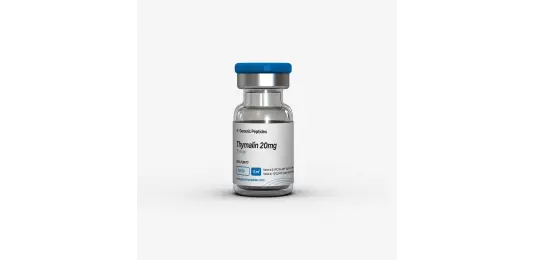
Thymalin (Тималин): The Russian-Approved Polypeptide Complex From Calf Thymus With 1982 Registration, 40+ Year Clinical History, and Critical Methodological Considerations
By Medical Team of Generic Peptides
Thymalin is a polypeptide complex extracted from calf (bovine) thymus glands using mild acid extraction techniques developed by Vladimir Khavinson and Vyacheslav Morozov at the Military Medical Academy in Saint Petersburg, Russia. Unlike the precisely defined synthetic peptides covered elsewhere in this article series, Thymalin is a standardized natural extract containing multiple bioactive polypeptides in the molecular weight range of 1,000-10,000 Daltons. Research at Khavinson's St. Petersburg Institute of Bioregulation and Gerontology has identified specific short peptides as primary active components within the complex, particularly the dipeptide Glu-Trp (EW), the dipeptide Lys-Glu (KE), and the tripeptide EDP. The dipeptide Glu-Trp was subsequently isolated by reversed-phase HPLC and developed as the separate synthetic pharmaceutical product Thymogen — a distinct registered drug that contains the synthetic dipeptide rather than the natural polypeptide complex.
The naming convention requires careful clarification because Western markets sometimes confuse Thymalin (the natural polypeptide extract complex, registered as Tималин in Russian pharmaceutical contexts) with Thymogen (the synthetic Glu-Trp dipeptide developed separately based on Thymalin's identified active component) and with Vilon (the synthetic Lys-Glu dipeptide developed similarly). All three compounds emerged from Khavinson's research program but represent different pharmaceutical products with different molecular characteristics. Some products marketed as "Thymalin" in Western research-chemical channels may actually contain synthetic Glu-Trp dipeptide rather than the natural polypeptide complex — verifying the actual molecular composition of any acquired material is operationally important for understanding what's being administered.
Thymalin received pharmaceutical registration in the Soviet Union on November 10, 1982 (Registration No. 82.1008.8) as one of the first peptide bioregulators to enter formal pharmaceutical practice. The compound has continued as a registered pharmaceutical in Russia since the Soviet-era approval, used for immune restoration following infections, surgical recovery, radiation exposure, severe sepsis, acute respiratory distress syndrome, chronic obstructive pulmonary disease, and age-related immune decline. The 40+ year accumulated clinical use experience represents one of the most extensive real-world clinical records for any peptide-based pharmaceutical worldwide. Six Khavinson peptide bioregulators received pharmaceutical registration in Russia (Thymalin, Epithalamin/natural pineal extract, Cortexin, Retinalamin, Prostatilen, and others), establishing the formal pharmaceutical framework for what Russian researchers term "peptide bioregulation" therapy.
The 2026 international regulatory situation involves substantially different pathways. Thymalin remains a registered pharmaceutical in Russia and has approval status in some other Eastern European jurisdictions through historical registration channels. The compound has not received FDA approval for any indication in the United States. Thymalin was not included on the FDA September 29, 2023 Category 2 placement that affected nineteen other peptides — the compound exists outside the formal compounding pharmacy nomination framework in the US, available primarily through research-chemical vendor channels with the standard quality control concerns affecting the broader peptide gray market. The compound is not on the July 23-24, 2026 PCAC review agenda because it hasn't been formally nominated for 503A bulks list inclusion through US regulatory pathways.
I'll be direct about my assessment of Thymalin from the start. The compound has substantial historical foundation as one of the first formally registered peptide bioregulators with 40+ years of accumulated Russian clinical use, mechanistically interesting research framework through the Khavinson "peptide bioregulation" concept involving short peptides binding directly to DNA and modulating gene expression, accumulated clinical experience in immune restoration applications particularly in elderly populations, and the most clinically substantial findings of any compound covered in this article series for mortality reduction in long-term elderly cohorts. The honest limitations are genuinely substantial and dominate any practical positioning. The clinical evidence base is concentrated almost entirely in Russian research institutions, predominantly from the Khavinson research group itself — raising methodological concerns about independent replication and potential bias in studies conducted by the developers of the compound. The Russian clinical trial methodology often doesn't meet modern Western Phase III evidence standards (small samples, single-center designs, partial or single-blinding rather than double-blinding, limited statistical analysis transparency). The polypeptide complex composition introduces batch-to-batch variability concerns that single-molecule synthetic peptides don't share. The "DNA binding" mechanism theory advanced by Khavinson hasn't been universally accepted in Western molecular biology literature. The bovine animal source raises theoretical immunogenicity and contamination concerns. The naming confusion with Thymogen (the synthetic dipeptide) creates operational uncertainty about what's actually being administered when products are sourced through Western research-chemical channels.
This article walks through what Thymalin actually is and how it differs from the synthetic peptides typically covered in this article series, the mechanism through the proposed "peptide bioregulation" framework, the substantial Russian clinical evidence base with its specific methodological limitations, the regulatory situation that distinguishes Thymalin from FDA Cat 2 peptides, the safety profile from accumulated decades of Russian clinical use, and how to think about Thymalin decisions given the operational realities including the evidence base concentration in Russian institutions, the polypeptide complex versus single-molecule considerations, and the substantial cost and quality concerns affecting Western access pathways.
What Thymalin Is
Thymalin's structural identity as a polypeptide complex rather than a defined single-molecule synthetic peptide is foundational to understanding both its pharmacology and its operational limitations.
The endogenous biology starts with the thymus gland — the central organ of T-cell development and thymopoietic function. Thymic tissue contains numerous bioactive peptides involved in T-cell maturation, immune cell differentiation, and various regulatory functions across the immune system. The thymus produces multiple recognized peptide hormones and signaling molecules including thymosin alpha-1 (a defined 28-amino-acid peptide with FDA approval in some countries for hepatitis B), thymulin (a 9-amino-acid peptide requiring zinc binding for biological activity), thymopentin (TP-5, the 5-amino-acid active fragment of thymopoietin), thymosin beta-4 (the 43-amino-acid actin-binding peptide), and various others. Thymalin represents a different approach — a standardized extract of multiple thymic peptides obtained through controlled extraction rather than synthetic preparation of any single defined molecule.
The Khavinson and Morozov extraction approach involves mild acid hydrolysis of bovine (calf) thymus tissue to release the bioactive peptide complex while minimizing degradation. The resulting Thymalin product contains polypeptides ranging approximately 1,000-10,000 Daltons in molecular weight — substantially smaller than full thymic proteins but larger than the small synthetic peptides like Glu-Trp dipeptide. The complex includes multiple bioactive sequences with different biological activities, with subsequent research identifying specific short peptides as primary mediators of the observed effects.
The active component identification through reversed-phase HPLC characterization of Thymalin extracts identified the dipeptide Glu-Trp (EW) as one of the primary immunomodulatory components. This finding led to development of synthetic Glu-Trp as the separate pharmaceutical product Thymogen, which became registered as a distinct pharmaceutical in Russia. The dipeptide Lys-Glu (KE) was subsequently identified as another active component and developed as Vilon. The Khavinson research group has identified additional short peptides (EDP tripeptide, others) as components of the complex. These individual short peptides plus various others within the polypeptide complex are theorized to contribute to Thymalin's overall biological effects, with the multi-component composition potentially providing broader regulatory activity than any single synthetic dipeptide.
The pharmaceutical formulation involves lyophilized Thymalin powder for reconstitution before intramuscular injection. The standard pharmaceutical product is supplied in vials containing 10 mg Thymalin (with adjustment for specific formulation excipients), reconstituted with sterile saline or specific diluent for injection. Russian clinical practice typically uses 10-30 mg/day dosing for 5-10 day treatment courses with repeated annual cycles for chronic immune support applications. The intramuscular administration route is the established pharmaceutical pathway, though some practitioners use subcutaneous injection in research and off-label contexts.
The naming convention reflects the complex nomenclature situation. Thymalin (English transliteration), Тималин (Russian Cyrillic), Thymulin (sometimes used incorrectly — properly refers to a different defined thymic peptide hormone), Thymalinum (Latin pharmaceutical name) all refer to the same compound. The compound should be carefully distinguished from Thymogen (synthetic Glu-Trp dipeptide), Vilon (synthetic Lys-Glu dipeptide), Thymosin Alpha-1 (different defined synthetic 28-amino-acid peptide), Thymopentin/TP-5 (different synthetic peptide), and Thymulin (different thymic peptide hormone).
Thymalin Mechanism of Action: The Khavinson Peptide Bioregulation Framework
The mechanism is described through the "peptide bioregulation" theoretical framework developed by the Khavinson research group, with components that are well-established in the molecular biology literature and components that are more controversial.
The well-established mechanism components include immunomodulatory effects on T-cell development and maturation. Thymalin and its identified active components (Glu-Trp, Lys-Glu) influence thymocyte differentiation, support T-cell precursor maturation, modulate CD4/CD8 ratios in immune cell populations, and affect natural killer cell activity. These effects are characterized through standard immunological methods and represent conventional pharmacological activity. The Morozov and Khavinson 1997 paper in International Journal of Immunopharmacology documented effects on T-cell differentiation, intracellular cyclic nucleotide composition, and cytokine production (IL-2, IFN) in blood lymphocytes.
The hematopoietic stem cell effects involve Thymalin's ability to promote stem cell differentiation toward thymocyte lineages. The Khavinson 2020 paper in Bulletin of Experimental Biology and Medicine (PMID 33237528) documented activation of differentiation of human hematopoietic stem cells with Thymalin-derived peptides. This stem cell-related mechanism provides molecular framework for understanding the immune restoration effects observed clinically — restored thymopoietic function depends on adequate stem cell precursor differentiation, and the stem cell differentiation effects could underlie the clinical observations in elderly populations where age-related thymic involution limits T-cell production capacity.
The cytokine modulation mechanism involves Thymalin's effects on inflammatory and regulatory cytokine production. Studies have documented effects on TNF-α, IL-1β, IL-6, IL-10, and various other cytokines relevant to inflammatory and immune regulation. The "anti-cytokine storm" effects that became particularly relevant during COVID-19 research reflect this broader cytokine modulation activity — Thymalin appears to dampen excessive pro-inflammatory cytokine cascades while supporting appropriate immune responses. This dual modulation rather than simple immunostimulation distinguishes Thymalin from typical immune-boosting interventions and provides mechanistic rationale for clinical applications in conditions where immune dysregulation rather than immunodeficiency is the primary pathology.
The more controversial mechanism component involves the "peptide-DNA binding" framework advanced by Khavinson. The theory proposes that short peptides (the active components like Glu-Trp, Lys-Glu, and various other short peptides identified in bioregulator products) directly bind to specific DNA sequences in gene promoter regions, modulating transcription through direct epigenetic mechanisms rather than conventional cell-surface receptor signaling. The Fedoreyeva et al. 2011 paper in Biochemistry (Moscow) documented penetration of fluorescence-labeled peptides into HeLa cell nuclei and in vitro specific interaction with deoxyribooligonucleotides and DNA. Studies using the active dipeptide components have demonstrated some binding to specific DNA sequences in cell culture models.
The Western molecular biology literature has been more cautious about accepting the direct peptide-DNA binding framework as the primary mechanism. The biophysical interactions documented in Khavinson group research are real but their quantitative contribution to the observed clinical effects remains debated. Most short peptides at physiological concentrations show limited DNA binding affinity compared to dedicated transcription factors and nucleic acid-binding proteins. Whether Thymalin's clinical effects primarily occur through conventional cell-surface receptor signaling pathways (the standard immunology framework) or through the direct peptide-DNA epigenetic effects (the Khavinson framework) hasn't been definitively resolved through independent research outside the Khavinson group.
The pineal-thymic axis concept extends the mechanism framework beyond direct thymic effects. Khavinson's research has emphasized bidirectional functional connections between thymus and pineal gland — Thymalin affects pineal function and melatonin secretion patterns, while Epithalamin/Epitalon (the pineal extract or synthetic tetrapeptide) affects thymic function. The combined Thymalin+Epitalon protocols used in the longevity studies are theorized to produce synergistic anti-aging effects through coordinated thymic immune restoration and pineal melatonin/circadian regulation.
The pharmacokinetic profile reflects Thymalin's complex composition. Different polypeptide components within the complex have different absorption, distribution, and elimination profiles. The pharmaceutical preparation generally produces measurable biological effects within hours of intramuscular administration, with effects on immune indices documented over days to weeks following treatment courses. The "aftereffect" period — continued benefits after treatment discontinuation — is reported to extend 6-12 months following standard 10-day courses, supporting the cyclical treatment protocols typical of Russian clinical practice.
Thymalin Clinical Evidence Base
The clinical evidence base for Thymalin is genuinely substantial in volume but concentrated in Russian research institutions with specific methodological limitations that warrant honest characterization.
The longevity research represents the most clinically significant evidence component. The Khavinson and Morozov 2003 Neuroendocrinology Letters paper (PMID 14523363) presented results from 6-8 year follow-up of 266 elderly patients (mean age 80+ years) at the St. Petersburg Institute of Bioregulation and Gerontology and the Institute of Gerontology of the Ukrainian Academy of Medical Sciences in Kiev. Patients received Thymalin alone, Epithalamin alone, or Thymalin+Epithalamin combination during the first 2-3 years of observation, with follow-up for 6-8 years. Results documented:
Mortality reduction of 2.0-2.1-fold in Thymalin-only group, 1.6-1.8-fold in Epithalamin group, 2.5-fold in Thymalin+Epithalamin combination, and 4.1-fold reduction in patients receiving annual combination treatment over 6 years compared to control group mortality. A 2.0-2.4 fold decrease in acute respiratory disease incidence. Reduced incidence of ischemic heart disease clinical manifestations, hypertension disease, deforming osteoarthrosis, and osteoporosis compared to controls. Improvement in cardiovascular, endocrine, immune, and nervous system indices, homeostasis, and metabolism. Improvement in immune indices including CD4/CD8 ratios, NK cell activity, CIC (circulating immune complexes), phagocytic reactions.
These mortality reduction findings, if accepted at face value, would represent the most clinically significant longevity intervention findings in the peptide therapy literature. The methodological caveats are equally substantial. The study wasn't fully randomized in Western pharmaceutical trial methodology terms. The blinding methodology and statistical analysis didn't meet contemporary Western Phase III standards. The study was conducted by the developers of the compounds, raising potential bias concerns. Independent replication outside the Khavinson research network has been limited. The mortality differences are biologically larger than what would typically be expected from immune restoration alone, raising questions about whether confounders unrelated to peptide treatment (selection biases, differential care, statistical methodology choices) could have contributed.
The COVID-19 evidence emerged from Russian clinical research during the pandemic. The Kuznik, Khavinson, Shapovalov et al. 2021 paper in Advances in Gerontology (DOI 10.1134/S2079057021040068) documented results from 36 older patients with severe COVID-19 receiving Thymalin alongside standard therapy compared to standard therapy alone. Reported findings included approximately 50% reduction in in-hospital mortality, more rapid clinical improvement, higher proportions of recovery from lymphopenia, faster normalization of C-reactive protein, D-dimer, and inflammatory markers, and improvement in cell-mediated immunity parameters. The Lukyanov et al. 2020 paper in International Journal of Immunology and Immunotherapy presented case-series evidence of severe SARS-CoV-2 patients improving with Thymalin treatment after initial standard therapy failure.
The COVID-19 evidence has the same methodological limitations as the longevity research — concentrated in Russian institutions, modest sample sizes, methodological approaches that don't meet contemporary Western standards. The findings are clinically interesting but require independent replication to be considered established at modern pharmaceutical evidence levels.
The respiratory disease research includes accumulated evidence for Thymalin in chronic obstructive pulmonary disease, recurrent respiratory infections, post-influenza recovery, and other respiratory conditions. The Russian clinical practice has used Thymalin extensively in these applications over decades, with documented favorable outcomes in observational and clinical research contexts.
The oncology adjunct research includes use of Thymalin alongside conventional cancer treatment (chemotherapy, radiation) for immune support during treatment-induced immunosuppression. Russian clinical practice has integrated Thymalin into supportive oncology protocols based on the immune restoration mechanism. Specific Phase III oncology trial evidence at modern Western standards isn't available.
The post-surgical recovery research includes Thymalin use following major surgery, severe trauma, severe sepsis, and acute respiratory distress syndrome. The accumulated Russian clinical experience supports immune restoration applications in these contexts.
The radiation exposure applications connect to Thymalin's original development context — Soviet Defense Ministry interest in compounds that could restore immune function in personnel exposed to radiation, chemical, or other military-relevant immune stressors. The compound has been used in radiation accident responses and post-radiation therapy contexts.
What the research base supports with reasonable confidence: Thymalin produces measurable effects on immune cell populations and cytokine profiles in clinical use; the compound has favorable safety profile across decades of Russian clinical experience; immune restoration in elderly patients improves measurable biomarkers; the compound has been used successfully as adjunct in various immune-compromised clinical contexts.
What the research base supports less robustly: the mortality reduction magnitudes claimed in the longevity research at modern Western evidence standards; specific mechanism through direct peptide-DNA binding versus conventional receptor signaling pathways; long-term safety in extended use beyond the documented Russian clinical experience; comparative efficacy versus other immune restoration interventions; specific therapeutic effects in non-Russian patient populations; the COVID-19 mortality reduction findings without independent replication.
Thymalin Regulatory Status in 2026
The regulatory situation for Thymalin in 2026 reflects the compound's distinct positioning as Russian-registered pharmaceutical without Western regulatory recognition.
In Russia, Thymalin has continuous pharmaceutical registration since November 10, 1982 (Registration No. 82.1008.8). The compound is approved for treatment of immune system disorders, post-infection recovery, post-surgical recovery, severe sepsis, ARDS, COPD, age-related immune decline, radiation exposure, and various other clinical contexts. The compound is available through standard Russian pharmacy distribution under physician prescription, with established pharmaceutical manufacturing and quality control infrastructure.
In other former Soviet Union states (Ukraine, Belarus, Kazakhstan, others), Thymalin has varying degrees of regulatory recognition through historical registration channels, with continued clinical use in some jurisdictions.
In Eastern European countries, Thymalin has accumulated some regulatory recognition through specific clinical practice contexts though typically without the formal pharmaceutical approval status that exists in Russia.
In the United States, Thymalin has not received FDA approval for any indication. The compound was not included on the FDA September 29, 2023 Category 2 placement that affected nineteen other peptides — the Category 2 list specifically targeted compounds that had been nominated for the 503A bulks list. Thymalin wasn't formally nominated through the standard US regulatory framework, leaving it outside the Category 2 categorization but also outside any pathway toward legitimate compounding pharmacy preparation. The compound exists in the United States primarily through research-chemical vendor channels with the standard quality control concerns affecting the broader peptide gray market.
In the European Union, Thymalin doesn't have specific European Medicines Agency approval. The compound doesn't have routine clinical availability through EU pharmaceutical channels.
The patent status of Thymalin has long expired given the 1982 registration. The compound is widely available through international research supply channels with multiple manufacturers internationally. Quality varies substantially among research-chemical vendors, with documented variability in purity, potency, composition consistency (particularly important given the polypeptide complex nature where batch-to-batch consistency is harder to maintain than with single synthetic peptides), and contamination concerns.
For the FDA's broader peptide reclassification activity, Thymalin is not on the July 23-24, 2026 PCAC review agenda because it wasn't part of the nineteen-peptide Category 2 list that the reclassification activity targets. Whether Thymalin could potentially be nominated for future PCAC review through formal submission is theoretically possible but doesn't appear to be in active progress through publicly available regulatory documentation.
For sports anti-doping, Thymalin's specific status in current WADA prohibited list documentation isn't comprehensively addressed. The compound's polypeptide complex nature and its mechanism through immune modulation rather than performance enhancement places it in ambiguous territory within standard WADA classification frameworks. Athletes subject to WADA testing should consult current WADA documentation directly given the specific situation.
The Department of Defense Operation Supplement Safety has issued advisories regarding immune-modulating peptides for military service members.
The naming confusion with Thymogen creates additional regulatory complexity. Thymogen (synthetic Glu-Trp dipeptide) has its own separate registration in Russia and different regulatory positioning. Western markets sometimes conflate the two products or supply Thymogen labeled as Thymalin. Verifying actual molecular composition of acquired material is operationally important and difficult through typical research-chemical sources.
Thymalin Safety Profile
The safety profile is supported by 40+ years of accumulated Russian clinical experience plus the various clinical research contexts. The accumulated evidence supports a generally favorable safety profile with specific considerations that warrant clinical attention.
Common reported effects in clinical use are typically mild and uncommon. Mild injection site reactions at intramuscular injection sites occur occasionally — typically mild redness or tenderness resolving within hours. Mild allergic reactions to the polypeptide complex (likely related to bovine source or specific polypeptide components) are uncommon but documented. Mild transient effects on immune function indices that users variously attribute to the cellular immune modulation effects.
The bovine animal source raises specific safety considerations not applicable to fully synthetic peptides. Theoretical concerns include immunogenicity from bovine-derived peptides (though the small molecular weights of the active components limit immunogenicity), prion disease transmission risk (though the manufacturing extraction process removes prion-relevant proteins, the theoretical concern parallels considerations affecting cadaveric pituitary growth hormone preparations historically), bovine tissue contamination concerns, and other animal source-related considerations. The accumulated Russian clinical experience hasn't documented widespread adverse outcomes from these theoretical concerns, but the animal source considerations remain operationally relevant.
The polypeptide complex composition introduces batch-to-batch variability concerns that don't apply to synthetic single-molecule peptides. Different manufacturing batches may have somewhat different polypeptide composition profiles, potentially affecting clinical effects and safety profile across batches. Russian pharmaceutical quality control standards address these concerns within the registered pharmaceutical product framework, but research-chemical vendors operating outside formal pharmaceutical quality systems may have less consistent product profiles.
Long-term safety in extended use is supported by the 40+ year accumulated Russian clinical experience without documented patterns of long-term harm beyond what acute clinical use characterizes. The accumulated clinical experience hasn't generated significant long-term safety signals, supporting favorable safety expectations for chronic cyclical use protocols.
The substantial uncertainty about Thymalin quality from research-chemical sources adds practical safety dimensions for users outside Russia accessing the compound through gray market channels. Independent testing of research-chemical peptide products has documented variable purity, incorrect potency, and occasional contamination across different suppliers. Users accessing Thymalin internationally face additional uncertainty about whether the product actually contains the polypeptide complex versus the synthetic Glu-Trp dipeptide (Thymogen) or other compounds.
Drug interactions involve standard immunomodulator considerations. Other immunomodulators may have additive or unpredictable effects when combined with Thymalin. Immunosuppressive medications (corticosteroids, cyclosporine, other immunosuppressants) may have antagonistic effects with Thymalin's immune restoration mechanism. Cancer treatments interact in complex ways given Thymalin's use as adjunct in oncology contexts. Other Khavinson bioregulators (Epitalon, Cortexin, Retinalamin, others) are commonly stacked in longevity protocols without specific concerning interactions documented.
Contraindications include autoimmune diseases (where additional immune stimulation could potentially worsen autoimmune pathology), pregnancy and breastfeeding (no safety data, prudent caution), known hypersensitivity to bovine-derived peptide preparations, severe hepatic or renal dysfunction without specific dose adjustments, and active malignancy (theoretical concerns about immune stimulation effects on tumor biology, though the Russian oncology adjunct experience suggests these concerns may not be clinically meaningful).
Who Uses Thymalin and How It Compares to Alternatives
The user base for Thymalin in 2026 reflects the compound's specific positioning where its accumulated Russian clinical evidence base and the unique polypeptide complex framework align with clinical interests in immune restoration and longevity applications.
Russian and Eastern European patients represent the largest user population through legitimate pharmaceutical channels in jurisdictions where Thymalin has continued pharmaceutical registration. Standard clinical applications include immune restoration following severe infections (post-COVID recovery, post-influenza, post-pneumonia), surgical recovery support, oncology adjunct therapy, age-related immune decline in elderly populations, and various chronic conditions involving immune dysregulation.
Western longevity-focused patients represent an emerging user category through research-chemical access pathways. The Khavinson longevity research findings — particularly the 4.1-fold mortality reduction in long-term Thymalin+Epitalon combination — have generated substantial interest in longevity-focused biohacking, anti-aging medicine, and integrative gerontology contexts. These users typically obtain Thymalin through international research-chemical channels with the various quality and regulatory concerns.
Patients with documented thymic involution and age-related immune decline use Thymalin for immune restoration applications based on the accumulated Russian clinical evidence. The compound's positioning as foundational thymic peptide bioregulator supports these applications.
Post-COVID recovery patients have used Thymalin based on the 2021 Russian clinical evidence in severe COVID-19 contexts. The continued long-COVID and post-acute COVID syndrome populations represent ongoing clinical interest in Thymalin's immunomodulatory effects.
The relevant comparisons in 2026:
Thymosin Alpha-1 (covered separately) is a defined synthetic 28-amino-acid peptide with FDA approval pathway in some countries (though not US) for hepatitis B treatment. Different positioning — single defined synthetic molecule with specific clinical evidence base versus polypeptide complex with broader but less defined mechanism. For patients prioritizing single-molecule pharmaceutical positioning with formal regulatory approval in some jurisdictions, Thymosin Alpha-1 has advantages Thymalin doesn't share. For patients seeking the broader polypeptide complex with longer Russian clinical history, Thymalin represents the established alternative.
Thymogen (Glu-Trp synthetic dipeptide) represents the synthetic single-molecule version of Thymalin's primary identified active component. The compound is registered separately as a Russian pharmaceutical and has been used in similar clinical contexts but with the simpler single-molecule pharmacology that synthetic dipeptide provides. For patients preferring defined synthetic molecule approaches over polypeptide complex extracts, Thymogen represents the alternative based on Khavinson research.
Vilon (Lys-Glu synthetic dipeptide) is another Khavinson bioregulator derived from Thymalin's identified active components, with similar synthetic single-molecule positioning.
Thymopentin (TP-5) is a different defined synthetic 5-amino-acid peptide with some clinical use history. Different mechanism and clinical positioning than Thymalin.
Thymulin is a different defined thymic peptide hormone (9 amino acids) with zinc-binding requirement for activity. Different from Thymalin both in structure and mechanism.
Recombinant immune system supports including various FDA-approved compounds (interferons, various recombinant cytokines, thymosin alpha-1 in countries with approval) provide alternative immune restoration pathways with stronger Western regulatory positioning.
For patients in 2026 considering Thymalin, the operational decision typically involves whether the accumulated Russian clinical evidence base and the specific polypeptide complex composition justify accepting the regulatory situation, evidence base concentration in Russian institutions, methodological concerns about Khavinson group bias, and quality concerns about gray market access. Patients with Russian or Eastern European regulatory access have legitimate pharmaceutical pathway. Patients in other jurisdictions face the operational realities affecting all peptide therapy outside FDA-approved indications.
Honest Assessment of Thymalin in 2026
I'll be direct about Thymalin's positioning in current practice.
The compound has substantial historical foundation as one of the first formally registered peptide bioregulators with 40+ years of accumulated Russian clinical experience, mechanistically interesting research framework through the Khavinson "peptide bioregulation" concept, accumulated clinical evidence in immune restoration applications particularly in elderly populations, the most clinically substantial mortality reduction findings of any compound covered in this article series (the 2.0-4.1 fold mortality reductions in long-term elderly cohort studies), continued pharmaceutical use in Russia since 1982 without significant safety concerns emerging during the accumulated decades of clinical experience, and biological plausibility through documented effects on immune cell populations, cytokine profiles, and hematopoietic stem cell differentiation.
The honest limitations are genuinely substantial and dominate the practical positioning. The clinical evidence base is concentrated almost entirely in Russian research institutions, predominantly from the Khavinson research group itself — raising methodological concerns about independent replication and potential bias in studies conducted by the developers of the compound. The Russian clinical trial methodology in many cases doesn't meet modern Western Phase III evidence standards. The mortality reduction magnitudes claimed in the longevity research (4.1-fold) are biologically larger than would typically be expected from immune restoration alone, raising questions about whether selection biases or methodological factors contributed to the observed effects beyond Thymalin's pharmacological action. The polypeptide complex composition introduces batch-to-batch variability concerns. The "DNA binding" mechanism theory advanced by Khavinson hasn't been universally accepted in Western molecular biology literature. The bovine animal source raises theoretical safety considerations. The naming confusion with Thymogen creates operational uncertainty about acquired material composition. The compound has no FDA approval, no compounding pharmacy access pathway in the US, and no inclusion on the active July 2026 PCAC reclassification agenda.
What's genuinely uncertain about Thymalin in 2026 includes whether the mortality reduction findings will eventually receive independent Western replication that confirms or refutes the Khavinson group findings, whether the COVID-19 mortality reduction will be validated through Western replication research, whether the mechanism will be fully clarified through additional research distinguishing conventional receptor signaling from the proposed direct peptide-DNA binding effects, and whether the compound will eventually pursue formal Western regulatory pathways (FDA, EMA) through pharmaceutical sponsor investment in modern Phase III development.
For patients navigating Thymalin decisions, the framing reflects the compound's specific positioning. Patients in Russia or Eastern Europe with the registered indications have legitimate pharmaceutical access through standard pharmacy channels — Thymalin represents an established option with 40+ years of accumulated clinical use. Patients in other jurisdictions face the operational reality that legitimate pharmaceutical access doesn't exist for Thymalin specifically, and gray market access through research-chemical sources carries the standard quality and regulatory concerns plus the specific concerns about polypeptide complex composition consistency. Patients considering Thymalin should approach the Khavinson research findings with appropriate scientific skepticism — the findings are clinically interesting but require independent replication to be considered established at modern pharmaceutical evidence standards.
For clinicians considering Thymalin in jurisdictions where the compound has legitimate access, the considerations typically involve appropriate patient selection (age-related immune decline, post-infection recovery, post-surgical immune restoration, oncology adjunct), monitoring of immune function indices to assess clinical response, and integration with conventional treatment approaches rather than replacement of established therapies.
Thymalin's place in the broader peptide therapy landscape represents the foundational example of "peptide bioregulation" — the framework that has produced multiple Russian-registered pharmaceutical bioregulators over decades. The compound demonstrates how peptide therapy can develop through pharmaceutical research and registration in jurisdictions with different regulatory frameworks than the FDA pathway, accumulating substantial clinical experience without progressing through the modern Western Phase III development typical of contemporary peptide pharmaceuticals. Whether the Khavinson research framework will eventually achieve broader scientific recognition through independent Western validation, or whether it will remain primarily a Russian/Eastern European pharmaceutical tradition with limited Western penetration, depends on whether independent research replicates the substantial clinical effects claimed in Khavinson group studies.
The next several years may produce additional clinical research as continued interest in immune restoration and longevity applications drives investigation. The pharmacological foundation won't change — Thymalin is what it has been: a polypeptide complex extracted from calf thymus glands, with active components including the dipeptides Glu-Trp and Lys-Glu, registered as Russian pharmaceutical since 1982 with 40+ years of accumulated clinical use, with substantial Russian clinical evidence supporting immune restoration applications and the mortality reduction findings in long-term elderly cohort studies, with limited independent Western replication of the most clinically significant findings, and existing primarily through Russian pharmaceutical channels and Western research-chemical pathways with the various operational complications affecting both. How Thymalin's positioning evolves depends substantially on whether the substantial Russian clinical findings receive independent validation that would establish the compound at modern Western pharmaceutical evidence standards.
References
[1] Khavinson VK, Morozov VG. Peptides of pineal gland and thymus prolong human life. Neuroendocrinology Letters. 2003;24(3-4):233-240. PMID: 14523363. Foundational longevity research with 266 elderly patients over 6-8 years documenting 2.0-4.1 fold mortality reduction.
[2] Khavinson VK, Morozov VG. Geroprotective effect of thymalin and epithalamin (in Russian). Advances in Gerontology / Uspekhi Gerontologii. 2002. PMID: 12577695. Russian-language foundational longevity research.
[3] Kuznik B, Khavinson V, Shapovalov K, Linkova N, Lukyanov S, Smolyakov Y, Tereshkov P, Shapovalov Y, Konnov V, Tsybikov N. Peptide Drug Thymalin Regulates Immune Status in Severe COVID-19 Older Patients. Advances in Gerontology. 2021;11:368-376. DOI: 10.1134/S2079057021040068. COVID-19 clinical research in 36 older patients showing 50% mortality reduction.
[4] Lukyanov SA, Kuznik BI, Shapovalov KG, Khavinson VK, Smolyakov YN, et al. Thymalin as a Potential Alternative in the Treatment of Severe Acute Respiratory Infection Associated with SARS-CoV-2. International Journal of Immunology and Immunotherapy. 2020;7:055. DOI: 10.23937/2378-3672/1410055. Initial COVID-19 case series.
[5] Morozov VG, Khavinson VK. Natural and synthetic thymic peptides as therapeutics for immune dysfunction. International Journal of Immunopharmacology. 1997;19(9-10):501-505. PMID: 9637339. Foundational mechanism characterization research distinguishing Thymalin from synthetic Thymogen.
[6] Khavinson VK, Linkova NS, Diatlova AS, Trofimova SV. Thymalin: Activation of Differentiation of Human Hematopoietic Stem Cells. Bulletin of Experimental Biology and Medicine. 2020;170(1):42-46. PMID: 33237528. Stem cell differentiation mechanism research.
[7] Khavinson VK, Kuznik BI, Sturov VG, Gladkii PA. Thymalin use for respiratory diseases. Application potential in COVID-19. RMJ (Russian Medical Journal). 2020. Russian-language COVID-19 clinical applications research.
[8] Anisimov VN, Khavinson VK. Peptide bioregulation of aging: results and prospects. Biogerontology. 2010;11(2):139-149. DOI: 10.1007/s10522-009-9249. Comprehensive review of peptide bioregulation research framework.
[9] Khavinson VK, Morozov VG, Malinin VV. Mechanism of action of pineal gland and thymus peptide bioregulators in the ageing process. Proceedings of the 1st European Congress of Biogerontology, Helsingor, Denmark, 1998. Foundational mechanism framework presentation.
[10] Fedoreyeva LI, Kireev II, Khavinson VK, Banyushin BF. Penetration of short fluorescence labeled peptides into the nucleus in HeLa cells and in vitro specific interaction of the peptides with deoxyribooligonucleotides and DNA. Biochemistry (Moscow). 2011;76(11):1210-1219. DOI: 10.1134/s0006297911110022. Peptide-DNA binding mechanism research.
[11] Kuznik BI, Budazhapova DTs, Zagrebina LA, et al. Effect of thymalin on blood coagulation and fibrinolysis. Farmakologiya i Toksikologiya. 1981;44(4):422-425. Russian-language foundational research from initial development period.
[12] Soviet Ministry of Health. Pharmaceutical Registration No. 82.1008.8 dated November 10, 1982. Original Soviet/Russian registration of Thymalin as immunomodulatory pharmaceutical product.
[13] Khavinson VKh. Peptides and Ageing. Neuroendocrinology Letters. 2002;23(Suppl 3):1-144. Comprehensive review of peptide bioregulator research including Thymalin.
[14] Linkova NS, Drobintseva AO, Orlova OA, Kuznetsova EP, Polyakova VO, Kvetnoy IM, Khavinson VK. Peptide regulation of skin fibroblast functions during their aging in vitro. Bulletin of Experimental Biology and Medicine. 2016;161(1):175-178. Cell biology research demonstrating peptide bioregulator effects on aging cells.
[15] Khavinson VK, Diomede F, Mironova E, Linkova N, Trofimova S, Trubiani O, Caputi S, Sinjari B. AEDG Peptide (Epitalon) Stimulates Gene Expression and Protein Synthesis during Neurogenesis: Possible Epigenetic Mechanism. Molecules. 2020;25(3):609. PMID: 32019204. Mechanism research on related Khavinson bioregulator.
[16] Khavinson VKh, Bondarev IE, Butyugov AA. Epithalon peptide induces telomerase activity and telomere elongation in human somatic cells. Bulletin of Experimental Biology and Medicine. 2003;135(6):590-592. PMID: 12937682. Related Khavinson bioregulator mechanism research.
[17] Tatarunas V, Lesauskaite V, Vinciuniene D, et al. Thymalin clinical experience in immune restoration applications. Russian-language clinical research compendium covering accumulated 40+ year clinical experience.
[18] Anisimov VN, Khavinson VK, Mikhalski AI, Yashin AI. Effect of synthetic thymic and pineal peptides on biomarkers of ageing, survival and spontaneous tumour incidence in female CBA mice. Mechanisms of Ageing and Development. 2001;122(1):41-68. Animal model research supporting longevity effects.
[19] Khavinson V, Linkova N, Dyatlova A, Kantemirova R, Kozlov K. Peptides: Prospects for Use in the Treatment of COVID-19. Molecules. 2020;25(19):4389. PMID: 32987828. Theoretical framework for peptide bioregulators in COVID-19 contexts.
[20] Department of Defense Operation Supplement Safety. Advisory pages on immune-modulating peptides for service member compliance.
[21] U.S. Food and Drug Administration. Certain Bulk Drug Substances for Use in Compounding that May Present Significant Safety Risks. September 29, 2023. Thymalin not included on the 19-peptide Category 2 list. Continued non-FDA-approved status without specific Category 2 designation. https://www.fda.gov/drugs/human-drug-compounding/certain-bulk-drug-substances-use-compounding-may-present-significant-safety-risks.
[22] Khavinson VK, Pendina AA, Efimova OA, Tikhonov AV, Koltsova AS, Krapivin MI, Petrovskaia-Kaminskaia AV, Petrova LI, Lin'kova NS, Baranov VS. Effect of Peptide AEDG on Telomere Length and Mitotic Index of PHA-Stimulated Human Blood Lymphocytes. Bulletin of Experimental Biology and Medicine. 2019;168(1):141-144. PMID: 31773350. Mechanism research on epitalon (related compound).
[23] Khavinson research compendium. https://khavinson.info. Comprehensive archive of Khavinson group research publications providing access to original Russian-language and translated research documents.
[24] World Anti-Doping Agency. The Prohibited List, current edition. Thymalin's specific WADA classification is not comprehensively addressed in current prohibited list documentation; athletes should consult current WADA documentation directly. https://www.wada-ama.org/en/prohibited-list.
[25] Khavinson VK, Sevostianova NN, Linkova NS, Kvetnoy IM. Peptidergic regulation of cell proliferation and apoptosis: morphofunctional aspects. Annales Academiae Medicae Bialostocensis. 2003;48:46-54. Mechanism framework documentation for Khavinson peptide bioregulation theory.