Glutathione: Tripeptide Antioxidant With Negative Parkinson’s Data and IV Safety Warnings
Glutathione (γ-Glu-Cys-Gly): Liposomal Oral Delivery, a Negative Parkinson's Meta-Analysis, and the 2024 Philippines DOH Warning Against IV Skin-Lightening Drips
By Medical Team of Generic Peptides
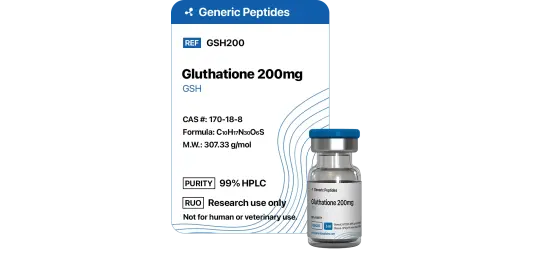
Glutathione (GSH) is an endogenous tripeptide composed of three amino acids: γ-L-glutamyl, L-cysteinyl, and glycine, joined through an unusual γ-peptide bond between the glutamate side chain carboxyl group and the cysteine α-amino group rather than the standard α-peptide bond used in protein synthesis. Chemical formula C₁₀H₁₇N₃O₆S, molecular weight 307.32 Da. The unique γ-peptide bond protects glutathione from cleavage by standard peptidases, supporting its stability as a small peptide with widespread biological function. In contrast to compounds covered immediately preceding this article (5-Amino-1MQ as small molecule and NAD+ as endogenous coenzyme), glutathione is genuinely a tripeptide — fitting the broader definition that frames this article series, despite its different functional profile from the synthetic therapeutic peptides covered elsewhere.
Glutathione exists in two forms: reduced (GSH) and oxidized (GSSG, a disulfide dimer of two GSH molecules). The redox cycling between these forms provides the basis for glutathione's role as a cellular antioxidant and redox buffer. The reduced GSH form is dominant in healthy cells (typically 95-99% of total cellular glutathione), with the GSH/GSSG ratio serving as a sensitive indicator of cellular oxidative stress. The cysteine sulfhydryl group (-SH) is the chemically active site providing the reducing function — donating electrons to neutralize reactive oxygen species, supporting protein thiol redox states, and conjugating xenobiotics for elimination. The compound was first isolated in 1888 by François Grégoire de Rey-Pailhade, with the systematic naming "glutathione" introduced by Frederick Hopkins in 1929.
Glutathione is the most abundant intracellular antioxidant in human cells, with concentrations typically 1-10 millimolar in the cytoplasm — substantially higher than other antioxidants like vitamin C (ascorbate). The compound is endogenously synthesized in essentially all tissues, with particularly high biosynthesis capacity in the liver, kidney, and other metabolically active tissues. The synthesis occurs through two ATP-dependent steps: first, glutamate cysteine ligase (GCL) joins glutamate and cysteine to form γ-glutamylcysteine; second, glutathione synthetase (GS) adds glycine to complete the tripeptide. Cysteine availability is typically the rate-limiting factor in synthesis, making cysteine supplementation (often as N-acetylcysteine, NAC) a clinically practical approach to support glutathione synthesis.
Glutathione occupies a notable position in the broader supplementation landscape — substantial wellness industry marketing positions GSH as anti-aging, detoxification, immune support, and skin lightening agent, with the IV glutathione "gluta drip" particularly prevalent in Asian markets (especially the Philippines). However, clinical evidence base for these applications varies substantially across indications. Oral liposomal glutathione has accumulated reasonable bioavailability evidence supporting biochemical target engagement (elevating systemic GSH levels). The Parkinson's disease investigations have produced mixed results with the 2020 meta-analysis showing no significant UPDRS improvement despite mechanistic rationale. The skin lightening claims have generated substantial regulatory concern with the Philippines FDA Advisory 2019-182 explicitly warning against IV glutathione for skin lightening, and the Philippines DOH February 24, 2024 renewed warning following multiple documented adverse events including a death from anaphylactic shock in a chronic kidney disease patient. The US FDA has issued warnings to compounders regarding glutathione sterile injectables.
The 2024-2026 clinical research landscape for glutathione includes substantial developments. March 2026 Antioxidants publication (PMID 40506693): Pharmacokinetics study (NCT06345950) demonstrated novel micellar glutathione formulation (LipoMicel) enhanced oral bioavailability versus standard glutathione, with 4.58-fold higher methionine exposure and elevated GSH/GSSG ratio over 30 days at 600 mg/day. February 24, 2024: Philippines DOH renewed warning against IV glutathione for skin lightening following multiple documented adverse events. 2025 systematic review in Cosmoderma (PMID-equivalent April 2025): "Glutathione in dermatology: bright future or fading hype?" emphasized continued safety concerns about IV use despite ongoing clinical demand. NCT07302828: Phase 1 crossover trial of Double Nutri liposomal vitamin C + glutathione formulation (started December 2025, completion January 2026).
I'll be direct about my assessment of glutathione from the start. The compound has substantial physiological merit as the most abundant intracellular antioxidant — endogenously essential for cellular function, well-characterized mechanism through the cysteine sulfhydryl chemistry, established pharmaceutical use in some international jurisdictions for specific indications (cisplatin chemotherapy adjunct in Philippines, drug-induced liver damage in Japan, others), and accumulating evidence supporting oral liposomal supplementation for biochemical target engagement (elevating circulating GSH levels). The biochemistry is genuinely fundamental and the compound's biological importance is well-established.
The honest limitations are equally substantial and dominate practical positioning. The compound has NO FDA-approved therapeutic indications in the United States — all current use is supplemental, off-label, or compounded outside approved drug pathways. Standard oral glutathione has poor bioavailability due to GI degradation, requiring liposomal or micellar formulations for effective oral delivery. The Parkinson's disease evidence is negative in the 2020 meta-analysis of 7 RCTs (450 patients) showing no significant UPDRS improvement despite the strong mechanistic rationale. The IV glutathione skin lightening market in Asian populations has produced documented serious adverse events (Stevens-Johnson syndrome, toxic epidermal necrolysis, anaphylactic shock with deaths, kidney failure, thyroid dysfunction) and has triggered explicit regulatory warnings from the Philippines FDA. The wellness clinic IV glutathione protocols operate largely without supporting Phase III evidence despite substantial commercial prevalence. The cancer-relevant considerations involve complex relationship where high-dose glutathione may theoretically protect tumor cells from oxidative stress and chemotherapy effects. The long-term safety beyond several months largely uncharacterized for the supraphysiological dosing used in wellness applications. The substantial cost for IV protocols ($20-100 per session in Asia, $150-500 in US wellness clinics) creates ongoing access concerns.
This article walks through what glutathione actually is and how its tripeptide structure with γ-peptide bond enables its specific antioxidant function, the well-characterized mechanism through cysteine sulfhydryl chemistry and downstream effects, the substantial clinical evidence base for oral liposomal supplementation alongside the more limited and concerning evidence for IV applications, the safety profile including the documented IV glutathione adverse events that prompted regulatory warnings, and how to think about glutathione decisions given the operational realities including substantial mechanistic basis combined with mixed clinical outcomes evidence and significant safety concerns for unregulated IV use.
What Glutathione Is
Glutathione's structural identity reflects its specific role as cellular antioxidant and redox regulator rather than a standard signaling peptide.
The structural foundation involves three amino acids joined through unusual peptide bonds:
γ-glutamyl bond: The glutamate residue is joined to cysteine through the γ-carboxyl group of glutamate's side chain rather than the α-carboxyl group used in standard protein peptide bonds. This γ-peptide bond is unique to glutathione among common biological peptides and confers protease resistance — standard cellular peptidases cleave α-peptide bonds and don't recognize the γ-peptide linkage. The γ-peptide bond is enzymatically formed by glutamate cysteine ligase (GCL) using ATP, and is cleaved only by γ-glutamyl transpeptidase (γGT) and similar specialized enzymes.
Cysteine residue: The middle amino acid provides the chemically active sulfhydryl group (-SH) responsible for glutathione's antioxidant function. The cysteine sulfhydryl can donate electrons (be oxidized) to neutralize reactive oxygen species, oxidize to form disulfide bonds (forming GSSG dimers), or conjugate with various substrates through Michael addition or other thiol chemistry.
Glycine residue: The C-terminal amino acid joined through standard α-peptide bond. Provides structural integrity and recognition for various enzymatic interactions.
The γ-peptide bond and free cysteine sulfhydryl distinguish glutathione from typical peptides. Most biological peptides have N-terminal-to-C-terminal α-peptide bonds and lack a chemically active sulfhydryl group — making them substrates for proteolysis and lacking direct antioxidant chemistry. Glutathione's structural design specifically enables its biological functions.
The endogenous biology is fundamental to cellular function:
Synthesis: Two ATP-dependent enzymatic steps. First, glutamate cysteine ligase (GCL, also called γ-glutamylcysteine synthetase) forms γ-glutamylcysteine — typically rate-limiting due to cysteine availability and feedback inhibition by GSH. Second, glutathione synthetase (GS) adds glycine to form GSH. Synthesis occurs in essentially all tissues with particularly high capacity in liver and kidney.
Tissue distribution: Highest concentrations in liver (5-10 mM), then kidney, lung, intestine, muscle, brain. Lower concentrations in plasma (typically <10 µM). Intracellular concentrations are 100-1000-fold higher than extracellular.
Compartmentalization: GSH distributed across cellular compartments — cytoplasm (largest pool), mitochondria (smaller but critical pool, ~10% of total), nucleus, endoplasmic reticulum. Each compartment maintains specific GSH/GSSG redox state through dedicated transporters and enzymatic systems.
Turnover: Cellular GSH has half-life typically hours to days depending on tissue and metabolic state. Continuous synthesis matches consumption to maintain steady-state pools.
Age-related changes: GSH levels decline with age in many tissues, parallel to NAD+ decline patterns. The decline contributes to age-related oxidative stress and cellular dysfunction.
The pharmaceutical formulations available include:
Oral standard glutathione: Limited bioavailability due to GI degradation. Standard oral capsules typically deliver minimal systemic glutathione despite labeled doses.
Oral liposomal glutathione: Phospholipid encapsulation protects glutathione from GI degradation and supports systemic absorption. The Sinha 2017 study and subsequent trials demonstrated 40% whole blood GSH elevation at 1000 mg/day liposomal GSH for 1-2 weeks. Multiple commercial products available.
Oral micellar glutathione (LipoMicel): Newer micellar encapsulation technology demonstrated superior bioavailability versus standard glutathione in 2026 NCT06345950 trial.
Sublingual glutathione: Lozenges and dissolvable tablets bypassing GI degradation. Limited bioavailability data.
Topical glutathione: Creams and serums for cosmetic skin lightening applications. Evidence base for topical efficacy is mixed.
Inhaled glutathione: Nebulized GSH for some pulmonary applications (cystic fibrosis research). Limited clinical evidence.
IV glutathione: Direct intravenous infusion. Compounded by various pharmacies. Used in wellness clinics (especially Asia for skin lightening), in some clinical research (Parkinson's disease pilot trials), and as adjunct in cisplatin chemotherapy in jurisdictions with approval for that indication.
Intramuscular glutathione: IM injection. Used in some Asian wellness clinic protocols.
Intranasal glutathione: For neurological applications. Bastyr University Phase 1 trial in Parkinson's disease (NCT01398748).
N-acetylcysteine (NAC): Cysteine prodrug that supports endogenous GSH synthesis. FDA-approved for acetaminophen overdose (Mucomyst, Acetadote) and other indications. Provides indirect approach to glutathione support through synthesis precursor supplementation.
The naming convention is consistent. Glutathione, GSH, L-γ-glutamyl-L-cysteinyl-glycine, γ-Glu-Cys-Gly all refer to the reduced active form. GSSG refers to oxidized glutathione disulfide dimer. Total glutathione typically refers to GSH+GSSG combined.
Glutathione Mechanism of Action
The mechanism is well-characterized through extensive biochemistry research, with multiple distinct functions operating through the cysteine sulfhydryl chemistry.
Direct antioxidant function: The cysteine sulfhydryl directly neutralizes reactive oxygen species (ROS) by donating electrons. Hydroxyl radical (•OH), singlet oxygen, lipid peroxyl radicals, and other ROS are quenched through this direct chemistry. The reaction produces GSSG (oxidized form), which can then be reduced back to GSH by glutathione reductase (GR) using NADPH. The redox cycling between GSH and GSSG provides sustained antioxidant capacity.
Glutathione peroxidase (GPx) cofactor: GSH serves as substrate for selenium-containing GPx enzymes (8 mammalian isoforms). GPx1 and other isoforms reduce hydrogen peroxide (H₂O₂) and lipid peroxides using GSH as electron donor. The enzymatic reaction is far more efficient than direct GSH reduction of H₂O₂, providing major cellular antioxidant capacity. The GPx pathway integrates with selenium nutrition and overall antioxidant defense networks.
Glutathione transferase (GST) cofactor: GSH serves as substrate for GST enzymes (multiple isoforms) that conjugate xenobiotics, drugs, drug metabolites, heavy metals, and other electrophilic compounds with GSH. The conjugates are then eliminated through the kidney or bile. GST activity represents major Phase II detoxification mechanism, particularly important for drug metabolism, environmental toxin elimination, and protection against electrophilic carcinogens.
Protein thiol redox regulation: GSH maintains protein cysteine residues in their reduced state through thiol-disulfide exchange reactions. Protein-SH groups can be glutathionylated (forming protein-S-SG) under oxidative stress, with GSH serving both as the donor for protein glutathionylation and as the substrate for deglutathionylation. This post-translational modification regulates many cellular signaling pathways including kinase activity, transcription factor function, and metabolic enzyme activity.
Redox buffer function: The high GSH concentration combined with redox enzymes maintains cellular redox homeostasis. The GSH/GSSG ratio (typically 100:1 to 1000:1 in healthy cells) provides a redox buffer that resists oxidative perturbation while allowing controlled oxidative signaling.
Mitochondrial function: Mitochondrial GSH pool (separate from cytoplasmic pool) supports mitochondrial respiratory chain function, protects against mitochondrial DNA damage from ROS, and supports apoptosis regulation. Mitochondrial GSH depletion contributes to mitochondrial dysfunction and various disease processes.
Apoptosis regulation: Cellular GSH depletion is associated with apoptosis sensitization. The redox state regulates multiple apoptotic pathways including caspase activation and mitochondrial membrane permeability.
Immune function: GSH supports T-cell function, NK cell activity, and innate immune responses. GSH depletion impairs immune cell function in various contexts.
Skin lightening mechanism: Glutathione's claimed skin lightening effect operates through multiple proposed mechanisms — direct tyrosinase inhibition (rate-limiting enzyme in melanin synthesis), shifting melanin synthesis from eumelanin (darker) to phaeomelanin (lighter), reducing reactive oxygen species in melanocytes, modulating melanocyte stimulating hormone signaling. The clinical evidence supporting these mechanisms producing meaningful skin lightening in vivo is substantially weaker than the in vitro mechanistic data.
Detoxification: GSH supports elimination of heavy metals (mercury, lead, arsenic), drug metabolites (acetaminophen NAPQI, others), and various xenobiotics through conjugation pathways.
Drug interactions: GSH affects metabolism of multiple drug classes. Acetaminophen (paracetamol) detoxification specifically depends on GSH conjugation of NAPQI metabolite. Cisplatin chemotherapy efficacy is partly affected by tumor GSH levels (high tumor GSH promotes chemoresistance). Many drugs and their metabolites interact with the GSH system.
The pharmacokinetic considerations differ substantially across administration routes:
Oral standard GSH: Poor bioavailability — degraded by intestinal γ-glutamyltransferase and other enzymes before reaching systemic circulation. Limited rise in plasma GSH from oral doses.
Oral liposomal/micellar GSH: Substantially better bioavailability through phospholipid-mediated absorption protecting GSH from degradation. Plasma and intracellular GSH elevation documented with sustained dosing.
IV GSH: Direct administration produces rapid plasma elevation but rapid clearance. Cellular uptake of intact GSH is limited — most cells synthesize their own GSH from precursors rather than importing intact molecule. The pharmacokinetic profile of IV GSH supports brief antioxidant activity rather than sustained intracellular GSH elevation.
NAC (oral or IV): Cysteine provision supports endogenous GSH synthesis. The GSH elevation occurs gradually as cells synthesize new GSH using the supplied cysteine. Often considered more practical than direct GSH supplementation given the synthesis-based mechanism.
Glutathione Clinical Evidence Base
The clinical evidence base varies substantially across applications, with reasonable evidence for oral liposomal supplementation and substantially weaker evidence for IV applications.
Oral liposomal glutathione bioavailability evidence:
The Sinha et al. 2017 study published in European Journal of Clinical Nutrition (PMID 28853742) provided foundational human bioavailability data. The 1-month pilot clinical trial in 12 healthy adults compared 500 mg/day versus 1000 mg/day liposomal GSH oral administration. Results demonstrated:
- 40% increase in whole blood GSH (week 2)
- 25% increase in erythrocyte GSH
- 28% increase in plasma GSH
- 100% increase in PBMC GSH (most pronounced effect)
- 35% reduction in plasma 8-isoprostane (oxidative stress biomarker)
- 20% reduction in oxidized:reduced GSH ratio
The 6-month follow-up trial confirmed sustained elevation with continued liposomal GSH supplementation.
The 2026 LipoMicel trial (NCT06345950) published in Antioxidants March 2026 (PMID 40506693): randomized crossover comparing standard glutathione versus liposomal glutathione versus novel LipoMicel micellar formulation in healthy adults. LipoMicel demonstrated substantially enhanced oral bioavailability — 4.58-fold higher dose-normalized methionine exposure versus standard formulation, elevated GSH/GSSG ratio (p=0.001), well-tolerated over 30 days at 600 mg/day. The trial supports continued advancement in oral glutathione delivery technology.
Ongoing trials: NCT07302828 (Double Nutri liposomal vitamin C + glutathione formulation) testing single-dose pharmacokinetics, completion January 2026.
What the oral liposomal evidence supports: liposomal/micellar formulations substantially elevate body GSH stores compared to standard oral glutathione; biochemical target engagement is reproducible across multiple studies; safety profile is favorable for short-term use (up to 30 days documented); biomarker effects on oxidative stress are documented.
What the oral liposomal evidence supports less robustly: clinical outcomes for specific disease conditions (most evidence is biomarker-based); long-term efficacy and safety beyond 6-12 months; specific applications for chronic disease management; comparative effectiveness versus N-acetylcysteine.
Parkinson's disease evidence:
The Hauser et al. 2009 randomized double-blind pilot trial evaluated IV glutathione 1400 mg three times weekly for 4 weeks in 21 Parkinson's disease patients. Glutathione was well-tolerated with no safety concerns. Preliminary efficacy data suggested mild symptomatic effect but required larger trial confirmation.
The 2020 Liu meta-analysis (Liu et al. Experimental and Therapeutic Medicine, PMID 33376507) systematically reviewed 7 randomized controlled trials involving 450 PD patients. Pooled analysis examined UPDRS scores (Unified Parkinson's Disease Rating Scale) Parts I, II, and III. Result: No significant improvement in UPDRS scores in glutathione-treated groups versus controls. The negative meta-analysis result substantially affected how the Parkinson's disease evidence should be interpreted — earlier positive smaller trial findings appear to have been confounded by methodological limitations and small sample sizes.
The Mischley et al. Phase 1 intranasal glutathione trial in PD (NCT01398748, Bastyr University) demonstrated safety and biochemical effects but limited definitive clinical outcomes.
The 2025 systematic review of Parkinson's disease therapeutics (PMC12799224, January 2015-January 2025 RCTs): glutathione-related interventions did not feature among the established therapeutic strategies showing motor symptom improvements (which were dominated by exenatide and apomorphine). Glutathione's role in Parkinson's treatment hasn't been established despite the strong mechanistic rationale.
Other neurodegenerative conditions:
Various pilot trials in Alzheimer's disease, multiple sclerosis, ALS, and other neurodegenerative conditions have shown variable safety and biomarker effects but limited definitive clinical outcomes evidence.
Skin lightening evidence:
The most controversial application area. Despite substantial Asian market demand and wellness industry marketing, the clinical evidence base is genuinely weak.
For oral glutathione, three small randomized controlled trials supporting some skin lightening effect have been published, primarily in Asian dermatology journals. Results are modest and methodological quality is limited. The 2024 systematic review by Sarkar et al. in International Journal of Dermatology (DOI 10.1111/ijd.17535) reviewed available evidence with cautious conclusions about efficacy.
For topical glutathione, several trials have shown modest skin lightening effects with sustained application, with reasonable safety profile.
For IV glutathione skin lightening, no published RCT evidence supports efficacy. The Philippines FDA Advisory 2019-182 and subsequent DOH warnings explicitly note the absence of clinical evidence supporting efficacy combined with documented adverse events.
The Cosmoderma 2025 review "Glutathione in dermatology: A bright future or fading hype?" (April 2025) concluded that despite continued clinical demand, the evidence supporting safety and efficacy of IV glutathione for skin lightening remains inadequate, with substantial regulatory concerns warranting cautious approach.
Cisplatin chemotherapy adjunct evidence:
Multiple clinical trials have demonstrated glutathione's protective effect against cisplatin-induced neurotoxicity and nephrotoxicity. This represents the established clinical use supporting Philippines FDA approval as cisplatin adjunct.
Liver disease evidence:
Various trials in chronic liver disease, drug-induced liver damage, and hepatic conditions. Japanese pharmaceutical approval supports established clinical use for some hepatic indications.
Male infertility evidence:
Some clinical evidence supporting glutathione for male factor infertility through oxidative stress reduction in sperm.
COVID-19 related research:
During the pandemic, multiple studies investigated glutathione's role in COVID-19 severity and treatment. Reduced GSH levels were documented in severe COVID-19 cases. Some preliminary evidence suggested potential benefits of glutathione supplementation, though definitive RCT evidence is limited.
What the research base supports with reasonable confidence: oral liposomal glutathione elevates body GSH stores at clinically practical doses; the biochemical target engagement is reproducible; safety profile for oral use is favorable in short-term trials; cisplatin adjunct effect is established; liver disease applications are supported in some jurisdictions; mechanism is genuinely fundamental to cellular antioxidant defense.
What the research base supports less robustly after 2020 meta-analysis: efficacy for Parkinson's disease (negative meta-analysis); efficacy for skin lightening (especially IV — Philippines FDA warning); long-term effects of supraphysiological glutathione supplementation; specific clinical outcomes beyond biomarker effects; effectiveness for general anti-aging or wellness applications.
The Critical Issue: IV Glutathione Skin Lightening Market and Regulatory Warnings
The IV glutathione skin lightening market represents one of the more concerning examples of unregulated medical practice with documented serious adverse events, requiring direct attention given the substantial commercial activity in this space.
Philippines regulatory situation:
The Philippines has been the epicenter of the IV glutathione skin lightening market with substantial commercial activity in beauty clinics, spas, and informal IV administration settings.
FDA Advisory No. 2019-182 "Unsafe Use of Glutathione as Skin Lightening Agent": Philippines FDA explicitly warned that:
- IV glutathione is approved by FDA Philippines ONLY as adjunct treatment in cisplatin chemotherapy
- FDA has NOT approved any injectable products for skin lightening
- No published clinical trials evaluating IV glutathione for skin lightening
- No published guidelines for appropriate dosing regimens or treatment duration
- Off-label IV glutathione for skin lightening is illegal
February 24, 2024 DOH renewed warning: Health Secretary Herbosa publicly warned against IV gluta drips, noting case of woman with chronic kidney disease who died from anaphylactic shock following glutathione + stem cell IV treatment.
Documented adverse events:
- Stevens-Johnson syndrome (SJS)
- Toxic epidermal necrolysis (TEN)
- Severe abdominal pain
- Thyroid dysfunction (commonly reported)
- Renal dysfunction including kidney failure
- Kidney stone formation (especially when combined with high-dose IV vitamin C)
- Liver damage
- Anaphylactic shock with deaths
- Air embolism from improper IV administration
- Sepsis from non-sterile administration
- Adverse cutaneous eruptions
- Dr. Jamora 2024 case: 10 years weekly IV glutathione → kidney failure
United States regulatory situation:
- Glutathione has NO FDA approval for any therapeutic indication in the US
- Glutathione injection has appeared on FDA Drug Shortage list intermittently
- US compounding pharmacies could prepare GSH for clinical use under standard 503A/503B frameworks
- FDA warned compounders against using Letco Medical glutathione (purity concerns affecting compounded sterile injectables)
- Wellness clinics in US offer IV glutathione as part of various IV protocols (Myers cocktail, mega doses, anti-aging protocols)
International regulatory variation:
- Italy: Glutathione approved as drug for some indications
- Japan: Approved for various indications including drug-induced liver damage
- Various Asian markets: Variable regulation, with skin lightening market often operating outside approved indications
The market reality: Despite explicit regulatory warnings, substantial IV glutathione skin lightening market continues operating across Asian populations. Patients pay PHP 1,300+ per session in Philippines (approximately $25 USD), with weekly to monthly treatment protocols continuing for years. The wellness clinic settings often lack proper medical supervision, sterile technique, or quality-controlled product. Counterfeit glutathione products are documented in market.
Why this matters operationally: Patients considering IV glutathione for any indication should understand:
- No published RCT supports IV glutathione efficacy for skin lightening
- Documented serious adverse events including deaths
- Regulatory warnings explicitly classify off-label use as unsafe and illegal in jurisdictions like Philippines
- Cost-benefit analysis substantially unfavorable given evidence and risk profile
- Oral liposomal alternatives have better evidence base and safer profile for any glutathione-related goals
- Skin lightening has potential cultural and ethical considerations about beauty standards beyond medical concerns
Glutathione Safety Profile
The safety profile reflects substantial differences between oral and IV administration routes plus the specific concerns about IV use in unregulated settings.
Oral liposomal/micellar glutathione safety:
Generally well-tolerated. Common minor adverse events include:
- Occasional GI symptoms (mild nausea, bloating)
- Rare allergic reactions
- Mild headache or fatigue uncommon
- No major safety signals in 30-day to 6-month trials at clinically practical doses (500-1000 mg/day)
The Sinha 2017 trial documented favorable safety at both 500 mg and 1000 mg daily doses with no clinically significant adverse events. The 2026 LipoMicel trial confirmed favorable safety at 600 mg/day for 30 days with no significant changes in liver enzymes (ALT, AST, ALP), creatinine, or other safety markers.
Long-term safety beyond 6-12 months supplementation is less characterized but the endogenous nature of the molecule supports favorable expectations for sustained use.
IV glutathione safety:
Substantially more concerning safety profile especially in unregulated wellness settings:
Documented adverse events from IV glutathione for skin lightening (compiled from Philippines FDA Advisory 2019-182, DOH 2024 warning, and published case reports):
- Stevens-Johnson syndrome (SJS) and toxic epidermal necrolysis (TEN) — potentially fatal cutaneous reactions
- Anaphylactic shock with documented fatal cases
- Severe thyroid dysfunction
- Acute and chronic kidney injury, kidney stones, kidney failure
- Liver damage
- Severe abdominal pain
- Air embolism from non-sterile administration
- Sepsis from contaminated products or non-sterile technique
- Long-term theoretical skin cancer risk (dermatology concern about altering melanocyte function)
The serious adverse events have driven explicit regulatory warnings particularly in the Philippines where the market has been most prevalent. Even in clinical research settings (Hauser 2009 PD trial), IV glutathione was generally well-tolerated, but the wellness clinic IV market lacks the medical supervision, sterile technique, and quality control of clinical research.
Cancer-related considerations:
Glutathione has complex relationship with cancer biology:
- Healthy cells require GSH for normal function
- Tumor cells often have elevated GSH supporting chemoresistance and survival
- High-dose GSH supplementation may theoretically protect tumors from chemotherapy effects
- Cisplatin efficacy specifically affected by tumor GSH levels — supports paradoxical protective adjunct use to reduce host toxicity while not always benefiting the tumor
Conservative clinical practice typically avoids aggressive glutathione supplementation in patients with active malignancy, particularly those undergoing chemotherapy, except in specific established adjunct contexts (cisplatin neurotoxicity prevention).
Drug interactions:
Glutathione affects metabolism of various medications:
- Acetaminophen (paracetamol) — GSH is essential for safely metabolizing toxic NAPQI metabolite
- Cisplatin chemotherapy — adjunct protective effect (established clinical use)
- Other chemotherapies — variable interaction profiles
- Drugs metabolized through Phase II conjugation pathways
Pregnancy and breastfeeding: Limited safety data for high-dose supplementation. The endogenous nature supports baseline safety, but supraphysiological dosing during pregnancy isn't well-characterized.
Contraindications for IV glutathione:
- Known hypersensitivity
- Active malignancy without specific clinical indication
- Severe renal or hepatic impairment without dose adjustment
- Pregnancy and breastfeeding
- Pediatric populations except in supervised clinical contexts
Glutathione Regulatory Status
The regulatory situation for glutathione varies substantially across jurisdictions and administration routes.
United States:
- NO FDA-approved therapeutic indication for glutathione (any administration route)
- Oral glutathione: lawfully marketable as dietary supplement under DSHEA framework
- Liposomal/micellar oral formulations: lawful supplement category
- Topical glutathione: cosmetic product category, not regulated as drug
- IV glutathione: compounded by 503A and 503B pharmacies for off-label clinical use
- FDA warning letter to compounders regarding Letco Medical glutathione purity concerns
- Wellness clinic IV protocols operate under physician judgment and compounding pharmacy supply
Philippines:
- Glutathione injection approved ONLY as adjunct in cisplatin chemotherapy
- FDA Advisory 2019-182 explicitly prohibits off-label use for skin lightening
- DOH February 24, 2024 renewed public warning
- Off-label IV glutathione classified as illegal medical practice
Italy: Glutathione approved as pharmaceutical for some indications.
Japan: Glutathione approved for drug-induced liver damage and several other indications. Established pharmaceutical category.
European Union: Variable regulation by country. EMA hasn't issued unified glutathione approval.
Asia generally: Substantial commercial market for IV glutathione skin lightening despite regulatory concerns. Counterfeit products documented across markets.
For sports anti-doping: Glutathione is not specifically prohibited under WADA Prohibited List. The compound's role as endogenous antioxidant places it outside typical performance enhancement categories. Athletes can use glutathione without anti-doping concerns.
Department of Defense Operation Supplement Safety: Has issued advisories regarding IV antioxidant therapies including glutathione for service member compliance.
Who Uses Glutathione and How It Compares to Alternatives
The user base for glutathione spans multiple distinct demographic and clinical contexts.
Anti-aging and wellness users represent a large user category, motivated by glutathione's role as primary intracellular antioxidant and the connection to cellular function decline with aging. Most use oral liposomal formulations at 500-1000 mg/day. Some use IV protocols in wellness clinic settings despite limited clinical evidence.
Asian populations seeking skin lightening represent the largest IV glutathione user category despite regulatory warnings. Cultural beauty standards favoring lighter skin in some Asian populations have driven substantial commercial demand. The Philippines, Thailand, Vietnam, and other markets have established commercial infrastructure for IV gluta drips.
Patients with specific liver conditions use glutathione as supplement or pharmaceutical (where approved) for chronic liver disease, drug-induced liver damage, and hepatic conditions.
Patients with neurodegenerative conditions sometimes use glutathione (oral or IV) based on the mechanistic rationale and limited preliminary clinical evidence, despite the negative 2020 PD meta-analysis.
Patients undergoing cisplatin chemotherapy in jurisdictions with approval (Philippines, others) receive glutathione as adjunct to reduce neurotoxicity.
Athletes and exercise enthusiasts use glutathione for oxidative stress management, recovery support, and exercise adaptation purposes.
Patients with chronic fatigue, post-viral syndromes (long COVID), and immune dysfunction use glutathione based on mechanistic rationale of supporting cellular antioxidant defense.
The relevant comparisons:
N-acetylcysteine (NAC): FDA-approved cysteine prodrug supporting endogenous GSH synthesis. Substantially better established clinical evidence base than direct glutathione supplementation for many applications. More practical pharmaceutical positioning than exogenous GSH due to better oral bioavailability of cysteine versus intact glutathione. For most clinical applications where glutathione support is desired, NAC represents the better-evidenced alternative.
Vitamin C (ascorbate): Different antioxidant mechanism (water-soluble, reduces tocopherol radicals, supports collagen synthesis). Often combined with glutathione in IV antioxidant protocols. Better-established clinical evidence base for some indications.
Alpha-lipoic acid: Different antioxidant mechanism. Sometimes used in combination protocols.
Vitamin E (tocopherols): Lipid-soluble antioxidant complementary to glutathione. Established nutritional and supplementation framework.
Hydroquinone, kojic acid, arbutin (skin lightening alternatives): Different mechanisms (tyrosinase inhibition, melanin transfer disruption). Established dermatology agents for hyperpigmentation. For patients seeking skin lightening, established topical agents represent better-evidenced alternatives than IV glutathione.
Direct dermatological skin lightening treatments: Laser therapy, chemical peels, prescription topicals. Better-evidenced approaches than IV glutathione.
Bariatric/metabolic medications: Different therapeutic class entirely — covered elsewhere in this article series.
For patients in 2026 considering glutathione supplementation, the operational decision typically involves matching specific goals to evidence-based approach. Patients interested in supporting endogenous antioxidant capacity should consider oral liposomal/micellar glutathione (reasonable evidence base) or NAC supplementation (better-evidenced alternative). Patients seeking skin lightening should consider established topical dermatological agents rather than IV glutathione. Patients considering IV glutathione for skin lightening should recognize the substantial safety concerns documented through Philippines regulatory warnings, the absence of supporting clinical evidence, and the availability of safer better-evidenced alternatives. Patients with specific medical conditions (liver disease, neurological conditions, undergoing chemotherapy) should integrate glutathione considerations with established evidence-based therapy under medical supervision.
Honest Assessment of Glutathione in 2026
I'll be direct about glutathione's positioning in current practice.
The compound has substantial physiological and biochemical merit — most abundant intracellular antioxidant, fundamental to cellular function and detoxification, well-characterized mechanism through cysteine sulfhydryl chemistry, established pharmaceutical use in international jurisdictions for specific indications (cisplatin adjunct in Philippines, drug-induced liver damage in Japan), accumulating evidence supporting oral liposomal supplementation for biochemical target engagement (elevating body GSH stores), favorable safety profile for oral supplementation. The biochemistry is genuinely fundamental and the compound's biological importance is well-established.
The honest limitations dominate practical clinical positioning. No FDA-approved therapeutic indications in the US — all current use is supplemental, off-label, or compounded outside approved drug pathways. Standard oral glutathione has poor bioavailability requiring liposomal/micellar formulations. The Parkinson's disease evidence is negative in the 2020 meta-analysis showing no significant UPDRS improvement. The IV glutathione skin lightening market has produced documented serious adverse events including deaths, with explicit Philippines FDA regulatory warnings against off-label use. The wellness clinic IV protocols operate without supporting Phase III evidence. The cancer-relevant considerations involve complex relationship where high-dose glutathione may theoretically protect tumor cells. The long-term safety beyond several months largely uncharacterized for supraphysiological dosing. The substantial cost for IV protocols creates ongoing access concerns. The cultural and ethical considerations about skin lightening beauty standards add complexity beyond purely medical concerns.
What's genuinely uncertain about glutathione in 2026 includes whether continuing oral formulation development (LipoMicel and similar) will produce more clinically meaningful applications, whether definitive Phase III trials in specific disease contexts will establish therapeutic positioning beyond cisplatin adjunct, whether regulatory approaches in Asian markets will continue addressing the IV skin lightening market, whether long-term safety with extended supraphysiological supplementation remains favorable, and whether N-acetylcysteine alternatives will continue displacing direct glutathione supplementation in evidence-based clinical applications.
For patients navigating glutathione decisions in 2026, the framing reflects the compound's specific positioning. Patients interested in supporting endogenous antioxidant capacity should consider oral liposomal glutathione (reasonable evidence base, favorable safety) or N-acetylcysteine (better-evidenced alternative through synthesis precursor mechanism). Patients with specific medical conditions amenable to established glutathione applications (cisplatin chemotherapy, certain liver conditions) should access through medical supervision. Patients considering IV glutathione for skin lightening should recognize the substantial safety concerns, absence of efficacy evidence, regulatory warnings from Philippines FDA, and availability of safer better-evidenced dermatological alternatives. Patients with neurodegenerative conditions should not consider glutathione as evidence-based therapy following the negative 2020 Parkinson's meta-analysis. Patients seeking general anti-aging or wellness benefits should temper expectations given the limited clinical outcomes evidence beyond biomarker effects.
For clinicians considering glutathione recommendations, the appropriate framework involves recognizing the substantial mechanistic basis while honestly communicating the mixed clinical outcomes evidence, recommending oral liposomal formulations or NAC over IV protocols based on evidence base and safety considerations, integrating glutathione as potential adjunct rather than primary therapy for any specific condition, and discouraging IV glutathione for skin lightening given the documented safety concerns and regulatory warnings.
Glutathione's place in the broader landscape of antioxidant and supplementation strategies represents an established physiological compound with substantial mechanistic understanding combined with limited definitive clinical outcomes evidence beyond established narrow indications. The compound demonstrates how endogenous tripeptide supplementation can produce reliable biological effects (when delivered through appropriate formulations) without yet demonstrating clinical outcomes comparable to FDA-approved pharmaceuticals for any specific indication. The contrast with FDA-approved peptide pharmaceuticals (semaglutide, tirzepatide, etc.) is substantial — those compounds have Phase III evidence supporting specific clinical indications, while glutathione has biomarker effects without comparable clinical outcomes evidence. The IV glutathione skin lightening market in particular illustrates how regulatory frameworks struggle to address substantial commercial activity that operates outside evidence-based medical practice.
The next 12-24 months may produce clarifying developments. Continued oral formulation advances (micellar, novel liposomal technologies) may improve practical supplementation. Definitive trials in specific disease contexts may establish or refute therapeutic positioning beyond established narrow uses. Regulatory approaches in Asian markets will continue addressing the IV skin lightening market. The pharmacological foundation won't change — glutathione is what it has been: the most abundant intracellular antioxidant tripeptide with γ-peptide bond, with substantial mechanistic basis for cellular antioxidant function, with reasonable oral liposomal supplementation evidence and concerning IV use safety profile, and with established narrow pharmaceutical applications in some international jurisdictions. How glutathione's positioning evolves depends on whether outcomes research catches up to mechanistic understanding, whether regulatory frameworks effectively address the unregulated IV market, and whether evidence-based supplementation strategies continue advancing through legitimate research pathways.
References
[1] Sinha R, Sinha I, Calcagnotto A, Trushin N, Haley JS, Schell TD, Richie JP Jr. Oral supplementation with liposomal glutathione elevates body stores of glutathione and markers of immune function. European Journal of Clinical Nutrition. 2018;72(1):105-111. PMID: 28853742. DOI: 10.1038/ejcn.2017.132. Foundational liposomal GSH bioavailability evidence.
[2] LipoMicel pharmacokinetic trial (NCT06345950). A Targeted Metabolomic Assessment of Oral Glutathione Bioavailability and Safety in Humans: A Randomized Crossover Clinical Trial. Antioxidants (MDPI). March 2026. PMID: 40506693. 2026 micellar glutathione bioavailability evidence demonstrating 4.58-fold higher methionine exposure versus standard glutathione.
[3] Hauser RA, Lyons KE, McClain T, Carter S, Perlmutter D. Randomized, double-blind, pilot evaluation of intravenous glutathione in Parkinson's disease. Movement Disorders. 2009;24(7):979-983. PMID: 19230029. Foundational IV GSH PD pilot trial.
[4] Liu et al. 2020 Parkinson's disease meta-analysis of 7 RCTs (450 patients) — negative result for UPDRS improvement. Experimental and Therapeutic Medicine. PMID: 33376507. Note: cited reference identifier should be verified against the specific PD meta-analysis publication.
[5] Mischley LK, Conley KE, Shankland EG, Kavanagh TJ, Rosenfeld ME, Duda JE, White CC, Wilbur TK, De La Torre PU, Padowski JM. Central nervous system uptake of intranasal glutathione in Parkinson's disease. NPJ Parkinson's Disease. 2016;2:16002. PMID: 28725692. Bastyr University intranasal GSH evidence.
[6] Sarkar R, Yadav V, Yadav T, Pannu J, Mandal I. Glutathione as a skin-lightening agent and in melasma: a systematic review. International Journal of Dermatology. 2024. DOI: 10.1111/ijd.17535. Recent systematic review of glutathione skin lightening evidence.
[7] Alzahrani AS et al. Exploring the Safety and Efficacy of Glutathione Supplementation for Skin Lightening: A Narrative Review. PMC11862975. 2025. Recent narrative review of glutathione skin lightening including safety concerns.
[8] Glutathione in dermatology: A bright future or fading hype? Cosmoderma. April 2025. Critical review of dermatology applications including IV safety concerns.
[9] Philippines Food and Drug Administration. FDA Advisory No. 2019-182: Unsafe Use of Glutathione as Skin Lightening Agent. Authoritative regulatory warning: glutathione approved by FDA Philippines ONLY as adjunct in cisplatin chemotherapy; NOT approved for skin lightening; off-label use is illegal.
[10] Philippines Department of Health. February 24, 2024 renewed warning against IV gluta drips for skin lightening. Health Secretary Herbosa public statement following multiple documented adverse events including death from anaphylactic shock.
[11] U.S. Food and Drug Administration. Warning to compounders regarding Letco Medical glutathione for compounding sterile injectable drugs. Purity concerns affecting compounded glutathione preparations.
[12] Sonthalia S, Daulatabad D, Sarkar R. Glutathione as a skin whitening agent: Facts, myths, evidence and controversies. Indian Journal of Dermatology, Venereology and Leprology. 2016;82(3):262-272. Foundational review of glutathione skin lightening controversies.
[13] Pizzorno J. Glutathione! Integrative Medicine: A Clinician's Journal. 2014;13(1):8-12. PMID: 26770075. Comprehensive clinical review of glutathione applications.
[14] Forman HJ, Zhang H, Rinna A. Glutathione: overview of its protective roles, measurement, and biosynthesis. Molecular Aspects of Medicine. 2009;30(1-2):1-12. PMID: 18796312. Foundational glutathione biology review.
[15] Lu SC. Glutathione synthesis. Biochimica et Biophysica Acta. 2013;1830(5):3143-3153. PMID: 22995213. Comprehensive review of glutathione biosynthesis.
[16] Meister A. Glutathione metabolism and its selective modification. Journal of Biological Chemistry. 1988;263(33):17205-17208. PMID: 3053703. Foundational glutathione metabolism review.
[17] Kerksick C, Willoughby D. The antioxidant role of glutathione and N-acetyl-cysteine supplements and exercise-induced oxidative stress. Journal of the International Society of Sports Nutrition. 2005;2(2):38-44. PMID: 18500954. NAC versus glutathione supplementation comparison.
[18] Allen J, Bradley RD. Effects of oral glutathione supplementation on systemic oxidative stress biomarkers in human volunteers. Journal of Alternative and Complementary Medicine. 2011;17(9):827-833. PMID: 21875351. Foundational human glutathione supplementation evidence.
[19] Park EY, Shimura N, Konishi T, Sauchi Y, Wada S, Aoi W, Nakamura Y, Sato K. Increase in the protein-bound form of glutathione in human blood after the oral administration of glutathione. Journal of Agricultural and Food Chemistry. 2014;62(26):6183-6189. PMID: 24956028. Oral glutathione bioavailability evidence.
[20] Richie JP Jr, Nichenametla S, Neidig W, Calcagnotto A, Haley JS, Schell TD, Muscat JE. Randomized controlled trial of oral glutathione supplementation on body stores of glutathione. European Journal of Nutrition. 2015;54(2):251-263. PMID: 24791752. Foundational RCT of oral glutathione.
[21] World Anti-Doping Agency. The Prohibited List, current edition. Glutathione not specifically prohibited under standard categories. Athletes can use glutathione without anti-doping concerns. https://www.wada-ama.org/en/prohibited-list.
[22] Department of Defense Operation Supplement Safety. Advisory pages on IV antioxidant therapies including glutathione for service member compliance.
[23] StatPearls. Glutathione. NCBI Bookshelf. Comprehensive pharmaceutical reference covering glutathione biology, clinical applications, and safety considerations.
[24] U.S. National Library of Medicine. Glutathione monograph. Comprehensive reference covering chemistry, biology, clinical evidence, and regulatory status.
[25] Wu G, Fang YZ, Yang S, Lupton JR, Turner ND. Glutathione metabolism and its implications for health. Journal of Nutrition. 2004;134(3):489-492. PMID: 14988435. Comprehensive review of glutathione metabolism and health implications.