MET5: Opioid Growth Factor With Phase II Research and Operational Limitations
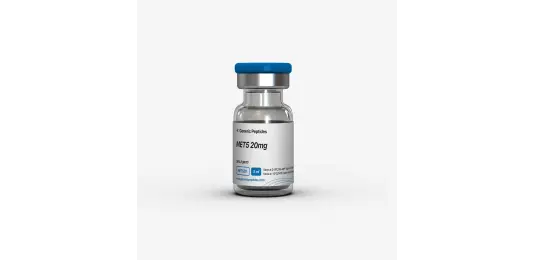
MET5 ([Met⁵]-Enkephalin / Opioid Growth Factor): The Endogenous Opioid Peptide With Pancreatic Cancer Phase II Research and Specific Operational Limitations
By Medical Team of Generic Peptides
MET5 — also known as [Met⁵]-enkephalin, Met-enkephalin, methionine-enkephalin, or Opioid Growth Factor (OGF) — is an endogenous pentapeptide with the sequence Tyr-Gly-Gly-Phe-Met. Molecular weight 573.66 g/mol. The "MET5" designation reflects that methionine occupies position 5 of the pentapeptide, distinguishing the compound from leu-enkephalin (which has leucine at position 5). The international nonproprietary name is metenkefalin. The compound was discovered in 1975 by John Hughes and Hans Kosterlitz at the University of Aberdeen, who isolated enkephalins from brain extracts as the first identified endogenous opioid peptides — establishing the existence of the body's own opioid signaling system.
This compound is fundamentally different from most peptides covered in this article series. Where compounds like CJC-1295, Ipamorelin, BPC-157, or Melanotan II have been promoted for fitness, body composition, anti-aging, or wellness applications, MET5/OGF has a substantially different research positioning. The compound's primary clinical investigation has been as an investigational cancer biotherapy, with Phase I and Phase II clinical trials for advanced pancreatic cancer at Pennsylvania State University College of Medicine led by Ian S. Zagon and Patricia J. McLaughlin's research group from the 1980s through the 2010s. The off-label fitness or wellness use that characterizes most peptides discussed in this article series doesn't fit MET5's research framework or evidence base — the compound was investigated as inhibitor of cell proliferation and DNA synthesis with primary therapeutic interest in oncology and tissue regulation contexts, not in muscle growth or recovery applications.
The mechanism distinguishes MET5 from most synthetic peptides through its dual receptor activity. The compound is a δ-opioid receptor agonist (primary, with lesser μ-opioid receptor activity), producing the classical opioid effects characteristic of endogenous enkephalin signaling — analgesia, mood effects, autonomic modulation. More importantly for the cancer research framework, MET5 is the endogenous ligand of the OGF receptor (OGFr), originally called the ζ (zeta) opioid receptor — a distinct receptor system structurally and functionally different from classical μ, δ, and κ opioid receptors. OGFr is located on the outer nuclear envelope rather than the cell membrane, and its activation produces inhibition of cell proliferation through upregulation of the cyclin-dependent kinase inhibitors p16INK4a and p21WAF1/CIP1, arresting cell cycle progression at the G1/S interface. This anti-proliferative mechanism formed the basis for the cancer biotherapy research program.
The Phase II clinical trial in advanced pancreatic cancer published by Smith, Bingaman, Mauger, Harvey, Demers, and Zagon in 2010 (Open Access Journal of Clinical Trials) represents the most clinically developed evidence for MET5 therapeutic use. Twenty-four patients who had failed standard chemotherapy received OGF 250 μg/kg intravenously weekly. Clinical benefit response (improvement in pain, performance status, or weight) occurred in 53% of OGF-treated patients compared to historical controls of 23.8% with gemcitabine and 4.8% with 5-fluorouracil. Of patients surviving more than eight weeks, 62% showed decrease or stabilization in tumor size by computed tomography. Median survival was 65.5 days versus 21 days for untreated patients (p<0.001) — a tripling of survival time. No adverse effects on hematologic or chemistry parameters were reported. These are clinically meaningful findings for one of the most lethal cancers in oncology.
I'll be direct about my assessment of MET5 from the start. The compound has genuinely interesting cancer biotherapy research, with the Penn State Phase II findings representing real clinical evidence in a difficult therapeutic area. The mechanism through OGFr is mechanistically distinct from classical opioid signaling and provides plausible biology for the anti-proliferative effects. The honest limitations are substantial and dominate any practical positioning. The very short plasma half-life (minutes rather than hours) requires intravenous infusion delivery for sustained therapeutic effect — substantially limiting the operational practicality compared to compounds with subcutaneous injection compatibility. The Phase II trial was a small open-label study with historical controls rather than concurrent randomized comparison, limiting the strength of the efficacy conclusions. No Phase III development followed despite the encouraging Phase II findings, and the compound never advanced to FDA approval for any indication. The off-label use in fitness, wellness, or anti-aging contexts that characterizes most peptides in this article series isn't supported by MET5's research framework or evidence base — the compound's clinical investigation has been narrowly focused on cancer biotherapy and a few specific tissue regulation applications.
This article walks through what MET5 actually is and how it differs from most peptides covered in this article series, the dual receptor mechanism through classical opioid receptors and the OGFr cell proliferation regulation system, the substantial cancer biotherapy research base centered at Penn State, the regulatory situation that distinguishes the compound from fitness-focused peptides, the safety profile from clinical research, and how to think about MET5 decisions given the compound's specific positioning as investigational cancer biotherapy rather than wellness compound.
What MET5 / Met-Enkephalin / OGF Is
MET5 is one of two enkephalin pentapeptides discovered by Hughes and Kosterlitz in 1975 from porcine brain extracts. The other is leu-enkephalin (Tyr-Gly-Gly-Phe-Leu), which has leucine at position 5 instead of methionine. The two enkephalins have somewhat different receptor binding profiles but share the same general structural framework and share the foundational role as endogenous opioid peptides.
The endogenous biology involves processing of the proenkephalin A precursor protein. Proenkephalin A contains four sequences of met-enkephalin (at positions 100-104, 107-111, 136-140, and 210-214) plus one sequence of leu-enkephalin. Proteolytic processing by proprotein convertases PC1 and PC2 followed by carboxypeptidase E generates the bioactive enkephalin peptides. A single proenkephalin A protein produces four copies of met-enkephalin, plus one each of two C-terminal-extended derivatives (the heptapeptide met-enkephalin-arg-phe and the octapeptide met-enkephalin-arg-gly-leu). The enkephalin processing pathway is one of three major endogenous opioid peptide systems, alongside β-endorphin (from proopiomelanocortin) and dynorphins (from prodynorphin).
MET5 is widely distributed throughout the central nervous system and various peripheral tissues. Major CNS distribution includes globus pallidus, hypothalamus, periaqueductal gray, amygdala, and spinal cord. Peripheral distribution includes adrenal medulla (the major source of plasma enkephalins), adrenal cortex, gastrointestinal tract, skin, and various other tissues. The compound's broad distribution reflects its multiple physiological roles in pain modulation, autonomic regulation, immune function, cell proliferation, and tissue homeostasis.
The compound is supplied for research and clinical investigation as lyophilized powder for reconstitution. The molecular formula is C₂₇H₃₅N₅O₇S. Manufacturing is straightforward through standard peptide synthesis methods, and pharmaceutical-grade material is available through research suppliers. The clinical use form for the Penn State trials was supplied as sterile preparation for intravenous infusion administration.
The naming convention is genuinely complex and matters for understanding the literature. MET5, Met⁵-enkephalin, [Met⁵]-enkephalin, Met-enkephalin, MENK, methionine-enkephalin, and metenkefalin (INN) are all chemical/structural names referring to the same pentapeptide. OGF (Opioid Growth Factor) is the functional name used when the compound is being discussed in the context of cell proliferation regulation through the OGFr receptor system, specifically distinguishing this signaling role from the classical opioid neurotransmitter functions. Both naming conventions appear throughout the literature, with the choice typically reflecting which mechanism (classical opioid vs OGFr-mediated cell proliferation) is being discussed. The compound is identical in either context.
MET5 Mechanism of Action: Classical Opioid Plus OGFr Cell Proliferation Regulation
The mechanism involves two distinct receptor systems with different cellular locations and different physiological roles, which is genuinely unusual among peptides covered in this article series.
The classical opioid receptor activity involves MET5's binding to δ-opioid receptors (primary, with high affinity and selectivity over other classical opioid receptors), μ-opioid receptors (lesser affinity), and minimal effect on κ-opioid receptors. These classical opioid receptors are G-protein coupled receptors located on cell membranes, and their activation produces the well-characterized opioid effects: analgesia, mood modulation, autonomic effects, and various other actions. The classical opioid signaling is mediated through Gi/o-coupled inhibition of adenylyl cyclase, decreased cAMP, hyperpolarization of neurons through K+ channel activation, and decreased Ca²⁺ entry.
The OGFr cell proliferation regulation activity involves a distinct receptor system that's structurally and functionally separate from classical opioid receptors. OGFr (originally called ζ opioid receptor, though the naming has been refined as receptor characterization improved) is located on the outer nuclear envelope rather than the cell membrane. The receptor doesn't share the typical seven-transmembrane GPCR architecture of classical opioid receptors. MET5 binding to OGFr produces a different signaling pathway with different cellular effects.
The OGFr-mediated mechanism involves several specific molecular events. MET5 enters cells through clathrin-mediated endocytosis (an active transport process — the 2010 PNAS paper by Cheng et al. characterized this entry mechanism). Once inside cells, MET5 binds OGFr at the outer nuclear envelope. The OGF-OGFr complex translocates into the nucleus through the nuclear localization signal-karyopherin β1/Ran transport system. In the nucleus, the complex upregulates expression of cyclin-dependent kinase inhibitors p16INK4a and p21WAF1/CIP1. These CKIs inhibit cyclin-dependent kinases (Cdk2, Cdk4) that drive cell cycle progression, arresting cells at the G1/S interface and preventing DNA synthesis. The retinoblastoma protein (Rb) hyperphosphorylation that normally permits S-phase entry is blocked, maintaining cells in G1 arrest.
This OGFr-mediated mechanism is genuinely distinct from classical opioid signaling. The OGF Coreceptor pathway is constitutively active and tonically inhibitory — endogenous OGF continuously suppresses cell proliferation as a homeostatic mechanism. Disruption of OGF-OGFr signaling (through naltrexone blockade, for example) accelerates cell proliferation and is particularly important in wound repair contexts where temporary disinhibition of cell proliferation supports healing.
The Zagon and McLaughlin research program at Penn State has characterized this mechanism through extensive cellular and molecular research over more than two decades. The 2008 Cheng et al. Molecular Biology of the Cell paper established the p16INK4a and p21WAF1/CIP1 pathways as the specific mechanism through which OGF-OGFr signaling restricts normal cell proliferation. The 2010 PNAS paper by the same group characterized the clathrin-dependent cellular uptake mechanism. Subsequent work extended these findings to various cancer cell types and clinical contexts.
The cancer biology relevance is direct: most cancers show reduced or dysregulated OGFr signaling, with diminished tonic inhibition of proliferation contributing to malignant cell growth. Smith et al. 2000 documented that pancreatic cancer cells show 7.1-fold lower OGFr binding capacity than normal pancreatic tissues, with elevated plasma OGF levels in pancreatic cancer patients (7.3-fold compared to controls) suggesting compensatory upregulation in the face of receptor downregulation. Exogenous OGF administration provides supraphysiological receptor stimulation that overcomes the relative receptor deficiency in tumor tissues. The mechanism is mechanistically rational and pharmaceutically actionable through OGF infusion therapy.
The brief plasma half-life is the most operationally important pharmacokinetic feature. MET5 is metabolized rapidly by multiple enzymes — aminopeptidase N (APN), neutral endopeptidase (NEP), dipeptidyl peptidase 3 (DPP3), carboxypeptidase A6 (CPA6), and angiotensin-converting enzyme (ACE) — collectively called "enkephalinases." The plasma half-life is on the order of minutes rather than hours. This rapid clearance limits MET5's therapeutic application — sustained receptor activation requires continuous or frequent administration, and the Penn State clinical protocols specifically used intravenous infusion over 30 minutes for the weekly OGF 250 μg/kg cancer biotherapy dose.
MET5 Cancer Biotherapy Research Base
The cancer biotherapy research base for MET5 represents the most clinically developed evidence for any application, with research spanning more than three decades primarily through the Penn State research program.
The foundational mechanistic research established that MET5/OGF inhibits cell proliferation in normal and neoplastic cell lines through OGFr-mediated signaling. Initial research in 1980s and 1990s characterized the compound's effects in various cancer cell lines and animal tumor models. The Zagon et al. 1996 American Journal of Physiology paper documented OGF inhibition of human colon cancer cell proliferation in tissue culture. Subsequent work extended these findings to pancreatic, head and neck, ovarian, thyroid, and other cancer types.
Animal studies in nude mice with human cancer xenografts demonstrated efficacy across multiple tumor types. The 1996 Zagon, Hytrek, McLaughlin paper in Cancer Letters showed that daily administration of OGF prevented occurrence of human colon cancer HT-29 xenografts and retarded growth of established tumors. Pancreatic cancer xenograft studies showed similar efficacy with OGF inhibiting tumor growth, often in synergistic combination with standard chemotherapy agents like gemcitabine and 5-fluorouracil. The combination effects were particularly notable — OGF amplified the anti-tumor effects of chemotherapy in animal models.
The Phase I clinical trial by Zagon and colleagues established the maximum tolerated dose at 250 μg/kg infused over 30 minutes. Patients with unresectable advanced pancreatic adenocarcinoma received this MTD weekly. The dose-limiting toxicity was hypotension. No adverse effects on cardiac rhythm, hematologic parameters, or neurological status were reported. Mean survival in subjects treated chronically was 9.1 months — already substantially better than historical controls for advanced pancreatic cancer. Two patients showed resolution of liver metastases, suggesting genuine anti-tumor activity beyond palliative effects.
The Phase II clinical trial by Smith, Bingaman, Mauger, Harvey, Demers, Zagon published in 2010 in Open Access Journal of Clinical Trials enrolled 24 subjects with advanced pancreatic cancer who had failed standard chemotherapy. All subjects received OGF 250 μg/kg intravenously weekly. The findings were clinically meaningful:
Clinical benefit response occurred in 53% of OGF-treated patients (defined as improvement in pain, performance status, or weight gain sustained for ≥4 weeks). Historical controls for the same definition with gemcitabine showed 23.8% response, and 5-fluorouracil 4.8%. Of patients surviving more than eight weeks, 62% showed decrease or stabilization in tumor size by CT imaging. Median survival was 65.5 days versus 21 days for untreated patients (p<0.001). No adverse effects on hematologic or chemistry parameters were noted. Quality of life surveys suggested improvement with OGF therapy.
These findings represent real clinical evidence for OGF biotherapy in advanced pancreatic cancer. The mortality difference (3-fold survival improvement) and clinical benefit rates substantially exceed what gemcitabine produces — and gemcitabine remains the standard chemotherapy comparator for advanced pancreatic cancer. The non-toxic safety profile is genuinely advantageous in a patient population already burdened by chemotherapy-related morbidity.
The honest limitations of the Phase II evidence are also substantial. The trial was open-label rather than blinded, used historical controls rather than concurrent randomized comparison, was small (n=24), and didn't include the systematic outcome measurement that pivotal Phase III trials would require. The encouraging findings warranted Phase III investigation but Phase III development didn't follow despite the apparent clinical promise. This is the critical evidence gap — the Phase II findings are encouraging but Phase III confirmation never happened, leaving MET5 as a compound with promising small-study evidence rather than rigorous large-scale validation.
Why Phase III didn't follow involves the typical challenges of pharmaceutical development for compounds without commercial sponsor interest. MET5/OGF is endogenous and not patentable as a novel composition of matter. Pharmaceutical companies have limited commercial incentive to invest in Phase III development for compounds where competitive generic entry would erode any market. Academic medical centers don't typically conduct Phase III trials independently. Government funding for Phase III investigation of off-patent compounds is limited. The combination of these factors explains why promising Phase II findings for MET5/OGF in advanced pancreatic cancer didn't progress to definitive Phase III testing.
Beyond pancreatic cancer, OGF research has extended to multiple other cancer types in preclinical and limited clinical contexts. Head and neck squamous cell carcinoma, ovarian cancer, thyroid follicular cell-derived cancers, and neuroblastoma have all been investigated. The 1997 paper on head and neck squamous cell carcinoma documented presence of OGF and OGFr in tumor specimens. The 2009 BMC Cancer paper by McLaughlin et al. examined thyroid cancer applications. These investigations remain primarily preclinical with limited clinical translation.
Other clinical applications beyond cancer have been investigated in preliminary research. Diabetic keratopathy treatment using naltrexone (the OGFr antagonist) to disinhibit corneal cell proliferation has shown preclinical promise. Multiple sclerosis research has examined low-dose naltrexone (LDN) protocols based on OGF-OGFr modulation. Wound healing applications have been investigated. These applications represent extensions of the basic OGF-OGFr biology rather than primary therapeutic indications with rigorous clinical evidence.
The 2023 Sánchez et al. Biomedicines review on opioid peptide family in cancer progression provides recent synthesis of accumulated research including MET5/OGF cancer biology. The continued research interest in academic contexts hasn't translated to additional pharmaceutical development beyond the Penn State Phase II program.
MET5 Regulatory Status
MET5 has not received FDA approval for any indication. The Phase II clinical trial in pancreatic cancer was conducted under investigational new drug status but didn't progress to FDA approval. No formal pharmaceutical sponsor pursued NDA submission based on the Phase II findings.
MET5/Met-enkephalin/OGF was not included on the FDA September 29, 2023 Category 2 placement that affected nineteen other peptides (BPC-157, TB-500, CJC-1295, Ipamorelin, etc.). The compound is not subject to the same FDA Category 2 restrictions that affect those peptides. The regulatory situation reflects MET5's positioning as an endogenous compound without FDA approval but also without specific FDA enforcement targeting that affected the more commercially-promoted bodybuilding/wellness peptides.
The compound is not on the July 23-24, 2026 PCAC review agenda, was not part of the February 27, 2026 Kennedy Rogan reclassification announcement, and isn't subject to the broader peptide reclassification activity that affects the Cat 2 peptides.
Compounding pharmacy access for MET5 exists in some clinical contexts under physician prescription for specific applications, particularly the cancer biotherapy or diabetic keratopathy applications based on the established research evidence. The compound's regulatory positioning differs from the FDA Cat 2 peptides because it hasn't been the subject of widespread off-label promotion for fitness/wellness applications and hasn't generated the consumer demand patterns that drove the 2023 Cat 2 actions.
In international markets, MET5/Met-enkephalin has been used clinically in some jurisdictions for various applications including immunomodulation and cancer biotherapy contexts. The compound's use in clinical research and specialty practice continues internationally with varying regulatory frameworks across countries.
For sports anti-doping, MET5/Met-enkephalin's status under WADA classification is complicated. Endogenous opioid peptides are generally not specifically prohibited by WADA at therapeutic doses for established medical applications, though doping with synthetic opioid agonists is prohibited under the broader Narcotics category (S7) in-competition. Athletes seeking guidance on specific WADA status should consult current WADA documentation directly given the complexity of endogenous compound regulation in anti-doping frameworks.
MET5 Safety Profile
The safety profile for MET5 has been characterized through the Phase I and Phase II clinical trials at Penn State plus extensive preclinical research. The accumulated evidence supports favorable tolerability at therapeutic doses with specific limitations.
The Phase I dose-finding trial established the maximum tolerated dose at 250 μg/kg infused over 30 minutes intravenously. Dose-limiting toxicity was hypotension — predictable given the cardiovascular effects of opioid signaling at supraphysiological doses. No adverse effects on cardiac rhythm, hematologic parameters, neurological status, or other laboratory tests were reported in Phase I. Mean survival in the chronically treated patients exceeded 8.5 months despite the advanced disease state.
The Phase II trial in 24 patients with advanced pancreatic cancer reported no adverse effects on hematologic or chemistry parameters. Quality of life surveys suggested improvement with OGF therapy rather than the deterioration that often accompanies cancer chemotherapy. The non-toxic safety profile in cancer patients is a meaningful advantage compared to standard chemotherapy agents that produce substantial morbidity.
Common reported effects in clinical use include mild hypotension during or shortly after infusion (the dose-limiting toxicity), occasional mild flushing, mild sedation occasionally (consistent with opioid signaling), and the various effects of opioid receptor activation at therapeutic doses. The classical opioid effects (analgesia, mood effects, mild sedation) are generally well-tolerated in cancer patients where these effects may be therapeutically beneficial.
The opioid receptor activity raises some specific safety considerations not typical for most peptides covered in this article series. Tolerance development with repeated administration is a recognized phenomenon with opioid receptor agonists generally — though MET5's brief half-life and the specific clinical use patterns may limit tolerance development compared to chronic synthetic opioid administration. Dependence potential is theoretically present given opioid receptor signaling, though clinical experience hasn't documented clinically significant dependence patterns at the therapeutic doses used in cancer biotherapy. Naloxone reversibility is documented — MET5's effects can be antagonized by opioid receptor antagonists, providing a clinical safety mechanism if needed.
Long-term safety data is limited beyond the cancer biotherapy clinical experience. The Penn State trials involved limited duration follow-up given the advanced cancer patient population (median survival in months rather than years). Extended therapeutic use in non-cancer contexts hasn't been systematically characterized.
Cancer considerations are unusual for MET5 compared to other peptides discussed in this article series. Where most peptides raise concerns about IGF-1 elevation potentially supporting tumor growth, MET5/OGF actually inhibits cell proliferation and tumor growth through OGFr-mediated cell cycle arrest. This reverses the typical safety framework — MET5 may be protective rather than concerning regarding cancer biology, though the implications for non-cancer patients haven't been systematically characterized.
The brief plasma half-life means that systemic exposure is transient with each administration, limiting cumulative effect concerns that apply to compounds with sustained activity. This is operationally limiting for therapeutic efficacy but safety-favorable for chronic use considerations.
Drug interactions involve standard opioid pharmacology considerations. Naloxone and other opioid antagonists antagonize MET5's effects (both classical opioid effects and OGFr-mediated effects through different mechanisms — classical opioid antagonism for the membrane receptors and competitive antagonism at OGFr). Other opioid agonists (morphine, oxycodone, etc.) may have additive effects through classical opioid receptors. CNS depressants potentially interact through opioid sedative effects. Cancer chemotherapy agents are commonly combined with OGF in research protocols, with reported synergistic anti-tumor effects through different mechanisms.
Contraindications include known hypersensitivity to enkephalins or related compounds, severe hypotension or hemodynamic instability (given the dose-limiting hypotension), severe hepatic or renal dysfunction, opioid use disorders or active opioid dependence, pregnancy and breastfeeding (no safety data), pediatric populations except in supervised research contexts, and concurrent use of opioid antagonists for other therapeutic indications.
Who Uses MET5 and How It Compares to Alternatives
The user base for MET5 in 2026 is genuinely narrower than for most peptides covered in this article series, reflecting the compound's specific positioning as investigational cancer biotherapy rather than wellness compound.
Cancer biotherapy applications represent the most clinically supported use category. Patients with advanced pancreatic cancer who have failed standard chemotherapy may receive OGF biotherapy in research contexts or specialty cancer practices that have integrated the Penn State research findings. The compound's role here is investigational/experimental rather than standard of care, but the Phase II evidence provides a meaningful basis for clinical consideration in carefully selected patients.
Diabetic keratopathy and ocular surface disorders represent another research-supported application. The OGF-OGFr axis modulation through topical naltrexone (OGFr antagonist) for diabetic keratopathy has shown clinical promise. Direct OGF use in these contexts is more limited than naltrexone-based approaches but represents an extension of the basic biology.
Multiple sclerosis and autoimmune research includes some attention to OGF-OGFr modulation. Low-dose naltrexone (LDN) protocols based on OGF-OGFr biology have generated substantial off-label clinical use for various autoimmune conditions, though direct MET5/OGF administration is less common than the naltrexone-based approach.
Wound healing applications have been investigated in preclinical contexts. Direct MET5 administration for wound healing isn't established clinical practice but represents a research extension.
Off-label fitness, body composition, anti-aging, or wellness use of MET5 is genuinely uncommon — and where it occurs, it's typically based on misunderstanding of the compound's actual research positioning. The cell proliferation-inhibiting mechanism is essentially opposite to the muscle-building goals that drive most peptide off-label use. Users who pursue MET5 for fitness/wellness applications based on confused understanding of "growth factor" terminology (mistaking "Opioid Growth Factor" for an anabolic growth factor) are operating on misinterpretation of the compound's biology.
The relevant comparisons in 2026:
For advanced pancreatic cancer, standard chemotherapy options include FOLFIRINOX (5-fluorouracil, leucovorin, irinotecan, oxaliplatin) and gemcitabine-based regimens (gemcitabine, gemcitabine plus nab-paclitaxel). These are FDA-approved with extensive evidence base but produce substantial morbidity. OGF biotherapy represents a non-toxic alternative based on Phase II evidence that hasn't received Phase III confirmation. For patients who have failed standard options and meet criteria for OGF investigation, the compound represents a meaningful therapeutic option with the operational caveat of needing intravenous infusion administration.
For diabetic keratopathy, low-dose naltrexone topical formulations represent the more clinically developed application of OGF-OGFr biology. Direct OGF administration for this indication is less established than naltrexone-based protocols.
For autoimmune conditions including multiple sclerosis, low-dose naltrexone has accumulated substantial off-label use with clinical observations though limited rigorous Phase III evidence. Direct MET5/OGF administration is less common than LDN-based approaches.
For other peptides covered in this article series — fitness/body composition focus, anti-aging applications, wellness contexts — MET5 simply isn't the appropriate pharmacological tool. The cell proliferation-inhibiting mechanism doesn't support muscle building, recovery enhancement, or anti-aging applications that depend on cellular regeneration and growth.
For patients in 2026 considering MET5 specifically, the operational decision typically involves whether the cancer biotherapy or specific tissue regulation applications align with clinical needs. For most patients pursuing peptide therapy for typical wellness/fitness/anti-aging goals, MET5 isn't the appropriate compound and the substantial alternatives discussed throughout this article series provide more appropriate options.
Honest Assessment of MET5 in 2026
I'll be direct about MET5's positioning in current practice.
The compound has genuinely interesting cancer biotherapy research with Phase II evidence in advanced pancreatic cancer that represents meaningful clinical findings — 3-fold survival improvement, 53% clinical benefit response, non-toxic safety profile. The mechanism through OGFr-mediated cell cycle arrest is mechanistically distinctive and biologically rational. The Penn State research program has produced substantial mechanistic and clinical evidence over more than three decades. The compound's positioning as endogenous opioid peptide and OGF receptor ligand provides scientifically credible foundation for therapeutic applications in cancer and tissue regulation contexts.
The honest limitations dominate practical positioning. The brief plasma half-life requires intravenous infusion delivery for therapeutic use, substantially limiting operational practicality compared to subcutaneous-injection-compatible compounds. The Phase II evidence in pancreatic cancer is encouraging but small and used historical controls rather than concurrent randomization — the rigorous Phase III confirmation that would establish therapeutic efficacy never happened. No commercial pharmaceutical development has pursued the compound through to FDA approval despite the Phase II findings, partly because the endogenous status limits patentability and commercial sponsor incentive. The fitness/wellness off-label use that characterizes most peptides covered in this article series isn't supported by MET5's research framework — the compound's anti-proliferative mechanism is essentially opposite to the cell growth and tissue regeneration that wellness applications typically pursue.
What's genuinely uncertain about MET5 in 2026 is whether the encouraging Phase II findings in pancreatic cancer will eventually receive Phase III confirmation through some pathway (possibly academic medical center investigator-initiated trials, government-sponsored research, or revived commercial interest), whether the broader OGF-OGFr biology will generate additional therapeutic applications beyond the established cancer biotherapy and tissue regulation contexts, and whether the unique mechanism (anti-proliferative through nuclear envelope receptor system) will eventually find broader clinical applications as cancer biology and regenerative medicine fields develop.
For patients navigating MET5 decisions, the framing reflects the compound's specific positioning. Patients with advanced cancer interested in investigational biotherapy options based on the Penn State Phase II findings have a defensible mechanistic and limited clinical evidence basis for considering OGF treatment in research or specialty practice contexts. Patients with diabetic keratopathy or specific autoimmune conditions may benefit from OGF-OGFr modulation through naltrexone-based approaches that have more clinical development than direct OGF administration. Patients pursuing typical wellness, fitness, or anti-aging goals should recognize that MET5 isn't the appropriate pharmacological tool for these applications — the compound's anti-proliferative mechanism doesn't support the cellular growth and regeneration that these applications target.
MET5's place in the broader peptide therapy landscape is essentially as endogenous opioid peptide with specific cancer biotherapy and tissue regulation research applications, fundamentally different positioning from the synthetic peptides developed for fitness, body composition, or wellness applications that dominate most off-label peptide use. For the narrow patient populations where MET5's specific mechanism aligns with clinical needs — selected advanced cancer patients, specific tissue regulation contexts — the compound provides accessible OGFr signaling through the endogenous ligand. For the broader patient population pursuing typical peptide therapy applications, MET5 isn't appropriate and the alternatives discussed throughout this article series provide better-matched options.
The next several years may produce additional MET5 research if academic medical centers pursue investigator-initiated trials, if government funding supports Phase III investigation of off-patent cancer therapeutics, or if the broader peptide therapy field's development creates renewed interest in the OGF-OGFr biology. The pharmacological foundation won't change — MET5 is what it has been: the endogenous pentapeptide with classical opioid receptor activity plus distinctive OGFr-mediated cell proliferation regulation, with promising but unconfirmed Phase II evidence in advanced pancreatic cancer and substantial mechanistic research foundation that hasn't translated to broad clinical adoption. Whether the encouraging research will eventually produce clinically established applications depends on continued investigation that pharmaceutical commercial dynamics haven't supported despite the apparent clinical promise.
References
[1] Hughes J, Smith TW, Kosterlitz HW, Fothergill LA, Morgan BA, Morris HR. Identification of two related pentapeptides from the brain with potent opiate agonist activity. Nature. 1975;258(5536):577-580. PMID: 1207728. Foundational discovery of enkephalins as endogenous opioid peptides.
[2] Smith JP, Bingaman SI, Mauger DT, Harvey HH, Demers LM, Zagon IS. Opioid growth factor improves clinical benefit and survival in patients with advanced pancreatic cancer. Open Access Journal of Clinical Trials. 2010;2010(2):37-48. PMID: 20890374. Foundational Phase II clinical trial demonstrating clinical benefit and survival improvement.
[3] Zagon IS, Smith JP, Conter R, McLaughlin PJ. Identification and characterization of opioid growth factor receptor in human pancreatic adenocarcinoma. International Journal of Molecular Medicine. 2000;5(1):77-84. PMID: 10601579. OGFr characterization in pancreatic cancer.
[4] Zagon IS, McLaughlin PJ. Opioid growth factor and the treatment of human pancreatic cancer: a review. World Journal of Gastroenterology. 2014;20(9):2218-2223. PMID: 24605021. PMC3942827. Comprehensive review of OGF cancer biotherapy research.
[5] Zagon IS, Hytrek SD, McLaughlin PJ. Opioid growth factor ([Met5]enkephalin) prevents the incidence and retards the growth of human colon cancer. American Journal of Physiology. 1996;271(3 Pt 2):R780-R786. PMID: 8853403. Foundational colon cancer xenograft research.
[6] Cheng F, Zagon IS, Verderame MF, McLaughlin PJ. The OGF-OGFr Axis Utilizes the p16INK4a and p21WAF1/CIP1 Pathways to Restrict Normal Cell Proliferation. Molecular Biology of the Cell. 2009;20(1):319-327. Mechanism characterization through CKI pathway upregulation.
[7] Cheng F, McLaughlin PJ, Verderame MF, Zagon IS. Internalization of the opioid growth factor, [Met5]-enkephalin, is dependent on clathrin-mediated endocytosis for downregulation of cell proliferation. American Journal of Physiology - Regulatory, Integrative and Comparative Physiology. 2010;299(1):R157-R164. PMID: 20592180. Cellular uptake mechanism characterization.
[8] Smith JP, Conter RL, Demers TM, McLaughlin PJ, Zagon IS. Elevated levels of opioid growth factor in the plasma of patients with pancreatic cancer. International Journal of Molecular Medicine. 2000. PMID: 10975710. Plasma OGF levels in pancreatic cancer patients.
[9] Zagon IS, McLaughlin PJ. Endogenous opioid systems regulate cell proliferation in the developing rat brain. Brain Research. 1987;412(1):68-72. Foundational brain development research.
[10] Zagon IS, Verderame MF, McLaughlin PJ. The biology of the opioid growth factor receptor (OGFr). Brain Research Brain Research Reviews. 2002;38(3):351-376. PMID: 11890982. Comprehensive OGFr biology review.
[11] McLaughlin PJ, Zagon IS, Park SS, Conway A, Donahue RN, Goldenberg D. Growth inhibition of thyroid follicular cell-derived cancers by the opioid growth factor (OGF) - opioid growth factor receptor (OGFr) axis. BMC Cancer. 2009;9:369. PMID: 19835629. Thyroid cancer applications research.
[12] Donahue RN, McLaughlin PJ, Zagon IS. Cell proliferation of human ovarian cancer is regulated by the opioid growth factor-opioid growth factor receptor axis. American Journal of Physiology - Regulatory, Integrative and Comparative Physiology. 2009. Ovarian cancer applications.
[13] Wilson RP, McLaughlin PJ, Lang CM, Zagon IS. The opioid growth factor, [Met5]-enkephalin, inhibits DNA synthesis during recornification of mouse tail skin. Cell Proliferation. 2000;33(2):63-73. PMID: 10845251. Skin epithelium homeostasis research.
[14] McLaughlin PJ, Sassani JW, Klocek MS, Zagon IS. Diabetic keratopathy and treatment by modulation of the opioid growth factor (OGF)-OGF receptor (OGFr) axis with naltrexone: a review. Brain Research Bulletin. 2010;81(2-3):236-247. PMID: 19683562. Diabetic keratopathy applications.
[15] Wang R, Zhang Y, Shan F. Interaction of opioid growth factor (OGF) and opioid antagonist and their significance in cancer therapy. International Immunopharmacology. 2019;75:105785. PMID: 31404891. OGF-naltrexone combination cancer research.
[16] Sánchez ML, Rodríguez FD, Coveñas R. Involvement of the Opioid Peptide Family in Cancer Progression. Biomedicines. 2023;11(7):1993. PMID: 37509632. Recent comprehensive review of opioid peptides in cancer biology.
[17] Klocek MS, Sassani JW, Donahue RN, McLaughlin PJ, Zagon IS. Regulation of Tenon's capsule fibroblast cell proliferation by the opioid growth factor and the opioid growth factor receptor axis. Investigative Ophthalmology & Visual Science. 2010;51(10):5054-5061. Ocular applications research.
[18] Cai Z, Ratka A. Opioid system and Alzheimer's disease. Neuromolecular Medicine. 2012;14(2):91-111. PMID: 22527793. Opioid system review including OGF biology.
[19] McLaughlin PJ. Regulation of DNA synthesis of myocardial and epicardial cells in developing rat heart by [Met5]enkephalin. American Journal of Physiology. 1996;271(1 Pt 2):R122-R129. Cardiac developmental biology research.
[20] Slominski AT, Zmijewski MA, Zbytek B, Brozyna AA, Granese J, Pisarchik A, Szczesniewski A, Tobin DJ. Regulated proenkephalin expression in human skin and cultured skin cells. Journal of Investigative Dermatology. 2011;131(3):613-622. PMID: 21191404. Skin proenkephalin expression and regulation.
[21] Zagon IS, McLaughlin PJ. Opioid antagonists inhibit the growth of metastatic murine neuroblastoma. Cancer Letters. 1983;21:89-94. Early neuroblastoma research establishing opioid system role in cancer biology.
[22] U.S. Food and Drug Administration. Certain Bulk Drug Substances for Use in Compounding that May Present Significant Safety Risks. September 29, 2023. List of 19 peptides placed on Category 2. MET5/Met-enkephalin not included on this list. https://www.fda.gov/drugs/human-drug-compounding/certain-bulk-drug-substances-use-compounding-may-present-significant-safety-risks.
[23] U.S. Food and Drug Administration. Federal Register Notice of Pharmacy Compounding Advisory Committee Meeting, published April 16, 2026. PCAC meeting scheduled for July 23-24, 2026. MET5/Met-enkephalin not on this agenda.
[24] World Anti-Doping Agency. The Prohibited List, current edition. Endogenous opioid peptides covered under broader narcotics framework with specific therapeutic exception considerations. https://www.wada-ama.org/en/prohibited-list.
[25] International Peptide Society. Met-enkephalin monograph. Compound characterization including sequence Tyr-Gly-Gly-Phe-Met, molecular weight 573.6611 g/mol, mechanism, and clinical applications context. peptidesociety.org.