PNC-27: Anticancer Peptide With Preclinical Research and FDA Contamination Concerns
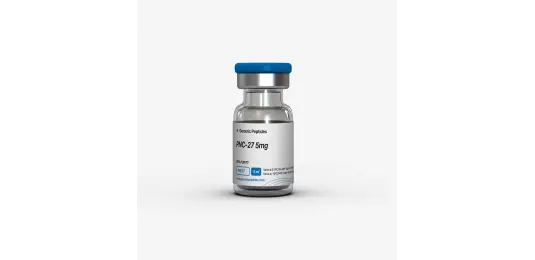
PNC-27: The p53-Penetratin Chimeric Anticancer Peptide With Substantial Preclinical Mechanism Research and FDA-Documented Bacterial Contamination of Commercial Products
By Medical Team of Generic Peptides
PNC-27 is a 32-amino-acid synthetic chimeric peptide combining two functional domains: a 15-amino-acid HDM-2/MDM-2 binding sequence derived from human p53 residues 12-26 (PPLSQETFSDLWKLL) and a 17-amino-acid membrane-penetrating leader sequence called the Membrane Residency Peptide (MRP, sequence KKWKMRRNQFWVKVQRG) derived from the antennapedia/penetratin family of cell-penetrating peptides. Molecular weight 4031.72 Da. The compound was developed at State University of New York (SUNY) Downstate Medical Center under Matthew Pincus, Josef Michl, Wilbur Bowne, and colleagues as an investigational anticancer peptide based on a specifically designed mechanism — selectively killing cancer cells through transmembrane pore formation triggered by binding to membrane-localized HDM-2 (the human homolog of MDM-2, the negative regulator of p53). The 2010 Sarafraz-Yazdi et al. paper in Proceedings of the National Academy of Sciences (107(5):1918-1923) established the foundational mechanism characterization that distinguishes PNC-27 from other anticancer peptide approaches.
This compound is fundamentally different from most peptides covered in this article series. Where compounds like CJC-1295, BPC-157, or Melanotan II have been promoted for fitness, body composition, anti-aging, or wellness applications, PNC-27 is a research-stage anticancer peptide with a distinctive selective mechanism targeting cancer cells specifically. The off-label fitness or wellness use that characterizes most peptides in this article series doesn't apply to PNC-27 — the compound was investigated as cancer biotherapy with a mechanism (membrane-directed lysis through HDM-2 binding) that doesn't translate to muscle building, recovery enhancement, or anti-aging applications.
The mechanism is genuinely distinctive and worth detailed treatment because it differs from typical anticancer peptide approaches. Most p53-MDM2 axis-targeting compounds (like nutlins and other MDM2 inhibitors) work by blocking p53 binding to MDM2 in the cell nucleus, thereby allowing accumulated p53 to activate apoptosis pathways. These approaches are limited to cancers that retain wild-type p53 — about half of all cancers have mutated or deleted p53, making them resistant to nutlin-style MDM2 inhibition. PNC-27 operates through an entirely different mechanism: the compound binds to HDM-2 that's localized on the plasma membrane of cancer cells (rather than in the nucleus), and the bound complex induces transmembrane pore formation through cooperative interaction between PNC-27's MRP leader sequence and the cell membrane. The pore formation produces necrotic cell death (cell membrane disruption) rather than apoptosis (programmed cell death), and the mechanism is independent of p53 status — PNC-27 has been shown to kill cancer cell lines that are p53-homozygously deleted or carry homozygous p53 mutations.
The selectivity for cancer cells over normal cells is the most important pharmacological property. The Pincus laboratory's research demonstrated that membrane-localized HDM-2 is expressed on many cancer cell types but not on most untransformed cell lines tested. The 2010 PNAS paper specifically showed that engineered expression of membrane-targeted HDM-2 in untransformed MCF-10-2A breast epithelial cells made them susceptible to PNC-27 killing — directly supporting that membrane HDM-2 is the necessary target for the cytotoxic mechanism. Cancer cell lines documented to be killed by PNC-27 in preclinical research include pancreatic cancer (MIA-PaCa-2, BXPC-3), breast cancer (MCF-7, MDA-MB-468, MDA-MB-157), colon adenocarcinoma, leukemia (K562), human cervical carcinoma, melanoma (A-2058), non-small cell lung carcinoma, osteosarcoma, ovarian cancer cell lines, and others. Untransformed primary fibroblasts (AG13145), normal pancreatic acinar cells, and various other normal cell types weren't affected by PNC-27 at concentrations producing 100% cancer cell death within 90 minutes.
The 2026 regulatory situation for PNC-27 involves a specific and unusually problematic history. The FDA issued a public warning on January 12, 2017, urging consumers and physicians not to use PNC-27 products for cancer treatment. The warning was triggered by FDA laboratory testing that identified bacterial contamination in commercial PNC-27 samples. Variovorax paradoxus was identified in an inhalation solution sample. Two months later, follow-up testing identified additional contamination with Ralstonia insidiosa in other samples. Both bacteria can cause life-threatening infections particularly in immunocompromised patients — exactly the population (cancer patients) that the contaminated products were being marketed to. The commercial PNC-27 product was being sold through pnc27.com in multiple administration forms including nebulized solution, intravenous solution, vaginal suppository, and rectal suppository. The website made claims that PNC-27 could effectively treat any form of cancer — claims that should immediately raise skepticism given the absence of human clinical trial validation. The product was available for online ordering by physicians and hospitals outside the United States; the manufacturer explicitly stated PNC-27 wasn't FDA-approved and couldn't be administered in the US. PNC-27 wasn't included on the FDA September 29, 2023 Category 2 placement that affected nineteen other peptides, isn't on the July 23-24, 2026 PCAC review agenda, and isn't part of the February 2027 PCAC review schedule. Its regulatory positioning reflects the specific 2017 warning rather than the broader peptide reclassification activity affecting other compounds in this article series.
I'll be direct about my assessment of PNC-27 from the start. The compound has genuinely interesting underlying biology — the SUNY Downstate research program led by Pincus, Michl, and Bowne produced substantial preclinical mechanism characterization with peer-reviewed publications in major journals (PNAS 2010 being the foundational paper). The selectivity mechanism through membrane-localized HDM-2 targeting is mechanistically credible and addresses a real therapeutic gap — cancers with mutated p53 that don't respond to nuclear p53-MDM2 axis inhibitors. The autonomous activity in p53-null cancer cells distinguishes PNC-27 from nutlin-class compounds and would be clinically valuable if the mechanism translates to humans. The honest limitations are substantial and dominate practical positioning. The compound has zero human clinical trial evidence — not Phase I, not even small case series. The accumulated effects come entirely from preclinical animal and cell culture research at academic medical centers. The commercial pnc27.com product has FDA-documented bacterial contamination with two different pathogens. The "cures all cancers" marketing claims are not supported by the actual research. The administration routes promoted commercially (rectal suppository, vaginal suppository, nebulized solution) don't correspond to administration approaches that have been characterized in the preclinical research. The FDA warning explicitly directs cancer patients away from PNC-27 toward approved treatment options.
This article walks through what PNC-27 actually is and how it differs from most peptides covered in this article series, the genuinely distinctive mechanism through membrane-directed lysis targeting cancer cells with membrane-localized HDM-2, the substantial preclinical evidence base from SUNY Downstate and other academic research, the specific regulatory situation with FDA warnings about bacterial contamination of commercial products, the operational reality of a research-stage compound that never advanced to formal pharmaceutical development, and how to think about PNC-27 decisions given the substantial gap between legitimate academic research and the problematic commercial product situation.
What PNC-27 Is
PNC-27's structural design reflects deliberate engineering aimed at producing selective cancer cell killing through a specifically targeted mechanism.
The p53 binding domain (residues 12-26 of human p53, sequence PPLSQETFSDLWKLL) corresponds to the region of p53 that binds HDM-2/MDM-2. This is the protein-protein interaction interface that nuclear p53 uses to engage HDM-2 in the normal regulation of p53 stability. By incorporating this sequence into the peptide, PNC-27 inherits the binding affinity and structural recognition pattern that allows specific HDM-2 engagement.
The membrane-penetrating domain (Membrane Residency Peptide, sequence KKWKMRRNQFWVKVQRG) is derived from the antennapedia homeodomain protein, which contains a sequence (penetratin) capable of crossing cell membranes. The penetratin-derived sequence has been extensively characterized as a cell-penetrating peptide useful for delivering cargo molecules across cell membranes. In PNC-27's design, the MRP sequence serves both as a delivery mechanism enabling membrane interaction and, more importantly per the 2010 PNAS findings, as a structural component of the transmembrane pores that PNC-27 forms in cancer cell membranes through cooperative interaction with bound HDM-2.
The chimeric structure combines these two functional elements with the p53-derived domain at the N-terminus and the MRP sequence at the C-terminus. This orientation positions the HDM-2 binding domain for target engagement while the C-terminal MRP sequence is positioned to interact with the membrane lipid bilayer once binding occurs.
Control peptide PNC-29 (sequence FSTGKRIMLGEKKWKMRRNQFWVKVQRG) was designed as a parallel compound replacing the p53-derived sequence with a sequence from human cytochrome C while retaining the same MRP leader. PNC-29 has been used extensively as a negative control in PNC-27 research, demonstrating that the membrane-penetrating sequence alone (without the HDM-2 binding domain) doesn't produce the cancer-selective killing effects characteristic of PNC-27. This control compound confirms that both the HDM-2 binding domain and the membrane-penetrating sequence are required for the anticancer mechanism.
The compound is produced through standard solid-phase peptide synthesis methods. Research-grade material has been supplied by various manufacturers including Shaanxi Zhongbang Pharma-Tech (in some published research), Biopeptides Corp (used in PNAS 2010 research), and other peptide synthesis vendors. The published research consistently confirms >95% purity by HPLC and mass spectrometry for research applications. Commercial PNC-27 products marketed for human use have not consistently met pharmaceutical-grade purity and sterility standards, as evidenced by the FDA-documented bacterial contamination in pnc27.com products.
The naming convention reflects the SUNY Downstate research origins. PNC stands for "Pincus" (Matthew Pincus, the principal investigator at SUNY Downstate) plus the peptide number designations from the laboratory's research program. PNC-27, PNC-28 (a related compound), PNC-29 (control), and various other PNC peptides were developed and characterized in the same research program. Some commercial sources use slightly different numbering conventions, but PNC-27 specifically refers to the 32-amino-acid chimeric peptide described above.
PNC-27 Mechanism of Action
The mechanism is well-characterized through the SUNY Downstate research program with multiple peer-reviewed publications providing converging evidence for the membrane-directed lysis through HDM-2 binding mechanism.
The proposed mechanism proceeds through several specific steps. PNC-27 in solution binds HDM-2 protein wherever it's accessible. In cancer cells, HDM-2 is expressed not only in the nucleus (where it normally regulates p53) but also on the plasma membrane in a configuration that exposes the p53 binding domain to extracellular space. This membrane localization of HDM-2 is the critical difference between cancer cells and most normal cells — most untransformed cell lines have HDM-2 only in the nucleus, not on the plasma membrane. PNC-27 binding to membrane-localized HDM-2 brings the peptide into close apposition with the lipid bilayer.
Once bound to membrane HDM-2, PNC-27's MRP leader sequence interacts with the membrane lipids and inserts into the bilayer. The 2010 PNAS paper proposed and the 2022 Biomedicines paper provided immuno-electron microscopy evidence supporting that PNC-27 forms 1:1 complexes with HDM-2 in the membrane, with multiple complexes organizing into ring-shaped pore structures. The pores permit free passage of ions, water, and intracellular contents across the membrane, producing rapid cell membrane disruption.
The cellular consequences are characteristic of necrotic cell death rather than apoptosis. Cancer cells treated with PNC-27 show rapid release of intracellular lactate dehydrogenase (LDH) — a standard marker of membrane lysis. Transmission electron microscopy shows transmembrane pore formation within 15 minutes of treatment, mitochondrial swelling, and cellular contents release through the disrupted membrane. The classical apoptosis markers (DNA laddering, Bax expression, caspase activation, etc.) are notably absent. PNC-27 produces necrosis, not apoptosis.
The selectivity mechanism is mechanistically tied to the HDM-2 membrane localization. Cancer cells expressing HDM-2 on their plasma membrane provide the binding target that allows PNC-27 to concentrate at the membrane surface and form pores. Normal cells without membrane HDM-2 don't provide this binding target, and PNC-27 either doesn't accumulate at the membrane surface or, if it does interact transiently, gets rapidly degraded without producing pore formation. The 2010 PNAS engineering experiment definitively established this — when normal MCF-10-2A breast epithelial cells (resistant to PNC-27) were transfected to express membrane-targeted HDM-2, they became susceptible to PNC-27 killing. When membrane HDM-2 lacked the p53-binding domain (residues 1-109 deletion), the cells weren't killed despite expressing the truncated HDM-2 on the membrane. Both findings support that PNC-27's binding to membrane HDM-2's p53-binding region is mechanistically essential for the cytotoxic effect.
The p53-independence is another mechanistically important feature. Because PNC-27 acts at the cell membrane rather than depending on intracellular p53 signaling, the compound kills cancer cells regardless of p53 status. Cancer cell lines with homozygous p53 deletion (K562 leukemia cells), homozygous p53 mutation (MDA-MB-468 breast cancer cells), wild-type p53 (MCF-7 breast cancer cells), and overexpressed p53 are all susceptible to PNC-27 killing. This contrasts dramatically with nutlin-class MDM2 inhibitors, which only work in wild-type p53 cancers because they depend on accumulating functional p53 to drive apoptosis through downstream targets. About 50% of all cancers have mutated or deleted p53, making them resistant to nutlin-style approaches but theoretically susceptible to PNC-27's membrane-directed lysis.
The specificity for whole peptide rather than fragments was established by the 2010 Cancer Chemotherapy and Pharmacology paper using dual-fluorescent-labeled PNC-27 (green N-terminal label, red C-terminal label). Treatment of MCF-7 cancer cells with the dual-labeled compound showed combined punctate yellow fluorescence in the cell membrane indicating intact peptide accumulation during cancer cell killing. Treatment of untransformed MCF-10-2A cells showed initial uniform fluorescence that subsequently disappeared while cells remained viable, indicating peptide degradation without target engagement. These findings support that PNC-27 acts as the whole intact peptide rather than through fragments produced by cellular proteases.
The mechanism characterization is robust at the cellular and molecular level, providing credible scientific foundation for the proposed therapeutic mechanism.
PNC-27 Preclinical Evidence Base
The preclinical evidence base for PNC-27 includes substantial cell culture and animal research from SUNY Downstate and collaborating institutions, with the foundational publications providing peer-reviewed mechanism characterization.
The Kanovsky et al. 2003 paper in PNAS (PMID 14529345) provided the first published characterization of the PNC-27/PNC-28 anticancer peptide concept. Subsequent publications from the Pincus laboratory extended the mechanism characterization through multiple cancer cell lines, animal models, and detailed receptor binding studies. The 2010 Sarafraz-Yazdi et al. paper in PNAS (107(5):1918-1923) is the most cited foundational mechanism paper. The 2022 Sarafraz-Yazdi et al. paper in Biomedicines (10(5):945) provided updated immuno-electron microscopy characterization of the pore structures.
Cancer cell lines documented to be killed by PNC-27 in preclinical studies span multiple tumor types: pancreatic cancer (MIA-PaCa-2, BXPC-3, TUC-3, multiple others); breast cancer (MCF-7, MDA-MB-468, MDA-MB-157, multiple others); colon adenocarcinoma (multiple lines); leukemia (K562, additional lines); melanoma (A-2058, others); cervical carcinoma; non-small cell lung carcinoma; osteosarcoma; ovarian cancer cell lines; transformed rat brain capillary endothelial cells. The breadth of tumor types affected — combined with the consistent selectivity for cancer over normal cells — supports the proposed mechanism's broad applicability.
Animal studies in pancreatic cancer xenograft models documented in vivo efficacy. The Michl et al. 2006 paper in International Journal of Cancer and related work showed that PNC-28 (a related peptide) blocks pancreatic cancer cell growth in vivo in nude mouse xenograft models. The Bowne et al. 2008 paper in Annals of Surgical Oncology extended findings on pancreatic cancer models. These animal studies support that the cell culture mechanism translates to in vivo settings, at least in xenograft models.
Ovarian cancer research is a specific area of continued PNC-27 investigation. The Davitt, Babcock et al. research has examined PNC-27 effects in ovarian cancer cell lines and ID8 syngeneic mouse models. Notably, ID8 cells surviving paclitaxel chemotherapy demonstrated increased MDM-2 expression and increased susceptibility to PNC-27 — supporting potential applications combining standard chemotherapy with PNC-27 in cancers where MDM-2 expression is upregulated as part of treatment resistance.
What we have for PNC-27 directly: extensive cell culture research demonstrating selective cancer cell killing across multiple tumor types, peer-reviewed mechanism characterization in major journals, animal model efficacy in xenograft systems, immuno-electron microscopy evidence supporting the proposed pore formation mechanism, controlled experiments using PNC-29 (control peptide) and HDM-2 transfection studies confirming mechanistic specificity.
What we don't have for PNC-27: human Phase I pharmacokinetic studies, dose-finding research, controlled efficacy trials in any patient population, formal safety characterization at modern pharmaceutical standards, peer-reviewed primary clinical research at any level, or any FDA-approved indication. The compound has never advanced to formal pharmaceutical development through clinical trials despite the substantial preclinical evidence supporting the mechanism. Why this gap exists involves several factors: PNC-27 is a chimeric peptide combining sequences from human p53 and antennapedia, raising patentability questions that may have limited commercial sponsor interest; the academic medical center research program at SUNY Downstate hasn't transitioned to a pharmaceutical company sponsor with resources to conduct Phase I-III clinical trials; the specific delivery and pharmacokinetic challenges (the compound's actual bioavailability and tissue distribution after systemic administration in humans haven't been characterized) may have created additional barriers to clinical development.
The accumulated user reports from off-label PNC-27 use in cancer patients represent observational experience rather than systematic clinical evidence. Some patients with advanced cancer have used PNC-27 obtained through international online sources (including the pnc27.com website that prompted the FDA warning). The clinical outcomes from these uses haven't been systematically documented through registry studies or controlled clinical research that would allow rigorous efficacy assessment. The reported experiences include both perceived clinical benefit and treatment failures, but without controlled comparison the outcomes don't constitute clinical evidence in the standard pharmaceutical sense.
PNC-27 Regulatory Situation: FDA Warnings and Bacterial Contamination
The regulatory situation for PNC-27 differs significantly from most peptides covered in this article series because of the specific 2017 FDA warning about commercial PNC-27 products.
On January 12, 2017, the FDA issued a public warning urging cancer patients and healthcare providers not to use PNC-27 products marketed as cancer treatment. The warning was triggered by FDA laboratory testing that identified bacterial contamination in commercial PNC-27 samples. Variovorax paradoxus — a Gram-negative environmental bacterium associated with rare but documented opportunistic infections in immunocompromised hosts — was identified in PNC-27 inhalation solution samples. Two months after the initial warning, follow-up FDA testing identified Ralstonia insidiosa contamination in additional samples. Ralstonia insidiosa is another opportunistic pathogen that can cause serious infections in immunocompromised patients including bloodstream infections, pneumonia, and surgical site infections.
The clinical significance of this contamination is substantial because the patient population using PNC-27 (cancer patients, often immunocompromised from disease and chemotherapy) is precisely the population at highest risk for serious opportunistic infections. Healthy immune systems can typically clear environmental Gram-negative bacterial exposure, but patients with cancer-related or treatment-related immunocompromise face substantially elevated risk for severe and potentially fatal infections. The FDA warning specifically noted: "young children, elderly patients, pregnant women, and those with weakened immune systems" face the greatest risk from contaminated PNC-27.
The commercial PNC-27 product was being sold through pnc27.com in multiple administration forms: nebulized solution (for inhalation), intravenous solution, vaginal suppository, and rectal suppository. The website made expansive marketing claims that PNC-27 could "treat any form of cancer" — claiming equivalent efficacy across breast cancer, melanoma, pancreatic cancer, and other tumor types. These marketing claims significantly exceeded what the underlying preclinical research supported. The compound's preclinical evidence demonstrated mechanism in specific cancer cell lines and xenograft models, not "cure" of human cancers. The marketing language conflated mechanism research with therapeutic efficacy in ways that the actual scientific evidence didn't support.
The product was structured to circumvent FDA jurisdiction. The manufacturer explicitly stated PNC-27 wasn't FDA-approved and couldn't be administered in the United States. The product was available for online ordering by physicians and hospitals outside the US. Patients within the US who obtained the product faced the inherent quality concerns plus the regulatory risks of using non-approved cancer treatments. The FDA's enforcement options were limited because the product was being marketed and shipped from outside US jurisdiction, but the agency could and did issue public health warnings about the contamination findings.
The 2026 regulatory positioning reflects the specific 2017 history rather than the broader peptide reclassification activity affecting many other compounds in this article series. PNC-27 wasn't included on the September 29, 2023 FDA Category 2 placement (which targeted nineteen other peptides including BPC-157, CJC-1295, Ipamorelin, and others). PNC-27 isn't on the July 23-24, 2026 PCAC review agenda. PNC-27 isn't on the February 2027 PCAC review agenda. The compound exists outside the formal compounding pharmacy regulatory framework that affects most peptides in this article series, with its specific regulatory positioning reflecting the FDA warnings about contamination of commercial products.
The current operational reality is that PNC-27 doesn't have legitimate pharmaceutical or compounding pharmacy access in the United States. The compound exists primarily through:
Research-grade peptide suppliers selling for laboratory research only (with explicit prohibitions on human use). These products, when properly supplied by reputable peptide synthesis vendors, can meet research-grade purity standards but are explicitly not formulated or sterilized for human administration.
International commercial sources (the pnc27.com website and similar platforms) that have been the subject of FDA warnings about contamination and unsubstantiated cancer cure claims. Patients obtaining PNC-27 from these sources face the documented quality concerns plus the regulatory risks.
For sports anti-doping, PNC-27's WADA status isn't specifically addressed in current prohibited list documentation. The compound's specific positioning as anticancer research peptide rather than performance-enhancing substance means it falls outside the typical peptide categories WADA monitors. Athletes considering use should consult current WADA documentation directly.
PNC-27 Safety Considerations
The safety profile for PNC-27 is genuinely poorly characterized given the absence of human clinical trial data. The accumulated information comes from preclinical animal studies, cell culture observations, and the specific FDA warnings about commercial product contamination.
Preclinical safety findings from the SUNY Downstate research program are generally favorable. Animal studies in mouse models haven't documented major off-target effects when PNC-27 is administered at therapeutic doses. The selectivity for cancer cells with membrane-localized HDM-2 means normal cells without this target are theoretically protected. The 2010 PNAS paper noted "no off-target effects in vivo" in their xenograft model studies. These preclinical findings support the theoretical safety profile that the mechanism would predict — selective cancer cell killing with sparing of normal cells.
The absence of human clinical safety data is the dominant practical limitation. Phase I clinical trials would normally characterize: pharmacokinetics in humans (peak concentrations, distribution volume, half-life, clearance), maximum tolerated dose, dose-limiting toxicities, organ-specific toxicity profiles, immunogenicity assessment for the chimeric peptide structure, and long-term safety follow-up. None of these standard pharmaceutical safety characterizations have been conducted for PNC-27 in human subjects.
The bacterial contamination issue documented in commercial pnc27.com products is the most concerning specific safety concern. Variovorax paradoxus and Ralstonia insidiosa contamination introduces infectious disease risks that go beyond the underlying compound's pharmacology. These risks are particularly substantial for the cancer patient population that commercial PNC-27 has been marketed to. Documented infections from environmental Gram-negative bacterial exposure in immunocompromised patients can include bloodstream infections, pneumonia, surgical site infections, and rare but serious complications including sepsis. The FDA's warning specifically noted that no adverse events had been reported through their reporting systems at the time of the warning issuance, but absence of reports doesn't equate to absence of harm — patients using contaminated products through international channels may have experienced complications without those events being reported through standard pharmacovigilance systems.
The administration routes promoted commercially raise additional concerns. Nebulized solution administration would deliver the compound to airways and potentially produce systemic absorption with poorly characterized pharmacokinetics. Intravenous solution administration would produce systemic exposure that hasn't been clinically characterized for safety. Vaginal and rectal suppository administration are unusual routes for any peptide compound and don't correspond to administration approaches characterized in the preclinical research. The choice of administration routes appears to reflect commercial considerations (alternative routes that don't require injection skills) rather than scientifically supported pharmaceutical formulations.
Theoretical safety considerations specific to the mechanism include:
Off-target membrane interactions if PNC-27 produces non-specific membrane effects in tissues not characterized by the preclinical models.
Potential effects on normal cells with elevated MDM-2 expression in specific physiological contexts (such as proliferating cells during normal tissue repair, embryonic tissues, etc.).
Immunogenicity from the chimeric peptide structure (combining sequences from p53 and antennapedia in a non-natural arrangement).
Cardiac considerations from membrane-active peptide effects, though no specific signal has emerged.
Hypersensitivity reactions to the peptide or to contamination present in commercial products.
Drug interactions involve standard considerations for cancer biotherapy. Cytotoxic chemotherapy agents may have additive or synergistic effects with PNC-27 — the Davitt et al. research on paclitaxel-resistant ovarian cancer cells suggesting PNC-27 may target post-chemotherapy resistant cell populations. Immunotherapy agents are mechanistically separate but combinations haven't been characterized. Targeted therapies including MDM2 inhibitors (nutlins) work through different mechanisms but combinations would require specific clinical evaluation.
Contraindications would include all the standard considerations for unproven cancer therapies plus the specific concerns about contaminated commercial products: pregnancy and breastfeeding (no safety data), pediatric populations (no developmental data), severe immune compromise (where bacterial contamination risks are amplified), patients on legitimate cancer treatment regimens where PNC-27 use might delay or interfere with proven therapies, hypersensitivity to peptide preparations or to contamination present in commercial products.
The most clinically important point is the FDA warning's specific guidance: cancer patients should discuss approved treatment options with their healthcare professionals rather than using PNC-27 commercial products. This represents straightforward clinical guidance that aligns with the accumulated evidence about both the compound's lack of clinical validation and the specific contamination concerns about commercial products.
Who Uses PNC-27 and Why Most Users Should Reconsider
The user base for PNC-27 in 2026 is genuinely narrow and reflects the compound's specific positioning as a research-stage anticancer peptide rather than a wellness or fitness compound.
Cancer patients seeking experimental treatment options represent the primary user category for commercial PNC-27 products. Patients with advanced cancer, particularly those who have failed standard treatments or have aggressive cancers with poor conventional treatment options, sometimes turn to alternative approaches including PNC-27. The pnc27.com marketing has specifically targeted this population through claims of "non-toxic" treatment that "cures all cancers." For these patients, the FDA warning provides specific guidance: avoid PNC-27 commercial products and discuss approved treatment options with healthcare providers.
Integrative oncology practitioners and "alternative cancer treatment" practices have included PNC-27 in some treatment protocols, often combined with other unconventional therapies. The clinical positioning in these contexts often emphasizes the underlying mechanism research (which is legitimate) while downplaying or overlooking the absence of human clinical validation and the FDA warnings about commercial product contamination.
Research applications in academic and industry laboratories continue to use PNC-27 as a research tool compound for investigating membrane-directed cancer cell killing, MDM2-targeting approaches, and chimeric peptide design strategies. These applications are legitimate scientific use that doesn't involve human administration.
Cancer patients exploring research-stage compounds through formal clinical trial pathways aren't currently able to access PNC-27 through standard clinical trial mechanisms because no PNC-27 clinical trials have been registered or completed. Patients interested in experimental cancer treatments should explore registered clinical trials at clinicaltrials.gov for compounds that have advanced to formal clinical development.
The relevant comparisons for cancer patients seeking treatment options:
Standard chemotherapy regimens for various cancer types provide FDA-approved evidence-based treatment with extensive clinical experience, established safety profiles, and documented efficacy outcomes. For nearly every cancer diagnosis, evidence-based first-line treatments exist with substantially better-characterized safety and efficacy than experimental compounds without clinical validation.
Targeted therapies including kinase inhibitors, MDM2 inhibitors (nutlin-class compounds in clinical development), monoclonal antibodies, and other targeted approaches provide mechanism-based cancer treatments with FDA approval for specific indications and substantial clinical evidence bases.
Immunotherapy including checkpoint inhibitors (pembrolizumab, nivolumab, others), CAR-T cell therapy, and other immune-mediated approaches have transformed treatment for many cancer types with FDA approvals and extensive clinical evidence.
Clinical trial enrollment for experimental cancer treatments provides access to investigational compounds through formal pathways with appropriate regulatory oversight, safety monitoring, and informed consent procedures. Cancer patients interested in experimental treatments should work with their oncologists to identify appropriate clinical trials at academic medical centers and through clinicaltrials.gov.
Met-enkephalin/OGF biotherapy for advanced pancreatic cancer (covered separately in this article series) represents a research-stage cancer biotherapy that has at least progressed through Phase II clinical trials with documented clinical findings, providing a comparison example of research-stage compounds with at least some human clinical evidence.
For the broader patient populations using peptide therapy for fitness, body composition, anti-aging, or wellness applications, PNC-27 simply isn't relevant — the compound's anticancer mechanism through membrane-directed lysis doesn't apply to these contexts. Patients pursuing typical peptide therapy goals should focus on compounds in the GH-axis, tissue repair, or other categories appropriate to their goals.
Honest Assessment of PNC-27 in 2026
I'll be direct about PNC-27's positioning in current practice.
The compound has genuinely interesting underlying biology — the SUNY Downstate research program led by Pincus, Michl, Bowne, Sarafraz-Yazdi and colleagues produced substantial peer-reviewed mechanism characterization with publications in major journals (PNAS 2010 being the foundational mechanism paper). The selective cancer cell killing mechanism through membrane-localized HDM-2 binding is mechanistically credible and addresses a real therapeutic need (cancers with mutated p53 that don't respond to nutlin-class MDM2 inhibitors). The p53-independence of the cytotoxic mechanism would be clinically valuable if the preclinical findings translate to humans. The chimeric peptide design combining functional protein domains represents creative medicinal chemistry approach that has scientific merit.
The honest limitations dominate practical positioning. The compound has zero human clinical trial evidence — no Phase I, no Phase II, no clinical pharmacokinetics, no formal safety characterization at pharmaceutical standards. The FDA-documented bacterial contamination in commercial pnc27.com products with two different opportunistic pathogens (Variovorax paradoxus and Ralstonia insidiosa) creates substantial infection risks particularly for the immunocompromised cancer patient population the products have been marketed to. The "cures all cancers" marketing language exceeds what the underlying preclinical research supports — the research demonstrates mechanism in specific cancer cell lines and xenograft models, not therapeutic cure of human cancers. The administration routes promoted commercially (nebulized solution, vaginal/rectal suppositories) don't correspond to scientifically characterized administration approaches. The 2017 FDA warning explicitly directs cancer patients away from PNC-27 toward approved treatment options.
The genuine gap between legitimate academic research and problematic commercial commercialization deserves emphasis. The SUNY Downstate research is real preclinical science with peer-reviewed publications providing credible mechanism characterization. The pnc27.com commercial product is a separate phenomenon involving non-FDA-approved sales of contaminated material with unsubstantiated marketing claims. Conflating these two — citing the legitimate academic research as supporting the commercial product's marketing claims — is a category error that misrepresents both the scientific evidence and the commercial product's actual safety/efficacy positioning.
What's genuinely uncertain about PNC-27 in 2026 includes whether the academic preclinical research will eventually translate to formal clinical development through pharmaceutical company sponsorship or NIH/NCI-funded clinical trial pathways, whether the membrane-directed lysis mechanism will prove clinically translatable in human cancer patients, whether the compound's pharmacokinetics in humans (currently uncharacterized) will support feasible therapeutic protocols, and whether the bacterial contamination issues with commercial products represent isolated quality control failures or broader patterns that would persist in any commercialization not subject to pharmaceutical-grade manufacturing standards.
For cancer patients navigating treatment decisions, the framing reflects the FDA's explicit guidance: avoid PNC-27 commercial products and discuss approved treatment options with healthcare providers. The substantial alternatives that exist for nearly every cancer diagnosis through evidence-based treatments (chemotherapy, targeted therapies, immunotherapy, clinical trials of investigational compounds with formal regulatory oversight) provide better-validated options than PNC-27 commercial products with documented contamination issues.
For researchers and academic clinicians interested in the underlying mechanism, PNC-27 represents a legitimate research tool compound with substantial mechanism literature and continuing scientific interest. Research applications in laboratory contexts (cell culture, animal models, mechanism investigation) are appropriate uses of PNC-27 obtained through legitimate research-grade peptide suppliers.
For the broader patient populations using peptide therapy for fitness, body composition, anti-aging, or wellness applications covered throughout this article series, PNC-27 simply isn't relevant. The compound's anticancer mechanism doesn't apply to typical peptide therapy goals, and users seeking those applications should focus on compounds in appropriate therapeutic categories.
PNC-27's place in the broader peptide therapy landscape is essentially as a research-stage anticancer peptide whose academic mechanism research has been substantively misrepresented by commercial entities marketing contaminated products with unsubstantiated cancer cure claims. The compound's legitimate scientific positioning is as an investigational anticancer mechanism with promising preclinical evidence that hasn't advanced to human clinical trials. The compound's commercial positioning through pnc27.com and similar channels involves FDA-documented contamination, marketing claims that exceed scientific evidence, and operational realities that warrant the FDA's specific public warnings.
The next several years may produce additional PNC-27 research if academic medical centers pursue investigator-initiated clinical trials, if government funding supports formal Phase I/II investigation, or if pharmaceutical company interest develops in the underlying mechanism. The pharmacological foundation won't change — PNC-27 is what it has been: a chimeric peptide combining p53-derived HDM-2 binding sequence with antennapedia-derived membrane-penetrating sequence, with substantial preclinical mechanism research and complete absence of human clinical validation. Whether the encouraging preclinical research will eventually produce clinically established cancer treatment depends on continued development through formal regulatory pathways that the commercial pnc27.com product has explicitly avoided.
References
[1] Sarafraz-Yazdi E, Bowne WB, Adler V, Sookraj KA, Wu V, Shteyler V, Patel H, Oxbury W, Brandt-Rauf P, Zenilman ME, Michl J, Pincus MR. Anticancer peptide PNC-27 adopts an HDM-2-binding conformation and kills cancer cells by binding to HDM-2 in their membranes. Proceedings of the National Academy of Sciences. 2010;107(5):1918-1923. PMID: 20133842. DOI: 10.1073/pnas.0909364107. Foundational mechanism paper establishing membrane-localized HDM-2 as PNC-27 target.
[2] Sarafraz-Yazdi E, Mumin S, Cheung D, Fridman D, Lin B, Wong L, Rosal R, Rudolph R, Frenkel M, Thadi A, Morano WF, Bowne WB, Pincus MR, Michl J. PNC-27, a Chimeric p53-Penetratin Peptide Binds to HDM-2 in a p53 Peptide-like Structure, Induces Selective Membrane-Pore Formation and Leads to Cancer Cell Lysis. Biomedicines. 2022;10(5):945. PMC9138867. DOI: 10.3390/biomedicines10050945. Updated immuno-electron microscopy characterization of pore structures.
[3] Kanovsky M, Raffo A, Drew L, Rosal R, Do T, Friedman FK, Rubinstein P, Visser J, Robinson R, Brandt-Rauf PW, Michl J, Fine RL, Pincus MR. Peptides from the amino terminal mdm-2-binding domain of p53, designed from conformational analysis, are selectively cytotoxic to transformed cells. Proceedings of the National Academy of Sciences. 2003;98(22):12438-12443. PMID: 11606716. Original PNC-27/PNC-28 mechanism characterization.
[4] Davitt K, Babcock BD, Fenelus M, Poon CK, Sarkar A, Trivigno V, Zolotarjova NI, Curran SA, Gorbatsevich Y, Stein JJ, Michl J, Sookraj KA, Bagnasco L, Friedman R, Sarafraz-Yazdi E, Pincus MR, Bowne WB. The anti-cancer peptide, PNC-27, induces tumor cell lysis as the intact peptide. Cancer Chemotherapy and Pharmacology. 2014;74(6):1331-1339. PMID: 25342326. Dual-fluorescent labeling research establishing whole peptide mechanism.
[5] Michl J, Scharf B, Schmidt A, Huynh C, Hannan R, von Gizycki H, Friedman FK, Brandt-Rauf P, Fine RL, Pincus MR. PNC-28, a p53 peptide that is cytotoxic to cancer cells, blocks pancreatic cancer cell growth in vivo. International Journal of Cancer. 2006;119(7):1577-1585. PMID: 16646085. Animal model efficacy research.
[6] Bowne WB, Sookraj KA, Vishnevetsky M, Adler V, Sarafraz-Yazdi E, Lou S, Koenke J, Shteyler V, Ikram K, Harding M, Bluth MH, Bashkin P, Wali A, Sotomayor R, Jiang J, Brandt-Rauf P, Zenilman ME, Pincus MR, Michl J. The penetratin sequence in the anticancer PNC-28 peptide causes tumor necrosis rather than apoptosis of human pancreatic cancer cells. Annals of Surgical Oncology. 2008;15(12):3588-3600. PMID: 18782577. Necrosis vs apoptosis mechanism characterization.
[7] Davitt K, Babcock BD, Fenelus M, Sarkar A, Curran SA, Gorbatsevich Y, Sookraj K, Stein JJ, Michl J, Bowne WB, Pincus MR. PNC-27, a peptide that targets human-mouse double minute 2 (HDM-2) on cancer cell membranes, induces necrotic death of paclitaxel-resistant ovarian cancer cells. Annals of Clinical and Laboratory Science. 2014;44(3):241-248. Ovarian cancer applications including paclitaxel-resistant cells.
[8] Sarafraz-Yazdi E, Adler V, Bowne W, Sookraj K, North A, Niharny P, Oxberry W, Pincus M, Michl J. Mechanism of action of PNC-27/-28 anti-cancer peptides. Cancer Research. 2009;69(9 Supplement):884. AACR meeting abstract on PNC-27/PNC-28 mechanism research.
[9] Do T, Pincus MR, Bardeesy N, Brandt-Rauf P. Polypeptides from the ras-p21 and p53 proteins selectively kill p53-deficient or p53-mutated cancer cells. Conference proceedings on p53-independent mechanism research from SUNY Downstate.
[10] Pincus MR, Michl J, Bowne W, Zenilman M. Anti-cancer peptides from the ras-p21 and p53 proteins. Research Advances in Cancer, ed R Mohan (Global Research Network Publishers, Kerala, India), pp. 65-90, 2007. Comprehensive review of PNC peptide research from SUNY Downstate.
[11] U.S. Food and Drug Administration. FDA Warning to Consumers Not to Use PNC-27 Products for Cancer Treatment. January 12, 2017. Public warning regarding bacterial contamination of commercial PNC-27 products. https://www.fda.gov/news-events/press-announcements/fda-warns-consumers-not-use-pnc-27-products-treatment-or-cure-cancer.
[12] Holiday Health. FDA Alert: PNC-27 - Do not use for treatment or cure for cancer. Public health advisory documenting Variovorax paradoxus contamination in PNC-27 inhalation solution samples.
[13] U.S. Food and Drug Administration. Follow-up testing identification of Ralstonia insidiosa contamination in PNC-27 samples. Two months following initial January 2017 warning. Documentation of additional bacterial contamination in commercial PNC-27 products.
[14] Picksley SM, Spicer JF, Barnes DM, Lane DP. The p53-MDM2 interaction in a cancer-prone family, and the identification of a novel therapeutic target. Acta Oncologica. 1996;35(4):429-434. PMID: 8783672. Foundational p53-MDM2 interaction research providing context for PNC-27 mechanism.
[15] Bottger V, Bottger A, Garcia-Echeverria C, Chène P, Hochkeppel HK, Sampson W, Ang K, Howard SF, Picksley SM, Lane DP. Identification of novel mdm2 binding peptides by phage display. Oncogene. 1996;13(10):2141-2147. PMID: 8950981. Foundational MDM2 binding peptide research.
[16] Joliot A, Pernelle C, Deagostini-Bazin H, Prochiantz A. Antennapedia homeobox peptide regulates neural morphogenesis. Proceedings of the National Academy of Sciences. 1991;88(5):1864-1868. PMID: 1672046. Foundational penetratin/antennapedia membrane-penetrating peptide research.
[17] Derossi D, Joliot AH, Chassaing G, Prochiantz A. The third helix of the Antennapedia homeodomain translocates through biological membranes. Journal of Biological Chemistry. 1994;269(14):10444-10450. PMID: 8144628. Penetratin sequence characterization providing MRP component basis.
[18] Vassilev LT, Vu BT, Graves B, Carvajal D, Podlaski F, Filipovic Z, Kong N, Kammlott U, Lukacs C, Klein C, Fotouhi N, Liu EA. In vivo activation of the p53 pathway by small-molecule antagonists of MDM2. Science. 2004;303(5659):844-848. PMID: 14704432. Nutlin-class MDM2 inhibitor research providing comparison context.
[19] Chen J. The cell-cycle arrest and apoptotic and progression. Cold Spring Harbor Perspectives in Medicine. 2016;6(3):a026104. p53-MDM2 pathway biology relevant to PNC-27 mechanism context.
[20] Pharmacy Times. FDA Issues Warning Over Unapproved 'Cancer Cure'. Coverage of January 2017 FDA warning regarding PNC-27 contamination and unapproved cancer treatment marketing.
[21] Oncology Nursing News. FDA Cautions Against PNC-27 Use. Clinical practice coverage of FDA warning and bacterial contamination findings.
[22] Cure Today. FDA Warns Against So-Called "Cancer Cure". Patient-focused coverage of PNC-27 FDA warning and contamination concerns.
[23] About Lawsuits. FDA Warns Against Use of PNC-27 As Cancer Cure, Due To Bacterial Contamination. Documentation of January 2017 FDA warning circumstances and contamination findings.
[24] Healio Hematology and Oncology. FDA warns against use of PNC-27 for cancer treatment. Clinical specialty coverage of FDA warning and regulatory positioning.
[25] U.S. Food and Drug Administration. Statement explicitly noting PNC-27 not on Category 2 of 503A bulks list, not on July 23-24, 2026 PCAC review agenda, and not on February 2027 PCAC review agenda. Compound's regulatory positioning reflects 2017 contamination warnings rather than peptide reclassification activity.