TB-500: Thymosin Beta-4 Fragment With Distinct Clinical Evidence Limits
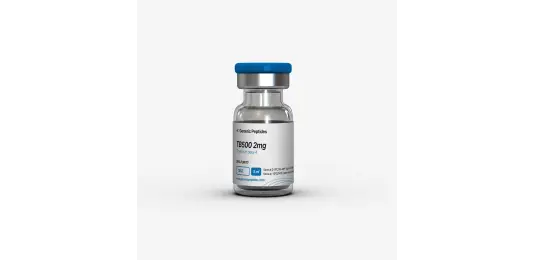
TB-500 (Thymosin Beta-4 Fragment): The Synthetic Wound-Healing Peptide With July 23, 2026 PCAC Review and the Critical Distinction From Full Thymosin Beta-4 Clinical Evidence
By Medical Team of Generic Peptides
TB-500 is a synthetic peptide representing the active region fragment of thymosin beta-4 (Tβ4), the naturally occurring 43-amino-acid protein found in essentially all human cells with particular concentration in platelets, leukocytes, and tissues undergoing repair or regeneration. The synthetic fragment is typically supplied as a 17-amino-acid sequence (LKKTETQEKNPLPSKETIEQEKQAGES or related sequences depending on manufacturer specifications) corresponding to the actin-binding domain that mediates Tβ4's primary biological activity. Molecular weight varies by specific fragment but typically ranges 889-2000 Da. The compound's plasma half-life of approximately 2-4 days substantially exceeds the ~2-hour half-life of full-length Tβ4, providing operational advantages for therapeutic protocols requiring sustained tissue exposure to actin-modulating activity.
The most important distinction in any honest discussion of TB-500 involves the relationship between the synthetic fragment marketed as TB-500 and the full-length thymosin beta-4 protein that has actually been studied in human clinical trials. RegeneRx Biopharmaceuticals developed RGN-259 (full-length recombinant thymosin beta-4) and conducted Phase II clinical trials for dry eye disease (corneal wound healing applications), venous stasis ulcer treatment (73-patient trial showing approximately 25% complete healing at 3 months), and cardiac ischemia applications. These human clinical trials used the full 43-amino-acid Tβ4 protein, not the TB-500 fragment that's available through compounding pharmacy and research-chemical channels. Whether the synthetic TB-500 fragment shares identical pharmacology, purity, or efficacy with the full-length molecule that produced the clinical trial findings hasn't been directly validated through head-to-head human comparison. The peptide list industry analysis from 2026 explicitly states: "TB-500 is typically a synthetic fragment marketed as representing the active region of thymosin beta-4, not full-length TB-4. The human clinical trial data was largely performed with full-length recombinant TB-4, and products sold as TB-500 cannot be assumed to share identical pharmacology, purity, or efficacy."
The 2026 regulatory situation represents the most favorable trajectory available among peptides covered in this article series. TB-500 was placed on FDA Category 2 in September 2023 as part of the 19-peptide action affecting compounding pharmacy availability. On April 15, 2026, FDA published its 503A Category revision removing twelve peptides from Category 2 effective April 22, 2026 — TB-500 was among the compounds removed. The April 16, 2026 Federal Register notice (Docket FDA-2025-N-6895) announced the July 23-24, 2026 PCAC meeting at FDA's White Oak Campus in Silver Spring, Maryland. TB-500 is scheduled for review on Day 1 (July 23, 2026) alongside BPC-157, KPV, and MOTS-c. The specific therapeutic indication under FDA evaluation is wound healing — the application best supported by the underlying Tβ4 mechanism research and the RegeneRx clinical trial data. Both free base and acetate forms will be evaluated for potential 503A bulks list inclusion. The public docket is open for comments until July 9, 2026, with the final docket closing July 22, 2026.
I'll be direct about my assessment of TB-500 from the start. The compound has substantial preclinical research base demonstrating actin sequestration mechanism, wound healing acceleration in animal models, anti-inflammatory effects, and pro-angiogenic effects. The full-length Tβ4 has Phase II human clinical trial evidence for venous ulcer healing and corneal wound healing. The favorable July 2026 PCAC trajectory may produce regulatory clarity through 503A bulks list inclusion if PCAC recommends favorably and FDA proceeds with formal rulemaking. The compound has accumulated decades of off-label clinical use particularly in sports medicine, orthopedic recovery, and integrative pain management contexts. The honest limitations are substantial. The TB-500 fragment that's actually marketed and used clinically isn't the same molecule as the full Tβ4 that produced the cited clinical trial evidence — the synthetic fragment lacks direct human clinical validation despite the substantial preclinical research. The full Tβ4 Phase II program at RegeneRx didn't progress to Phase III approval despite encouraging findings, leaving the human evidence base limited. The cell migration, angiogenesis, and tissue proliferation effects raise theoretical cancer-relevant concerns that warrant clinical attention. The veterinary use in racehorses (where TB-500 has been used for years for tendon and muscle injury recovery) provides limited extrapolation to human clinical applications.
This article walks through what TB-500 actually is and how it relates to full thymosin beta-4, the actin sequestration mechanism that produces the biological activity, the substantial preclinical evidence base with the critical distinction from full Tβ4 clinical trial findings, the favorable July 23, 2026 PCAC review and its potential to reshape regulatory positioning, the safety profile from accumulated off-label clinical experience, and how to think about TB-500 decisions given the operational realities including the regulatory uncertainty and the synthetic fragment versus full-length molecule distinction.
What TB-500 Is
TB-500's relationship to thymosin beta-4 deserves careful treatment because the naming and structural relationships matter for understanding what the compound actually is and what evidence applies to it.
The endogenous biology starts with thymosin beta-4 (Tβ4), a 43-amino-acid naturally occurring peptide that's among the most abundant proteins in most mammalian cells. Tβ4 was originally isolated from bovine thymus tissue in the 1970s by Allan Goldstein's research group, with subsequent characterization establishing its role as the major intracellular G-actin sequestering peptide. Tβ4 is found in particularly high concentrations in platelets (releasing during clot formation and tissue damage response), in wound exudates (where it accumulates during healing), in cardiac tissue undergoing repair, in corneal epithelium during regeneration, and in various other tissues responding to injury or developmental processes. The protein's broad distribution and elevated expression at sites of repair drove substantial research interest in its therapeutic applications.
Tβ4's biological activity centers on its actin sequestration function. The peptide binds monomeric G-actin (globular actin, the building block of F-actin filaments) with high affinity, regulating the equilibrium between G-actin and F-actin polymerization that's essential for cell motility, division, and various cytoskeletal processes. By sequestering G-actin, Tβ4 modulates the actin polymerization dynamics that drive cell migration, wound healing, and tissue repair processes.
The TB-500 nomenclature typically refers to a synthetic peptide representing the active region of Tβ4. Different manufacturers use slightly different fragment lengths and sequences, but the core structural element involves the actin-binding domain that mediates the primary biological activity of full Tβ4. The most commonly supplied TB-500 fragment is approximately 17 amino acids representing the central actin-binding region. Some commercial preparations use slightly longer or shorter fragments depending on manufacturer specifications.
The relationship between TB-500 fragment and full Tβ4 involves several genuinely important distinctions. First, the actin-binding activity is preserved in the fragment — this is the foundational mechanistic rationale for using the synthetic fragment as a Tβ4 substitute. Second, the longer half-life (approximately 2-4 days for TB-500 versus ~2 hours for full Tβ4) provides operational advantages for therapeutic protocols. Third, the manufacturing simplicity of producing a 17-amino-acid synthetic peptide compared to a 43-amino-acid recombinant protein has substantial commercial implications, making TB-500 fragment substantially less expensive than full-length recombinant Tβ4 would be. Fourth, and critically, the regulatory and clinical evidence pathways for the synthetic fragment versus full-length recombinant Tβ4 are fundamentally different — the human clinical trials cited as supporting "TB-500" almost universally used full Tβ4 (specifically RegeneRx's RGN-259), not the fragment.
The compound is supplied as lyophilized white powder for reconstitution with bacteriostatic water before subcutaneous or intramuscular injection. Standard research-grade TB-500 is supplied in 2-10 mg vials. The pharmaceutical-grade material had been available through compounding pharmacy channels prior to September 2023, with quality varying among manufacturers but high-purity material accessible through legitimate channels. After the FDA Category 2 placement, compounding pharmacy access ended and the compound has existed primarily through research-chemical channels with the standard quality control concerns.
The naming convention varies in different contexts. TB-500 (research/clinical name), Thymosin Beta-4 Fragment, Tβ4 fragment, and various commercial designations refer to the synthetic fragment. RGN-259 specifically refers to RegeneRx's full-length recombinant Tβ4 used in their clinical development program. Distinguishing between these compounds is important because the evidence base, regulatory positioning, and pharmacological characterization differ substantially.
TB-500 Mechanism of Action
The mechanism is well-characterized through extensive Tβ4 research and reflects the actin sequestration activity of the parent compound preserved in the synthetic fragment.
TB-500's primary mechanism involves G-actin sequestration. The peptide binds monomeric G-actin (globular actin) with stoichiometry of one TB-500/Tβ4 molecule per actin monomer. This binding regulates the G-actin/F-actin polymerization equilibrium that's essential for cell motility, division, and cytoskeletal dynamics. By providing a buffer of sequestered G-actin available for rapid F-actin polymerization at the leading edge of migrating cells, Tβ4/TB-500 supports the cellular migration that drives wound healing, tissue repair, and various other cellular processes.
The downstream cellular effects include several distinct biological activities supported by actin dynamics modulation. Cell migration enhancement occurs through optimized G-actin availability for F-actin polymerization at lamellipodia. Fibroblast migration to wound sites is accelerated, supporting collagen deposition and granulation tissue formation. Endothelial cell migration drives angiogenesis (new blood vessel formation), supporting tissue repair through enhanced vascular network development. Keratinocyte migration accelerates re-epithelialization in skin and corneal wounds. Stem cell mobilization to sites of injury supports repair through endogenous progenitor cell recruitment.
The anti-inflammatory effects of TB-500 are well-documented in preclinical models. The compound suppresses inflammatory cytokine production (TNF-α, IL-1β, IL-6 reductions in various injury models), modulates macrophage polarization toward M2 anti-inflammatory phenotype, reduces neutrophil infiltration and chemokine production at injury sites, and supports resolution of inflammation through coordinated effects on multiple inflammatory pathways. The anti-inflammatory profile complements the pro-repair effects, supporting tissue regeneration without the chronic inflammation that can produce fibrotic scarring.
The pro-angiogenic effects involve TB-500's stimulation of vascular endothelial growth factor (VEGF) production and direct effects on endothelial cell migration, proliferation, and tube formation. The Phil et al. 2004 paper in Mechanisms of Ageing and Development documented Tβ4's role in promoting angiogenesis, wound healing, and hair follicle development. The pro-angiogenic effects are particularly important for chronic wound healing applications where tissue ischemia limits repair capacity.
The anti-apoptotic effects support cell survival in stressed tissue contexts. Tβ4 modulates the Bcl-2/Bax ratio toward survival, suppresses caspase activation in apoptotic cascades, and provides cytoprotection against various injury stimuli including oxidative stress, ischemia-reperfusion injury, and inflammatory damage. These effects are particularly relevant for cardiac repair applications where cardiomyocyte survival in ischemic conditions is therapeutically important.
Cardiac repair research has documented Tβ4's effects on cardiac stem cell mobilization, cardiomyocyte survival in ischemic conditions, coronary vascular development, and myocardial regeneration following infarction. These effects formed the basis for Tβ4's clinical investigation in cardiac applications. Animal models of myocardial infarction have shown improved left ventricular function with Tβ4 administration, though clinical translation hasn't proceeded to FDA-approved cardiac indications.
Neurogenesis and neural repair effects have been documented in stroke and traumatic brain injury models. Xiong, Mahmood, Meng et al. 2011 paper in Journal of Neurosurgery characterized Tβ4 effects in rat traumatic brain injury models. Morris, Chopp, Zhang et al. 2010 paper in Annals of the New York Academy of Sciences examined Tβ4 as candidate stroke treatment. These applications represent extension of the basic actin biology to neural repair contexts.
Hair follicle effects include support of hair growth through cellular migration and proliferation effects on hair follicle stem cells. The Gao et al. 2015 paper in PLoS ONE documented Tβ4 effects on mouse hair growth. These effects have generated some interest in cosmetic and dermatological applications.
The pharmacokinetic profile reflects the structural differences between TB-500 fragment and full-length Tβ4. TB-500's longer half-life (2-4 days versus ~2 hours for full Tβ4) reflects the simpler structure being less subject to certain proteolytic degradation pathways, plus pharmaceutical formulation considerations. After subcutaneous administration, peak plasma concentrations occur within hours, with sustained tissue exposure persisting for days. The pharmacokinetic profile supports the typical clinical protocols of twice-weekly loading doses followed by weekly maintenance, allowing sustained therapeutic effect with practical dosing intervals.
TB-500 vs Full Thymosin Beta-4: The Critical Evidence Distinction
This distinction deserves dedicated treatment because it fundamentally affects how to interpret the clinical evidence base for TB-500.
The full-length thymosin beta-4 has been the subject of substantial human clinical trials through RegeneRx Biopharmaceuticals' development program for the recombinant compound RGN-259. These trials represent the strongest human clinical evidence for any thymosin beta-4-related therapeutic application.
The dry eye disease Phase II trials evaluated topical RGN-259 (full Tβ4) for ocular surface disease applications. Multiple Phase II studies showed improvements in signs and symptoms of dry eye including improved corneal staining, increased tear production, and reduced ocular discomfort. The corneal wound healing applications represent a well-characterized Tβ4 research area, with evidence for accelerated re-epithelialization and reduced scarring documented in multiple studies. Sosne et al. 2002 paper in Experimental Eye Research documented Tβ4 promotion of corneal wound healing and decreased inflammation in vivo following alkali injury.
The venous stasis ulcer Phase II trial enrolled 73 patients with chronic venous ulcers refractory to standard care. Topical RGN-259 (full Tβ4) was applied to ulcer sites with healing assessed at 3 months. Approximately 25% of treated patients achieved complete ulcer healing — meaningful results in a difficult clinical population. The encouraging Phase II findings supported continued development interest, though Phase III progression didn't follow.
The cardiac ischemia program investigated full Tβ4 for myocardial infarction and cardiac repair applications. Various early-phase studies documented safety and exploratory efficacy parameters, supporting the continued research interest in cardiac applications.
The crucial evidentiary point: these human clinical trials used the full 43-amino-acid recombinant Tβ4 protein (RGN-259), not the TB-500 synthetic fragment. The synthetic TB-500 fragment that's available through compounding pharmacy and research-chemical channels has not been the subject of equivalent human clinical trials. Whether the fragment shares identical pharmacology, purity, efficacy, and safety profile with the full-length molecule that produced the clinical trial findings hasn't been directly validated through head-to-head human comparison.
Mechanistically, the rationale for the fragment retaining the parent compound's biological activity centers on the actin-binding domain being preserved in the fragment. The G-actin sequestration activity, which is the foundational mechanism for Tβ4's biological effects, has been demonstrated for both full Tβ4 and the synthetic fragment. Cell culture and animal studies have shown overlapping biological activities between full Tβ4 and the fragment in various tissue repair, anti-inflammatory, and angiogenesis assays.
The honest framing for users and clinicians evaluating TB-500: the compound is a synthetic fragment that mechanistically retains Tβ4's actin-binding activity, has substantial preclinical evidence base supporting biological activity, and is mechanistically related to a parent compound (full Tβ4) that has Phase II human clinical evidence for several therapeutic indications. However, the synthetic fragment specifically lacks direct human clinical validation, and conclusions about TB-500's therapeutic efficacy in humans involve extrapolation from full Tβ4 clinical data plus the substantial preclinical research base. Whether this extrapolation is valid depends on the synthetic fragment retaining the full molecule's clinical pharmacology in ways that haven't been directly tested.
TB-500 Preclinical Evidence Base
The preclinical evidence base for TB-500 fragment and full Tβ4 includes extensive animal and cell culture research spanning multiple therapeutic application areas.
Wound healing research has been the most extensively developed application. Multiple animal models including burn injury, surgical wound, diabetic ulcer, and pressure ulcer have documented accelerated healing with TB-500 administration. Malinda, Sidhu, Mani et al. published foundational research on Tβ4 acceleration of wound healing showing both surface area reduction and quality of healing improvements. The wound healing acceleration involves multiple mechanisms — enhanced cell migration to wound sites, promoted angiogenesis supporting tissue repair, anti-inflammatory effects reducing scarring, and improved re-epithelialization supporting wound closure.
Cardiac research has documented Tβ4 effects in myocardial infarction models. Bock-Marquette and colleagues published extensive cardiac research demonstrating Tβ4 effects on cardiac stem cell mobilization and cardiomyocyte survival. The Maar, Hetenyi, Maar et al. 2021 paper in Cells examined Tβ4's potential role in regenerative anti-aging therapies including cardiac applications. The cardiac research has been substantial but hasn't translated to FDA-approved cardiac indications.
Corneal wound healing represents one of the best-characterized TB-4 research areas with research demonstrating accelerated re-epithelialization and reduced scarring in alkali burn, diabetic keratopathy, and surgical wound models. The well-developed corneal evidence base supported the RegeneRx dry eye disease clinical program.
Hair growth applications have been investigated based on Tβ4's effects on hair follicle stem cell biology. The Gao et al. 2015 paper in PLoS ONE documented Tβ4 induction of hair growth in mouse models, with implications for cosmetic and dermatological applications.
Stroke and traumatic brain injury research has shown neuroprotective effects of Tβ4 administration in animal models. Xiong et al. 2011 J Neurosurg paper, Morris et al. 2010 paper, and various subsequent research established Tβ4 as candidate for cerebrovascular and traumatic brain injury applications.
Tendon and ligament repair research has shown effects of TB-500 on tendon cell migration, collagen production, and tendon healing in animal models. These applications align with the off-label sports medicine and orthopedic recovery contexts where TB-500 has accumulated substantial use.
Veterinary applications in racehorses represent substantial real-world experience with TB-500 in tendon and muscle injury recovery contexts. The compound has been used for years in equine sports medicine for racing-related injuries, with documented favorable outcomes in field practice. While veterinary experience doesn't substitute for human clinical evidence, the accumulated equine use provides indirect data on safety and effectiveness in mammalian musculoskeletal repair contexts.
Cell culture research has characterized TB-500/Tβ4 effects across multiple cell types. Crockford, Turjman, Allan et al. 2010 paper in Annals of the New York Academy of Sciences provided comprehensive structure, function, and biological properties review. Philp, Goldstein, Kleinman et al. 2004 paper in Mechanisms of Ageing and Development documented angiogenesis, wound healing, and hair follicle development effects.
The 2024 Rahaman et al. paper in Journal of Chromatography B used UHPLC-Q-Exactive orbitrap MS/MS to quantify TB-500 and metabolites in vitro and in rats while screening wound healing activities — modern methodological characterization of the synthetic fragment specifically rather than full Tβ4.
What the preclinical evidence supports with reasonable confidence: TB-500 produces actin sequestration effects through binding monomeric G-actin; the compound supports cell migration, anti-inflammatory effects, and angiogenesis in animal models; wound healing acceleration is documented across multiple animal models; the longer half-life of the synthetic fragment provides operational advantages over full Tβ4 for therapeutic protocols; the safety profile in animal studies is generally favorable.
What the preclinical evidence supports less robustly: specific therapeutic efficacy in humans (the human clinical evidence is for full Tβ4, not the synthetic fragment); long-term safety in extended human use (the off-label clinical experience hasn't been systematically characterized); precise effect magnitudes for specific clinical applications; specific dosing protocols optimal for different indications.
TB-500 Regulatory Status: The July 23, 2026 PCAC Review
The regulatory situation for TB-500 in 2026 reflects the favorable trajectory through formal PCAC review with potential 503A bulks list inclusion.
TB-500 was placed on FDA Category 2 in September 2023 as part of the 19-peptide action affecting compounding pharmacy availability. The Category 2 placement effectively ended legitimate compounding pharmacy access for TB-500 in the United States, displacing demand to research-chemical channels with the standard quality concerns.
The April 15, 2026 FDA 503A Category revision removed TB-500 from Category 2 effective April 22, 2026, alongside eleven other peptides being moved to formal PCAC review. The April 16, 2026 Federal Register notice (FR Doc 2026-07361, signed by Grace R. Graham, FDA Deputy Commissioner for Policy, Legislation, and International Affairs) announced the July 23-24, 2026 PCAC meeting at FDA's White Oak Campus in Silver Spring, Maryland. The meeting includes virtual attendance options and structured public comment opportunities through the FDA-2025-N-6895 docket.
On Day 1 of the meeting (July 23, 2026), the Committee will discuss four peptide groups: BPC-157-related bulk drug substances (free base and acetate forms for ulcerative colitis indication), KPV-related bulk drug substances (free base and acetate forms for wound healing and inflammatory conditions), MOTs-C-related bulk drug substances (free base and acetate forms for obesity and osteoporosis indications), and TB-500-related bulk drug substances (TB-500 free base and TB-500 acetate) for the wound healing indication.
The PCAC review process involves formal evaluation of four factors per FDA standard procedure: physical and chemical characterization of the substance; safety issues raised by using the substance in compounding; available evidence of effectiveness for the use; and historical use of the substance in compounding, including the medical condition being treated and references in the medical literature. For TB-500, the wound healing indication evaluation will need to address the synthetic fragment versus full Tβ4 evidence distinction — whether the fragment-specific evidence (largely preclinical) is sufficient to support 503A bulks list inclusion, or whether the full Tβ4 clinical evidence (Phase II venous ulcer trial) provides relevant supporting evidence by extension.
The favorable trajectory factors for TB-500 include the substantial preclinical wound healing evidence with multiple animal models and mechanistic characterization, the relevant Phase II clinical evidence for full Tβ4 in venous stasis ulcer healing supporting the wound healing indication, the accumulated decades of off-label clinical experience that haven't generated significant safety signals, the current Kennedy administration's specific commitment to peptide reclassification supporting favorable regulatory environment, and the active PCAC review pathway with Day 1 review (typically considered the more favored review day for compounds with stronger evidence support).
The unfavorable trajectory factors include the synthetic fragment versus full Tβ4 distinction that may complicate evaluation of clinical evidence applicability, the absence of direct Phase III human clinical validation for the wound healing indication (Phase II in ulcer healing didn't progress to Phase III), the theoretical cancer-relevant concerns from cell migration and angiogenesis effects, and the historical PCAC pattern of voting against peptide compounds in 2024 reviews under different administration leadership (though current administration is more favorable).
The procedural pathway forward involves several distinct steps. The PCAC's recommendation is non-binding — the committee provides advisory input but doesn't make final regulatory decisions. After the meeting, FDA evaluates the recommendation alongside its own analysis and determines whether to add TB-500 to the 503A bulks list. Even if PCAC recommends inclusion and FDA agrees, formal notice-and-comment rulemaking is required before TB-500 becomes legally available for compounding under Section 503A. This rulemaking process typically takes more than a year under standard timelines.
The current operational reality is that TB-500 doesn't have legitimate compounding pharmacy access pathway in the United States despite the April 2026 removal from Category 2. The removal eliminated the active "do not compound" flag but didn't establish affirmative permission. Compounding pharmacies cannot prepare TB-500 for patient use because the compound isn't yet on the 503A bulks list, doesn't have USP/NF monograph, and isn't a component of an FDA-approved drug. Patients seeking TB-500 in the US typically obtain it through research-chemical channels with the standard quality control concerns affecting the broader peptide gray market.
For sports anti-doping, TB-500 is prohibited by WADA under category S2 (Peptide Hormones, Growth Factors, Related Substances, and Mimetics). Prohibited at all times, in and out of competition. Detection methods are validated at WADA-accredited laboratories with specific techniques for TB-500 and Tβ4-related compounds. Athletes subject to WADA testing should not use TB-500.
The Department of Defense Operation Supplement Safety has issued advisories regarding tissue repair peptides including TB-500 for military service members.
In international markets, TB-500 doesn't have specific regulatory approval in major pharmaceutical jurisdictions. Research-chemical-grade material is accessible through international research supply channels with the typical quality variability concerns affecting research-grade peptide markets.
TB-500 Safety Profile
The safety profile for TB-500 is characterized through extensive preclinical animal studies, the full Tβ4 Phase II clinical experience (with the caveats about applicability to synthetic fragment), accumulated decades of off-label clinical use, and substantial veterinary use experience particularly in racehorses. The accumulated evidence supports a generally favorable safety profile with specific theoretical concerns warranting clinical attention.
Common reported effects in clinical use include injection site reactions (typically mild redness or tenderness, occasional bruising), occasional mild headache during initial treatment phases, occasional mild fatigue or sleep changes, and mild transient effects that users variously attribute to the cellular activity changes. These side effects are typically mild and rarely lead to treatment discontinuation in clinical practice.
The full Tβ4 Phase II human clinical experience documented favorable safety profile in dry eye disease, venous ulcer, and cardiac applications. No major safety signals emerged from the controlled clinical trials, supporting the favorable safety expectations for the related synthetic fragment.
The veterinary use in racehorses provides substantial real-world experience with TB-500 in mammalian musculoskeletal repair contexts. The accumulated equine use over more than two decades hasn't generated documented major safety concerns, supporting cross-species safety extrapolation though with the caveats of inter-species pharmacological differences.
The theoretical cancer-relevant concerns deserve specific attention. TB-500's mechanisms — cell migration enhancement, angiogenesis promotion, and tissue proliferation effects — overlap with cellular processes involved in tumor growth and metastasis. Tβ4 expression has been documented as elevated in some tumor types, and the mechanistic overlap with cancer biology raises theoretical concerns about TB-500 use in patients with active cancer or significant cancer risk factors. The clinical evidence directly addressing TB-500/cancer interaction in human contexts is limited, but conservative practice typically involves screening for malignancy before TB-500 therapy initiation and avoiding the compound in patients with untreated cancers.
Long-term safety in extended use is supported by accumulated clinical experience but hasn't been characterized through dedicated multi-year prospective studies at modern pharmaceutical safety standards. The off-label patient population using TB-500 has generally been younger, healthier, and at lower cardiovascular and cancer risk than typical pharmaceutical trial populations, which may explain the absence of widespread safety signals without resolving long-term safety questions.
The substantial uncertainty about TB-500 quality from research-chemical sources adds practical safety dimensions. Independent testing of research-chemical peptide products has documented variable purity, incorrect potency, and occasional contamination across different suppliers. Patients obtaining TB-500 through gray market channels face uncertainty not just about pharmacology but about whether the product actually contains what the label claims at the claimed potency.
The pharmacokinetic considerations include the longer half-life (2-4 days) producing sustained tissue exposure that has both therapeutic advantages and safety implications. The sustained exposure means accumulation effects with repeated dosing are meaningful, and effects don't rapidly clear if discontinuation is needed for adverse effects management.
Drug interactions involve standard considerations. Anticoagulants warrant attention given Tβ4's role in tissue repair and potential effects on coagulation pathways, though specific clinical concerns haven't been well-characterized. Cancer treatments are particularly important given the theoretical concerns about cellular proliferation and migration. Other anabolic compounds (BPC-157 commonly stacked with TB-500 for injury recovery, GH secretagogues, anabolic steroids) are operationally relevant for understanding cumulative tissue repair signaling.
Contraindications include active cancer or recent cancer history (substantial concern given mechanism), significant cancer risk factors (family history of cancer, BRCA mutations, other genetic predispositions), pregnancy and breastfeeding (no safety data), pediatric populations except in supervised research contexts, severe hepatic or renal dysfunction, hypersensitivity to peptide preparations, and competitive athletes subject to WADA testing.
Who Uses TB-500 and How It Compares to Alternatives
The user base for TB-500 in 2026 reflects predominantly its role in injury recovery, sports medicine, and orthopedic applications where the actin-modulating mechanism aligns with tissue repair goals.
Athletes and active individuals seeking injury recovery represent the largest off-label user population. TB-500 has accumulated decades of use in sports medicine contexts for tendon injuries, muscle strains, ligament damage, and various soft tissue conditions. The mechanism through enhanced cell migration and tissue repair aligns with the clinical goals in these contexts. Athletes outside WADA-tested contexts use TB-500 freely for injury recovery; WADA-tested athletes are explicitly prohibited.
Patients with chronic wound conditions including venous stasis ulcers, diabetic ulcers, pressure ulcers, and post-surgical wound complications use TB-500 based on the wound healing mechanism and the related Phase II evidence for full Tβ4. The clinical positioning here is most directly supported by available evidence given the wound healing indication that's under FDA review.
Patients with orthopedic injuries including rotator cuff tears, achilles tendon injuries, patellar tendinopathy, and various joint conditions use TB-500 in integrative orthopedic and sports medicine practice contexts. The CMC-1295/Ipamorelin Duo-Blend combination with TB-500 (sometimes with BPC-157) has been a popular protocol in pre-2023 compounding pharmacy practice for comprehensive injury recovery.
Patients with chronic pain conditions sometimes use TB-500 for the anti-inflammatory and tissue repair effects relevant to chronic musculoskeletal pain. The evidence for this application is more limited than for acute injury recovery, but the mechanism provides plausible rationale.
Anti-aging and longevity-focused patients use TB-500 in functional medicine practice contexts for general tissue maintenance and repair support. This application is operationally challenging given the regulatory situation and quality concerns.
Veterinary applications continue substantial in equine sports medicine for racehorse injury recovery — providing parallel mammalian use experience that doesn't directly apply to human clinical decisions but supports cross-species safety expectations.
The relevant comparisons in 2026:
BPC-157 (Body Protective Compound, covered separately in this article series) shares the wound healing and tissue repair therapeutic positioning. Different mechanism (BPC-157 acts through nitric oxide pathway, growth factor receptor effects, and other mechanisms distinct from Tβ4's actin sequestration). Also on July 23, 2026 PCAC agenda for ulcerative colitis indication. The two compounds are commonly combined in injury recovery protocols (BPC-157 + TB-500 stack) for synergistic effects through complementary mechanisms.
Full thymosin beta-4 (RGN-259, RegeneRx Biopharmaceuticals) is the FDA investigational product in clinical development, not currently FDA-approved for any indication. The full molecule has stronger human clinical evidence than the synthetic fragment but isn't accessible through compounding pharmacy channels — patients can't substitute RGN-259 for TB-500 since the full molecule isn't commercially available.
Platelet-rich plasma (PRP) injections provide alternative tissue repair therapy with autologous growth factor delivery. Different mechanism (delivering patient's own growth factors rather than synthetic peptide). FDA-regulated as biologics with substantial clinical evidence base in some applications. For specific orthopedic indications, PRP represents established alternative with regulatory legitimacy that TB-500 currently lacks.
Stem cell injections (mesenchymal stem cell preparations) provide another tissue repair pathway with different mechanism and regulatory positioning. Various FDA-approved and investigational stem cell products exist for specific clinical applications.
Hyaluronic acid injections provide intra-articular tissue support through different mechanism. FDA-approved for osteoarthritis indications.
Conventional treatments including physical therapy, anti-inflammatory medications, corticosteroid injections, and surgical interventions remain the standard of care for most acute injury and chronic wound conditions. TB-500 represents adjunctive or alternative approach rather than replacement for established treatments.
For patients in 2026 considering TB-500, the decision framework typically involves matching the specific tissue repair indication to the available evidence and regulatory pathway. Patients with non-healing chronic wounds, refractory injury recovery, or specific clinical contexts where the mechanism aligns with goals have a defensible mechanistic and limited clinical evidence rationale. The favorable July 2026 PCAC trajectory may provide regulatory clarity that supports broader legitimate access if the review proceeds favorably.
Honest Assessment of TB-500 in 2026
I'll be direct about TB-500's positioning in current practice.
The compound has substantial preclinical research base demonstrating actin sequestration mechanism, wound healing acceleration, anti-inflammatory effects, and pro-angiogenic effects. The mechanistic relationship to full thymosin beta-4 (which has Phase II human clinical evidence in venous ulcer healing and dry eye disease) provides credible basis for therapeutic applications in tissue repair contexts. The accumulated decades of off-label clinical experience particularly in sports medicine, orthopedic recovery, and chronic wound care contexts haven't generated significant safety signals at the level that would warrant restrictive regulatory action. The favorable July 23, 2026 PCAC trajectory provides the most favorable regulatory pathway available among peptides covered in this article series.
The honest limitations involve specific operational considerations that warrant clinical attention. The synthetic fragment marketed as TB-500 isn't the same molecule as the full thymosin beta-4 that produced the cited human clinical trial evidence — extrapolation from RegeneRx's RGN-259 Phase II trials to TB-500 fragment efficacy involves assumptions that haven't been directly validated through head-to-head human studies. The full Tβ4 Phase II clinical program didn't progress to Phase III approval despite encouraging findings, leaving the human evidence base incomplete for either the full molecule or fragment. The theoretical cancer-relevant concerns from cell migration and angiogenesis effects warrant clinical attention particularly in patients with cancer history or risk factors. The 4-day half-life with sustained tissue exposure means accumulation effects with repeated dosing are meaningful and adverse effects don't rapidly clear with discontinuation. The current regulatory limbo before potential July 2026 PCAC favorable disposition means legitimate compounding pharmacy access isn't currently available.
What's genuinely uncertain about TB-500 in 2026 includes the outcome of the July 23, 2026 PCAC review (whether the committee will recommend favorable disposition for the wound healing indication), whether subsequent FDA action will produce 503A bulks list inclusion (PCAC recommendation is non-binding and final FDA action requires formal rulemaking), how long the post-PCAC regulatory pathway will take if the review is favorable (typical timeline 12+ months for notice-and-comment rulemaking), whether the synthetic fragment's pharmacology truly matches full Tβ4's clinical effects in human contexts that haven't been directly studied, and whether long-term safety in extended human use will produce unexpected signals beyond what current clinical experience has characterized.
For patients navigating TB-500 decisions, the framing reflects the compound's specific positioning. Patients with acute injuries seeking enhanced recovery support have a defensible mechanistic rationale through TB-500's actin-modulating effects, recognizing that the clinical evidence is largely preclinical and that the synthetic fragment isn't identical to the full Tβ4 that produced human clinical trial findings. Patients with chronic non-healing wounds have the most evidence-supported clinical application given the related Phase II venous ulcer trial findings for full Tβ4, though the synthetic fragment versus full molecule distinction warrants explicit acknowledgment. Patients with cancer history or significant cancer risk factors should approach TB-500 with appropriate caution given the theoretical cellular proliferation and migration concerns. Patients pursuing general anti-aging or wellness goals have less specific medical rationale and should weigh the regulatory uncertainty and quality concerns about gray market access more heavily.
TB-500's place in the broader peptide therapy landscape represents the most favorable regulatory trajectory currently available among peptides covered in this article series. The favorable July 2026 PCAC review combined with substantial preclinical evidence base, related Phase II clinical evidence for full Tβ4, and accumulated decades of off-label clinical experience without significant safety signals positions TB-500 as a strong candidate for eventual 503A bulks list inclusion if the regulatory process proceeds favorably. The compound demonstrates how peptide therapy compounds can advance through formal regulatory review when substantial preclinical evidence base aligns with current administration priorities for peptide reclassification.
The next 12-24 months will produce critical regulatory developments. The July 23, 2026 PCAC review will provide formal advisory committee evaluation of the wound healing indication. Subsequent FDA action (whether following PCAC recommendation favorably or unfavorably) will determine the procedural pathway forward. If positive PCAC recommendation leads to 503A bulks list inclusion through formal rulemaking, TB-500 could become available through legitimate compounding pharmacy channels — representing the most favorable regulatory outcome currently possible. The pharmacological foundation won't change based on regulatory decisions — TB-500 is what it has been: a synthetic peptide fragment of thymosin beta-4 that retains the actin sequestration biological activity, with substantial preclinical evidence base supporting wound healing and tissue repair applications, related Phase II clinical evidence for the parent full molecule, and accumulated decades of off-label clinical experience. Whether the US regulatory pathway clarifies favorably through the July 2026 PCAC review will determine the compound's accessibility for US patients seeking the specific tissue repair effects that distinguish TB-500 from conventional alternatives in the orthopedic, sports medicine, and chronic wound care contexts where the mechanism aligns with clinical goals.
References
[1] Sosne G, Szliter EA, Barrett R, Kernacki KA, Kleinman H, Hazlett LD. Thymosin beta 4 promotes corneal wound healing and decreases inflammation in vivo following alkali injury. Experimental Eye Research. 2002;74(2):293-299. PMID: 11950241. Foundational corneal wound healing research.
[2] Crockford D, Turjman N, Allan C, Angel J. Thymosin beta4: structure, function, and biological properties supporting current and future clinical applications. Annals of the New York Academy of Sciences. 2010;1194:179-189. PMID: 20536466. Comprehensive Tβ4 structure-function review.
[3] Philp D, Goldstein AL, Kleinman HK. Thymosin beta 4 promotes angiogenesis, wound healing, and hair follicle development. Mechanisms of Ageing and Development. 2004;125(2):113-115. PMID: 15037011. Foundational angiogenesis and wound healing research.
[4] Malinda KM, Sidhu GS, Mani H, Banaudha K, Maheshwari RK, Goldstein AL, Kleinman HK. Thymosin beta4 accelerates wound healing. Journal of Investigative Dermatology. 1999;113(3):364-368. PMID: 10469335. Foundational wound healing acceleration research.
[5] Xiong Y, Mahmood A, Meng Y, Zhang Y, Zhang ZG, Morris DC, Chopp M. Treatment of traumatic brain injury with thymosin β4 in rats. Journal of Neurosurgery. 2011;114(1):102-115. PMID: 20486892. TBI applications research.
[6] Morris DC, Chopp M, Zhang L, Zhang ZG. Thymosin beta4: a candidate for treatment of stroke? Annals of the New York Academy of Sciences. 2010;1194:112-117. Stroke treatment candidate research.
[7] Maar K, Hetenyi R, Maar S, Faskerti G, Hanna D, Lippai B, Takatsy A, Bock-Marquette I. Utilizing Developmentally Essential Secreted Peptides Such as Thymosin Beta-4 to Remind the Adult Organs of Their Embryonic State—New Directions in Anti-Aging Regenerative Therapies. Cells. 2021;10(6):1343. PMID: 34072225. Recent regenerative therapy review.
[8] Rahaman KA, Muresan AR, Min H, Son J, Han H, Kang M, Kwon O. Simultaneous quantification of TB-500 and its metabolites in in-vitro experiments and rats by UHPLC-Q-Exactive orbitrap MS/MS and their screening by wound healing activities in-vitro. Journal of Chromatography B. 2024;1235:124033. Modern pharmacokinetic and metabolite characterization for synthetic fragment specifically.
[9] Gao X, Liang H, Hou F, Zhang Z, Nuo M, Guo X, Liu D. Thymosin Beta-4 Induces Mouse Hair Growth. PLoS ONE. 2015;10(6):e0130040. PMID: 26043276. Hair growth research.
[10] Song K, Han H, Kim S, Kwon J. Thymosin beta 4 attenuates PrP(106-126)-induced human brain endothelial cells dysfunction. Brain endothelial protection research.
[11] Bock-Marquette I, Saxena A, White MD, Dimaio JM, Srivastava D. Thymosin beta4 activates integrin-linked kinase and promotes cardiac cell migration, survival and cardiac repair. Nature. 2004;432(7016):466-472. PMID: 15565145. Foundational cardiac repair research.
[12] Goldstein AL, Hannappel E, Sosne G, Kleinman HK. Thymosin β4: a multi-functional regenerative peptide. Basic properties and clinical applications. Expert Opinion on Biological Therapy. 2012;12(1):37-51. PMID: 22074294. Comprehensive Tβ4 review including clinical applications.
[13] U.S. Food and Drug Administration. Certain Bulk Drug Substances for Use in Compounding that May Present Significant Safety Risks. September 29, 2023 placement of nineteen peptides on Category 2; April 15, 2026 revision removing twelve peptides including TB-500 effective April 22, 2026. https://www.fda.gov/drugs/human-drug-compounding/certain-bulk-drug-substances-use-compounding-may-present-significant-safety-risks.
[14] U.S. Food and Drug Administration. Federal Register Notice of Pharmacy Compounding Advisory Committee Meeting, published April 16, 2026. PCAC meeting scheduled for July 23-24, 2026. TB-500-related bulk drug substances (TB-500 free base and TB-500 acetate) on Day 1 (July 23, 2026) agenda for evaluation in wound healing indication. Docket FDA-2025-N-6895.
[15] U.S. Food and Drug Administration. July 23-24, 2026 Meeting of the Pharmacy Compounding Advisory Committee. Official PCAC meeting documentation.
[16] Kennedy RF Jr. Public statements regarding peptide reclassification, The Joe Rogan Experience #2461, February 27, 2026. TB-500 included among approximately 14 peptides under reclassification consideration.
[17] FDA Law Blog (Hyman Phelps & McNamara). FDA's Pep(tide) Rally! What Compounders and Industry Need to Know. April 2026. Comprehensive analysis of April 2026 503A category revision and PCAC review schedule.
[18] HealingMaps. TB-500 (Thymosin Beta-4 Fragment): The Wound Healing Peptide Explained. April 2026. Coverage of TB-500 PCAC review and clinical evidence base.
[19] Peptides Lab UK. TB-500 and Thymosin Beta-4: A 2026 UK Research Review of Mechanism, Actin Biology and the Regenerative Peptide Evidence Base. 2026 industry analysis emphasizing the synthetic fragment versus full Tβ4 distinction.
[20] World Anti-Doping Agency. The Prohibited List, current edition. TB-500 and thymosin beta-4-related compounds prohibited under S2 (Peptide Hormones, Growth Factors, Related Substances, and Mimetics). Prohibited at all times. https://www.wada-ama.org/en/prohibited-list.
[21] RegeneRx Biopharmaceuticals. Phase II clinical trial program for RGN-259 (full thymosin beta-4) including 73-patient venous stasis ulcer trial with approximately 25% complete healing at 3 months. Dry eye disease, corneal wound healing, and cardiac ischemia investigations. Foundational human clinical evidence for full Tβ4.
[22] Department of Defense Operation Supplement Safety. Advisory pages on tissue repair peptides including TB-500 for service member compliance.
[23] Veterinary use of TB-500 in equine sports medicine. Multi-decade accumulated experience in racehorse injury recovery providing parallel mammalian use evidence.
[24] U.S. Anti-Doping Agency (USADA). Specific anti-doping detection methodologies for TB-500 and Tβ4-related compounds. https://www.usada.org.
[25] Goldstein AL, Hannappel E, Kleinman HK. Thymosin beta4: actin-sequestering protein moonlights to repair injured tissues. Trends in Molecular Medicine. 2005;11(9):421-429. PMID: 16099219. Comprehensive mechanism review providing foundational understanding of Tβ4 biology underlying TB-500 fragment activity.