Tesamorelin: FDA-Approved GHRH Analog With 2025 New Formulation Approval
Tesamorelin (Egrifta / Egrifta SV / Egrifta WR): The FDA-Approved GHRH Analog for HIV-Associated Lipodystrophy With March 2025 New Formulation Approval and Investigational NAFLD Applications
By Medical Team of Generic Peptides
Tesamorelin is a synthetic 44-amino-acid analog of human growth hormone-releasing hormone (GHRH) with a trans-3-hexenoic acid moiety attached to the N-terminal tyrosine residue. The N-terminal modification protects the peptide from cleavage by dipeptidyl peptidase-4 (DPP-4), the enzyme that rapidly degrades native GHRH, extending the plasma half-life from minutes to approximately 26-38 minutes — sufficient for clinically practical once-daily dosing while preserving the pulsatile GH release pattern characteristic of short-acting GHRH analogs. Molecular formula C₂₂₁H₃₆₆N₇₂O₆₇S, molecular weight 5135.86 Da. The compound was originally developed by ConjuChem and subsequently developed and commercialized by Theratechnologies (Montreal, Canada), which holds the current FDA approvals and commercial rights.
Tesamorelin occupies a uniquely defined position among GHRH-related compounds covered in this article series — it is the only full-length GHRH(1-44) analog with FDA approval, distinguishing it from Sermorelin (the truncated GHRH(1-29) analog with prior FDA approval that was discontinued for commercial reasons in 2008) and from the various CJC-1295 forms (Modified GRF 1-29 and CJC-1295 with DAC, both without FDA approval and both having received unfavorable December 2024 PCAC votes). Where the GHRH analog landscape includes multiple compounds with different structural modifications and regulatory positionings, tesamorelin is the only currently-marketed FDA-approved option through legitimate pharmaceutical commercial pathway. The contrast with the gray market for other GHRH-related compounds is genuinely substantial — tesamorelin is the established gold standard for FDA-approved GHRH analog therapy, while alternatives in the GHRH-related space exist primarily through compounding pharmacy or research-chemical channels with various regulatory complications.
The 2025 regulatory and commercial landscape for tesamorelin includes substantial pharmaceutical development activity. On March 25, 2025, FDA approved Theratechnologies' supplemental Biologics License Application (sBLA) for Egrifta WR (F8 formulation) of tesamorelin for injection, providing a more concentrated formulation that requires less than half the injection volume of the previous Egrifta SV (F4) formulation while maintaining bioequivalence to the original F1 formulation. The F8 formulation is 8 times more concentrated than the original Egrifta and 2 times more concentrated than Egrifta SV — the same therapeutic dose delivered in substantially smaller injection volume with the operational advantage of weekly reconstitution rather than daily reconstitution. On April 8, 2025, FDA approved a Prior Approval Supplement (PAS) for Egrifta SV's sBLA, removing regulatory requirements for discretionary product release and allowing Theratechnologies to resume regular distribution of Egrifta SV during the F8 transition. On September 5, 2025, Theratechnologies announced commercial availability of Egrifta WR through specialty pharmacies, beginning the formal market replacement of Egrifta SV. The recommended dosage of Egrifta WR is 1.28 mg (in 0.16 mL of reconstituted solution) administered subcutaneously into the abdomen once daily, with each single-patient-use vial providing 7 consecutive days of doses.
The 2010 FDA approval was based on two pivotal Phase III clinical trials enrolling 816 HIV-infected adults with lipodystrophy (excess abdominal fat resulting from antiretroviral therapy effects). Both trials demonstrated statistically significant reductions in visceral adipose tissue measured by CT scan compared to placebo controls. The compound became the first and remains the only FDA-approved treatment specifically for HIV-associated lipodystrophy — a condition that affects substantial portions of the HIV patient population on antiretroviral therapy and that contributes to cardiovascular disease risk, metabolic dysfunction, and quality of life concerns. The 2019 Lancet HIV publication by Stanley, Grinspoon, and colleagues from Massachusetts General Hospital and the National Institute of Allergy and Infectious Diseases extended tesamorelin's clinical evidence base by demonstrating effects on hepatic fat fraction (37% relative reduction, p=0.016) and prevention of liver fibrosis progression in HIV patients with non-alcoholic fatty liver disease — supporting potential expansion to NAFLD/NASH applications that remain in active investigational development.
I'll be direct about my assessment of tesamorelin from the start. The compound has substantial pharmaceutical merits that distinguish it from essentially every alternative GHRH-related compound in the peptide therapy landscape — FDA approval supported by Phase III evidence in 816 patients, established commercial pathway through Theratechnologies' continued pharmaceutical development including the recent F8 formulation approval, well-characterized safety profile from accumulated clinical use since 2010, comprehensive insurance coverage frameworks for the HIV-lipodystrophy indication, and ongoing investigational development extending into NAFLD/NASH applications. The compound represents the established gold standard for FDA-approved GHRH analog therapy. The honest limitations involve the very narrow FDA-approved indication that limits legitimate access to HIV-lipodystrophy patients only, the substantial cost (typically $3,000-5,000+/month for specialty pharmacy distribution), the daily injection requirement that affects patient adherence, the cancer-relevant theoretical concerns from sustained IGF-1 elevation, the WADA prohibition affecting competitive athletes, and the specific cardiovascular and metabolic monitoring requirements that comprehensive treatment necessitates.
This article walks through what tesamorelin actually is and how its full-length GHRH(1-44) structure with N-terminal modification produces the specific pharmacological profile, the GHRH receptor mechanism that produces pulsatile GH release distinct from sustained-signaling alternatives, the substantial Phase III clinical evidence supporting the approved HIV-lipodystrophy indication and the investigational NAFLD applications, the safety profile from extensive clinical experience, the 2025 regulatory developments including the new F8 formulation approval, and how to think about tesamorelin decisions given the operational realities including the FDA-approved pathway versus alternative GHRH-related compounds covered elsewhere in this article series.
What Tesamorelin Is
Tesamorelin's pharmaceutical development reflects systematic optimization of GHRH analogs aimed at producing compounds suitable for clinical use. The native human GHRH is a 44-amino-acid peptide produced by hypothalamic neurons that stimulates GH release from pituitary somatotrophs. Native GHRH has very brief plasma half-life (minutes) due to rapid DPP-4 enzymatic cleavage at the N-terminal positions, making systemic therapeutic application impractical without modification.
Earlier GHRH analog development pursued two main strategies. The truncation approach produced Sermorelin (GHRH(1-29)), retaining the N-terminal 29 amino acids that contain the receptor-binding activity while eliminating the C-terminal residues that aren't required for biological activity. The single D-Ala² substitution provided modest enzymatic stability extending half-life to approximately 10 minutes. Sermorelin received FDA approval in 1990/1997 for diagnostic and therapeutic GHD applications but was discontinued by the manufacturer in 2008 for commercial reasons.
Tesamorelin's structural approach involved retaining the full-length 44-amino-acid GHRH sequence but adding a trans-3-hexenoic acid moiety (an unsaturated 6-carbon fatty acid) attached to the N-terminal tyrosine through an amide bond. This N-terminal modification protects against DPP-4 cleavage while maintaining the complete receptor-binding domain. The result is a compound with more comprehensive structural similarity to native GHRH than Sermorelin (full sequence rather than truncated) but with the metabolic stability that DPP-4 protection provides.
The pharmacokinetic profile reflects the modified structure's properties. After subcutaneous administration, tesamorelin reaches peak plasma concentrations at approximately 0.15 hours (9 minutes) post-injection. Half-life is approximately 26-38 minutes — substantially longer than Sermorelin's ~10 minutes but much shorter than CJC-1295 with DAC's 6-8 days. This intermediate half-life produces clinically practical once-daily dosing while preserving the pulsatile GH release pattern that distinguishes short-acting GHRH analogs from sustained-signaling alternatives. AUC was 34% higher in HIV-infected patients than healthy subjects, reflecting some pharmacokinetic differences in the target population.
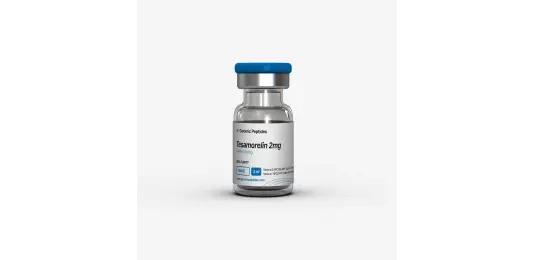
The compound is supplied as lyophilized powder requiring reconstitution before subcutaneous injection. The original Egrifta formulation (F1) provided 1 mg/vial. The Egrifta SV formulation (F4) approved in 2019 provided 2 mg/vial — twice as concentrated, requiring smaller injection volumes. The Egrifta WR formulation (F8) approved March 25, 2025 provides 11.6 mg/vial — 8 times more concentrated than F1 and 2 times more concentrated than F4 — with each single-patient-use vial providing 7 consecutive days of doses through weekly rather than daily reconstitution. The F8 formulation maintains bioequivalence to the original F1 while providing operational advantages including reduced patient burden and improved adherence through less frequent reconstitution requirements.
The naming convention is straightforward across the formulations. Tesamorelin is the international nonproprietary name. Egrifta was the original brand name (F1 formulation). Egrifta SV is the second-generation brand name (F4 formulation, marketed since 2019). Egrifta WR is the current brand name (F8 formulation, FDA-approved March 25, 2025, commercially available September 5, 2025). All formulations contain the same active ingredient — tesamorelin — with different concentrations and formulation properties. Tesamorelin acetate is the salt form actually used in pharmaceutical formulations (1.4 mg tesamorelin equivalent to approximately 1.43 mg tesamorelin acetate; 11.6 mg tesamorelin equivalent to approximately 11.9 mg tesamorelin acetate).
Tesamorelin Mechanism of Action
The mechanism is well-characterized through GHRH receptor pharmacology research and aligns with the natural physiological GH regulatory system, with specific clinical effects on visceral adipose tissue and hepatic fat that distinguish tesamorelin's clinical profile.
Tesamorelin binds the growth hormone-releasing hormone receptor (GHRHR), a class B G-protein coupled receptor expressed on anterior pituitary somatotrophs (the GH-producing cells). The full-length GHRH(1-44) sequence in tesamorelin produces the same receptor binding interactions as native GHRH at the receptor binding interface — the trans-3-hexenoic acid N-terminal modification doesn't significantly affect receptor binding, only providing protection against enzymatic degradation at the N-terminal cleavage site. Receptor activation initiates Gs protein signaling through adenylyl cyclase, generating cyclic AMP and activating protein kinase A. The combined signaling triggers GH synthesis and release from pituitary somatotrophs.
The pulsatile GH release pattern is the defining pharmacodynamic feature distinguishing tesamorelin from continuous GH replacement alternatives. After subcutaneous tesamorelin administration, GH levels rise within 15-30 minutes, peak at approximately 30-45 minutes (pulse amplitude typically 5-15 fold over baseline), and return to baseline within 2-3 hours. The relatively brief plasma residence time of tesamorelin produces a defined GH pulse rather than the sustained elevation characteristic of CJC-1295 with DAC. This pulsatility is considered physiologically more natural than continuous GH elevation, mimicking the body's normal pulsatile GH secretion architecture.
The clinical importance of pulsatile versus continuous GH exposure has been an area of substantial physiological research. Pulsatile GH signaling is believed to drive distinct biological effects through differential STAT5 phosphorylation patterns in target tissues. Pulsatile signaling preserves somatotroph responsiveness over repeated dosing, avoiding the receptor desensitization that develops with sustained continuous receptor stimulation. The pulsatile pattern allows somatostatin's normal inhibitory function to operate between GH pulses, preserving the natural rhythm of GH-axis regulation. Tesamorelin's once-daily dosing produces single GH pulse per day — approximating but not perfectly replicating the multiple daily pulses characteristic of physiological GH secretion.
The hepatic IGF-1 response to tesamorelin-stimulated GH pulses produces measurable IGF-1 elevation. With continued daily dosing over weeks, IGF-1 levels rise gradually to therapeutic ranges that mediate the downstream effects on visceral adipose tissue, hepatic fat, and other tissues. The IGF-1 elevation is more modest than what direct hGH replacement produces but sufficient for the clinical effects relevant to HIV-lipodystrophy treatment.
The visceral adipose tissue effects involve both direct GH effects on adipocyte biology and indirect IGF-1-mediated effects. GH directly stimulates lipolysis through hormone-sensitive lipase activation, particularly in visceral adipose depots that show enhanced GH receptor expression compared to subcutaneous fat. The differential effect on visceral versus subcutaneous adipose tissue is clinically important — tesamorelin specifically reduces visceral adipose tissue while having less effect on subcutaneous fat, addressing the central lipodystrophy phenotype characteristic of HIV-related metabolic abnormalities.
The hepatic effects involve both direct hepatic GH effects and indirect effects through reduced visceral adipose tissue (which contributes to hepatic fat accumulation through portal venous transport of free fatty acids). The Stanley et al. 2019 Lancet HIV trial demonstrated 37% relative reduction in hepatic fat fraction with tesamorelin treatment compared to placebo, plus prevention of liver fibrosis progression — supporting the dual mechanism through direct hepatic effects and indirect visceral fat-mediated effects.
The mechanism distinction from somatropin (direct recombinant GH replacement) involves the upstream versus downstream pathway position. Somatropin provides direct GH receptor activation, producing supraphysiological GH effects that bypass natural feedback regulation. Tesamorelin works through endogenous GH-axis stimulation with intact feedback regulation — the natural somatostatin inhibitory feedback continues to operate, preventing inappropriate GH excess and limiting maximum effect magnitudes. This mechanism difference means tesamorelin's effects are typically more modest than somatropin's but with potentially better safety profile through preserved physiological regulation.
The mechanism distinction from CJC-1295 with DAC (the long-acting GHRH analog without FDA approval) involves the pulsatile versus sustained signaling profile. CJC-1295 with DAC's 6-8 day half-life produces continuous receptor activation with sustained IGF-1 elevation. Tesamorelin's 26-38 minute half-life produces pulsatile signaling with cyclical IGF-1 patterns. The therapeutic implications of these different signaling profiles aren't fully resolved — pulsatile signaling may better preserve natural physiological patterns, while sustained signaling may produce more aggressive metabolic effects.
Tesamorelin Clinical Evidence Base
The clinical evidence base for tesamorelin is comprehensive within the HIV-lipodystrophy indication and emerging for additional applications, with the foundational Phase III evidence supporting FDA approval and ongoing research extending the evidence base to NAFLD/NASH applications.
The pivotal Phase III clinical development program included two identical multicenter, randomized, double-blind, placebo-controlled trials enrolling 816 HIV-infected adults with lipodystrophy and excess abdominal fat. The studies (Falutz et al. 2007 New England Journal of Medicine and subsequent follow-up publications) demonstrated statistically significant reductions in visceral adipose tissue measured by CT scan with tesamorelin 2 mg subcutaneous daily compared to placebo. Mean visceral adipose tissue reduction was approximately 15-18% in tesamorelin-treated patients versus minimal change in placebo groups over the 26-week treatment course. The Phase III evidence supported the November 10, 2010 FDA approval for the HIV-lipodystrophy indication.
Subsequent Phase IV and post-marketing studies have characterized tesamorelin's effects in various HIV patient subpopulations. Studies have examined effects in HIV patients on different antiretroviral regimens, in patients with various comorbidities, and across demographic subgroups. The accumulated post-marketing experience supports the favorable risk-benefit profile in the indicated population.
The Stanley/Grinspoon NAFLD Phase II trial (Stanley et al. 2019 Lancet HIV) extended the clinical evidence base into liver applications. The trial enrolled 61 HIV-infected adults with hepatic steatosis (liver fat content ≥5% by proton magnetic resonance spectroscopy), randomizing them to tesamorelin 2 mg daily or placebo for 12 months at Massachusetts General Hospital and the National Institute of Allergy and Infectious Diseases. Primary endpoint was change in hepatic fat fraction. Intent-to-treat analysis showed hepatic fat fraction declined by 4.1% in tesamorelin group versus unchanged in placebo (p=0.018), a 37% relative reduction (p=0.016). Approximately one-third of participants had NASH at baseline, and 48% of tesamorelin and 38% of placebo group had some degree of liver fibrosis. The 12-month tesamorelin treatment produced both reduced liver fat and prevented liver fibrosis progression — supporting the development of tesamorelin for NAFLD/NASH applications.
The accompanying hepatic transcriptomic analysis (separate publication) characterized the molecular mechanism of tesamorelin's liver effects, showing alterations in genes related to lipid metabolism, fibrosis, and inflammation that mechanistically support the observed clinical effects on hepatic fat and fibrosis.
A prospective Phase II trial in non-HIV NAFLD patients (NCT03375788) is investigating tesamorelin in the broader population with metabolic dysfunction-associated steatotic liver disease (MASLD, formerly NAFLD). If the non-HIV NAFLD evidence is favorable, tesamorelin could potentially expand into a much larger therapeutic indication beyond the relatively narrow HIV-lipodystrophy population.
The 2023 IDWeek presentation (Falutz et al.) examined tesamorelin effects in HIV patients on integrase inhibitor therapy (INSTI), addressing the contemporary clinical concern about INSTI-related weight gain and visceral adipose tissue accumulation. The findings supported tesamorelin's effectiveness in addressing INSTI-related metabolic concerns in modern HIV treatment contexts.
What the clinical evidence supports with reasonable confidence: tesamorelin produces clinically significant reductions in visceral adipose tissue in HIV patients with lipodystrophy; the effects are sustained over the treatment course; the safety profile is favorable in the indicated population; the compound has emerging effects on hepatic fat content and fibrosis progression in HIV patients with NAFLD; the mechanism is well-characterized through GHRH receptor agonism with pulsatile GH release.
What the clinical evidence supports less robustly: efficacy in non-HIV NAFLD/NASH populations (Phase II evidence is emerging but Phase III confirmation hasn't been completed); long-term safety beyond the trial durations and accumulated commercial experience; specific clinical advantages of tesamorelin versus alternative GH-axis interventions in HIV-lipodystrophy patients; comparative efficacy versus other GHRH analogs (head-to-head trials are limited).
Tesamorelin Safety Profile
The safety profile is comprehensively characterized through the Phase III development program, accumulated commercial experience since 2010, ongoing investigational research, and post-marketing surveillance.
Common adverse events in clinical trials include arthralgia (joint pain, occurring in approximately 10-15% of patients), injection site reactions (typically mild redness, occasional bruising), pain in extremity, peripheral edema (mild fluid retention), and myalgia (muscle pain). These effects are generally mild to moderate and rarely lead to treatment discontinuation. Side effects typically reflect the GH-axis stimulation effects rather than tesamorelin-specific pharmacology — similar effects occur with other GH-axis interventions.
Glucose metabolism effects include the recognized counter-regulatory effects of GH on insulin signaling. Tesamorelin can produce modest hyperglycemia, glucose intolerance, or worsening of pre-existing diabetes. HbA1c monitoring is recommended at baseline and periodically during treatment. Patients with pre-existing diabetes mellitus may require treatment adjustments. The effects are typically modest but clinically meaningful in susceptible patients.
IGF-1 elevation is the expected pharmacological response and warrants monitoring. The FDA labeling specifically requires IGF-1 monitoring during tesamorelin treatment. The effects of prolonged elevations in IGF-1 levels are not fully characterized — sustained supraphysiological IGF-1 signaling is a recognized cancer-relevant concern theoretically. The clinical implications are managed through baseline cancer screening, dose adjustment if IGF-1 levels become substantially elevated, and treatment discontinuation if any evidence of recurrent malignancy emerges.
Cancer-relevant considerations involve both the IGF-1 elevation effects and the broader GH-axis biology. Active malignancy is contraindicated for tesamorelin treatment. Any previous cancer should be inactive, and any previous cancer treatment should be complete before considering tesamorelin therapy. Patients with significant cancer risk factors warrant careful clinical evaluation.
Cardiovascular considerations involve the long-term effects of GH-axis stimulation on cardiac structure and function. The long-term safety of tesamorelin on the heart and blood vessels is not fully known per the FDA labeling. Patients with established cardiovascular disease warrant clinical monitoring during treatment. The Phase III evidence didn't identify major cardiac safety signals, but extended follow-up data continues to develop through post-marketing surveillance.
Hypersensitivity reactions are uncommon but documented, including injection site reactions and rarer systemic hypersensitivity responses. Patients with known hypersensitivity to tesamorelin or formulation excipients shouldn't receive treatment.
Pituitary axis considerations include the warning against use in patients with pituitary gland tumors, history of pituitary gland surgery, or other pituitary disorders. The compound's mechanism through GHRH receptor stimulation depends on functional pituitary somatotrophs — patients with pituitary disease may not respond appropriately and may have other safety concerns from GH-axis modulation.
Pediatric considerations include the warning against tesamorelin use in children with open or closed bone growth plates (epiphyses) due to potential effects on growth and skeletal development. The compound is not approved for pediatric use.
Antiretroviral therapy considerations involve the broader HIV management context. Tesamorelin doesn't have specific known pharmacokinetic interactions with antiretroviral medications, but the clinical context requires coordination between HIV providers and tesamorelin prescribers. The compound doesn't improve antiretroviral compliance per the FDA labeling.
Long-term safety in extended use is supported by accumulated commercial experience since 2010 plus ongoing post-marketing surveillance. The accumulated evidence hasn't generated unexpected long-term safety signals beyond what the initial Phase III development characterized, though ongoing surveillance continues to refine understanding of extended treatment outcomes.
Drug interactions are relatively limited. Tesamorelin doesn't significantly affect cytochrome P450 enzymes. Concurrent use with insulin or oral hypoglycemics may require adjustment given the glucose effects. Recombinant hGH represents redundant mechanism — combination doesn't add benefit and amplifies cumulative GH-axis exposure. Glucocorticoids may interact through GH axis modulation. Other GHRH analogs (Sermorelin, CJC-1295 forms) are mechanistically redundant.
Contraindications include active malignancy (substantial concern given IGF-1 effects), pituitary gland tumors or recent pituitary surgery, hypersensitivity to tesamorelin or excipients, pregnancy (no safety data; can disrupt pregnancy outcomes), and concurrent use of compounds that would create redundant or excessive GH-axis stimulation.
Tesamorelin Regulatory Status and Commercial Situation in 2026
The regulatory situation for tesamorelin reflects the compound's positioning as established FDA-approved pharmaceutical with active ongoing development.
In the United States, tesamorelin has FDA approval through three formulations marketed by Theratechnologies. The current commercial product is Egrifta WR (F8 formulation, FDA-approved March 25, 2025; commercially available since September 5, 2025) with the recommended dosage of 1.28 mg subcutaneously into the abdomen once daily, packaged as four single-patient-use vials containing 11.6 mg tesamorelin per vial sufficient for 7 consecutive days of doses. Egrifta SV (F4 formulation) is being phased out as Egrifta WR replaces it in commercial distribution. The original Egrifta (F1 formulation) was discontinued previously.
The FDA-approved indication is reduction of excess abdominal fat in HIV-infected adult patients with lipodystrophy. This is the only approved indication. The FDA labeling specifically notes Egrifta is not indicated for weight loss management (weight neutral effect). The compound is not approved for non-HIV applications.
Commercial distribution operates through specialty pharmacies given the niche indication and complex patient population. Insurance coverage is generally available for HIV-lipodystrophy patients with appropriate documentation, though the substantial cost (approximately $3,000-5,000+/month at specialty pharmacy) creates access challenges for some patients. Manufacturer patient assistance programs through Theratechnologies provide cost reduction options for eligible patients.
The international regulatory landscape varies. Tesamorelin has approval in Canada (where Theratechnologies is headquartered). European Medicines Agency approval status has been complex. Other major pharmaceutical markets have varying degrees of access depending on regulatory frameworks.
Off-label tesamorelin use in non-HIV populations occurs in various clinical contexts despite the absence of FDA approval for these indications. Anti-aging and longevity-focused practices, integrative medicine clinics, and bodybuilding/athletic performance contexts have generated interest in tesamorelin as a "premium" GHRH analog with FDA approval that gray market peptides lack. The off-label use raises specific concerns including absence of insurance coverage for non-approved indications (resulting in cash payment of $3,000-5,000+/month), the absence of clinical evidence supporting efficacy in non-HIV populations for cosmetic or general wellness applications, and the ethical concerns about using FDA-approved pharmaceutical for purposes outside approved indications when alternatives exist.
The investigational pipeline includes Phase II development for non-HIV NAFLD/NASH applications (NCT03375788 and related research). If positive results emerge, FDA approval expansion could potentially occur, broadening the legitimate use base substantially. The expansion would bring tesamorelin into the same therapeutic space as semaglutide (which received FDA accelerated approval for MASH in August 2025) and resmetirom (Rezdiffra, FDA-approved March 2024 for MASH) — though through different mechanism (GHRH-mediated GH-axis stimulation rather than incretin pathway or thyroid hormone receptor activation).
For sports anti-doping, tesamorelin is prohibited by WADA under category S2 (Peptide Hormones, Growth Factors, Related Substances, and Mimetics — including GHRH analogs and growth hormone secretagogues). Prohibited at all times, in and out of competition. Detection methods are validated at WADA-accredited laboratories with techniques for differentiating tesamorelin from endogenous GHRH. Athletes subject to WADA testing should not use tesamorelin without appropriate Therapeutic Use Exemption documentation for legitimate medical indications.
The Department of Defense Operation Supplement Safety has issued advisories regarding GHRH analogs including tesamorelin for service members.
The compound was not included on the FDA September 29, 2023 Category 2 placement that affected nineteen other peptides. Tesamorelin's FDA-approved status protects it from the Category 2 considerations that affect non-approved peptides like CJC-1295, Modified GRF 1-29, BPC-157, TB-500, and others covered elsewhere in this article series.
Who Uses Tesamorelin and How It Compares to Alternatives
The patient population using tesamorelin in 2026 reflects predominantly the FDA-approved HIV-lipodystrophy indication with secondary off-label applications.
HIV-infected adults with lipodystrophy represent the established user base for FDA-approved tesamorelin therapy. The clinical positioning addresses central adiposity and visceral adipose tissue accumulation that develops in HIV patients on antiretroviral therapy. Patients who have established HIV-related lipodystrophy with quality of life impacts, metabolic concerns, or cardiovascular risk factors related to visceral adiposity have a clear FDA-approved indication for tesamorelin therapy.
HIV patients with non-alcoholic fatty liver disease represent an emerging user category based on the Stanley/Grinspoon Phase II evidence. While not formally FDA-approved for NAFLD specifically, the clinical evidence in HIV patients with NAFLD provides mechanistic and clinical rationale for off-label use in this specific population.
Patients pursuing investigational treatment of non-HIV NAFLD/NASH may have access through clinical trial enrollment in NCT03375788 and related investigational research. Formal access outside clinical trial contexts isn't supported by current FDA approval.
Off-label users in anti-aging, longevity, and cosmetic applications use tesamorelin without FDA-approved indication. The clinical rationale in these contexts is weaker than for the approved HIV-lipodystrophy indication, and the substantial cost creates access barriers.
Patients in some bodybuilding and athletic performance contexts use tesamorelin as a "premium" GHRH analog with FDA approval that distinguishes it from gray market alternatives. WADA-tested athletes are explicitly prohibited from using tesamorelin without TUE.
The relevant comparisons in 2026:
Sermorelin (Geref, formerly FDA-approved 1990/1997, discontinued 2008) is the truncated GHRH(1-29) analog with prior FDA approval and current compounding pharmacy access through the "component of FDA-approved drug" pathway. Substantially lower cost ($200-350/month compounding versus $3,000-5,000+/month tesamorelin). Shorter half-life (~10 minutes versus tesamorelin's 26-38 minutes). For patients seeking cost-effective GHRH analog with regulatory legitimacy through compounding pharmacy access, sermorelin provides established alternative for non-HIV applications.
Modified GRF 1-29 / CJC-1295 without DAC (covered separately in this article series) represents the four-substitution stabilized version of GHRH(1-29) with ~30-minute half-life similar to tesamorelin. No FDA approval and complicated December 2024 PCAC negative vote regulatory situation. For patients seeking the pulsatile GHRH analog signaling profile similar to tesamorelin without the FDA-approved indication restrictions, Modified GRF 1-29 represents alternative through gray market access with the regulatory complications.
CJC-1295 with DAC offers the long-acting weekly dosing through albumin conjugation. Different operational profile than tesamorelin's daily dosing. Same December 2024 PCAC negative vote regulatory situation. For patients prioritizing weekly rather than daily dosing convenience, CJC-1295 with DAC provides alternative despite the regulatory complications.
Somatropin (recombinant hGH) provides direct GH replacement with FDA approval for various indications including adult GHD. Substantially higher cost than tesamorelin in many cases. Different mechanism (direct replacement rather than endogenous stimulation). For patients with severe GH deficiency or specific FDA-approved somatropin indications, recombinant hGH provides established option with comprehensive clinical evidence.
Semaglutide (Ozempic/Wegovy) and tirzepatide (Mounjaro/Zepbound) provide weight management through different mechanism (GLP-1 receptor agonism). Substantially better evidence base for general weight management and metabolic disease applications. Now with FDA-approved MASH indication for semaglutide. For non-HIV-lipodystrophy weight management or NAFLD applications, the GLP-1 receptor agonists provide established evidence base that tesamorelin currently lacks for non-HIV applications.
For patients in 2026 considering tesamorelin specifically, the operational decision typically involves matching the FDA-approved HIV-lipodystrophy indication to clinical circumstances, weighing the substantial cost against the FDA-approved evidence base, and considering alternatives for non-HIV applications where tesamorelin's regulatory legitimacy doesn't extend. Patients with HIV-associated lipodystrophy have a clear FDA-approved option supported by Phase III evidence. Patients with non-HIV applications may find alternative compounds (Sermorelin, GLP-1 receptor agonists, or others) more appropriate given their specific clinical contexts and the regulatory framework.
Honest Assessment of Tesamorelin in 2026
I'll be direct about tesamorelin's positioning in current practice.
The compound has substantial pharmaceutical merits that distinguish it from essentially every alternative GHRH-related compound in the peptide therapy landscape — FDA approval based on Phase III evidence in 816 HIV-lipodystrophy patients, well-characterized pharmacology through full-length GHRH(1-44) analog with DPP-4-resistant N-terminal modification, ongoing pharmaceutical development through Theratechnologies including the recent F8 formulation approval (Egrifta WR, March 25, 2025), comprehensive insurance coverage frameworks for the approved indication, established commercial pathway through specialty pharmacy distribution, and emerging investigational evidence for NAFLD/NASH applications. The compound represents the established gold standard for FDA-approved GHRH analog therapy in the specific HIV-lipodystrophy indication that no alternative compound addresses with equivalent regulatory legitimacy or evidence base.
The honest limitations dominate considerations beyond the FDA-approved indication. The very narrow approved indication (HIV-lipodystrophy only) restricts legitimate access to a specific patient population that's substantially smaller than the broader interest in GHRH analog therapy. The substantial cost ($3,000-5,000+/month for specialty pharmacy distribution) limits access despite manufacturer assistance programs and insurance coverage for approved indications. The daily injection requirement creates adherence challenges that the new F8 formulation's weekly reconstitution partially addresses but doesn't fully resolve. The cancer-relevant theoretical concerns from sustained IGF-1 elevation warrant clinical attention through appropriate baseline screening and ongoing monitoring. The off-label use in non-HIV populations involves use beyond FDA-approved indications without supporting clinical evidence base for those applications.
What's genuinely uncertain about tesamorelin in 2026 includes the outcome of ongoing Phase II development for non-HIV NAFLD/NASH (whether positive results will support FDA approval expansion bringing tesamorelin into the much broader MASH treatment landscape), whether long-term safety in extended treatment courses will produce unexpected signals beyond what current evidence has characterized, whether the F8 formulation transition will support improved patient adherence and clinical outcomes, and how the compound's positioning will evolve relative to GLP-1 receptor agonists that have demonstrated MASH efficacy with broader approved indications.
For patients navigating tesamorelin decisions, the framing reflects the compound's specific positioning. Patients with HIV-associated lipodystrophy have a clear FDA-approved treatment with Phase III evidence supporting efficacy and established safety profile — tesamorelin represents standard-of-care option in this specific population. Patients with HIV-NAFLD have emerging evidence supporting potential clinical benefit, though the specific FDA approval pathway hasn't extended to this population. Patients pursuing non-HIV applications should weigh the substantial cost against the limited evidence base for these uses and consider alternatives with stronger evidence base for their specific clinical contexts.
Tesamorelin's place in the broader peptide therapy landscape represents the established example of successful GHRH analog pharmaceutical development through standard FDA approval pathway. The compound demonstrates how peptide therapy can achieve regulatory legitimacy and commercial commercialization when pharmaceutical development addresses specific clinical needs with adequate Phase III evidence. The contrast with the regulatory complications affecting alternative GHRH analogs (Modified GRF 1-29, CJC-1295 with DAC, both with December 2024 PCAC negative votes) illustrates how pharmaceutical development pathway profoundly affects compound positioning regardless of underlying mechanism similarity.
The next 12-24 months will likely produce additional clinical evidence as the non-HIV NAFLD Phase II program advances toward potential FDA approval expansion, the F8 formulation accumulates post-marketing experience, and ongoing investigational research continues. The pharmacological foundation won't change — tesamorelin is what it has been: a synthetic full-length GHRH(1-44) analog with N-terminal modification for DPP-4 resistance, with FDA approval for HIV-lipodystrophy supported by Phase III evidence, and emerging investigational evidence for NAFLD/NASH applications. The compound's role for HIV-lipodystrophy patients within the FDA-approved indication is established and ongoing, while expansion to additional indications depends on continued investigational development through formal regulatory pathways that the alternative GHRH analog compounds haven't pursued.
References
[1] Falutz J, Allas S, Blot K, Potvin D, Kotler D, Somero M, Berger D, Brown S, Richmond G, Fessel J, Turner R, Grinspoon S. Metabolic effects of a growth hormone-releasing factor in patients with HIV. New England Journal of Medicine. 2007;357(23):2359-2370. PMID: 18057338. Foundational Phase III evidence supporting FDA approval.
[2] Falutz J, Potvin D, Mamputu JC, Assaad H, Zoltowska M, Michaud SE, Berger D, Somero M, Moyle G, Brown S, Martorell C, Turner R, Grinspoon S. Effects of tesamorelin, a growth hormone-releasing factor, in HIV-infected patients with abdominal fat accumulation: a randomized placebo-controlled trial with a safety extension. Journal of Acquired Immune Deficiency Syndromes. 2010;53(3):311-322. PMID: 20101189. Phase III safety extension data.
[3] Stanley TL, Fourman LN, Feldpausch MN, Purdy J, Zheng I, Pan CS, Aepfelbacher J, Buckless C, Tsao A, Kellogg A, Branch K, Lee H, Liu CY, Corey KE, Chung RT, Torriani M, Kleiner DE, Hadigan CM, Grinspoon SK. Effects of tesamorelin on non-alcoholic fatty liver disease in HIV: a randomised, double-blind, multicentre trial. Lancet HIV. 2019;6(12):e821-e830. PMID: 31611038. Foundational NAFLD Phase II evidence.
[4] U.S. Food and Drug Administration. Egrifta (tesamorelin for injection) prescribing information. November 10, 2010 original approval. NDA 022505.
[5] U.S. Food and Drug Administration. Egrifta SV (tesamorelin for injection) prescribing information. 2019 approval of F4 formulation.
[6] U.S. Food and Drug Administration. Egrifta WR (tesamorelin for injection) approval. March 25, 2025 supplemental Biologics License Application approval for F8 formulation.
[7] Theratechnologies Inc. Theratechnologies Receives FDA Approval for EGRIFTA WR (Tesamorelin F8) to Treat Excess Visceral Abdominal Fat in Adults with HIV and Lipodystrophy. Press release March 25, 2025.
[8] Theratechnologies Inc. Theratechnologies Announces Availability of EGRIFTA WR (tesamorelin) for injection to Reduce Excess Abdominal Fat in Adults with HIV and Lipodystrophy. Press release September 5, 2025.
[9] U.S. Food and Drug Administration. Egrifta SV Prior Approval Supplement (PAS) approval. April 8, 2025. Removal of regulatory requirements for discretionary product release.
[10] McLaughlin T, Grinspoon SK, Stanley T, Fourman L. Tesamorelin Reduces Visceral Adipose Tissue and Liver Fat in INSTI-Treated Persons with HIV. Open Forum Infectious Diseases. 2023;10(Supplement_2):ofad500.1334. IDWeek 2023 presentation. PMC10678288. Modern HIV INSTI treatment context research.
[11] Grinspoon SK, Falutz J, Mamputu JC, Potvin D, Allas S. Long-term effects of tesamorelin on visceral fat and lipodystrophy in HIV-infected patients. AIDS. 2014;28(7):1011-1019. Long-term efficacy follow-up.
[12] Stanley TL, Feldpausch MN, Oh J, Branch KL, Lee H, Torriani M, Grinspoon SK. Effect of tesamorelin on visceral fat and liver fat in HIV-infected patients with abdominal fat accumulation: a randomized clinical trial. JAMA. 2014;312(4):380-389. PMID: 25038357. Foundational liver fat effects research.
[13] ClinicalTrials.gov NCT03375788. Tesamorelin Effects on Liver Fat and Histology in NAFLD: A Randomized, Double-Blind, Placebo-Controlled, Multi-Center Trial. Phase II non-HIV NAFLD investigation. https://clinicaltrials.gov/study/NCT03375788.
[14] World Anti-Doping Agency. The Prohibited List, current edition. Tesamorelin prohibited under S2 (Peptide Hormones, Growth Factors, Related Substances, and Mimetics) including GHRH analogs and growth hormone secretagogues. https://www.wada-ama.org/en/prohibited-list.
[15] U.S. Anti-Doping Agency (USADA). Growth hormone testing methodologies and prohibited substance information. Comprehensive anti-doping framework for tesamorelin and related compounds. https://www.usada.org.
[16] Department of Defense Operation Supplement Safety. Advisory pages on GHRH analogs and GH-related compounds for service member compliance.
[17] Falutz J, Mamputu JC, Potvin D, Moyle G, Soulban G, Loughrey H, Marsolais C, Turner R, Grinspoon S. Effects of tesamorelin (TH9507), a growth hormone-releasing factor analog, in human immunodeficiency virus-infected patients with excess abdominal fat: a pooled analysis of two multicenter, double-blind placebo-controlled phase 3 trials with safety extension data. Journal of Clinical Endocrinology and Metabolism. 2010;95(9):4291-4304. PMID: 20554713. Pooled Phase III analysis supporting FDA approval.
[18] Theratechnologies Inc. Form 6-K Securities and Exchange Commission filing. Q1 2025 financial results. Documentation of Egrifta WR approval and commercial transition.
[19] AIDS Map. Tesamorelin reduces liver fat and fibrosis progression in people with HIV and non-alcoholic fatty liver disease. November 2019. Coverage of Lancet HIV NAFLD trial findings.
[20] Infectious Disease Advisor. New Formulation of Tesamorelin Approved for HIV-Related Lipodystrophy. April 2025. Clinical coverage of Egrifta WR approval.
[21] Contagion Live. FDA Approves F8 Formulation of Theratechnologies' Tesamorelin for HIV-Associated Lipodystrophy. March 2025. Industry coverage of Egrifta WR approval.
[22] Lo J, You SM, Canavan B, Liebau J, Beltrani G, Koutkia P, Hemphill L, Lee H, Grinspoon S. Low-dose physiological growth hormone in patients with HIV and abdominal fat accumulation: a randomized controlled trial. JAMA. 2008;300(5):509-519. Comparison context for HIV abdominal fat treatment research.
[23] Effects of tesamorelin on hepatic transcriptomic signatures in HIV-associated NAFLD. JCI Insight. 2020. PMC7455119. Mechanistic transcriptomic analysis of liver effects.
[24] Theratechnologies Inc. Pipeline development including ongoing Phase II program for non-HIV NAFLD/NASH applications. Potential FDA approval expansion if Phase III evidence develops favorably.
[25] Adachi Y, Lin GH, Aikawa T, Tsuchiya M. Tesamorelin: a clinical perspective. Therapeutic Advances in Endocrinology and Metabolism. 2010. Pharmaceutical development perspective on tesamorelin's clinical positioning.