HGH Fragment 176-191: Growth Hormone Fragment Lacking Human Clinical Data
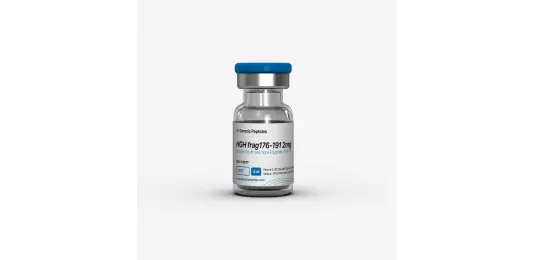
HGH Fragment 176-191 Mechanism, Side Effects, Fat Loss Effects & FDA Status in 2026: Complete Clinical Review of the Lipolytic Peptide, β3-Adrenergic Receptor Activation, and Comparison to AOD-9604 and GLP-1 Agonists
By Medical Team of Generic Peptides
HGH Fragment 176-191 is a 16-amino-acid peptide corresponding to the C-terminal fragment of human growth hormone (residues 176-191 of the mature hGH sequence). The compound is essentially the native, unmodified version of what /usa-fat-loss-metabolism-peptides-465/aod-9604-research-peptide-usa-2830.html became after Metabolic Pharmaceuticals added an N-terminal tyrosine residue for stability and patentability. Without that single tyrosine modification, the molecule is what HGH Fragment 176-191 is. Same biological mechanism through β3-adrenergic receptor activation, same proposed lipolytic effects, same theoretical pharmacological positioning as a growth hormone fragment that produces fat metabolism effects without GH-axis activation or IGF-1 elevation.
The critical practical fact about HGH Fragment 176-191 is that the compound has never been clinically tested in humans. All available human data comes from AOD-9604 research — the modified version that went through six Phase I/II trials with approximately 900 participants and the 2007 Phase IIb trial in 536 subjects that failed to demonstrate sufficient weight-loss efficacy for regulatory approval. The AOD-9604 evidence base is substantial. The HGH Fragment 176-191 evidence base, considered independently, consists of preclinical animal research, mechanistic extrapolation from AOD-9604 data, and accumulated user reports from off-label use. For a compound being considered for clinical or research use, this distinction matters significantly.
The mechanism is identical to AOD-9604's because the molecules are essentially the same — a β3-adrenergic receptor agonist producing lipolytic effects without growth hormone receptor activation, without IGF-1 elevation, without glucose or insulin disruption at the level documented in AOD-9604's clinical program. The Heffernan 2001 paper in Endocrinology established the β3-AR mechanism using AOD-9604 in obese mice and β3-AR knockout mice. The native fragment shares this mechanism by structural identity — but extending the AOD-9604 clinical safety findings to the native fragment requires assuming that the absent tyrosine residue doesn't change clinical effects, which is plausible mechanistically but not empirically validated.
The regulatory situation in 2026 is somewhat complicated. AOD-9604 was placed on FDA Category 2 in September 2023, removed in September 2024 for PCAC review, voted against at the December 4, 2024 PCAC meeting, included in the February 27, 2026 Kennedy Rogan announcement of peptides for potential reclassification, and remains under review with possible eventual Category 1 status. HGH Fragment 176-191 (the native, unmodified version) wasn't separately addressed by the FDA Category 2 placement but has remained essentially unavailable through legitimate compounding pharmacy channels because growth hormone fragments don't qualify for legal compounding exemptions under current FDA guidance. The compound exists in 2026 primarily through research-chemical vendors with the standard quality control and purity concerns that characterize gray market peptide access.
I'll be direct about my assessment of HGH Fragment 176-191 from the start. The compound has plausible pharmacology based on mechanistic extrapolation from AOD-9604. The native fragment has a longer history in research-chemical markets than AOD-9604 because it's been available without patent restrictions. It's substantially cheaper than AOD-9604 from research-chemical sources. And it has essentially no independent clinical evidence supporting either its safety or efficacy in humans. For users considering HGH Fragment 176-191, the operational decision involves accepting that the evidence base depends entirely on extrapolation from a related compound that itself failed Phase IIb efficacy testing. That's a substantially weaker evidence position than AOD-9604 already represents, and AOD-9604 itself has Profile B evidence positioning rather than stronger validation.
This article walks through what HGH Fragment 176-191 actually is and how it relates to AOD-9604, the mechanism extrapolated from the related compound, the absence of independent human clinical data, the regulatory situation in 2026, the safety profile derived from AOD-9604 with the limitations that involves, and how to think about HGH Fragment 176-191 decisions given the operational reality of an evidence base that depends on extrapolation rather than direct validation.
What HGH Fragment 176-191 Is
HGH Fragment 176-191 is the 16-amino-acid C-terminal portion of the 191-amino-acid mature human growth hormone protein. The sequence corresponds to residues 176 through 191 of full-length hGH and encompasses the region of the molecule that was identified through systematic fragmentation studies as carrying lipolytic activity without growth-promoting effects. The fragmentation studies in the 1980s and 1990s by Ng, Heffernan, and others at Australian research institutions established that the C-terminal fragment retained fat-metabolism modulatory effects when the rest of the hGH molecule was removed.
The relationship to AOD-9604 is structural and historical. Metabolic Pharmaceuticals in Melbourne, Australia developed AOD-9604 by adding a tyrosine residue to the N-terminus of the native HGH 176-191 sequence, creating Tyr-hGH(177-191) — the structure designated AOD-9604. The tyrosine modification served two purposes: improving chemical stability against enzymatic degradation, and creating a patentable structure that could be commercially developed. Without that tyrosine, the molecule is the natural hGH fragment, which exists endogenously as a metabolic product of hGH proteolysis and isn't patentable as a novel pharmaceutical entity.
The structural difference is one residue out of 16. The biological consequences of this difference, considered systematically, include modest changes in plasma half-life (the tyrosine improves stability), some difference in receptor binding kinetics, and changes in patent protection status. Whether these structural differences produce clinically meaningful differences in efficacy or safety profile has never been directly tested through head-to-head clinical comparison. The reasonable mechanistic assumption is that the differences are minor for clinical purposes, but the empirical evidence supporting this assumption is limited.
The compound is supplied as lyophilized white powder requiring reconstitution with bacteriostatic water before subcutaneous injection. Research-chemical-grade material is available from multiple international suppliers since the native sequence has no patent protection. Quality varies substantially among research-chemical vendors, with documented issues around purity, potency, and contamination in independent testing of the broader peptide gray market.
The naming convention varies in different sources. HGH Fragment 176-191, HGH Frag, HGH Fragment, hGH 176-191, and Growth Hormone Fragment 176-191 all refer to the same compound. AOD-9604 is the specific modified version with the additional tyrosine. Sources sometimes conflate the two compounds, creating confusion about which evidence base applies to which compound.
HGH Fragment 176-191 Mechanism of Action
The mechanism is the same as AOD-9604's because the molecules differ by only one amino acid residue and that difference doesn't appear to alter the receptor pharmacology substantively. The Heffernan 2001 paper in Endocrinology established the β3-adrenergic receptor mechanism using AOD-9604, with the foundational finding that lipolytic effects were substantially abolished in β3-AR knockout mice — establishing β3-AR activation as the primary mechanism rather than growth hormone receptor activation.
β3-adrenergic receptors are expressed predominantly in brown and white adipose tissue. Their activation triggers a cAMP-dependent signaling cascade that activates hormone-sensitive lipase (HSL), driving triglyceride hydrolysis and release of free fatty acids and glycerol into circulation. This is the same lipolytic pathway that exercise, fasting, and physiological adrenergic stress use to mobilize stored fat. The mechanism produces fat metabolism modulation without activating the growth hormone receptor pathway that drives IGF-1 production and the broader endocrine effects of full hGH therapy.
The Ng and colleagues research established additional mechanistic details. The compound directly stimulates hormone-sensitive lipase activity and inhibits acetyl-CoA carboxylase in adipose tissue. These effects on lipase activity occur without requiring classical GH receptor activation — the C-terminal fragment doesn't bind GHR and doesn't activate the JAK2-STAT5 signaling pathway that produces hGH's somatogenic effects.
What the compound doesn't do is the more important pharmacological framing. It doesn't elevate IGF-1. It doesn't disrupt glucose or insulin homeostasis at the level documented in AOD-9604's clinical program. It doesn't activate growth hormone signaling. It doesn't affect cortisol, thyroid, or sex hormones through the mechanisms that characterize full hGH therapy. The clean endocrine profile is the compound's main theoretical advantage over alternatives that work through GH-axis stimulation — though this clean profile comes alongside the modest efficacy that limited AOD-9604's pharmaceutical development.
The 1978 research on C-terminal hGH fragments that the FDA cited in early regulatory considerations identified that similar C-terminal fragments caused temporary rises in blood glucose and insulin levels in animals. This finding suggests that the clean glucose/insulin profile attributed to AOD-9604 in clinical trials may not extend universally to all hGH C-terminal fragment variants, and that early-era research raised concerns about glucose effects that the AOD-9604 clinical program subsequently didn't fully replicate. Whether HGH Fragment 176-191 (the native, unmodified version) has the clean glucose profile of AOD-9604 or the modest glucose effects of the 1978-era fragments is not directly established by the available research.
The Kwon 2015 paper examining intra-articular AOD-9604 effects in rabbit osteoarthritis cartilage models documented effects on articular cartilage that extended the compound's research interest beyond adipose modulation. Whether HGH Fragment 176-191 produces similar cartilage effects is an extrapolation from the AOD-9604 data — plausible based on mechanism similarity but not directly established.
The Critical Absence of Independent Human Clinical Data
This is the central operational reality for HGH Fragment 176-191 that distinguishes it from AOD-9604 and from most peptides covered in this article series. The native fragment has never been clinically tested in humans through formal pharmaceutical research.
What we have for HGH Fragment 176-191 directly: animal studies on the native fragment's lipolytic effects, mechanistic characterization in cell culture and animal models, and accumulated user reports from off-label use that don't constitute systematic clinical evidence.
What we don't have for HGH Fragment 176-191 directly: Phase I human pharmacokinetic studies, dose-finding research, controlled efficacy trials in any patient population, formal safety characterization at modern pharmaceutical standards, or any peer-reviewed primary clinical research at the level that would support clinical recommendations.
What we have for AOD-9604 (the related compound): six Phase I/II clinical trials with approximately 900 participants, dose-response characterization, systematic safety profile assessment, the 2007 Phase IIb study in 536 subjects, Australian TGA Generally Recognized as Safe (GRAS) status as a food ingredient, and continued research interest culminating in PCAC review activity through 2024-2026.
The operational implication is that anyone considering HGH Fragment 176-191 for clinical or research use is essentially using AOD-9604 evidence with an extrapolation that the absent tyrosine residue doesn't change the picture. This extrapolation is mechanistically reasonable. It's also empirically unvalidated. The molecules are extremely similar. They're not identical. Whether the specific structural difference produces clinically meaningful differences in efficacy, pharmacokinetics, immunogenicity, or safety has not been tested.
For users in 2026 evaluating HGH Fragment 176-191, the honest framing is: you're choosing between AOD-9604 (with substantial but modest clinical evidence) and HGH Fragment 176-191 (with mechanistic plausibility but no direct clinical evidence). The AOD-9604 evidence shows a Phase IIb trial that didn't reach efficacy thresholds for pharmaceutical approval. Extrapolating that already-modest evidence backward to the native fragment provides weaker support than AOD-9604's evidence base provides for AOD-9604. The price advantage of HGH Fragment 176-191 in research-chemical markets reflects the absence of patent protection on the native sequence rather than equivalent evidence quality.
HGH Fragment 176-191 Regulatory Status in 2026
The regulatory positioning is somewhat unusual because HGH Fragment 176-191 wasn't separately addressed in the major FDA Category 2 actions that affected related peptides.
AOD-9604 was placed on FDA Category 2 in September 2023, removed for PCAC review in September 2024, voted against at the December 4, 2024 PCAC meeting, included in the February 27, 2026 Kennedy Rogan announcement of peptides for potential reclassification, and remains under regulatory consideration. HGH Fragment 176-191 wasn't on the original 19-peptide September 2023 Category 2 placement, wasn't on the September 2024 PCAC referral list, isn't on the July 23-24, 2026 PCAC meeting agenda, and hasn't received specific regulatory attention separate from the AOD-9604 considerations.
This absence of specific regulatory attention doesn't mean HGH Fragment 176-191 has favorable regulatory positioning. The compound exists in essentially the same operational space as AOD-9604 from a compounding pharmacy access perspective — growth hormone fragments don't qualify for legal compounding exemptions under current FDA guidance. Compounding pharmacies generally cannot legally prepare HGH Fragment 176-191 for patient use. The compound exists in 2026 primarily through research-chemical vendor channels.
The 2024-2025 period saw FDA issue over 100 warning letters to companies marketing peptides illegally for human use, including various growth hormone fragments. This enforcement activity reflects the agency's position that these compounds aren't legitimate clinical products under current regulatory frameworks.
The native HGH Fragment 176-191 doesn't have GRAS status comparable to AOD-9604's Australian TGA designation. The GRAS recognition specifically applies to AOD-9604 (the modified version with N-terminal tyrosine), not to the native unmodified fragment.
In the European Union and other major pharmaceutical markets, HGH Fragment 176-191 doesn't have specific regulatory approval and isn't formally available for clinical use. Research-chemical-grade material is accessible internationally through standard research supply channels with substantial variation in quality among vendors.
For sports anti-doping, HGH Fragment 176-191 is prohibited by WADA under category S2.2.1 (Peptide Hormones, Growth Factors, Related Substances, and Mimetics), specifically including "growth hormone fragments, e.g. AOD-9604 and hGH 176-191." The explicit naming reflects WADA's specific regulatory attention to both the modified and native versions of the compound. Detection methods are validated at WADA-accredited laboratories. Athletes subject to WADA testing should not use either AOD-9604 or HGH Fragment 176-191.
The Department of Defense Operation Supplement Safety has issued advisories regarding growth hormone fragments and related compounds for military service members.
HGH Fragment 176-191 Safety Profile
The safety profile for HGH Fragment 176-191 is derived almost entirely from AOD-9604's clinical research with the standard limitations of extrapolation between related but not identical compounds.
Common reported effects in off-label use parallel those documented for AOD-9604: injection site reactions (typically mild redness or tenderness), occasional mild flushing, mild headache occasionally, generally well-tolerated short-term, subjectively "quiet" — users don't typically experience pronounced acute effects. These reports come from off-label user communities rather than systematic clinical research, which limits the reliability of the safety characterization.
The endocrine profile attributed to HGH Fragment 176-191 — no IGF-1 elevation, no significant glucose or insulin effects, no cortisol/thyroid/sex hormone disruption — reflects extrapolation from AOD-9604's clinical program. The 1978-era research on similar C-terminal fragments that documented temporary rises in blood glucose and insulin levels in animals raises some uncertainty about whether the clean profile applies universally. AOD-9604's clinical program subsequently showed clean glucose effects, but whether the native unmodified fragment retains the same profile is less directly established.
Long-term safety in extended use is genuinely uncharacterized for HGH Fragment 176-191. The compound has been available in research-chemical markets longer than AOD-9604, and accumulated user experience over years hasn't produced documented safety signals at the level that would have raised regulatory attention — but the absence of systematic monitoring and post-marketing surveillance means we don't have rigorous long-term safety data.
Cancer considerations are different from GH-axis-stimulating compounds. The compound doesn't elevate IGF-1, so the classical IGF-1-mediated cancer concerns that apply to GH secretagogues don't apply directly. The β3-adrenergic mechanism doesn't have established cancer-proliferation implications. For active cancer patients, conservative avoidance is appropriate given the limited long-term safety data, but HGH Fragment 176-191 doesn't carry the specific concerns that apply to GH-axis stimulants.
Drug interactions extrapolated from AOD-9604 considerations include attention to combinations with GLP-1 receptor agonists (mechanistically distinct, sometimes combined in fat-loss protocols without specific concerns), injectable L-carnitine (mechanistically complementary in fat-loss contexts), β-adrenergic agonists like clenbuterol or ephedrine (cumulative cardiovascular stress consideration), exogenous hGH or GH secretagogues (theoretically compatible but defeats the design logic of using a fragment to avoid GH-axis effects), thyroid hormones (no specific interaction but metabolic context matters), and adrenergic-system compounds like caffeine and yohimbine (cumulative cardiovascular effects warrant attention). Formal interaction studies for HGH Fragment 176-191 specifically don't exist.
Contraindications include active cancer or recent cancer history (general caution given limited long-term data), pregnancy and breastfeeding (no safety data), pediatric populations (no developmental data), severe hepatic or renal dysfunction, hypersensitivity to peptide preparations, diabetes mellitus warranting glucose monitoring given the 1978-era research concerns about C-terminal fragment glucose effects, and competitive athletes subject to WADA testing.
The substantial uncertainty about HGH Fragment 176-191's quality from research-chemical sources adds a practical safety dimension that doesn't apply to FDA-approved drugs or even to compounded pharmaceutical-grade peptides. Independent testing of research-chemical peptide products has documented variable purity, incorrect potency, and occasional contamination. Users obtaining HGH Fragment 176-191 through gray market channels face uncertainty not just about the compound's pharmacology but about whether the product actually contains what the label claims.
Who Uses HGH Fragment 176-191 and How It Compares to Alternatives
The user base for HGH Fragment 176-191 in 2026 includes specific populations whose decisions reflect the compound's particular positioning relative to alternatives.
Users seeking the AOD-9604 clinical effects without the higher cost of pharmaceutical-grade preparations represent a substantial population. Research-chemical HGH Fragment 176-191 is typically substantially cheaper than compounded AOD-9604 (when available) or international AOD-9604 sources. Users accept the absence of independent clinical validation in exchange for lower cost.
Users in jurisdictions where AOD-9604 access is restricted but research-chemical HGH Fragment 176-191 remains accessible. The specific regulatory differences between modified and unmodified versions create access asymmetries in some markets.
Bodybuilders and physique-focused users in cutting phases who pursue fat loss support without the IGF-1 elevation that GH secretagogues produce. The compound's clean endocrine profile makes it appealing in contexts where minimal hormonal disruption is desired.
Functional medicine and aesthetic medicine patients pursuing body composition goals through peptide-based protocols, sometimes accepting the research-chemical access reality because legitimate alternatives are unavailable.
Biohackers and self-experimenters drawn by the mechanism's theoretical positioning despite the limited evidence.
Athletes outside WADA-tested contexts using HGH Fragment 176-191 specifically because the compound doesn't elevate IGF-1 (avoiding markers that some athletes monitor) — though it remains explicitly prohibited by WADA for athletes subject to testing.
The relevant comparisons in 2026:
AOD-9604 has substantially better evidence (six clinical trials, ~900 subjects) but typically higher cost from research-chemical sources and more restrictive regulatory positioning that affects access through legitimate channels. For patients prioritizing evidence quality, AOD-9604 represents a better-validated option.
GLP-1 receptor agonists (semaglutide, tirzepatide) provide substantially more weight loss with FDA approval and extensive Phase III evidence. Different mechanism (appetite regulation through incretin signaling) but dramatically more robust evidence and greater clinical effects. For patients with significant weight loss goals where FDA approval and evidence quality matter, GLP-1 agonists are the established option.
Tesamorelin is FDA-approved for HIV-associated lipodystrophy and produces specific reductions in visceral adipose tissue through GHRH-analog mechanism. Different patient population and different mechanism (GH-axis activation) but established regulatory pathway for fat-reduction indications.
Mirabegron is the FDA-approved β3-adrenergic agonist for overactive bladder. Same receptor target as HGH Fragment 176-191's primary mechanism but developed for a different indication. Some research has explored mirabegron's effects on brown adipose tissue and body composition, though not at therapeutic weight-loss scale. For patients interested in β3-AR-mediated effects, mirabegron has FDA approval that growth hormone fragments don't have.
Other off-label peptides (CJC-1295, Ipamorelin, growth hormone secretagogues generally) work through GH axis stimulation with IGF-1 elevation — the very profile HGH Fragment 176-191 was designed to avoid. Users specifically wanting fat-loss support without hormonal axis effects find HGH Fragment 176-191 mechanistically reasonable despite the evidence limitations.
For patients in 2026 evaluating HGH Fragment 176-191 against alternatives, the operational decision typically reflects cost considerations weighed against evidence quality. Patients prioritizing minimum cost and accepting evidence extrapolation from a related compound may consider HGH Fragment 176-191. Patients prioritizing evidence quality should consider AOD-9604 (when accessible) for the modest direct evidence base, or consider GLP-1 agonists for substantially better-validated weight loss outcomes through different mechanism.
Honest Assessment of HGH Fragment 176-191 in 2026
I'll be direct about my position on HGH Fragment 176-191.
The compound has plausible mechanistic positioning based on extrapolation from AOD-9604's β3-adrenergic receptor mechanism and the cleaner endocrine profile that distinguishes hGH C-terminal fragments from full GH-axis stimulants. The native fragment shares biological activity with the modified version through structural similarity. The off-label use community has accumulated experience over years without producing safety signals that would have prompted regulatory attention, suggesting reasonable short-term tolerability.
The honest limitations dominate the assessment. The compound has no independent human clinical data — all clinical evidence comes from AOD-9604 research with extrapolation that the structural difference doesn't change the picture. AOD-9604's clinical program itself produced modest results, with the 2007 Phase IIb trial failing to demonstrate sufficient efficacy for pharmaceutical approval. Extrapolating already-modest evidence backward to the native unmodified fragment provides weaker support than AOD-9604's evidence base provides for AOD-9604 itself. The research-chemical access reality means quality and purity concerns add uncertainty beyond the pharmacological questions. The 1978-era research raised concerns about C-terminal hGH fragments and glucose effects that AOD-9604's program may have addressed but the native fragment hasn't directly addressed in human research.
What's genuinely uncertain about HGH Fragment 176-191 in 2026 is whether it has the same clinical safety and efficacy profile as AOD-9604 (the mechanistic assumption supporting most off-label use), whether longer-term use produces issues that haven't been characterized through systematic surveillance, and whether the regulatory situation will become clearer as AOD-9604's PCAC review process and broader peptide reclassification activities work through procedural pathways. Most importantly, whether modest pharmacological effects extrapolated from a Phase IIb trial that didn't reach pharmaceutical efficacy thresholds justify the operational realities of research-chemical access for any given patient's clinical context.
For patients navigating HGH Fragment 176-191 decisions in 2026, the framing reflects the compound's specific positioning. Patients with realistic expectations about modest effects (1-3% body fat reduction range based on AOD-9604 Phase IIb data, applied to a related compound), tolerance for evidence extrapolation rather than direct validation, acceptance of research-chemical quality uncertainties, and preference for the clean endocrine profile over more aggressive interventions have a defensible mechanistic rationale for considering the compound. Patients with significant body composition goals, preference for evidence-based interventions, or concerns about gray market quality should consider GLP-1 agonists or other alternatives with better-validated evidence bases.
The compound's place in the broader peptide therapy landscape is essentially as a cost-reduced alternative to AOD-9604 with proportionally weaker evidence support. For users where this tradeoff aligns with their priorities and clinical context, HGH Fragment 176-191 provides accessible β3-adrenergic agonist activity through the same mechanism as AOD-9604. For users where evidence quality, regulatory legitimacy, or quality assurance matter more than cost considerations, alternatives with stronger validation provide better-supported options.
The next 12-24 months may produce clearer regulatory positioning if AOD-9604 progresses through reclassification activity, with potential implications for HGH Fragment 176-191 access patterns. The pharmacological foundation won't change — the compound is what it has been: the native unmodified version of AOD-9604 with mechanism extrapolated from the modified version's clinical program. Whether that extrapolation provides sufficient support for any individual patient's decision depends entirely on the operational match between the compound's evidence quality and the patient's tolerance for evidence uncertainty in pursuit of the specific therapeutic goals that motivate consideration of HGH Fragment 176-191 in the first place.
References
[1] Heffernan M, Summers RJ, Thorburn A, Ogru E, Gianello R, Jiang WJ, Ng FM. The effects of human GH and its lipolytic fragment (AOD9604) on lipid metabolism following chronic treatment in obese mice and beta(3)-AR knock-out mice. Endocrinology. 2001;142(12):5182-5189. PMID: 11713213. DOI: 10.1210/endo.142.12.8522. Foundational β3-AR mechanism research using AOD-9604, mechanism extrapolated to HGH Fragment 176-191.
[2] Ng FM, Sun J, Sharma L, Libinaka R, Jiang WJ, Gianello R. Metabolic studies of a synthetic lipolytic domain (AOD9401) of human growth hormone. Hormone Research. 2000;53(6):274-278. Characterization of C-terminal hGH lipolytic fragment effects.
[3] Ng FM, Bornstein J, Welker C, Zimmet PZ. Isolation of a novel lipolytic peptide from human pituitary glands. Biochemistry and Biophysical Research Communications. 1980;92(3):751-757. Early characterization of C-terminal hGH fragment lipolytic activity.
[4] Ng FM, Jiang WJ, Gianello R, Pitt S, Roupas P. Molecular and cellular actions of a structural domain of human growth hormone (AOD9401) on lipid metabolism in Zucker fatty rats. Journal of Molecular Endocrinology. 2000;25(3):287-298. Mechanistic characterization in animal models.
[5] Heffernan MA, Thorburn AW, Fam B, Summers R, Conway-Campbell B, Waters MJ, Ng FM. Increase of fat oxidation and weight loss in obese mice by a fragment of human growth hormone. Obesity Research. 2001;9(5):341-347. PMID: 11673763. Animal model weight loss data.
[6] Stier H, Vos E, Kenley D. Safety and Tolerability of the Hexadecapeptide AOD9604 in Humans. Journal of Endocrinology and Metabolism. 2013;3(1-2):7-15. AOD-9604 safety characterization providing extrapolation basis.
[7] Kwon DR, Park GY. Effect of intra-articular injection of AOD9604 with or without hyaluronic acid in rabbit osteoarthritis model. Annals of the Rheumatic Diseases. 2015;74:1916-1920. AOD-9604 cartilage research extending therapeutic profile considerations.
[8] World Anti-Doping Agency. The Prohibited List, 2025 Edition. Category S2.2.1 explicitly lists "growth hormone fragments, e.g. AOD-9604 and hGH 176-191." Prohibited at all times. https://www.wada-ama.org/en/prohibited-list.
[9] U.S. Food and Drug Administration. Certain Bulk Drug Substances for Use in Compounding that May Present Significant Safety Risks. September 29, 2023. AOD-9604 placed on Category 2 list. HGH Fragment 176-191 not separately addressed but compounding pharmacy access remained restricted under broader FDA growth hormone fragment guidance. https://www.fda.gov/drugs/human-drug-compounding/certain-bulk-drug-substances-use-compounding-may-present-significant-safety-risks.
[10] U.S. Food and Drug Administration. Pharmacy Compounding Advisory Committee Meeting, December 4, 2024. AOD-9604 reviewed alongside CJC-1295 and Thymosin Alpha-1. PCAC voted against inclusion on 503A bulks list. Decision affects HGH Fragment 176-191 access by extension.
[11] Kennedy RF Jr. Public statements regarding peptide reclassification from Category 2 to Category 1, The Joe Rogan Experience #2461, February 27, 2026. AOD-9604 included among approximately 14 peptides under reclassification consideration. HGH Fragment 176-191 not separately addressed.
[12] Therapeutic Goods Administration (Australia). AOD-9604 Generally Recognized as Safe (GRAS) designation for use as food ingredient. Note: GRAS designation specifically applies to AOD-9604 (with N-terminal tyrosine), not to native HGH Fragment 176-191.
[13] U.S. Food and Drug Administration. Warning letters to companies marketing peptides illegally for human use, 2024-2025. Over 100 enforcement actions affecting various growth hormone fragments and related peptides.
[14] Metabolic Pharmaceuticals, Ltd. AOD-9604 clinical development program publications, 1999-2007. Six Phase I/II trials with approximately 900 total participants. Phase IIb 24-week study (2007, 536 subjects) failed to meet efficacy endpoints for obesity drug approval. Forms the evidence base extrapolated to HGH Fragment 176-191.
[15] Ng FM. Extraction and partial purification of a lipolytic factor from human pituitary glands. Hormone and Metabolic Research. 1978;10(3):155-158. Early-era research on C-terminal hGH fragments documenting glucose and insulin effects.
[16] Wilding JPH, Batterham RL, Calanna S, et al. Once-Weekly Semaglutide in Adults with Overweight or Obesity. New England Journal of Medicine. 2021;384(11):989-1002. Comparator pharmaceutical context for body composition interventions.
[17] Jastreboff AM, Aronne LJ, Ahmad NN, et al. Tirzepatide Once Weekly for the Treatment of Obesity. New England Journal of Medicine. 2022;387(3):205-216. Comparator pharmaceutical efficacy data.
[18] Falutz J, Potvin D, Mamputu JC, et al. Effects of tesamorelin, a growth hormone-releasing factor analog, in HIV-infected patients with excess abdominal fat. Journal of Clinical Endocrinology and Metabolism. 2010;95(9):4291-4304. Tesamorelin as FDA-approved alternative.
[19] Department of Defense Operation Supplement Safety. Advisory pages on growth hormone fragments and related peptides for service member compliance.
[20] U.S. Food and Drug Administration. Federal Register Notice of Pharmacy Compounding Advisory Committee Meeting, published April 16, 2026. PCAC meeting scheduled for July 23-24, 2026. HGH Fragment 176-191 not on the agenda. Docket No. FDA-2025-N-6895.
[21] Lengea Law analysis. FDA Puts BPC-157, TB-500, and 5 Other Peptides Under the Microscope: What Prescribers Need to Know About the 503A Review. April 2026. Comprehensive analysis of regulatory situation including AOD-9604 context affecting HGH Fragment 176-191 by extension. https://lengealaw.com/fda-puts-bpc-157-tb-500-and-5-other-peptides-under-the-microscope-what-prescribers-need-to-know-about-the-503a-review/.
[22] U.S. Food and Drug Administration. Interim Policy on Compounding Using Bulk Drug Substances Under Section 503A of the Federal Food, Drug, and Cosmetic Act. Updated January 7, 2025. Documentation of compounding pharmacy framework affecting HGH Fragment 176-191 access.
[23] Independent testing of research-chemical peptide products, multiple sources 2020-2025. Documented variable purity, incorrect potency, and occasional contamination in research-chemical-grade growth hormone fragments and related peptides.
[24] Compounding pharmacy and clinical practice references for HGH Fragment 176-191 protocols, pre-September 2023. Off-label clinical use through compounding pharmacy channels prior to broader FDA enforcement against growth hormone fragments. Documented in compounding pharmacy practice patterns rather than peer-reviewed primary research.
[25] PeptideLibrary.io regulatory analysis. Are Peptides Legal in the US? 2026 FDA Category Guide. Compilation of HGH Fragment 176-191 regulatory positioning relative to AOD-9604 and broader peptide regulatory framework.