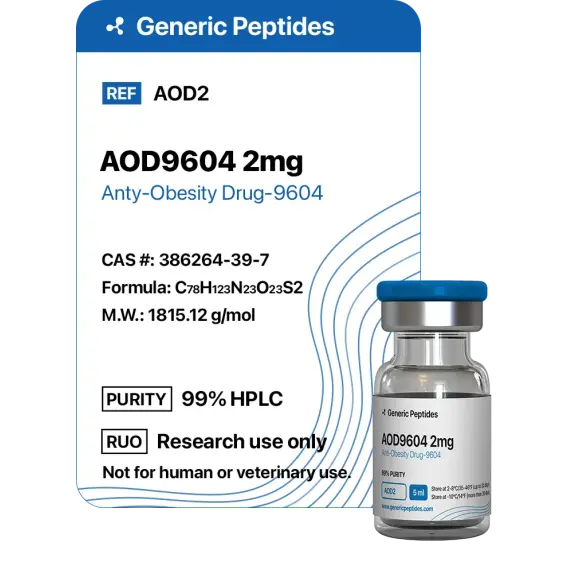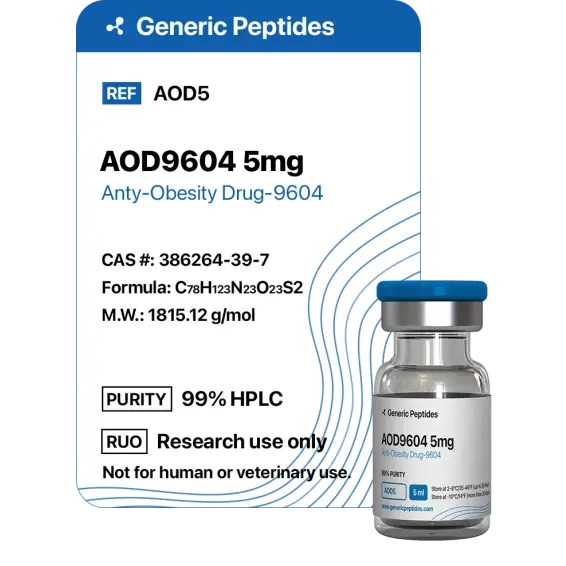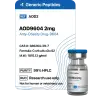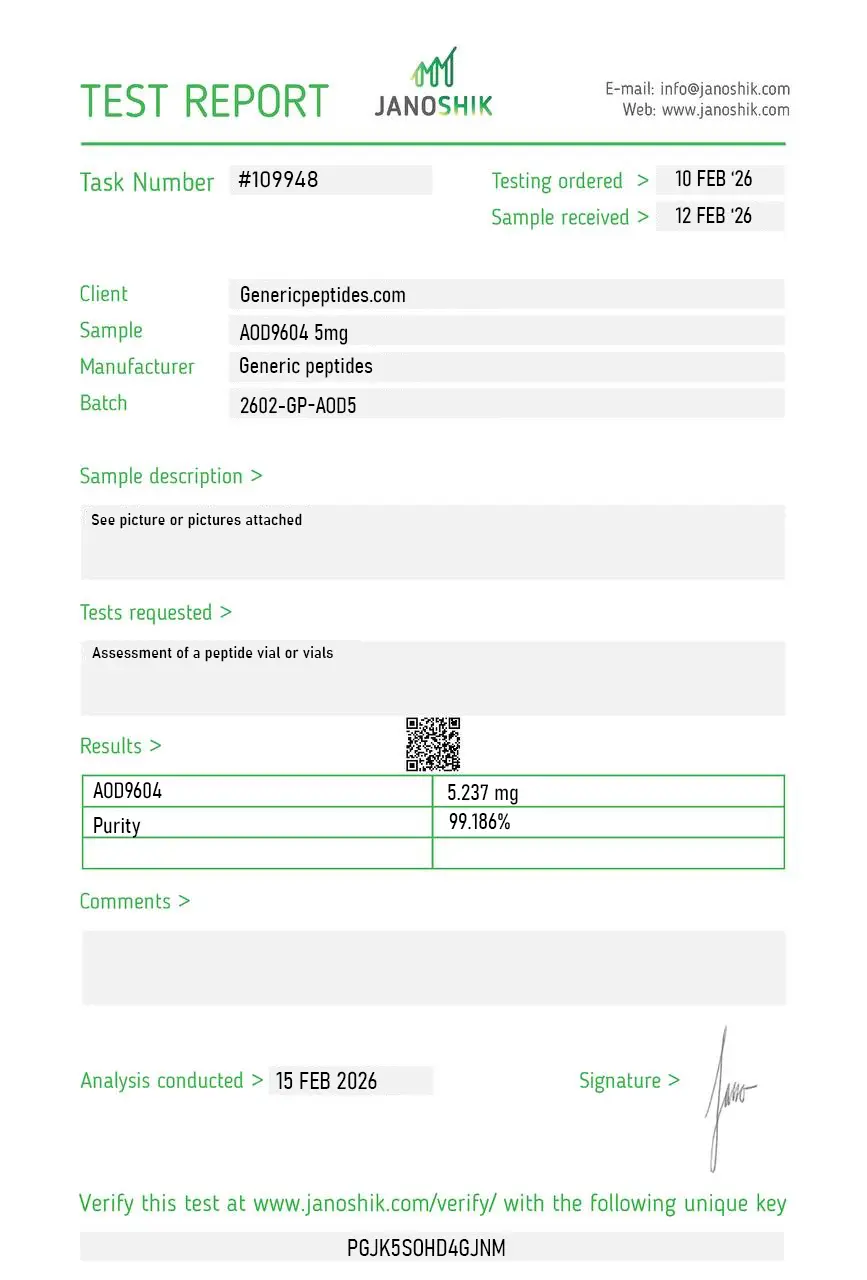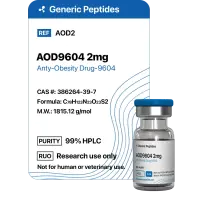
AOD 9604

CAS # 386264-39-7
Mol. weight 1,815.12 g/mol
Formula C78H123N23O23S2
Identity
Manufacturer Generic Peptides
Active substance AOD 9604 (hGH Fragment 176–191)
Synonyms AOD-9604; AOD9604; Tyr-hGH Frag 176-191; Human GH Lipolytic Fragment
Composition
Form Lyophilized powder
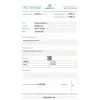
Purity ≥ 99% HPLC
Sequence Tyr-Leu-Arg-Ile-Val-Gln-Cys-Arg-Ser-Val-Glu-Gly-Ser-Cys-Gly-Phe (Disulfide bridge: Cys7–Cys15)
Product usage — Research only
  • For in vitro testing and laboratory use only.
  • Not for human or animal consumption.
  • Bodily introduction is illegal.
  • Handle only by licensed professionals.
  • Not a drug, food, or cosmetic.
  • Educational use only.
Availability: In Stock
$54.00
Quantity
Strength
Shipping
Wishlist
Quick Summary: AOD 9604
  • Adults wanting targeted fat loss without the hormonal risks of full HGH therapy, often combined with diet and exercise.
  • It activates fat cell receptors to trigger fat breakdown and also blocks the body from forming new fat deposits.
  • Modest fat loss support with no IGF-1 elevation, no insulin resistance, and no water retention — unlike full HGH therapy.
  • AOD 9604 does not affect testosterone, GH, or any other hormone — no PCT is needed after a cycle.
  • Not approved as a drug anywhere, but holds a formal GRAS food-safety designation; banned under WADA S2 for athletes.
  • Inject 250–500 mcg subcutaneously once daily in the morning on an empty stomach, ideally before exercise.
  • Run for 12–16 weeks minimum — short cycles under 8 weeks are unlikely to produce noticeable fat-loss results.
  • Its pivotal 24-week human trial failed to beat placebo — it is a supplement to lifestyle changes, not a standalone fat-loss solution.

AOD 9604: The Complete Guide to the HGH Fat-Burning Fragment — What the Science Really Says

If you have spent any time in anti-ageing clinics, metabolic medicine circles, or performance nutrition communities, you have almost certainly encountered AOD 9604. It is one of the most widely discussed fat-loss peptides in existence — marketed as a precision tool that extracts the fat-burning power of human growth hormone, strips away everything else, and leaves you with a targeted lipolytic compound that doesn't raise IGF-1, doesn't impair glucose metabolism, and doesn't carry the risks of full HGH therapy. The pitch is elegant. The science behind the concept is genuinely sound. But the full story — including the clinical trials that produced mixed results, the Phase IIb failure that ended the formal drug program, the GRAS designation that creates its unusual legal position, and the FDA's recent moves on compounding — is far more nuanced than the marketing suggests. This article covers all of it.

What It Is and Where It Comes From

AOD 9604 is a synthetic peptide derived from the C-terminal region of human growth hormone (hGH). Specifically, it corresponds to amino acids 176–191 (or 177–191 in some notations) of the 191-amino-acid hGH molecule, with a single modification: the addition of a tyrosine residue at the N-terminus, which significantly improves the peptide's stability and oral bioavailability. The full chemical designation is Tyr-hGH₁₇₇₋₁₉₁.

The "AOD" stands for "Anti-Obesity Drug" — a name that reflects its original therapeutic purpose directly. The compound was developed in the 1990s by Professor Frank Ng and colleagues at Monash University in Melbourne, Australia, through a research program that sought to identify which specific region of the hGH molecule was responsible for its well-known lipolytic (fat-burning) effects, while isolating it from the parts responsible for growth promotion, IGF-1 stimulation, and insulin resistance. The commercial development was carried out by Metabolic Pharmaceuticals, an Australian biotech company.

The key insight behind AOD 9604's development was the observation that growth hormone has both anabolic (tissue-building, growth-promoting) effects mediated through the growth hormone receptor and IGF-1 axis, and lipolytic effects on adipose tissue that appeared to operate through separate mechanisms. If the lipolytic domain could be isolated, a drug could theoretically produce fat-burning without the side effects that make long-term full HGH therapy problematic — principally, insulin resistance, elevated blood glucose, water retention, and IGF-1-driven proliferative effects.

AOD 9604 retains the disulfide bridge between two cysteine residues (at positions 7 and 14 of the peptide, corresponding to Cys182 and Cys189 in the native hGH molecule). This structural feature is considered important for maintaining the secondary structure similarity to the corresponding region of native hGH, and may contribute to its biological activity and stability.

How It Works in the Body — Mechanisms of Action

The mechanism of action of AOD 9604 is somewhat less completely characterised than that of more established peptides, and researchers continue to debate the precise receptor interactions involved. Here is what is known:

Does Not Act Through the GH Receptor

Unlike full-length hGH, AOD 9604 does not bind to or activate the growth hormone receptor (GHR) in the way that intact hGH does. This is the fundamental distinction that gives it its selective profile. Because it does not activate the GHR, it does not drive IGF-1 production in the liver, does not stimulate protein synthesis and anabolic signalling, and does not produce the insulin-antagonising effects that make full HGH problematic for glucose metabolism. This was confirmed in the formal clinical safety trials, which showed no change in serum IGF-1 levels in subjects receiving AOD 9604 at any dose — a clean separation from the HGH axis.

Beta-3 Adrenergic Receptor (β₃-AR) Modulation

The most well-supported mechanism for AOD 9604's lipolytic effects involves the β₃-adrenergic receptor pathway. β₃-adrenergic receptors are expressed predominantly on adipocytes (fat cells) and are the primary receptors mediating catecholamine-induced lipolysis in adipose tissue. When activated, they trigger adenylyl cyclase, increase cyclic AMP, activate protein kinase A (PKA), and ultimately activate hormone-sensitive lipase (HSL) — the key enzyme that hydrolyses stored triglycerides into free fatty acids and glycerol, which are then released into circulation for use as energy.

Animal studies demonstrated that AOD 9604 increases β₃-AR mRNA expression in obese animals, effectively restoring β₃-AR levels toward those seen in lean animals (obese animals have reduced β₃-AR expression compared to lean ones). In β₃-AR knockout mice — animals genetically engineered to lack this receptor — the chronic fat-reducing effects of AOD 9604 were abolished, strongly implicating β₃-AR as a critical mediator. Interestingly, short-term effects on energy expenditure were still observed in knockout mice, suggesting that β₃-AR-independent pathways also contribute to some of AOD 9604's metabolic effects, at least acutely.

Inhibition of Lipogenesis

AOD 9604 appears to exert a dual mechanism — not merely increasing fat breakdown (lipolysis) but also reducing fat formation (lipogenesis). By inhibiting lipogenic enzymes and reducing the conversion of dietary and excess carbohydrate energy into stored fat, it could theoretically prevent re-accumulation of fat alongside promoting its mobilisation. This antilipogenic component has been documented in animal models.

Oral Bioavailability

One of AOD 9604's most pharmacologically unusual features — and a major reason for its development as a potential oral drug — is its relatively high oral bioavailability for a peptide. The addition of the N-terminal tyrosine residue and the retention of the disulfide bridge confer resistance to proteolytic degradation in the gastrointestinal tract. Animal models suggest oral bioavailability of approximately 40%, which is extraordinary among therapeutic peptides. This made oral tablet development feasible and was reflected in the clinical trial designs, which used oral administration rather than injection. In humans, the plasma half-life is reported at approximately 2–3 hours following oral or injected administration, though metabolic effects persist longer due to downstream cellular signalling.

Emerging Mechanisms: Cartilage and Joint Effects

Beyond fat metabolism, subsequent research has suggested that AOD 9604 may have additional biological effects in joint tissue. A published rabbit osteoarthritis study (Kwon and Park, 2015, Annals of Clinical Laboratory Science) found that intra-articular injection of AOD 9604 enhanced cartilage regeneration in a collagenase-induced knee OA model, with the combination of AOD 9604 and hyaluronic acid producing greater benefit than either alone. The proposed mechanism involves modulation of NF-κB signalling and reduction of inflammatory cytokines and matrix metalloproteinases (MMPs) that drive cartilage degradation — effects that may be partially IGF-1-independent and related to direct effects on chondrocyte survival and proliferation. This remains entirely preclinical, but it has significantly expanded interest in AOD 9604 beyond pure fat loss.

What It Was Studied For and What Effects It Showed

Animal Studies

The foundational animal work was compelling. In genetically obese Zucker rats and ob/ob mice, chronic AOD 9604 treatment produced significant reductions in body weight and fat mass without the glycaemic disruption seen with full hGH treatment. The compound increased lipolysis, inhibited lipogenesis, and reduced fat accumulation without affecting food intake (confirming it is not an appetite suppressant). Importantly, lean animals did not lose significant weight — suggesting a threshold effect tied to existing adipose tissue, somewhat analogous to what was observed with Adipotide.

Human Clinical Trials — The Six-Study Program

Between 2001 and 2007, Metabolic Pharmaceuticals conducted six randomised, double-blind, placebo-controlled clinical trials with AOD 9604, collectively enrolling approximately 900–925 adult participants. This is a substantial clinical evidence base for a research peptide and represents more human safety data than most compounds in this class possess. The trials were conducted across a range of doses (from 1 mg/day up to 30 mg/day in various formulations) and durations.

The key safety findings, published in the Journal of Endocrinology and Metabolism (Stier et al., 2013), were: no effect on serum IGF-1 levels (confirming the GH receptor independence); no negative effect on carbohydrate metabolism as assessed by oral glucose tolerance test (a critical differentiator from full hGH); no anti-AOD 9604 antibodies detected in any patient tested (no immunogenicity); no serious adverse events and no withdrawals related to AOD 9604 intake in any of the six studies. The compound's safety and tolerability profile was described as "indistinguishable from placebo."

The efficacy picture is more complex and more honest. In a 12-week randomised clinical trial, subjects receiving AOD 9604 at 1 mg/day lost an average of 2.6 kg compared to 0.8 kg in the placebo group — a statistically significant difference that generated real excitement. However, the pivotal Phase IIb trial — identified as METAOD006 (the OPTIONS trial), enrolling 536 subjects over 24 weeks — failed to demonstrate statistically significant weight loss compared to placebo at any dose tested. This failure to replicate in the larger, longer, adequately powered trial led Metabolic Pharmaceuticals to halt the formal drug development program in 2007. AOD 9604 never progressed to Phase III. It was never submitted for FDA or TGA approval as a pharmaceutical drug.

The GRAS Designation — An Unusual Regulatory Pathway

After the drug development program was discontinued, Metabolic Pharmaceuticals pursued a different regulatory avenue. AOD 9604 received a GRAS (Generally Recognised As Safe) designation from an independent expert panel qualified by the FDA for use as a food ingredient. GRAS is a separate regulatory category from drug approval — it permits use in foods, beverages, and dietary supplements, not as a pharmaceutical drug. This created AOD 9604's unusual current legal status: not approved as a drug, but formally recognised as safe for use as a food ingredient, with a clean clinical safety record from 900+ human subjects. The GRAS designation does not validate efficacy for weight loss — it addresses safety only.

Forms and Methods of Administration

Subcutaneous Injection

The most commonly used method in the current wellness and research community. Reconstituted peptide is injected into subcutaneous fat — typically the lower abdomen — using an insulin syringe. This bypasses any questions about oral absorption variability and is the preferred route for practitioners seeking consistent systemic exposure. The standard protocol involves morning injection in a fasted state, before food or exercise.

Oral (Capsule or Tablet)

AOD 9604 is one of the relatively few peptides where oral administration has both scientific justification and clinical trial validation. The original Metabolic Pharmaceuticals trials used oral tablet formulations — not injections. The N-terminal tyrosine addition and disulfide bridge confer meaningful resistance to gastric and intestinal degradation. Oral capsules are available from compounding pharmacies and research suppliers, though bioavailability may be somewhat lower than injection. For purely gastrointestinal or systemic fat-loss applications, oral dosing may be practical.

Oral Dispersible / Sublingual

Some compounding pharmacies have offered sublingual or oral dispersible formulations for patients who prefer to avoid injections, with the rationale that sublingual absorption bypasses first-pass hepatic metabolism. Formal bioavailability data for this route in humans is not published.

Intra-articular Injection

Used only in the animal osteoarthritis research and potentially in specialist clinical settings for joint applications. This requires professional medical administration under aseptic conditions. The rabbit study used 0.25 mg per joint injection.

Dosage: Research Findings vs Real-World Practice

Clinical Trial Doses

The six formal clinical trials used a range of doses from 1 mg/day to 30 mg/day via oral administration. The dose showing the best efficacy signal in the positive 12-week trial was 1 mg/day orally. Higher doses in the range of 5–30 mg/day did not produce proportionally better results and the pivotal trial failed across all doses tested.

Real-World Practitioner Protocols

In the current wellness and anti-ageing medicine context, the standard subcutaneous injection protocol is 250–500 mcg (micrograms) per day, administered in the morning in a fasted state. Note that this is dramatically lower than the oral clinical trial doses — 250–500 mcg is 0.25–0.5 mg, while the successful oral trial used 1 mg/day. The rationale for the lower injection dose is higher bioavailability by the subcutaneous route compared to oral, reducing the required dose for equivalent systemic exposure. However, the pharmacokinetic equivalence between 300 mcg SC and 1 mg oral has not been formally studied and remains practitioner convention rather than validated pharmacokinetics.

Some protocols suggest 500–1,000 mcg/day for more aggressive fat-loss goals, though this is at the upper end and the additional benefit over 300 mcg is unverified in humans.

Timing

Consistent across both clinical research and practitioner protocols: morning administration in a fasted state, either upon waking or approximately 30 minutes before exercise. The physiological rationale is that fasting conditions maximise baseline lipolytic tone and insulin sensitivity, creating the most favourable environment for AOD 9604's lipolytic mechanism. Exercising shortly after administration may amplify fat oxidation by providing the metabolic demand that mobilises the free fatty acids released by AOD 9604-stimulated lipolysis.

Cycles and Protocols

The standard cycle length referenced in the wellness community is 12 to 16 weeks for fat-loss goals, with 8 to 12 weeks cited for body recomposition. Some protocols extend to 20–24 weeks given the benign safety profile. Joint and cartilage support protocols (entirely preclinical in basis) are generally discussed as 4 to 6-week intra-articular courses.

Unlike compounds with receptor desensitisation risks (such as GHRPs, which may require cycling to maintain pituitary responsiveness), there is no documented evidence that AOD 9604 requires strict cycling due to receptor downregulation. The absence of GH receptor involvement means the pituitary-hypothalamic axis is not affected. However, conservative practice generally includes an off-period of 4 to 8 weeks between cycles.

Because the clinical trial data showed that results in the positive study required 12 weeks to manifest meaningfully, short cycles of 4–6 weeks are unlikely to produce detectable fat-loss outcomes and are not well-supported by the available evidence.

What It Is Combined With and Why

CJC-1295 / Ipamorelin

The most commonly discussed combination. CJC-1295 (particularly the non-DAC version, Mod GRF 1-29) combined with ipamorelin increases endogenous GH pulse amplitude and frequency. The rationale for stacking with AOD 9604 is dual-pathway stimulation: while CJC-1295/ipamorelin amplifies the body's own GH secretion (which has broader anabolic, recovery, and lipolytic effects via the full GH/IGF-1 axis), AOD 9604 provides targeted, selective lipolytic signalling via β₃-AR activation without the insulin-antagonising effects of the elevated GH. In theory, this produces both systemic GH benefits and targeted fat-burning. In practice, these combinations are used clinically in anti-ageing protocols but have no formal study documenting their combined efficacy.

BPC-157

A common recovery combination. BPC-157's tendon, ligament, gut, and vascular healing properties are proposed to complement AOD 9604's metabolic effects, particularly in athletes undergoing body recomposition who are also managing injuries.

Tesamorelin

Another GHRH analog sometimes suggested alongside AOD 9604 for visceral fat reduction, working through complementary mechanisms — tesamorelin via GH axis stimulation, AOD 9604 via direct β₃-AR lipolysis.

Diet and Exercise

Not just a cliché addition: the clinical evidence specifically showed that AOD 9604's fat-loss effects were modest at best in the pivotal trial and may require the combination with lifestyle intervention to produce meaningful outcomes. This is consistent with what is observed clinically — AOD 9604 appears to work as a facilitator of fat mobilisation, not a substitute for the metabolic demand needed to utilise that mobilised fat.

The Science: What Is Proven and What Is Not

What is supported by published evidence:

  • Selective lipolysis and lipogenesis inhibition in obese animal models — consistent across multiple species
  • β₃-adrenergic receptor as a key mediator of chronic fat-loss effects — confirmed by β₃-AR knockout mouse experiments
  • No IGF-1 elevation — confirmed in human clinical trials across all doses
  • No negative effect on carbohydrate metabolism — confirmed in oral glucose tolerance tests in human trials
  • No immunogenicity — no anti-AOD 9604 antibodies detected across 900+ human subjects
  • Excellent short-term safety and tolerability across six double-blind, placebo-controlled trials
  • GRAS designation for food ingredient use based on independent expert panel review
  • Statistically significant weight loss (2.6 kg vs 0.8 kg placebo) in one 12-week human trial at 1 mg/day oral
  • Enhanced cartilage regeneration in a rabbit OA model with intra-articular injection

What is NOT established in humans:

  • Statistically significant weight loss in the pivotal 24-week Phase IIb trial — the drug program was abandoned precisely because this failed
  • Long-term weight loss outcomes beyond 24 weeks
  • Efficacy of subcutaneous injection relative to oral dosing at any dose
  • Efficacy for joint or cartilage repair — entirely preclinical
  • Body composition (fat mass vs. lean mass) changes in adequately powered human trials
  • Optimal dose and duration for any human indication
  • Long-term safety beyond 24 weeks of study

Side Effects and Real Risks

From Human Clinical Trials

The clinical safety profile of AOD 9604 is genuinely one of the cleanest in the peptide world. Across six randomised, double-blind, placebo-controlled trials in approximately 900 participants, the side-effect rate was statistically indistinguishable from placebo. No serious adverse events attributed to AOD 9604 occurred. No withdrawals for safety reasons occurred.

From Real-World and Grey-Market Use

  • Injection site reactions: redness, itching, or minor swelling — the most common complaint, typically related to injection technique or failure to rotate sites
  • Mild transient nausea or bloating in some individuals, particularly on initial use
  • Occasional fatigue or mild headache, especially in those sensitive to metabolic peptides
  • No documented serious systemic adverse effects

Theoretical Concerns and Open Questions

  • Long-term immunogenicity with extended exposure: while the clinical trials showed no antibody formation over the study durations, very long-term use (years) has not been studied
  • Potential interactions with thyroid function — β₃-adrenergic signalling interacts with thermogenic pathways that also involve thyroid hormone sensitivity; this has not been formally assessed
  • Quality of unregulated sources: the same concern that applies to all research peptides — purity, accurate dosing, and sterility are not guaranteed in grey-market products
AOD 9604, based on the clinical trial data, does not cause: elevated IGF-1, insulin resistance, impaired glucose tolerance, water retention, joint pain, carpal tunnel syndrome, acromegaly features, or pituitary suppression. These are the characteristic side effects of full HGH therapy. The pharmacological separation of AOD 9604 from the HGH receptor axis is clean and well-documented.

Effects on Hormones and the Endocrine System

AOD 9604's endocrine profile is defined largely by what it does not do. Its clinical validation specifically established absence of effect on IGF-1 and glucose metabolism. Here is the broader hormonal picture:

Growth Hormone Axis

AOD 9604 does not interact with the growth hormone receptor, does not stimulate or suppress GH secretion from the pituitary, and does not affect the hypothalamic-pituitary axis. The GH/IGF-1 axis remains entirely undisturbed, confirmed across all dose levels in the clinical trials.

Insulin / Glucose

Oral glucose tolerance tests in the clinical trials showed no effect on insulin sensitivity or blood glucose. This is a major pharmacological advantage — one of the primary barriers to full HGH therapy is hyperinsulinaemia and impaired glucose tolerance, which are completely absent with AOD 9604.

Testosterone, Oestrogen, and Reproductive Hormones

There is no evidence from the clinical literature that AOD 9604 affects the hypothalamic-pituitary-gonadal (HPG) axis. Unlike anabolic steroids, GH secretagogues, or aromatase inhibitors, AOD 9604 has no documented interaction with sex hormone production. No post-cycle therapy (PCT) is required.

Cortisol

Unlike older GHRPs such as GHRP-6 or hexarelin, which produce significant cortisol spikes via ghrelin receptor activation, AOD 9604 does not stimulate the hypothalamic-pituitary-adrenal (HPA) axis. Cortisol levels remain unaffected — another advantage over older generation GH secretagogues.

Leptin

As fat mass decreases with AOD 9604 treatment, leptin levels would be expected to fall proportionally, as leptin is produced by adipocytes. This is a physiological consequence of fat loss rather than a pharmacological effect of the peptide.

Thyroid

β₃-adrenergic receptor activation has some interaction with thermogenesis and thyroid hormone sensitivity at the cellular level (UCP-1 in brown adipose tissue, for example). Whether AOD 9604's β₃-AR effects meaningfully alter thyroid hormone dynamics in humans has not been formally studied.

Cancer Risk — A Direct Answer

AOD 9604 presents a more favourable cancer risk profile than most growth hormone-axis compounds, for a straightforward pharmacological reason: it does not elevate IGF-1. IGF-1 is the primary mitogenic concern associated with GH and its secretagogues — it promotes cell proliferation, and chronically elevated IGF-1 has epidemiological associations with increased risk of colorectal, prostate, and premenopausal breast cancer.

Because AOD 9604 does not raise IGF-1, the fundamental mechanism driving the cancer risk concern with HGH therapy, CJC-1295, and other GH-axis compounds does not apply here. The clinical trial data confirmed zero IGF-1 elevation across all doses in all six studies — this is one of the most robustly documented safety features of the compound.

The β₃-adrenergic pathway through which AOD 9604 primarily acts does not have a well-characterised cancer-promoting mechanism. β₃-adrenergic receptors are expressed in brown and white adipose tissue and some other tissues, but there is no established link between β₃-AR activation and cancer promotion at physiological levels.

The FDA cited "risk for immunogenicity, peptide-related impurities, and limited safety-related information" in its 2023–2024 compounding restriction decisions regarding AOD 9604. These concerns are about manufacturing quality and long-term unknown risks rather than a specific identified cancer mechanism. In honest summary: AOD 9604 does not have a cancer-promoting mechanism analogous to IGF-1 elevation from HGH or GH secretagogues, and the clinical trial safety data showed no cancer-related events. The long-term oncological safety beyond 24 weeks of controlled study has simply not been assessed.

Contraindications

  • Known sensitivity or allergy to peptide-based compounds
  • Active cancer or history of hormone-sensitive malignancy (general precautionary principle given limited long-term data, even though the IGF-1 risk is absent)
  • Type 1 diabetes or unstable metabolic conditions (precautionary given the β₃-AR-mediated effects on lipid metabolism, which could alter substrate utilisation in insulin-dependent individuals unpredictably)
  • Pregnancy and breastfeeding (no data)
  • Paediatric patients (no data; the compound was developed as an adult obesity drug)
  • Severe hepatic or renal impairment (no formal pharmacokinetic data in these populations; general caution warranted)
  • Concurrent use with drugs that significantly alter adrenergic signalling (beta-blockers would theoretically blunt AOD 9604's β₃-AR-mediated effects)

Interactions With Drugs and Other Substances

  • Beta-blockers (propranolol, atenolol, metoprolol, carvedilol): Directly antagonise adrenergic receptors, which would reduce or block AOD 9604's primary mechanism via β₃-AR activation. Whether non-selective vs. selective beta-blockers affect this differently has not been studied.
  • Beta-2 agonists (albuterol, salmeterol, formoterol): There is some functional overlap between β₂ and β₃ adrenergic signalling in adipose tissue. Combining with β₂ agonists could theoretically produce additive adrenergic stimulation of lipolysis, with unknown effects on cardiovascular parameters.
  • Stimulants (caffeine, ephedrine, synephrine): All have adrenergic-stimulating properties that overlap with AOD 9604's lipolytic mechanism. Combining "fat-burning stack" supplements with AOD 9604 adds cardiovascular and metabolic stimulant load that has not been studied.
  • Insulin and antidiabetic drugs: AOD 9604 does not impair glucose tolerance, but the metabolic shift induced by increased lipolysis (increased free fatty acid availability) could theoretically affect insulin requirements in insulin-dependent diabetics and warrants glucose monitoring.
  • Full HGH therapy: Theoretically combined in some anti-ageing protocols. Since AOD 9604 does not act via the GH receptor, the two should not be directly competitive. However, the rationale for combining full HGH (which already contains the AOD 9604 sequence as part of its structure) with AOD 9604 is pharmacologically unclear, and the combination has not been studied.

United States

AOD 9604 occupies a genuinely unusual regulatory position in the USA. It is not FDA-approved as a pharmaceutical drug for any indication — the drug program was formally discontinued in 2007. However, it holds GRAS (Generally Recognised As Safe) status for use as a food ingredient, granted by an independent expert panel. This means it can legally be included in food products and dietary supplements.

The injectable form exists in a more complex grey area. In 2023, the FDA listed AOD 9604 as a bulk drug substance that raises safety concerns for compounding under Section 503A, citing "risk for immunogenicity, peptide-related impurities, and limited safety-related information." This effectively restricted US compounding pharmacies from preparing injectable AOD 9604 formulations. However, in late 2024, following legal pushback from compounders and a settlement with the FDA, the agency agreed to submit several peptides — including AOD 9604 — to review by the Pharmacy Compounding Advisory Committee (PCAC) in formal public meetings, rather than maintaining the unilateral ban. As of early 2026, this review process is ongoing. The outcome will determine whether injectable AOD 9604 can legally be prepared by 503A compounding pharmacies again.

European Union

AOD 9604 has no EMA approval. It is available through grey-market research chemical suppliers across the EU. Selling it for therapeutic human use without marketing authorisation is illegal in all member states.

Australia

Interestingly, Australia — where the compound was developed — classifies AOD 9604 as a Schedule 4 prescription-only medicine. This means it requires a prescription to possess or supply legally, making it more accessible through official channels than in the USA or EU, where no approved prescribing pathway exists. Australian regulations recognise its development history and GRAS status while still requiring physician oversight.

United Kingdom

No MHRA approval. Selling for human use without MHRA authorisation is illegal under The Human Medicines Regulations 2012. Personal possession is not specifically criminalised.

Sports Status — WADA Position

AOD 9604 is explicitly prohibited by WADA under Section S2: Peptide Hormones, Growth Factors, Related Substances, and Mimetics. This is the same S2 category that covers full HGH, CJC-1295, sermorelin, ipamorelin, and other growth hormone-related compounds. The prohibition applies at all times — in-competition and out-of-competition.

This WADA classification is somewhat pharmacologically paradoxical, because AOD 9604 does not increase GH levels, does not raise IGF-1, and does not bind the GH receptor. The performance-enhancing rationale is based on its potential to alter body composition (reduce fat mass) and potentially enhance fat oxidation during exercise — both of which could improve performance in weight-class sports or endurance disciplines. Whether these effects are meaningful enough to justify the S2 classification at the doses practically usable by athletes is debatable from a scientific standpoint, but the regulatory position is clear.

A detection method for AOD 9604 in urine was published in 2015 (Cox et al., Drug Testing and Analysis), and a study confirmed it does not interfere with the standard WADA hGH isoform immunoassay (Orlovius et al., 2013) — meaning detection requires a specific analytical method for the fragment itself, not simply the standard HGH test. WADA-accredited laboratories have developed LC-MS/MS methods for AOD 9604 detection. There is no TUE pathway because the compound has no approved medical use in any country (the Australian S4 prescription status does not constitute a globally recognised approved indication).

Storage and Solution Preparation

Storage of Lyophilised Powder

AOD 9604 lyophilised powder is stable at −20°C for 2+ years in sealed vials away from light and moisture. Refrigerator storage (2–8°C) is appropriate for short-term use of unopened vials. The disulfide bridge in the molecule makes it sensitive to oxidative conditions — protect from prolonged exposure to air after reconstitution.

Reconstitution for Injection

Standard reconstitution uses bacteriostatic water (0.9% benzyl alcohol) to provide antimicrobial stability. A common vial size is 2 mg or 5 mg lyophilised powder. For a 2 mg vial reconstituted with 2 mL of bacteriostatic water: 1 mg/mL solution, meaning 300 mcg = 0.3 mL = 30 units on a U100 insulin syringe. Inject the water slowly along the inner wall of the vial; roll or swirl gently — never shake. Allow complete dissolution. Solution should be clear and colourless; discard if cloudy or discoloured.

Storage of Reconstituted Solution

Refrigerate at 2–8°C and use within 28–30 days when reconstituted with bacteriostatic water. The disulfide bridge means the compound is somewhat more stable than most simple linear peptides, but cold storage and protection from light remain important.

Oral Capsules

For oral use (if obtained in capsule form from a compounding pharmacy), no preparation is needed. Store as directed by the dispensing pharmacy — typically room temperature in a dry, dark location away from heat.

Who Uses It and For What Purpose

Anti-Ageing and Metabolic Wellness Patients

The largest user group by volume. AOD 9604 has become a staple offering of anti-ageing, longevity, and metabolic wellness clinics, particularly in Australia (where Schedule 4 prescription is possible), the USA (in clinics working around the compounding restrictions), and across the EU. Patients are typically middle-aged adults dealing with body composition changes — increased visceral fat, difficulty losing fat despite exercise, or the desire to reduce fat without risking the side effects of full HGH therapy. Its clean safety profile and GRAS status make it one of the more conservative peptide options for this population.

Bodybuilders and Physique Athletes

AOD 9604 is used in cutting phases to accelerate fat loss while preserving lean muscle mass. Its lack of effect on IGF-1 and protein synthesis means it does not support muscle building — this is universally understood in the bodybuilding community, where it is valued strictly as a fat-loss agent, typically combined with GH secretagogues for the anabolic component. Its comparatively benign side effect profile makes it accessible to users who are cautious about full HGH use.

Joint and Cartilage Patients (Emerging, Preclinical)

Based on the rabbit osteoarthritis study and subsequent interest in chondroprotective applications, some regenerative medicine practitioners have begun exploring intra-articular AOD 9604 for joint applications — typically combined with hyaluronic acid. This represents an entirely off-label, entirely preclinical application with no validated human evidence, but the pharmacological rationale and the published animal data have made it a topic of active clinical interest.

Researchers and Scientists

AOD 9604 is used as a research tool for studying β₃-adrenergic receptor-mediated lipolysis, adipocyte biology, and the dissociation of GH's anabolic and lipolytic effects.

Comparison With Alternatives and Similar Products

AOD 9604 vs Full HGH (Somatropin)

The explicit design objective of AOD 9604 was to preserve HGH's lipolytic effects while eliminating its risks (IGF-1 elevation, insulin resistance, water retention, joint pain, carpal tunnel syndrome, acromegaly risk). The clinical data confirms it achieves the second goal. Whether it matches HGH for fat loss in humans is genuinely unknown — the pivotal trial failed to show significant weight loss, which is not a favourable comparison to HGH's documented fat-reducing effects in growth-hormone-deficient patients. For any approved medical indication (adult GHD, paediatric GHD, AIDS wasting), HGH has full FDA approval, extensive clinical data, and established prescribing pathways. AOD 9604 has none of these. For wellness users who cannot access or do not want full HGH, AOD 9604 represents a lower-risk profile, though efficacy evidence is weaker.

AOD 9604 vs GLP-1 Agonists (Semaglutide, Tirzepatide)

The direct comparison for obesity treatment. GLP-1 agonists are FDA-approved, produce 15–22% body weight loss in clinical trials, are prescribable by any physician, and have extensive post-market safety surveillance. AOD 9604 failed its pivotal 24-week trial. For any patient genuinely seeking pharmacological weight management for obesity, GLP-1 agonists are unambiguously the evidence-based choice. AOD 9604 may have a niche role for individuals seeking body composition optimisation without appetite suppression effects, who are not appropriate candidates for or who decline GLP-1 agonists, but this is a narrow niche.

AOD 9604 vs Tesamorelin

Tesamorelin is FDA-approved for visceral fat reduction in HIV-associated lipodystrophy — the closest approved analog in the GHRH-related space. It works by stimulating GH release rather than direct lipolysis, meaning it does raise IGF-1 and has a more complex side effect profile. AOD 9604's direct β₃-AR mechanism is pharmacologically different and produces no IGF-1 elevation, making it preferable for patients with IGF-1 concerns. But tesamorelin has full regulatory approval and AOD 9604 does not.

AOD 9604 vs Adipotide

Mechanistically entirely different: Adipotide destroys fat-cell vasculature, while AOD 9604 stimulates lipolysis within intact fat cells. Adipotide produced dramatically more fat loss in primate models but was halted for serious kidney toxicity. AOD 9604 showed modest fat loss in its successful human trial and excellent safety in all six human studies. For anyone comparing the two, AOD 9604 is substantially safer and better characterised in humans — the comparison is not close.

AOD 9604 vs Fragment HGH 176–191

These names are used interchangeably by many sources, and the confusion is understandable. Technically, "HGH fragment 176–191" or "HGH frag 176–191" usually refers to the unmodified fragment, while AOD 9604 is the N-tyrosine-modified version with the stabilising modification. AOD 9604 has superior bioavailability and stability compared to the unmodified fragment. Products sold as "HGH fragment 176–191" in the grey market may or may not contain the tyrosine modification, and quality control is not guaranteed.

What Doctors and Official Medicine Say

The mainstream medical position is nuanced for AOD 9604 compared to most research peptides, because the safety data is unusually solid and the GRAS designation provides a formal regulatory foundation for certain uses.

On the safety side, official medicine acknowledges the clean clinical trial record: six double-blind RCTs, 900+ participants, no serious adverse events, no IGF-1 effects, no glucose metabolism effects, no immunogenicity. The formal safety characterisation of AOD 9604 is better than that of most peptides in this space.

On the efficacy side, the position is unfavourable: the compound failed to demonstrate statistically significant weight loss in its adequately powered pivotal trial. A treatment that does not outperform placebo in a well-designed clinical trial is not a medicine that can be recommended for obesity management. The December 2024 FDA PCAC process gave the research community an opportunity to present new evidence — particularly the emerging joint and cartilage data and a re-analysis of the clinical trial efficacy question — in an effort to support reinstatement of compounding access.

The bottom line from organised medicine: AOD 9604 has excellent safety credentials and is biologically interesting, but it is not an approved obesity treatment because it did not clear the efficacy bar in large-scale human trials. Its best-supported use case remains research and carefully supervised clinical investigation.

The Future: Clinical Trials and Prospects

The formal drug development program for AOD 9604 as an obesity treatment is effectively dormant. No pharmaceutical company has announced a renewed development program. The commercial landscape has been transformed by GLP-1 agonists, which have captured the market for pharmacological obesity treatment so completely that it would be extremely difficult to justify the investment in AOD 9604 regulatory development for the same indication.

The more promising future directions are in the joint and cartilage space, and potentially in combination metabolic protocols. The 2015 rabbit OA study showing AOD 9604 + hyaluronic acid superiority to either alone has positioned the compound as a candidate for adjunctive osteoarthritis therapy. If a well-designed Phase II human trial confirmed even partial chondroprotective effects, AOD 9604's GRAS status and excellent safety record would provide a relatively clear regulatory runway compared to entirely novel compounds. This indication has not yet been formally pursued to the level of human clinical investigation.

The FDA PCAC review process initiated in December 2024 represents the most important regulatory development for AOD 9604 in years. If the committee recommends inclusion on the 503A bulks list, compounding pharmacies in the USA could again legally prepare injectable formulations for physicians to prescribe. Given the compound's GRAS designation and clinical safety record, there is a reasonable scientific argument for this outcome. Whether the committee will find the efficacy evidence sufficient to support compounding access for fat-loss indications, despite the failed pivotal trial, remains the key question.

Summary — The Key Takeaways

AOD 9604 is arguably the most scientifically legitimate and best-characterised fat-loss peptide in the research peptide landscape — and simultaneously one of the most honest examples of a compound that worked beautifully in animals and produced mixed results in humans.

The safety record is genuinely impressive: six double-blind, placebo-controlled trials, approximately 900 participants, zero serious adverse events, zero IGF-1 elevation, zero glucose metabolism effects, zero immunogenicity, and a formal GRAS safety designation. You will struggle to find another research peptide with this level of clinical safety documentation. The mechanism is biologically sound, the pharmacological selectivity is real, and the oral bioavailability is unusual and valuable.

The efficacy story is more complicated and more honest. A 12-week trial showed statistically significant but modest weight loss. The pivotal 24-week trial in 536 subjects failed to replicate statistical significance. That is the scientific record, and it explains why the formal drug program was discontinued in 2007. The compound did not fail safety — it did not clear the efficacy bar.

In 2025 and beyond, AOD 9604 is best understood as a low-risk, modestly lipolytic peptide with an unusually clean human safety profile and an emerging joint health application that is gaining research interest. It is not a substitute for GLP-1 agonists in obesity management. It is not going to produce dramatic fat loss as a monotherapy. It is, however, one of the more defensible tools in a supervised metabolic wellness protocol, particularly for individuals seeking fat-loss support without the hormonal disruption of full HGH therapy.

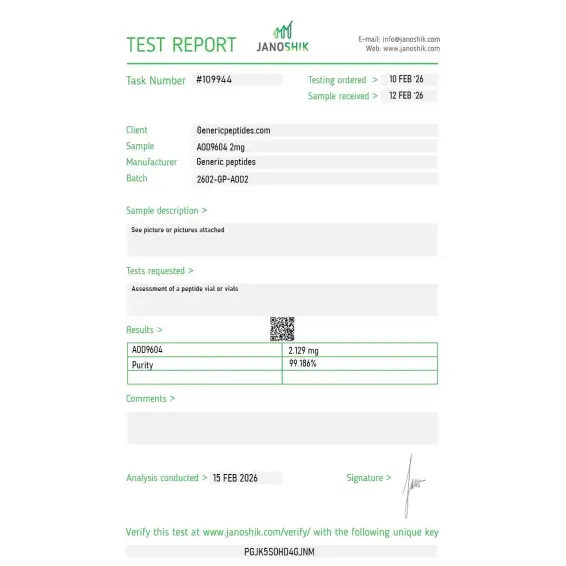
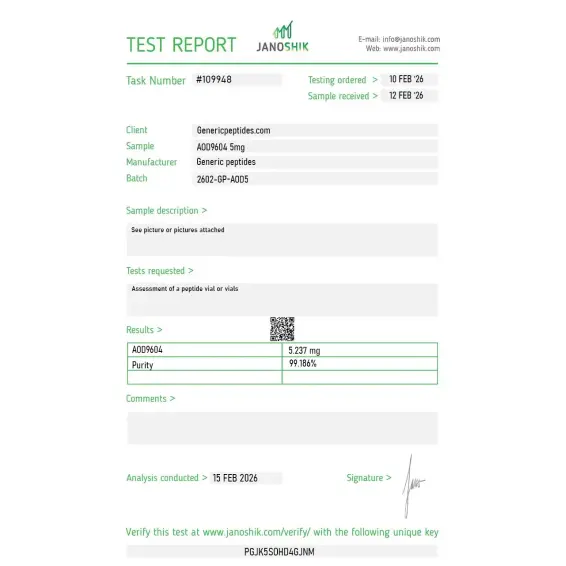
If you are considering AOD 9604, the appropriate framing is: modest, targeted, safe fat-loss support as an adjunct to diet and exercise — not a standalone weight-loss solution. Work with a physician who can confirm baseline metabolic parameters and monitor your progress. Source only from vendors providing verified third-party HPLC certificates of analysis. If you are a tested athlete, do not use it — it is explicitly banned by WADA.

⚠ DISCLAIMER This article is for informational and educational purposes only. It does not constitute medical advice, diagnosis, or treatment. AOD 9604 is not approved by the FDA or EMA as a pharmaceutical drug for any therapeutic indication. Do not use AOD 9604 without consulting a licensed healthcare professional. The author and publisher accept no liability for any actions taken based on the content of this article.

AOD 9604 Dosage & Usage Guide: Complete Protocols for Fat Loss and Metabolic Health

Introduction

AOD 9604 dosage and usage is a frequent topic among those seeking targeted fat loss through peptide therapy, as this modified fragment of human growth hormone (hGH amino acids 176–191) was specifically engineered to retain the lipolytic (fat-burning) properties of hGH while eliminating its insulin-desensitizing and growth-promoting effects. Originally developed by Monash University as an anti-obesity drug, AOD 9604 reached Phase 3 human clinical trials — making it one of the most clinically validated peptides in this space. This guide covers all research data, practical protocols, and real-world usage clearly and concisely.

What Research Says About Dosage

AOD 9604 is unusually well-studied for a research peptide, with multiple Phase 1, 2, and 3 human clinical trials conducted by Metabolic Pharmaceuticals (Australia).

Study / Source Dose Used Goal Population
Ng et al. (2000, Journal of Endocrinology) 25–400 mcg/kg (animal) Lipolysis, fat reduction Obese rodents
Metabolic Pharmaceuticals Phase 1 1–10 mg oral Safety, PK profile Healthy adults
Metabolic Pharmaceuticals Phase 2 (METAOD006) 1 mg oral daily Weight loss over 12 weeks Obese adults
Phase 2 trial findings 1 mg/day oral → modest but significant fat loss vs placebo Body composition Obese adults (n=300+)
Phase 3 trial 1 mg oral daily Weight loss confirmation Obese adults
SubQ community equivalent 200–600 mcg/day Fat loss, lipolysis Human anecdotal / practitioner
Goghlan et al. — cartilage research 200–400 mcg/day SubQ Joint / cartilage repair Preclinical + early human
Key finding: Phase 2 trials used oral dosing at 1 mg/day with modest results. SubQ administration is believed to produce significantly higher bioavailability and stronger lipolytic effect at lower absolute doses. AOD 9604 received GRAS (Generally Recognized As Safe) status from the FDA in 2014 for use as a food ingredient.

Real-World Dosage Protocols

Experience Level Dose Frequency Notes
Beginner 200–250 mcg Once daily Start here; assess response over 2–4 weeks
Intermediate 300–500 mcg Once daily Most commonly reported effective range
Advanced 500–600 mcg Once daily Upper practical range; limited added benefit above 500 mcg
Split dosing 250 mcg Twice daily (AM + pre-bed) Some practitioners prefer split for sustained lipolysis
Oral (clinical trial equivalent) 1 mg (1,000 mcg) Once daily oral Less effective than SubQ; used when injections not feasible

Dosage by Goal

Goal Recommended Daily Dose Frequency Cycle Length
General fat loss 300–500 mcg Once daily (AM fasted) 8–12 weeks
Stubborn / visceral fat 400–600 mcg Once daily (AM fasted) 10–16 weeks
Body recomposition 300–400 mcg Once daily 8–12 weeks
Joint / cartilage support 200–400 mcg Once daily 8–12 weeks
Anti-aging / metabolic health 200–300 mcg Once daily or every other day 8–12 weeks on, 4 off
Stacked with CJC-1295 / Ipamorelin 250–300 mcg AOD Once daily (separate timing) 8–12 weeks
Oral (convenience protocol) 1,000 mcg Once daily, fasted 12 weeks

Forms of Administration

Form Bioavailability Ease of Use Best For
Subcutaneous injection High Moderate Best results; standard practical route
Oral capsule / solution Low–moderate Very easy Clinical trial route; convenient but less effective
Intramuscular injection High Moderate Acceptable; not standard for this peptide
Nasal spray Low / inconsistent Easy Not well established; not recommended
Sublingual Unproven Easy No reliable data; not recommended
Note: AOD 9604 is one of the few peptides where oral administration has actual clinical trial backing (Phase 2/3), though SubQ remains the preferred route for maximum effect in real-world use.

Injection Guide

Reconstitution

  1. Common vial size: 2 mg or 5 mg lyophilized powder
  2. For 2 mg vial: add 2 mL bacteriostatic water → 1 mL = 1,000 mcg → 0.1 mL = 100 mcg
  3. For finer dosing: add 4 mL BW to 2 mg vial → 1 mL = 500 mcg → 0.1 mL = 50 mcg
  4. Inject BW slowly down vial wall; swirl gently — never shake
  5. Refrigerate reconstituted vial; use within 4–6 weeks
  6. Store lyophilized vials refrigerated or frozen; protect from light
Injection Type Site Needle Size Notes
Subcutaneous Belly fat, love handles, upper thigh, flanks 27–31G, 0.5 inch Rotate daily; some inject near target fat areas
Intramuscular Deltoid, glute, quad 23–25G, 1–1.5 inch Faster absorption; not necessary

SubQ injection steps

  1. Wipe vial septum and injection site with alcohol; allow to dry fully
  2. Draw correct volume into insulin syringe; verify dose
  3. Pinch 1–2 inches of skin at injection site
  4. Insert needle at 45° angle
  5. Aspirate lightly — resite if blood appears
  6. Inject slowly and steadily; withdraw; apply light pressure
  7. Rotate injection site each day

Cycle Length and Timing

Protocol Cycle Length Frequency Timing Notes
Standard fat loss 8–12 weeks Once daily Morning, fasted Most common; allow 4 weeks off before repeating
Extended recomposition 12–16 weeks Once daily Morning, fasted Monitor results at 8 weeks; reassess
Anti-aging / maintenance 8 weeks on, 4 off Once daily or EOD Morning Sustainable long-term approach
Pre-event / cut 6–8 weeks Once daily Morning, fasted Higher dose (400–500 mcg); strict diet required
Stacked protocol 8–12 weeks Once daily AM for AOD; separate timing for other peptides Commonly stacked with GH secretagogues
Oral clinical protocol 12 weeks Once daily Morning, 30 min before food Based on Phase 2/3 trial design
Fasted timing is important: AOD 9604's lipolytic effect is blunted by insulin. Administer at least 30 minutes before eating, ideally 1–2 hours fasted, for best results.

Stacking Protocols

AOD 9604 stacks well with other peptides due to its clean, non-hormonal mechanism and excellent safety profile.

Stack Partner AOD Dose Partner Dose Goal Notes
CJC-1295 DAC + Ipamorelin 300 mcg 1 mg/week + 200 mcg/night Fat loss + muscle growth Most popular stack; complementary mechanisms
BPC-157 300–500 mcg 400–500 mcg/day Fat loss + injury healing No interaction concerns; excellent combined protocol
Ipamorelin alone 300–500 mcg 200–300 mcg nightly Fat loss + recovery Simple, clean beginner stack
Semaglutide / GLP-1 250–300 mcg Per prescription Enhanced fat loss Complementary; discuss with prescribing physician
Tesamorelin 300 mcg 1–2 mg/day Visceral fat targeting Both target fat loss via different mechanisms

Beginner Protocol

  • Starting dose: 200–250 mcg once daily, SubQ, fasted morning
  • Timing: 30–60 minutes before breakfast or first meal; ideally after light fasted cardio
  • First 2 weeks: Low dose only — assess for any tolerance issues (generally very well tolerated)
  • Weeks 3–8: Increase to 300–400 mcg if response is satisfactory
  • Cycle length: Minimum 8 weeks — AOD 9604 effects are gradual and cumulative
  • Diet: Caloric deficit enhances results; peptide does not override poor nutrition
  • Track: Body weight, waist measurements, progress photos every 2 weeks
  • What to watch: Mild injection site redness (normal), headache (rare), nausea (uncommon at standard doses)
  • Bloodwork: Not mandatory but glucose and lipid panel at baseline and end of cycle is good practice

Common Dosage Mistakes

Mistake Why It Happens How to Avoid
Injecting immediately after eating Not aware of insulin interaction Always inject fasted; insulin blunts lipolytic effect
Expecting rapid results (< 4 weeks) Used to fast-acting fat burners AOD 9604 works gradually; commit to full 8–12 week cycle
Using oral route expecting injection-level results Wanting to avoid injections Oral is significantly less effective; SubQ is standard for real results
Running short 2–4 week cycles Impatience Fat loss via lipolysis is a slow process; short cycles waste the compound
Not being in a caloric deficit Believing peptide alone drives loss AOD 9604 enhances fat mobilization; diet still drives overall fat loss
Stacking with insulin or high-GI carbs around injection Poor timing Keep injection window insulin-free for 30–60 min minimum
Dosing above 600 mcg expecting linear improvement More = better mentality No evidence of benefit above 500–600 mcg; plateau effect documented
Confusing with full hGH Expecting anabolic / IGF-1 effects AOD 9604 does NOT raise IGF-1 or build muscle; it is fat-loss specific

Safety and Maximum Dose

AOD 9604 has one of the best safety profiles of any research peptide, validated through Phase 2/3 human clinical trials with hundreds of participants and no serious adverse events reported at therapeutic doses.

Dose Range Category Notes
< 200 mcg/day SubQ Sub-therapeutic Likely insufficient lipolytic stimulus
200–500 mcg/day SubQ Safe / therapeutic Well-validated range; consistent with research extrapolation
500–600 mcg/day SubQ Acceptable upper range No safety concerns documented; diminishing returns begin
> 600 mcg/day SubQ Unnecessary No evidence of additional benefit; avoid
1 mg/day oral Safe (clinical trial validated) Phase 2/3 data supports this oral dose specifically
> 1 mg/day oral Unvalidated No clinical data above 1 mg oral; not recommended

Side effect profile

Side Effect Frequency Severity Notes
Injection site redness / irritation Occasional Mild Resolves within hours; rotate sites
Mild headache Rare Mild Usually first week; self-resolving
Nausea Rare Mild Typically from too-high starting dose
Fatigue Very rare Mild Not commonly reported
Hypoglycemia Not reported Unlike hGH fragments, AOD 9604 does not affect insulin or glucose
IGF-1 elevation Not observed Key safety advantage over full hGH
Androgenic / hormonal effects None documented No hormonal activity confirmed in trials
Overall safety verdict: AOD 9604 is among the safest peptides available, with FDA GRAS status and Phase 3 human trial data. No serious adverse events have been documented at therapeutic doses in any published trial.

Quick Reference Summary

Goal Dose Frequency Cycle Length Form Key Note
General fat loss 300–500 mcg Once daily (AM fasted) 8–12 weeks SubQ injection Caloric deficit required
Stubborn / visceral fat 400–600 mcg Once daily (AM fasted) 10–16 weeks SubQ injection Longer cycles; track monthly
Body recomposition 300–400 mcg Once daily 8–12 weeks SubQ injection Stack with CJC/Ipamorelin
Joint / cartilage support 200–400 mcg Once daily 8–12 weeks SubQ injection Can stack with BPC-157
Anti-aging / metabolic health 200–300 mcg Once daily or EOD 8 weeks on / 4 off SubQ injection Sustainable long-term
Oral convenience protocol 1,000 mcg Once daily fasted 12 weeks Oral capsule Clinical trial validated
Beginner first cycle 200–250 mcg Once daily (AM) 8 weeks SubQ injection Increase only after week 2
Disclaimer This article is for informational and educational purposes only. It does not constitute medical advice, diagnosis, or treatment. AOD 9604 is not approved by the FDA or equivalent regulatory agencies as a therapeutic drug for weight loss or any other indication, despite having completed Phase 3 clinical trials. Its FDA GRAS designation applies specifically to use as a food ingredient, not as a therapeutic agent. Always consult a qualified healthcare professional before use. Individual results vary significantly and depend heavily on diet, exercise, and metabolic health baseline.

AOD 9604 Storage Guide: Lyophilized Powder and Reconstituted Solution

AOD 9604 is a modified fragment of human growth hormone that stores well when kept cold and dry — follow the guidelines below for each form and it will stay stable and effective throughout its shelf life.

Lyophilized Powder (Unreconstituted Vial)

Parameter Details Notes
Storage temperature 2–8°C (36–46°F) — refrigerator preferred; up to 25°C (77°F) acceptable short-term Shelf life: up to 24 months refrigerated; 3–6 months at room temperature
Freezing Allowed — –20°C (–4°F) or below is acceptable for dry powder Avoid repeated freeze-thaw cycles; let vial warm to room temperature before opening to prevent condensation
Light sensitivity Yes — protect from light Keep in original packaging or a dark container; away from UV and direct sunlight
Signs of degradation Yellow or brown discoloration; visible clumping or caking; unusual odor after reconstitution Fresh powder is white to off-white and completely dry; discard if discolored or clumped
Common mistakes Storing in an unsealed vial; exposing to humidity; leaving on a countertop for extended periods Keep vials sealed; return to fridge immediately after handling

Reconstituted Solution (After Mixing with Bacteriostatic or Sterile Water)

Parameter Details Notes
Storage temperature 2–8°C (36–46°F) — refrigerator only; do not leave at room temperature for more than a few hours Shelf life: up to 30 days with bacteriostatic water; use plain sterile water within 7 days
After reconstitution — freezing Not recommended — freezing damages the peptide structure; refrigerator only, no exceptions Keep powder unreconstituted if longer storage is needed; mix only what you need
Light sensitivity Yes — protect from light Store vial wrapped in foil or in a dark container inside the fridge; UV degrades the solution faster than powder
Signs of degradation Cloudiness; particulates; color change to yellow or brown; unusual odor A properly reconstituted solution is clear and colorless; discard if anything looks off
Common mistakes Leaving reconstituted vial at room temperature; using plain sterile water and storing for weeks; shaking vigorously Always swirl gently, never shake; use bacteriostatic water for multi-dose vials; label with the date of reconstitution
Disclaimer This guide is for general informational purposes only and does not constitute medical or pharmaceutical advice; always follow the storage instructions provided by your specific manufacturer or prescribing professional.

Shipping & Product Authenticity

Every order is processed quickly and shipped with full tracking. All products come directly from the official Dragon Pharma supply chain — in original manufacturer packaging, handled discreetly from warehouse to door.

Shipping Times

Destination Delivery Time Notes
USA Domestic 4–5 business days Faster when local warehouse stock is selected at checkout
International 13–15 business days Tracking included; update frequency may vary by destination country
Order Processing 24–48 business hours Processing begins after payment confirmation
Tracking Provided on all orders Tracking number sent after dispatch; multiple warehouses may result in separate shipments

Direct Supply & Discreet Delivery

This product is supplied through the official Dragon Pharma distribution chain and shipped in original manufacturer packaging. The outer shipping package remains discreet, with privacy-focused handling and no unnecessary external product details.

All shipments use plain outer packaging with no product branding or references visible on the outside. Your privacy is handled as a default, not an option.

What to Expect

  • Orders are processed after payment confirmation
  • USA domestic shipping is typically faster when local stock is selected
  • International orders include tracking, though update frequency may vary by destination
  • Multiple warehouses may result in separate shipments when applicable

Authenticity & Verified Supply

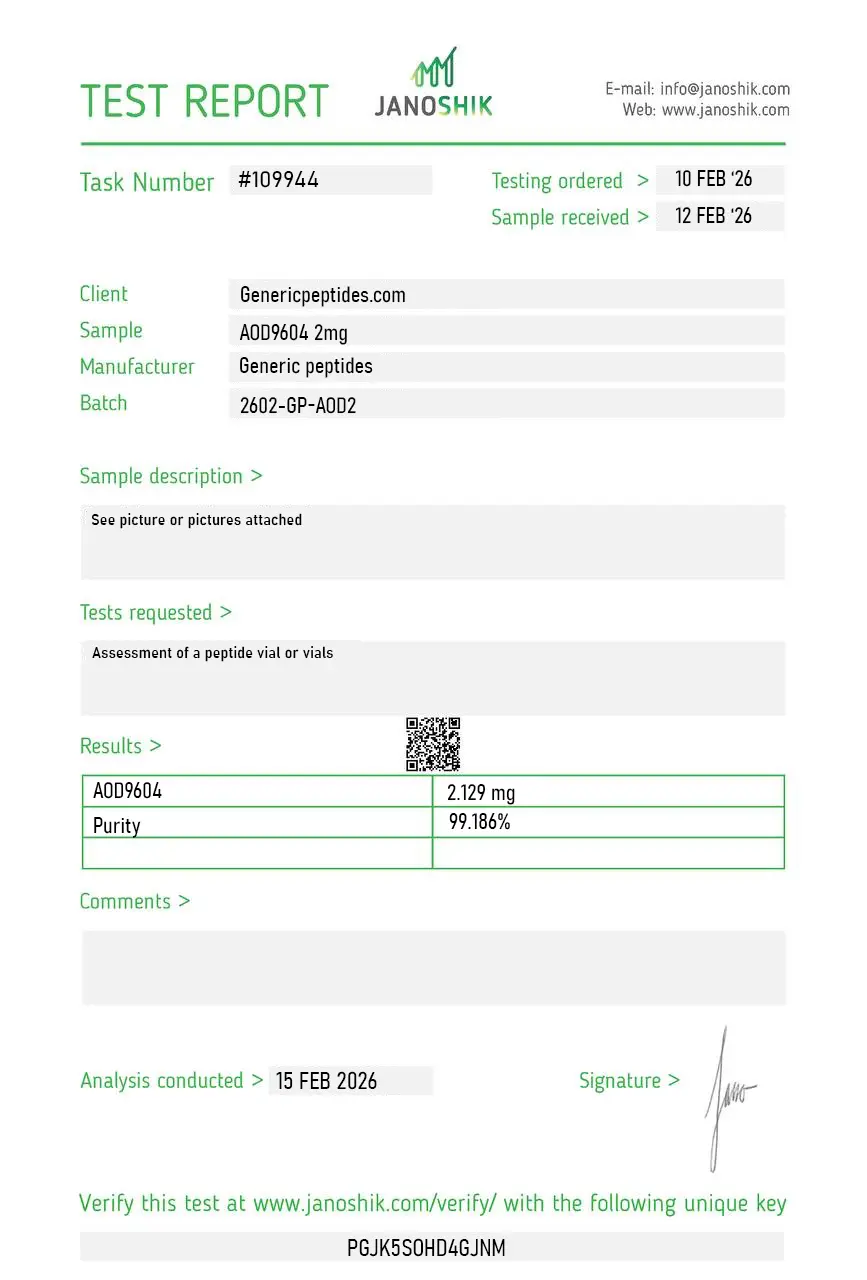
Authenticity support includes official Dragon Pharma presentation, batch-linked lab proof, and original packaging — all of which help reinforce product legitimacy and buyer confidence.

Authenticity Feature Details
Packaging Original manufacturer packaging — sealed and unaltered
Lab Proof Batch-linked certificate of analysis available on request
Supply Chain Sourced exclusively through official Dragon Pharma distribution
Shipping & Returns For complete delivery details, tracking policy, and reshipment terms, please see our Shipping Info page.
Please log in to write review.

AOD 9604 — short for Anti-Obesity Drug 9604 — is a synthetic 16-amino acid peptide fragment derived from the C-terminal region of human growth hormone (HGH), specifically amino acids 176 to 191, with a single tyrosine substitution at the N-terminus for added stability. It was developed in the 1990s by researchers at Monash University in Melbourne, Australia, with a clear purpose: isolate the fat-burning portion of HGH and deliver those metabolic effects without the risks that come with full growth hormone therapy. Unlike complete HGH, AOD 9604 does not stimulate IGF-1 production, does not promote tissue or organ growth, and does not interfere with blood sugar regulation — making it, on paper, a more targeted and cleaner tool for fat metabolism research.

AOD 9604 works primarily by activating beta-3 adrenergic receptors on fat cells — the same receptors that are stimulated naturally during exercise and fasting to trigger lipolysis, the breakdown of stored fat into usable fatty acids. By mimicking this signal, AOD 9604 encourages the body to release and oxidize stored fat for energy. At the same time, research suggests it may inhibit lipogenesis — the process by which non-fat dietary compounds are converted into new fat deposits. Importantly, animal studies using beta-3 adrenergic receptor knockout mice confirmed that AOD 9604's fat-burning effects are entirely dependent on this pathway — when those receptors were removed, the peptide produced no lipolytic effect at all.

The clinical story is mixed and deserves an honest telling. In an early 12-week Phase IIa randomized, double-blind, placebo-controlled trial with around 300 participants, those receiving 1 mg per day of AOD 9604 lost approximately 2.6 kg compared to 0.8 kg in the placebo group — a statistically significant difference. However, the follow-up pivotal Phase IIb trial lasting 24 weeks with 536 subjects failed to replicate statistically significant weight loss compared to placebo. This inconsistency in the primary endpoint led the developer, Metabolic Pharmaceuticals, to halt the formal drug development program in 2007. The compound was never approved as an anti-obesity drug, and its development was discontinued not because of safety concerns but because of insufficient efficacy.

This is one of the clearest parts of the AOD 9604 story. Across six randomized, double-blind, placebo-controlled trials involving over 900 participants, AOD 9604 demonstrated an excellent safety and tolerability profile that was essentially indistinguishable from placebo. It produced no significant effects on IGF-1 levels, showed no negative impact on glucose metabolism or insulin sensitivity, and generated no anti-peptide antibodies — meaning the immune system did not appear to recognize it as a foreign threat. No serious adverse events or withdrawals directly related to the peptide were reported across those trials. Common mild side effects reported in general use include injection site redness or irritation, occasional nausea, and mild headache. However, one caveat flagged by researchers is that prolonged activation of beta-adrenergic signaling — AOD 9604's primary mechanism — could theoretically affect the autonomic nervous system over the long term, a risk that has not been studied in extended human trials.

AOD 9604 is not FDA-approved as a drug for any indication. Its formal pharmaceutical development program was terminated in 2007 after failing to meet efficacy endpoints. It did receive GRAS (Generally Recognized as Safe) designation from an expert panel for use as a food ingredient — but this is an entirely separate regulatory category from drug approval and does not authorize it for therapeutic use in humans. In December 2024, the FDA specifically determined that AOD 9604 should not be included on the 503A Bulks List, which would have allowed licensed compounding pharmacies to prepare it for patients. The FDA cited concerns about limited long-term safety data, potential peptide impurities, and immunogenicity. This means compounding pharmacies in the US can no longer legally prepare it for human use.

Yes. Despite its discontinued drug development status, the World Anti-Doping Agency classifies AOD 9604 as a prohibited substance under the S2 category — Peptide Hormones, Growth Factors, and Related Substances — and it is banned at all times, both in and out of competition. WADA's decision reflects ongoing uncertainty about its biological effects in athletes rather than proven performance enhancement. Competitive athletes at any level governed by WADA or affiliated organizations risk sanctions if AOD 9604 is detected in testing.

The most commonly referenced research protocol uses 300 mcg per day administered via subcutaneous injection — a small needle inserted just below the skin, typically in the abdominal area. Clinical trials explored doses up to 1 mg per day without raising safety concerns. Some clinics also offer oral formulations, though oral bioavailability is generally considered lower than injectable delivery. Most protocols suggest morning dosing to align with the body's natural metabolic cycle. There is no FDA-approved dosing guideline, and because the formal drug program was discontinued, any clinical use today is off-label and should be overseen by a licensed medical professional.

This is one of AOD 9604's key distinguishing features compared to full HGH therapy. Because it acts specifically on beta-3 adrenergic receptors on fat cells without activating GH receptors or stimulating IGF-1, it does not appear to promote tissue growth, organ enlargement, or muscle hypertrophy — the side effects that make long-term HGH therapy problematic. Clinical trial data confirmed no significant changes in IGF-1 levels across the studied population. Based on the mechanism and available evidence, AOD 9604 does not appear to cause muscle loss either — its action is largely specific to adipocyte fat pathways, which is what distinguished it from both full HGH and from GLP-1 medications that have been associated with lean mass reduction in some patients.

This comparison puts AOD 9604's limitations into clear perspective. GLP-1 receptor agonists like semaglutide and tirzepatide have demonstrated far superior weight-loss efficacy in large-scale clinical trials — typically producing 10–20% body weight reduction over 68 weeks — and are FDA-approved treatments. AOD 9604 at best showed modest results in a single trial and failed to replicate them. Where AOD 9604 may offer a different profile is in its mechanism — it does not suppress appetite through the central nervous system, does not cause nausea and gastrointestinal distress as common side effects, and does not appear to affect muscle mass. For patients who cannot tolerate GLP-1 side effects or who are targeting fat metabolism specifically without altering appetite or muscle, it remains an area of clinical interest — but not as a proven or approved alternative.

Because AOD 9604 was never approved and long-term data is limited, certain populations should approach it with particular caution or avoid it altogether. Anyone with a history of cancer should be cautious — while AOD 9604 does not appear to activate IGF-1 (a known cancer growth factor), its effects on proliferative pathways over extended use have not been fully characterized. People with cardiovascular conditions should be mindful of the theoretical risk of dysautonomia from chronic beta-adrenergic receptor activation. Pregnant and breastfeeding women, children, and those with kidney or liver disease should avoid it entirely given the absence of safety data in these populations. As always, any use should be discussed with and supervised by a qualified physician.

Related Products