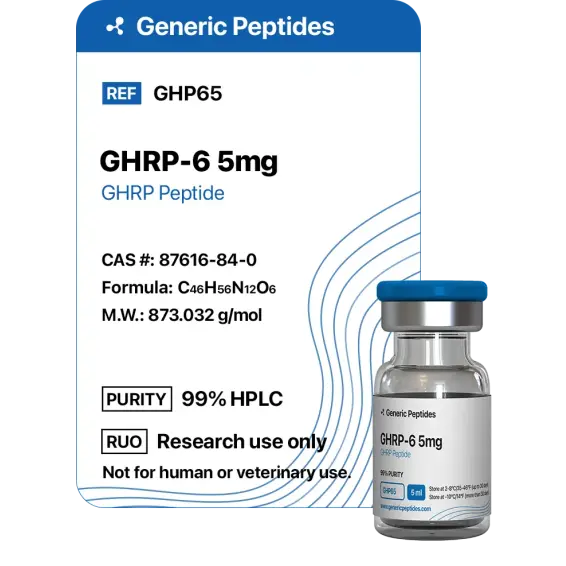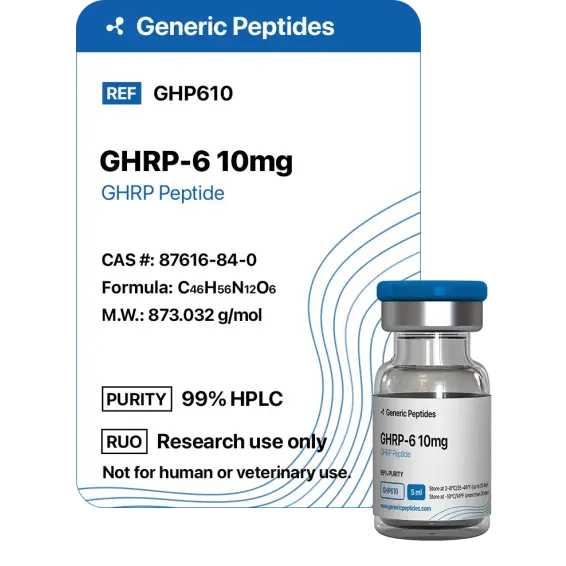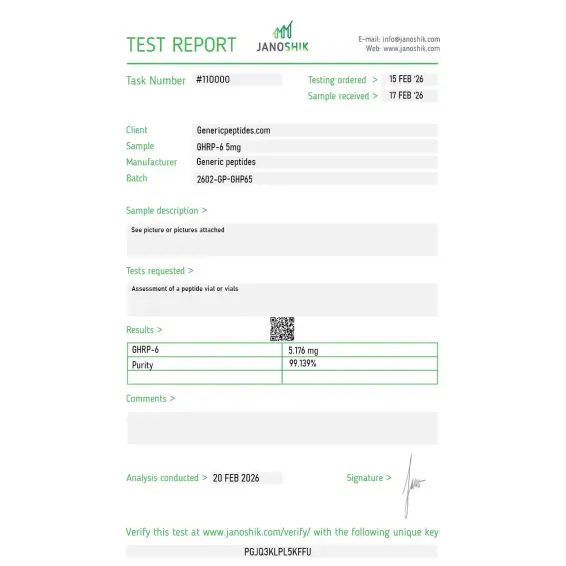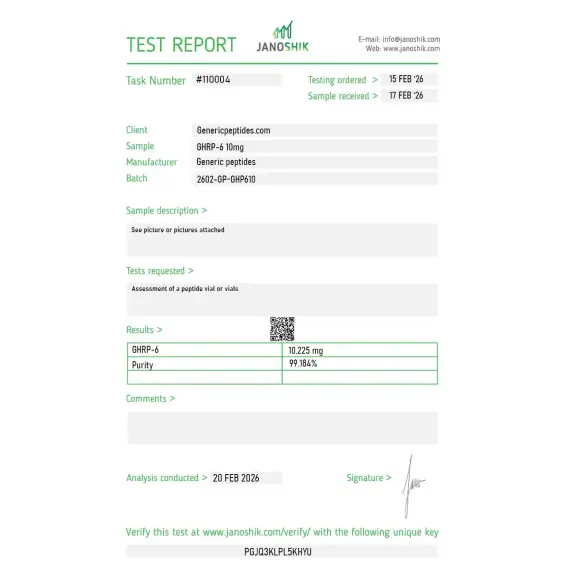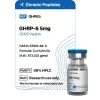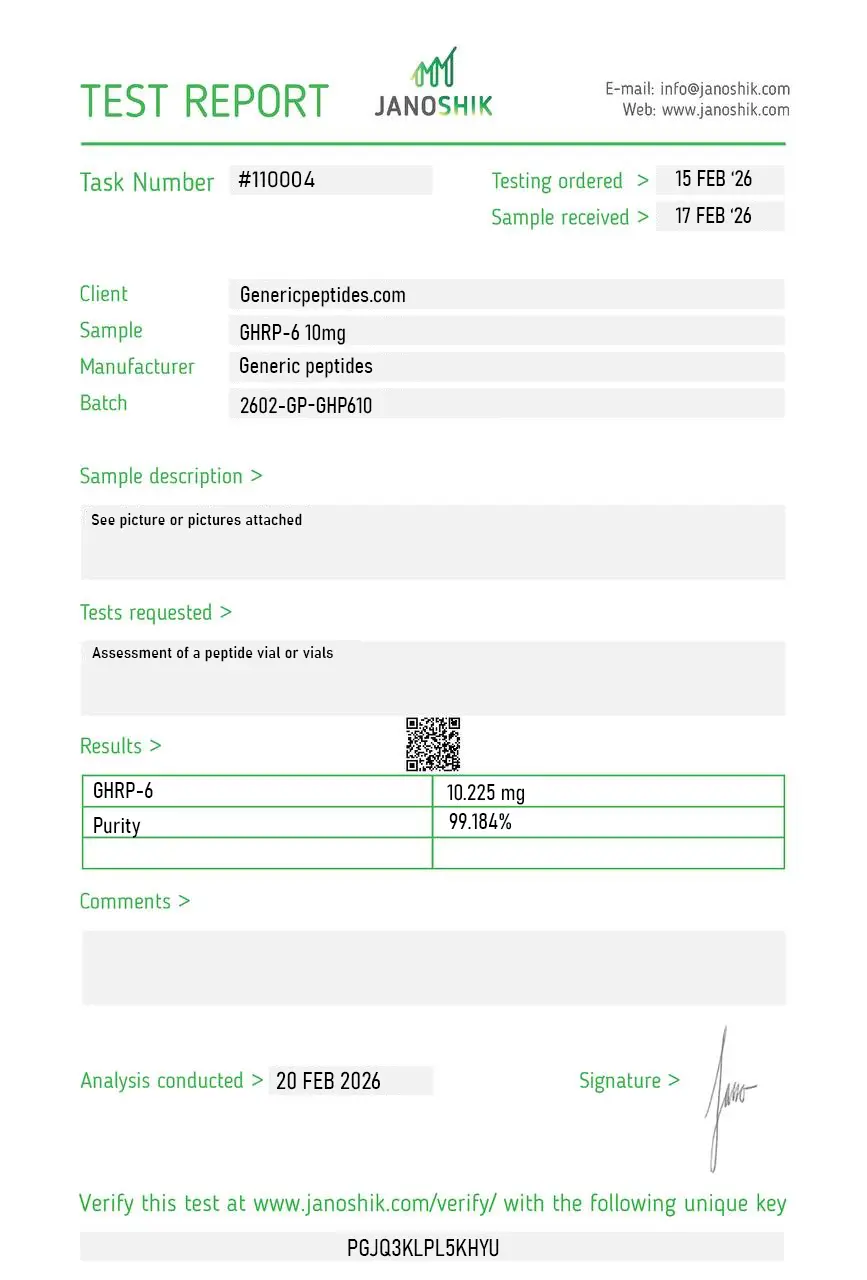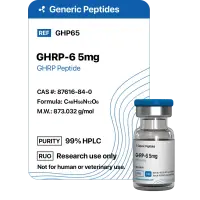
GHRP-6

CAS # 87616-84-0
Mol. weight 873.04 g/mol
Formula C46H56N12O6
Identity
Manufacturer Generic Peptides
Active substance GHRP-6 (Growth Hormone Releasing Peptide-6)
Synonyms Growth Hormone Releasing Hexapeptide; Hexapeptide-2; SKF 110679; U 75799E; HWAWFK-NH₂
Composition
Form Lyophilized powder
Purity ≥ 99% HPLC
Sequence His-D-Trp-Ala-Trp-D-Phe-Lys-NH₂
Product usage — Research only
  • For in vitro testing and laboratory use only.
  • Not for human or animal consumption.
  • Bodily introduction is illegal.
  • Handle only by licensed professionals.
  • Not a drug, food, or cosmetic.
  • Educational use only.
Availability: In Stock
$36.00
Quantity
Strength
Shipping
Wishlist
Quick Summary: GHRP-6
  • Hard-gaining athletes in mass phases, people recovering from illness with poor appetite, and those wanting GH with cardioprotection.
  • It activates the ghrelin receptor to trigger GH pulses and a second heart receptor to protect cardiac and organ tissue directly.
  • Uniquely combines GH stimulation with CD36-mediated organ protection and anti-fibrotic effects that more selective GHRPs lack entirely.
  • GHRP-6 does not suppress testosterone — no PCT is needed, but prolactin should be monitored in men on longer cycles.
  • Not approved by the FDA or EMA for any indication; explicitly WADA-banned under S2 for all athletes.
  • Inject 100–200 mcg subcutaneously once to three times daily on a completely empty stomach for best GH response.
  • Run 8–12 weeks using a 5-days-on, 2-days-off structure to prevent receptor desensitisation, then take an equal break.
  • Expect significant hunger within 30 minutes of every injection — if you are cutting or managing calories, choose ipamorelin instead.

GHRP-6 (Growth Hormone Releasing Peptide-6): The Complete Guide to the Founding Member of the GHRP Family — What the Science Really Says

There is a historical argument for calling GHRP-6 the most important peptide in this entire series. Not because it is the most potent, the most selective, or the most clinically advanced — it is none of those things. But because without GHRP-6, the entire growth hormone secretagogue class would not exist. Developed in 1984 by American endocrinologist Cyril Y. Bowers as the first synthetic peptide to specifically and dose-dependently release GH through a mechanism entirely distinct from GHRH, GHRP-6 was the founding compound from which GHRP-2, hexarelin, and eventually ipamorelin were all derived. It was GHRP-6 research that ultimately led to the 1996 cloning of the ghrelin receptor (GHS-R1a) and the 1999 discovery of ghrelin itself — meaning GHRP-6 preceded and enabled the identification of its own endogenous equivalent. It is the compound with the longest and broadest research history in the GHRP family. And it is also the compound with the most pronounced appetite-stimulating effect of any GHRP — the defining pharmacological feature that distinguishes it from its more selective successors.

What It Is and Where It Comes From

GHRP-6 — Growth Hormone Releasing Peptide-6 — is a synthetic hexapeptide with the amino acid sequence His-D-Trp-Ala-Trp-D-Phe-Lys-NH₂. Its molecular weight is approximately 873 g/mol and its molecular formula is C₄₆H₅₆N₁₂O₆. The "6" in its name refers to its six-amino-acid length, distinguishing it from the seven-amino-acid GHRP-1 and later compounds in the series.

The origin story begins in the late 1970s, when Bowers and colleagues at Tulane University were investigating chemical modifications of met-enkephalin — a naturally occurring endogenous opioid pentapeptide — and discovered that certain modifications produced unexpected GH-releasing activity in pituitary cell cultures. Through systematic structure-activity relationship (SAR) studies over several years, they developed GHRP-6, published in 1984 as the first synthetic peptide to specifically, dose-dependently, and reproducibly release GH both in vitro and in vivo through a mechanism entirely distinct from GHRH. The compound that Bowers had synthesised was working on a receptor that did not yet have a name, whose endogenous ligand had not yet been discovered. When it was finally isolated from rat stomach in 1999 by Kojima et al. in Japan and named ghrelin, it became clear that GHRP-6 and its successors had been functioning as synthetic ghrelin mimetics all along.

The structural features that define GHRP-6's pharmacology are the D-Trp (D-tryptophan) at position 2 and the D-Phe (D-phenylalanine) at position 5. These unnatural D-amino acid configurations confer resistance to enzymatic degradation by proteases. GHRP-6 occupies the lowest position on the selectivity spectrum of the classical GHRPs: it produces the strongest appetite stimulation of any member of the family, the most pronounced cortisol and prolactin elevation relative to ipamorelin, and the broadest hormonal footprint — pharmacologically faithful to its endogenous counterpart ghrelin in ways that more refined successors deliberately departed from.

How It Works in the Body — Mechanisms of Action

Primary Mechanism: GHS-R1a Receptor Agonism

GHRP-6 is a high-affinity agonist at the Growth Hormone Secretagogue Receptor type 1a (GHS-R1a) — the ghrelin receptor — expressed on somatotroph cells of the anterior pituitary gland, on neurons in the hypothalamic arcuate nucleus, and throughout peripheral tissues including the heart, liver, kidney, gut, and pancreas. Receptor binding triggers Gq/11 G-protein coupling → Phospholipase C (PLC) activation → IP3 and DAG generation → IP3-mediated endoplasmic reticulum calcium release → rise in intracellular [Ca²âº] → GH vesicle exocytosis from somatotroph cells. The result is a rapid, robust pulsatile GH release peaking approximately 15–30 minutes after administration.

Dual Hypothalamic Amplification: GHRH Stimulation and Somatostatin Suppression

GHRP-6's mechanism involves more than direct pituitary action. At the hypothalamus, GHS-R1a activation on arcuate nucleus neurons stimulates GHRH release — amplifying the pituitary's GH-secreting drive — while simultaneously suppressing somatostatin (GHIH) tone. A landmark human study (Cordido et al., 1993) demonstrated this directly by blocking endogenous GHRH with a specific antagonist, which eliminated most of GHRP-6's GH-stimulating effect — confirming that intact hypothalamic GHRH signalling is required for GHRP-6's full GH response. Combined GHRP-6 + GHRH administration produced GH secretion (area under the curve: 3,771 mcg/L per 120 min in normal subjects) far exceeding the arithmetic sum of the individual responses — establishing the supraadditive synergy that is the mechanistic basis for combining GHRP-6 with a GHRH analog.

The CD36 Receptor — The Second Binding Site and Cytoprotective Mechanism

Beyond GHS-R1a, GHRP-6 binds the ectodomain of CD36 — a scavenger receptor expressed on cardiac myocytes, hepatic stellate cells, macrophages, vascular smooth muscle cells, granulation tissue fibroblasts, and platelets. CD36 binding activates downstream pro-survival signalling cascades: PI3K/Akt pathway activation, ERK1/2 activation, Bcl-2 upregulation (anti-apoptotic), and inhibition of pro-apoptotic proteins (Bax, caspases). These effects are GH-independent — they occur through the CD36 receptor directly and are the mechanistic basis of GHRP-6's cardioprotective, hepatoprotective, anti-fibrotic, and cytoprotective properties that are entirely absent from GHRH analogs like CJC-1295.

A seminal 2017 review (Berlanga-Acosta et al., Clinical and Molecular Hepatology) summarised: "GHRPs' binding to CD36 activates prosurvival pathways such as PI3K/AKT1, thus reducing cellular death. Furthermore, GHRPs decrease reactive oxygen species (ROS) spillover, enhance the antioxidant defenses, and reduce inflammation. These cytoprotective abilities have been revealed in cardiac, neuronal, gastrointestinal, and hepatic cells, representing a comprehensive spectrum of protection of parenchymal organs."

Appetite Stimulation via Hypothalamic NPY/AgRP Pathways

GHRP-6's activation of GHS-R1a on arcuate nucleus neurons expressing neuropeptide Y (NPY) and agouti-related peptide (AgRP) stimulates appetite-promoting circuits in the hypothalamus — the same circuits activated by ghrelin, the physiological fasting and hunger signal released from the stomach. This is not a side effect of GHRP-6 but an inherent consequence of its strong ghrelin mimicry. GHRP-6 produces the strongest appetite stimulation of any GHRP, more pronounced than GHRP-2, and far more pronounced than ipamorelin.

ACTH and Cortisol Stimulation

GHS-R1a is expressed on corticotroph cells in the anterior pituitary as well as in the hypothalamic paraventricular nucleus. GHRP-6 stimulates ACTH release and CRH/CRF release, producing a cortisol response in addition to its GH effects. This cortisol elevation is the most pronounced among the classical GHRPs — stronger than GHRP-2, substantially stronger than ipamorelin. The ACTH/cortisol response is dose-dependent and continues to increase above the dose at which the GH response plateaus.

Anti-Fibrotic Mechanisms via TGF-β1 Suppression and PPARγ Upregulation

GHRP-6 has a distinct anti-fibrotic mechanism operating through CD36: it significantly reduces TGFB1 (transforming growth factor-beta 1) transcriptional expression and concurrently upregulates PPARG (peroxisome proliferator-activated receptor gamma) gene expression. TGF-β1 is the master regulator of fibroblast-to-myofibroblast transformation and extracellular matrix deposition — the central driver of pathological fibrosis in liver, skin, kidney, and heart. PPARγ activation counteracts TGF-β1-mediated fibrosis through an antagonistic relationship that has been increasingly recognised as an anti-fibrotic target.

What It Was Studied For and What Effects It Showed

Growth Hormone Secretion — The Original Discovery

GHRP-6's founding human pharmacology studies established dose-dependent GH release with peak plasma GH concentrations occurring 15–30 minutes post-injection. In normal subjects, intravenous GHRP-6 produced GH responses exceeding those of GHRH alone. Published human data confirms peak GH values of 50–70 mU/L in non-insulin-dependent diabetes patients. An intravenous infusion study found GHRP-6 elevated nocturnal GH concentration 2.8-fold above placebo in healthy males, accompanying a measurable increase in Stage 2 sleep duration.

Cardioprotection — The Most Extensively Documented Non-GH Effect

The cardioprotective research programme on GHRP-6 spans more than two decades, driven primarily by the Berlanga-Acosta group in Cuba but increasingly replicated and extended by independent researchers.

In a porcine model of acute myocardial infarction (Berlanga-Acosta et al., Clinical Science, 2007), GHRP-6 reduced myocardial necrosis by 78% and infarct thickness by 50%, acting through oxidant-scavenging mechanisms — the largest infarct-size reduction documented for any GHRP in this model. In rats with pressure-overload chronic heart failure (CHF), GHRP-6 (100 mcg/kg SC twice daily for 3 weeks) significantly improved left ventricular ejection fraction, reduced end-diastolic pressure and chamber dilation, reduced cardiomyocyte apoptosis, and attenuated sympathoadrenal and renin-angiotensin-aldosterone system activation.

In a 2024 study published in Frontiers in Pharmacology (Berlanga-Acosta et al.), GHRP-6 administered concomitantly with doxorubicin (a highly cardiotoxic chemotherapy drug) in rats prevented the onset of doxorubicin-induced dilated cardiomyopathy. GHRP-6 sustained cellular antioxidant defence, upregulated the pro-survival gene Bcl-2, preserved cardiomyocyte mitochondrial ultrastructure, attenuated extracardiac toxicity across hepatic, renal, and pulmonary tissues, and reduced morbidity and mortality — in rats that would otherwise have developed fatal cardiomyopathy from the chemotherapy.

Liver Fibrosis and Hepatoprotection

GHRP-6's anti-fibrotic properties were first extensively characterised in the liver. In a rat model of liver cirrhosis induced by chronic CCl4 intoxication (Berlanga-Acosta et al., 2012), GHRP-6 reduced fibrotic induration by more than 75% in both preventive and therapeutic administration schemes, reduced cord thickness and the number of cirrhotic nodules by up to 60%, and demonstrated a marked hepatoprotective effect through reduction of TGF-β1, TNF-α, IL-6, and collagen deposition. Subsequent studies in NASH and bile duct ligation models confirmed the hepatoprotective and anti-fibrotic profile.

Wound Healing and Anti-Fibrotic Scar Prevention

In the Wistar rat excisional wound model, topically applied GHRP-6 (400 mcg/mL carboxymethylcellulose jelly, twice daily for 5 days) reduced inflammatory infiltration, accelerated wound closure, decreased fibronectin and collagen deposition, and significantly elevated PPARγ expression. In the rabbit ear hypertrophic scar model — the accepted universal preclinical model for human keloid and hypertrophic scar — GHRP-6 (topical, daily for 30 days) prevented hypertrophic scar formation in a manner comparable to triamcinolone acetonide (TA, the current gold-standard injectable steroid for scar treatment), but without TA's significant adverse effects: dermal atrophy, telangiectasia, or immunosuppression.

GHRP-6 was effective in prevention of new hypertrophic scarring but did not significantly reverse mature established scars — an important limitation with direct clinical implications.

Neuroprotection — EGF + GHRP-6 in Acute Ischemic Stroke

A Phase I/II clinical trial published in Frontiers in Neurology in 2024 enrolled 36 patients with CT-confirmed acute ischemic stroke within 12 hours of symptom onset. Patients were randomised to EGF + GHRP-6 at two dose levels (75 mcg rEGF + 3.5 mg GHRP-6 IV, or 75 mcg rEGF + 5 mg GHRP-6 IV, twice daily for 7 days) or standard care control. The primary safety endpoint was met. Secondary neurological and functional outcomes showed a significantly better outcome for EGF+GHRP-6-treated patients relative to controls at 6 months. This was the first documented clinical safety data for intravenous GHRP-6 in a disease context, and the first human study to position GHRP-6 within a neuroprotective combination therapy framework for acute stroke.

This finding aligns with a rich preclinical evidence base: EGF + GHRP-6 co-administration in gerbil and rat stroke models reduced infarct volume and neurological deficits with efficacy comparable to therapeutic hypothermia. The combination works synergistically — EGF promotes neurogenesis and remyelination while GHRP-6 induces endogenous neuroprotective factors including GH and IGF-1, with both molecules crossing the blood-brain barrier.

Acute Kidney Injury (AKI) — 2025 Hydrogel Delivery System

A 2025 study published in Journal of Nanobiotechnology (Zhao et al.) employed a self-assembling GHRP-6 peptide hydrogel in mice with cisplatin-induced acute kidney injury. The GHRP-6 hydrogel accelerated renal tubular epithelial cell (TEC) recovery through metabolic reprogramming — increasing spermidine, L-glutamine, and acetyl-CoA levels — promoting TEC survival through anti-apoptotic and pro-proliferative effects.

Multiple Organ Protection and Systemic Cytoprotection

A foundational 2006 study in Clinical Science demonstrated that GHRP-6 prevented multiple organ failure in an experimental model of severe sepsis, reducing hepatocellular damage, renal tubular injury, and intestinal mucosal disruption while improving survival. This systemic cytoprotective profile — operating across heart, liver, kidney, gut, and brain simultaneously — through the dual GHS-R1a/CD36 receptor system is one of GHRP-6's most distinctive biological characteristics.

Sleep Quality Enhancement

In a human study, intravenous GHRP-6 (four 50 mcg boluses over a night) increased Stage 2 sleep duration by approximately 25 minutes (270 versus 245 minutes) compared to placebo in healthy males, alongside the 2.8-fold nocturnal GH elevation. This sleep-promoting effect is mediated partly through GHRH amplification and partly through direct hypothalamic effects of GHS-R1a activation on sleep-wake regulatory circuits.

Forms and Methods of Administration

Subcutaneous Injection (SC)

The standard route for research and wellness applications. Reconstituted GHRP-6 is injected into subcutaneous fat using an insulin syringe. Absorption is rapid and GH peaks occur within 15–30 minutes post-injection. This is the primary practical route for all non-clinical applications.

Intravenous (IV)

Used in the published human pharmacological studies and the 2024 ischemic stroke clinical trial (5 mg GHRP-6 IV twice daily for 7 days). Not practical for outpatient or self-administered use.

Topical Application

Specifically studied by the Cuban research group for wound healing and anti-fibrotic applications, formulated in carboxymethylcellulose (CMC) gel at 400 mcg/mL. This route delivers GHRP-6 directly to the CD36 receptors expressed in granulation tissue and wound fibroblasts without systemic GH or appetite effects. Topical GHRP-6 is a unique application not shared by more selective GHRPs and represents a clinically relevant potential future application for scar prevention and chronic wound management.

Intranasal

Explored in some preclinical studies. No validated human pharmacokinetic data. Relevant to the neuroprotective context given the olfactory-CNS route, but without established dosing parameters.

Dosage: Research Findings vs Real-World Practice

Human Pharmacological Studies

Published human studies used variable routes and doses reflecting different research objectives. The combined GHRP-6 + GHRH human study (Cordido et al., 1993) used 90 mcg IV bolus, producing the largest GH responses documented. The sleep study used four 50 mcg IV boluses per night. The 2024 stroke trial used 3.5–5 mg IV twice daily — far higher doses than bodybuilding/wellness protocols, in an acute neurological emergency context.

Real-World Wellness and Research Protocols

The standard subcutaneous dosing range is 100–300 mcg per injection. Typical protocols are a starting dose of 100 mcg SC once daily (fasted, pre-sleep), titrating to a maintenance dose of 100–200 mcg twice daily, with an advanced dose of 200–300 mcg three times daily (fasted: morning, post-workout, pre-sleep).

Timing is critical: GHRP-6 requires a fasted state for optimal GH response. Food consumption — particularly carbohydrates and protein — raises insulin and somatostatin, blunting GH pulse amplitude by 40–60%.

The appetite-stimulating effect is an important practical consideration for dosing decisions. GHRP-6 reliably increases hunger at virtually every dose. This is a significant advantage in specific contexts (cachexia, post-surgical anorexia, hard-gaining athletes in caloric surplus phases) and a significant disadvantage in others (fat loss protocols, maintaining caloric deficits). This pharmacological reality should shape the decision between GHRP-6 and more selective alternatives. There are no FDA-approved or formally validated wellness dosing guidelines for GHRP-6 in humans.

Cycles and Protocols

Tachyphylaxis Consideration

Like GHRP-2, GHRP-6 carries a risk of GHS-R1a receptor downregulation (tachyphylaxis) with continuous high-frequency dosing. The established practical management is the 5 days on, 2 days off structure within an 8–12 week cycle, with equal or longer off-periods between cycles. Weekend breaks preserve receptor sensitivity and maintain GH pulse amplitude throughout the cycle.

Recommended Cycle Structure

  • Week 1 (titration): 100 mcg once daily before sleep, fasted state
  • Weeks 2–4: 100–200 mcg twice daily (morning fasted + pre-sleep)
  • Weeks 4–12 (maintenance): 200 mcg twice to three times daily, 5/2 structure
  • Off-period: 8–12 weeks minimum between cycles

Appetite Management Within Cycles

GHRP-6 cycles require dietary planning that accounts for reliable appetite stimulation. Protocols focused on fat loss must either use a more selective alternative (ipamorelin) or actively manage the compensatory hunger through structured meal timing, high-satiety food choices, and dietary discipline. For mass gain cycles, GHRP-6's orexigenic effect is a practical benefit that reduces the discipline required to maintain a caloric surplus.

Anti-Fibrotic / Wound Healing Protocols

Where GHRP-6 is being used specifically for its anti-fibrotic or wound healing properties, the topical or local route is mechanistically superior to systemic injection. Topical formulation at 400 mcg/mL in CMC gel, applied twice daily to the wound area, is the research-validated approach in this context.

What It Is Combined With and Why

With CJC-1295 (GHRH Analog) — The Classic Stack

The most pharmacologically coherent combination. CJC-1295 activates the GHRH receptor; GHRP-6 activates GHS-R1a. The supraadditive synergy is the largest of any GHRP in the GHRH+GHRP combination class because GHRP-6's hypothalamic GHRH amplification plus CJC-1295's direct GHRH receptor activation create an extraordinary combined signal. The trade-off versus CJC-1295/ipamorelin: substantially stronger GH peak but with GHRP-6's appetite and cortisol effects as the cost.

With BPC-157 (in Recovery Protocols)

GHRP-6 provides systemic GH/IGF-1 anabolism; BPC-157 provides local vascular, tendon, and tissue repair. Complementary mechanisms targeting different aspects of the healing cascade. Used together in injury recovery protocols by clinicians combining the two compounds' distinct receptor-level actions.

With EGF (Epidermal Growth Factor) — The Neuroprotection Combination

Specifically validated in preclinical stroke models and the 2024 Phase I/II clinical trial. EGF and GHRP-6 have different but complementary neuroprotective mechanisms: EGF promotes neurogenesis and remyelination through EGFR activation; GHRP-6 provides anti-apoptotic protection through GHS-R1a/CD36 and stimulates IGF-1 in brain tissue. The combination's efficacy in animal stroke models (comparable to therapeutic hypothermia) and human safety data from the 2024 trial makes this the most clinically compelling GHRP-6 combination in the published literature.

With TB-500 (Thymosin Beta-4)

TB-500 promotes actin polymerisation and cell migration in tissue repair. GHRP-6 provides GH/IGF-1 anabolic signalling and CD36-mediated anti-fibrotic effects. The theoretical combination addresses structural cellular repair (TB-500) alongside anti-inflammatory/anti-fibrotic and anabolic signalling (GHRP-6) — mechanistically complementary though specific combination research is limited.

Other GHRPs (ipamorelin, GHRP-2, hexarelin) should not be stacked simultaneously with GHRP-6 — these all work on the same GHS-R1a receptor. Competition at GHS-R1a results in additive receptor desensitisation without proportional GH benefit. Rotation across cycles rather than simultaneous stacking is the rational approach.

The Science: What Is Proven and What Is Not

Documented in human evidence:

  • Robust, dose-dependent GH release in healthy adults — confirmed across multiple human pharmacological studies over three decades
  • Synergistic GH release when combined with GHRH — confirmed in human studies
  • GHRP-6 primarily requires intact hypothalamic GHRH for its full GH effect — confirmed in hypothalamopituitary disconnection study
  • Appetite stimulation (via GHRP-2 as close proxy) — confirmed in human buffet intake study
  • Nocturnal GH elevation and Stage 2 sleep increase — confirmed in human sleep study
  • Safety in acute ischemic stroke patients at 3.5–5 mg IV twice daily for 7 days, with preliminary efficacy signal — confirmed in 2024 Phase I/II trial
  • ACTH and cortisol elevation — confirmed in multiple human studies

Documented in animal and preclinical evidence (compelling but requiring human RCTs):

  • 78% reduction in myocardial necrosis in porcine MI model
  • Prevention of doxorubicin-induced dilated cardiomyopathy in rats (2024, Frontiers in Pharmacology)
  • Improvement of LV function and cardiomyocyte survival in CHF rats
  • Reduction of liver fibrosis by >75% in cirrhosis models
  • Prevention and improvement of hypertrophic scarring comparable to triamcinolone acetonide
  • Neuroprotection with EGF combination comparable to hypothermia in stroke models
  • Acute kidney injury recovery via GHRP-6 hydrogel (2025, Journal of Nanobiotechnology)
  • Multiple organ protection in sepsis models

Not established in humans:

  • Body composition improvement — no controlled human RCT measuring lean mass, fat mass, or body composition using GHRP-6 as the intervention
  • Cardioprotection — no human cardiac trial data
  • Long-term safety of repeated subcutaneous wellness cycles

Side Effects and Real Risks

Appetite Stimulation — The Dominant Practical Side Effect

The most prominent and most reliably experienced effect of GHRP-6 in human users. Hunger onset occurs rapidly — typically within 20–30 minutes of injection and lasting 1–2 hours. At standard doses (100–200 mcg), this hunger is noticeable and manageable. At higher doses or with multiple daily injections, it can be intense and substantially increase total caloric intake, working directly against fat loss protocols. This is not a rare side effect — it is the predictable pharmacological consequence of strong ghrelin receptor agonism and occurs in the large majority of users. Anyone using GHRP-6 without anticipating and planning for appetite stimulation will encounter an unpleasant surprise.

Cortisol and ACTH Elevation

Moderate cortisol and ACTH elevation transient post-injection. Greater magnitude than GHRP-2, substantially greater than ipamorelin. Returns to baseline within 2–3 hours. With multiple daily injections, repeated cortisol spikes could contribute to cumulative HPA axis activity that partially counteracts GH's anabolic effects. Monitoring morning cortisol in extended GHRP-6 protocols is appropriate.

Prolactin Elevation

Mild to moderate prolactin rise. The strongest prolactin response of the classical GHRPs (weaker than hexarelin; stronger than ipamorelin which produces negligible prolactin elevation). Sustained prolactin elevation above physiological ranges can suppress testosterone through HPG axis inhibition. Regular prolactin monitoring in men on extended GHRP-6 protocols is recommended.

Additional Class Effects

  • Water retention — mild peripheral oedema, particularly at higher doses or in the first cycle
  • Carpal tunnel syndrome-like symptoms — tingling, numbness, and weakness in the hands; dose-dependent and reversible
  • Injection site reactions — redness, minor bruising, transient swelling; prevented by proper rotation and technique
  • Transient flushing — warmth, facial flushing within minutes of injection; brief and self-limiting
  • Tachyphylaxis — GH pulse amplitude decreases over time without cycling breaks; managed with the 5/2 protocol and structured off-cycles
  • Glucose metabolism impairment — extended high-dose use can reduce insulin sensitivity; fasting glucose monitoring during cycles is appropriate

Effects on Hormones and the Endocrine System

Growth Hormone

Pulsatile GH release: peak at 15–30 minutes, return towards baseline by 2–3 hours. Magnitude: robust, among the largest acute GH pulses of the GHRP family per unit dose (less than hexarelin, comparable to GHRP-2 per unit, substantially larger than ipamorelin in terms of appetite-related GH amplification).

IGF-1

Sustained IGF-1 elevation proportional to cumulative GH exposure. Mediates anabolic, lipolytic, and tissue repair effects.

ACTH and Cortisol

The strongest cortisol stimulation in the classical GHRP family (excluding hexarelin). Moderate, transient, dose-dependent. Clinically meaningful with frequent high-dose administration.

Prolactin

Moderate elevation, highest of classical GHRPs (excluding hexarelin). Returns to baseline within hours of each injection. Long-term high-frequency use warrants prolactin monitoring in men for potential testosterone suppression.

Ghrelin and Appetite Hormones

GHRP-6 functionally substitutes for endogenous ghrelin at GHS-R1a. Appetite-stimulating NPY and AgRP are upregulated. This also has downstream effects on gastric motility — ghrelin is a prokinetic hormone accelerating gastric emptying, so some users experience improved digestion and reduced post-meal discomfort.

Testosterone

No direct HPG axis suppression. Indirect testosterone effects: elevated prolactin can suppress GnRH pulsatility and Leydig cell function, potentially reducing testosterone in men with high-dose, high-frequency protocols. No post-cycle therapy required for the HPG axis in standard protocols.

Cancer Risk — A Direct Answer

The cancer risk question for GHRP-6 has two distinct components:

IGF-1-Mediated Risk (Shared with All GH Secretagogues)

Chronic IGF-1 elevation above physiological norms carries a mechanism-based cancer promotion concern. No clinical trial has documented GHRP-6 causing cancer. The concern is epidemiological and mechanistic. Standard guidance applies: active cancer or history of IGF-1-sensitive malignancy is an absolute contraindication; IGF-1 monitoring and keeping levels within the upper-normal range for age is essential.

The CD36 Intersection — Complex and Context-Dependent

CD36 has a complex relationship with cancer biology. On one hand, CD36-expressing tumour-associated macrophages can promote tumour angiogenesis and growth. On the other hand, CD36 on cancer cells mediates fatty acid uptake — and pharmacological interference with CD36 is being studied as an anti-tumour strategy. Whether GHRP-6's CD36 agonism promotes or inhibits cancer is genuinely unclear, biologically context-dependent, and has not been systematically evaluated in carcinogenesis models.

The Doxorubicin Cardioprotection Context — An Intriguing Caveat

The 2024 Frontiers in Pharmacology study showing GHRP-6 prevents doxorubicin-induced cardiomyopathy is potentially highly significant for oncology patients receiving cardiotoxic chemotherapy. The researchers noted that GHRP-6's broad cytoprotective effects "contribute to pave potential avenues for the clinical use of GHRP-6 in Dox-treated subjects." This promising application would require careful investigation to ensure GHRP-6's cytoprotective mechanisms do not simultaneously protect tumour cells — a legitimate concern that the 2024 study did not address.

Contraindications

  • Active cancer or history of IGF-1-sensitive malignancy
  • Active prolactinoma or sustained hyperprolactinaemia
  • Obesity with active caloric restriction programmes (appetite stimulation directly counterproductive)
  • Poorly controlled type 2 diabetes (GH-mediated insulin antagonism + potential appetite-driven caloric excess)
  • Acromegaly or pre-existing GH excess
  • Active pituitary tumour
  • Proliferative or severe non-proliferative diabetic retinopathy
  • Pregnancy and breastfeeding
  • Paediatric and adolescent patients with open growth plates
  • Binge eating disorder or other appetite dysregulation conditions (appetite stimulation could be destabilising)

Interactions With Drugs and Other Substances

  • Somatostatin analogues (octreotide, lanreotide): Direct pharmacological antagonism — negate GHRP-6's GH effects at both pituitary and hypothalamic levels.
  • Corticosteroids: Additive HPA axis stimulation; glucocorticoids also suppress hypothalamic GHRH release, attenuating part of GHRP-6's GH response. Metabolic side effects amplified.
  • Dopamine antagonists (antipsychotics, metoclopramide, domperidone): These drugs raise prolactin through D2 receptor blockade. Combined with GHRP-6's prolactin-stimulating effect, clinically significant hyperprolactinaemia could result.
  • Insulin and antidiabetics: GH reduces insulin sensitivity. GHRP-6 additionally increases appetite and therefore caloric intake — double pressure on glucose homeostasis.
  • Cannabinoids, antihistamines, other orexigenic agents: Additive appetite stimulation. The combination of GHRP-6 with other appetite-stimulating agents at meal times could lead to substantial and unintended caloric excess.
  • GLP-1 receptor agonists (semaglutide, liraglutide, tirzepatide): Pharmacologically opposing appetite effects. GLP-1 agonists are powerful appetite suppressants; GHRP-6 is a potent appetite stimulant. Combined use creates competing orexigenic/anorexigenic signals. No interaction data available.
  • Other GHRPs (ipamorelin, GHRP-2, hexarelin): Competition at GHS-R1a; additive receptor desensitisation without proportional GH benefit. Rotation across cycles rather than simultaneous stacking is the rational approach.

United States

Not FDA-approved for any indication. GHRP-6 is not on the approved compounding list (it falls under Category 2 restrictions alongside ipamorelin and CJC-1295). It is not a DEA-scheduled controlled substance. Available through grey-market research chemical suppliers. The FDA's 2023–2024 restrictions on compounding pharmacies preparing injectable GHRP-6 apply.

European Union

No EMA approval. No EU marketing authorisation. Available through grey-market research chemical suppliers. Selling for human therapeutic use without marketing authorisation is illegal in EU member states.

Japan

Not approved in Japan (unlike GHRP-2/pralmorelin, which received PMDA approval as a diagnostic agent). GHRP-6 has no regulatory approval in any Western jurisdiction.

Cuba

Cuba is the country with the most advanced and extensive GHRP-6 clinical research programme, driven by the Berlanga-Acosta group at the Center for Genetic Engineering and Biotechnology (CIGB) in Havana. Multiple clinical trials have been conducted in Cuba and published in international peer-reviewed journals. The volume and quality of Cuban clinical research on this compound exceeds that of any other country.

Australia and United Kingdom

Australia: Schedule 4 prescription-only classification. United Kingdom: not named in the Misuse of Drugs Act; personal possession not specifically criminalised; sale for human therapeutic use without MHRA authorisation is illegal.

Sports Status — WADA Position

GHRP-6 is explicitly named on the WADA Prohibited List under Section S2: Peptide Hormones, Growth Factors, Related Substances, and Mimetics, specifically in the GHRPs subsection listing: alexamorelin, examorelin (hexarelin), GHRP-1, GHRP-2 (pralmorelin), GHRP-3, GHRP-4, GHRP-5 and GHRP-6.

Full S2 prohibition, at all times (in-competition and out-of-competition). No Therapeutic Use Exemption pathway exists. WADA-accredited laboratories have validated LC-MS/MS detection methods for GHRP-6 and its metabolites in urine, capable of detecting the compound at picogram/mL concentrations. Multiple documented anti-doping violations involving GHRP-6 exist in the public record — it is a well-established doping control target.

Comparison With the GHRP Family

GHRP-6 vs GHRP-2

GHRP-2 produces superior GH release per unit dose with moderately less appetite stimulation and moderately less cortisol and prolactin elevation. Both compounds are more potent than ipamorelin for absolute GH peak. GHRP-6 has a longer and more extensive research history; GHRP-2 has regulatory approval in Japan as a diagnostic agent. GHRP-6 retains an advantage in contexts where appetite stimulation is specifically desired (cachexia, anorexia, hard-gaining protocols).

GHRP-6 vs Ipamorelin

The most practically important comparison. Ipamorelin is GHRP-6's evolutionary descendant — specifically developed to retain GH-releasing potency while eliminating the appetite stimulation, cortisol elevation, and prolactin elevation of GHRP-6. Ipamorelin does not significantly affect ACTH, cortisol, or prolactin at GH-releasing doses. For the overwhelming majority of clinical and wellness applications where appetite stimulation is not the goal, ipamorelin provides the cleaner, better-tolerated, and more selective option. GHRP-6 remains the choice specifically when appetite stimulation is a desired therapeutic endpoint, or when the oldest and most characterised compound in the family is preferred.

GHRP-6 vs Hexarelin

Hexarelin is the most potent GHRP for acute GH release per unit dose, with the most extensive cardioprotective research through CD36 binding. Hexarelin has a stronger CD36 affinity than GHRP-6 and correspondingly more potent cardioprotective effects. However, hexarelin also has the fastest receptor tachyphylaxis — cycles must be limited to 4–6 weeks. GHRP-6 provides a practical middle position: substantial cardioprotective and cytoprotective activity through CD36, longer sustainable cycles than hexarelin, and the orexigenic effect that hexarelin also produces.

Storage and Solution Preparation

Lyophilised Powder Storage

Store at −20°C (−4°F) for long-term stability. Short-term storage at 2–8°C is acceptable for unopened vials. For long-term storage, the inclusion of a carrier protein (0.1% HSA or BSA) is recommended by some suppliers to enhance peptide stability. GHRP-6 is stable at room temperature for approximately 3 weeks in lyophilised form but should be stored desiccated well below −18°C for extended periods. Avoid repeated freeze-thaw cycles.

Reconstitution

Use bacteriostatic water (0.9% benzyl alcohol). For a 5 mg vial with 2 mL bacteriostatic water: 2,500 mcg/mL concentration. For a 200 mcg dose: draw 0.08 mL (8 units on a U100 insulin syringe). For a 100 mcg dose: draw 0.04 mL (4 units). Inject water slowly down the inner wall of the vial; gently swirl — never shake. Solution should be clear and colourless.

Post-Reconstitution Stability

Stable for 2–7 days at 4°C per manufacturer guidance, though bacteriostatic water extends usable life to approximately 14–21 days when stored properly. Aliquoting into single-use volumes before freezing avoids repeated freeze-thaw degradation.

GHRP-6 contains two tryptophan residues that are susceptible to oxidation — protection from light and air exposure is especially important for this compound. HPLC purity certificates should specifically confirm the correct sequence at ≥98% purity. A known synthesis impurity risk is the incorrect insertion of an additional alanine residue.

Who Uses It and For What Purpose

Bodybuilders and Performance Athletes (Performance Enhancement)

The original non-clinical user group. GHRP-6's strong orexigenic effect makes it particularly well-suited for hard-gaining athletes in mass-building phases who want both elevated GH/IGF-1 anabolism and appetite stimulation simultaneously. For this specific goal — using appetite stimulation as a feature rather than a bug — GHRP-6 is arguably the most useful GHRP.

Anti-Ageing and Hormone Optimisation Patients

Used in GH-axis optimisation protocols, often in combination with CJC-1295. The appetite stimulation typically limits GHRP-6's appeal for older patients or anyone managing body weight, leading most practitioners to prefer the ipamorelin combination for longevity protocols. GHRP-6 is used where patients tolerate the appetite effect or it is managed through dietary protocol.

Clinical Research (Cardioprotection, Neuroprotection, Wound Healing)

The most scientifically distinguished user group. The ongoing Cuban clinical research programme has produced the largest body of therapeutic evidence for GHRP-6, spanning cardioprotection, neuroprotection, hepatoprotection, anti-fibrotic wound healing, and multiple organ protection. The 2024 ischemic stroke Phase I/II trial represents the most advanced clinical application to date.

Cachexia and Appetite-Related Applications

The orexigenic profile makes GHRP-6 scientifically relevant for cancer-associated anorexia-cachexia syndrome, post-surgical recovery, and other conditions involving inadequate caloric intake or muscle wasting. The 2024 doxorubicin cardiomyopathy prevention study additionally suggests GHRP-6 could play a role in protecting cancer patients from chemotherapy cardiotoxicity while potentially supporting appetite during treatment — though this dual application requires careful investigation.

What Doctors and Official Medicine Say

In mainstream Western medicine, GHRP-6 is essentially unknown outside endocrinology researchers and a small community of functional medicine practitioners. No Western clinical guideline addresses it. No approved therapeutic indication exists in any Western jurisdiction.

The Cuban clinical research programme represents a body of work that, by publishing in peer-reviewed international journals (Frontiers in Pharmacology, Frontiers in Neurology, Clinical Science), has subjected GHRP-6's therapeutic applications to standard scientific scrutiny. The 2024 stroke trial is a multi-centric randomised trial with pre-specified endpoints — not a case report or anecdotal series. The demonstrated safety in this acute neurological emergency context, and the preliminary efficacy signal at six months, is the kind of data that can support Phase III trial applications.

The cardioprotection research — particularly the 2024 doxorubicin cardiomyopathy prevention data — could, if confirmed in a larger controlled trial, position GHRP-6 as a genuine pharmaceutical candidate for oncology cardioprotection. Doxorubicin cardiotoxicity causes significant morbidity in cancer survivors, and GHRP-6's ability to prevent it in a rat model with a precise mechanistic explanation is scientifically compelling.

The Future: Clinical Trials and Prospects

GHRP-6 stands at a scientific crossroads. It has more published preclinical evidence for therapeutic applications than almost any other compound in this guide. It has genuine Phase I/II human safety data from the 2024 stroke trial. And yet it remains outside any major drug development programme in Western pharmaceutical companies.

The most credible near-term development pathways are: for acute ischemic stroke, the 2024 Phase I/II safety trial establishes the foundation for a Phase III efficacy trial of EGF + GHRP-6 — this is the most advanced clinical development position in the GHRP-6 pipeline. For doxorubicin cardioprotection, a Phase II/III trial of GHRP-6 as a co-treatment during doxorubicin-containing chemotherapy would address an orphan clinical problem with no effective current solution. For topical anti-fibrotic and wound healing, a Phase II trial of topical GHRP-6 for hypertrophic scar prevention in high-risk wounds is logistically feasible and scientifically well-motivated. And for liver fibrosis and cirrhosis, the strong preclinical anti-fibrotic data in cirrhosis models makes a clinical trial in NASH-related liver fibrosis scientifically coherent.

Summary — The Key Takeaways

GHRP-6 is the founding member of the GHRP family, the compound through which the entire growth hormone secretagogue field was born, and the peptide with the broadest and most diverse published therapeutic evidence base of any GHRP. Its pharmacological profile is uniquely characterised by three features: the strongest appetite stimulation of any GHRP (a direct consequence of maximal ghrelin mimicry), the most extensively documented cytoprotective, cardioprotective, and anti-fibrotic properties of the class (through CD36 receptor binding), and the longest research history — over four decades of continuous scientific investigation.

Its limitations are equally clear: the appetite stimulation that is a therapeutic asset in some contexts is a practical liability in others. Its cortisol and prolactin effects are the most pronounced of the classical GHRPs. And its cytoprotective evidence base, while the richest in the GHRP family, remains almost entirely preclinical for most applications — the 2024 stroke trial being the important exception.

For anyone choosing between GHRP-6 and its successors: ipamorelin is the superior choice for clean GH axis optimisation with minimal off-target effects; GHRP-2 provides a middle ground of greater GH potency with a somewhat cleaner profile than GHRP-6; hexarelin delivers the most potent acute GH release and CD36 effects with the fastest tachyphylaxis. GHRP-6 specifically wins when appetite stimulation is therapeutically desired, when the CD36-mediated cytoprotective mechanism is being specifically targeted (cardiac protection, fibrosis prevention, wound healing, neuroprotection), or when historical familiarity and 40 years of cumulative safety data are primary considerations.

⚠ DISCLAIMER This article is for informational and educational purposes only. It does not constitute medical advice, diagnosis, or treatment. GHRP-6 is not approved by the FDA, EMA, or any major Western regulatory authority for human therapeutic use. It is explicitly prohibited by WADA under Section S2. Do not use GHRP-6 without consulting a licensed healthcare professional. Anyone with a history of cancer, eating disorders, diabetes, or cardiovascular disease should not consider this compound without comprehensive medical evaluation. The author and publisher accept no liability for any actions taken based on the content of this article.

GHRP-6 Dosage & Usage Guide: Complete Protocols for Growth Hormone Release, Appetite Stimulation, and Muscle Growth

Introduction

GHRP-6 (Growth Hormone Releasing Peptide-6) dosage and usage is essential knowledge for anyone using this foundational synthetic hexapeptide — the original GHRP compound from which the entire growth hormone secretagogue peptide class was developed. GHRP-6 stimulates GH release through ghrelin receptor (GHS-R1a) activation, producing strong, pulsatile GH secretion alongside the most pronounced appetite stimulation of any GHRP — a characteristic that makes it uniquely valuable for mass gain and recovery protocols but requires deliberate management in fat loss or recomposition contexts. This guide covers all published research, clinical data, and real-world protocols in full practical detail.

What Research Says About Dosage

GHRP-6 is the most extensively studied synthetic GHRP, with human clinical data going back to the early 1990s.

Study / SourceDose UsedGoalPopulation
Laron et al. (1994, Acta Endocrinologica)1–2 mcg/kg IVGH pulse characterizationHealthy adults and children
Fairhall et al. (1995)1 mcg/kg IVGH release, dose-responseHealthy adults
Penalva et al. (1999)1–2 mcg/kg IVGH, cortisol, prolactin profilingHealthy adults
Ghigo et al. (1994, European Journal of Endocrinology)1 mcg/kg IV bolusGH secretion synergy with GHRHHealthy adults
Bowers et al. (1990, original characterization)0.1–1 mcg/kg IVGH dose-response curveHealthy adults
Receptor saturation threshold (multiple studies)~100–150 mcg per injection SubQGHS-R1a saturationExtrapolated from IV data
Community / practitioner consensus100–300 mcg per injection SubQGH optimization, mass gainHuman anecdotal / clinical
Historical note: GHRP-6 was the first synthetic GHRP characterized, developed by Bowers et al. in the 1980s. It remains one of the most studied GHRPs in the literature and is the reference compound against which all subsequent GHRPs (GHRP-2, Ipamorelin, Hexarelin) were benchmarked.

Real-World Dosage Protocols

Experience LevelDose Per InjectionFrequencyTotal Daily DoseNotes
Beginner100 mcgOnce daily (pre-bed)100 mcgStart here; appetite effect will be significant
Beginner–Intermediate100 mcgTwice daily200 mcgAdd morning fasted injection at week 2–4
Intermediate100–150 mcg2–3x daily200–450 mcgMost common effective range
Standard clinical100–150 mcg3x daily300–450 mcgMaximizes daily GH pulse frequency
Advanced / mass gain150–300 mcg3x daily450–900 mcgStrong appetite drive; above saturation for GH
High appetite protocol200–300 mcg3x daily600–900 mcgIntentional use of ghrelin effect for bulking
Same saturation rule as GHRP-2: GHS-R1a receptor saturation occurs at ~100–150 mcg per injection. Above this threshold, additional GH release is minimal while appetite stimulation, cortisol, and prolactin continue to rise disproportionately.

Dosage by Goal

GoalDose Per InjectionInjections/DayCycle LengthNotes
Mass gain / bulking150–300 mcg3x daily3–6 monthsLeverage appetite effect; eat aggressively
Muscle growth / recomposition100–150 mcg3x daily3–6 monthsStack with GHRH; control appetite
GH optimization / anti-aging100 mcg2x daily3–6 monthsSustainable long-term; monitor IGF-1
Recovery / injury healing100–150 mcg2x daily2–4 monthsStack with BPC-157 for enhanced recovery
Fat loss (appetite management critical)100 mcg2x daily3–4 monthsConsider Ipamorelin instead; manage hunger strictly
Underweight / appetite restoration200–300 mcg3x daily8–12 weeksStrongest appetite drive of any GHRP
IGF-1 elevation100–150 mcg3x daily3–6 monthsConsistent pulsing drives sustained IGF-1 rise
Beginner first cycle100 mcgOnce daily (pre-bed)8–12 weeksSingle injection; assess appetite and tolerance

Forms of Administration

FormBioavailabilityEase of UseBest For
Subcutaneous injectionHigh (~70–80%)ModerateStandard practical route; most common
Intravenous injectionHighest (100%)Clinical onlyUsed in all published research; not for self-use
Intramuscular injectionHighModerateAcceptable alternative; faster peak absorption
Intranasal sprayLow–moderateEasyLimited data for GHRP-6 specifically; not standard
Oral capsule / powderNegligibleEasyNot viable — hexapeptide fully degraded in GI tract

Injection Guide

Reconstitution

  1. Common vial sizes: 5 mg or 10 mg lyophilized powder
  2. 5 mg vial + 5 mL BW → 1 mL = 1,000 mcg → 0.1 mL = 100 mcg (ideal for standard dosing)
  3. 5 mg vial + 2.5 mL BW → 1 mL = 2,000 mcg → 0.1 mL = 200 mcg → 0.05 mL = 100 mcg
  4. 10 mg vial + 5 mL BW → 1 mL = 2,000 mcg → 0.1 mL = 200 mcg → 0.05 mL = 100 mcg
  5. Inject BW slowly down vial wall; swirl gently — never shake
  6. Solution should be clear and colorless; discard if cloudy or discolored
  7. Refrigerate reconstituted vial; use within 4–6 weeks
  8. Store lyophilized vials refrigerated or frozen; protect from light and heat
Injection TypeSiteNeedle SizeNotes
SubcutaneousBelly fat, love handles, upper thigh27–31G, 0.5 inchRotate sites with every injection
IntramuscularDeltoid, glute, quad23–25G, 1–1.5 inchFaster absorption peak; not necessary for most users

SubQ injection steps

  1. Remove vial from refrigerator 5–10 minutes before use
  2. Wipe vial septum and injection site with alcohol swab; allow to dry fully
  3. Draw correct volume into insulin syringe; verify dose calculation
  4. Pinch 1–2 inches of skin; insert needle at 45°
  5. Aspirate lightly — resite if blood appears
  6. Inject slowly and steadily; withdraw; apply light pressure
  7. Return vial to refrigerator immediately after drawing dose

Cycle Length and Timing

ProtocolCycle LengthFrequencyTimingNotes
Beginner conservative8–12 weeksOnce daily (pre-bed)2–3 hrs post last mealAppetite effect assessment period
Standard intermediate3–6 months2–3x dailyAM fasted + pre-bedCore protocol; most common
Mass gain / bulking3–6 months3x dailyAM + post-workout + pre-bedUse appetite drive strategically
Anti-aging maintenance5 months on / 1 month off2x dailyAM fasted + pre-bedSustainable annual rhythm
Short blast6–8 weeks3x dailyAM + afternoon + pre-bedHigher dose acceptable short-term
Stacked with GHRH3–6 months2–3x dailyInject simultaneouslySynergistic; most effective protocol

Injection Timing Rules

Injection WindowTiming RequirementRationale
Morning (fasted)Minimum 1–2 hrs fasted before; 30–45 min no food afterInsulin suppresses GH release; fasted state critical
Post-workout45–60 min after training sessionExercise-induced GH window; avoid protein shake within 30 min post-injection
Pre-bed2–3 hrs after last mealAligns with nocturnal GH pulse; most important daily injection
Afternoon (optional)2+ hrs after lunch; 1+ hr before next mealMaintains pulse frequency; avoid postprandial insulin
Managing the appetite surge: GHRP-6 causes a noticeable hunger spike approximately 20–30 minutes post-injection. Plan a meal or controlled snack for this window — especially important for the morning injection. On a fat loss protocol, have a high-protein, low-carb meal ready; on a bulk, this is the ideal time for a high-calorie meal.

Stacking Protocols

Stack PartnerGHRP-6 DosePartner DoseGoalNotes
CJC-1295 No-DAC (Mod GRF)100 mcg100 mcgMass gain + GH optimizationBest matched stack; inject simultaneously; appetite drives caloric surplus
CJC-1295 DAC100 mcg daily1–2 mg/weekSustained GH + muscle growthDAC once weekly; GHRP-6 continues daily
Ipamorelin100 mcg200 mcgBalanced GH release; appetite moderationIpamorelin partially offsets appetite; cleaner overall profile
BPC-157100–150 mcg400–500 mcg/dayRecovery + GH optimizationNo interaction; complementary; excellent combined protocol
AOD 9604100 mcg300 mcgFat loss despite appetite challengeAOD targets fat directly; appetite management critical
MK-677 (oral)100 mcg12.5–25 mg oralMaximum appetite + GH stackBoth increase hunger significantly; for dedicated bulking only
GHRP-2Not recommended to stack——Same receptor; no synergy; choose one GHRP per protocol

GHRP-6 vs GHRP-2 — Direct Comparison

ParameterGHRP-6GHRP-2
GH release potencyHighVery high (slightly stronger)
Appetite stimulationVery strong (strongest of all GHRPs)Moderate–strong
Cortisol increaseModerateModerate
Prolactin increaseModerateModerate
Best use caseBulking; mass gain; underweight; appetite restorationBody recomposition; performance; general GH optimization
Fat loss suitabilityPoor (appetite makes deficit difficult)Moderate (manageable with discipline)
Beginner friendlinessModerate (appetite effect is intense initially)Moderate–good
Research depthDeepest of all synthetic GHRPsExtensive

Appetite Management Strategies

Given GHRP-6's defining characteristic, managing the hunger response is a key part of using it effectively:

ScenarioStrategyNotes
Bulking / mass gainInject 20–30 min before planned large mealUse hunger window to drive caloric surplus
Body recompositionHave high-protein meal ready post-injectionSatisfies hunger without excess calories
Fat loss protocolConsider switching to IpamorelinGHRP-6 appetite drive makes sustained caloric deficit difficult
Nighttime injectionSmall protein snack if hunger disrupts sleepCottage cheese, Greek yogurt, or casein work well
First week adaptationExpect strong hunger; plan all mealsAppetite effect typically moderates after 2–3 weeks of consistent use
Unplanned hunger spikeKeep protein-rich snack availableAvoid reaching for high-carb convenience foods

Beginner Protocol

  • Starting dose: 100 mcg once daily, SubQ, pre-bed injection
  • Reconstitution: 5 mg vial + 5 mL BW → 0.1 mL = 100 mcg per injection
  • Timing: 2–3 hours after last meal; 30–45 minutes before sleep
  • Appetite warning: Prepare for noticeable hunger 20–30 minutes after first injection — have a small protein-rich snack ready
  • Week 1–2: Single pre-bed injection; assess appetite effect and sleep quality improvement
  • Week 3–4: Add morning fasted injection (100 mcg) if tolerating well; plan breakfast for 30–45 min post-injection
  • Weeks 4–12: Option to add third injection post-workout or afternoon at 100 mcg
  • Minimum cycle: 12 weeks for meaningful body composition or GH axis changes
  • Stack upgrade: Add Mod GRF 1-29 (CJC no-DAC) 100 mcg injected simultaneously for significantly amplified GH release
  • Bloodwork: IGF-1 at baseline and week 6–8; cortisol and prolactin if running high doses

Common Dosage Mistakes

MistakeWhy It HappensHow to Avoid
Exceeding 150 mcg per injection for more GHMore = better assumptionGHS-R1a saturates at ~100–150 mcg; higher dose adds cortisol/appetite, not GH
Not planning for the appetite surgeUnderestimating how strong it isHave a planned meal or snack ready 20–30 min post every injection
Using GHRP-6 on a fat loss protocol without strategyWanting GH benefits while cuttingAppetite drive makes deficit very difficult; switch to Ipamorelin for fat loss goals
Injecting within 1 hour of eatingUnaware of insulin-GH antagonismStrict fasted window before and after each injection
Stacking two GHRPs simultaneouslyWanting more GHSame receptor; no synergy; choose GHRP-6 or GHRP-2 — not both
Running without GHRH pairingUsing GHRP-6 aloneGHRH + GHRP synergy produces dramatically more GH than GHRP alone
Stopping cycle before 12 weeksNot seeing immediate physique resultsGH peptide effects are cumulative; commit to full cycle minimum
Storing reconstituted vial at room temperatureConvenienceBoth peptide degradation and bacterial growth risk; refrigerate always
Ignoring prolactin and cortisol at higher dosesNot aware of side effect profileRun bloodwork on cycles above 300 mcg/day total dose

Safety and Maximum Dose

Dose Per InjectionCategoryNotes
< 50 mcgSub-therapeuticInsufficient GH stimulation; may still produce appetite effect
50–100 mcgConservative / therapeuticGood GH release; minimal cortisol/prolactin; manageable appetite
100–150 mcgOptimal therapeutic rangeAt or near receptor saturation; best GH-to-side-effect ratio
150–300 mcgCaution — diminishing GH returnsAppetite and cortisol rise disproportionately; above saturation threshold
> 300 mcg per injectionAvoidNo additional GH benefit; significant cortisol, prolactin, and appetite elevation

Full side effect profile

Side EffectFrequencySeverityNotes
Strong appetite / hungerVery commonModerate–strongMost pronounced of all GHRPs; plan meals accordingly
Water retentionCommon (first 2–4 weeks)MildGH-related; usually self-resolving
Cortisol elevationModerate at standard dosesMildDose-dependent; minimize with ≤ 150 mcg per injection
Prolactin elevationModerateMildMonitor on long cycles; gynecomastia risk at chronically high levels
Tingling / numbness in handsOccasionalMildGH carpal tunnel effect; dose-dependent; resolves on cessation
Fatigue post-injectionOccasionalMildEspecially pre-bed; generally welcome for sleep
Flushing / warmthRareMildTransient; no action required
Joint achesUncommonMildGH-related; reduce dose if persistent
Elevated IGF-1Dose and duration dependentMonitorPrimary long-term safety consideration
Gynecomastia riskLow at standard dosesModerate if occursProlactin-mediated; monitor on long or high-dose cycles
HypoglycemiaRareMildCan occur if injection taken without food plan; have snack ready

Quick Reference Summary

GoalDose/InjectionInjections/DayCycle LengthStackKey Rule
Mass gain / bulking150–300 mcg3x daily3–6 monthsMod GRF 1-29 + MK-677Use appetite surge to drive surplus
Muscle growth / recomposition100–150 mcg3x daily3–6 monthsCJC no-DAC or DACControl meals around injection windows
GH optimization / anti-aging100 mcg2x daily5 months on / 1 offCJC-1295 DACMonitor IGF-1 at 6–8 weeks
Recovery / healing100–150 mcg2x daily2–4 monthsBPC-157Pre-bed injection most important
Appetite restoration200–300 mcg3x daily8–12 weeksOptional: Mod GRFStrongest appetite driver available
Fat loss (with management)100 mcg2x daily3–4 monthsAOD 9604Consider Ipamorelin instead
Beginner first cycle100 mcgOnce (pre-bed)8–12 weeksOptional: Mod GRF 100 mcgPrepare for appetite surge
Disclaimer This article is for informational and educational purposes only. It does not constitute medical advice, diagnosis, or treatment. GHRP-6 is an investigational synthetic hexapeptide not approved by the FDA or equivalent regulatory agencies for general therapeutic or performance use. It produces dose-dependent elevations in cortisol and prolactin, and chronically elevated IGF-1 carries potential long-term health risks. Prolonged prolactin elevation may increase gynecomastia risk in susceptible individuals. Always obtain baseline and on-cycle bloodwork including IGF-1, prolactin, and cortisol. Always consult a qualified healthcare professional before beginning any peptide protocol. Do not use if you have a history of hormone-sensitive conditions without medical supervision.

GHRP-6 Storage Guide: Lyophilized Powder and Reconstituted Solution

GHRP-6 is a synthetic hexapeptide growth hormone secretagogue closely related to GHRP-2 — it shares the same reliable storage profile in dry form and holds up well in solution when kept consistently cold and away from light.

Lyophilized Powder (Unreconstituted Vial)

Parameter Details Notes
Storage temperature 2–8°C (36–46°F) — refrigerator preferred; up to 25°C (77°F) acceptable short-term Shelf life: up to 24 months refrigerated; 3–6 months at room temperature
Freezing Allowed — –20°C (–4°F) or below is acceptable for dry powder Avoid repeated freeze-thaw cycles; let vial warm to room temperature before opening to prevent condensation
Light sensitivity Yes — protect from light Keep in original packaging or a dark container; away from UV and direct sunlight
Signs of degradation Yellow or brown discoloration; visible clumping or caking; unusual odor after reconstitution Fresh powder is white to off-white and completely dry; discard if discolored or clumped
Common mistakes Storing in an unsealed vial; exposing to humidity; leaving on a countertop for extended periods Keep vials sealed; return to fridge immediately after handling

Reconstituted Solution (After Mixing with Bacteriostatic or Sterile Water)

Parameter Details Notes
Storage temperature 2–8°C (36–46°F) — refrigerator only; do not leave at room temperature for more than a few hours Shelf life: up to 21–30 days with bacteriostatic water; use plain sterile water within 7 days. GHRP-6 maintains good solution stability when kept consistently cold
After reconstitution — freezing Not recommended — freezing damages the peptide structure; refrigerator only, no exceptions Keep powder unreconstituted if longer storage is needed; mix only what you need
Light sensitivity Yes — protect from light Store vial wrapped in foil or in a dark container inside the fridge; UV degrades the solution faster than the dry powder form
Signs of degradation Cloudiness; particulates; color change to yellow or brown; unusual odor A properly reconstituted solution is clear and colorless; discard if anything looks off
Common mistakes Leaving reconstituted vial at room temperature between doses; using plain sterile water for multi-dose vials; shaking vigorously Always swirl gently, never shake; use bacteriostatic water for multi-dose vials; label with the date of reconstitution; discard after 30 days regardless of remaining volume
Disclaimer This guide is for general informational purposes only and does not constitute medical or pharmaceutical advice; always follow the storage instructions provided by your specific manufacturer or prescribing professional.

Shipping & Product Authenticity

Every order is processed quickly and shipped with full tracking. All products come directly from the official Dragon Pharma supply chain — in original manufacturer packaging, handled discreetly from warehouse to door.

Shipping Times

Destination Delivery Time Notes
USA Domestic 4–5 business days Faster when local warehouse stock is selected at checkout
International 13–15 business days Tracking included; update frequency may vary by destination country
Order Processing 24–48 business hours Processing begins after payment confirmation
Tracking Provided on all orders Tracking number sent after dispatch; multiple warehouses may result in separate shipments

Direct Supply & Discreet Delivery

This product is supplied through the official Dragon Pharma distribution chain and shipped in original manufacturer packaging. The outer shipping package remains discreet, with privacy-focused handling and no unnecessary external product details.

All shipments use plain outer packaging with no product branding or references visible on the outside. Your privacy is handled as a default, not an option.

What to Expect

  • Orders are processed after payment confirmation
  • USA domestic shipping is typically faster when local stock is selected
  • International orders include tracking, though update frequency may vary by destination
  • Multiple warehouses may result in separate shipments when applicable

Authenticity & Verified Supply

Authenticity support includes official Dragon Pharma presentation, batch-linked lab proof, and original packaging — all of which help reinforce product legitimacy and buyer confidence.

Authenticity Feature Details
Packaging Original manufacturer packaging — sealed and unaltered
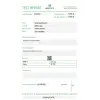
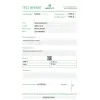
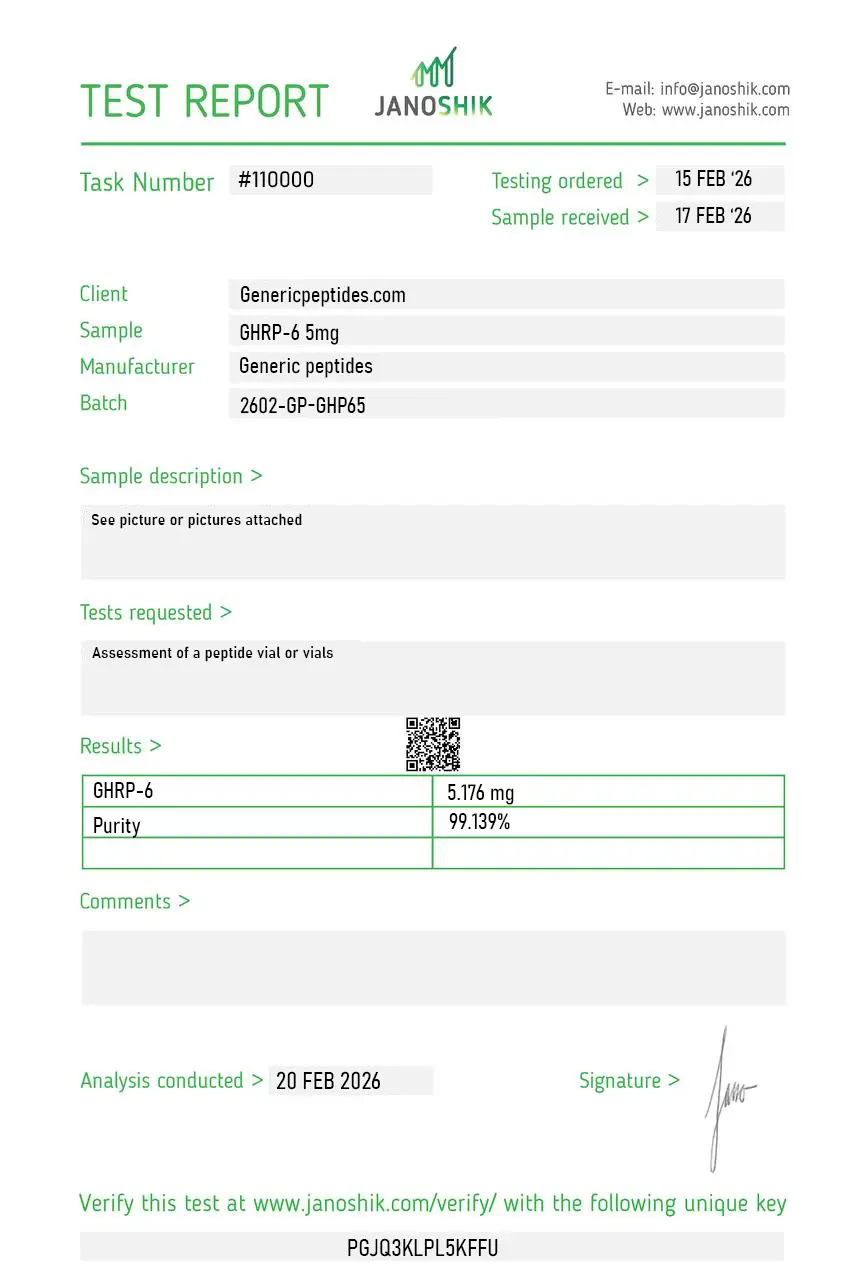
Lab Proof Batch-linked certificate of analysis available on request
Supply Chain Sourced exclusively through official Dragon Pharma distribution
Shipping & Returns For complete delivery details, tracking policy, and reshipment terms, please see our Shipping Info page.
Please log in to write review.

GHRP-6 — Growth Hormone Releasing Peptide-6 — is a synthetic hexapeptide (six amino acids: His-D-Trp-Ala-Trp-D-Phe-Lys-NH2) developed in the 1980s by American endocrinologist Cyril Y. Bowers. It holds a remarkable place in the history of endocrinology: it was the founding member of the entire GHRP family and, crucially, its discovery ultimately led to the identification of ghrelin itself — the body's natural hunger hormone — and the characterization of the ghrelin receptor (GHS-R1a). In other words, scientists studying GHRP-6 discovered a previously unknown receptor, and that receptor then led them to find a whole new endogenous hormone. No other peptide in common research use has a legacy quite like that. With over 30 years of published literature, it also has the most extensive evidence base of any GH secretagogue currently available as a research compound.

GHRP-6 works by binding to and activating the GHS-R1a receptor — the ghrelin receptor — expressed on somatotroph cells in the anterior pituitary gland and on neurons in the hypothalamus. When it binds, it triggers an intracellular calcium signaling cascade that causes growth hormone vesicles to fuse with the cell membrane and release GH in a pulse. Simultaneously, it suppresses somatostatin — the hormone that normally brakes GH secretion — amplifying the net GH output. It also binds to the CD36 receptor, which is relevant to its cardioprotective properties discussed below. Because GHS-R1a is expressed not just in GH-producing cells but also in appetite-regulating neurons of the hypothalamic arcuate nucleus, GHRP-6 robustly activates the NPY/AgRP hunger pathway — meaning intense appetite stimulation is not a side effect so much as a direct pharmacological consequence of its mechanism. Unlike CJC-1295 and other GHRH analogs, which work through an entirely separate receptor, GHRP-6 acts synergistically with GHRH-class peptides to produce GH pulses substantially larger than either compound can generate alone.

All three are GHS-R1a agonists that stimulate GH release, but they differ importantly in selectivity and side effect profile. GHRP-6 produces the strongest appetite stimulation of the three — by a significant margin — because of its most complete ghrelin mimicry. It also elevates cortisol (via ACTH stimulation) and prolactin modestly at standard doses, though less so than hexarelin. GHRP-2 produces stronger peak GH pulses than GHRP-6 per dose while causing noticeably less appetite stimulation, but it still raises cortisol and prolactin at higher doses. Ipamorelin is the most selective of the three: it produces meaningful GH pulses with negligible effects on cortisol, prolactin, or appetite, making it the lowest side-effect option but at the cost of some raw GH potency. The practical choice between them depends heavily on individual goals — GHRP-6's appetite stimulation is a distinct disadvantage for fat loss and a distinct advantage for anyone needing a caloric surplus during muscle building or recovery from illness.

The primary benefits flow from elevated GH and downstream IGF-1: improved lean muscle mass through enhanced protein synthesis, reduced body fat via lipolysis, faster recovery from training and injury, improved deep-wave sleep quality (during which GH secretion naturally peaks), and better skin quality and tissue integrity. The strong appetite stimulation — while often listed as a side effect — is functionally a benefit for hard gainers, people recovering from illness, surgery, or chemotherapy, and anyone in a deliberate caloric surplus phase. Beyond GH-mediated effects, GHRP-6 has a genuinely intriguing and growing body of preclinical evidence for direct cardioprotective and cytoprotective properties. Animal studies have documented reductions in myocardial infarct size of over 70% in porcine models of acute myocardial infarction, and a 2024 peer-reviewed study demonstrated that GHRP-6 protected rats against the severe cardiac toxicity of the chemotherapy drug doxorubicin — effects attributed to PI3K/Akt pathway activation and CD36 receptor engagement, independent of GH elevation.

This is a critical practical consideration for anyone considering GHRP-6. The appetite surge typically begins 20–30 minutes after injection and can be pronounced — not a subtle background increase in appetite but a genuine, acute wave of hunger that most users describe as intense. Studies in healthy men confirmed that GHRP-6 infusion caused subjects to eat approximately 36% more food than during placebo infusion, with every single participant increasing their food intake. The hunger is neurologically mediated through central ghrelin receptor pathways rather than through blood sugar changes — meaning it is not accompanied by hypoglycemia. For anyone focused on fat loss or body recomposition, this effect is a significant practical obstacle. Planning a protein-rich meal 20–30 minutes post-injection is the standard approach to managing it constructively rather than fighting it.

The most consistently documented effects beyond appetite stimulation are transient water retention and mild bloating consistent with GH/IGF-1 elevation, which typically resolves over weeks. Cortisol and ACTH elevation is real and dose-dependent — clinical studies confirmed that GHRP-6's ACTH and cortisol response is comparable in magnitude to that of corticotropin-releasing hormone. At standard doses this is transient, but with high doses or very frequent injections it becomes more clinically relevant, potentially contributing to insulin resistance, immune changes, and mood effects. Prolactin elevation is also documented, though at a lower magnitude than hexarelin. Other reported effects include tingling or numbness in the extremities from fluid retention and IGF-1 elevation, transient fatigue post-injection, and injection site redness. Critically, with frequent or continuous dosing, GHRP-6 can desensitize the GHS-R1a receptor (tachyphylaxis), blunting GH responses over time — which is why pulsatile rather than continuous dosing and regular cycle breaks are considered essential.

Yes, and this is an important point for anyone using it. Research has established that GHRP-6's GH-releasing effect follows a saturation curve — doses beyond approximately 200–300 mcg per injection produce diminishing additional GH release. However, cortisol, prolactin, and especially appetite effects continue rising in a dose-dependent manner beyond this ceiling. The practical implication is the same as for GHRP-2: escalating dose above the saturation point adds side effects without proportionally more GH benefit. The community standard of 100–300 mcg per injection reflects this pharmacological reality, not just clinical conservatism.

GHRP-6 is administered exclusively via subcutaneous injection — it has no meaningful oral bioavailability because gastric enzymes break it down rapidly. Its plasma half-life is approximately 15–20 minutes, which is why protocols typically involve two to three injections daily, spaced roughly six to eight hours apart. Common research doses range from 100–300 mcg per injection, with beginners advised to start at 100 mcg to assess appetite tolerance. Injections are most effective when administered in a fasted state, as elevated blood glucose and insulin blunt GH release by reducing somatostatin inhibition. Optimal timing windows include early morning before breakfast, 30–60 minutes post-workout, and immediately before sleep. Most protocols use cycles of 8–12 weeks followed by a break to prevent receptor desensitization. When combined with a GHRH analog like CJC-1295, GH output is synergistically amplified well beyond what either peptide produces alone.

GHRP-6 has no FDA approval for any therapeutic indication and is classified as a research chemical in the United States. The FDA has flagged it with concerns including immunogenicity risk from peptide impurities in compounded preparations, potential cortisol effects, and the possibility of increased blood glucose from decreased insulin sensitivity. It cannot be legally compounded by licensed US pharmacies for patient use under current FDA guidance. For competitive athletes, GHRP-6 is prohibited at all times by WADA under the S2 category — Peptide Hormones, Growth Factors, and Related Substances — with established detection methods in active use across international sports testing programs.

The preclinical evidence for GHRP-6's cardioprotective properties is genuinely compelling and scientifically distinct from any other common research peptide. Animal studies have shown over 70% reduction in infarct size in porcine myocardial infarction models, and a 2024 study confirmed protection against doxorubicin-induced dilated cardiomyopathy and extracardiac damage in rats. These effects appear to operate through CD36 receptor activation and PI3K/Akt signaling — mechanisms independent of GH elevation and not replicated by GHRP-2 or ipamorelin. Research also confirmed no pharmacological interaction between GHRP-6 and the beta-blocker metoprolol, which is relevant for cardiac patients. However, all of this evidence is preclinical. There are no completed human trials establishing GHRP-6 as a cardiac therapy, no FDA-approved indication exists, and translating animal cardioprotection data to human clinical outcomes is notoriously unreliable. Anyone with cardiac conditions considering GHRP-6 would need specialist cardiologist involvement — this is emphatically not a self-treatment situation.

People with active cancer or a history of cancer should avoid it — GH and IGF-1 elevation promotes cellular proliferation, and GHRP-6's additional CD36 and ghrelin receptor activation introduce further complexity in an oncology context. People with diabetes or insulin resistance need careful monitoring given the glucose metabolism effects. Those with cortisol-related conditions, elevated prolactin, gynecomastia, or HPA axis disorders should be cautious given GHRP-6's off-target hormonal stimulation. People struggling with disordered eating should not use a compound specifically designed to intensify hunger signaling. Pregnant and breastfeeding women and children should not use it. The most significant scientific unknown remains long-term human safety across extended protocols — the preclinical safety record is generally favorable, but decades of animal studies cannot substitute for the large-scale, long-duration human trials that have never been conducted for GHRP-6 in a therapeutic context.

Related Products