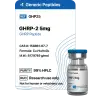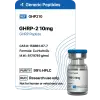
- For in vitro testing and laboratory use only.
- Not for human or animal consumption.
- Bodily introduction is illegal.
- Handle only by licensed professionals.
- Not a drug, food, or cosmetic.
- Educational use only.
- Adults seeking strong GH pulse stimulation for body composition, recovery, or anti-ageing — who want more potency than ipamorelin.
- It activates the ghrelin receptor in the pituitary, triggering a sharp GH pulse while also directly protecting heart tissue via a second receptor.
- Higher GH output per dose than ipamorelin, plus cardioprotective effects through a secondary receptor that ipamorelin simply does not activate.
- GHRP-2 does not suppress testosterone — no PCT is needed, but prolactin should be monitored as it rises mildly with use.
- Approved as a diagnostic drug in Japan only; FDA Category 2 for compounding; explicitly WADA-banned under S2.
- Inject 100–200 mcg subcutaneously once or twice daily on an empty stomach — cortisol spikes more at higher doses without extra GH benefit.
- Run 8–12 weeks using a 5-days-on, 2-days-off pattern to prevent receptor desensitisation, then take an equal break.
- Do not use with any cancer history — IGF-1 elevation from its strong GH pulse carries real cancer-promotion risk.
GHRP-2 (Pralmorelin): The Complete Guide to the Only Approved GHRP — What the Science Really Says
In the entire family of synthetic growth hormone-releasing peptides, GHRP-2 occupies a uniquely privileged position. It is the only member of the GHRP class to have received regulatory approval anywhere in the world — approved in Japan in 2004 as the diagnostic agent pralmorelin (brand name GHRP Kaken). It was developed by Cyril Y. Bowers, one of the founding fathers of GHRP research at Tulane University, and refined by Polygen in Germany. It sits precisely in the middle of the GHRP selectivity spectrum: more potent for GH release than GHRP-6, with less cortisol and hunger stimulation than GHRP-6, but less selective than ipamorelin, which avoids cortisol elevation entirely. It has a richer published human clinical evidence base than most peptides in this guide, a cardioprotective signal that has attracted serious scientific interest, an established role in critical illness endocrinology through the pioneering work of Professor Greet Van den Berghe's Leuven ICU group, and a documented ability to stimulate both the GH axis and the ACTH/cortisol axis in ways that make it both useful and complex. Here is the complete picture.
What It Is and Where It Comes From
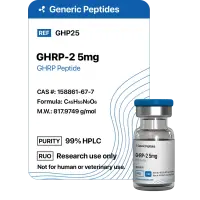
GHRP-2 — Growth Hormone Releasing Peptide 2 — is known by several names: its International Non-proprietary Name (INN) is pralmorelin; its development codes include KP-102, GPA-748, and WAY-GPA-748. Chemically, it is a synthetic hexapeptide with the amino acid sequence D-Ala-D-β-Naphthylalanine-Ala-Trp-D-Phe-Lys-NHâ, a molecular weight of 817.97 g/mol, and the CAS number 158861-67-7. The molecular formula is Cââ Hâ â NâOâ.
GHRP-2 is structurally an analogue of met-enkephalin — an endogenous opioid pentapeptide — from which the original GHRP series was derived through successive rounds of structure-activity relationship optimisation. The defining structural feature distinguishing GHRP-2 from GHRP-6 is the substitution of D-β-naphthylalanine (D-2-Nal) at position 2. This bulkier aromatic residue provides different receptor-binding kinetics within the GHS-R1a binding pocket, conferring enhanced GH-releasing potency while simultaneously reducing some of the off-target effects seen with GHRP-6. The incorporation of D-amino acids throughout the sequence confers resistance to enzymatic degradation by proteases.
The GHRP family was developed in the 1980s–1990s as synthetic surrogates for the then-undiscovered endogenous GH secretagogue. When ghrelin was finally isolated and characterised in 1999 (by Kojima et al. in Japan), it was discovered that GHRP-2 and its relatives had been working as ghrelin mimetics all along — binding and activating the same receptor (GHS-R1a, the ghrelin receptor) that ghrelin itself uses.
How It Works in the Body — Mechanisms of Action
Primary Mechanism: GHS-R1a Receptor Agonism
GHRP-2 is a high-affinity agonist at the Growth Hormone Secretagogue Receptor type 1a (GHS-R1a), a G-protein-coupled receptor expressed primarily in the anterior pituitary and hypothalamus, with additional expression in the heart, gut, pancreas, liver, adipose tissue, and kidney. The EC50 for intracellular IP3 accumulation and calcium mobilisation is approximately 1–5 nM in vitro — reflecting nanomolar binding affinity.
At the pituitary, GHS-R1a binding triggers a Gq/11 protein cascade: Gq/11 → Phospholipase C (PLC) activation → Inositol trisphosphate (IP3) and Diacylglycerol (DAG) generation → IP3-mediated endoplasmic reticulum calcium release + DAG-mediated Protein Kinase C (PKC) activation → rise in intracellular [Ca²âº] → GH vesicle exocytosis from somatotroph cells. The result is rapid, pulsatile GH release with a peak plasma GH concentration occurring approximately 15–30 minutes after subcutaneous administration.
Hypothalamic Actions
At the hypothalamus, GHRP-2 activates GHS-R1a on arcuate nucleus neurons expressing neuropeptide Y (NPY) and agouti-related peptide (AgRP). This triggers an alternative adenylate cyclase/PKA pathway that amplifies GHRH signalling and — critically — inhibits somatostatin (growth hormone inhibiting hormone, GHIH) tone. By simultaneously pulling back the brake (somatostatin) and pressing the accelerator (GHRH amplification), GHRP-2 produces a GH response substantially greater than pituitary-level action alone. This hypothalamic component also activates appetite-related NPY/AgRP circuits — the basis of GHRP-2's hunger-stimulating effect.
The GH Ceiling Effect and Dose-Response Dissociation
The CD36 Receptor — The Second Binding Site
GHS-R1a is not GHRP-2's only binding site. GHRP-2, like GHRP-6 and hexarelin, also interacts with CD36 — a scavenger receptor expressed on cardiac myocytes, macrophages, vascular smooth muscle cells, and platelets. CD36 binding appears to mediate GH-independent tissue-protective effects, particularly in the cardiovascular system. Activation of CD36 on cardiac tissue triggers downstream PI3K/Akt and ERK1/2 anti-apoptotic signalling — the mechanism underlying the cardioprotective and cytoprotective properties that distinguish the GHRP family from GHRH analogs like CJC-1295 or ipamorelin. A published study specifically demonstrated that GHRP-2 suppresses vascular oxidative stress through CD36-mediated pathways independent of its GH effects, reducing superoxide production in the aortic wall and preventing oxidised-LDL-induced apoptosis in vascular smooth muscle cells.
ACTH/Cortisol Stimulation
GHRP-2 activates GHS-R1a on corticotroph cells in the anterior pituitary, stimulating ACTH release alongside GH. The ACTH response, documented by Arvat et al. and confirmed in multiple studies, is comparable to that produced by human corticotropin-releasing hormone (hCRH). This property, initially considered a side effect, was subsequently recognised as a diagnostic utility — GHRP-2 can assess both GH reserve and ACTH reserve through a single stimulation test.
What It Was Studied For and What Effects It Showed
Growth Hormone Deficiency Diagnosis — The Approved Indication
The Japanese PMDA approval (October 2004) was based on a multicenter trial across 84 Japanese facilities studying the pralmorelin stimulation test in children and adults. The protocol uses a single 100 mcg intravenous bolus administered after overnight fasting. Peak GH levels above 16 ng/mL in children and above 9 ng/mL in adults were established as diagnostic cutoffs distinguishing GH-sufficient from GH-deficient individuals. The test offered meaningful advantages over the insulin tolerance test (ITT) — previously the gold standard for GH deficiency diagnosis — including absence of hypoglycaemia risk, simpler and safer administration, and comparable diagnostic accuracy.
Therapeutic Use for Growth Hormone Deficiency — Discontinued Development
GHRP-2 progressed through Phase II clinical trials for the treatment of growth hormone deficiency and short stature (pituitary dwarfism). The trials were ultimately discontinued when intranasal GHRP-2 failed to promote growth in children with GH deficiency. A critical mechanistic reason was identified: GHRP-2 requires intact GHRH signalling from the hypothalamus to fully stimulate pituitary somatotrophs. In GHRH-knockout mouse models, GHRP-2 failed to reverse GH deficiency caused by absence of GHRH — demonstrating that GHRPs cannot work independently of the GHRH-dependent somatotroph cell population.
Critical Illness — The Van den Berghe Research Programme
One of the most scientifically rigorous applications of GHRP-2 in humans came from Professor Greet Van den Berghe's group at the Catholic University of Leuven (KU Leuven, Belgium), working in the Intensive Care setting. They documented a characteristic pattern of endocrine dysfunction in prolonged critical illness: suppression of the GH axis (central hyposomatotropism), hypothyroidism, and hypogonadism — a syndrome driven by excessive somatostatin tone and impaired hypothalamic secretory drive.
In a series of human clinical studies in critically ill men, intravenous GHRP-2 infusion (1 mcg/kg/h) reactivated pulsatile GH secretion that had been suppressed by the chronic illness state. Crucially, the combination of GHRP-2 + TRH (thyrotropin-releasing hormone) + GnRH (gonadotropin-releasing hormone) simultaneously restored GH, TSH, and LH pulsatility, producing superior endocrine and metabolic effects compared to GHRP-2 alone — including improved anabolic markers and bone turnover parameters. This work established that GHRP-2 could reactivate a dormant GH axis suppressed by critical illness, representing one of the most clinically sophisticated applications of a GH secretagogue documented in humans.
Cardiovascular Research
Multiple preclinical and clinical lines of evidence support GHRP-2's cardioprotective properties, primarily through CD36 receptor-mediated mechanisms. In a study of chronic heart failure in rats (pressure-overload CHF model), GHRP-2 (100 mcg/kg twice daily SC for 3 weeks) significantly improved left ventricular ejection fraction, reduced end-diastolic pressure and dimensions, suppressed cardiomyocyte apoptosis, and attenuated stress-related hormonal activation. The cardioprotective effect was observed alongside — and appeared partly independent of — GH elevation.
In ApoE-deficient mice with atherosclerosis, GHRP-2 (20 mcg twice daily SC for 12 weeks) suppressed vascular oxidative stress, reduced aortic superoxide production, decreased pro-inflammatory gene expression, and prevented OxLDL-induced apoptosis and peroxide generation in vascular smooth muscle cells — without, however, reducing total atherosclerotic plaque burden. A major review article concluded that the GHRP family represents "promising cardio- and cytoprotective candidates" through both GHS-R1a and CD36 receptor pathways.
Secondary Adrenal Insufficiency Diagnosis
The ACTH-stimulating property of GHRP-2 has been specifically evaluated as a diagnostic tool for secondary adrenal insufficiency (impaired pituitary ACTH reserve). Takeno et al. (2004) demonstrated that the GHRP-2 stimulation test can assess ACTH reserve in patients with hypothalamo-pituitary disorders, offering a simpler alternative to the insulin tolerance test for both GH and ACTH axes simultaneously — two endocrine assessments from a single injection.
Bone Mineral Density
Animal studies in glucocorticoid-treated rats demonstrated that GHRP-2 counteracts steroid-induced bone loss, an effect mediated through GH/IGF-1 axis restoration. Andersen et al. showed that ipamorelin (the same GHRP pathway) counteracts glucocorticoid-induced decrease in bone formation — the principle extends to GHRP-2 given its greater GH-releasing potency.
Forms and Methods of Administration
Intravenous (IV) Injection/Infusion
The route used in all Japanese diagnostic applications and the Van den Berghe critical illness research. For the GH deficiency diagnostic test: single 100 mcg IV bolus. For critical illness endocrine restoration: continuous IV infusion at 1 mcg/kg/hour. IV administration is exclusively a clinical/hospital procedure.
Subcutaneous Injection (SC)
The standard route in wellness, research, and performance enhancement contexts. Reconstituted GHRP-2 is injected into subcutaneous fat using an insulin syringe — the same technique as all injectable research peptides. Absorption is reliable and pharmacokinetics are well-characterised from subcutaneous routes in multiple species.
Intranasal Administration
The Phase II therapeutic development for paediatric GH deficiency explored intranasal delivery. The 2014 study (Tanaka et al., Endocrine Journal) confirmed that intranasal GHRP-2 increased endogenous GH secretion but ultimately did not promote growth in short children with GH deficiency — the therapeutic trial's primary endpoint failed, contributing to discontinuation.
Oral Activity
GHRP-2 is described as "orally active" in the pralmorelin pharmacological literature, with meaningful oral bioavailability documented in rodent and primate studies. However, oral GHRP-2 has not been validated in human therapeutic or research settings, and subcutaneous injection remains the standard for any non-diagnostic application.
Dosage: Research Findings vs Real-World Practice
Diagnostic Use (Japan)
Single 100 mcg intravenous bolus after overnight fasting. This is the only fully validated, approved dosing regimen.
Critical Illness Research
1 mcg/kg/hour continuous IV infusion in the Van den Berghe studies (approximately 70–80 mcg/hour for an average adult). This represents a very different dosing paradigm from wellness protocols — continuous low-dose infusion rather than pulsatile bolus administration.
GH Release Dose-Response (From Published Research)
Human studies establishing the dose-response relationship found that GH release plateaus at approximately 1 mcg/kg IV for acute stimulation. Above this dose, GH increments diminish while ACTH, cortisol, and prolactin effects continue to increase.
Real-World Wellness and Research Protocols
The standard subcutaneous dosing range in research and wellness contexts is 100–300 mcg per injection. The most commonly referenced protocols are a starting dose of 100 mcg SC once daily (fasted, pre-sleep); an intermediate dose of 100–200 mcg twice daily (morning fasted + pre-sleep); and an advanced dose of 200–300 mcg two to three times daily. Timing: empty stomach administration is essential — insulin release from food consumption suppresses GH pulse amplitude by 40–60% via somatostatin stimulation.
Cycles and Protocols
The Tachyphylaxis Problem — The Most Important Cycle Consideration
GHRP-2, like all GHS-R1a agonists, carries a documented risk of receptor desensitisation (tachyphylaxis) with chronic use. Unlike ipamorelin — which shows minimal desensitisation at standard doses — GHRP-2's more potent receptor activation can lead to GHS-R1a downregulation with high-frequency continuous dosing, resulting in progressively attenuated GH pulses over time. Published research specifically documented response attenuation with five-day continuous GHRP-2 treatment in healthy men. The practical management: pulsatile rather than continuous dosing, with structured off-periods to allow receptor recovery.
Recommended Cycle Structure
- Weeks 1–2 (titration): 100 mcg once daily before sleep, fasted state
- Weeks 3–8 (maintenance): 100–200 mcg twice daily (morning fasted + pre-sleep)
- Weekend break: 2 days off every week to limit receptor downregulation
- Cycle length: 8–12 weeks maximum
- Off-period: 8–12 weeks before resuming
Some practitioners extend to 16 weeks using the 5/2 structure but accept more receptor downregulation over the extended period. The off-period allows GHS-R1a receptor population recovery and restoration of full baseline responsiveness.
What It Is Combined With and Why
With CJC-1295 (GHRH Analog)
The most pharmacologically logical combination — the same dual-pathway principle underlying the CJC-1295 / ipamorelin Duo-Blend, but with GHRP-2 replacing ipamorelin as the GHS-R1a component. CJC-1295 activates the GHRH receptor; GHRP-2 activates GHS-R1a. The combination produces a supraadditive GH response. The trade-off versus CJC-1295/ipamorelin: greater peak GH amplitude (GHRP-2 is more potent than ipamorelin per unit dose) but with the ACTH/cortisol and appetite stimulation that ipamorelin avoids.
With Sermorelin
For practitioners who prefer the shorter-acting, more physiologically pulsatile GHRH analog over CJC-1295 DAC, sermorelin + GHRP-2 combines daily-dosing GHRH stimulation with daily GHRP-2 dosing for a fully pulsatile dual-pathway protocol.
In Van den Berghe's ICU Protocols: With TRH and GnRH
The most sophisticated human clinical combination on record: GHRP-2 + TRH (thyrotropin-releasing hormone) + GnRH (gonadotropin-releasing hormone) simultaneously restored all three suppressed pituitary axes in critically ill men — GH, TSH, and LH — producing superior metabolic and endocrine outcomes than GHRP-2 alone. This combination framework is only relevant in supervised ICU settings.
With BPC-157
Recovery-focused combination. BPC-157 for local tissue healing and vascular repair; GHRP-2 for systemic GH/IGF-1 anabolism. Provides multi-axis recovery support.
The Science: What Is Proven and What Is Not
Supported by published human clinical evidence:
- Single 100 mcg IV bolus produces robust GH release in healthy individuals; attenuated response in GH-deficient patients — foundation of the Japanese diagnostic approval
- GHRP-2 infusion reactivates suppressed GH pulsatility in prolonged critically ill men — published human ICU study
- GHRP-2 stimulates ACTH and cortisol comparable to hCRH — confirmed in multiple human studies
- Pulsatile GH responses to GHRP-2 in healthy volunteers — documented in multiple pharmacokinetic/pharmacodynamic studies
- Diagnostic utility for secondary adrenal insufficiency alongside GH axis assessment — confirmed in human study
- Failure to promote growth in short children with GH deficiency via intranasal route — confirmed in clinical trial, limiting therapeutic application
Not specifically established in humans (extrapolated or from animal research):
- Cardioprotective effects — documented in multiple animal models, biologically plausible through CD36, but human cardiac trials have not been published
- Body composition improvement — inferred from GH/IGF-1 physiology; no controlled human body composition RCT using GHRP-2 for wellness
- Long-term safety of repeated subcutaneous wellness cycles
- Anti-atherosclerotic or vascular protective effects in humans (animal evidence is mixed — antioxidant effect confirmed, plaque reduction not observed)
- Receptor desensitisation profile with chronic pulsatile subcutaneous dosing in healthy adults
Side Effects and Real Risks
Well-Documented, Specific to GHRP-2
Cortisol and ACTH Elevation is GHRP-2's most pharmacologically significant side effect compared to ipamorelin. At standard subcutaneous doses, ACTH and cortisol rise transiently — typically peaking within 30–60 minutes of injection and returning to baseline within 2–3 hours. The magnitude is moderate, comparable to CRH stimulation. In healthy adults, this transient elevation is within the physiological range and carries no acute clinical risk. However, in chronic daily protocols, the repeated cortisol spikes could theoretically contribute to cumulative HPA axis dysregulation. This is the primary reason many clinicians prefer ipamorelin for long-term wellness protocols, reserving GHRP-2 for specific applications where its greater GH potency is desired.
Prolactin elevation is mild at standard doses — less than GHRP-6, greater than ipamorelin. Transient, typically returning to baseline within hours. In men, sustained prolactin elevation above physiological ranges suppresses testosterone and affects libido. Appetite stimulation affects approximately 30–40% of GHRP-2 users at standard doses — less pronounced than GHRP-6 but present. Other documented effects include injection site reactions, transient flushing, headache, and class-effect water retention.
The Tachyphylaxis Risk (Receptor Desensitisation)
Documented clinically: five-day continuous GHRP-2 administration in healthy men produced attenuated GH response by day five compared to day one. This is a real and clinically significant limitation distinguishing GHRP-2 from more selective compounds like ipamorelin, which show minimal desensitisation. Managing tachyphylaxis requires strict adherence to the 5/2 dosing protocol and the recommended off-cycle period.
Glucose Metabolism
GH is counter-regulatory to insulin. Chronic GHRP-2 use at doses producing substantial GH elevation can reduce insulin sensitivity and impair glucose tolerance, particularly at higher doses. Fasting glucose monitoring during extended cycles is appropriate, particularly in individuals with metabolic syndrome or family history of type 2 diabetes.
Effects on Hormones and the Endocrine System
Growth Hormone
The primary intended effect. Pulsatile GH release with peak at 15–30 minutes post-injection and return towards baseline by 2–3 hours. Clinical studies document 8–20-fold increases above baseline GH levels at standard doses.
IGF-1
Research shows 25–75% above-baseline IGF-1 increases within 7–14 days of consistent GHRP-2 administration, stabilising at elevated plateau during continued treatment. IGF-1 mediates the anabolic body composition effects through protein synthesis, satellite cell activation, and lipolysis.
ACTH and Cortisol
GHRP-2's specific pharmacological signature: moderate ACTH/cortisol elevation comparable to hCRH. This distinguishes it from ipamorelin (no effect) and GHRP-6 (stronger effect). The cortisol rise may blunt some anabolic responses from GH by activating protein catabolism — creating a degree of internal pharmacological antagonism at higher doses where cortisol stimulation is pronounced while GH response has plateaued.
Prolactin
Mild, transient elevation. Lower than GHRP-6 or hexarelin, but measurable and distinguishable from ipamorelin's flat prolactin profile. Clinically relevant in individuals with pre-existing hyperprolactinaemia or those sensitive to prolactin-mediated testosterone suppression.
Thyroid Function
GH enhances T4 → T3 peripheral conversion. The Van den Berghe critical illness research specifically investigated GHRP-2's effects on thyroid axis restoration, finding that GHRP-2 + TRH drove T4-to-T3 conversion through hepatic deiodinase activity changes. In wellness contexts, modest thyroid-stimulating effects from GH elevation may occur.
Testosterone
No direct HPG axis effect from GHRP-2. However, elevated prolactin from GHRP-2 can indirectly suppress testosterone by inhibiting GnRH pulsatility and testicular Leydig cell function. This is the practical reason for monitoring prolactin levels in men on extended GHRP-2 cycles.
Cancer Risk — A Direct Answer
GHRP-2, like all GH secretagogues that elevate IGF-1, carries the theoretical cancer concern through the IGF-1 pathway. As covered in the CJC-1295/ipamorelin guide, epidemiological data links chronically elevated IGF-1 with modestly increased risk of colorectal, prostate, and premenopausal breast cancer. GHRP-2's greater GH-releasing potency compared to ipamorelin means it produces proportionally higher IGF-1 elevation — potentially amplifying this concern relative to more selective alternatives.
GHRP-2 does not have mutagenic or genotoxic properties that would initiate new cancers — the concern is specifically about IGF-1-mediated promotion of pre-existing malignant or pre-malignant cells. No clinical study has documented GHRP-2 causing cancer.
GHRP-2's CD36 interactions add an additional dimension. CD36 is expressed on cancer cells and influences tumour vasculature and lipid metabolism. The net effect of GHRP-2's CD36 activity on cancer risk is not characterised and adds scientific uncertainty beyond the IGF-1 concern.
Contraindications
- Active cancer or history of IGF-1-sensitive malignancy (colorectal, prostate, breast)
- Active prolactinoma or sustained hyperprolactinaemia (GHRP-2 further elevates prolactin)
- Poorly controlled type 2 diabetes or insulin resistance (GH-mediated insulin antagonism risk)
- Acromegaly or pre-existing GH excess
- Active pituitary tumour
- Proliferative or severe non-proliferative diabetic retinopathy
- Pregnancy and breastfeeding
- Paediatric and adolescent patients with open growth plates
- Active inflammatory illness, infection, or acute critical illness without ICU-level supervision (GH axis stimulation during acute illness can worsen outcomes; GHRP-2's use in critical illness is specifically a physiologically-directed approach requiring ICU oversight)
Interactions With Drugs and Other Substances
- Somatostatin analogues (octreotide, lanreotide, pasireotide): Direct pharmacological antagonism — these drugs inhibit GH release. Combined use negates GHRP-2's GH effects.
- Corticosteroids (prednisone, dexamethasone, hydrocortisone): Additive cortisol-axis stimulation; glucocorticoids suppress GHRH release and may blunt the GHRP-2 response. The combination also increases metabolic side effects.
- Insulin and antidiabetics: GH reduces insulin sensitivity. Combined use may destabilise glucose control requiring dose adjustment.
- Dopamine antagonists (antipsychotics, metoclopramide): These drugs raise prolactin. Combined with GHRP-2's modest prolactin-stimulating effect, this could produce clinically significant hyperprolactinaemia.
- Cabergoline / bromocriptine (dopamine agonists): Used for prolactinoma treatment. Would counteract GHRP-2's prolactin elevation — could be used deliberately in people using GHRP-2 who wish to prevent prolactin-related testosterone suppression.
- Other GHRPs (GHRP-6, hexarelin, ipamorelin): Competition at GHS-R1a; redundant and adds receptor desensitisation pressure without additive GH benefit.
- Thyroid hormone therapy: GH increases T4-to-T3 conversion; patients on stable levothyroxine may need reassessment.
Legal Status: EU and USA
Japan
GHRP-2 is approved as pralmorelin (GHRP Kaken 100, Kaken Pharmaceutical) for the diagnostic assessment of GH deficiency in adults and children over four years of age. This is a genuine pharmaceutical drug with regulatory approval, prescription-only status, and physician-supervised single-dose diagnostic use. Wyeth licensed the North American rights but never advanced it to FDA approval.
United States
Not FDA-approved for any indication. GHRP-2 is on the Category 2 FDA bulk drug substances list, restricting US compounding pharmacies from preparing formulations for human use. It is not a DEA-scheduled controlled substance — possession is not a criminal offence. Available through grey-market research chemical suppliers.
European Union
No EMA approval. Available through grey-market research chemical suppliers. Japan's PMDA approval does not create an EU marketing authorisation. Selling for therapeutic human use without EU marketing authorisation is illegal.
United Kingdom
Not named in the Misuse of Drugs Act. Personal possession technically legal. Sale for human therapeutic use without MHRA authorisation is illegal.
Australia
Schedule 4 prescription-only medicine classification applies to peptide secretagogues; unsupervised use is technically illegal.
Sports Status — WADA Position
GHRP-2 is explicitly named on the WADA Prohibited List under Section S2: Peptide Hormones, Growth Factors, Related Substances, and Mimetics — specifically under GH-releasing peptides (GHRPs): "alexamorelin, examorelin (hexarelin), GHRP-1, GHRP-2 (pralmorelin), GHRP-3, GHRP-4, GHRP-5 and GHRP-6."
This is a full S2 prohibition, applicable at all times — in-competition and out-of-competition — with no Therapeutic Use Exemption pathway. The prohibition applies to all GHRPs, and GHRP-2 is the only one specifically identified by both its code name (GHRP-2) and its INN (pralmorelin) in the WADA text. WADA-accredited laboratories can detect pralmorelin and its metabolites in urine using validated LC-MS/MS methods (Thomas et al., 2010).
Comparison With the GHRP Family — GHRP-2's Position
GHRP-2 vs GHRP-6
The most common comparison. GHRP-6 was the first GH-releasing peptide clinically studied and remains widely used. Compared to GHRP-6, GHRP-2: produces higher peak GH levels per unit dose; causes less intense appetite stimulation; produces moderately less cortisol and prolactin elevation; has better regulatory status (approved in Japan, while GHRP-6 has no equivalent approval). The structural difference — D-β-Naphthylalanine at position 2 in GHRP-2 versus D-Tryptophan in GHRP-6 — creates these distinct receptor-binding kinetics. For most GH-optimisation purposes, GHRP-2 is the pharmacologically superior choice over GHRP-6.
GHRP-2 vs Ipamorelin
The most important practical comparison for clinical use. Ipamorelin: minimal cortisol/ACTH/prolactin effects (even at 200-fold the GH ED50); slightly less peak GH stimulation per unit dose; no meaningful appetite effect; better long-term tolerability; less receptor desensitisation. GHRP-2: greater absolute GH release potency; documented diagnostic application; CD36-mediated cardioprotective potential that ipamorelin lacks; ACTH/cortisol/prolactin effects that ipamorelin avoids. For pure GH-axis optimisation with minimal side effects, ipamorelin is the superior choice. For maximum GH pulse amplitude, or in contexts where the CD36 cardioprotective mechanism is specifically desired, GHRP-2 offers distinct advantages.
GHRP-2 vs Hexarelin
Hexarelin is the most potent GHRP for acute GH release per unit dose, exceeding GHRP-2. Hexarelin also has the most pronounced CD36-mediated cardioprotective effects (the most extensively studied GHRP for cardiac applications). However, hexarelin also has the greatest receptor desensitisation (tachyphylaxis) profile — GH responses diminish fastest with repeated dosing. Hexarelin cycles must be kept short (4–6 weeks maximum). GHRP-2 provides a practical middle ground: strong GH stimulation with longer sustainable cycles than hexarelin, and CD36-mediated benefits, at the cost of moderate cortisol/prolactin effects.
GHRP-2 vs MK-677 (Ibutamoren)
MK-677 activates the same GHS-R1a receptor via oral administration, with 24-hour duration. GHRP-2 produces sharper, more physiological GH pulses via injection. MK-677 has 2-year human safety data and is the best-characterised GH secretagogue long-term; GHRP-2 has regulatory approval in Japan and richer acute clinical pharmacology data. MK-677's 24-hour half-life means sustained GH elevation without discrete pulses. GHRP-2's short half-life produces clean pulsatile GH release. For maximum physiological GH pulsatility, GHRP-2's injection protocol is superior; for oral convenience and long-term IGF-1 elevation, MK-677 wins.
Storage and Solution Preparation
Lyophilised Powder
Store at −20°C for long-term stability (2+ years). Short-term refrigerator storage (2–8°C) is acceptable for unopened vials if used within 3 months. Reconstituted solutions are typically stable for 14–21 days when refrigerated in bacteriostatic water — somewhat shorter stability than larger, more stable peptides. This matters for protocols that stretch over a month.
Reconstitution
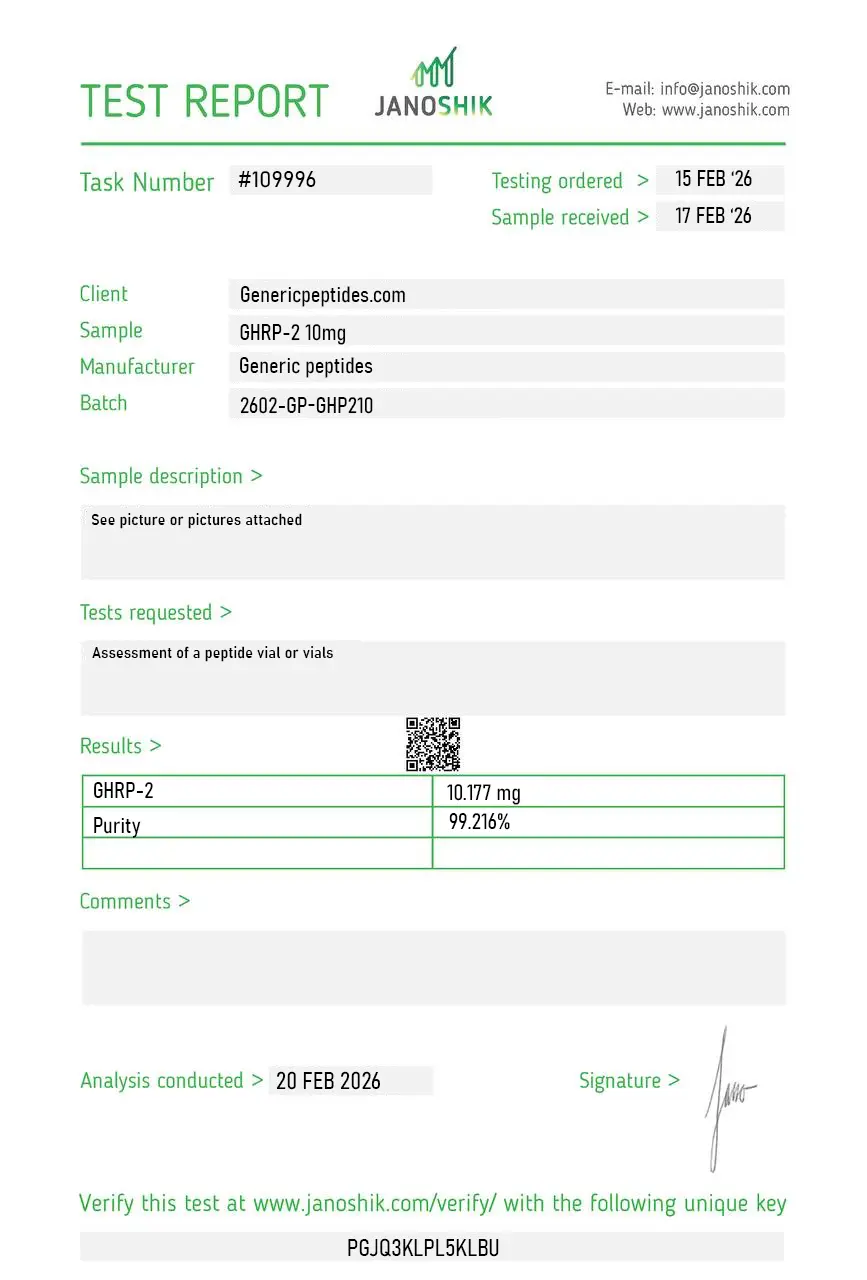
For a 10 mg vial: add 3.0 mL of bacteriostatic water for a concentration of 3,333 mcg/mL (approximately 3.3 mcg per unit on a U100 syringe). For a 200 mcg dose: draw 0.06 mL (6 units). For a 100 mcg dose: draw 0.03 mL (3 units). These are small volumes — consider using a 0.3 mL or 0.5 mL insulin syringe for better measurement precision at low doses. Standard technique: wipe both vial tops with alcohol swab; inject bacteriostatic water slowly down the inner wall of the peptide vial; gently swirl — never shake. Solution should be clear and colourless. Refrigerate immediately post-reconstitution.
Who Uses It and For What Purpose
Clinical/Diagnostic Use (Japan)
Prescribing physicians at paediatric endocrinology and adult endocrinology practices in Japan use pralmorelin (GHRP Kaken 100) as a diagnostic provocative test for GH deficiency — the only market where the compound exists as a legitimate approved pharmaceutical.
Intensive Care / Critical Illness Research
The Van den Berghe research programme demonstrated GHRP-2's utility for reactivating suppressed pituitary function in prolonged critically ill patients. This represents a clinically sophisticated, well-documented human application that differentiates GHRP-2 from most research peptides.
Anti-Ageing and Hormone Optimisation
The primary grey-market user group. Adults seeking GH-axis optimisation, body composition improvement, recovery enhancement, and anti-ageing effects. GHRP-2 is used in anti-ageing clinics (where regulatory access permits) as part of broader GH secretagogue protocols.
Athletes and Bodybuilders
Performance enhancement through GH/IGF-1 elevation. GHRP-2's higher GH ceiling compared to ipamorelin makes it attractive for maximising acute GH pulse amplitude, particularly when combined with a GHRH analog. The cortisol and appetite effects are managed as acceptable trade-offs by users prioritising GH potency.
Cardiovascular Research
Scientists investigating cardioprotective mechanisms use GHRP-2 as a research tool for studying CD36-mediated myocardial protection and GH-axis restoration in cardiac failure models.
What Doctors and Official Medicine Say
In Japan, GHRP-2 is mainstream clinical medicine — it is a registered diagnostic pharmaceutical prescribed by endocrinologists for GH deficiency assessment. This is the one jurisdiction where a physician could legitimately discuss pralmorelin as an approved tool.
In Western medicine, GHRP-2 is not recommended for any therapeutic indication. Its therapeutic development was discontinued. Its off-label use in anti-ageing medicine is based on the reasonable pharmacological extrapolation of its diagnostic-dose GH-stimulating properties but lacks the controlled trial evidence base required for guideline-level recommendation.
The FDA's Category 2 classification and the restriction on compounding reflects the same precautionary position applied to ipamorelin and CJC-1295 — general concern about immunogenicity, impurity risk in compounded preparations, and absence of long-term human safety data for therapeutic use. The critical illness research by Van den Berghe's group remains an important and unique contribution showing that a growth hormone secretagogue can safely and effectively restore suppressed pituitary function in critically ill patients where exogenous GH is not appropriate.
The Future: Clinical Trials and Prospects
GHRP-2's most credible future development directions are in three areas. For diagnostic role expansion, the dual GHRH/ACTH stimulation capacity makes pralmorelin pharmacologically interesting for combined hypothalamo-pituitary function testing. Whether this expands beyond Japan's PMDA approval to EMA or FDA acceptance depends on whether an endocrinology sponsor finds commercial value in a non-insulin-based provocative test for GH deficiency.
For cardiac applications, the CD36-mediated cardioprotective signal is the most scientifically distinctive feature of the GHRP class. GHRP-2's shared CD36 pharmacology and better safety profile could support cardiovascular applications in ischaemia-reperfusion contexts if the preclinical-to-human translation gap is addressed with adequately powered human trials.
For critical illness endocrine restoration, Van den Berghe's work opened a clinically compelling but under-exploited application: using GHRP-2 (or GHRP-2 + TRH combinations) to restore suppressed pituitary axes in prolonged critically ill patients where conventional GH replacement carries mortality risk. This application warrants formal Phase 3 trial investment.
Summary — The Key Takeaways
GHRP-2 is the most pharmacologically characterised member of the classical GHRP family. It occupies a well-defined niche in the GH secretagogue landscape — stronger GH-releasing potency than GHRP-6 with less appetite stimulation and a cleaner cortisol profile, but less selective than ipamorelin, which avoids cortisol entirely. Its regulatory approval in Japan as a diagnostic agent for GH deficiency represents a genuine pharmaceutical credential that no other GHRP possesses. Its role in critical illness endocrine restoration through the Van den Berghe research programme is one of the most sophisticated documented human applications of any GH secretagogue. Its CD36-mediated cardioprotective signal adds a biological dimension absent from GHRH analogs and ipamorelin.
The practical limitations for wellness and performance contexts are real: moderate cortisol and prolactin elevation at standard doses, receptor tachyphylaxis with chronic use requiring strict cycling discipline, and a somewhat shorter post-reconstitution stability window than other research peptides.
The honest advice for anyone considering GHRP-2: if clean hormonal selectivity with minimal cortisol and prolactin effects is the priority, ipamorelin in a CJC-1295 combination is the better choice. If maximum GH pulse amplitude per injection is the priority — particularly in older individuals or those with more blunted GH axis function — GHRP-2's greater potency may justify the trade-offs. If cardioprotective effects through CD36 are a specific interest, GHRP-2 (and even more so hexarelin) provides mechanisms that ipamorelin simply does not. Whatever the choice, proper cycling with strict off-periods, IGF-1 monitoring, glucose monitoring, and physician supervision are non-negotiable requirements for responsible use.
GHRP-2 Dosage & Usage Guide: Complete Protocols for Growth Hormone Release, Muscle Growth, and Recovery
Introduction
GHRP-2 (Growth Hormone Releasing Peptide-2) dosage and usage is a core topic for anyone exploring growth hormone secretagogues, as this synthetic hexapeptide is one of the most potent GH-releasing compounds available â producing strong, dose-dependent GH pulses through ghrelin receptor activation while also providing meaningful appetite stimulation, recovery enhancement, and IGF-1 elevation. Unlike GHRH peptides such as CJC-1295, GHRP-2 works on an entirely different receptor pathway, making it a powerful standalone compound and an even more effective synergistic partner when stacked. This guide covers all available research data and real-world protocols in full practical detail.
What Research Says About Dosage
GHRP-2 has a solid human clinical trial base, making it one of the better-studied synthetic GHRPs alongside GHRP-6.
| Study / Source | Dose Used | Goal | Population |
|---|---|---|---|
| Arvat et al. (1997, European Journal of Endocrinology) | 1 mcg/kg IV | GH pulse characterization | Healthy adults |
| Ghigo et al. (1994) | 1â2 mcg/kg IV | GH release dose-response | Healthy adults |
| Mericq et al. (2003) | 30 mcg/kg SC daily | GH deficiency treatment | GH-deficient children |
| Berlanga et al. (2004, Cuban trial) | 400 mcg/day SubQ | Cytoprotection, cardiac protection | Adults (clinical) |
| Svensson et al. (2000) | 2 mcg/kg IV | GH, cortisol, prolactin profiling | Healthy adults |
| Human equivalent (practical SubQ) | 100â300 mcg per injection | GH optimization, performance | Extrapolated / community |
| Saturation dose threshold (research-established) | ~100â150 mcg per injection | GH receptor saturation point | Multiple human studies |
Real-World Dosage Protocols
| Experience Level | Dose Per Injection | Frequency | Total Daily Dose | Notes |
|---|---|---|---|---|
| Beginner | 100 mcg | Once daily (pre-bed) | 100 mcg | Start here; assess GH response and appetite effect |
| Intermediate | 100 mcg | 2x daily | 200 mcg | Add morning fasted injection after week 2â4 |
| Standard | 100â150 mcg | 2â3x daily | 200â450 mcg | Most common effective range |
| Advanced | 150â300 mcg | 3x daily | 450â900 mcg | Above saturation; higher cortisol/prolactin risk |
| Research-referenced | 1â2 mcg/kg IV | Single pulse (clinical) | Variable | IV clinical dose; not applicable to SubQ self-use |
Dosage by Goal
| Goal | Dose Per Injection | Injections/Day | Cycle Length | Notes |
|---|---|---|---|---|
| GH optimization / anti-aging | 100 mcg | 2x daily | 3â6 months | Conservative; sustainable long-term |
| Muscle growth / body recomposition | 100â150 mcg | 3x daily | 3â6 months | Stack with GHRH for best results |
| Fat loss | 100 mcg | 2â3x daily (fasted) | 3â6 months | Fasted injections critical for lipolytic effect |
| Recovery / injury healing | 100â150 mcg | 2x daily | 2â4 months | Stack with BPC-157 for synergy |
| Appetite stimulation (muscle gain) | 150â300 mcg | 2â3x daily | 6â12 weeks | Higher dose intentionally used for appetite drive |
| Cardiac / cytoprotection | 100 mcg | 2x daily | 3â6 months | Supported by Cuban clinical trial data |
| IGF-1 elevation | 100â150 mcg | 3x daily | 3â6 months | Consistent pulsing drives sustained IGF-1 increase |
| Beginner first cycle | 100 mcg | Once daily (pre-bed) | 8â12 weeks | Single injection to assess tolerance |
Forms of Administration
| Form | Bioavailability | Ease of Use | Best For |
|---|---|---|---|
| Subcutaneous injection | High (~70â80%) | Moderate | Standard practical route |
| Intravenous injection | Highest (100%) | Clinical only | Used in research studies; not for self-administration |
| Intramuscular injection | High | Moderate | Acceptable alternative; faster peak |
| Intranasal spray | Lowâmoderate | Easy | Some use reported; not well established for GHRP-2 |
| Oral | Negligible | Easy | Not viable â hexapeptide destroyed in GI tract |
Injection Guide
Reconstitution
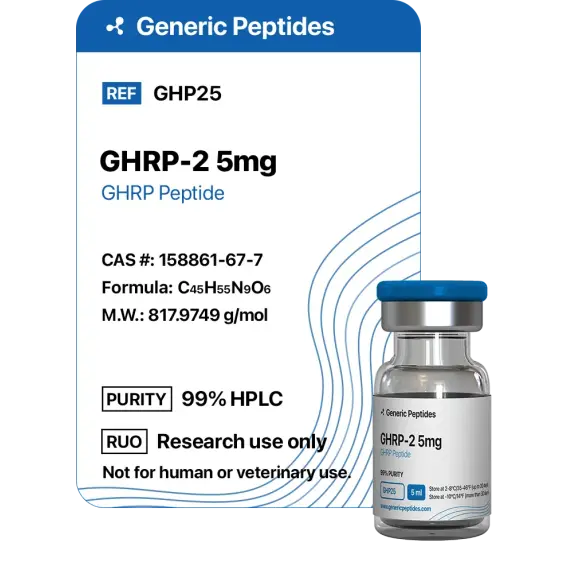
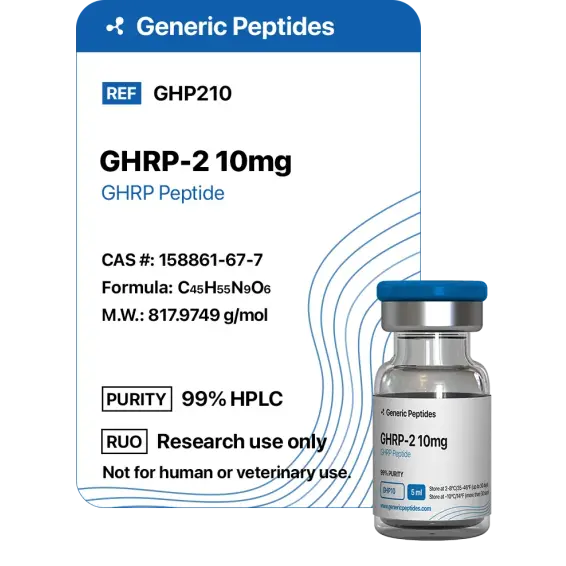
- Common vial sizes: 5 mg or 10 mg lyophilized powder
- 5 mg vial + 5 mL BW â 1 mL = 1,000 mcg â 0.1 mL = 100 mcg (cleanest for standard dosing)
- 5 mg vial + 2.5 mL BW â 1 mL = 2,000 mcg â 0.1 mL = 200 mcg â 0.05 mL = 100 mcg
- 10 mg vial + 5 mL BW â 1 mL = 2,000 mcg â 0.1 mL = 200 mcg â 0.05 mL = 100 mcg
- Inject BW slowly down vial wall; swirl gently â never shake
- Solution should be clear and colorless; discard if cloudy
- Refrigerate reconstituted vial; use within 4â6 weeks
- Store lyophilized vials refrigerated or frozen; protect from light
| Injection Type | Site | Needle Size | Notes |
|---|---|---|---|
| Subcutaneous | Belly fat, love handles, upper thigh | 27â31G, 0.5 inch | Rotate sites each injection |
| Intramuscular | Deltoid, glute, quad | 23â25G, 1â1.5 inch | Faster GH peak; not necessary |
SubQ injection steps
- Remove vial from refrigerator 5â10 minutes before use
- Wipe vial septum and injection site with alcohol; let dry
- Draw correct volume into insulin syringe; verify calculation
- Pinch skin at injection site; insert at 45°
- Aspirate lightly â resite if blood appears
- Inject slowly; withdraw; apply light pressure
- Return vial to refrigerator immediately
Cycle Length and Timing
| Protocol | Cycle Length | Frequency | Timing | Notes |
|---|---|---|---|---|
| Beginner conservative | 8â12 weeks | Once daily (pre-bed) | 2â3 hrs post last meal | Assess appetite effect and GH response |
| Standard intermediate | 3â6 months | 2â3x daily | AM fasted + pre-bed | Core protocol; most common |
| Advanced performance | 6 months | 3x daily | AM + post-workout + pre-bed | Monitor IGF-1 at 6â8 weeks |
| Anti-aging maintenance | 5 months on / 1 month off | 2x daily | AM fasted + pre-bed | Sustainable annual rhythm |
| Short blast (pre-event) | 6â8 weeks | 3x daily | AM + afternoon + pre-bed | Higher dose acceptable short-term |
| Stacked with GHRH | 3â6 months | 2â3x daily | Inject simultaneously | Synergistic; best results |
Stacking Protocols
GHRP-2 produces its most powerful effects when stacked with a GHRH peptide. The combination triggers both GH pulse amplitude (GHRH) and frequency (GHRP), producing synergistic release significantly beyond either alone.
| Stack Partner | GHRP-2 Dose | Partner Dose | Goal | Notes |
|---|---|---|---|---|
| CJC-1295 No-DAC (Mod GRF) | 100 mcg | 100 mcg | GH optimization, body recomposition | Best matched stack; inject simultaneously |
| CJC-1295 DAC | 100 mcg daily | 1â2 mg/week | Muscle growth, anti-aging | DAC dosed weekly; GHRP-2 continues daily |
| Ipamorelin | 100 mcg | 200 mcg | Cleaner GH release; less cortisol | Ipamorelin softens GHRP-2 cortisol spike |
| BPC-157 | 100 mcg | 400â500 mcg | Recovery + GH optimization | No interaction; complementary goals |
| AOD 9604 | 100 mcg | 300 mcg | Fat loss + GH pulse | AOD adds direct lipolysis; GHRP-2 drives GH |
| Tesamorelin | 100 mcg | 1â2 mg/day | Visceral fat + GH | Both target GH axis; potent combination |
| MK-677 (oral) | 100 mcg | 12.5â25 mg oral | Convenience stack; sustained GH | MK-677 provides GHS baseline; GHRP-2 adds pulses |
GHRP-2 vs Other GHRPs â Choosing the Right One
| GHRP | Potency | Appetite Effect | Cortisol / Prolactin | Desensitization | Best For |
|---|---|---|---|---|---|
| GHRP-2 | Very high | Moderateâstrong | Moderate increase | Moderate | GH maximization; performance; recomposition |
| GHRP-6 | High | Very strong | Moderate increase | Moderate | Bulking; appetite-driven mass gain |
| Ipamorelin | Moderate | Minimal | Minimal | Minimal | Clean GH release; fat loss; anti-aging; beginners |
| Hexarelin | Highest | Moderate | Highest | Fastest / most severe | Short blasts only; cardiac; maximum GH pulse |
| MK-677 (non-peptide) | High | Strong | Mild | Minimal | Oral convenience; sustained GH elevation |
Beginner Protocol
- Starting dose: 100 mcg once daily, SubQ, pre-bed injection
- Reconstitution: 5 mg vial + 5 mL BW â 0.1 mL = 100 mcg (simple and clean)
- Timing: 2â3 hours after last meal; 30â45 minutes before sleep
- Week 1â2: Single pre-bed injection only â assess appetite increase, sleep quality, any side effects
- Week 3â4: Add morning fasted injection (100 mcg) if well tolerated
- Weeks 4â12: Option to add third injection (post-workout or afternoon) at 100 mcg
- Minimum cycle: 12 weeks â GH axis optimization requires consistent signaling over time
- Appetite management: GHRP-2 will increase hunger, especially in first 2â4 weeks â plan meals accordingly
- Bloodwork: IGF-1 baseline before starting; recheck at week 6â8
- Stack option: Add Mod GRF 1-29 (CJC no-DAC) 100 mcg simultaneously for significantly enhanced results
Common Dosage Mistakes
| Mistake | Why It Happens | How to Avoid |
|---|---|---|
| Dosing above 150 mcg per injection | More = better assumption | Receptor saturation at ~100â150 mcg; extra dose raises cortisol not GH |
| Injecting within 1 hour of eating | Unaware of insulin-GH antagonism | Strict fasted window 1â2 hrs before; 30â45 min after each injection |
| Skipping GHRH pairing | Using GHRP-2 alone | GHRH + GHRP synergy produces 2â10x more GH than either alone |
| Running once-daily expecting full results | Underusing the compound | GH pulses are short-lived; 2â3 daily injections needed for meaningful effect |
| Not managing cortisol on high-dose protocols | Unaware of cortisol side effect | Keep doses ⤠150 mcg; consider Ipamorelin blend to moderate cortisol |
| Using oral route | Wanting to avoid injections | Hexapeptide degraded completely in GI tract; inject only |
| Ignoring IGF-1 bloodwork | Avoiding cost | Chronically elevated IGF-1 carries long-term risk; monitor at 6â8 weeks |
| Stopping cycle before 12 weeks | Not seeing fast results | GH optimization is cumulative; minimum 12 weeks for meaningful change |
| Shaking vial during reconstitution | Habit | Mechanical agitation denatures peptide structure; swirl only |
Safety and Maximum Dose
| Dose Per Injection | Category | Notes |
|---|---|---|
| < 50 mcg | Sub-therapeutic | Insufficient GH stimulation for meaningful effect |
| 50â100 mcg | Conservative / therapeutic | Good GH release; minimal cortisol/prolactin effect |
| 100â150 mcg | Optimal therapeutic range | At or near saturation dose; best GH-to-side-effect ratio |
| 150â300 mcg | Caution â diminishing returns | GH increase marginal above 150 mcg; cortisol and prolactin rise disproportionately |
| > 300 mcg per injection | Avoid | No meaningful additional GH; significant cortisol/prolactin elevation |
Full side effect profile
| Side Effect | Frequency | Severity | Notes |
|---|---|---|---|
| Increased appetite / hunger | Very common | Mildâmoderate | Ghrelin receptor mechanism; expected and manageable |
| Water retention | Common (first 2â4 weeks) | Mild | GH-related; usually resolves; reduce dose if persistent |
| Cortisol elevation | Moderate at standard doses | Mildâmoderate | Dose-dependent; keep injections ⤠150 mcg to minimize |
| Prolactin elevation | Moderate | Mild | Monitor on long cycles; not clinically significant at standard doses for most |
| Tingling / numbness in extremities | Occasional | Mild | GH-related carpal tunnel effect; dose-dependent |
| Fatigue post-injection | Occasional | Mild | Common with pre-bed dosing; generally welcome |
| Flushing / warmth | Rare | Mild | Transient; no action needed |
| Elevated IGF-1 | Dose and duration dependent | Monitor | Primary long-term safety consideration |
| Joint aches | Uncommon | Mild | GH-related; reduce dose if persistent |
| Gynecomastia risk (prolactin) | Low at standard doses | Moderate if occurs | Monitor prolactin on long or high-dose cycles |
Quick Reference Summary
| Goal | Dose/Injection | Injections/Day | Cycle Length | Stack | Key Rule |
|---|---|---|---|---|---|
| Beginner / sleep + recovery | 100 mcg | Once (pre-bed) | 8â12 weeks | Optional: Mod GRF 100 mcg | 2â3 hrs fasted pre-bed |
| Fat loss | 100 mcg | 2â3x daily (fasted) | 3â6 months | Mod GRF + AOD 9604 | Fasted AM injection critical |
| Muscle growth / bulking | 100â150 mcg | 3x daily | 3â6 months | CJC-1295 no-DAC or DAC | Plan meals around hunger window |
| Body recomposition | 100 mcg | 2â3x daily | 3â6 months | Mod GRF 1-29 | Control meals around injection windows |
| Anti-aging / GH optimization | 100 mcg | 2x daily | 5 months on / 1 off | CJC-1295 DAC weekly | Monitor IGF-1 at 6â8 weeks |
| Recovery / healing | 100 mcg | 2x daily | 2â4 months | BPC-157 | Pre-bed injection most important |
| Maximum GH output | 150 mcg | 3x daily | 3â6 months | CJC-1295 no-DAC | Do not exceed 150 mcg per injection |
GHRP-2 Storage Guide: Lyophilized Powder and Reconstituted Solution
GHRP-2 is a synthetic hexapeptide growth hormone secretagogue that stores reliably in dry form and holds up well in solution when kept cold — follow the guidelines below and it will stay stable and effective throughout its shelf life.
Lyophilized Powder (Unreconstituted Vial)
| Parameter | Details | Notes |
|---|---|---|
| Storage temperature | 2–8°C (36–46°F) — refrigerator preferred; up to 25°C (77°F) acceptable short-term | Shelf life: up to 24 months refrigerated; 3–6 months at room temperature |
| Freezing | Allowed — –20°C (–4°F) or below is acceptable for dry powder | Avoid repeated freeze-thaw cycles; let vial warm to room temperature before opening to prevent condensation |
| Light sensitivity | Yes — protect from light | Keep in original packaging or a dark container; away from UV and direct sunlight |
| Signs of degradation | Yellow or brown discoloration; visible clumping or caking; unusual odor after reconstitution | Fresh powder is white to off-white and completely dry; discard if discolored or clumped |
| Common mistakes | Storing in an unsealed vial; exposing to humidity; leaving on a countertop for extended periods | Keep vials sealed; return to fridge immediately after handling |
Reconstituted Solution (After Mixing with Bacteriostatic or Sterile Water)
| Parameter | Details | Notes |
|---|---|---|
| Storage temperature | 2–8°C (36–46°F) — refrigerator only; do not leave at room temperature for more than a few hours | Shelf life: up to 21–30 days with bacteriostatic water; use plain sterile water within 7 days. GHRP-2 is a hexapeptide and maintains reasonable solution stability when kept consistently cold |
| After reconstitution — freezing | Not recommended — freezing damages the peptide structure; refrigerator only, no exceptions | Keep powder unreconstituted if longer storage is needed; mix only what you need |
| Light sensitivity | Yes — protect from light | Store vial wrapped in foil or in a dark container inside the fridge; UV degrades the solution faster than the dry powder form |
| Signs of degradation | Cloudiness; particulates; color change to yellow or brown; unusual odor | A properly reconstituted solution is clear and colorless; discard if anything looks off |
| Common mistakes | Leaving reconstituted vial at room temperature between doses; using plain sterile water for multi-dose vials; shaking vigorously | Always swirl gently, never shake; use bacteriostatic water for multi-dose vials; label with the date of reconstitution; discard after 30 days regardless of remaining volume |
Shipping & Product Authenticity
Every order is processed quickly and shipped with full tracking. All products come directly from the official Dragon Pharma supply chain — in original manufacturer packaging, handled discreetly from warehouse to door.
Shipping Times
| Destination | Delivery Time | Notes |
|---|---|---|
| USA Domestic | 4–5 business days | Faster when local warehouse stock is selected at checkout |
| International | 13–15 business days | Tracking included; update frequency may vary by destination country |
| Order Processing | 24–48 business hours | Processing begins after payment confirmation |
| Tracking | Provided on all orders | Tracking number sent after dispatch; multiple warehouses may result in separate shipments |
Direct Supply & Discreet Delivery
This product is supplied through the official Dragon Pharma distribution chain and shipped in original manufacturer packaging. The outer shipping package remains discreet, with privacy-focused handling and no unnecessary external product details.
What to Expect
- Orders are processed after payment confirmation
- USA domestic shipping is typically faster when local stock is selected
- International orders include tracking, though update frequency may vary by destination
- Multiple warehouses may result in separate shipments when applicable
Authenticity & Verified Supply
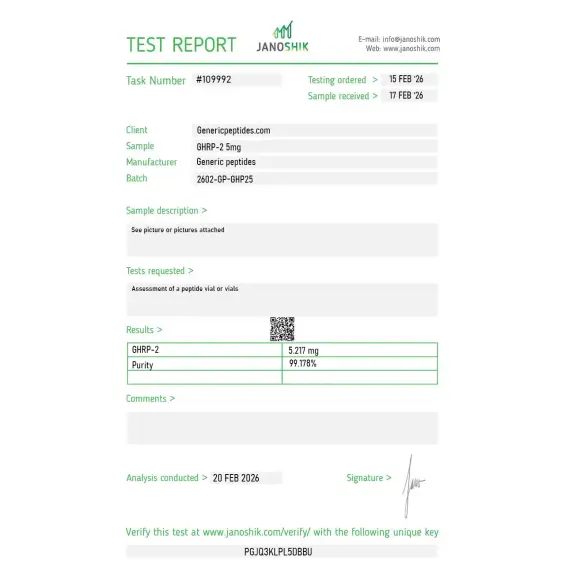
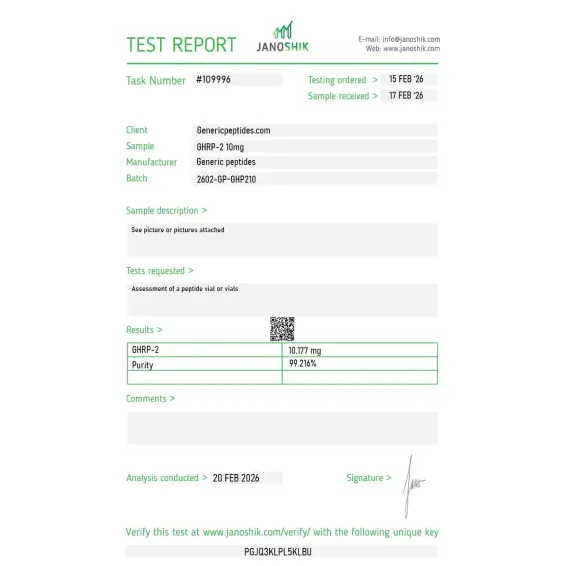
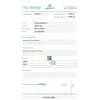
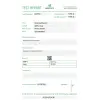
Authenticity support includes official Dragon Pharma presentation, batch-linked lab proof, and original packaging — all of which help reinforce product legitimacy and buyer confidence.
| Authenticity Feature | Details |
|---|---|
| Packaging | Original manufacturer packaging — sealed and unaltered |
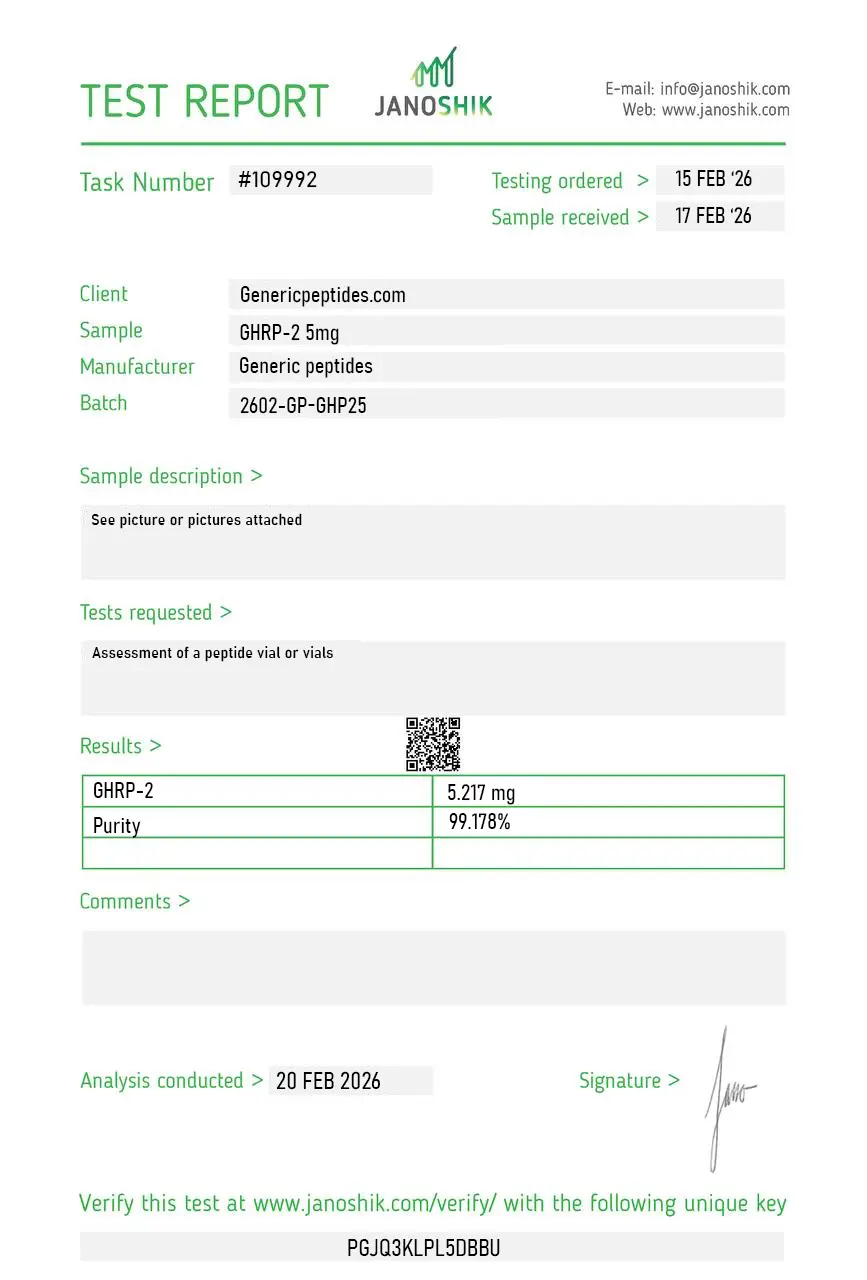
| Lab Proof | Batch-linked certificate of analysis available on request |
| Supply Chain | Sourced exclusively through official Dragon Pharma distribution |
GHRP-2 — Growth Hormone Releasing Peptide-2 — is a synthetic hexapeptide (six amino acids) developed in the 1990s as a second-generation improvement on GHRP-6, its predecessor. Its full chemical name is pralmorelin, and it is also known by its Japanese trade name GHRP Kaken. It was developed by Dr. Cyril Bowers and colleagues at Tulane University as part of decades of research into synthetic ghrelin mimetics — compounds that activate the body's growth hormone secretagogue receptor to stimulate natural GH production. GHRP-2 holds a distinction unique among all GHRPs: it is the only member of this peptide family to have received regulatory approval anywhere in the world, approved in Japan specifically as a diagnostic agent for assessing growth hormone deficiency. In the United States and most other Western countries, it remains an unapproved research compound.
GHRP-2 works by binding to and activating the GHS-R1a receptor — the ghrelin receptor — which is expressed predominantly on somatotroph cells in the anterior pituitary gland and on neurons in the hypothalamus. When GHRP-2 binds to these receptors, it triggers a calcium-signaling cascade inside the cell that causes growth hormone-containing vesicles to fuse with the cell membrane and release GH into circulation. Simultaneously, it suppresses somatostatin — the hormone that normally acts as a brake on GH secretion — thereby amplifying the net GH pulse. Because GHS-R1a is also expressed in the adrenal cortex and on lactotroph cells, GHRP-2 produces dose-dependent secondary stimulation of cortisol (via ACTH) and prolactin alongside its primary GH-releasing effect — a key distinction from the more selective ipamorelin, which produces negligible cortisol and prolactin elevation at therapeutic doses.
GHRP-2 occupies a specific middle ground in the GH secretagogue family. Compared to GHRP-6, it produces a stronger and more potent GH pulse per dose while causing significantly less appetite stimulation — a notable practical advantage for anyone managing body composition. Compared to ipamorelin, GHRP-2 generates larger GH pulses but at the cost of moderate cortisol and prolactin elevation that ipamorelin largely avoids. Compared to hexarelin, GHRP-2 produces slightly less peak GH output but is more favorable in terms of receptor desensitization and side effect burden — hexarelin is the most potent of all GHRPs acutely but also the one that produces the heaviest cortisol burden and the fastest receptor downregulation with chronic use. Clinical studies in healthy adults confirmed that 1–2 mcg/kg intravenous GHRP-2 produced a GH response higher than an equivalent dose of GHRH alone, and that this effect was preserved, though attenuated, in elderly subjects.
The primary benefits reported in research and clinical use flow directly from its GH and downstream IGF-1 stimulation. These include improved body composition — specifically reduced body fat through enhanced lipolysis and increased lean muscle through improved protein synthesis — faster recovery from training and physical exertion, and noticeably improved sleep quality, particularly the deeper slow-wave stages during which GH naturally peaks and tissue repair occurs. GHRP-2's moderate appetite stimulation, while a side effect for some, is considered a feature by those struggling to consume enough calories for muscle gain. Beyond body composition, elevated GH levels support collagen synthesis and connective tissue integrity, and some research has explored GHRP-2's potential cardioprotective properties related to ghrelin receptor activation. The FDA's adverse event database also includes evidence that ipamorelin administration was linked to deaths through IV use in a clinical context, though GHRP-2 has its own distinct risk profile requiring separate evaluation.
The side effect profile of GHRP-2 is broader than ipamorelin's but generally manageable at standard doses. The most notable and predictable effects are increased appetite — occurring within 20–30 minutes of injection in most users, driven by central ghrelin receptor activation in the hypothalamus — and temporary water retention consistent with elevated GH and IGF-1. In a published human study, GHRP-2 infusion caused subjects to eat approximately 36% more food compared to placebo, with every single participant increasing their intake. Mild tingling or numbness in the extremities, flushing, and transient dizziness are also reported, typically related to fluid shifts or rapid GH elevation. The most clinically significant off-target effects are the moderate elevations in cortisol and prolactin: clinical studies confirmed that GHRP-2's ACTH and cortisol response was comparable in magnitude to that of human corticotropin-releasing hormone, and this effect scales with dose. Chronically elevated cortisol can contribute to insulin resistance, immune suppression, and increased visceral fat, while chronically elevated prolactin can reduce libido and, in men, cause gynecomastia. These effects are generally mild and transient at low-to-moderate doses but warrant monitoring during longer protocols.
This is an important pharmacological nuance. Research has established that GHRP-2's GH-releasing response plateaus at approximately 1 mcg/kg administered intravenously — meaning doses beyond this threshold do not produce meaningfully greater GH release. However, cortisol and prolactin responses do not plateau at the same point and continue to rise in a dose-dependent manner beyond this ceiling. The practical implication is clear: escalating the dose past the saturation point yields no additional GH benefit while increasing the side effect burden from cortisol and prolactin. This ceiling effect is a key argument for using moderate doses and avoiding the instinct that more is always better with peptide secretagogues.
GHRP-2 is administered exclusively via injection — subcutaneous or intravenous, with subcutaneous being the practical standard for off-label and research use. The compound has zero oral bioavailability, as gastric enzymes break it down completely before it can reach the bloodstream. Common research protocols use 100–300 mcg per injection, administered two to three times daily, typically spaced six to eight hours apart. Timing is meaningful: injecting during periods of naturally low somatostatin — fasted in the morning, 30 minutes post-exercise, or before sleep — produces larger GH pulses than injecting during high-somatostatin windows. The most commonly recommended combinations pair GHRP-2 with a GHRH analog such as CJC-1295 (without DAC) or modified GRF(1-29), as the two peptide classes work on completely different receptors and their combined GH output substantially exceeds either alone. All use should be medically supervised with baseline and periodic IGF-1 and hormonal monitoring.
In Japan, GHRP-2 (pralmorelin) is approved as a prescription diagnostic agent for growth hormone deficiency testing — making it the only GHRP with formal regulatory approval anywhere in the world. Elsewhere, including the United States, European Union, Australia, and Canada, it is not approved for any therapeutic use and is classified as a research chemical. In the US, the FDA has flagged GHRP-2 in the context of compounding pharmacies due to safety concerns, and it cannot be legally compounded for patient use under current guidance. A ProPublica investigation noted that subjects in clinical studies of GHRP-2 experienced adverse events including death, though the direct causal relationship was not definitively established. For competitive athletes, GHRP-2 is prohibited at all times by WADA under the S2 category — Peptide Hormones, Growth Factors, and Related Substances — with established detection methods in active use.
This is one of the most commonly asked comparative questions, and the distinction is meaningful. Synthetic HGH introduces exogenous growth hormone directly into the bloodstream, bypassing the pituitary entirely and suppressing the body's natural feedback mechanisms over time, which can lead to pituitary downregulation and long-term HGH dependence. GHRP-2 works upstream, stimulating the pituitary's own somatotroph cells to produce and release GH in a pulsatile, physiological pattern that preserves the natural negative feedback loop — when GH rises high enough, somatostatin kicks in to regulate it. This fundamental difference makes GHRP-2 less likely to suppress endogenous GH production over time and produces a more natural GH rhythm. However, it is not without risk — unlike directly injected HGH, which affects only GH levels, GHRP-2 simultaneously stimulates cortisol and prolactin pathways, introducing a hormonal complexity that pure HGH therapy does not.
Several groups face elevated risk and should avoid GHRP-2 or only use it under strict specialist oversight. Anyone with active cancer or a history of cancer should not use it — GH and IGF-1 elevation promotes cellular proliferation and could theoretically accelerate tumor growth or increase recurrence risk. People with diabetes or impaired glucose tolerance need careful monitoring, as GH elevation worsens insulin resistance and can destabilize blood sugar control. Those with pituitary tumors or conditions affecting the HPA axis (adrenal or cortisol-related disorders) should avoid it given GHRP-2's cortisol-stimulating properties. Anyone with a history of elevated prolactin, gynecomastia, or reproductive hormone disorders should also be cautious. Pregnant and breastfeeding women, and children outside of very specific clinical contexts, should not use it due to absent safety data in these populations. Medical supervision with baseline labs — including IGF-1, fasting glucose, cortisol, and prolactin — is not optional; it is the minimum standard of responsible use.