Semax: ACTH(4-7) Analog on the 2026 PCAC Agenda for Ischemia and Migraine
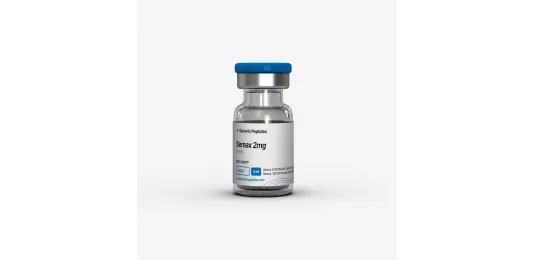
Semax: The Russian-Approved ACTH(4-7) Analog Heptapeptide on the July 2026 PCAC Agenda for Cerebral Ischemia, Migraine, and Trigeminal Neuralgia
By Medical Team of Generic Peptides
Semax is a synthetic heptapeptide with the sequence Met-Glu-His-Phe-Pro-Gly-Pro (MEHFPGP). Molecular weight approximately 887 Da. The compound was developed at the Institute of Molecular Genetics of the Russian Academy of Sciences in cooperation with Lomonosov Moscow State University, with the structural design extending the natural ACTH(4-7) fragment of adrenocorticotropic hormone with a Pro-Gly-Pro stabilizing tail. The added "glyproline" tripeptide tail confers metabolic stability against rapid peptidase degradation that would otherwise limit the parent ACTH fragment's clinical utility, while the truncation to ACTH(4-7) eliminates the corticotropic activity (MC2R adrenal stimulation) that characterizes full-length ACTH. Semax was first described in scientific literature in 1991 and registered as a pharmaceutical in Russia in 1996. The compound was added to the Russian List of Vital and Essential Drugs on December 7, 2011 — Russian regulatory recognition that places Semax among the medications considered essential for the Russian healthcare system.
Semax is the structural sister peptide to Selank — both compounds were developed at the same Russian research institute using the same Pro-Gly-Pro stabilization design applied to different peptide cores. Selank extends tuftsin (the four-residue immunomodulatory peptide derived from immunoglobulin G heavy chain) and produces primarily anxiolytic effects. Semax extends ACTH(4-7) and produces primarily nootropic and neuroprotective effects. The two compounds are often discussed together as "sister peptides" with complementary clinical profiles — Selank for anxiety, Semax for cognition and neuroprotection. Both compounds emerged from the Russian neuropeptide pharmaceutical research tradition that has produced multiple clinically registered compounds including Cortagen, Cortexin, and others, with Semax representing one of the most successful examples of this approach to pharmaceutical peptide development.
The 2026 regulatory situation in the United States represents a substantial change from the compound's previous Category 2 positioning. Semax was placed on FDA Category 2 in September 2023 as part of the 19-peptide action affecting compounding pharmacy availability. On April 15, 2026, FDA published its 503A Category revision removing twelve peptides from Category 2 effective April 22, 2026 — Semax was among the compounds removed. The April 16, 2026 Federal Register notice (Docket FDA-2025-N-6895) announced the July 23-24, 2026 PCAC meeting at FDA's White Oak Campus in Silver Spring, Maryland. Semax is scheduled for review on Day 2 (July 24, 2026) alongside Emideltide/DSIP and Epitalon. The specific indications under FDA review for Semax are cerebral ischemia, migraine, and trigeminal neuralgia — both free base and acetate forms will be evaluated for potential 503A bulks list inclusion. The public docket is open for comments until July 9, 2026 (comments received by that date will be presented to the committee), with the final docket closing July 22, 2026.
The favorable PCAC trajectory distinguishes Semax from the contrasting regulatory situations of structurally related Russian peptides. Unlike Selank (which was removed from Category 2 in September 2024 but never referred to PCAC, leaving the compound in unusual procedural limbo), Semax is on active PCAC review with formal evaluation pathway forward. Unlike CJC-1295, Ipamorelin, AOD-9604, and Thymosin Alpha-1 (which received unfavorable PCAC votes in October and December 2024 under previous administration leadership), Semax review occurs under the current Kennedy administration's specific commitment to peptide reclassification that targeted approximately 14 peptides for return to Category 1 status. The procedural setup — being removed from Category 2 specifically to undergo formal PCAC review with specified therapeutic indications under evaluation — represents the most favorable regulatory trajectory available for compounds in this peptide reclassification process.
I'll be direct about my assessment of Semax from the start. The compound has substantial research foundation through the Russian pharmaceutical development pathway, well-characterized BDNF/TrkB upregulation mechanism that distinguishes it from typical nootropic compounds, formal pharmaceutical approval in Russia and Ukraine for ischemic stroke recovery and cognitive disorders, extensive preclinical and clinical literature spanning decades, and the favorable regulatory trajectory through the upcoming July 24, 2026 PCAC review. The mechanism through rapid BDNF and NGF upregulation following intranasal administration, combined with possible melanocortin receptor modulation and enkephalinase inhibition, represents pharmacologically interesting multi-target activity that produces a "neuroprotective with cognitive enhancement" clinical profile. The honest limitations involve the evidence base concentration in Russian research institutions limiting Western independent validation despite the substantial accumulated clinical experience, the molecular target uncertainty (specific high-affinity binding sites have been characterized — KD = 2.4 nM in rat basal forebrain — but the receptor responsible hasn't been definitively identified), the very brief plasma half-life (approximately 30 minutes) requiring elaborate pharmacokinetic explanation involving downstream gene expression effects, the intranasal-only standard administration route, and the genuinely uncertain outcome of the upcoming PCAC review where positive recommendation is plausible but not guaranteed.
This article walks through what Semax actually is and how the ACTH(4-7) backbone with PGP stabilization produces its distinctive profile, the BDNF/TrkB mechanism plus possible melanocortin and enkephalinase contributions, the substantial Russian clinical research base with its specific limitations for Western validation, the upcoming July 24, 2026 PCAC review and its potential to reshape US regulatory positioning, the safety profile from accumulated Russian clinical experience, and how to think about Semax decisions given the operational realities including the favorable regulatory trajectory and ongoing access uncertainty.
What Semax Is
Semax's structural development reflects the same Russian peptide pharmaceutical research tradition that produced Selank and other neuropeptide pharmaceuticals at the Institute of Molecular Genetics. The Russian peptide pharmacology field has historically focused on identifying biologically active fragments of larger peptide hormones and developing synthetic analogs with enhanced metabolic stability and altered pharmacological profiles compared to the parent compounds.
The endogenous biology starts with adrenocorticotropic hormone (ACTH), a 39-amino-acid peptide hormone produced by the anterior pituitary that regulates adrenal cortisol production through MC2R activation. ACTH has been recognized since the 1950s to have effects beyond adrenal stimulation — peripheral and central nervous system effects on memory, learning, and neurological recovery that can't be explained by adrenocortical activation alone. Research through the 1970s-1980s identified that ACTH's central nervous system effects are mediated by specific fragments (particularly ACTH(4-10) and ACTH(4-7)) that retain the cognitive and neurotrophic activities while lacking the adrenal stimulatory effects of full-length ACTH. The ACTH(4-7) fragment specifically produces nootropic effects through mechanisms distinct from cortisol-mediated stress response activation.
Native ACTH(4-7) and ACTH(4-10) fragments have very limited clinical utility due to extremely rapid peptidase degradation in plasma — half-life measured in seconds to minutes, making systemic administration impractical. The Russian researchers' approach involved adding the Pro-Gly-Pro tripeptide tail to ACTH(4-7), creating Semax (ACTH(4-7)-Pro-Gly-Pro = MEHFPGP). The proline residues at positions 5 and 7 create steric hindrance that protects against typical peptidase cleavage patterns, while the central glycine residue maintains structural flexibility. The same "glyproline" stabilization motif appears in Selank and other compounds from the same research program.
Importantly, Semax retains the cognitive and neurotrophic activities of ACTH(4-7) while completely lacking the corticotropic effects of full-length ACTH. The MC2R receptor responsible for adrenal stimulation requires the longer ACTH peptide for binding — the truncated 4-7 fragment doesn't activate MC2R. Semax therefore produces nootropic effects without the cortisol elevation that would accompany ACTH administration. The compound retains some affinity for central melanocortin receptors (specifically MC4R and MC3R in the central nervous system, where these receptors modulate cognitive function and learning) but lacks the peripheral corticosteroid stimulation profile of native ACTH.
The Pro-Gly-Pro tail attached to ACTH(4-7) wasn't expected to have intrinsic biological activity beyond stability enhancement when the compound was originally developed. Subsequent research demonstrated that the PGP tail itself has independent pharmacological activity — the 2009 Agapova et al. paper in Cellular and Molecular Neurobiology (PMC11498467) documented that Pro-Gly-Pro alone activates transcription of neurotrophins (BDNF, NGF, NT-3) and their receptor genes in ischemic brain tissue. This finding indicates that Semax's complete pharmacological profile reflects contributions from both the ACTH(4-7) core (responsible for the primary cognitive and neuroprotective effects) and the PGP stabilization tail (providing additional neurotrophic activity that supplements the core effects). Whether the combined activity represents simple additive effects or synergistic interaction between the two structural components hasn't been fully resolved.
Semax is supplied as a pharmaceutical formulation in Russia as a 0.1% nasal spray solution (1 mg/mL) for intranasal administration. Standard cognitive enhancement dosing in Russian clinical practice typically involves 600-1,200 mcg/day administered intranasally, often split across multiple doses. Stroke recovery protocols use higher doses (typically 12-18 mg/day or higher) administered intranasally for 5-10 day acute treatment courses. Research-grade material is supplied as the diacetate or free base salt forms typically in 5-30 mg vials. The compound is stable as lyophilized powder under refrigeration with limited shelf life after reconstitution.
The naming convention has multiple variants. Semax (English/transliterated), Семакс (Russian Cyrillic), MEHFPGP (single-letter amino acid code), ACTH(4-7)PGP (functional designation), and the systematic chemical name all refer to the same compound. The "Sem" prefix derives from the Russian developmental designation; "ax" reflects the chemical structure naming convention used in Russian pharmaceutical nomenclature.
Semax Mechanism of Action
The mechanism involves multiple parallel signaling pathways with the BDNF/TrkB upregulation being the most well-characterized contributor to the cognitive and neuroprotective effects.
The BDNF/TrkB mechanism is established through reproducible preclinical findings. The foundational Dolotov et al. 2006 paper in Brain Research (PMID 16996037) characterized the response to single intranasal Semax administration at 50 μg/kg in rats. Within hours, the hippocampus showed 1.4-fold increase in BDNF protein levels, 1.6-fold increase in TrkB tyrosine phosphorylation, 3-fold increase in exon III BDNF mRNA, and 2-fold increase in TrkB mRNA. These molecular changes correlated with behavioral effects including improved conditioned avoidance reactions in the same study. The 2006 Shapenko et al. paper extended these findings to rat basal forebrain, where binding studies documented specific saturable binding sites with KD = 2.4 ± 1.0 nM and BMAX = 33.5 ± 7.9 fmol/mg protein — indicating high-affinity binding to a specific molecular target distinct from typical melanocortin receptors. Subsequent research has documented BDNF and NGF upregulation in multiple brain regions including hippocampus, frontal cortex, basal forebrain, and striatum, with effects measurable within 1-3 hours after single intranasal administration and persisting for 8-24 hours through downstream gene expression cascades.
The clinical importance of BDNF upregulation derives from BDNF's role as the master regulator of neuroplasticity in the adult brain. BDNF binding to TrkB receptor activates three major intracellular signaling pathways: PI3K/Akt (promoting neuronal survival), Ras/MAPK/ERK (driving gene expression for synaptic plasticity), and PLCγ/calcium (modulating synaptic transmission). The combined effects support long-term potentiation (LTP, the cellular mechanism of memory formation), neurogenesis in the hippocampal dentate gyrus, dendritic branching and spine density, and neuronal survival under stress conditions. BDNF declines with normal aging, and reduced BDNF signaling is implicated in cognitive decline, depression, and various neurodegenerative diseases. Semax's rapid and substantial BDNF upregulation provides a pharmacological mechanism for enhancing BDNF-dependent neuroplasticity.
The melanocortin receptor activity is partially characterized but not fully resolved. Semax retains affinity for central nervous system melanocortin receptors (MC4R, MC3R) where activation modulates neuroplasticity, learning, memory consolidation, and neuroprotection. The compound completely lacks affinity for MC2R (the adrenal ACTH receptor), which is why Semax doesn't produce cortisol elevation despite its ACTH-derived structure. Whether Semax's MC4R and MC3R activity is functionally significant for the clinical effects, or whether the high-affinity binding documented in basal forebrain (KD = 2.4 nM) represents an unidentified non-melanocortin receptor specifically for Semax, remains genuinely uncertain. The molecular target responsible for Semax's primary effects hasn't been definitively identified.
The enkephalinase inhibition mechanism contributes to additional effects on endogenous opioid peptide signaling. Semax inhibits enkephalin-degrading enzymes including neprilysin and others, prolonging the activity of endogenous enkephalin signaling. This mechanism is shared with Selank — both Russian peptides produce enkephalinase inhibition that contributes to their anti-stress and neuroprotective effects. Sustained endogenous enkephalin activity supports anti-stress responses and may contribute to the cognitive enhancement effects through opioid receptor-mediated modulation of attention and motivation.
The dopaminergic and serotonergic activation contributes to the rapid effects on attention and cognition. The Eremin et al. 2005 paper in Neurochemical Research documented that Semax activates dopaminergic and serotonergic brain systems in rodents, with measurable changes in monoamine metabolism within hours of administration. These effects are mechanistically separate from the BDNF/TrkB cascade but operate on parallel timescales.
The gene expression effects extend beyond neurotrophin upregulation. Multiple Russian transcriptomic studies have documented that Semax administration affects expression of hundreds of genes involved in neuronal survival, synaptic plasticity, neurotransmitter metabolism, and immune response. The 2021 Filippenkov et al. paper in International Journal of Molecular Sciences characterized brain protein expression profiles confirming neuroprotective effects in rat cerebral ischemia-reperfusion models. The 2013 Kolomin et al. paper in Molecular Biology documented Semax effects on immune response gene expression. The breadth of transcriptional effects exceeds what would be expected from simple receptor agonism, supporting that Semax operates through complex multi-target effects rather than single-receptor activation.
The pharmacokinetic profile reflects the compound's brief plasma residence time. Semax has plasma half-life of approximately 30 minutes after intranasal administration. This very brief half-life would seem to preclude sustained therapeutic effect, but the compound's clinical effects are documented over hours to days. Three mechanisms explain this pharmacokinetic-pharmacodynamic discrepancy. First, the Pro-Gly-Pro tail is enzymatically cleaved to release active fragments including PGP itself (which has documented neurotrophic activity per Agapova 2009), providing sustained bioactive signal. Second, the downstream gene expression effects (BDNF, NGF, NT-3 upregulation, immune response gene modulation) unfold over hours and persist after the parent peptide has cleared from circulation. Third, the enkephalinase inhibition produces sustained elevation of endogenous opioid peptide tone that persists beyond the parent peptide's pharmacokinetic window.
The intranasal administration route is operationally important for Semax's clinical use. Intranasal delivery achieves approximately 60-70% bioavailability through the olfactory epithelium, with direct access to the central nervous system via olfactory pathways that bypass the blood-brain barrier. This route allows the peptide to reach therapeutic concentrations in cerebrospinal fluid and brain tissue more efficiently than systemic administration would permit. The intranasal route is the standard pharmaceutical formulation in Russia and the dominant route in published research literature. Subcutaneous or intravenous administration are sometimes used in research contexts but produce different pharmacokinetic profiles than the intranasal route the clinical evidence base primarily uses.
Semax Clinical Evidence Base
The clinical evidence base for Semax comes predominantly from Russian medical institutions with substantial accumulated experience over more than three decades of research and clinical use. Understanding the evidence requires recognizing both the substantial Russian clinical record and the limitations of evidence base concentration in a single national research tradition.
The foundational clinical pharmacology research from the Institute of Molecular Genetics established Semax's basic nootropic and neuroprotective profile in the 1980s-1990s. The Ashmarin et al. 1997 paper in Zhurnal Vysshei Nervnoi Deyatelnosti (the leading Russian neurophysiology journal) summarized 15 years of design and study leading to Semax's pharmaceutical registration. Russian human volunteer studies documented antihypoxic effects through EEG analysis after short-term hyperventilation, with EEG changes similar to those seen with established nootropic drugs. Operator performance studies showed long-term (20-24 hour) beneficial effects on work efficiency after intranasal administration of 0.25-1.0 mg (approximately 4-16 μg/kg).
Ischemic stroke research is the most clinically substantial Russian evidence area for Semax. Multiple Russian clinical trials, including randomized placebo-controlled designs, have demonstrated that Semax administered within 6-12 hours of ischemic stroke onset improves neurological recovery measures including the National Institutes of Health Stroke Scale (NIHSS), Barthel Index for activities of daily living, and modified Rankin Scale for functional outcome. One cited study of 110 patients showed plasma BDNF elevation correlating with improved rehabilitation trajectory. Russian stroke research has documented approximately 22% reduction in infarct volume with Semax treatment compared to placebo or standard care. The accumulated Russian evidence base supported pharmaceutical registration for ischemic stroke recovery and transient ischemic attack indications.
Cognitive enhancement research in healthy populations includes studies in Russian student populations under high cognitive load, in pilots under simulated flight stress, and in operators performing sustained-attention tasks. These studies consistently report preserved or improved vigilance, working memory, and reaction time at 400-1,200 μg/day dosing. Effect sizes are modest but consistent across studies. Most published in Russian journals with limited international peer-reviewed publication.
Migraine and trigeminal neuralgia research support the indications under FDA review for the July 24, 2026 PCAC meeting. Russian clinical experience has documented Semax effects on chronic pain syndromes including migraine and trigeminal neuralgia, with mechanisms involving enkephalinase inhibition, melanocortin receptor activation, and neuroprotective effects on affected neural pathways. The specific evidence quality and clinical trial methodology vary across the Russian publications.
International peer-reviewed research includes the Dolotov et al. 2006 Brain Research paper on BDNF/TrkB mechanism (PMID 16996037), the 2006 Shapenko et al. paper on basal forebrain binding, the 2005 Eremin et al. paper in Neurochemical Research on dopaminergic and serotonergic activation, the 2009 Agapova et al. paper in Cellular and Molecular Neurobiology on PGP independent activity (PMC11498467), the 2010 Shadrina et al. paper in Journal of Neurochemistry on neuroprotective gene expression in middle cerebral artery occlusion, the 2013 Kolomin et al. paper in Molecular Biology on immune response gene expression, and the 2021 Filippenkov et al. paper in International Journal of Molecular Sciences on brain protein expression in cerebral ischemia-reperfusion. These publications provide independent (though Russian-authored) characterization that supplements the Russian-language clinical evidence base.
A 2025 Russian study in Acta Naturae tested Semax and a derivative in APPswe/PS1dE9/Blg transgenic mice — a common Alzheimer's disease model — extending preclinical research to neurodegenerative disease applications. The Alzheimer's disease research is preliminary but represents extension of Semax's neuroprotective evidence base to additional therapeutic indications.
The accumulated Russian pharmaceutical use experience over three decades represents substantial real-world clinical evidence. Semax has been prescribed in Russian and Ukrainian medical practice for ischemic stroke recovery, cognitive disorders, transient ischemic attack, optic nerve disease, peptic ulcers, and immune support since pharmaceutical registration in 1996. Post-marketing safety surveillance hasn't generated significant safety signals beyond what the development program characterized.
What the evidence supports with reasonable confidence: Semax produces substantial BDNF/TrkB upregulation following intranasal administration with characterized molecular mechanism; the compound has neuroprotective effects in stroke models with translation to clinical stroke recovery benefits in Russian trials; cognitive enhancement effects in healthy populations are consistent though modest in magnitude; the safety profile is favorable across decades of Russian clinical use; the multi-target mechanism through BDNF, NGF, melanocortin, and enkephalinase pathways distinguishes Semax from typical nootropic compounds.
What the evidence supports less robustly: head-to-head comparisons against modern Western neuroprotective interventions; specific efficacy in Western patient populations with different baseline characteristics than typical Russian clinical research populations; long-term efficacy in chronic neurological conditions beyond the trial durations characterized; specific clinical applications beyond Russian-approved indications; molecular target identification (the high-affinity binding sites in basal forebrain remain mechanistically uncharacterized despite specific KD measurement).
The international peer-reviewed validation gap is genuine and worth acknowledgment. Like Selank, Semax's clinical evidence base is concentrated in Russian research institutions with limited independent Western Phase 3 clinical trial validation. Whether the compound's clinical effectiveness translates to non-Russian patient populations through Western pharmaceutical development pathways hasn't been systematically tested.
Semax Regulatory Status: The July 24, 2026 PCAC Review
The regulatory situation for Semax in 2026 reflects the favorable trajectory through formal PCAC review with potential 503A bulks list inclusion.
In Russia, Semax has been registered as a pharmaceutical drug since 1996 for treatment of ischemic stroke, transient ischemic attack, memory and cognitive disorders, peptic ulcers, optic nerve disease, and immune support. The compound is on the Russian List of Vital and Essential Drugs (added December 7, 2011), placing it among the medications considered essential for the Russian healthcare system. The compound is available through standard Russian pharmacy distribution channels with the typical pharmaceutical regulatory framework. The pharmaceutical formulation is a 0.1% nasal spray (1 mg/mL) administered intranasally for treatment courses ranging from days (acute stroke applications) to weeks (cognitive disorder treatment).
In Ukraine, Semax has similar regulatory status with pharmacy availability for the same indications as in Russia. Other CIS countries have varying degrees of recognition.
In the United States, Semax was placed on FDA Category 2 in September 2023 as part of the 19-peptide action. The April 15, 2026 FDA 503A Category revision removed Semax from Category 2 effective April 22, 2026, alongside eleven other peptides being moved to formal PCAC review. Unlike Selank (which was removed in September 2024 without subsequent PCAC referral), Semax was specifically removed to undergo formal PCAC review with structured pathway forward.
The April 16, 2026 Federal Register notice (FR Doc 2026-07361, signed by Grace R. Graham, FDA Deputy Commissioner for Policy, Legislation, and International Affairs) announced the July 23-24, 2026 PCAC meeting at FDA's White Oak Campus in Silver Spring, Maryland. The meeting includes virtual attendance options and structured public comment opportunities.
On Day 2 of the meeting (July 24, 2026), the Committee will discuss three peptide groups: Emideltide (DSIP) related bulk drug substances (free base and acetate forms), Semax-related bulk drug substances (Semax free base and Semax acetate), and Epitalon-related bulk drug substances (free base and acetate forms). The specific therapeutic indications under FDA review for Semax are cerebral ischemia, migraine, and trigeminal neuralgia — the indications best supported by the Russian clinical evidence base.
The PCAC review process involves formal evaluation of four factors per FDA standard procedure: physical and chemical characterization of the substance; safety issues raised by using the substance in compounding; available evidence of effectiveness for the use; and historical use of the substance in compounding, including the medical condition being treated and references in the medical literature. For Semax, the substantial Russian pharmaceutical registration and accumulated clinical experience provide context for the historical use evaluation, while the specific evidence quality assessment will involve interpretation of Russian clinical trials, BDNF/TrkB mechanism research, and the available international peer-reviewed publications.
The public docket (FDA-2025-N-6895) opened for comments shortly after the April 16, 2026 announcement. Comments received by July 9, 2026 will be presented to the committee. The docket remains open for general comments until July 22, 2026. Nominators of Semax will be invited to make brief presentations supporting the nomination at the meeting. Open public hearing sessions are scheduled throughout both days of the PCAC meeting.
The procedural pathway forward involves several distinct steps. The PCAC's recommendation is non-binding — the committee provides advisory input but doesn't make final regulatory decisions. After the meeting, FDA evaluates the recommendation alongside its own analysis and determines whether to add Semax to the 503A bulks list. Even if PCAC recommends inclusion and FDA agrees, formal notice-and-comment rulemaking is required before Semax becomes legally available for compounding under Section 503A. This rulemaking process typically takes more than a year under standard timelines.
The favorable trajectory factors for Semax include the substantial Russian pharmaceutical registration providing meaningful "historical use" evidence, the accumulated decades of clinical experience that haven't generated significant safety signals, the specific FDA-identified therapeutic indications (cerebral ischemia, migraine, trigeminal neuralgia) that align with the strongest Russian evidence areas, the current Kennedy administration's specific commitment to peptide reclassification supporting favorable regulatory environment, and the active PCAC review pathway (distinguishing Semax from compounds like Selank that were removed from Category 2 without PCAC referral).
The unfavorable trajectory factors include the limited international peer-reviewed Phase 3 clinical trial evidence at modern Western pharmaceutical standards, the potential PCAC committee skepticism about clinical evidence quality from predominantly Russian research institutions, the challenge of how PCAC will handle non-English clinical data that constitutes most of Semax's evidence base, and the historical PCAC pattern of voting against peptide compounds in 2024 reviews (though under different administration leadership).
The current operational reality for US patients and providers is that Semax doesn't have legitimate compounding pharmacy access despite the April 2026 removal from Category 2. The removal eliminated the active "do not compound" flag but didn't establish affirmative permission. Compounding pharmacies cannot prepare Semax for patient use because the compound isn't yet on the 503A bulks list, doesn't have USP/NF monograph, and isn't a component of an FDA-approved drug. Patients seeking Semax in the US typically obtain it through research-chemical channels with the standard quality control concerns affecting the broader peptide gray market. Cash-pay costs at compounding pharmacies (under the previous interim guidance period) typically ran $150-300 per month at common therapeutic doses.
For sports anti-doping, Semax's WADA status isn't specifically addressed in current prohibited list documentation. The compound doesn't fit cleanly into typical performance-enhancing categories monitored by WADA. Athletes considering use should consult current WADA documentation directly.
The Department of Defense Operation Supplement Safety has addressed neuropeptide compounds in advisories for service members.
In international markets beyond Russia, Ukraine, and other CIS countries, Semax doesn't have specific regulatory approval. Research-chemical-grade material is accessible through international research supply channels with the typical quality variability concerns affecting research-grade peptide markets.
Semax Safety Profile
The safety profile for Semax is characterized through three decades of Russian pharmaceutical use, the formal Russian clinical development program that supported pharmaceutical approval, and accumulated post-marketing experience. The accumulated evidence supports a generally favorable tolerability profile that distinguishes Semax from many CNS-acting compounds.
Common reported effects in clinical use are typically mild and limited. Mild headache occasionally occurs after administration. Local nasal irritation can occur with intranasal administration, particularly during acute high-dose protocols (such as stroke recovery dosing). Mild transient effects on attention or arousal are uncommon (Semax produces calming-with-cognitive-enhancement profile rather than stimulant effects). Mild gastrointestinal effects are uncommon. Allergic reactions to peptide preparations are possible but rare.
Notably absent from the Semax side effect profile are the effects characteristic of stimulant nootropics (cardiovascular activation, sleep disruption, appetite suppression, dependence development). Russian clinical experience hasn't documented dependence development or withdrawal syndromes with Semax discontinuation. The mechanistic basis involves Semax's gene expression effects through BDNF/TrkB upregulation rather than direct receptor agonism that might produce tolerance through receptor desensitization.
The cognitive effects are qualitatively different from typical stimulant nootropics. Semax's effects through BDNF upregulation and modulation of monoamine neurotransmission produce mild cognitive enhancement without the sympathomimetic activation characteristic of amphetamines or modafinil. Patients using Semax often report improved focus, mental clarity, and stress tolerance alongside the cognitive enhancement — a "calm focus" profile shared with sister peptide Selank.
Cardiovascular effects are minimal. Semax doesn't produce significant blood pressure or heart rate changes at therapeutic doses. The compound is generally safe in patients with cardiovascular conditions where stimulant nootropics would be problematic.
Importantly, Semax doesn't produce cortisol elevation or HPA axis activation despite its ACTH-derived structure. The truncation to ACTH(4-7) eliminates MC2R adrenal stimulation. Russian clinical research and post-marketing surveillance haven't documented adrenal effects from Semax administration.
Long-term safety in extended use is supported by three decades of Russian post-marketing experience but hasn't been systematically characterized through dedicated multi-year prospective safety studies at modern pharmaceutical evidence standards. The accumulated clinical experience hasn't generated significant long-term safety concerns, but specific Phase 4 safety studies of the type that Western pharmaceutical regulation typically requires haven't been conducted.
The substantial uncertainty about Semax quality from research-chemical sources adds practical safety dimensions for US patients accessing the compound through gray market channels. Independent testing of research-chemical peptide products has documented variable purity, incorrect potency, and occasional contamination across different suppliers.
Drug interactions involve standard considerations. Other CNS-acting compounds including stimulants (potential additive effects on attention/arousal pathways), antidepressants (typically compatible without specific interactions, though combination with MAOIs warrants caution given monoamine modulation), antipsychotics (theoretical interaction through dopaminergic effects), and opioids (potential interaction through enkephalinase inhibition extending opioid effects).
Contraindications include known hypersensitivity to Semax or related compounds, pregnancy and breastfeeding (insufficient safety data despite the Russian pharmaceutical approval — caution warranted), pediatric populations except in supervised clinical contexts (Russian clinical use includes some pediatric stroke applications), and severe acute psychiatric conditions where additional CNS modulation might be problematic.
Who Uses Semax and How It Compares to Alternatives
The user base for Semax in 2026 reflects the compound's positioning as Russian-approved pharmaceutical with international research-chemical availability and US regulatory transition through the upcoming PCAC review.
Patients with ischemic stroke or transient ischemic attack in Russian clinical practice receive Semax as part of standard acute stroke recovery protocols. The 6-12 hour treatment window aligns with the broader acute ischemic stroke intervention framework, complementing rather than replacing standard acute stroke management (thrombolysis, anticoagulation, blood pressure management, etc.). Clinical use typically involves intranasal administration of 12-18 mg/day for 5-10 days during acute hospitalization plus subsequent outpatient continuation at lower doses.
Patients with cognitive disorders including memory impairment, age-related cognitive decline, and mild cognitive impairment use Semax for the BDNF-mediated neuroplasticity support. Russian clinical practice prescribes Semax as a treatment option for these conditions, with treatment courses typically 10-30 days at 600-1,200 μg/day intranasally.
Patients with chronic pain syndromes including migraine and trigeminal neuralgia use Semax for the neuroprotective and enkephalinase inhibition effects relevant to chronic pain pathophysiology. These applications have less robust evidence base than stroke recovery but represent the indications under FDA PCAC review for July 24, 2026.
Patients pursuing nootropic and cognitive enhancement applications in healthy populations use Semax in off-label or research-chemical contexts based on the BDNF upregulation mechanism and reported "calm focus" effects. Biohacking and self-experimentation communities have substantial interest in Semax as a neuroplasticity-supporting compound, often combined with sister peptide Selank for complementary anxiolytic-nootropic profile.
Researchers and clinicians in integrative neurology and cognitive medicine practices in jurisdictions where Semax is accessible use the compound for neuroprotection and cognitive support applications.
The relevant comparisons in 2026:
Modafinil (Provigil) and armodafinil (Nuvigil) are FDA-approved wakefulness-promoting agents widely used off-label for cognitive enhancement. Different mechanism (dopamine reuptake inhibition, possibly orexinergic activation) than Semax. Strong stimulant effects with FDA approval and substantial Western clinical evidence. For patients seeking acute cognitive performance enhancement with regulatory legitimacy, modafinil represents established option.
Donepezil, rivastigmine, galantamine (cholinesterase inhibitors) are FDA-approved for Alzheimer's disease with established cognitive effects through cholinergic mechanism. Different from Semax's BDNF mechanism. For Alzheimer's disease specifically, cholinesterase inhibitors provide established treatment options.
Memantine (Namenda) provides NMDA receptor antagonism for moderate-to-severe Alzheimer's disease. Different mechanism than Semax with FDA approval.
Citicoline (CDP-choline) is widely used as a nootropic and neuroprotective supplement with substantial international clinical evidence in stroke recovery contexts. Mechanism through phospholipid synthesis support and cholinergic enhancement. Different from Semax but with overlapping clinical applications. Generally well-tolerated with available access through supplement and pharmaceutical channels in various jurisdictions.
Cerebrolysin is a porcine brain-derived neuropeptide preparation registered in many European countries and Russia for stroke recovery and cognitive disorders. Different mechanism (multi-component neuropeptide preparation) than Semax. Substantial European and Russian clinical evidence with limited US presence.
Selank (covered separately in this article series) is the sister peptide developed at the same Russian institute with similar Pro-Gly-Pro stabilization design but tuftsin-derived rather than ACTH-derived structure. Primarily anxiolytic with secondary nootropic effects, complementary to Semax's primarily nootropic profile. Different US regulatory status (Selank removed from Category 2 without PCAC referral, while Semax has July 2026 PCAC review).
Racetams (piracetam, aniracetam, oxiracetam, phenylpiracetam) are nootropic compounds used in various jurisdictions for cognitive enhancement. Limited FDA approval (none approved in US). Different mechanisms with overlapping clinical applications.
For US patients in 2026 considering Semax specifically, the operational decision typically involves whether the favorable mechanism profile (BDNF upregulation, neuroprotective effects, "calm focus" cognitive enhancement) and Russian pharmaceutical evidence base justify accepting the gray market access realities and quality concerns until potential post-PCAC regulatory clarification. Patients with regulatory access concerns or those preferring evidence-based first-line treatments through legitimate pharmaceutical pathways have established alternatives in modafinil, cholinesterase inhibitors, citicoline, and other compounds depending on specific therapeutic goals. Patients prioritizing the specific Semax mechanism profile can access the compound through international research-chemical channels with the standard caveats about quality variability, with potential improvement in regulatory pathway following the July 24, 2026 PCAC review and subsequent FDA action.
Honest Assessment of Semax in 2026
I'll be direct about Semax's positioning in current practice.
The compound has substantial research foundation through three decades of Russian pharmaceutical development, well-characterized BDNF/TrkB upregulation mechanism that distinguishes it from typical nootropic compounds, formal pharmaceutical approval in Russia and Ukraine for ischemic stroke recovery and cognitive disorders, accumulated clinical experience supporting safety and efficacy in indicated populations, and the favorable regulatory trajectory through the upcoming July 24, 2026 PCAC review. The mechanism through rapid BDNF and NGF upregulation following intranasal administration represents pharmacologically interesting neurotrophic activity with documented molecular characterization (Dolotov 2006: 1.4-fold BDNF protein increase, 3-fold mRNA increase, 1.6-fold TrkB phosphorylation after single intranasal 50 μg/kg dose). The PGP independent activity (Agapova 2009 documenting that the stabilization tail itself activates neurotrophin transcription) adds mechanistic depth beyond simple receptor agonism.
The honest limitations involve the same evidence base concentration in Russian research institutions that affects Selank, with limited international peer-reviewed Phase 3 clinical trial validation despite the substantial accumulated experience. The molecular target uncertainty (specific high-affinity binding sites with KD = 2.4 nM characterized in basal forebrain, but the responsible receptor not definitively identified) leaves the molecular pharmacology incompletely resolved despite the well-characterized downstream effects. The very brief plasma half-life (approximately 30 minutes) requires elaborate pharmacokinetic explanation involving downstream gene expression effects and the PGP fragment activity. The intranasal-only standard administration route limits flexibility compared to compounds available in multiple administration formats. The Russian neurological diagnostic frameworks (particularly some indications like "asthenic-neurotic syndrome") don't translate cleanly to Western diagnostic categories, complicating direct application of Russian clinical evidence.
What's genuinely uncertain about Semax in 2026 includes the outcome of the July 24, 2026 PCAC review (whether the committee will recommend favorable disposition for the cerebral ischemia, migraine, or trigeminal neuralgia indications), whether subsequent FDA action will produce 503A bulks list inclusion (PCAC recommendation is non-binding and final FDA action requires formal rulemaking), how long the post-PCAC regulatory pathway will take if the review is favorable (typical timeline 12+ months for notice-and-comment rulemaking), whether the international peer-reviewed evidence base will expand through Western research validating Russian clinical findings, and whether the molecular target uncertainty will eventually be resolved through targeted receptor pharmacology research.
For patients navigating Semax decisions, the framing reflects the compound's specific positioning. Patients in Russia or Ukraine with the registered indications (ischemic stroke recovery, cognitive disorders, transient ischemic attack) have legitimate pharmaceutical access through standard pharmacy channels — Semax represents a regulatory-approved option with three decades of clinical use. Patients in the United States face the operational reality that legitimate access doesn't exist through compounding pharmacy or pharmaceutical channels until potential post-PCAC regulatory clarification, and gray market access through research-chemical sources carries the standard quality and regulatory concerns. Patients pursuing first-line treatment of ischemic stroke recovery typically have established Western evidence-based alternatives (rehabilitation protocols, established neuroprotective approaches) through regulated pharmaceutical pathways, though the specific Semax mechanism through BDNF upregulation isn't replicated by typical Western interventions. Patients specifically interested in the Semax pharmacological profile and tolerance for evidence base limitations have a defensible mechanistic and clinical rationale for considering the compound through whatever access pathway is available in their jurisdiction, recognizing that the regulatory situation may improve following the July 2026 PCAC review.
Semax's place in the broader peptide therapy landscape represents the most favorable example of Russian neuropeptide pharmaceutical research transitioning toward potential US regulatory recognition. The compound's substantive Russian evidence base, well-characterized mechanism, accumulated three-decade clinical experience, and active PCAC review pathway distinguish it from peptides without similar regulatory trajectory or evidence support. Whether the July 2026 PCAC review produces favorable disposition will substantially affect Semax's US regulatory positioning over the coming years.
The next 12-24 months will produce critical regulatory developments. The July 24, 2026 PCAC review will provide formal advisory committee evaluation of the cerebral ischemia, migraine, and trigeminal neuralgia indications. Subsequent FDA action (whether following PCAC recommendation favorably or unfavorably) will determine the procedural pathway forward. If positive PCAC recommendation leads to 503A bulks list inclusion through formal rulemaking, Semax could become available through legitimate compounding pharmacy channels — representing the most favorable regulatory outcome currently possible for compounds in this peptide reclassification process. If unfavorable PCAC recommendation occurs, Semax would face the regulatory pathway complications that affected CJC-1295, Ipamorelin, AOD-9604, and Thymosin Alpha-1 after their 2024 PCAC negative votes. The pharmacological foundation won't change based on regulatory decisions — Semax is what it has been: an ACTH(4-7)-derived heptapeptide with PGP stabilization producing BDNF/TrkB upregulation and multi-target neurotrophic effects, registered as pharmaceutical in Russia with three decades of clinical use, with research base concentrated in Russian institutions and ongoing development of its scientific characterization. Whether the US regulatory pathway clarifies favorably through the July 2026 PCAC review will determine the compound's accessibility for US patients seeking the specific mechanism profile that distinguishes Semax from conventional nootropic and neuroprotective alternatives.
References
[1] Dolotov OV, Karpenko EA, Inozemtseva LS, Seredenina TS, Levitskaya NG, Rozyczka J, Krivosheev OG, Andreeva LA, Kamensky AA, Grivennikov IA, Engele J, Myasoedov NF. Semax, an analog of ACTH(4-10) with cognitive effects, regulates BDNF and trkB expression in the rat hippocampus. Brain Research. 2006;1117(1):54-60. PMID: 16996037. DOI: 10.1016/j.brainres.2006.07.108. Foundational mechanism paper documenting BDNF/TrkB upregulation after single intranasal Semax administration.
[2] Eremin KO, Kudrin VS, Saransaari P, Oja SS, Grivennikov IA, Myasoedov NF, Rayevsky KS. Semax, an ACTH(4-10) Analogue with Nootropic Properties, Activates Dopaminergic and Serotoninergic Brain Systems in Rodents. Neurochemical Research. 2005;30(12):1493-1500. PMID: 16362768. Monoamine neurotransmission activation research.
[3] Shadrina MI, Dolotov OV, Grivennikov IA, Slominsky PA, Andreeva LA, Inozemtseva LS, Limborska SA, Myasoedov NF. Rapid induction of neurotrophin mRNAs in rat glial cell cultures by Semax, an adrenocorticotropic hormone analog. Neuroscience Letters. 2001;308(2):115-118. PMID: 11457574. Glial cell neurotrophin upregulation research.
[4] Dolotov OV, Karpenko EA, Seredenina TS, Inozemtseva LS, Levitskaya NG, Kamensky AA, Andreeva LA, Grivennikov IA, Engele J, Myasoedov NF. Semax, an analogue of adrenocorticotropin (4-10), binds specifically and increases the levels of brain-derived neurotrophic factor protein in rat basal forebrain. Journal of Neurochemistry. 2006;97(Suppl 1):82-86. PMID: 16635254. Specific binding sites in basal forebrain (KD = 2.4 nM, BMAX = 33.5 fmol/mg).
[5] Agapova TY, Agniullin YV, Shadrina MI, Shram SI, Slominsky PA, Lymborska SA, Myasoedov NF. Semax and Pro-Gly-Pro Activate the Transcription of Neurotrophins and Their Receptor Genes after Cerebral Ischemia. Cellular and Molecular Neurobiology. 2007;27(8):1077-1084. PMC11498467. PGP independent activity research.
[6] Filippenkov IB, Stavchansky VV, Glazova NY, Sebentsova EA, Remizova JA, Valieva LV, Levitskaya NG, Myasoedov NF, Limborska SA, Dergunova LV. Brain Protein Expression Profile Confirms the Protective Effect of the ACTH(4-7)PGP Peptide (Semax) in a Rat Model of Cerebral Ischemia-Reperfusion. International Journal of Molecular Sciences. 2021;22(12):6179. PMID: 34201123. DOI: 10.3390/ijms22126179. Brain protein expression characterization in cerebral ischemia model.
[7] Shadrina MI, Khlebnikova NN, Krupina NA, Limborska SA, Krasnov PA, Slominsky PA, Andreeva LA, Myasoedov NF. Expression analysis of neuroprotective effect of Semax in middle cerebral artery occlusion. Journal of Neurochemistry. 2010;113(5):1178-1185. Cerebral ischemia neuroprotection research.
[8] Kolomin TA, Shadrina MI, Slominsky PA, Limborska SA, Myasoedov NF. A new generation of drugs: synthetic peptides based on natural regulatory peptides. Neuroscience and Medicine. 2013;4(4):223-252. Comprehensive review of Russian neuropeptide pharmaceutical development including Semax.
[9] Kolomin T, Agapova T, Agniullin Y, Shram S, Shadrina M, Slominsky P, Limborska S, Myasoedov N. Semax and Its Influence on Expression of Genes Related to the Immune Response. Molecular Biology. 2013;47(2):166-174. Immune response gene expression research.
[10] Ashmarin IP, Nezavibatko VN, Levitskaya NG, Koshelev VB, Kamensky AA. Design and investigation of an ACTH(4-10) analog lacking D-amino acids and hydrophobic radicals. Neuroscience Research Communications. 1995;16(2):105-112. Foundational mechanism research on Semax structural design.
[11] Ashmarin IP, Nezavibatko VN, Myasoedov NF, Kamensky AA, Grivennikov IA, Ponomareva-Stepnaya MA, Andreeva LA, Kaplan AY, Koshelev VB, Ryasina TV. A nootropic adrenocorticotropin analog 4-10-Semax (15 years experience in its design and study). Zhurnal Vyssheĭ Nervnoĭ Deyatelnosti. 1997;47(2):420-430. Russian-language summary of 15 years of Semax research and development.
[12] U.S. Food and Drug Administration. Certain Bulk Drug Substances for Use in Compounding that May Present Significant Safety Risks. September 29, 2023 placement of nineteen peptides on Category 2; April 15, 2026 revision removing twelve peptides including Semax effective April 22, 2026. https://www.fda.gov/drugs/human-drug-compounding/certain-bulk-drug-substances-use-compounding-may-present-significant-safety-risks.
[13] U.S. Food and Drug Administration. Federal Register Notice of Pharmacy Compounding Advisory Committee Meeting, published April 16, 2026. PCAC meeting scheduled for July 23-24, 2026. Semax-related bulk drug substances (Semax free base and Semax acetate) on Day 2 (July 24, 2026) agenda for evaluation in cerebral ischemia, migraine, and trigeminal neuralgia indications. Docket FDA-2025-N-6895.
[14] U.S. Food and Drug Administration. July 23-24, 2026 Meeting of the Pharmacy Compounding Advisory Committee. https://www.fda.gov/advisory-committees/advisory-committee-calendar/july-23-24-2026-meeting-pharmacy-compounding-advisory-committee-07232026. Official PCAC meeting documentation.
[15] Kennedy RF Jr. Public statements regarding peptide reclassification, The Joe Rogan Experience #2461, February 27, 2026. Approximately 14 peptides under reclassification consideration including Semax.
[16] Frier Levitt. The Peptide Landscape Is Shifting: What Secretary Kennedy's Joe Rogan Interview Could Mean for the Compounding Industry. March 2026. Industry analysis of regulatory environment affecting Semax review.
[17] FDA Law Blog (Hyman Phelps & McNamara). FDA's Pep(tide) Rally! What Compounders and Industry Need to Know. April 2026. Comprehensive analysis of April 2026 503A category revision and PCAC review schedule.
[18] HealingMaps. Semax: The Russian Nootropic Peptide Under FDA Review for Stroke and Migraine. April 2026. Coverage of Semax PCAC review and Russian clinical evidence base.
[19] RAPS (Regulatory Affairs Professionals Society). FDA considers adding a dozen peptides to its bulk drug compounding list. April 2026. Industry coverage of PCAC review process including Semax indications under evaluation.
[20] World Anti-Doping Agency. The Prohibited List, current edition. Semax not specifically addressed in current prohibited list documentation. https://www.wada-ama.org/en/prohibited-list.
[21] Glazova NY, Sebentsova EA, Manchenko DM, Andreeva LA, Levitskaya NG. Effects of Semax in Alzheimer's disease transgenic mouse model APPswe/PS1dE9/Blg. Acta Naturae. 2025. Russian research extending Semax neuroprotective evidence to Alzheimer's disease applications.
[22] Levitskaya NG, Kamensky AA. Adrenocorticotropic hormone fragment (4-7)-Pro-Gly-Pro analog (Semax) as nonopioid analgesic. Russian peptide pharmacology research on chronic pain applications.
[23] Department of Defense Operation Supplement Safety. Advisory pages on neuropeptide compounds for service member compliance.
[24] Wikipedia. Semax. Comprehensive overview of Semax development, structure, mechanism, and Russian pharmaceutical use. https://en.wikipedia.org/wiki/Semax.
[25] Russian List of Vital and Essential Drugs. Government of the Russian Federation. December 7, 2011 inclusion of Semax. Official Russian regulatory documentation supporting essential medication status.