Selank: Tuftsin-Derived Anxiolytic Heptapeptide in 2024–2026 Regulatory Limbo
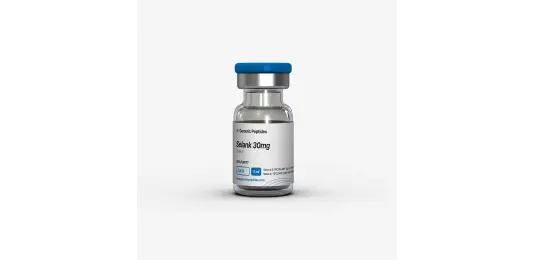
Selank: The Russian-Approved Anxiolytic Heptapeptide With Tuftsin-Derived Structure and Specific 2024-2026 Regulatory Limbo
By Medical Team of Generic Peptides
Selank is a synthetic heptapeptide with the sequence Thr-Lys-Pro-Arg-Pro-Gly-Pro (TKPRPGP). Molecular weight 751.86 g/mol. The compound was developed in the 1990s at the Institute of Molecular Genetics of the Russian Academy of Sciences in cooperation with the V.V. Zakusov Research Institute of Pharmacology under the direction of Nikolai F. Myasoedov. The structural design extends the natural tetrapeptide tuftsin (Thr-Lys-Pro-Arg, TKPR) — an endogenous immunomodulatory peptide derived from enzymatic cleavage of the human immunoglobulin G heavy chain — with a Pro-Gly-Pro stabilizing tail. The added tripeptide tail (often called the "glyproline" motif in Russian pharmacological literature) protects against rapid peptidase degradation that limits native tuftsin's clinical utility, while preserving the immunomodulatory activity inherited from the parent peptide and unexpectedly producing additional anxiolytic and nootropic effects that distinguish Selank from tuftsin's primarily immunological positioning.
Selank occupies a genuinely unusual position in the broader peptide therapy landscape. The compound is registered as a pharmaceutical drug in Russia and Ukraine under the brand name Selanc (Селанк) for generalized anxiety disorder and neurasthenia, available through standard pharmacy distribution in those jurisdictions. This pharmaceutical approval distinguishes Selank from most peptides covered in this article series — the compound has formal regulatory acceptance in major pharmaceutical markets (Russia and Ukraine), substantial clinical research conducted through Russian medical institutions, and established clinical use protocols developed over more than two decades. The compound is administered intranasally (the route used in most published research and the standard pharmaceutical formulation) or, less commonly, intravenously, with the intranasal route allowing direct CNS access via olfactory mucosa pathways that bypass gastrointestinal peptidase degradation.
The honest framing of Selank's evidence base requires acknowledgment that the substantial clinical research is predominantly from Russian and CIS institutions — creating gaps in the international peer-reviewed literature and limiting independent Western validation. The 2008 randomized clinical trial comparing Selank to medazepam in 62 patients with generalized anxiety disorder and neurasthenia (Zozulia et al.) is the most cited human clinical evidence and reported equivalent anxiolytic efficacy with additional antiasthenic and psychostimulant effects absent with the benzodiazepine comparator. Subsequent research includes mechanistic studies on GABAergic gene expression, fMRI brain activity studies in healthy volunteers, and accumulated clinical experience through decades of pharmaceutical use in Russia. The international peer-reviewed research base is more limited, with most major mechanism papers published in Russian journals or in international journals reporting work from Russian research groups (Kolomin, Shadrina, Slominsky, Limborska; Kozlovskaya and Semenova groups; and others at the Institute of Molecular Genetics).
The 2026 regulatory situation in the United States involves a specific procedural pathway different from most peptides covered in this article series. Selank acetate was placed on FDA Category 2 in September 2023 as part of the 19-peptide action. On September 20, 2024, FDA announced removal of Selank acetate (along with AOD-9604, CJC-1295, ipamorelin acetate, and thymosin alpha-1) from Category 2 effective September 27, 2024 — based on the nominators' withdrawal of the substance's nomination. Critically, Selank's situation diverges from the other four compounds removed at the same time. The nominations for AOD-9604, CJC-1295, Ipamorelin, and Thymosin Alpha-1 were withdrawn, but FDA elected to proceed with PCAC review on its own initiative — leading to the October 29, 2024 and December 4, 2024 PCAC meetings where all four compounds received unfavorable votes. Selank's nomination withdrawal was NOT accompanied by FDA's election to proceed with PCAC review. Industry analysis from peptidelibrary.io documents this distinction: "Selank was removed from Category 2 but its nomination was withdrawn rather than referred to PCAC. Licensed compounding pharmacies cannot prepare these compounds unless the FDA revisits the prior determinations." Selank is not on the July 23-24, 2026 PCAC agenda. Selank is not on the expected February 2027 PCAC schedule. The compound exists in regulatory limbo — removed from Category 2 but without an active path forward through formal PCAC review.
I'll be direct about my assessment of Selank from the start. The compound has substantial research foundation through the Russian pharmaceutical development pathway, well-characterized mechanism through positive allosteric modulation of GABA-A receptors at a site distinct from the benzodiazepine binding site, established clinical use protocols from decades of Russian/Ukrainian pharmaceutical practice, and a generally favorable safety profile that distinguishes the compound from benzodiazepine alternatives for anxiety treatment. The honest limitations involve the evidence base concentration in Russian research institutions limiting Western independent validation, the specific 2026 US regulatory limbo where Selank lacks both the formal Category 2 restriction and a path forward through PCAC review, the very brief plasma half-life (2-3 minutes) that requires elaborate pharmacokinetic explanation involving downstream gene expression effects and active metabolite generation, and the relatively limited clinical trial sizes (the 2008 RCT enrolled 62 patients total) compared to typical pharmaceutical Phase 3 standards. The compound's positioning as Russian-approved anxiolytic with international research interest creates genuine evidence base that's also genuinely incomplete from a Western pharmaceutical perspective.
This article walks through what Selank actually is and how its tuftsin-derived structure produces its distinctive profile, the multiple mechanisms through GABAergic modulation, BDNF expression, enkephalinase inhibition, and immunomodulation, the substantial Russian clinical research base with its specific limitations for Western validation, the unusual 2024-2026 US regulatory situation following nomination withdrawal without PCAC referral, the safety profile from accumulated Russian clinical experience, and how to think about Selank decisions given the operational realities including the Russian pharmaceutical pathway versus US off-label use through research-chemical channels.
What Selank Is
Selank's structural development reflects the Russian peptide pharmaceutical research tradition that has produced multiple clinically important compounds at the Institute of Molecular Genetics. The Russian peptide pharmacology field has historically focused on identifying endogenous regulatory peptides and developing synthetic analogs with enhanced pharmacological properties — an approach that produced Selank, Semax (a heptapeptide derived from ACTH(4-7) with similar Pro-Gly-Pro stabilization), Cortagen, Cortexin, and various other neuropeptide pharmaceuticals registered in Russian pharmacopoeia.
The endogenous biology starts with tuftsin (Thr-Lys-Pro-Arg, TKPR), a four-amino-acid peptide naturally produced by enzymatic cleavage of the heavy chain of human immunoglobulin G (specifically positions 289-292 of the IgG heavy chain). Tuftsin has well-characterized immunomodulatory properties including stimulation of phagocytic activity in macrophages and neutrophils, enhancement of antigen-presenting cell function, and modulation of cytokine production. Native tuftsin's clinical application is limited by very rapid peptidase degradation in plasma — the compound has half-life of seconds to minutes, making systemic therapeutic application impractical without modification.
The Russian researchers' design approach involved adding a stabilizing tripeptide tail (Pro-Gly-Pro) to the C-terminus of tuftsin. The proline residues at positions 5 and 7 create steric hindrance that protects against typical peptidase cleavage patterns, while the central glycine residue maintains structural flexibility. This "glyproline" motif (Pro-Gly-Pro tail) became a recurring theme in Russian neuropeptide pharmaceutical development, appearing in Selank, Semax, and various other compounds developed at the same research institute.
The unexpected discovery during Selank's development was that the Pro-Gly-Pro extension didn't just enhance tuftsin's stability — it fundamentally expanded the compound's pharmacological profile. While tuftsin functions primarily as an immunomodulator, Selank acquired pronounced anxiolytic, antidepressant, and nootropic effects that weren't predicted from the parent compound's biology. The mechanism for this expanded activity involves multiple pathways including direct GABAergic effects, BDNF expression upregulation, enkephalinase inhibition, and effects on monoamine neurotransmission — pathways that aren't part of tuftsin's primary biology. Whether the expanded activity reflects effects of the Pro-Gly-Pro tail itself, effects of stable tuftsin-related metabolites generated through Pro-Gly-Pro cleavage, or some combination of both isn't fully resolved in the published literature.
Selank is supplied as lyophilized powder requiring reconstitution before administration. The standard pharmaceutical formulation is a 0.15% nasal spray solution (1.5 mg/mL) used in Russian and Ukrainian clinical practice. Research-grade material is supplied as the diacetate salt (Nα-Thr-Lys-Pro-Arg-Pro-Gly-Pro-Diacetate Salt) typically in 5-50 mg vials. The compound is stable as lyophilized powder under refrigeration, with reconstituted solutions requiring refrigeration and limited shelf life.
The naming convention has multiple variants. Selank, Selanc, Селанк (Russian Cyrillic), TP-7 (the original research designation reflecting the Russian nomenclature), and various commercial names refer to the same compound. The "TP" prefix derives from the Russian for "tuftsin peptide" with the number designating the sequence iteration in the development series.
Selank Mechanism of Action
The mechanism involves multiple parallel signaling pathways that together produce the anxiolytic, nootropic, and immunomodulatory effects. The multi-mechanism characterization is unusual among peptides covered in this article series and reflects the compound's positioning as a multi-target neuropeptide drug rather than a selective receptor agonist.
The GABAergic mechanism is the primary contributor to Selank's anxiolytic effects. The compound acts as a positive allosteric modulator of GABA-A receptors, enhancing the inhibitory effects of GABA on neuronal excitability. Critically, Selank doesn't bind the benzodiazepine binding site on GABA-A receptors — pharmacological studies show that Selank's effects are insensitive to flumazenil (the benzodiazepine site antagonist) but sensitive to bicuculline (a GABA-A receptor antagonist that acts at the GABA binding site). This indicates Selank operates through a distinct allosteric site separate from the benzodiazepine binding site that classical anxiolytics like diazepam target. The clinical implication is that Selank produces GABAergic anxiolysis without the benzodiazepine-characteristic effects of sedation, muscle relaxation, anterograde amnesia, tolerance development, physical dependence, or withdrawal phenomena. The 2017 PMC4757669 study by Russian researchers (Kolomin et al.) characterized changes in expression of 84 genes involved in GABAergic neurotransmission in rat frontal cortex following intranasal Selank administration, documenting downregulation of GABA transporters (Slc32a1, Slc6a1, Slc6a11) that prolongs GABA availability in synaptic clefts — providing one molecular mechanism for the GABAergic enhancement.
The BDNF and NGF expression upregulation contributes to Selank's nootropic effects. Animal studies demonstrate that single intranasal Selank administration produces measurable upregulation of brain-derived neurotrophic factor and nerve growth factor messenger RNA in the hippocampus within hours of dosing. BDNF is a critical promoter of synaptic plasticity, neurogenesis, and long-term potentiation — the cellular mechanisms underlying learning and memory. The Selank-induced BDNF elevation occurs over hours and persists beyond the very brief plasma half-life of the parent peptide, providing one explanation for how a 2-3 minute plasma half-life translates to clinical effects measured over hours to days.
The enkephalinase inhibition mechanism extends the half-life of endogenous opioid peptides (enkephalins). Selank inhibits enkephalin-degrading enzymes including carboxypeptidase H and others, prolonging the activity of endogenous enkephalin signaling. Enkephalins have anti-stress, anti-anxiety, and analgesic effects through opioid receptor activation, and sustaining their activity contributes to Selank's overall anti-stress profile. This mechanism is shared with Semax (the related Russian peptide), distinguishing both compounds from typical anxiolytics.
The monoamine neurotransmission effects involve modulation of serotonin and dopamine systems. Russian research from the Kozlovskaya and Semenova groups documented increased 5-hydroxyindoleacetic acid (5-HIAA) to serotonin (5-HT) ratios in hypothalamus and striatum following Selank administration — indicating accelerated serotonin turnover rather than raw 5-HT elevation. Dopamine metabolism shifts in similar directions. These changes are consistent with the anxiolytic plus cognition-supporting behavioral phenotype observed in animal studies using open-field, elevated plus maze, and Morris water maze paradigms.
The immunomodulatory effects derive from Selank's tuftsin parent structure. The compound stimulates interleukin-6 (IL-6) and interferon production, balances T helper cell cytokine ratios, and enhances macrophage phagocytic function. These immunological effects are real and characterized in research, though their clinical significance in patients receiving Selank for anxiety/cognitive applications hasn't been systematically explored.
The pharmacokinetic profile reflects the compound's brief plasma residence time. Selank has plasma half-life of approximately 2-3 minutes after administration. This very brief half-life would seem to preclude sustained therapeutic effect, but the compound's clinical effects are documented over hours to days. Three mechanisms explain this pharmacokinetic-pharmacodynamic discrepancy. First, the Pro-Gly-Pro tail is enzymatically cleaved to release tuftsin-like fragments that retain GABAergic and immunomodulatory activity, providing a sustained source of bioactive peptide metabolites. Second, the downstream gene expression effects (BDNF, NGF upregulation, cytokine modulation) unfold over hours and persist after the parent peptide has cleared from circulation. Third, the enkephalinase inhibition produces sustained elevation of endogenous opioid peptide tone that persists beyond the parent peptide's pharmacokinetic window. Practically, this means the parent peptide half-life is largely irrelevant for clinical dosing decisions — most published Russian protocols use single morning dose or split doses across a day based on the downstream signaling windows rather than plasma drug levels.
The intranasal administration route is operationally important. Direct CNS access via olfactory mucosa pathways allows the peptide to bypass gastrointestinal peptidase degradation and avoid extensive first-pass metabolism. The nasal route is the standard pharmaceutical formulation in Russia and the dominant route in published research literature. Subcutaneous and intravenous administration are sometimes used in research contexts but produce different pharmacokinetic profiles than the intranasal route the clinical evidence base primarily uses.
Selank Clinical Evidence Base
The clinical evidence base for Selank comes predominantly from Russian medical institutions with limited but real international peer-reviewed publication. Understanding the evidence requires recognizing both the substantial accumulated Russian clinical experience and the limitations of evidence base concentration in a single national research tradition.
The foundational clinical pharmacology research from the Institute of Molecular Genetics established Selank's basic anxiolytic profile in animal models in the 1990s. The Seredenin et al. 1998 paper in Russian-language journals (later cited internationally) documented anxiolytic effects in inbred mice with different phenotypes of emotional stress reaction, providing the basis for clinical development. Subsequent animal studies extended characterization across multiple anxiety, stress, and cognitive paradigms.
The 2008 Zozulia et al. randomized clinical trial is the most-cited human evidence for Selank's anxiolytic effects. The study enrolled 62 patients with generalized anxiety disorder and neurasthenia, randomizing them to Selank (n=30) or medazepam (n=32) treatment. The trial reported equivalent anxiolytic efficacy between the two treatments based on standard anxiety rating scales, with Selank demonstrating additional antiasthenic effects (reduction of fatigue and weakness) and mild psychostimulant effects that were absent with the benzodiazepine comparator. Side effect profiles favored Selank — the compound didn't produce the sedation, cognitive impairment, or dependence concerns characteristic of medazepam. The trial supported Russian pharmaceutical approval for generalized anxiety disorder and neurasthenia indications.
Subsequent Russian clinical research extended the evidence base. The 2015 study examining Selank in combination with benzodiazepines documented potentiation effects supporting combined use protocols for refractory anxiety. The 2017 PMID 28236107 paper documented Selank potentiation of diazepam's anxiolytic effects in chronic stress models. Various studies have examined Selank in specific clinical populations including post-stroke recovery, ADHD, and depression-anxiety comorbidity.
The 2020 fMRI study in 52 healthy participants represented one of the more methodologically rigorous brain mechanism studies, examining resting-state functional connectivity changes following Selank administration. The findings supported CNS effects consistent with the anxiolytic mechanism characterization but didn't fundamentally change understanding of the compound's pharmacology.
International peer-reviewed research includes the 2017 Frontiers in Pharmacology paper on GABAergic gene expression in IMR-32 neuroblastoma cells, the 2016 PMC4757669 paper on rat frontal cortex gene expression, and various mechanism studies. These international publications provide independent (though Russian-authored) characterization that supplements the Russian-language clinical evidence base.
The accumulated Russian pharmaceutical use experience over more than two decades represents substantial real-world clinical evidence. Selank has been prescribed in Russian and Ukrainian medical practice for generalized anxiety disorder and neurasthenia since the early 2000s, with documented prescription volumes, post-marketing safety surveillance, and clinical practice patterns that support real-world effectiveness in indicated patient populations. The post-marketing experience hasn't generated significant safety signals beyond what Phase 3 development characterized.
What the evidence supports with reasonable confidence: Selank produces anxiolytic effects through GABAergic modulation comparable in magnitude to benzodiazepine alternatives but without the sedation/dependence drawbacks; the compound has been safely used in Russian/Ukrainian clinical practice for two decades; the multi-mechanism pharmacology including BDNF upregulation, enkephalinase inhibition, and immunomodulation distinguishes Selank from typical anxiolytics; the safety profile is favorable in indicated populations.
What the evidence supports less robustly: long-term efficacy data beyond Russian clinical practice patterns; head-to-head comparisons against modern anxiolytics including SSRIs and other first-line treatments for generalized anxiety disorder; specific clinical applications beyond the Russian-approved indications (anxiety, neurasthenia); efficacy in patient populations not represented in the Russian clinical research (typically older Russian patient populations with specific anxiety/asthenia presentations).
The international peer-reviewed validation gap is genuine and worth honest acknowledgment. Selank's evidence base is real but concentrated in Russian research institutions with limited independent Western Phase 3 clinical trial validation. Whether the compound's clinical effectiveness translates to non-Russian patient populations, modern Western anxiety treatment paradigms, and contemporary diagnostic standards (DSM-5 GAD criteria rather than Russian ICD-10 neurasthenia diagnoses) hasn't been systematically tested through Western pharmaceutical development pathways.
Selank Regulatory Status: The Specific 2024-2026 US Limbo
The regulatory situation for Selank in 2026 differs significantly from most peptides covered in this article series and warrants specific detailed treatment.
In Russia, Selank has been registered as a pharmaceutical drug since approximately 2009-2010 under the brand name Selanc (Селанк) for the treatment of generalized anxiety disorder and neurasthenia. The compound is available through standard Russian pharmacy distribution channels with the typical pharmaceutical regulatory framework that includes prescription requirements, approved indication labeling, and post-marketing pharmacovigilance. The pharmaceutical formulation is a 0.15% nasal spray (1.5 mg/mL) administered intranasally for 14-30 day treatment courses depending on indication.
In Ukraine, Selank has similar regulatory status with pharmacy availability for the same indications as in Russia. Other Eastern European countries have varying degrees of recognition of the Russian/Ukrainian pharmaceutical approval.
In the United States, Selank's regulatory pathway has been complicated. The compound was placed on FDA Category 2 in September 2023 as part of the 19-peptide action affecting compounding pharmacy availability. On September 20, 2024, FDA announced removal of Selank acetate (as TP-7) from Category 2, effective September 27, 2024 — based on the original nominator's withdrawal of the compound's nomination. The withdrawal-based removal is the same procedural mechanism that affected AOD-9604, CJC-1295, ipamorelin acetate, and thymosin alpha-1 at the same time.
Critically, what happened next distinguishes Selank from the other four compounds. For AOD-9604, CJC-1295, Ipamorelin, and Thymosin Alpha-1, FDA's December 2024 PCAC briefing document stated: "this nomination was withdrawn, however, FDA is electing to proceed to PCAC review." This led to the October 29, 2024 PCAC meeting (reviewing Ipamorelin) and December 4, 2024 PCAC meeting (reviewing AOD-9604, CJC-1295 in all forms, and Thymosin Alpha-1) — with all four compounds receiving unfavorable PCAC votes recommending against 503A bulks list inclusion.
For Selank, FDA didn't elect to proceed with PCAC review on its own initiative. The nomination withdrawal was simply allowed to stand without subsequent PCAC referral. As a result, Selank exists in an unusual regulatory limbo: removed from Category 2 (no longer flagged as an "active safety concern" under the interim policy) but without an active path forward through PCAC review (the formal advisory committee mechanism that would lead to either Category 1 inclusion or formal rejection).
The peptidelibrary.io 2026 analysis documents this distinction explicitly: "Selank was removed from Category 2 but its nomination was withdrawn rather than referred to PCAC. Licensed compounding pharmacies cannot prepare these compounds unless the FDA revisits the prior determinations." The peptidejournal.org 2026 timeline notes: "All except selank were subsequently reviewed and rejected" — referring to the four compounds (AOD-9604, CJC-1295, Ipamorelin, Thymosin Alpha-1) that received PCAC review while Selank didn't.
The April 16, 2026 Federal Register notice published the announcement of the July 23-24, 2026 PCAC meeting reviewing seven peptides (BPC-157, KPV, MOTS-c, TB-500 on Day 1; Emideltide/DSIP, Epitalon, Semax on Day 2). Selank is not on this agenda. The expected February 2027 PCAC schedule for additional peptide reviews (GHK-Cu, Melanotan II, Cathelicidin LL-37, Dihexa Acetate, PEG-MGF) also doesn't include Selank.
The February 27, 2026 Kennedy Rogan announcement on The Joe Rogan Experience #2461 declared intent to reclassify approximately 14 peptides back to Category 1. Selank's specific inclusion in this announcement varies across industry analyses — some sources include Selank among the targeted compounds, others don't. The administration's specific procedural intent for Selank hasn't been clarified through formal regulatory documentation.
The current operational reality for US patients and providers is that Selank lacks legitimate compounding pharmacy access despite the September 2024 removal from Category 2. Compounding pharmacies cannot prepare Selank for patient use because the compound isn't on the 503A bulks list, doesn't have USP/NF monograph, and isn't a component of an FDA-approved drug. The September 2024 Category 2 removal eliminated the active "do not compound" flag but didn't establish affirmative permission. Patients seeking Selank in the US typically obtain it through research-chemical channels with the standard quality control concerns affecting the broader peptide gray market.
The Frier Levitt 2026 analysis classifies Selank acetate among compounds removed from Category 2 with nomination withdrawal but listed under "Other Bulk Drug Substances That May Present Significant Safety Risks" — a regulatory positioning that sits between formal Category 2 prohibition and Category 1 affirmative permission.
For sports anti-doping, Selank's WADA status isn't specifically addressed in current prohibited list documentation. The compound doesn't fit cleanly into typical performance-enhancing categories monitored by WADA. Athletes considering use should consult current WADA documentation directly.
The Department of Defense Operation Supplement Safety has addressed neuropeptide compounds in advisories for service members.
In international markets beyond Russia and Ukraine, Selank doesn't have specific regulatory approval. Research-chemical-grade material is accessible through international research supply channels with the typical quality variability concerns affecting research-grade peptide markets.
Selank Safety Profile
The safety profile for Selank is characterized through two decades of Russian pharmaceutical use, the formal Russian clinical development program that supported pharmaceutical approval, and accumulated post-marketing experience. The accumulated evidence supports a generally favorable tolerability profile that distinguishes Selank from benzodiazepine alternatives for anxiety treatment.
Common reported effects in clinical use are typically mild and limited. Mild headache occasionally occurs after administration. Fatigue or mild drowsiness is uncommon (notably less frequent than with benzodiazepine comparators). Local nasal irritation can occur with intranasal administration. Mild gastrointestinal effects are uncommon. Allergic reactions to peptide preparations are possible but rare.
Notably absent from the Selank side effect profile are the effects characteristic of benzodiazepine anxiolytics: significant sedation, cognitive impairment, anterograde amnesia, motor coordination effects, tolerance development with chronic use, physical dependence, and withdrawal phenomena upon discontinuation. The Russian 2008 RCT comparing Selank to medazepam documented these distinctions clearly — patients receiving Selank didn't experience the sedation and cognitive effects that the medazepam group reported. This favorable side effect profile is one of Selank's principal clinical advantages over conventional anxiolytics.
The cognitive effects deserve specific mention because they're qualitatively different from typical anxiolytic profiles. Selank's nootropic effects through BDNF upregulation and modulation of monoamine neurotransmission produce mild cognitive enhancement rather than the cognitive impairment characteristic of benzodiazepines. Patients using Selank for anxiety often report improved mental clarity, focus, and cognitive performance alongside the anxiety reduction — a "calm focus" profile that's pharmacologically unusual among anxiolytic compounds.
The dependence and withdrawal considerations are particularly important. Russian clinical experience hasn't documented dependence development or withdrawal syndromes with Selank discontinuation, even after extended treatment courses. This distinguishes Selank from benzodiazepines (where dependence and withdrawal are major clinical limitations) and from many other anxiolytic alternatives. The mechanistic basis involves Selank's GABAergic mechanism through allosteric sites distinct from the benzodiazepine binding site, which doesn't produce the receptor desensitization patterns that drive benzodiazepine tolerance.
Cardiovascular effects are minimal. Selank doesn't produce significant blood pressure or heart rate changes at therapeutic doses. The compound is generally safe in patients with cardiovascular conditions where benzodiazepine alternatives might be problematic.
Long-term safety in extended use is supported by the Russian post-marketing experience over two decades but hasn't been systematically characterized through dedicated multi-year prospective safety studies at modern pharmaceutical evidence standards. The accumulated clinical experience hasn't generated significant long-term safety concerns, but specific Phase 4 safety studies of the type that Western pharmaceutical regulation typically requires haven't been conducted.
The substantial uncertainty about Selank quality from research-chemical sources adds practical safety dimensions for US patients accessing the compound through gray market channels. Independent testing of research-chemical peptide products has documented variable purity, incorrect potency, and occasional contamination across different suppliers. Patients obtaining Selank through gray market channels face uncertainty not just about pharmacology but about whether the product actually contains what the label claims.
Drug interactions involve standard considerations. Other CNS-acting compounds including benzodiazepines (Selank potentiates rather than antagonizes), antidepressants (typically compatible without specific interactions), antipsychotics (possible additive effects on dopaminergic or serotonergic systems), opioids (potential interaction through enkephalinase inhibition extending opioid effects), and alcohol (possible additive CNS effects, though Russian clinical practice doesn't specifically restrict alcohol use during Selank treatment). The 2017 study documenting Selank potentiation of diazepam supports mechanistic compatibility with benzodiazepines in clinical contexts where combined treatment is appropriate.
Contraindications include known hypersensitivity to Selank or related compounds, pregnancy and breastfeeding (insufficient safety data despite the Russian pharmaceutical approval — caution warranted), pediatric populations except in supervised clinical contexts, severe hepatic or renal dysfunction, and concurrent use of CNS depressants without medical supervision.
Who Uses Selank and How It Compares to Alternatives
The user base for Selank in 2026 reflects the compound's unusual positioning as Russian-approved pharmaceutical with international research-chemical availability and US regulatory limbo.
Patients with generalized anxiety disorder seeking alternatives to benzodiazepines represent the primary therapeutic user category. The compound's combination of comparable anxiolytic efficacy with substantially better side effect profile (no sedation, no dependence, no withdrawal) appeals to patients who haven't tolerated or who specifically want to avoid benzodiazepine treatment. In Russian and Ukrainian clinical practice, Selank is prescribed as a first-line or alternative anxiolytic option.
Patients with neurasthenia (a clinical concept maintained in Russian/CIS medical practice but largely abandoned in Western diagnostic frameworks) use Selank for the antiasthenic effects that the 2008 RCT documented. The neurasthenia indication doesn't directly translate to Western diagnostic categories, but the symptomatic profile (chronic fatigue, weakness, mild depressive features, anxiety) overlaps with conditions that Western practice would classify as chronic fatigue syndrome, mild depression with fatigue, or anxiety disorders with somatic features.
Patients pursuing nootropic and cognitive enhancement applications use Selank in off-label contexts based on the BDNF upregulation mechanism and reported "calm focus" effects. Biohacking and self-experimentation communities have substantial interest in Selank as an anxiolytic-nootropic combination.
Researchers and clinicians in integrative psychiatry practices in jurisdictions where Selank is accessible use the compound as an alternative to conventional anxiolytics, particularly for patients with combined anxiety-cognitive concerns or those sensitive to benzodiazepine side effects.
Russian and Ukrainian patients with the registered indications use Selank through standard pharmaceutical pathways. International expat communities sometimes obtain Selank during travel to Russia/Ukraine for personal use.
The relevant comparisons in 2026:
Benzodiazepines (alprazolam, lorazepam, diazepam, clonazepam) provide comparable acute anxiolytic effects through GABA-A receptor modulation at the benzodiazepine binding site. Substantial Western clinical evidence and FDA approval for various anxiety disorders. Significant limitations including sedation, cognitive impairment, dependence development, withdrawal phenomena, and abuse potential. For patients tolerant of these limitations or with severe acute anxiety requiring rapid effect, benzodiazepines remain established options. For patients seeking anxiolysis without the benzodiazepine drawbacks, Selank's profile is distinctive but available only through research-chemical channels in the US.
SSRIs and SNRIs (sertraline, escitalopram, duloxetine, venlafaxine) are first-line treatments for generalized anxiety disorder in Western practice with substantial Phase 3 evidence and FDA approvals. Different mechanism than Selank (serotonin/norepinephrine reuptake inhibition rather than GABAergic modulation). Slower onset of effect (4-8 weeks for full benefit), but sustained efficacy with chronic use. Different side effect profile including sexual dysfunction, sleep disturbance, weight changes. For patients seeking evidence-based first-line treatment of GAD, SSRIs/SNRIs remain established options.
Buspirone (BuSpar) provides anxiolytic effects through 5-HT1A receptor partial agonism without sedation or dependence. FDA-approved for generalized anxiety disorder. Shares the favorable side effect profile (no sedation, no dependence) with Selank but through different mechanism. For US patients seeking non-benzodiazepine anxiolytic alternatives with regulatory legitimacy, buspirone provides established option.
Hydroxyzine is FDA-approved for anxiety with sedating antihistamine mechanism. Different profile than Selank.
Pregabalin and gabapentin have anxiolytic effects through different mechanisms with FDA approvals for specific anxiety contexts.
Semax (covered separately in this article series) is the related Russian-developed peptide derived from ACTH(4-7) with similar Pro-Gly-Pro stabilization. Primarily nootropic with secondary anxiolytic effects, complementary to Selank's primarily anxiolytic profile. The two compounds are often discussed together as "sister peptides" from the same Russian research program.
For US patients in 2026 considering Selank specifically, the operational decision typically involves whether the favorable mechanism profile (anxiolytic without sedation, dependence, or withdrawal) and Russian pharmaceutical evidence base justify accepting the gray market access realities and quality concerns. Patients with regulatory access concerns or those preferring evidence-based first-line treatments through legitimate pharmaceutical pathways have established alternatives in SSRIs, buspirone, and other FDA-approved options. Patients prioritizing the specific Selank profile can access the compound through international research-chemical channels with the standard caveats about quality variability.
Honest Assessment of Selank in 2026
I'll be direct about Selank's positioning in current practice.
The compound has substantial research foundation through the Russian pharmaceutical development pathway, well-characterized multi-mechanism pharmacology that distinguishes it from typical anxiolytics, formal pharmaceutical approval in Russia and Ukraine for generalized anxiety disorder and neurasthenia, established clinical use protocols developed over more than two decades, and a generally favorable safety profile that includes the absence of benzodiazepine-characteristic side effects. The mechanism through positive allosteric modulation of GABA-A receptors at sites distinct from the benzodiazepine binding pocket, combined with BDNF upregulation, enkephalinase inhibition, and immunomodulation, represents pharmacologically interesting multi-target activity that produces a "calm focus" clinical profile uncommon among anxiolytic compounds.
The honest limitations dominate practical positioning for Western patients and providers. The evidence base concentration in Russian research institutions limits independent Western validation despite the substantial accumulated clinical experience. The 2024-2026 US regulatory limbo following nomination withdrawal without PCAC referral leaves Selank in an unusual procedural position — removed from Category 2 active prohibition but without an active path forward to legitimate compounding pharmacy availability. The international peer-reviewed evidence base is more limited than the comprehensive Russian clinical literature would suggest, with most major mechanism papers authored by Russian research groups even when published in international journals. The very brief plasma half-life (2-3 minutes) requires elaborate pharmacokinetic explanation involving downstream gene expression effects and active metabolite generation that, while mechanistically reasonable, makes precise dosing optimization difficult. The Russian neurasthenia diagnostic concept doesn't translate cleanly to Western diagnostic frameworks, complicating the application of Russian clinical evidence to Western patient populations.
What's genuinely uncertain about Selank in 2026 includes whether the Kennedy administration's political commitment to peptide reclassification will produce specific FDA action on Selank's regulatory pathway forward (either through PCAC referral or through alternative procedural mechanisms), whether the international peer-reviewed evidence base will expand through Western research validating Russian clinical findings, and how the unusual procedural position (removed from Category 2 without PCAC referral) will resolve over the coming years.
For patients navigating Selank decisions, the framing reflects the compound's unusual positioning. Patients in Russia or Ukraine with the registered indications have legitimate pharmaceutical access through standard pharmacy channels — Selank represents a regulatory-approved option for generalized anxiety disorder and neurasthenia in those jurisdictions. Patients in the United States face the operational reality that legitimate access doesn't exist through compounding pharmacy or pharmaceutical channels, and gray market access through research-chemical sources carries the standard quality and regulatory concerns. Patients pursuing first-line treatment of generalized anxiety disorder typically have evidence-based alternatives (SSRIs, buspirone, others) through regulated pharmaceutical pathways. Patients specifically interested in the Selank pharmacological profile and tolerance for evidence base limitations have a defensible mechanistic and clinical rationale for considering the compound through whatever access pathway is available in their jurisdiction.
Selank's place in the broader peptide therapy landscape reflects the unusual case of a compound with formal pharmaceutical approval in major non-Western markets (Russia, Ukraine) that hasn't transitioned to Western pharmaceutical development pathways. The compound demonstrates that Russian neuropeptide pharmaceutical research has produced clinically established treatments through different evidence frameworks than Western Phase 3 development typically requires. The contrast between Selank's Russian regulatory legitimacy and its US regulatory limbo illustrates how pharmaceutical development pathway and geographic research concentration affect compound positioning regardless of underlying mechanism merit.
The next 12-24 months may produce clearer Selank regulatory positioning if FDA's administration produces specific procedural action on the post-September-2024 status — either by referring Selank to formal PCAC review (analogous to what happened with the four compounds that received unfavorable votes) or through alternative regulatory pathways that provide clearer access framework. The pharmacological foundation won't change — Selank is what it has been: a tuftsin-derived heptapeptide with multi-mechanism pharmacology producing anxiolytic, nootropic, and immunomodulatory effects, registered as pharmaceutical in Russia and Ukraine for generalized anxiety disorder and neurasthenia, with research base concentrated in Russian institutions and accumulated decades of clinical use experience in those jurisdictions. Whether the US regulatory pathway eventually clarifies through political reclassification efforts, formal PCAC review, or alternative procedural mechanisms will determine the compound's accessibility for US patients seeking the specific pharmacological profile that distinguishes Selank from conventional anxiolytic alternatives.
References
[1] Zozulia AA, Neznamov GG, Siuniakov TS, Kost NV, Gabaeva MV, Sokolov OY, Serebryakova EV, Siranchieva OA, Andryushenko AV, Telesheva ES, Syunyakov SA, Smulevich AB, Myasoedov NF, Seredenin SB. Efficacy and possible mechanisms of action of a new peptide anxiolytic drug Selank in the therapy of generalized anxiety disorders and neurasthenia. Zhurnal Nevrologii i Psikhiatrii Imeni S.S. Korsakova. 2008;108(4):38-48. Foundational Russian RCT in 62 patients comparing Selank to medazepam.
[2] Kolomin TA, Shadrina MI, Slominsky PA, Limborska SA, Myasoedov NF. A new generation of drugs: synthetic peptides based on natural regulatory peptides. Neuroscience and Medicine. 2013;4(4):223-252. Comprehensive review of Russian neuropeptide pharmaceutical development including Selank.
[3] Kolomin T, Shadrina M, Andreeva L, Slominsky P, Limborska S, Myasoedov N. Expression of inflammation-related genes in mouse spleen under tuftsin analog Selank. Regulatory Peptides. 2011;170(1-3):18-23. Immunomodulatory mechanism characterization.
[4] Kolomin TA, Agapova TY, Agniullin YV, Shram SI, Shadrina MI, Slominsky PA, Limborska SA, Myasoedov NF. Transcriptomic response of rat hippocampus and spleen cells to single Selank administration. Doklady Biological Sciences. 2014;459:241-243. Hippocampal gene expression characterization.
[5] Volkova A, Shadrina M, Kolomin T, Andreeva L, Limborska S, Myasoedov N, Slominsky P. Selank Administration Affects the Expression of Some Genes Involved in GABAergic Neurotransmission. Frontiers in Pharmacology. 2016;7:31. PMC4757669. DOI: 10.3389/fphar.2016.00031. GABAergic gene expression characterization in rat frontal cortex.
[6] Kolomin TA, Shadrina MI, Agniullin YV, Shram SI, Slominsky PA, Limborska SA, Myasoedov NF. GABA, Selank, and Olanzapine Affect the Expression of Genes Involved in GABAergic Neurotransmission in IMR-32 Cells. Frontiers in Pharmacology. 2017;8:89. PMC5337724. DOI: 10.3389/fphar.2017.00089. IMR-32 neuroblastoma cell mechanism characterization.
[7] Kost NV, Sokolov OY, Kurasova OB, Zolotarev YA, Tarakanova NN, Vasileva EV, Andreeva LA, Mezentseva MV, Ershov FI, Myasoedov NF. Dipeptidyl peptidase IV-modulated synthesis of brain-derived neurotrophic factor in rat hippocampus under stress and the anxiolytic peptide Selank. Bulletin of Experimental Biology and Medicine. 2008;145(2):189-191. BDNF upregulation mechanism research.
[8] Seredenin SB, Blednov YuA, Badyshtov BA, Gordey ML, Nagovitsina YA. Pharmacogenetic analysis of mechanisms of emotional stress: effects of benzodiazepines. Annali dell'Istituto Superiore di Sanita. 1990;26:81-87. PMID: 1971107. Foundational mechanism research from Russian research program.
[9] Seredenin SB, Kozlovskaia MM, Blednov YuA, Kozlovskii II, Semenova TP, Czabak-Garbacz R. The anxiolytic action of an analog of the endogenous peptide tuftsin on inbred mice with different phenotypes of the emotional stress reaction. Zhurnal Vysshei Nervnoi Deiatelnosti Imeni I.P. Pavlova. 1998;48:153-160. Foundational anxiolytic characterization in animal models.
[10] Semenova TP, Kozlovskaya MM, Zuikov AV, Kozlovskii II, Zakharova NM, Andreeva LA. Use of Selank to correct measures of integrative brain activity and biogenic amine levels in adult rats resulting from antenatal hypoxia. Neuroscience and Behavioral Physiology. 2008;38:203-207. DOI: 10.1007/s11055-008-0030-2. Brain activity and monoamine effects research.
[11] Kozlovskii II, Danchev ND. The optimizing effect of a synthetic analog of tuftsin Selank on learning and memory of rats. Zhurnal Vysshei Nervnoi Deiatelnosti Imeni I.P. Pavlova. 2002;52:579-583. Russian language nootropic effects research.
[12] Sollertinskaya TN, Shorokhov MV, Andreeva LA, Myasoedov NF. The mnemotropic effect of Selank in white rats and lower primates. Neuroscience and Behavioral Physiology. 2008;38(5):495-501. Cross-species nootropic effects.
[13] U.S. Food and Drug Administration. Certain Bulk Drug Substances for Use in Compounding that May Present Significant Safety Risks. September 29, 2023. Selank acetate placed on Category 2. https://www.fda.gov/drugs/human-drug-compounding/certain-bulk-drug-substances-use-compounding-may-present-significant-safety-risks.
[14] U.S. Food and Drug Administration. September 20, 2024 announcement removing Selank acetate (TP-7) from Category 2 effective September 27, 2024. Removal based on nominator withdrawal of nomination without subsequent PCAC referral.
[15] U.S. Food and Drug Administration. Federal Register Notice of Pharmacy Compounding Advisory Committee Meeting, published April 16, 2026. PCAC meeting scheduled for July 23-24, 2026. Selank not on this agenda.
[16] Kennedy RF Jr. Public statements regarding peptide reclassification, The Joe Rogan Experience #2461, February 27, 2026. Selank's specific inclusion in approximately 14 peptides under reclassification consideration varies across industry analyses.
[17] Lexology. FDA removes certain peptide bulk drug substances from Category 2 of interim 503A bulks list and sets dates for PCAC review. October 2024. Comprehensive legal analysis of September 20, 2024 removal action.
[18] Frier Levitt. The Peptide Landscape Is Shifting: What Secretary Kennedy's Joe Rogan Interview Could Mean for the Compounding Industry. March 2026. Industry analysis distinguishing Selank's procedural status from compounds that received PCAC review.
[19] Peptide Library. Are Peptides Legal in the US? 2026 FDA Category Guide. peptidelibrary.io. Documents Selank's specific status as removed from Category 2 without PCAC referral.
[20] PeptideJournal. FDA Peptide Regulation: Complete 2025-2026 Timeline. November 2025. peptidejournal.org. Industry analysis noting "all except selank were subsequently reviewed and rejected" regarding the five compounds removed in September 2024.
[21] Ashmarin IP, Karazeeva EP, Lyapina LA, Samonina GE. The simplest proline-containing peptides PG, GP, PGP and GPGG: regulatory activity and possible sources of biosynthesis. Biochemistry (Moscow). 1998;63(2):119-124. Foundational Russian research on proline-containing peptide motifs underlying Selank design.
[22] Czabak-Garbacz R, Cygan B, Wolanski L, Kozlovsky I. Influence of long-term treatment with tuftsin analog TP-7 on the anxiety-phobic states and body weight. Pharmacological Reports. 2006;58:113-122. PMID: 16531638. International peer-reviewed pharmacological characterization.
[23] Wikipedia. Selank. Comprehensive overview of Selank development, structure, mechanism, and clinical use. https://en.wikipedia.org/wiki/Selank.
[24] World Anti-Doping Agency. The Prohibited List, current edition. Selank not specifically addressed in current prohibited list documentation. Athletes should consult current WADA documentation directly. https://www.wada-ama.org/en/prohibited-list.
[25] Department of Defense Operation Supplement Safety. Advisory pages on neuropeptide compounds for service member compliance.