AOD-9604: GH Fragment Central to 2026 Peptide Reclassification
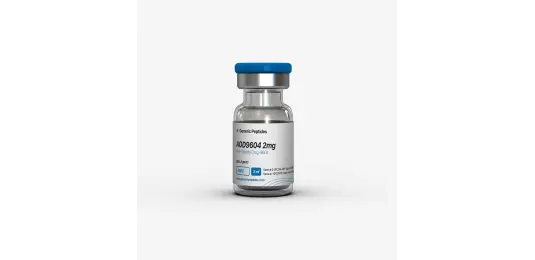
AOD-9604 Mechanism, Side Effects, Fat Loss Effects & FDA Status in 2026: Complete Clinical Review of the hGH Fragment, β3-Adrenergic Activation, Phase IIb Trial Results, and the July 23 PCAC Reclassification Vote
By Medical Team of Generic Peptides
AOD-9604 is a 16-amino-acid modified fragment of human growth hormone designed to replicate hGH's fat-burning effects without the growth-promoting, insulin-disrupting, or IGF-1-elevating side effects of full hGH therapy. Developed by Metabolic Pharmaceuticals in Australia, it went through six Phase I/II clinical trials involving approximately 900 patients before the pivotal 24-week Phase IIb study in 2007 failed to demonstrate sufficient weight-loss efficacy for regulatory approval. Australian TGA gave it GRAS status as a food ingredient. And in April 2026, AOD-9604 sits at the center of one of the most consequential peptide regulatory shifts in recent history.
The compound's full structure is Tyr-hGH(177-191), meaning it's the C-terminal 16 amino acids of human growth hormone (residues 177-191) with an added tyrosine at the N-terminus. The tyrosine modification wasn't cosmetic — it improved chemical stability, extended functional half-life, and crucially made the molecule patentable, which was necessary for pharmaceutical development. Without that single residue addition, the compound would be the natural hGH fragment (covered separately in this series as HGH Fragment 176-191), which has essentially no independent human research.
What AOD-9604 actually has is a genuine clinical record. Six Phase I/II trials with around 900 total participants. A well-characterized β3-adrenergic receptor mechanism established in the foundational 2001 Heffernan paper. Documented absence of the endocrine disruption that characterizes full hGH therapy — no IGF-1 elevation, no glucose or insulin changes, no cortisol effects, no thyroid or sex hormone impact. And a regulatory history that put it at the heart of the FDA Category 2 action in September 2023, the December 2024 PCAC vote against 503A inclusion, the February 2026 Kennedy Rogan announcement, and the July 23-24, 2026 PCAC meeting that will determine whether it returns to legal compounding.
What AOD-9604 Is: Structure, Development, and the Metabolic Pharmaceuticals Story
The compound was developed by Metabolic Pharmaceuticals in Melbourne, Australia, as the lead candidate in their obesity development program. The development logic started with a specific biological observation: full-length hGH has two seemingly distinct activities — growth promotion (through the GH receptor, IGF-1 elevation, classical somatogenic effects) and fat metabolism modulation (lipolysis, reduced lipogenesis, body composition effects). Researchers hypothesized that these activities might be separable and that a molecule carrying only the fat-metabolism activity might avoid the side effects that limit hGH use.
Systematic fragmentation studies in the 1980s-1990s identified the C-terminal region of hGH as carrying most of the lipolytic activity. The native 16-amino-acid fragment (hGH 176-191) demonstrated lipolytic effects without activating the growth hormone receptor. Metabolic Pharmaceuticals added a tyrosine residue to the N-terminus for stability and patentability, creating Tyr-hGH(177-191) — designated AOD-9604 (Anti-Obesity Drug 9604).
The clinical development program was substantial. Six Phase I/II trials with approximately 900 total participants, conducted between roughly 1999 and 2007. The program explored dosing ranges from oral administration (which proved to have limited bioavailability) to subcutaneous injection protocols. Short-term safety was consistently acceptable. Metabolic parameters remained stable — no IGF-1 elevation, no glucose or insulin disruption, no cortisol or thyroid effects. Mild body composition improvements were observed.
The Phase IIa data — 12 weeks, smaller cohort — showed approximately 2.6 kg weight loss versus 0.8 kg placebo. This was modest but mechanistically consistent and positioned the compound for Phase IIb.
The Phase IIb study (2007, 536 subjects, 24 weeks) was the pivotal trial. It failed to demonstrate sufficient weight-loss efficacy to support regulatory approval as an obesity pharmaceutical. The effect size simply wasn't large enough to justify the development costs of Phase III and eventual FDA or EMA approval as a weight-loss drug. Metabolic Pharmaceuticals did not advance the compound to Phase III. The pharmaceutical development pathway for AOD-9604 as an obesity treatment effectively ended there.
The regulatory silver lining came from a different direction. Australian TGA granted AOD-9604 Generally Recognized as Safe (GRAS) status for use as a food ingredient. This is a very specific regulatory designation that doesn't translate to therapeutic drug approval, but it meant AOD-9604 had been through enough safety review to be considered food-ingredient safe — an unusual status for a research peptide and one that would later factor into the FDA regulatory conversations.
The compound subsequently found its commercial afterlife through compounding pharmacy practice in the US and off-label use channels globally. For roughly 15 years, AOD-9604 was a staple of aesthetic medicine, functional medicine, and peptide therapy clinic practice — not as an approved drug but as a compounded preparation for patients seeking fat loss support without the systemic effects of hGH.
AOD-9604 Mechanism of Action: β3-Adrenergic Receptor Activation and Selective Lipolysis
The mechanism is well-characterized thanks primarily to Heffernan 2001 [1]. This paper in Endocrinology tested AOD-9604 in obese mice and in β3-adrenergic receptor knockout mice. The key finding was clean: AOD-9604's lipolytic effects were substantially abolished in β3-AR knockout animals, establishing β3-adrenergic receptor activation as the primary mechanism.
β3-ARs are expressed predominantly in brown and white adipose tissue. Their activation triggers a cAMP-dependent signaling cascade that activates hormone-sensitive lipase (HSL), driving triglyceride hydrolysis and release of free fatty acids and glycerol into circulation. This is the same basic pathway that exercise, fasting, and adrenergic stress use to mobilize stored fat.
Additional mechanistic work by Ng and colleagues established that AOD-9604 (and by extension the native fragment) directly stimulates hormone-sensitive lipase activity and inhibits acetyl-CoA carboxylase in adipose tissue [2]. Effects on hormone-sensitive lipase occur without requiring classical GH receptor activation — a critical distinction from full-length hGH. AOD-9604 doesn't bind GHR; it doesn't activate the JAK2-STAT5 signaling that drives IGF-1 generation; it doesn't trigger the somatogenic effects of hGH.
The net pharmacological profile: targeted fat mobilization through β3-AR activation and direct lipase stimulation, with no meaningful activation of the growth-promoting pathways that characterize hGH therapy.
The Kwon 2015 rabbit osteoarthritis cartilage work documented effects on articular cartilage, suggesting AOD-9604 has roles beyond adipose tissue modulation. This finding extended the compound's research interest into orthopedic applications, though clinical translation has been limited.
What AOD-9604 doesn't do: elevate IGF-1, disrupt glucose or insulin homeostasis, activate growth hormone signaling, produce the ectopic fat redistribution concerns associated with some other interventions, affect sex hormones or thyroid function. This clean endocrine profile is the compound's main theoretical advantage over alternatives that work through GH axis stimulation.
AOD-9604 Clinical Research: Six Trials, ~900 Participants, and the Phase IIb Reality
The clinical research record is unusually substantial for a compound that never achieved approval. Worth walking through because it establishes both the safety basis that regulatory authorities have considered and the efficacy limitations that defined the compound's commercial trajectory.
The six Phase I/II trials explored multiple questions: oral versus subcutaneous administration, different dose ranges, pharmacokinetic characterization, short-term safety, early efficacy signals. Across the program, approximately 900 total participants received AOD-9604 at various doses and durations.
Safety findings were consistent: injection site reactions, occasional mild flushing, mild headache in some participants, generally well-tolerated at typical doses. No serious adverse events clearly attributable to the compound. No signal of IGF-1 elevation, glucose disruption, insulin changes, cortisol or thyroid effects. The safety profile was essentially favorable across the clinical program.
Efficacy findings were more modest. Phase IIa showed approximately 2.6 kg weight loss vs 0.8 kg placebo over 12 weeks — a real effect, but small. The Phase IIb study (536 subjects, 24 weeks, 2007) was powered to detect a clinically meaningful effect at regulatory standards for obesity drug approval. It didn't reach that threshold.
Specifically, the Phase IIb data showed some body composition effects and metabolic improvements, but the overall weight-loss efficacy was below what would support regulatory approval. By 2007, obesity drug approval required demonstrated efficacy superior to placebo by substantial margins that AOD-9604 couldn't meet. Compared to compounds that would later emerge (semaglutide producing 15-20%+ body weight reduction, tirzepatide even better), AOD-9604's modest effects in Phase IIb framed what was possible mechanistically. The compound did something real, but not something dramatic.
This Phase IIb failure — 536 subjects, 24 weeks, rigorous trial design — is the best direct evidence we have for what level of effect to expect from AOD-9604. It's a guide to realistic expectations that matters for users evaluating the compound today.
Additional research continued after the Phase IIb failure. Kwon 2015 examined AOD-9604's effects in rabbit osteoarthritis models with or without hyaluronic acid [3], exploring cartilage-regeneration applications. Stier 2013 characterized the safety and tolerability profile of the hexadecapeptide in humans [4], adding to the clinical safety database. Other research explored cosmetic and body contouring applications.
AOD-9604 in the Off-Label Compounding Pharmacy Era (2010-2023)
After Metabolic Pharmaceuticals abandoned the obesity development program, AOD-9604 found a commercial afterlife through compounding pharmacy practice in the US. For roughly 13 years — from approximately 2010 until September 2023 — AOD-9604 was routinely compounded by 503A and 503B pharmacies under physician prescription for off-label use. Aesthetic medicine clinics, functional medicine practices, men's health clinics, and peptide therapy centers used it extensively as a fat-loss support compound.
The appeal was specific: patients seeking body composition improvement without the endocrine disruption of full hGH therapy had few options. GLP-1 agonists were not yet mainstream for weight loss (semaglutide's Wegovy approval for chronic weight management came in 2021). Testosterone replacement addressed a different biological problem. For the patient who wanted targeted fat-loss support with a clean hormonal profile, AOD-9604 fit a specific niche.
Dosing in clinical practice typically involved subcutaneous injection 2-3 times per week at 300-500 mcg per dose, with cycles running 8-12 weeks. Compounded preparations were standardized through 503A pharmacy practices, prescriptions were written by licensed physicians, and patients received pharmaceutical-grade material with proper storage, labeling, and quality control.
This compounding pharmacy ecosystem is important context for understanding what happened in September 2023. AOD-9604 wasn't being used in unregulated gray markets — it was being prepared by licensed compounding pharmacies for prescribing physicians under standard 503A interim policy. Then the FDA's September 2023 action changed everything.
AOD-9604 and the FDA Category 2 Regulatory Saga
The September 2023 FDA action is the regulatory inflection point that defines AOD-9604's current situation.
On September 29, 2023, the FDA placed 19 peptides on Category 2 of the 503A bulks list — substances deemed to pose "significant safety risks." AOD-9604 was among them. Category 2 designation effectively prohibited 503A and 503B compounding pharmacies from preparing these peptides for patient use. The ecosystem of compounded AOD-9604 prescriptions that had operated for over a decade went dark.
The stated rationale for Category 2 placement involved safety concerns around immunogenicity, manufacturing impurities, and limited human trial data. The practical effect was that patients who had been using physician-prescribed AOD-9604 through compounding pharmacies lost access. Demand didn't disappear — it shifted toward the research-chemical gray market, with all the attendant quality control, purity, and dosing concerns that Kennedy would later specifically cite.
The FDA's Category 2 placement of AOD-9604 and similar peptides prompted litigation. Evexias Health Solutions and Farmakeio, two compounding pharmacy entities in Texas, sued the FDA under the Administrative Procedure Act, citing lack of transparency in the Category 2 decision-making [12]. The lawsuit specifically targeted four peptides: AOD-9604, CJC-1295, Ipamorelin acetate, and Thymosin Alpha-1. These four had among the strongest compounding pharmacy histories and most established clinical use patterns before the 2023 action.
The regulatory story evolved through a series of specific milestones:
September 2024.
AOD-9604 was among five peptides (alongside CJC-1295, Ipamorelin, Thymosin Alpha-1, and Selank) removed from Category 2 and referred to the Pharmacy Compounding Advisory Committee (PCAC) for formal review [5]. This wasn't a reinstatement to Category 1 — it was a procedural step that cleared the regulatory pathway for PCAC review.
December 4, 2024.
PCAC convened to review AOD-9604, CJC-1295, and Thymosin Alpha-1 for potential inclusion on the 503A bulks list. The committee voted against inclusion [6]. This was a setback for the compounding pharmacy advocates. PCAC cited insufficient published human safety and efficacy data to support routine compounding pharmacy use.
February 27, 2026.
HHS Secretary Robert F. Kennedy Jr. announced on The Joe Rogan Experience (Episode #2461) an intent to reclassify approximately 14 of the 19 originally restricted peptides back to Category 1, explicitly including AOD-9604 [7]. Kennedy specifically acknowledged the "gray market" that Category 2 restrictions had created and framed reclassification as restoring regulated pharmacy access.
April 16, 2026.
FDA published a Federal Register notice announcing a PCAC meeting for July 23-24, 2026 at FDA's White Oak Campus in Silver Spring, Maryland [8]. The PCAC would consider seven peptides for potential inclusion on the Section 503A Bulk Drug Substances List. AOD-9604 is among the compounds under review. Docket Number FDA-2025-N-6895 was established for public comments.
The April 2026 Federal Register notice also announced that peptides under consideration would be removed from Category 2 within seven calendar days — a procedural step that doesn't equal Category 1 approval but does clear the immediate restrictive designation pending PCAC review and subsequent rulemaking.
The substantive question for AOD-9604 in mid-2026 is whether the July 23-24 PCAC meeting will produce a different outcome than the December 4, 2024 vote. Several factors may have shifted the calculus: the political environment has changed with HHS leadership transition; the "gray market" argument has accumulated empirical weight through two years of observed consequences; the compounding pharmacy industry has mobilized advocacy and litigation; and AOD-9604's specific regulatory profile (Australian TGA GRAS status, ~900-subject clinical program, clean safety profile) may be weighted differently.
PCAC recommendations are non-binding. Even a favorable PCAC vote would require formal FDA notice-and-comment rulemaking to change the Category 2 designation, which under standard timelines takes more than a year. So even under the best-case scenario for compounding pharmacy access, AOD-9604 probably doesn't return to legal 503A preparation until late 2027 or 2028.
AOD-9604 Safety Profile and Regulatory Rationale
The clinical safety database for AOD-9604 is substantial relative to most compounds in this article series. Six Phase I/II trials with ~900 subjects, short-term dose escalation, longer-duration efficacy studies, and Australian TGA GRAS review all contribute to the safety characterization.
Short-term safety at typical off-label doses: injection site reactions (redness, mild tenderness, occasional bruising), mild flushing occasionally, mild headache in some users, generally well-tolerated. The compound is subjectively "quiet" — users don't typically "feel" AOD-9604 the way they feel stimulants or GH secretagogues.
The clean endocrine profile is AOD-9604's defining safety feature. No IGF-1 elevation across the clinical program. No glucose or insulin changes at therapeutic doses. No cortisol, thyroid, or sex hormone effects. No growth hormone axis activation. This profile distinguishes AOD-9604 favorably from GH secretagogues (CJC-1295, Ipamorelin, hexarelin) which elevate GH and IGF-1, and from full hGH therapy which affects multiple endocrine axes.
Long-term safety data is limited. The Phase IIb study ran 24 weeks. No dedicated long-term safety trials have been conducted. Users administering AOD-9604 for extended periods (months to years) are operating outside the characterized clinical duration.
Cancer considerations are different from GH axis compounds. Because AOD-9604 doesn't elevate IGF-1, the classical GH-axis cancer concern (IGF-1 as a proliferation signal for various tumors) doesn't apply directly. The β3-adrenergic mechanism doesn't have established cancer-proliferation implications. For active cancer patients, conservative avoidance is still appropriate given the limited long-term data, but AOD-9604 doesn't carry the specific IGF-1-mediated concerns that apply to GH secretagogues.
Contraindications include pregnancy and breastfeeding (no safety data), pediatric populations (no developmental data), active cancer (conservative avoidance), severe liver or kidney dysfunction (no specific data), and known hypersensitivity to peptide preparations. Competitive athletes subject to WADA testing are prohibited from AOD-9604 use.
The FDA's September 2023 Category 2 rationale cited immunogenicity concerns and manufacturing impurity risks as justification. The practical response from compounding pharmacy advocates has been that 503A pharmacies follow USP 797 and 795 standards for sterile compounding, which address quality and safety at the preparation level, and that AOD-9604's ~900-subject clinical program and Australian GRAS status collectively provide more safety characterization than typical research peptides.
Drug Interactions and Combinations
Drug interaction data for AOD-9604 is limited, with most practical knowledge coming from off-label clinical practice rather than formal interaction studies.
GLP-1 receptor agonists like semaglutide and tirzepatide are the most common combination in current practice. Mechanistically distinct (appetite regulation via incretin signaling versus β3-AR-mediated lipolysis), and some practitioners combine them in fat-loss protocols. Evidence for incremental benefit over GLP-1 monotherapy is limited, but the mechanistic non-overlap makes combination theoretically reasonable. GLP-1 agonists have substantially more robust weight-loss evidence as monotherapy.
Injectable L-carnitine is often stacked with AOD-9604 in fat-loss protocols. L-carnitine supports fatty acid transport into mitochondria for oxidation; AOD-9604 mobilizes fatty acids from adipose tissue. Mechanistically complementary without formal interaction data.
β-adrenergic agonists like clenbuterol and ephedrine have theoretical mechanistic overlap through adrenergic signaling, and combinations occur in bodybuilding protocols. Cumulative cardiovascular stress is a real consideration with these combinations.
Exogenous hGH or GH secretagogues are theoretically compatible with AOD-9604 (different mechanisms), but the combination defeats AOD-9604's design logic — using a fragment specifically developed to avoid GH-axis effects while simultaneously activating GH signaling is mechanistically redundant.
Thyroid hormones affect basal metabolic rate and may influence lipolytic response. No specific interaction but metabolic context matters.
Caffeine, yohimbine, and other adrenergic-system compounds are sometimes combined with AOD-9604 in pre-workout or fat-loss contexts. Cumulative cardiovascular effects warrant attention.
Metformin and berberine are common metabolic-health stacks with no formal AOD-9604 interaction studies. Generally considered compatible.
WADA Status and Sports Considerations
AOD-9604 is explicitly prohibited by WADA under category S2.2.1 (Growth Hormone and its Releasing Factors), which specifically lists "growth hormone fragments, e.g. AOD-9604 and hGH 176-191" [9]. Prohibited at all times, both in and out of competition.
The explicit naming is notable. WADA addressed the compound by name rather than leaving it in a general category, reflecting specific regulatory attention. Detection methods are validated at WADA-accredited laboratories. Both AOD-9604 and the native hGH 176-191 fragment are testable, though detection protocols and analytical distinctions between them have been refined over time.
For any athlete subject to WADA testing, AOD-9604 is not a viable option. The growth-hormone-fragment category reflects the compound's shared mechanistic lineage with hGH even though AOD-9604 doesn't produce hGH-like effects (no IGF-1 elevation, no growth-promoting effects). WADA's reasoning appears to treat the compound as sufficiently related to hGH that prohibition extends to the fragment.
Who Uses AOD-9604 and How It Compares to Alternatives
The primary off-label user groups in 2026 are people seeking fat loss support without GH-axis effects, bodybuilders and physique athletes in cutting phases, aesthetic and men's health patients pursuing body composition goals through medical channels (to the extent those channels remain accessible during the regulatory transition), and biohackers and functional medicine patients drawn by the clean hormonal profile.
The pharmaceutical comparison that most matters in 2026 is GLP-1 receptor agonists. Semaglutide (Wegovy) and tirzepatide (Zepbound) have fundamentally different mechanisms — appetite regulation through incretin signaling — but produce substantially more weight loss than AOD-9604. Phase III trials show semaglutide producing 15-20%+ body weight reduction over 68 weeks; tirzepatide produces even more. AOD-9604's Phase IIb showed far more modest effects. For patients seeking substantial evidence-based weight loss, GLP-1 agonists are the better-evidenced option and carry FDA approval that AOD-9604 doesn't have.
The native HGH Fragment 176-191 has essentially the same mechanism as AOD-9604 but without the tyrosine modification. It's chemically very similar but has no independent human clinical trial data — the "evidence base" for HGH Fragment 176-191 is entirely AOD-9604 data extrapolated backward. For users choosing between them, AOD-9604 has the direct clinical evidence; HGH Fragment 176-191 is a closely related compound with borrowed evidence.
Tesamorelin is FDA-approved for HIV-associated lipodystrophy and produces specific reductions in visceral adipose tissue through GHRH-analog mechanism (GH-axis activation). Different approach, different patient population, but established regulatory pathway for a fat-reduction indication.
Mirabegron is an FDA-approved β3-adrenergic agonist for overactive bladder. Same receptor target as AOD-9604's primary mechanism, but developed for a different indication. Some research has explored mirabegron's effects on brown adipose tissue and body composition, though not at therapeutic weight-loss scale.
The off-label peptide competitors (CJC-1295, Ipamorelin, growth hormone secretagogues generally) work through GH axis stimulation with IGF-1 elevation — the very profile AOD-9604 was designed to avoid. Users specifically wanting fat-loss support without hormonal axis effects find AOD-9604 a mechanistically reasonable choice despite the modest effect size.
What Comes Next for AOD-9604: The July 2026 PCAC Meeting
The July 23-24, 2026 PCAC meeting is the next major inflection point.
The procedural reality: PCAC recommendation is advisory, not binding. FDA will consider the committee's input alongside other factors in deciding whether to initiate formal rulemaking for Category 1 inclusion. Even a favorable PCAC vote would require notice-and-comment rulemaking, which typically takes more than a year. So AOD-9604's return to legal 503A compounding pharmacy preparation, if it happens, likely won't be formally effective until late 2027 or 2028 at the earliest.
The substantive questions PCAC will consider: whether AOD-9604's ~900-subject clinical program and Australian TGA GRAS status constitute sufficient safety characterization for routine compounding pharmacy use; whether the gray market dynamics since September 2023 have demonstrated that restrictive regulation pushed demand toward less safe channels; whether the modest efficacy signals from Phase IIb are acceptable for off-label use in compounded preparations versus the standard that would apply for FDA drug approval; and whether the specific compounding pharmacy ecosystem can provide adequate safety oversight for the compound.
The politics are different from December 2024. HHS leadership has changed. Congressional pressure has been applied. Compounding pharmacy advocacy groups have mobilized. Patient access narratives have accumulated specific cases. The PCAC composition itself has been adjusted.
What's probably not going to happen: AOD-9604 is very unlikely to become FDA-approved as a drug product. Phase III obesity trials would be required for that pathway, and no sponsor currently shows signs of pursuing that development. The practical question is only whether the compound returns to legal 503A compounding pharmacy preparation or remains in regulatory limbo.
For patients, providers, and users currently navigating the AOD-9604 question in 2026, the practical reality is that official legal compounding pharmacy access is unlikely to resume before late 2027. Users seeking legitimate access will need to work through the compounding pharmacy ecosystem as it comes back online, or work with physicians and clinics that maintain international pharmacy partnerships in jurisdictions where AOD-9604 access hasn't been restricted.
I'll admit something about writing this article. AOD-9604 is probably the peptide in this series where the regulatory story has gotten more interesting than the clinical pharmacology. The compound's mechanism is well-characterized but modest. The clinical evidence is substantial but the Phase IIb efficacy wasn't dramatic. The safety profile is clean. And yet AOD-9604 has become central to a major regulatory policy debate because of how compounding pharmacy practice evolved around it and how the FDA's 2023 action affected patient access. That makes AOD-9604 in 2026 more of a regulatory case study than a pharmacological curiosity. Whether the July 23-24 PCAC meeting moves the compound toward legal compounding pharmacy availability or maintains the current restriction will tell us something about the trajectory of US peptide regulation generally, not just about AOD-9604 specifically.
The underlying pharmacology hasn't changed. AOD-9604 is what it has been for twenty years — a modified hGH fragment with β3-AR-mediated lipolytic effects, a clean endocrine profile, modest clinical efficacy in the one pivotal trial that tested it rigorously, and a regulatory history that made it the most-debated non-approved peptide in the US pharmaceutical landscape of 2026.
References
[1] Heffernan M, Summers RJ, Thorburn A, Ogru E, Gianello R, Jiang WJ, Ng FM. The effects of human GH and its lipolytic fragment (AOD9604) on lipid metabolism following chronic treatment in obese mice and beta(3)-AR knock-out mice. Endocrinology. 2001;142(12):5182-5189. PMID: 11713213. DOI: 10.1210/endo.142.12.8522. Foundational β3-AR mechanism study establishing AOD-9604's primary mechanism.
[2] Ng FM, Sun J, Sharma L, Libinaka R, Jiang WJ, Gianello R. Metabolic studies of a synthetic lipolytic domain (AOD9401) of human growth hormone. Hormone Research. 2000;53(6):274-278. Characterization of C-terminal hGH lipolytic fragment effects on lipase activity.
[3] Kwon DR, Park GY. Effect of intra-articular injection of AOD9604 with or without hyaluronic acid in rabbit osteoarthritis model. Annals of the Rheumatic Diseases. 2015;74:1916-1920. Cartilage regeneration research extending AOD-9604's therapeutic profile.
[4] Stier H, Vos E, Kenley D. Safety and Tolerability of the Hexadecapeptide AOD9604 in Humans. Journal of Endocrinology and Metabolism. 2013;3(1-2):7-15. Safety characterization from the clinical program.
[5] U.S. Food and Drug Administration. Removal of five peptides (AOD-9604, CJC-1295, Ipamorelin, Thymosin Alpha-1, Selank) from Category 2 of 503A bulks list for PCAC referral. September 2024. Procedural step toward formal evaluation.
[6] U.S. Food and Drug Administration. Pharmacy Compounding Advisory Committee (PCAC) Meeting, December 4, 2024. AOD-9604 reviewed alongside CJC-1295 and Thymosin Alpha-1. PCAC voted against inclusion on 503A bulks list.
[7] Kennedy RF Jr. Public statements regarding peptide reclassification from Category 2 to Category 1, The Joe Rogan Experience #2461, February 27, 2026. Announcement identifying approximately 14 peptides including AOD-9604 for reclassification.
[8] U.S. Food and Drug Administration. Federal Register Notice of Pharmacy Compounding Advisory Committee Meeting, published April 16, 2026. PCAC meeting scheduled for July 23-24, 2026 at FDA White Oak Campus, Silver Spring, Maryland. Docket No. FDA-2025-N-6895.
[9] World Anti-Doping Agency. The Prohibited List, 2025 Edition. Category S2.2.1 explicitly lists "growth hormone fragments, e.g. AOD-9604 and hGH 176-191." Prohibited at all times. https://www.wada-ama.org/en/prohibited-list.
[10] Ng FM, Jiang WJ, Gianello R, Pitt S, Roupas P. Molecular and cellular actions of a structural domain of human growth hormone (AOD9401) on lipid metabolism in Zucker fatty rats. Journal of Molecular Endocrinology. 2000;25(3):287-298. Mechanistic characterization in Zucker fatty rat model.
[11] Heffernan MA, Thorburn AW, Fam B, Summers R, Conway-Campbell B, Waters MJ, Ng FM. Increase of fat oxidation and weight loss in obese mice by a fragment of human growth hormone. Obesity Research. 2001;9(5):341-347. PMID: 11673763. Animal model weight loss and fat oxidation data.
[12] Evexias Health Solutions and Farmakeio v. FDA. United States District Court, Texas. Administrative Procedure Act lawsuit challenging Category 2 placement of AOD-9604, CJC-1295, Ipamorelin acetate, and Thymosin Alpha-1. Litigation filed 2024-2025, central to the compounding pharmacy industry's pushback against the September 2023 FDA action.
[13] Therapeutic Goods Administration (Australia). AOD-9604 Generally Recognized as Safe (GRAS) designation for use as food ingredient. Specific regulatory status reflecting safety review depth but not translating to therapeutic drug approval.
[14] Metabolic Pharmaceuticals, Ltd. Clinical development program publications and disclosures for AOD-9604, 1999-2007. Six Phase I/II trials with approximately 900 total participants. Phase IIb 24-week study (2007, 536 subjects) failed to meet efficacy endpoints for obesity drug approval.
[15] Ng FM, Bornstein J, Welker C, Zimmet PZ. Isolation of a novel lipolytic peptide from human pituitary glands. Biochemistry and Biophysical Research Communications. 1980;92(3):751-757. Early characterization of C-terminal hGH fragment lipolytic activity.
[16] Wilding JPH, Batterham RL, Calanna S, et al. Once-Weekly Semaglutide in Adults with Overweight or Obesity. New England Journal of Medicine. 2021;384(11):989-1002. Reference for GLP-1 agonist comparison efficacy.
[17] Jastreboff AM, Aronne LJ, Ahmad NN, et al. Tirzepatide Once Weekly for the Treatment of Obesity. New England Journal of Medicine. 2022;387(3):205-216. Reference for tirzepatide weight-loss efficacy.
[18] Falutz J, Potvin D, Mamputu JC, et al. Effects of tesamorelin, a growth hormone-releasing factor analog, in human immunodeficiency virus-infected patients with excess abdominal fat. Journal of Clinical Endocrinology and Metabolism. 2010;95(9):4291-4304. Tesamorelin as FDA-approved comparator for fat-loss indications.
[19] U.S. Food and Drug Administration. Certain Bulk Drug Substances for Use in Compounding that May Present Significant Safety Risks. September 29, 2023. AOD-9604 among the 19 peptides placed on Category 2. https://www.fda.gov/drugs/human-drug-compounding/certain-bulk-drug-substances-use-compounding-may-present-significant-safety-risks.
[20] U.S. Food and Drug Administration. Federal Register notice establishing PCAC docket FDA-2025-N-6895. Public comment period preceding July 23-24, 2026 PCAC meeting reviewing AOD-9604 and six additional peptides for 503A Bulk Drug Substances List inclusion.