BPC-157: Controversial Body Protection Peptide Facing 2026 FDA Reclassification
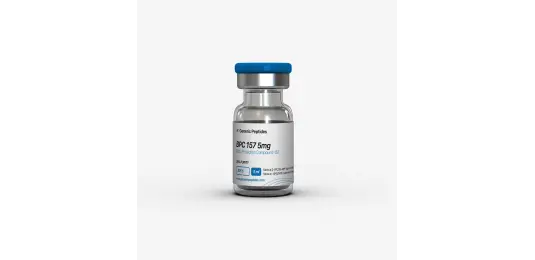
BPC-157 Mechanism, Side Effects, FDA Status in 2026: Complete Clinical Review of Body Protection Compound, Cancer/Angiogenesis Concerns, and the July 23 PCAC Reclassification Vote
By Medical Team of Generic Peptides
BPC-157 (Body Protection Compound 157) is a 15-amino-acid synthetic peptide derived from a sequence found in human gastric juice, with the structure GEPPPGKPADDAGLV. Over thirty years of preclinical research has documented effects on tissue healing, gastrointestinal protection, tendon and ligament repair, neurological recovery, and inflammatory modulation across multiple organ systems. Approximately 200 published studies form its evidence base. The compound currently sits at one of the most consequential regulatory inflection points in peptide history — scheduled for review at the July 23-24, 2026 FDA Pharmacy Compounding Advisory Committee meeting alongside six other peptides that may return to legal compounding pharmacy availability for the first time since September 2023.
What makes BPC-157 genuinely interesting in 2026 isn't just the regulatory question. The compound has become the subject of an active scientific dispute playing out in the peer-reviewed literature. A January 2025 review by Józwiak and colleagues in Pharmaceuticals raised pointed questions about the evidence base, citing concentration of authorship (>80% of the ~190 BPC-157 papers list Predrag Sikirić or Sven Seiwerth as first or senior author), absence of large-scale independent replication, and limited human data. Sikirić's group published a comprehensive rebuttal in September 2025 in the same journal. Józwiak responded in a reply published the same week. A December 2025 scoping review by McGuire and colleagues at University of Utah noted that all published BPC-157 studies report positive effects, raising publication bias concerns. STAT News and Undark co-published an investigative piece on February 3, 2026 that brought the dispute to mainstream medical readers.
What sets BPC-157 apart in this article series is that the underlying science is real, the mechanism appears reproducible at the preclinical level across multiple injury models, the clinical use base in compounding pharmacy practice was substantial before September 2023, and the regulatory pendulum is actively swinging back. At the same time, the human clinical trial data is genuinely limited: three published human studies, none large or randomized, totaling roughly 30 participants. The disconnect between extensive preclinical evidence and minimal human trial data is the central tension that defines BPC-157's position in 2026.
This article walks through what BPC-157 actually is, the mechanisms supported by preclinical research, the specific human evidence we have, the Sikirić-Józwiak controversy and what it tells us about the field, the regulatory trajectory through July 2026 and beyond, and how to think about the compound honestly given what we know and don't know.
What BPC-157 Is: Origin, Structure, and Development
BPC-157 is a partial sequence (residues 14-29) of a larger protein called Body Protection Compound (BPC), which was originally isolated from human gastric juice. The 15-amino-acid sequence GEPPPGKPADDAGLV was identified in the early 1990s by Predrag Sikirić and Sven Seiwerth's research group at the University of Zagreb School of Medicine in Croatia. The original observation was that gastric juice contained protein factors that protected the stomach lining and accelerated mucosal healing — the BPC-157 fragment was identified as one of the active components.
Molecular weight is approximately 1419 Da. The peptide is synthesized rather than extracted from gastric juice for research and commercial purposes. Several formulations have been used in preclinical and clinical work: BPC-157 sodium salt for injection, BPC-157 with stabilizing additives, oral formulations exploring gastrointestinal absorption.
The compound is sometimes called "pentadecapeptide BPC-157" or "stable gastric pentadecapeptide" in the Sikirić group's literature, emphasizing its 15-amino-acid length and its origin in gastric secretions. Some sources use BPC 157 (with space) or BPC-157 (with hyphen) interchangeably.
The original 1993 publication in Life Sciences by Sikirić and colleagues documented hepatoprotective effects in animal liver injury models [1]. This was the foundation for what would become a thirty-year research program. Subsequent work expanded the documented effects across virtually every organ system: gastrointestinal mucosa, tendons, ligaments, muscle, bone, central nervous system, cardiovascular system, kidneys, liver. The breadth of claimed effects is itself part of the scientific controversy — critics ask how a single peptide could plausibly have therapeutic effects across so many tissues; supporters point to the cytoprotection paradigm originally developed by Robert and Szabo and argue that BPC-157 acts as a general cytoprotective agent operating through shared cellular protective pathways.
PL-14736 is a related compound — essentially BPC-157 — that was developed for clinical trials in inflammatory bowel disease through a partnership with PLIVA Pharmaceuticals (Croatian pharmaceutical company). Phase II trials were conducted in Croatia for IBD applications. Results were not extensively published in mainstream literature.
A US Phase I clinical trial (NCT02637284) was registered to test oral BPC-157 for safety and pharmacokinetics. According to ClinicalTrials.gov records, data was submitted but withdrawn before outside review, and no published peer-reviewed paper resulted from the trial. The Sikirić group's 2025 review states the trial found BPC-157 safe and well-tolerated in humans without providing citation to a published paper or sharing the underlying data. STAT News reported that Sikirić did not respond to requests to share data from the trial [13]. This unpublished status of the most relevant US human safety trial is one of the specific points raised in the scientific critiques.
The compound has not been formally registered or approved for any indication by FDA, EMA, or any other major regulatory authority anywhere in the world. Its commercial existence has been entirely through compounding pharmacy practice (until September 2023 in the US), research-chemical channels, and international veterinary or off-label use.
BPC-157 Mechanism of Action: Cytoprotection, Angiogenesis, and Nitric Oxide Pathway
The mechanism of action proposed for BPC-157 has expanded over thirty years of research to encompass multiple pathways. The current consensus among researchers in the field — most prominently Sikirić and his collaborators, but also independent groups working in tissue repair — centers on three interconnected mechanisms.
Cytoprotection.
The original framework comes from Robert's and Szabo's cytoprotection paradigm, which holds that maintaining innate cellular integrity (epithelial cells per Robert, endothelial cells per Szabo) in the stomach can be generalized to other organs through cytoprotection-to-organoprotection translation. BPC-157 is positioned within this framework as a cytoprotective agent that maintains, promotes, or restores cellular protective functions across multiple tissue types. The breadth of documented effects (GI mucosa, tendons, blood vessels, neural tissue, muscle, bone) is interpreted as cytoprotection generalized rather than tissue-specific receptor binding.
Angiogenesis modulation.
BPC-157 promotes the formation of new blood vessels in injured tissues, supporting tissue repair through enhanced perfusion and nutrient delivery. The mechanism appears to involve VEGF (vascular endothelial growth factor) signaling and downstream angiogenic pathways. Multiple animal models — tendon injury, muscle damage, cardiac infarction, GI ulceration — have demonstrated accelerated revascularization with BPC-157 treatment. The 2025 Sikirić rebuttal specifically frames angiogenesis as a regulated, beneficial response to injury rather than a uniformly tumor-promoting effect, addressing the cancer-related concerns raised in the Józwiak critique.
Nitric oxide pathway interaction.
BPC-157 modulates NO signaling, with effects on endothelial function, vasomotor tone, and tissue protection. The Sikirić group has published extensively on BPC-157's interaction with the NOS-NO system. Effects include modulation of NO synthase activity in injured tissues, normalization of NO-dependent vascular responses after injury, and interaction with prostaglandin pathways. The September 2025 Sikirić paper specifically titled "BPC 157 Therapy: Targeting Angiogenesis and Nitric Oxide's Cytotoxic and Damaging Actions, but Maintaining, Promoting, or Recovering Their Essential Protective Functions" frames the NO modulation as context-dependent — suppressing NO when it's tissue-damaging, supporting NO when it's tissue-protective.
Growth factor and signaling pathway effects.
Additional mechanistic work has documented BPC-157 effects on growth hormone receptor expression, FGF signaling, EGF receptor pathways, and various downstream proliferative and protective responses. The 2018 Seiwerth review in Current Pharmaceutical Design synthesized the angiogenesis and growth factor story across GI, tendon, ligament, muscle, and bone healing models [4].
Effects on stress response and autonomic regulation.
Some research has documented BPC-157 effects on sympathetic and parasympathetic balance, stress response modulation, and CNS-mediated tissue protection effects.
What's generally agreed upon: in animal models, BPC-157 produces consistent tissue-healing effects across multiple injury types. Tendons heal faster, GI ulcers resolve more quickly, muscle damage recovers more completely, neural injuries show improved recovery, cardiovascular damage is reduced. The mechanism is multifactorial rather than receptor-specific in a classical drug-target sense.
What's disputed: whether the mechanistic claims are sufficient to justify the breadth of therapeutic applications, whether the consistency of positive results across so many injury models reflects genuine pleiotropic activity or publication bias and confirmation bias, and whether human translation will preserve the preclinical effect sizes when proper randomized trials are eventually conducted.
BPC-157 Preclinical Research Base
The preclinical evidence for BPC-157 is substantial and spans virtually every major organ system. A summary of the main findings:
Gastrointestinal protection and healing.
The original research direction. BPC-157 prevents and accelerates healing of gastric ulcers in rat models, including ulcers induced by stress, NSAIDs, alcohol, and ischemia. Effects on inflammatory bowel disease models have been documented (DSS colitis, TNBS colitis). Hepatoprotective effects in liver injury models including ischemia-reperfusion and toxin-induced damage [1].
Musculoskeletal healing.
Tendon injury models (Achilles tendon, rotator cuff) consistently show accelerated healing with BPC-157 treatment. Ligament injury (medial collateral ligament, anterior cruciate ligament) shows improved functional outcomes. Muscle injury (crush injury, ischemia-reperfusion) demonstrates faster recovery. Bone fracture healing is enhanced. The Gwyer 2019 review in Cell and Tissue Research synthesized the musculoskeletal soft tissue findings [12].
Cardiovascular effects.
Reduced infarct size in cardiac ischemia models. Improved vascular healing after injury. Effects on blood pressure regulation and endothelial function. Some research on cardiac arrhythmia models.
Central nervous system effects.
Neuroprotection in stroke models. Effects on traumatic brain injury recovery. Spinal cord injury models showing improved functional recovery. The Vukojevic 2022 review in Neural Regeneration Research covered the CNS findings [16]. Some research on Parkinson's disease models, neuroinflammation, and depression-like behavior in rodents.
Renal protection.
Kidney injury models including ischemia-reperfusion and nephrotoxin exposure show protective effects.
Wound healing.
Skin wound healing accelerated. Burn injury recovery improved.
Toxicity and safety.
The Sikirić group and other researchers have documented BPC-157's wide safety margin in rodent studies — LD50 has not been reliably established because doses producing lethality have proved difficult to achieve. The 2025 rebuttal notes "LD1 not achieved" in the safety profile.
The consistency of positive findings across this enormous preclinical evidence base is itself part of the scientific debate. Sikirić's group argues this consistency reflects real cytoprotective activity. Critics argue it suggests publication bias and the absence of negative results that would normally be expected in any genuine biological intervention.
The independence question is central. As the Józwiak 2025 review noted and the September 2025 reply emphasized, a PubMed search on May 20, 2025 retrieved >190 articles containing "BPC 157," with >80% listing Sikirić or Seiwerth as first or senior author. Independent laboratories have contributed only a handful of in vitro or short-term rodent studies [11]. The 2025 critique characterized this as "heavy reliance on self-replication" that "inevitably restricts generalizability and increases the risk of confirmation bias."
The Sikirić rebuttal essentially defends the body of work as legitimate scientific replication and extension of established cytoprotection principles, framing the concentration of authorship as natural for a research group that pioneered the field rather than as evidence of bias. Both positions have merit and both reflect real features of how BPC-157 research developed.
BPC-157 Human Clinical Evidence: The Three Published Studies
Despite ~200 preclinical publications, the published peer-reviewed human evidence for BPC-157 consists of three small studies plus the unpublished US Phase I trial.
Lee and Padgett 2021 — Knee Pain Retrospective Study.
A retrospective study of 16 patients who received intra-articular BPC-157 injections for knee pain. 14 of 16 patients (87.5%) reported significant pain relief. Limitations: retrospective design, no control group, small sample, subjective outcome measure. This is encouraging case-series evidence rather than controlled efficacy data.
Lee et al. 2024 — Interstitial Cystitis Pilot.
A 12-patient pilot study examining BPC-157 for interstitial cystitis symptoms. Reported 80-100% symptom resolution. Same limitations apply: pilot design, small sample, no comparison group.
Lee and Burgess 2025 — IV Safety Pilot (PMID 40131143).
A pilot study testing intravenous BPC-157 at doses up to 20 mg in 2 healthy adults, published in Alternative Therapies in Health and Medicine. The compound was well-tolerated with no adverse effects observed; plasma levels returned to baseline within 24 hours. This is the only published study examining IV administration in humans. Two participants is obviously insufficient for safety characterization but represents a meaningful first published documentation of human IV pharmacokinetics.
The Croatian PL-14736 Phase II inflammatory bowel disease trials produced data that was discussed at conferences and in narrative reviews but didn't generate the kind of peer-reviewed primary publications that would establish efficacy in mainstream literature.
The US Phase I trial (NCT02637284) for oral BPC-157 was registered, conducted, and never published. ClinicalTrials.gov records show data was submitted but withdrawn before outside review. The Sikirić group's 2025 review references the trial as showing safety and tolerability but doesn't provide a publication citation. Multiple efforts by journalists at Undark and STAT News to obtain the underlying data were unsuccessful.
So as of February 2026, there is no published, peer-reviewed, randomized controlled trial of BPC-157 in humans for any indication. This is a meaningful evidence gap. It doesn't mean BPC-157 doesn't work in humans — preclinical data is consistent enough that some clinical effect seems plausible — but it means we don't have the kind of evidence that would normally support either drug approval or confident clinical recommendations.
The Sikirić-Józwiak Scientific Dispute
The dispute that played out across 2025 in the journal Pharmaceuticals deserves specific attention because it captures the current state of the BPC-157 conversation in mainstream peer-reviewed literature.
Józwiak et al. January 2025 review.
"Multifunctionality and Possible Medical Application of the BPC 157 Peptide—Literature and Patent Review" in Pharmaceuticals 18:185 [10]. The review acknowledged BPC-157's "desirable safety profile" and broad preclinical activity but raised pointed concerns: absence of FDA or other regulatory approval despite three decades of research, limited and uncomplete clinical studies, potential pro-tumorigenic risks from angiogenesis-promoting effects, and the concentration-of-authorship issue that limited independent validation. The Józwiak group is at Medical University of Gdansk in Poland.
Sikirić et al. September 2025 rebuttal.
"BPC 157 Therapy: Targeting Angiogenesis and Nitric Oxide's Cytotoxic and Damaging Actions, but Maintaining, Promoting, or Recovering Their Essential Protective Functions. Comment on Józwiak et al." in Pharmaceuticals 18(10):1450. The rebuttal defended the BPC-157 evidence base, framed angiogenesis effects as injury-context-dependent rather than uniformly tumor-promoting, claimed "LD1 not achieved" safety profile, and addressed each Józwiak criticism point by point. Sikirić's group includes researchers across multiple Croatian institutions — Zagreb medical schools, University Hospital Centre, others.
Józwiak et al. September 2025 reply.
"Reply to Sikiric et al." in Pharmaceuticals 18(10):1451 [11]. The reply maintained the original critique, specifically responded to the cancer/angiogenesis defense by noting that no published in vivo data demonstrate BPC-157 inhibits tumor progression and that the single 2004 melanoma cell-line experiment cited as anti-tumor evidence is unreplicated. The reply emphasized the >80% Sikirić/Seiwerth authorship concentration and the absence of independent in vivo tumor studies that would address the pro-angiogenic concern.
Both papers are open-access in Pharmaceuticals and worth reading directly for anyone making decisions about BPC-157 use. The dispute reflects substantive scientific disagreement, not personal animus. Both positions have legitimate scientific basis. The Sikirić group has done genuine pioneering work over decades; the Józwiak group has identified real methodological concerns that the field has not fully resolved.
The McGuire et al. December 2025 scoping review.
Researchers at University of Utah Health published a scoping review of the BPC-157 literature that specifically noted all published studies report positive effects — a pattern strongly suggesting publication bias. McGuire is a chief medical resident who began the literature review after observing patient interest in BPC-157 he couldn't explain from training. The review's findings echoed the Polish team's concerns about the field's methodology.
The STAT News/Undark February 2026 investigation [13] brought this scientific dispute to mainstream medical readers and added documentary detail about the Sikirić group's responsiveness (or lack thereof) to data-sharing requests. The article didn't conclude BPC-157 is fraudulent or ineffective, but it did document that the gap between research claims and independently verifiable evidence is wider than typical mainstream medical readers would expect.
The honest summary of the scientific situation in 2026: there is genuine, extensive preclinical evidence; there is genuine concern about methodological concentration and replication; there is minimal but encouraging human safety data; there is no high-quality human efficacy data; and the field is actively debating these issues in peer-reviewed publications. Anyone characterizing BPC-157 as either definitively proven or definitively pseudoscience is overstating their confidence.
BPC-157 in the FDA Regulatory Saga: 2023-2026
BPC-157's regulatory story parallels but differs from AOD-9604's in important ways.
September 29, 2023.
FDA placed BPC-157 on Category 2 of the 503A bulks list as part of the action affecting 19 peptides [19]. Stated rationale included safety concerns, manufacturing impurity questions, and limited human trial data. The Category 2 designation effectively prohibited 503A and 503B compounding pharmacies from preparing BPC-157 for patient use. Compounding pharmacy access — which had been substantial through the 2010s and early 2020s — abruptly ended.
The compounding pharmacy industry mobilized response. Practitioners and patients who had been using prescribed BPC-157 lost access. Demand shifted toward research-chemical gray market vendors. US customs data tracked by reporting in early 2026 showed imports of hormone and peptide compounds from China reached $328 million in the first three quarters of 2025 — double the $164 million from the same period a year earlier [28]. The "gray market" that Kennedy would later cite as a consequence of the Category 2 action was empirically real and growing.
Kennedy nomination and HHS leadership transition (early 2025).
Robert F. Kennedy Jr. was nominated and confirmed as HHS Secretary. Kennedy had previously expressed public interest in peptide regulatory reform.
February 27, 2026 — Kennedy Rogan announcement.
HHS Secretary Kennedy announced on The Joe Rogan Experience #2461 an intent to reclassify approximately 14 of the 19 originally restricted peptides back to Category 1, including BPC-157 explicitly. Kennedy specifically acknowledged that the Category 2 restrictions had "created the gray market" — recognizing that restrictive regulation pushed demand toward less safe channels rather than reducing demand.
April 16, 2026 — Federal Register notice.
FDA published notice of a Pharmacy Compounding Advisory Committee meeting scheduled for July 23-24, 2026 at FDA's White Oak Campus in Silver Spring, Maryland [8]. The PCAC will consider seven peptides for potential inclusion on the Section 503A Bulk Drug Substances List, including BPC-157. Public docket FDA-2025-N-6895 was established for comments. The Federal Register notice also indicated peptides under consideration would be removed from Category 2 within seven calendar days of the announcement — a procedural step that doesn't equal Category 1 status but lifted the immediate restrictive designation pending PCAC review and rulemaking.
The legal and political context.
The Evexias and Farmakeio lawsuit in Texas under the Administrative Procedure Act challenged FDA's Category 2 placement of multiple peptides — though that litigation specifically named AOD-9604, CJC-1295, Ipamorelin, and Thymosin Alpha-1 rather than BPC-157, the broader compounding pharmacy industry advocacy that grew out of the lawsuit benefited BPC-157 as well. PCAC composition has been adjusted under the new administration. The political conditions for reclassification are substantially different from December 2024.
What the July 23-24, 2026 PCAC meeting will determine.
PCAC recommendations are advisory, not binding. The committee will evaluate whether BPC-157 has sufficient safety and efficacy evidence to support 503A bulks list inclusion. A favorable PCAC vote would be followed by formal FDA notice-and-comment rulemaking to change the Category 2 designation, which typically takes more than a year under standard timelines. So even under the best-case scenario, BPC-157's return to legal 503A compounding pharmacy preparation likely won't be formally effective until late 2027 or 2028.
The substantive arguments PCAC will weigh include: the substantial preclinical safety record across thirty years of research, the limited but positive published human safety data from the three pilot studies, the gray market consequences of continued restriction, the methodological concerns about the evidence base raised in the Józwiak/McGuire critiques, and the absence of large-scale published efficacy trials.
BPC-157 Safety Profile and Cancer Considerations
The safety story for BPC-157 has two distinct components.
Documented short-term safety.
Across thirty years of preclinical research, BPC-157 has shown remarkably wide safety margins in animal models. The Sikirić group reports "LD1 not achieved" — meaning lethal dose for 1% of treated animals couldn't be established in standard dose-escalation studies. Toxicology profiles in rodents have not identified concerning organ-specific toxicities at therapeutically relevant doses. The three published human pilot studies (Lee/Padgett 2021, Lee 2024, Lee/Burgess 2025) reported no significant adverse effects, though combined sample size of approximately 30 patients is too small for confident safety characterization.
Common reported effects in compounding pharmacy clinical practice (pre-September 2023) and current off-label use: injection site reactions (mild redness, occasional tenderness), occasional mild GI effects with oral preparations, generally well-tolerated, subjectively "quiet" — users don't typically experience pronounced acute effects.
Cancer considerations and the angiogenesis question.
This is the substantive safety concern raised in the Józwiak 2025 critique and addressed in the Sikirić rebuttal. BPC-157 promotes angiogenesis (formation of new blood vessels) — a mechanism beneficial in injury repair but potentially problematic in cancer contexts where angiogenesis supports tumor growth and metastasis.
The Józwiak group's specific concern: pro-angiogenic effects could accelerate tumor progression. The supporting argument: no published in vivo data demonstrate that BPC-157 inhibits tumor growth or metastasis; a single 2004 melanoma cell-line experiment (unreplicated) is insufficient anti-tumor evidence; pro-angiogenic signaling in cancer contexts is mechanistically plausible as a tumor-promoting hazard.
The Sikirić rebuttal's response: angiogenesis is a regulated process; BPC-157's effects on angiogenesis are context-dependent (supporting tissue-protective angiogenesis, not unregulated proliferation); the cytoprotection paradigm provides theoretical basis for selective enhancement of beneficial vascular responses.
The honest position: in vivo human cancer data is essentially absent. Preclinical cancer studies are very limited. The mechanistic concern about pro-angiogenesis is theoretical but not unreasonable. For patients with active cancer, BPC-157 should be avoided pending proper investigation. For patients with significant cancer risk factors, conservative approach is appropriate. For patients without cancer concerns, the absence of human cancer-promotion data shouldn't be equated with safety, but also shouldn't be equated with established harm.
Long-term safety in humans.
Genuinely uncharacterized. Off-label users have administered BPC-157 for years without reporting widespread serious adverse events, but absence of systematic reporting and absence of published long-term cohort data means we don't have rigorous human long-term safety data.
Contraindications: active cancer or recent cancer history (conservative avoidance given the angiogenesis-cancer concern), pregnancy and breastfeeding (no safety data), pediatric populations (no developmental data), severe liver or kidney dysfunction (no specific data), known hypersensitivity to peptide preparations, competitive athletes subject to WADA testing.
WADA Status and Drug Interactions
BPC-157 is listed on the WADA Prohibited List under S0 (Non-Approved Substances) [29]. The S0 category covers substances not currently approved by any governmental regulatory health authority for human therapeutic use, prohibited at all times in WADA-tested sport.
The compound was added to the Prohibited List effective 2022. Some sources have noted that BPC-157 was "temporarily banned by WADA in 2022, not currently listed" — but the Department of Defense Operation Supplement Safety advisory and mainstream WADA-tracking sources confirm BPC-157 remains on the Prohibited List under S0 in current versions. The Józwiak 2025 review's claim about temporary banning may reflect interpretation of regulatory documents rather than actual list status. Athletes subject to WADA testing should verify current status directly with their anti-doping authority.
BPC-157 is also on the Department of Defense Prohibited Dietary Supplement Ingredients List per DoDI 6130.06, prohibiting US service members from using products containing BPC-157.
For drug interactions, the practical reality is that formal interaction studies for BPC-157 don't really exist in published peer-reviewed literature. From off-label clinical practice and mechanistic reasoning, several considerations emerge. NSAIDs are a notable case — Sikirić's research extensively documented BPC-157's protective effects against NSAID-induced gastric damage, so practitioners often combine them with the rationale that BPC-157 mitigates NSAID GI toxicity. Anticoagulants and antiplatelet drugs warrant consideration given BPC-157's vascular effects, though no specific interaction data exists. Other peptides and growth factor compounds (TB-500, IGF-1, hGH) are commonly stacked in healing protocols, though formal interaction characterization is absent. Thyroid hormones and metabolic agents have no specific interaction concerns identified.
Who Uses BPC-157 and How It Compares
The user base for BPC-157 in 2026 is substantial and diverse.
Primary use groups include people recovering from musculoskeletal injuries (tendon, ligament, muscle injuries — sports injuries, post-surgical recovery), patients with chronic gastrointestinal conditions (IBD, gastritis, gastric ulcers), people with chronic joint pain (osteoarthritis, post-injury arthritis), athletes and active people seeking accelerated recovery between training sessions, post-surgical patients pursuing accelerated wound and tissue healing, chronic pain patients exploring alternative therapeutic options, and biohackers and longevity-focused users incorporating BPC-157 into broader regenerative protocols.
The compound's appeal centers on the breadth of claimed effects, the apparent safety profile, and the regenerative rather than symptomatic mechanism of action. Where conventional medicine offers symptom suppression for chronic injury (anti-inflammatories, opioids for pain), BPC-157 offers theoretical promotion of actual tissue repair.
The most relevant comparisons in 2026:
TB-500 (thymosin beta-4 fragment). The most common stacking partner for BPC-157 in healing protocols. Different mechanism (actin sequestration, cell migration support) but complementary effects on tissue regeneration. Both peptides faced the same FDA Category 2 placement in September 2023; both are under consideration for the July 2026 PCAC review.
Stem cell therapy and PRP (platelet-rich plasma). Established (in some jurisdictions and for some applications) regenerative medicine alternatives. Higher-cost, more invasive, but with FDA-approved or established clinical use pathways. Address some of the same clinical needs (musculoskeletal injury, joint pain) that drive BPC-157 demand.
Established pharmaceutical anti-inflammatories (NSAIDs, corticosteroids). Treat symptoms rather than promote healing. Have known long-term concerns (NSAID GI toxicity, corticosteroid systemic effects). For patients seeking healing rather than symptom suppression, BPC-157's mechanistic positioning is genuinely different from conventional pharmaceutical options.
Surgical interventions for tendon, ligament, and muscle injuries. The conventional pathway for serious musculoskeletal injuries. BPC-157 demand partly reflects patients seeking alternatives to surgery for moderate-severity injuries.
GLP-1 agonists, weight-loss compounds. Different therapeutic space, but the broader peptide therapy landscape includes substantial overlap in patient populations exploring multiple peptides for various indications.
The honest framing: for the specific clinical needs that drive BPC-157 demand (musculoskeletal injury recovery, chronic GI conditions refractory to standard treatment, post-surgical healing acceleration), there's often no clearly superior FDA-approved alternative. This is part of why BPC-157 use persisted despite the Category 2 restriction and why the gray market grew rather than shrank.
What Comes Next: July 23-24 PCAC Meeting and Beyond
The July 23-24, 2026 PCAC meeting will be one of the most consequential moments in BPC-157's regulatory history. The committee will evaluate seven peptides including BPC-157 for potential inclusion on the 503A Bulk Drug Substances List. PCAC recommendations are advisory; FDA will then decide whether to initiate formal rulemaking. Even favorable PCAC outcomes lead to rulemaking processes typically taking more than a year.
Possible outcomes:
Favorable PCAC recommendation + FDA rulemaking initiation.
BPC-157 returns to legal 503A compounding pharmacy availability after rulemaking completes (likely late 2027 or 2028). Compounding pharmacies resume production. Patients regain prescription-based access. The gray market shrinks. Off-label use returns to physician-supervised channels.
Mixed PCAC recommendation.
Committee identifies specific concerns requiring additional data or modified inclusion criteria. Rulemaking proceeds with conditions. Access partial or restricted to specific indications.
Unfavorable PCAC recommendation.
Committee maintains that current evidence doesn't support 503A inclusion. FDA likely doesn't initiate rulemaking. BPC-157 remains in regulatory limbo despite removal from Category 2. Gray market continues.
No clear outcome with continued procedural delay.
Most likely scenario in some respects — committee recommendations may be split, FDA may take additional time before deciding on rulemaking, and the formal regulatory transition could extend through 2028 or beyond.
What's not happening: BPC-157 is very unlikely to become FDA-approved as a drug product in the foreseeable future. Phase III trials would be required for that pathway, and no pharmaceutical sponsor currently shows signs of pursuing that development. Patent challenges (the natural-occurring nature of the BPC-157 sequence) and clinical trial costs ($1-2 billion typical for a successful Phase III obesity or musculoskeletal drug) make commercial development unattractive. The practical regulatory question is only about compounding pharmacy access, not drug approval.
The scientific situation will continue evolving. Independent replication studies are slowly emerging. The McGuire scoping review and continued peer-reviewed engagement with the methodological concerns may shift the field toward better evidence standards. New human pilot studies (Lee/Burgess 2025 IV safety; potential follow-up studies) are accumulating slowly. Whether large-scale randomized clinical trials will eventually be conducted depends on funding sources that haven't materialized over thirty years.
I'll be honest about my position on BPC-157. The compound has more preclinical evidence than almost anything in this article series. The clinical use base accumulated through compounding pharmacy practice represents real patient experience over more than a decade. The mechanistic story is plausible at the cytoprotection-angiogenesis-NO modulation level. And yet the evidence base has the specific methodological features — concentration of authorship, absence of independent replication, publication bias signals, missing human data — that justify the skepticism the Polish reviewers and McGuire group have raised. Both the supporters and the critics are partly right.
For users navigating BPC-157 decisions in 2026, the honest framing is: the compound probably does something at the level of tissue healing in injury contexts, the safety profile in short-term human use appears favorable based on limited data, the cancer-related angiogenesis concern is theoretical but warrants caution in cancer-risk populations, and the regulatory situation will become substantially clearer (one way or the other) within the next 12-24 months. Patients with specific clinical needs — recovering from a tendon injury, managing IBD refractory to standard treatment, post-surgical healing acceleration — have a defensible mechanistic rationale for BPC-157 use. Patients seeking BPC-157 for general wellness, performance enhancement, or vague healing claims have less mechanistic basis and should weigh the absence of high-quality human efficacy data more heavily.
The next two years will likely produce more clarity than the previous thirty. The PCAC review, the ongoing scientific dispute in Pharmaceuticals, the slowly accumulating independent replications, and the regulatory rulemaking process collectively will define BPC-157's place in clinical medicine. Whether that place is as a legitimate compounded therapy with proper physician oversight, or as a regulated-out research compound that shouldn't have left animal studies, depends on how those processes resolve. My personal best guess — held lightly — is that BPC-157 returns to legal compounding pharmacy availability through Category 1 reclassification, that genuine clinical effects exist but are more modest than enthusiastic users believe, that the cancer-related concerns will eventually be addressed through proper in vivo tumor studies, and that a small number of specific clinical applications (tendon injury, certain GI conditions) will accumulate sufficient evidence to justify routine medical use over the coming decade. None of that is guaranteed.
What is genuinely interesting about BPC-157 in 2026 is that it sits at the intersection of three things that don't usually overlap: a substantial preclinical evidence base, a vigorous active scientific controversy, and an active regulatory process that will materially affect patient access. Few peptides in this article series have all three characteristics simultaneously. Whatever happens in July 2026 and the subsequent rulemaking, BPC-157's trajectory will tell us something about how scientific uncertainty, clinical demand, regulatory caution, and political reform interact in shaping access to investigational therapies. That's a question worth watching beyond just the BPC-157 story itself.
References
[1] Sikirić P, Petek M, Rucman R, Seiwerth S, Grabarević Z, Rotkvić I, Turković B, Jagić V, Mildner B, Duvnjak M, et al. A new gastric juice peptide, BPC. An overview of the stomach-stress-organoprotection hypothesis and beneficial effects of BPC. Journal of Physiology Paris. 1993;87(5):313-327. Foundational characterization of Body Protection Compound and BPC-157 fragment.
[2] Sikirić P, Seiwerth S, Brčić L, Sever M, Klicek R, Radić B, Drmić D, Ilić S, Kolenc D. Revised Robert's cytoprotection and adaptive cytoprotection and stable gastric pentadecapeptide BPC 157. Possible significance and implications for novel mammalian therapy. Inflammopharmacology. 2006;14(3-4):153-159. Cytoprotection paradigm extension to BPC-157.
[3] Seiwerth S, Brčić L, Vuletić LB, Kolenc D, Aralica G, Misić M, Zoricić I, Drmić D, Stupnisek M, Petek M, et al. BPC 157 and blood vessels. Current Pharmaceutical Design. 2014;20(7):1121-1125. Vascular and angiogenesis effects characterization.
[4] Seiwerth S, Rucman R, Turković B, Sever M, Klicek R, Radić B, Drmić D, Stupnisek M, Misić M, Vuletić LB, et al. BPC 157 and standard angiogenic growth factors. Gastrointestinal tract healing, lessons from tendon, ligament, muscle and bone healing. Current Pharmaceutical Design. 2018;24(18):1972-1989. Comprehensive review of musculoskeletal and GI healing effects.
[5] Vukojević J, Milavić M, Perović D, Ilić S, Čilić AZ, Đuran N, Strbe S, Zoričić Z, Filipčić I, Brečić P, et al. Pentadecapeptide BPC 157 and the central nervous system. Neural Regeneration Research. 2022;17(3):482-487. CNS effects review.
[6] Lee E, Padgett B. Intra-articular injection of BPC 157 for multiple types of knee pain. Altern Ther Health Med. 2021. Retrospective case series of 16 patients with knee pain treated with intra-articular BPC-157.
[7] Lee E, Walker K, Burgess K. BPC-157 for interstitial cystitis pilot study. 2024. 12-patient pilot study reporting symptom resolution.
[8] Lee E, Burgess K. Safety of Intravenous Infusion of BPC-157 in Humans: A Pilot Study. Altern Ther Health Med. 2025. PMID: 40131143. First published documentation of human IV pharmacokinetics and safety in 2 healthy adults.
[9] U.S. Food and Drug Administration. Federal Register Notice of Pharmacy Compounding Advisory Committee Meeting, published April 16, 2026. PCAC meeting scheduled for July 23-24, 2026. Docket No. FDA-2025-N-6895. BPC-157 among seven peptides under PCAC review.
[10] Józwiak M, Bauer M, Kamysz W, Kleczkowska P. Multifunctionality and Possible Medical Application of the BPC 157 Peptide—Literature and Patent Review. Pharmaceuticals. 2025;18(2):185. DOI: 10.3390/ph18020185. Critical review raising methodological and evidence-base concerns.
[11] Józwiak M, Bauer M, Kamysz W, Kleczkowska P. Reply to Sikiric et al. BPC 157 Therapy: Targeting Angiogenesis and Nitric Oxide's Cytotoxic and Damaging Actions, but Maintaining, Promoting, or Recovering Their Essential Protective Functions. Comment on "Józwiak et al. Multifunctionality and Possible Medical Application of the BPC 157 Peptide—Literature and Patent Review. Pharmaceuticals 2025, 18, 185". Pharmaceuticals. 2025;18(10):1451. DOI: 10.3390/ph18101451. PMID: 41155566.
[12] Sikiric P, Seiwerth S, Skrtic A, Staresinic M, Strbe S, Vuksic A, Sikiric S, Bekic D, Soldo D, Grizelj B, et al. BPC 157 Therapy: Targeting Angiogenesis and Nitric Oxide's Cytotoxic and Damaging Actions, but Maintaining, Promoting, or Recovering Their Essential Protective Functions. Comment on "Józwiak et al. Multifunctionality and Possible Medical Application of the BPC 157 Peptide—Literature and Patent Review. Pharmaceuticals 2025, 18, 185". Pharmaceuticals. 2025;18(10):1450. DOI: 10.3390/ph18101450. Sikirić group rebuttal to Józwiak critique.
[13] STAT News and Undark. BPC-157: The peptide with big claims and scant evidence. February 3, 2026. Investigative report on BPC-157 evidence base, Sikirić group authorship concentration, and unpublished US Phase I trial data.
[14] McGuire F et al. Scoping review of BPC-157 published literature. December 2025. University of Utah Health. Findings on positive-results-only publication pattern and bias concerns.
[15] Gwyer D, Wragg NM, Wilson SL. Gastric pentadecapeptide body protection compound BPC 157 and its role in accelerating musculoskeletal soft tissue healing. Cell and Tissue Research. 2019;377(2):153-159. Independent review synthesizing musculoskeletal findings.
[16] Wang XY, Qu M, Duan R, Shi D, Jin L, Gao J, et al. Cytoprotective mechanism of the novel gastric peptide BPC157 in gastrointestinal tract and cultured enteric neurons and glial cells. Neuroscience Bulletin. 2018;35(1):167-170. Independent replication work.
[17] DeFoor MT, Dekker TJ. Injectable therapeutic peptides—an adjunct to regenerative medicine and sports performance? Arthroscopy: The Journal of Arthroscopic & Related Surgery. 2025;41(2):150-152. Mainstream sports medicine commentary on BPC-157 and other regenerative peptides.
[18] ClinicalTrials.gov. NCT02637284. Phase I trial of oral BPC-157 for safety and pharmacokinetics. Status: data submitted but withdrawn before review. No published peer-reviewed paper resulting from the trial. https://clinicaltrials.gov/study/NCT02637284.
[19] U.S. Food and Drug Administration. Certain Bulk Drug Substances for Use in Compounding that May Present Significant Safety Risks. September 29, 2023. BPC-157 among 19 peptides placed on Category 2 list. https://www.fda.gov/drugs/human-drug-compounding/certain-bulk-drug-substances-use-compounding-may-present-significant-safety-risks.
[20] Kennedy RF Jr. Public statements regarding peptide reclassification from Category 2 to Category 1, The Joe Rogan Experience #2461, February 27, 2026. BPC-157 included among approximately 14 peptides under consideration.
[21] World Anti-Doping Agency. The Prohibited List, current edition. BPC-157 listed under S0 (Non-Approved Substances). Prohibited at all times in WADA-tested sport. https://www.wada-ama.org/en/prohibited-list.
[22] Department of Defense Operation Supplement Safety. BPC-157: A prohibited peptide and an unapproved drug found in health and wellness products. Advisory listing BPC-157 under DoDI 6130.06 Prohibited Dietary Supplement Ingredients List.
[23] Sikirić P, Seiwerth S, Rucman R, Turković B, Rokotov DS, Brcic L, Sever M, Klicek R, Radic B, Drmic D, et al. Stable gastric pentadecapeptide BPC 157: novel therapy in gastrointestinal tract. Current Pharmaceutical Design. 2011;17(16):1612-1632. Comprehensive review of GI applications.
[24] Wu H, Wei M, Li N, Lu Q, Shrestha SM, Tan J, Zhang Z, Wu G, Shi R. Clopidogrel-induced gastric injury in rats is attenuated by stable gastric pentadecapeptide BPC 157. Drug Design, Development and Therapy. 2020;14:5599-5610. Independent replication of GI protection findings.
[25] Huang YL, Li XJ, Zhao J, Wu D, Wei Y, Cai L, Xie J. Pentadecapeptide BPC 157 efficiently reduces radiation-induced liver injury and lipid accumulation through Kupffer cells inactivation. Life Sciences. 2022;312:121177. Recent independent work on radioprotection.
[26] PLIVA Pharmaceutical Industry. PL-14736 (BPC 157) clinical development program for inflammatory bowel disease. Croatian Phase II trial program. Limited published peer-reviewed primary data.
[27] Lazo-Pérez K, Sikirić P. Comments on regulatory and clinical development pathways for BPC-157 and related peptides. Various publications discussing pharmaceutical development barriers including patent and trial cost considerations.
[28] U.S. Customs data. Imports of hormone and peptide compounds from China, first three quarters 2025: $328 million. Compared to $164 million same period 2024. Reflects shift to gray market following Category 2 restrictions.
[29] Operation Supplement Safety (Department of Defense). BPC-157 advisory page. https://www.opss.org/article/bpc-157-prohibited-peptide-and-unapproved-drug-found-health-and-wellness-products.
[30] Pharmacy Compounding Advisory Committee Meeting Documentation, December 4, 2024. PCAC vote on AOD-9604, CJC-1295, and Thymosin Alpha-1 (excluded BPC-157 specifically but established procedural context for July 2026 review).