GHRP-2: Japanese-Approved Ghrelin Agonist With Clinical Research Base
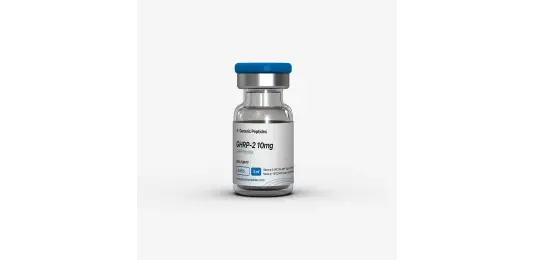
GHRP-2 (Pralmorelin, KP-102) Peptide Guide 2026: Side Effects, Mechanism, GHS-R1a Activation, Japanese Approval, FDA Status, and Comparison to Ipamorelin, GHRP-6, and Hexarelin
By Medical Team of Generic Peptides
GHRP-2 (Growth Hormone-Releasing Peptide 2), also known as Pralmorelin or KP-102, is a synthetic hexapeptide with the structure D-Ala-D-2-Nal-Ala-Trp-D-Phe-Lys-NH2. It was developed in the late 1980s by Cyril Y. Bowers's laboratory at Tulane University, the research program that established the broader field of growth hormone-releasing peptides. The compound has formal pharmaceutical approval in Japan, where it's marketed as GHRP Kaken under the international nonproprietary name Pralmorelin, approved by the Japanese Ministry of Health, Labour and Welfare as a diagnostic agent for evaluating growth hormone deficiency.
The Japanese approval is meaningful because it reflects formal pharmaceutical development through Phase I, II, and III studies establishing safety, dose-response characteristics, and clinical utility. Beyond the approved diagnostic indication, GHRP-2 has been studied as a therapeutic candidate for adult growth hormone deficiency, pediatric short stature, geriatric muscle preservation, HIV-associated wasting, and various body composition and recovery applications. The clinical research base includes multiple randomized controlled trials across patient populations.
GHRP-2 activates the ghrelin receptor (GHS-R1a) on pituitary somatotrophs, producing pulsatile growth hormone release. The compound also produces secondary effects on cortisol (modest elevation, typically 20-40% above baseline at therapeutic doses), prolactin (10-20% elevation), and appetite (orexigenic effects through ghrelin receptor activation in hypothalamic feeding centers). These broader hormonal effects distinguish GHRP-2 from selective compounds like Ipamorelin and produce different therapeutic positioning depending on clinical context.
Notably, GHRP-2 was not included on the FDA September 2023 Category 2 list that affected nineteen other peptides. This regulatory positioning means the compound has continued availability through legitimate compounding pharmacy channels in the United States during the period when CJC-1295, Ipamorelin, BPC-157, and other peptides faced restrictions.
This article walks through what GHRP-2 actually is, the mechanism that produces reliable GH release, the research evidence accumulated over more than two decades of clinical study, the Japanese pharmaceutical approval and what it represents, the clinical applications that have been investigated, the safety profile from extensive pharmaceutical-grade use, and the current regulatory and clinical access situation in 2026.
What GHRP-2 Is: Origin in the Bowers Laboratory and Japanese Pharmaceutical Development
GHRP-2's development traces directly to the foundational research program in growth hormone-releasing peptide biology.
Cyril Y. Bowers at Tulane University began investigating GHRPs in the early 1980s, working from observations that certain met-enkephalin analogs could stimulate GH release through a mechanism distinct from GHRH. This research first produced GHRP-6, the systematic synthetic ghrelin receptor agonist that validated the existence of a separate GH-release pathway from the classical GHRH receptor mechanism. GHRP-2 emerged as the second-generation compound from this program — designed for improved potency, better pharmacokinetic properties, and enhanced clinical utility compared to GHRP-6.
The compound was developed in collaboration with Kaken Pharmaceutical of Japan, which pursued formal pharmaceutical development for the Japanese market. The compound code KP-102 reflects the Kaken Pharmaceutical development pathway. Bowers, Reynolds, Chang, and colleagues published foundational papers characterizing GHRP-2's mechanism, pharmacokinetics, and clinical effects through the early-to-mid 1990s, establishing the compound as a robust GH-stimulating agent suitable for diagnostic and therapeutic applications.
The pharmaceutical development culminated in Japanese regulatory approval. The Japanese Ministry of Health, Labour and Welfare approved Pralmorelin for clinical use as a diagnostic agent for growth hormone deficiency. The approved test involves intravenous administration of Pralmorelin followed by measurement of stimulated GH response, allowing clinicians to evaluate GH deficiency. This approval involved standard pharmaceutical regulatory review of safety, efficacy, manufacturing, and clinical utility data.
The compound's structure is the synthetic hexapeptide D-Ala-D-2-Nal-Ala-Trp-D-Phe-Lys-NH2. Molecular weight 817.94 Da. The use of D-amino acids at multiple positions provides enzymatic stability against rapid peptide degradation, allowing meaningful systemic activity from injectable administration. The compound is supplied as a lyophilized powder reconstituted with sterile water or bacteriostatic water for injection.
The compound goes by multiple names in different contexts. GHRP-2 is the original Bowers laboratory designation reflecting its position as the second growth hormone-releasing peptide developed in his program. Pralmorelin is the international nonproprietary name (INN) used in pharmaceutical regulatory contexts. KP-102 reflects the Kaken Pharmaceutical development code. GHRP Kaken is the brand name for the approved Japanese diagnostic product. International scientific literature predominantly uses GHRP-2; pharmaceutical regulatory literature predominantly uses Pralmorelin.
GHRP-2 Mechanism of Action: GHS-R1a Activation and Pulsatile GH Release
The mechanism is well-characterized through extensive research and produces reliable, reproducible GH release in clinical practice.
GHRP-2 activates the growth hormone secretagogue receptor type 1a (GHS-R1a), which is the same receptor activated by endogenous ghrelin. The receptor is expressed predominantly on pituitary somatotrophs (the GH-producing cells), with additional expression in hypothalamic regions and various peripheral tissues. GHRP-2's binding affinity for GHS-R1a is robust and the receptor activation produces consistent GH release across patient populations.
When GHRP-2 binds GHS-R1a on somatotrophs, the receptor activates the phospholipase C (PLC) signaling pathway through Gq-protein coupling. This generates IP3 and DAG second messengers, releasing intracellular calcium and activating protein kinase C. The combined signaling triggers GH release from secretory granules through Ca²⁺-dependent exocytosis. Simultaneously, GHRP-2 suppresses somatostatin release from hypothalamic neurons. Somatostatin is the inhibitory hormone that normally limits GH secretion, so its suppression amplifies the GH release effect.
The GH release pattern is pulsatile and physiologically natural. After subcutaneous or intravenous administration, GH levels rise within 15-30 minutes, peak at 30-60 minutes post-administration, and return to baseline within 2-3 hours. This pulse pattern mirrors the natural rhythm of physiological GH secretion. The pulsatile nature preserves somatotroph responsiveness over repeated dosing, avoiding the tachyphylaxis that could develop with continuous receptor stimulation.
Beyond the primary GH release effect, GHRP-2 produces several secondary effects through GHS-R1a activation. The compound elevates cortisol and ACTH modestly — typically a 20-40% increase in cortisol levels with therapeutic doses, less than what GHRP-6 produces but more than Ipamorelin's selective profile. Prolactin elevation is also documented, generally 10-20% increases. Appetite stimulation through ghrelin receptor activation in hypothalamic feeding centers produces orexigenic effects, with many patients experiencing increased hunger after administration.
These broader hormonal effects are sometimes characterized as drawbacks compared to selective compounds like Ipamorelin. In specific clinical contexts they can be therapeutically useful. Geriatric patients with reduced appetite often benefit from the orexigenic effect for nutritional support. Pediatric growth contexts can use the broader hormonal profile productively. Research applications studying ghrelin receptor pharmacology benefit from the documented multi-hormonal effects.
The hepatic IGF-1 response to GHRP-2-stimulated GH pulses produces measurable IGF-1 elevation. With repeated dosing, IGF-1 levels rise gradually over weeks to clinically detectable levels, reflecting cumulative GH-axis stimulation. This IGF-1 elevation mediates many of the downstream therapeutic effects on muscle protein synthesis, bone metabolism, tissue regeneration, and body composition.
The pharmacokinetic profile is favorable for clinical use. Subcutaneous bioavailability is good, peak plasma levels occur 15-30 minutes post-injection, and the half-life of approximately 1-2 hours allows clinically practical dosing schedules. Intravenous administration produces faster, higher peak levels suitable for diagnostic applications. The compound is metabolized primarily through proteolytic degradation, with renal excretion of metabolites.
GHRP-2 Clinical Research Base
The clinical research base for GHRP-2 reflects both the Japanese pharmaceutical development program and continued international research interest over more than two decades.
The Japanese pharmaceutical development for diagnostic GH deficiency assessment produced extensive Phase I, II, and III data establishing the compound's safety profile, dose-response characteristics, and diagnostic reliability. Bowers, Reynolds, and colleagues published the foundational human pharmacology studies in Journal of Clinical Endocrinology and Metabolism and other endocrinology journals, characterizing GHRP-2's GH-stimulating effects, comparing it to other secretagogues, and establishing dose ranges for clinical use. These studies enrolled hundreds of patients across multiple research sites and generated the safety and efficacy data supporting Japanese regulatory approval.
The diagnostic application has been particularly well-studied. Multiple papers have documented Pralmorelin's reliability for detecting GH deficiency, with sensitivity and specificity comparable to other GH stimulation tests (insulin tolerance test, glucagon stimulation, GHRH-arginine). The Japanese clinical guidelines for GH deficiency diagnosis include Pralmorelin testing as a validated approach. International researchers and clinicians have validated similar diagnostic protocols using GHRP-2 in non-Japanese populations.
Adult growth hormone deficiency therapeutic research has examined GHRP-2 as an alternative or adjunct to recombinant hGH replacement. Studies have found that the compound produces meaningful IGF-1 elevation and clinical effects in GHD patients while preserving the physiological pulsatility that hGH replacement can disrupt. The research suggests GHRP-2 represents a therapeutic option for some GHD patients, particularly those who can't tolerate or access standard hGH therapy.
Pediatric short stature research has examined GHRP-2 in children with growth disorders. Multiple clinical trials have demonstrated growth-promoting effects, with some studies finding GHRP-2 produces growth velocity improvements that approach those seen with recombinant hGH therapy. Bowers and colleagues published key pediatric studies establishing GHRP-2's role in growth disorder treatment research. The Pihoker et al. 1998 paper in Journal of Clinical Endocrinology and Metabolism characterized pharmacokinetics and pharmacodynamics in pediatric populations.
Geriatric and aging-related research has explored GHRP-2 for sarcopenia (age-related muscle loss), frailty, and overall functional decline associated with the aging GH-axis. The compound's ability to produce pulsatile GH release without requiring exogenous hGH replacement has made it suitable for geriatric applications where physicians want to support GH-axis function without aggressive replacement therapy. Studies have documented improvements in lean body mass, functional capacity, and quality of life measures in elderly patients receiving GHRP-2 protocols.
HIV-associated wasting research has examined GHRP-2 as a therapeutic option for the muscle and weight loss affecting HIV-treated patients. The compound's combined effects on GH release and appetite stimulation provide dual mechanism support for nutritional and body composition goals. Some clinical trials have documented improvements in HIV wasting populations.
Body composition and metabolic research has explored GHRP-2 in obesity, metabolic syndrome, and related contexts. The compound's effects on lipolysis, protein synthesis, and energy metabolism through GH-axis stimulation provide rationale, though the evidence base for obesity-specific applications is more limited than for GH deficiency contexts.
Recovery and rehabilitation research has examined GHRP-2 for post-surgical recovery, injury rehabilitation, and athletic recovery. The IGF-1-mediated effects on tissue repair and protein synthesis provide mechanistic support, with clinical experience in recovery protocols generally favorable.
The Bowers, Granda, Mohan et al. 2004 paper in Journal of Clinical Endocrinology and Metabolism characterized sustained elevation of pulsatile GH secretion and IGF-1 effects from continuous GHRP-2 infusion in adult humans, providing detailed long-term human pharmacology data.
Long-term safety studies in patient populations receiving GHRP-2 for various indications have generally found acceptable tolerability profiles. Cortisol elevation has remained within physiological limits across studies. Prolactin effects have been modest. Sustained IGF-1 elevation has been associated with the desired therapeutic effects.
GHRP-2 Regulatory Status and Compounding Pharmacy Position
GHRP-2's regulatory situation differs from most peptides in this article series in several specific ways.
In Japan, Pralmorelin is a formally approved pharmaceutical product. The Japanese Ministry of Health, Labour and Welfare has authorized its clinical use as a diagnostic agent for growth hormone deficiency, with Kaken Pharmaceutical as the marketing authorization holder. This represents pharmaceutical approval through standard regulatory review of manufacturing standards, quality control, prescribing protocols, and clinical use frameworks.
In the United States, GHRP-2 has not received FDA approval for any indication. The compound was not included on the FDA September 29, 2023 Category 2 placement that affected nineteen other peptides. The FDA's restrictive action specifically named CJC-1295, Ipamorelin, BPC-157, TB-500, AOD-9604, and other peptides as posing significant safety risks for compounding pharmacy preparation. GHRP-2 was not on that list.
This regulatory positioning has practical consequences for current US access. GHRP-2 hasn't been subject to the same compounding pharmacy restrictions affecting the Category 2 peptides. Whether this reflects FDA's assessment that GHRP-2 has stronger pharmaceutical-grade evidence base through the Japanese approval, or whether GHRP-2 simply wasn't part of the original nominated substances reviewed in 2023, the practical effect is that GHRP-2 occupies different regulatory territory than the Category 2 peptides.
In compounding pharmacy practice in the United States, GHRP-2 has been prepared by licensed 503A and 503B pharmacies under physician prescription for off-label use. The pre-September 2023 ecosystem for GHRP-2 compounding wasn't disrupted by the Category 2 action affecting other peptides. This continued availability through compounding pharmacy channels has made GHRP-2 distinctive in the current US regulatory environment.
In the European Union and other major pharmaceutical markets, GHRP-2 doesn't have specific approval comparable to the Japanese registration, but it's available for research and specialized clinical applications through various pathways. International medical practice has integrated GHRP-2 into endocrinology research and clinical protocols across multiple jurisdictions.
The patent status of GHRP-2 has expired, making the compound widely available for research purposes globally. Multiple pharmaceutical manufacturers produce high-quality GHRP-2 for research and pharmaceutical applications. Quality varies among producers, but pharmaceutical-grade material with appropriate purity and stability profiles is accessible through established channels.
For sports anti-doping, GHRP-2 is prohibited by WADA under category S2.2.1 (Peptide Hormones, Growth Factors, Related Substances, and Mimetics — including GH secretagogues). Prohibited at all times, in and out of competition. Detection methods are validated at WADA-accredited laboratories. Athletes subject to WADA testing should not use GHRP-2.
The Department of Defense Operation Supplement Safety has issued advisories regarding GHRP-2 and related GH-axis peptides for military service members.
GHRP-2 Safety Profile
The safety profile for GHRP-2 benefits from the substantial pharmaceutical development program and accumulated clinical experience.
Common reported effects in clinical use include injection site reactions (typically mild redness or tenderness), increased appetite from the ghrelin receptor activation (a desired effect in many therapeutic contexts), mild flushing occasionally, mild headache occasionally, and modest sleep architecture effects (some patients report changes in dream patterns or sleep quality). These effects are generally well-tolerated and consistent with the compound's pharmacological profile.
Hormonal effects beyond GH include the documented cortisol and prolactin elevation through GHS-R1a activation. Cortisol typically rises 20-40% with therapeutic doses, returning to baseline as the compound clears. Prolactin elevations are typically 10-20%. These effects are mechanistically expected, dose-dependent, and within ranges that haven't produced clinical concerns in extensive Japanese pharmaceutical use. Patients with adrenal insufficiency, pituitary disorders, or specific endocrine conditions may need monitoring.
Glucose and insulin effects parallel those of other GH-axis stimulants. GH-axis activation produces counter-regulatory effects on insulin signaling, and sustained GHRP-2 use can produce modest insulin resistance. Glucose tolerance may shift slightly with extended dosing. Diabetic patients on hypoglycemic medications may benefit from monitoring and potential dose adjustment. Most non-diabetic patients tolerate these effects without clinical consequence.
The Japanese pharmaceutical safety database represents one of the more substantial real-world safety datasets for any peptide in this article series. Thousands of patients have received Pralmorelin for diagnostic GH testing under standard medical protocols. The accumulated experience demonstrates favorable tolerability with predictable, manageable side effects.
Cancer considerations apply to GHRP-2 as they do to all GH-axis stimulants. Sustained IGF-1 elevation is a recognized cancer-relevant concern because IGF-1 acts as a proliferation signal for many tumor types. For patients with active cancer or significant cancer risk factors, GHRP-2 should be approached with appropriate clinical consideration. The IGF-1 elevation produced by GHRP-2 is meaningful but pulsatile rather than sustained, which may have different implications than continuous IGF-1 elevation from full hGH replacement therapy.
Long-term safety in extended therapeutic use is supported by accumulated clinical experience but hasn't been characterized through dedicated multi-year prospective studies at modern pharmaceutical safety standards. The Japanese diagnostic use involves single or short-course administration rather than extended therapy, so the long-term therapeutic safety database is more limited than the diagnostic safety database.
Drug interactions span several considerations. Insulin and oral hypoglycemics may require monitoring given GH-axis effects on insulin signaling. Recombinant hGH represents redundant mechanism — combination doesn't add benefit and amplifies cumulative GH-axis exposure. Other GH secretagogues like GHRP-6, hexarelin, or Ipamorelin are mechanistically redundant with GHRP-2. Corticosteroids antagonize GH effects on protein synthesis and bone metabolism. Sex hormones like testosterone and estradiol are commonly stacked in TRT/HRT protocols without specific interaction concerns. Cortisol-affecting medications warrant attention given GHRP-2's modest HPA axis effects.
Contraindications include active cancer or recent cancer history (IGF-1 concerns), pregnancy and breastfeeding (no safety data), pediatric populations except in supervised growth deficiency contexts where the compound has substantial research support, severe hepatic or renal dysfunction, hypersensitivity to peptide preparations, uncontrolled diabetes mellitus requiring careful monitoring of glucose effects, active adrenal insufficiency or significant HPA axis disorders given the modest cortisol effects, and competitive athletes subject to WADA testing.
Who Uses GHRP-2 and How It Compares to Alternatives
The user base for GHRP-2 in 2026 is diverse, drawn by the combination of pharmaceutical-grade evidence base and broad therapeutic positioning.
Patients with diagnosed adult growth hormone deficiency represent one major user group, particularly those who can't access or don't tolerate recombinant hGH therapy. The compound's ability to produce physiological pulsatile GH release while supporting IGF-1 elevation provides therapeutic benefit comparable to hGH replacement for many patients with less aggressive intervention. Endocrinologists familiar with GH-axis pharmacology recognize GHRP-2 as a therapeutic option for specific GHD presentations.
Pediatric growth disorder patients in research protocols and specialized clinical contexts use GHRP-2 based on the evidence base for growth promotion in children with various growth disorders. The Japanese pharmaceutical experience and international clinical research support pediatric applications under appropriate medical supervision.
Geriatric patients with sarcopenia, frailty, or age-related GH-axis decline use GHRP-2's combined effects on GH stimulation and appetite support. Geriatric medicine practices increasingly incorporate GH-axis support strategies, and GHRP-2's broader hormonal profile (including the orexigenic effect) makes it suitable for elderly patients with reduced appetite and nutritional concerns.
Patients with HIV-associated wasting find GHRP-2's combined GH-axis stimulation and appetite enhancement therapeutically useful. The compound provides dual mechanism support for nutritional and body composition goals critical in HIV management.
Body composition and recovery-focused users (in non-WADA-tested contexts) use GHRP-2 for muscle-supporting and recovery-enhancing effects. The combination of GH pulse stimulation and the secondary hormonal effects can support body composition goals. GHRP-2 is sometimes used in combination with CJC-1295 (no-DAC form) for synergistic GH release similar to the CJC-1295/Ipamorelin combination but with the broader hormonal profile of GHRP-2 instead of Ipamorelin's selective profile.
Functional medicine and integrative endocrinology patients pursuing comprehensive GH-axis support use GHRP-2 based on the pharmaceutical-grade evidence base and the established clinical safety record from Japanese pharmaceutical use.
Research applications including investigator-initiated clinical research and basic science research utilize GHRP-2 as a well-characterized GHS-R1a agonist tool compound.
The relevant comparisons:
Recombinant human growth hormone (somatropin) provides direct GH replacement with extensive Phase III evidence for FDA-approved indications. More expensive than GHRP-2. Daily injection. For FDA-approved indications and patients with documented severe GHD, hGH is the primary therapeutic option with the most established evidence. GHRP-2's mechanistic difference is producing physiological pulsatile GH release rather than sustained replacement, which some clinicians and patients prefer.
Tesamorelin (FDA-approved GHRH analog for HIV-associated lipodystrophy) provides GHRH-receptor mediated GH stimulation with FDA approval for the specific HIV indication. Different mechanism than GHRP-2's GHS-R1a activation. Some clinicians combine the two for synergistic effects similar to the CJC-1295/Ipamorelin combination.
Sermorelin (short-acting GHRH analog) works through the GHRH receptor pathway. Compared to GHRP-2, sermorelin has cleaner hormonal profile (no cortisol/prolactin effects) but produces less robust GH release without the synergistic mechanism that combination therapy provides.
Ipamorelin offers selective GHS-R1a activation without the broader hormonal effects of GHRP-2. For patients prioritizing minimal cortisol or prolactin effects, Ipamorelin's selectivity is advantageous. For patients where the broader hormonal profile is acceptable or therapeutically useful (geriatric appetite support, pediatric growth contexts), GHRP-2 produces more robust effects.
GHRP-6 is the predecessor compound from Bowers's research program. Less potent than GHRP-2, with similar broader hormonal profile. GHRP-2 has largely supplanted GHRP-6 in clinical use because of better efficacy and somewhat improved tolerability.
Hexarelin offers similar potency to GHRP-2 but with somewhat more pronounced cortisol and prolactin effects.
Ibutamoren (MK-677) is an orally bioavailable GHS-R1a agonist with longer duration. Different administration route. Was on FDA Category 2 list and reviewed at October 29, 2024 PCAC meeting (unfavorable vote).
For patients seeking pharmaceutical-grade GH-axis support with established clinical evidence, GHRP-2 has the Japanese approval and accumulated research base that distinguishes it from compounds without formal pharmaceutical development. For patients prioritizing selective GH stimulation without broader hormonal effects, Ipamorelin or sermorelin may be preferable. For patients in the FDA-approved indication contexts (documented severe GHD, HIV lipodystrophy), tesamorelin or hGH have specific FDA approval that GHRP-2 doesn't have in the United States.
What Comes Next for GHRP-2
The future for GHRP-2 in clinical and research practice looks stable, reflecting its regulatory and evidence position.
The Japanese pharmaceutical approval continues to support clinical use in the diagnostic GH deficiency context. Kaken Pharmaceutical maintains the marketing authorization, and the compound remains available through standard Japanese pharmaceutical distribution. International clinical research continues to explore therapeutic applications including geriatric, pediatric, and recovery-focused indications.
In the United States, the regulatory situation favors GHRP-2 specifically because of its absence from the Category 2 restrictions affecting other peptides. Compounding pharmacy preparation continues for legitimate medical use under physician prescription. The political environment supporting peptide reclassification under the Kennedy HHS administration may eventually lead to broader Category 1 confirmation for GHRP-2 and related GH-axis peptides, though formal regulatory action has not yet been published.
International research interest in GHRP-2 remains active. The compound is widely used as a research tool for ghrelin receptor pharmacology, and continued investigation in geriatric, pediatric, and recovery contexts produces ongoing clinical literature. The pharmaceutical-grade quality available globally through expired-patent manufacturing supports both research and legitimate clinical applications.
For patients navigating GHRP-2 decisions in 2026, the framing reflects the compound's documented evidence base. GHRP-2 has pharmaceutical approval in Japan, substantial research evidence including Phase III data, established safety profile from extensive clinical use, and regulatory positioning that hasn't been disrupted by the FDA Category 2 actions. Patients with appropriate clinical indications and physician oversight have a defensible therapeutic rationale based on accumulated evidence.
GHRP-2's clinical positioning in the broader GH-axis peptide landscape reflects the Japanese regulatory approval, the Bowers laboratory research legacy, and decades of clinical research that have produced an evidence base larger than that of most peptides covered in this article series. For specific clinical indications (GH deficiency diagnosis, adjunctive GHD therapy, geriatric GH-axis support, HIV wasting), GHRP-2 represents a reasonably well-developed option with documented effects and characterized safety profile.
The compound's research and clinical use will likely continue along established patterns through the next several years, with potential expansion if FDA reclassification activity under the Kennedy administration brings broader regulatory clarity. The Japanese pharmaceutical experience provides ongoing foundation for international clinical and research applications, and the compound's place in the broader GH-axis pharmacology landscape appears stable.
References
[1] Bowers CY, Momany F, Reynolds GA, Hong A. On the in vitro and in vivo activity of a new synthetic hexapeptide that acts on the pituitary to specifically release growth hormone. Endocrinology. 1984;114(5):1537-1545. Foundational characterization of the GHRP class from Bowers laboratory.
[2] Bowers CY, Reynolds GA, Durham D, Barrera CM, Pezzoli SS, Thorner MO. Growth hormone (GH)-releasing peptide stimulates GH release in normal men and acts synergistically with GH-releasing hormone. Journal of Clinical Endocrinology and Metabolism. 1990;70(4):975-982. Foundational human pharmacology and synergy with GHRH.
[3] Bowers CY. GH releasing peptides—structure and kinetics. Journal of Pediatric Endocrinology. 1993;6(1):21-31. Pharmacokinetic characterization.
[4] Howard AD, Feighner SD, Cully DF, Arena JP, Liberator PA, Rosenblum CI, Hamelin M, Hreniuk DL, Palyha OC, Anderson J, Paress PS, Diaz C, Chou M, Liu KK, McKee KK, Pong SS, Chaung LY, Elbrecht A, Dashkevicz M, Heavens R, Rigby M, Sirinathsinghji DJ, Dean DC, Melillo DG, Patchett AA, Nargund R, Griffin PR, DeMartino JA, Gupta SK, Schaeffer JM, Smith RG, Van der Ploeg LH. A receptor in pituitary and hypothalamus that functions in growth hormone release. Science. 1996;273(5277):974-977. Foundational GHS-R1a receptor characterization.
[5] Kojima M, Hosoda H, Date Y, Nakazato M, Matsuo H, Kangawa K. Ghrelin is a growth-hormone-releasing acylated peptide from stomach. Nature. 1999;402(6762):656-660. Endogenous ligand discovery providing GHRP-2 mechanism context.
[6] Furuta S, Shimada O, Doi N, Ukai K, Nakagawa T, Watanabe J, Imaizumi M. General pharmacology of KP-102 (GHRP-2), a potent growth hormone-releasing peptide. Arzneimittel-Forschung. 2004;54(12):868-880. Comprehensive Japanese pharmaceutical development pharmacology paper.
[7] Smith RG, Van der Ploeg LH, Howard AD, et al. Peptidomimetic regulation of growth hormone secretion. Endocrine Reviews. 1997;18(5):621-645. Comprehensive review of GHRP class pharmacology.
[8] Bowers CY, Granda R, Mohan S, Kuipers J, Baylink D, Veldhuis JD. Sustained elevation of pulsatile growth hormone (GH) secretion and insulin-like growth factor I, IGF-binding protein-3, and IGF-binding protein-5 by continuous infusion of GHRP-2 in adult humans. Journal of Clinical Endocrinology and Metabolism. 2004;89(5):2290-2300. Long-term human pharmacology and IGF-1 effects.
[9] Pralmorelin (GHRP Kaken) prescribing information. Kaken Pharmaceutical. Approved Japanese diagnostic agent for growth hormone deficiency.
[10] Japanese Ministry of Health, Labour and Welfare. Pralmorelin approval documentation. Regulatory approval for diagnostic GH deficiency assessment.
[11] Sigalos JT, Pastuszak AW. The safety and efficacy of growth hormone secretagogues. Sexual Medicine Reviews. 2018;6(1):45-53. Mainstream safety review including GHRP-2.
[12] U.S. Food and Drug Administration. Certain Bulk Drug Substances for Use in Compounding that May Present Significant Safety Risks. September 29, 2023. List of 19 peptides placed on Category 2. GHRP-2 not included on this list. https://www.fda.gov/drugs/human-drug-compounding/certain-bulk-drug-substances-use-compounding-may-present-significant-safety-risks.
[13] World Anti-Doping Agency. The Prohibited List, 2025 Edition. GHRP-2 prohibited under S2.2.1 category. Prohibited at all times in WADA-tested sport. https://www.wada-ama.org/en/prohibited-list.
[14] Bowers CY, Veeraragavan K, Sethumadhavan K. Atypical growth hormone-releasing peptides. In: Bercu BB, Walker RF, eds. Growth Hormone II. New York: Springer-Verlag; 1994:203-222. Comprehensive Bowers laboratory review.
[15] Pihoker C, Kearns GL, French D, Bowers CY. Pharmacokinetics and pharmacodynamics of growth hormone-releasing peptide-2: a phase I study in children. Journal of Clinical Endocrinology and Metabolism. 1998;83(4):1168-1172. Pediatric pharmacokinetic and safety data.
[16] Bowers CY. Growth hormone-releasing peptide (GHRP). Cellular and Molecular Life Sciences. 1998;54(12):1316-1329. Comprehensive review of GHRP class development.
[17] Mericq V, Cassorla F, Garcia H, Avila A, Bowers CY, Merriam GR. Growth hormone (GH) responses to GH-releasing peptide and to GH-releasing hormone in GH-deficient children. Journal of Clinical Endocrinology and Metabolism. 1995;80(5):1681-1684. Pediatric GHD research.
[18] Smith RG. Development of growth hormone secretagogues. Endocrine Reviews. 2005;26(3):346-360. Comprehensive review of GHS development including Pralmorelin.
[19] Massoud AF, Hindmarsh PC, Brook CG. Hexarelin-induced growth hormone, cortisol, and prolactin release: a dose-response study. Journal of Clinical Endocrinology and Metabolism. 1996;81(12):4338-4341. Comparison context for GHS-R1a agonist hormonal profiles.
[20] Walker RF, Codd EE, Barone FC, Nelson AH, Goodwin T, Campbell SA. Oral activity of the growth hormone releasing peptide His-D-Trp-Ala-Trp-D-Phe-Lys-NH2 in rats, dogs and monkeys. Life Sciences. 1990;47(1):29-36. Cross-species GHRP class pharmacology.
[21] Falutz J, Allas S, Mamputu JC, et al. Long-term safety and effects of tesamorelin, a growth hormone-releasing factor analogue, in HIV patients with abdominal fat accumulation. AIDS. 2008;22(14):1719-1728. Comparison context for HIV-associated wasting therapeutics.
[22] Department of Defense Operation Supplement Safety. Advisory pages on GH-axis peptides for service member compliance.
[23] Kaken Pharmaceutical Co., Ltd. GHRP Kaken (Pralmorelin) product information and prescribing materials. Japanese pharmaceutical regulatory documentation.
[24] Bowers CY. Editorial: A new dimension on the induced release of growth hormone in obese subjects. Journal of Clinical Endocrinology and Metabolism. 1993;76(4):817-818. Therapeutic positioning context.
[25] Aurich K, et al. Growth hormone-releasing peptide-2 in pediatric short stature: clinical efficacy and safety. Pediatric endocrinology research literature on GHRP-2 in growth disorders.