GHRP-6: Pharmacological Profile and Clinical Contexts Where It Remains Useful
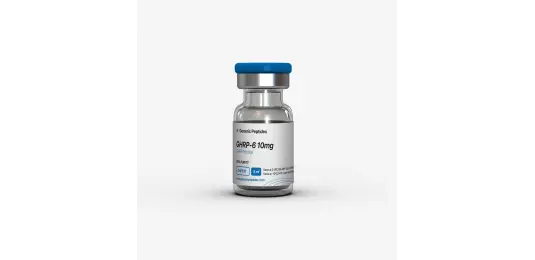
GHRP-6 (Growth Hormone-Releasing Peptide 6) Guide 2026: Side Effects, Mechanism, Appetite Stimulation, GHS-R1a Activation, FDA Status, and Comparison to Ipamorelin, GHRP-2, and Hexarelin
By Medical Team of Generic Peptides
GHRP-6 (Growth Hormone-Releasing Peptide 6) is a synthetic hexapeptide with the structure His-D-Trp-Ala-Trp-D-Phe-Lys-NH2. Molecular weight 873 Da. The compound was developed by Cyril Y. Bowers and colleagues at Tulane University, with the foundational characterization published in Endocrinology in 1984. GHRP-6 acts as a ghrelin receptor (GHS-R1a) agonist, producing pulsatile growth hormone release through a mechanism distinct from GHRH receptor activation.
The Bowers laboratory's 1984 paper established that synthetic peptides could release GH through a separate pathway from GHRH, leading to the identification of GHS-R1a by Howard et al. in 1996 and the discovery of ghrelin as the endogenous ligand by Kojima et al. in 1999. That historical sequence matters for understanding why GHRP-6 has the research base it does, but it doesn't determine the compound's current clinical utility — newer GHRPs (GHRP-2, ipamorelin, hexarelin) have largely supplanted GHRP-6 for general GH-axis stimulation purposes because of better-characterized selectivity profiles, more potent GH release per dose, or both.
What GHRP-6 retains in 2026 is specific positioning where its particular pharmacological profile is therapeutically appropriate rather than operationally challenging. The compound produces the strongest appetite stimulation of any GHRP — substantially exceeding GHRP-2 and dramatically exceeding ipamorelin's minimal orexigenic effect. This property is a clinical liability for body composition protocols and a clinical asset for cachexia, wasting, and geriatric nutritional support contexts. The compound also has documented cytoprotective effects through CD36 receptor binding that are independent of GH release — a research line that has produced substantial independent literature, particularly from Cuban research institutions led by Berlanga-Acosta and colleagues.
GHRP-6 was not included on the FDA September 29, 2023 Category 2 placement that affected nineteen other peptides. The compound has continued availability through compounding pharmacy channels in the United States during the period when CJC-1295, Ipamorelin, BPC-157, and other peptides faced restrictions. Whether this regulatory positioning reflects FDA's specific assessment or simply the agency's choice of nominated substances, the practical effect is that GHRP-6 occupies different territory than the Category 2 peptides in current US regulatory framework.
The honest assessment of GHRP-6 in 2026 requires distinguishing its specific therapeutic positioning from the pharmacological alternatives that may be more appropriate for many patients. This article walks through what GHRP-6 actually is and how it works mechanistically, the research base accumulated over more than 40 years (with its strengths and limitations), the regulatory situation that preserves current clinical access, the safety profile from extensive clinical and research use, and the specific contexts where the compound remains a reasonable clinical choice versus contexts where alternatives are typically preferable.
What GHRP-6 Is
GHRP-6's structure is the synthetic hexapeptide His-D-Trp-Ala-Trp-D-Phe-Lys-NH2. The D-Trp at position 2 is essential for GHS-R1a binding — this D-amino acid configuration is conserved in all subsequent GHRPs (GHRP-2 has D-2-MeTrp at the analogous position; ipamorelin has D-2-Nal). The structural conservation reflects shared receptor binding requirements that constrained GHRP development across the entire compound class.
The compound was developed through systematic structure-activity relationship studies starting from observations that certain met-enkephalin analogs produced unexpected GH-releasing activity. Bowers and colleagues iterated through six numbered compounds (GHRP-1 through GHRP-6) before arriving at the hexapeptide structure that combined acceptable potency, oral bioavailability research interest, and pharmacological characterizability. GHRP-6 emerged as the lead compound from this systematic development.
GHRP-6 is supplied as a lyophilized white powder for reconstitution with sterile or bacteriostatic water. The compound is stable in dry form at standard storage conditions. Once reconstituted, the solution remains stable for approximately 4 weeks under refrigeration. Pharmaceutical-grade GHRP-6 is produced by multiple international manufacturers since the patent has long expired, with quality varying among producers but high-purity material widely accessible through standard research supply channels.
The plasma pharmacokinetic profile shows biphasic distribution with rapid distribution phase of approximately 7.6 minutes and slower elimination phase of approximately 2.5 hours. Functional half-life of GH-releasing activity is approximately 15-20 minutes, which means multiple daily injections are required to maintain GH pulse frequency for therapeutic effect. This dosing burden is one of the operational limitations that newer compounds with longer-acting properties address.
GHRP-6 Mechanism of Action
GHRP-6 binds GHS-R1a (the ghrelin receptor) on pituitary somatotrophs — the GH-producing cells. The receptor is also expressed on hypothalamic neurons mediating appetite regulation, on cells in the gastrointestinal tract affecting motility, on cardiovascular tissue producing the cytoprotective effects, and in various peripheral tissues. GHRP-6's binding affinity for GHS-R1a is robust though somewhat less potent than GHRP-2 or hexarelin at the receptor level — a difference that translates to lower peak GH levels per equivalent dose.
The intracellular signaling activated by GHS-R1a binding involves phospholipase C through Gq-protein coupling, generating IP3 and DAG second messengers, releasing intracellular calcium, and activating protein kinase C. The combined signaling triggers GH release from secretory granules through Ca²⁺-dependent exocytosis. Simultaneously, GHRP-6 antagonizes somatostatin release from hypothalamic neurons, removing the inhibitory brake that normally limits GH secretion.
The 1995 Conley et al. paper in Neuroendocrinology examined the relative roles of GHRH and somatostatin in GHRP-6 action through antibody-blocking studies in rats. The findings indicated that GHRH antibody pretreatment substantially reduced GHRP-6 GH responses, while somatostatin antibody pretreatment had more variable effects. This suggests that GHRP-6's GH-releasing effects depend partly on intact GHRH signaling rather than functioning entirely independently of the GHRH pathway. The mechanistic interaction with GHRH is part of why GHRP-6 produces synergistic effects when combined with GHRH analogs — the two pathways amplify each other rather than substituting for each other.
The GH release pattern is pulsatile. After subcutaneous administration, GH levels rise within 15-30 minutes, peak at 30-60 minutes, and return to baseline within 2-3 hours. The pulsatile pattern preserves somatotroph responsiveness over repeated dosing, though some receptor desensitization develops with chronic use. The desensitization is moderate compared to hexarelin's more pronounced tachyphylaxis but more pronounced than ipamorelin's mild desensitization profile.
Beyond the primary GH release effect, GHRP-6 produces several secondary effects through GHS-R1a activation in different tissues that distinguish it from selective compounds.
Appetite stimulation.
Appetite stimulation is GHRP-6's most distinctive pharmacological feature. The compound produces the strongest orexigenic effect of any GHRP — exceeding GHRP-2 and dramatically exceeding ipamorelin. The mechanism involves GHS-R1a activation in hypothalamic feeding centers, particularly the arcuate nucleus, where ghrelin signaling drives hunger physiologically. Patients receiving GHRP-6 typically report intense hunger beginning 20-30 minutes after injection and lasting 1-2 hours. Some users find this intolerably disruptive; others find it therapeutically valuable depending on clinical context.
Cortisol elevation.
Cortisol elevation occurs through GHS-R1a activation affecting pituitary corticotrophs. GHRP-6 produces dose-dependent cortisol elevation typically in the 10-50% range above baseline, with variability across studies and dose levels. The cortisol effect is intermediate between ipamorelin (no significant effect) and hexarelin (more pronounced effect). The clinical significance is generally modest at standard doses but worth considering in patients with HPA axis concerns.
Prolactin elevation.
Prolactin elevation parallels the cortisol effects, with GHRP-6 producing modest dose-dependent prolactin increases (typically 15-60% range). The prolactin effects are intermediate within the GHRP class.
Cardiac and gastric cytoprotective effects.
Cardiac and gastric cytoprotective effects represent a research line that has produced substantial independent literature, particularly from Berlanga-Acosta and colleagues at Cuban research institutions. The compound binds CD36 receptors on cardiac and gastric tissues, producing protective effects against ischemia-reperfusion injury and various forms of cellular stress through mechanisms genuinely independent of GH release. The 2012 Berlanga-Acosta paper in Clinical Science documented reduced myocardial necrosis in acute myocardial infarction models. This cytoprotective property is mechanistically interesting and clinically relevant, though I should note that the cytoprotection literature is dominated by a relatively small group of research institutions, with independent replication outside the Cuban research program more limited than ideal — a methodological consideration that matters for how confidently the cytoprotective effects can be applied to clinical decision-making.
Gastric motility effects.
Gastric motility effects through GHS-R1a activation in the GI tract have been documented in multiple studies. The compound enhances gastric emptying and intestinal motility, paralleling endogenous ghrelin's effects on GI function.
The hepatic IGF-1 response to GHRP-6-stimulated GH pulses produces measurable IGF-1 elevation. With repeated dosing, IGF-1 levels rise over weeks to clinically detectable levels, though typically with smaller magnitude than GHRP-2 produces at equivalent doses because of GHRP-6's lower receptor potency.
GHRP-6 Research Base
The clinical research literature for GHRP-6 is extensive in volume but uneven in methodological quality and clinical relevance to current practice. It is the most-published GHRP, but the publication pattern is heavily weighted toward Phase I pharmacodynamic characterizations and mechanistic studies rather than larger-scale randomized clinical trials for specific therapeutic indications.
The Bowers et al. 1990 paper in Journal of Clinical Endocrinology and Metabolism established human GH response to GHRP-6 and synergy with GHRH. Subsequent dose-response and pharmacokinetic studies in healthy volunteers, GH-deficient adults, pediatric populations with growth disorders, elderly subjects with age-related GH-axis decline, and various pathological states accumulated through the 1990s. This research established the basic pharmacological profile but produced relatively few large-scale efficacy trials for specific therapeutic indications at modern pharmaceutical evidence standards.
The GHRH/GHRP-6 combined diagnostic test deserves specific mention because it represents one of the more well-validated clinical applications. The protocol — administering both GHRH and GHRP-6 to maximally stimulate the GH axis — has been validated against the gold-standard insulin tolerance test (ITT) for adult GH deficiency diagnosis. The combined test has comparable sensitivity and specificity to ITT but without ITT's risk of hypoglycemia. Multiple international clinical studies (Aimaretti 2000, Popovic 2000) validated this diagnostic application. ITT can cause seizures, is contraindicated in elderly patients, and presents safety concerns that limit its clinical utility — the GHRH/GHRP-6 combined test provides an alternative with documented diagnostic utility.
The cytoprotection research line has produced substantial publication volume, primarily from Berlanga-Acosta's group at the Center for Genetic Engineering and Biotechnology in Havana, Cuba. The 2012 Clinical Science paper documenting cardioprotective effects in acute myocardial infarction is one example. Subsequent work extended to gastric mucosal protection, hepatic protection in CCl4-induced fibrosis models, and various organ-protective contexts. The CD36 receptor binding mechanism provides plausible biology independent of GH release. The methodological concern is the concentration of authorship — much of the cytoprotection literature comes from relatively few research groups, raising the same independent replication question that affects other peptides discussed in this article series. The cytoprotective effects appear real based on the published evidence, but the field would benefit from broader independent replication before the findings should drive clinical decisions.
Cancer cachexia and wasting research has explored GHRP-6's combined GH-axis effects and appetite stimulation as therapeutic for muscle and weight loss in cancer patients. Small clinical studies have suggested improvements in appetite and caloric intake. The evidence base is limited compared to what would be needed for regulatory approval but supports off-label use in this context.
Pediatric short stature research conducted in earlier eras (1990s primarily) demonstrated GH-releasing effects in pediatric populations. Most current pediatric GH-axis research has shifted to GHRP-2 and other newer compounds, with GHRP-6 retaining historical research significance more than current clinical relevance in pediatric endocrinology.
Geriatric nutritional support research has explored GHRP-6's appetite-stimulating effect for elderly populations with reduced food intake, sarcopenia, and frailty. The clinical utility is plausible based on the pharmacology but the specific clinical evidence is more limited than for general GH-axis applications.
What the research base supports with reasonable confidence: GHRP-6 produces consistent pulsatile GH release through GHS-R1a activation, generates measurable IGF-1 elevation with repeated dosing, has the strongest appetite-stimulating effect among GHRPs, has cytoprotective effects through CD36 receptor binding (with the caveat about replication breadth), and provides a validated diagnostic tool when combined with GHRH for adult GH deficiency assessment.
What the research base supports less robustly: specific therapeutic efficacy in clinical populations beyond diagnostic and Phase I characterization contexts. Large-scale randomized controlled trials for body composition outcomes, cachexia treatment, frailty intervention, or other specific clinical applications are limited. Most clinical use is based on extrapolation from pharmacological characterization rather than direct efficacy evidence at modern Phase III standards.
GHRP-6 Regulatory Status
GHRP-6 has not received FDA approval for any indication in the United States. The compound has been used in clinical research and diagnostic applications but pharmaceutical approval as a drug product has not been pursued.
GHRP-6 was not included on the FDA September 29, 2023 Category 2 placement that affected nineteen other peptides. This regulatory positioning has practical consequences — compounding pharmacies have continued GHRP-6 preparation under physician prescription, and the pre-September 2023 ecosystem for GHRP-6 wasn't disrupted by the Category 2 action affecting other peptides. Whether this reflects FDA's substantive assessment of GHRP-6 specifically or simply the agency's choice of nominated substances for the 2023 action, the practical effect is that GHRP-6 has different regulatory positioning than the Category 2 peptides.
In the European Union and other major pharmaceutical markets, GHRP-6 doesn't have specific regulatory approval but is available for research and specialized clinical applications. The patent status of GHRP-6 has long expired, making the compound widely available for research purposes globally.
For sports anti-doping, GHRP-6 is prohibited by WADA under category S2.2.1 (Peptide Hormones, Growth Factors, Related Substances, and Mimetics — including GH secretagogues). Prohibited at all times, in and out of competition. Detection methods are well-validated at WADA-accredited laboratories. Athletes subject to WADA testing should not use GHRP-6.
The Department of Defense Operation Supplement Safety has issued advisories regarding GHRP-6 and related GH-axis peptides for military service members.
GHRP-6 Safety Profile
The safety profile for GHRP-6 has been characterized through more than four decades of clinical research and use. The accumulated evidence supports favorable short-term tolerability with predictable, manageable side effects. Long-term safety at modern pharmaceutical standards is supported less rigorously because dedicated multi-year prospective safety trials don't exist for GHRP-6 — the safety database derives from accumulated clinical experience and shorter-term clinical research rather than systematic pharmacovigilance.
Common reported effects in clinical use include injection site reactions (typically mild redness or tenderness), strong increased appetite (the most prominent and predictable effect from ghrelin receptor activation), occasional mild flushing, mild headache occasionally, and modest sleep architecture effects with some patients reporting changes in dream patterns. The appetite stimulation is consistent and intense — patients should expect substantial hunger response 20-30 minutes after injection. Whether this is operationally tolerable depends entirely on clinical context and patient circumstances.
Hormonal effects through GHS-R1a activation include cortisol elevation (typically 10-50% above baseline at therapeutic doses, transient), prolactin elevation (15-60% range, transient), and ACTH effects paralleling cortisol. These effects are dose-dependent and within ranges that haven't produced clinical concerns in extensive research, but patients with adrenal insufficiency, pituitary disorders, or specific endocrine conditions warrant monitoring. Patients with prolactin-sensitive conditions or on prolactin-affecting medications also warrant attention.
Glucose and insulin effects parallel those of other GH-axis stimulants. GH-axis activation produces counter-regulatory effects on insulin signaling, and sustained GHRP-6 use can produce modest insulin resistance with shifted glucose tolerance. Diabetic patients on hypoglycemic medications may need monitoring and potential dose adjustment.
Cancer considerations apply to GHRP-6 as they do to all GH-axis stimulants. Sustained IGF-1 elevation is a recognized cancer-relevant concern because IGF-1 acts as a proliferation signal for many tumor types. For patients with active cancer or significant cancer risk factors, GHRP-6 should be approached with appropriate clinical consideration. The IGF-1 elevation produced by GHRP-6 is meaningful but pulsatile rather than sustained, which may have different implications than continuous IGF-1 elevation from full hGH replacement therapy.
Drug interactions involve several considerations. Insulin and oral hypoglycemics may require monitoring given GH-axis effects on insulin signaling. Recombinant hGH represents redundant mechanism — combination doesn't add benefit and amplifies cumulative GH-axis exposure. Other GH secretagogues (GHRP-2, hexarelin, ipamorelin) are mechanistically redundant within the GHS-R1a class, and combinations within this class reduce specific compound advantages without producing meaningful additional GH release. Corticosteroids antagonize GH effects on protein synthesis and bone metabolism. Sex hormones (testosterone, estradiol) are commonly stacked in TRT/HRT protocols without specific interaction concerns. Cortisol-affecting medications warrant attention given GHRP-6's HPA axis effects. Antipsychotics with prolactin-elevating properties may have additive effects with GHRP-6's prolactin elevation.
Contraindications include active cancer or recent cancer history (IGF-1 concerns), pregnancy and breastfeeding (no safety data), pediatric populations except in supervised growth deficiency contexts, severe hepatic or renal dysfunction, hypersensitivity to peptide preparations, uncontrolled diabetes mellitus requiring careful monitoring of glucose effects, active adrenal insufficiency or significant HPA axis disorders given the cortisol effects, severe anorexia or eating disorders where the appetite stimulation could be therapeutically inappropriate, and competitive athletes subject to WADA testing.
Who Uses GHRP-6 and How It Compares to Alternatives
The user base for GHRP-6 in 2026 reflects the compound's specific pharmacological profile and the contexts where its appetite-stimulating property is therapeutically valuable.
Patients with cancer cachexia, AIDS wasting, and other catabolic states use GHRP-6 because the strong appetite stimulation supports the nutritional goals critical in these conditions. The combination of GH-axis stimulation and orexigenic effects provides dual mechanism support that selective compounds like ipamorelin can't match. This is the clinical context where GHRP-6's pharmacological profile most clearly aligns with therapeutic goals.
Geriatric patients with reduced appetite, frailty, and nutritional concerns use GHRP-6 specifically for the appetite-stimulating effect in contexts where reduced food consumption contributes to functional decline. The hormonal effects are generally acceptable in this population.
Patients in research protocols and diagnostic contexts use GHRP-6 in standardized protocols including the GHRH/GHRP-6 combined test for adult GH deficiency assessment. The compound's well-characterized pharmacokinetic and pharmacodynamic profile supports research applications requiring reliable GHS-R1a activation.
Patients in cytoprotection-focused protocols use GHRP-6 for the CD36-mediated cardiac and gastric protective effects independent of GH release. This application is more research-oriented than common clinical practice, with the methodological replication concerns I noted earlier being relevant for clinical decision-making.
Body composition and bulking-phase users (in non-WADA-tested contexts) sometimes use GHRP-6 specifically when the appetite stimulation supports caloric intake goals during mass-gain phases. This is operationally specific — the same property is a problem during cutting phases or for patients seeking fat loss.
The relevant comparisons within and beyond the GHRP family:
GHRP-2 (Pralmorelin) is more potent at the receptor level, produces stronger GH release per dose, has somewhat less appetite stimulation than GHRP-6, has Japanese pharmaceutical approval as a diagnostic agent, and has somewhat better-characterized pharmaceutical-grade evidence base. For most general GH-axis stimulation purposes where GHRP-6's strong appetite effect isn't desired, GHRP-2 represents a more appropriate choice.
Hexarelin offers more potent GH release per dose but with more pronounced cortisol and prolactin effects, more rapid receptor desensitization (significant by week 4 vs moderate for GHRP-6), and more aggressive cycling requirements. Hexarelin has more extensive cardiac CD36 research than GHRP-6.
Ipamorelin offers selective GHS-R1a activation without the broader hormonal effects and minimal appetite stimulation. For patients prioritizing selective GH stimulation without orexigenic effects, ipamorelin is substantially preferable. For patients where appetite stimulation is therapeutic, GHRP-6 retains specific positioning.
Ibutamoren (MK-677) is an orally bioavailable GHS-R1a agonist with longer duration. Different administration route, different pharmacokinetic profile, raises IGF-1 levels for up to 24 hours. Was on FDA Category 2 list and reviewed at October 29, 2024 PCAC meeting (unfavorable vote).
For GHRH-receptor pathway alternatives, sermorelin, tesamorelin, and CJC-1295 (no-DAC) work through different receptor mechanisms. Combinations of GHRH analogs with GHRPs produce synergistic effects when combined GH stimulation is desired — though the combinations also amplify the broader hormonal effects of the GHRP component.
For patients in 2026 considering GHRP-6, the operational decision typically comes down to whether the strong appetite stimulation is therapeutically appropriate for the specific clinical context. For cachexia, geriatric malnutrition, and bulking-phase applications, the orexigenic effect is a feature. For body composition, fat loss, or general anti-aging applications without appetite-related goals, alternatives with cleaner selectivity profiles (ipamorelin, GHRP-2) are typically more appropriate.
Honest Assessment of GHRP-6's Current Place
I'll be direct about my assessment of GHRP-6 in the 2026 peptide landscape.
The compound has substantial pharmacological characterization spanning four decades, regulatory positioning that favors current clinical access through compounding pharmacy channels, and specific therapeutic applications where its profile is appropriate. Those are real strengths that distinguish GHRP-6 from peptides with thinner evidence bases or more restrictive regulatory positioning.
The honest limitations are also worth naming. Most large-scale clinical efficacy trials at modern pharmaceutical evidence standards don't exist for GHRP-6. The cytoprotection literature, while substantial in volume, is concentrated among relatively few research groups, raising the same independent replication question that affects other peptides discussed in this article series. The strong appetite stimulation that defines GHRP-6's distinctive positioning is a clinical liability for many off-label uses where it gets used anyway. The dosing burden of multiple daily injections is operationally challenging for chronic therapeutic use. The compound is mechanistically redundant with newer GHRPs that have better selectivity profiles for general GH-axis applications.
What's genuinely uncertain about GHRP-6 in 2026: how the broader Kennedy administration peptide reclassification activity will affect compounds like GHRP-6 that weren't on the Category 2 list and don't need reclassification action, but might benefit from clearer regulatory positioning if FDA produces formal guidance. Whether the cytoprotection research line will produce broader independent replication that strengthens that specific application area. Whether the compound's specific positioning in cachexia and geriatric nutritional contexts will accumulate enough additional clinical evidence to support more confident therapeutic recommendations beyond extrapolation from pharmacological characterization.
For patients navigating GHRP-6 decisions, the framing reflects compound's specific positioning. Patients with cachexia, wasting, geriatric nutritional concerns, or diagnostic GH deficiency assessment needs have mechanistic rationale for GHRP-6 use that aligns with the documented evidence base. Patients pursuing general GH-axis stimulation for anti-aging or body composition goals where appetite stimulation isn't therapeutic should typically consider alternatives with better selectivity profiles. The pharmacological choice depends entirely on whether the orexigenic effect aligns with or conflicts with the patient's therapeutic goals.
GHRP-6's continued availability through compounding pharmacy channels, accumulated research base, and specific therapeutic positioning provide a defined clinical role. Whether that role is appropriate for any individual patient depends on the operational match between the compound's pharmacological profile and the clinical context — a decision that requires careful consideration of alternatives rather than default selection based on the compound's familiarity or historical significance.
References
[1] Bowers CY, Momany F, Reynolds GA, Hong A. On the in vitro and in vivo activity of a new synthetic hexapeptide that acts on the pituitary to specifically release growth hormone. Endocrinology. 1984;114(5):1537-1545. Foundational characterization.
[2] Bowers CY, Reynolds GA, Durham D, Barrera CM, Pezzoli SS, Thorner MO. Growth hormone (GH)-releasing peptide stimulates GH release in normal men and acts synergistically with GH-releasing hormone. Journal of Clinical Endocrinology and Metabolism. 1990;70(4):975-982. Foundational human pharmacology data.
[3] Howard AD, Feighner SD, Cully DF, Arena JP, Liberator PA, Rosenblum CI, Hamelin M, Hreniuk DL, Palyha OC, Anderson J, Paress PS, Diaz C, Chou M, Liu KK, McKee KK, Pong SS, Chaung LY, Elbrecht A, Dashkevicz M, Heavens R, Rigby M, Sirinathsinghji DJ, Dean DC, Melillo DG, Patchett AA, Nargund R, Griffin PR, DeMartino JA, Gupta SK, Schaeffer JM, Smith RG, Van der Ploeg LH. A receptor in pituitary and hypothalamus that functions in growth hormone release. Science. 1996;273(5277):974-977.
[4] Kojima M, Hosoda H, Date Y, Nakazato M, Matsuo H, Kangawa K. Ghrelin is a growth-hormone-releasing acylated peptide from stomach. Nature. 1999;402(6762):656-660.
[5] Pong SS, Chaung LY, Dean DC, Nargund RP, Patchett AA, Smith RG. Identification of a new G-protein-linked receptor for growth hormone secretagogues. Molecular Endocrinology. 1996;10(1):57-61.
[6] Smith RG, Van der Ploeg LH, Howard AD, Feighner SD, Cheng K, Hickey GJ, Wyvratt MJ Jr, Fisher MH, Nargund RP, Patchett AA. Peptidomimetic regulation of growth hormone secretion. Endocrine Reviews. 1997;18(5):621-645.
[7] Berlanga-Acosta J, Abreu-Cruz A, García-Ojalvo A, Guillén-Nieto G, Falcón-Cama V, Pérez-Saad H, Ettcheto M, Camins A, Fernández-Mayola M, Sosa-Testé I, Mendoza-Marí Y, Rodríguez-Ulloa A, Besada V, Aldama-Cano S. Growth hormone releasing peptide-6 (GHRP-6) prevents oxidant cytotoxicity and reduces myocardial necrosis in a model of acute myocardial infarction. Clinical Science. 2012;122(2):93-105.
[8] Conley LK, Teik JA, Deghenghi R, Imbimbo BP, Giustina A, Locatelli V, Wehrenberg WB. Mechanism of action of hexarelin and GHRP-6: analysis of the involvement of GHRH and somatostatin in the rat. Neuroendocrinology. 1995;61(1):44-50.
[9] Aimaretti G, Baffoni C, Bellone S, Di Vito L, Corneli G, Arvat E, Benso L, Camanni F, Ghigo E. Retesting young adults with childhood-onset growth hormone (GH) deficiency with GH-releasing-hormone-plus-arginine test. Journal of Clinical Endocrinology and Metabolism. 2000;85(10):3693-3699.
[10] Popovic V, Leal A, Micic D, Koppeschaar HP, Torres E, Paramo C, Obradovic S, Dieguez C, Casanueva FF. GH-releasing hormone and GH-releasing peptide-6 for diagnostic testing in GH-deficient adults. Lancet. 2000;356(9236):1137-1142.
[11] Cassoni P, Papotti M, Ghè C, Catapano F, Sapino A, Graziani A, Deghenghi R, Reissmann T, Ghigo E, Muccioli G. Identification, characterization, and biological activity of specific receptors for natural (ghrelin) and synthetic growth hormone secretagogues and analogs in human breast carcinomas and cell lines. Journal of Clinical Endocrinology and Metabolism. 2001;86(4):1738-1745.
[12] Arvat E, Maccario M, Di Vito L, Broglio F, Benso A, Gottero C, Papotti M, Muccioli G, Dieguez C, Casanueva FF, Deghenghi R, Camanni F, Ghigo E. Endocrine activities of ghrelin, a natural growth hormone secretagogue (GHS), in humans: comparison and interactions with hexarelin, a nonnatural peptidyl GHS, and GH-releasing hormone. Journal of Clinical Endocrinology and Metabolism. 2001;86(3):1169-1174.
[13] Locatelli V, Rossoni G, Schweiger F, Torsello A, De Gennaro Colonna V, Bernareggi M, Deghenghi R, Müller EE, Berti F. Growth hormone-independent cardioprotective effects of hexarelin in the rat. Endocrinology. 1999;140(9):4024-4031.
[14] Wren AM, Seal LJ, Cohen MA, Brynes AE, Frost GS, Murphy KG, Dhillo WS, Ghatei MA, Bloom SR. Ghrelin enhances appetite and increases food intake in humans. Journal of Clinical Endocrinology and Metabolism. 2001;86(12):5992. Endogenous ghrelin appetite effects providing context for GHRP-6 orexigenic mechanism.
[15] Ghigo E, Arvat E, Broglio F, Giordano R, Gianotti L, Muccioli G, Papotti M, Graziani A, Bisi G, Deghenghi R, Camanni F. Endocrine and non-endocrine activities of growth hormone secretagogues in humans. Hormone Research. 1999;51 Suppl 3:9-15.
[16] Sigalos JT, Pastuszak AW. The safety and efficacy of growth hormone secretagogues. Sexual Medicine Reviews. 2018;6(1):45-53.
[17] U.S. Food and Drug Administration. Certain Bulk Drug Substances for Use in Compounding that May Present Significant Safety Risks. September 29, 2023. List of 19 peptides placed on Category 2. GHRP-6 not included on this list. https://www.fda.gov/drugs/human-drug-compounding/certain-bulk-drug-substances-use-compounding-may-present-significant-safety-risks.
[18] World Anti-Doping Agency. The Prohibited List, 2025 Edition. GHRP-6 prohibited under S2.2.1 category. Prohibited at all times in WADA-tested sport. https://www.wada-ama.org/en/prohibited-list.
[19] Department of Defense Operation Supplement Safety. Advisory pages on GH-axis peptides for service member compliance.
[20] Cordido F, Peñalva A, Dieguez C, Casanueva FF. Massive growth hormone (GH) discharge in obese subjects after the combined administration of GH-releasing hormone and GHRP-6: evidence for a marked somatotroph hypersensitivity. Journal of Clinical Endocrinology and Metabolism. 1993;76(4):819-823.
[21] Smith RG. Development of growth hormone secretagogues. Endocrine Reviews. 2005;26(3):346-360.
[22] Berlanga-Acosta J, Cibrian D, Mendoza Y, Aguilera-Barreto A, Garcia-Siverio M, Ortiz-Salazar D, Pérez-Saad H, Falcón-Cama V, Aldama-Cano D, Guillén-Nieto G. Growth hormone-releasing peptide 6 (GHRP-6) reduces liver fibrosis in CCl4-chronically intoxicated rats. Biotecnología Aplicada. 2007;24:213-218.
[23] Walker RF, Codd EE, Barone FC, Nelson AH, Goodwin T, Campbell SA. Oral activity of the growth hormone releasing peptide His-D-Trp-Ala-Trp-D-Phe-Lys-NH2 in rats, dogs and monkeys. Life Sciences. 1990;47(1):29-36.
[24] Bowers CY. Mechanisms of growth hormone release with growth hormone-releasing peptides and analogues. In: Bercu BB, Walker RF, eds. Growth Hormone II. New York: Springer-Verlag; 1994.
[25] Raun K, Hansen BS, Johansen NL, Thøgersen H, Madsen K, Ankersen M, Andersen PH. Ipamorelin, the first selective growth hormone secretagogue. European Journal of Endocrinology. 1998;139(5):552-561. Comparison context — Ipamorelin development specifically aimed at overcoming GHRP-6's selectivity limitations.