PEG-MGF: Pegylated MGF Peptide With Mechanism Questions and 2027 PCAC Review
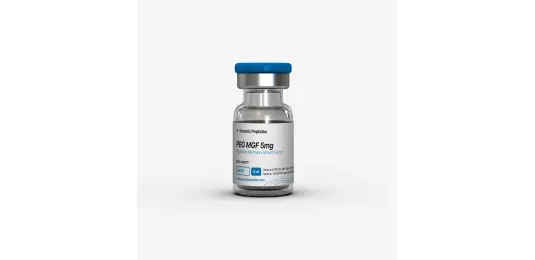
PEG-MGF (Pegylated Mechano Growth Factor): The IGF-1Ec E-Domain Peptide With Mechanism Questions and February 2027 PCAC Review Pending
By Medical Team of Generic Peptides
PEG-MGF is the pegylated synthetic version of Mechano Growth Factor (MGF), the C-terminal 24-amino-acid E-domain peptide of the IGF-1Ec splice variant of insulin-like growth factor 1. Sequence YQPPSTNKNTKSQRRKGSTFEEHK (with various stability modifications including occasional D-arginine substitutions in research-grade synthetic versions). Native MGF E-peptide molecular weight approximately 2814 Da; PEG-MGF molecular weight is variable depending on the size of the polyethylene glycol modification but typically around 12-22 kDa total. The pegylation extends the peptide's half-life from approximately 5-7 minutes (native synthetic MGF E-peptide in serum) to several hours, addressing the major pharmacokinetic limitation that makes unmodified MGF impractical for therapeutic applications.
The compound's biological foundation involves the alternative splicing of the IGF-1 gene that produces multiple isoforms with different functions. The IGF-1 gene on human chromosome 12q23.2 contains six exons. All transcripts share the mature 70-amino acid IGF-1 peptide encoded by exons 3 and 4 (the B, C, A, and D domains). The biological diversity comes from differential inclusion of exons 1/2 (alternative leader sequences) and exons 5/6 (alternative C-terminal E-peptides). The two predominant human isoforms are IGF-1Ea (the circulating, liver-derived form that produces systemic IGF-1) and IGF-1Ec (Mechano Growth Factor, the mechano-sensitive, muscle-derived form). MGF was identified and named by Geoffrey Goldspink and colleagues at University College London beginning in the mid-1990s as the first IGF-1 splice variant specifically expressed in response to mechanical stress on skeletal muscle. The distinguishing feature of MGF is its unique C-terminal E-peptide extension, encoded by a reading frame shift in exon 5 that produces a different amino acid sequence than the IGF-1Ea E-peptide.
The critical scientific concept behind PEG-MGF therapeutic interest is that the MGF E-peptide has reportedly autonomous biological activity independent of the mature IGF-1 domain. Where mature IGF-1 (shared between all splice variants after propeptide processing) acts through the IGF-1 receptor (IGF-1R) to promote cell differentiation and protein synthesis, the MGF E-peptide reportedly activates quiescent muscle satellite (stem) cells and promotes their proliferation without inducing premature differentiation. This dual activity — satellite cell activation by the E-peptide followed by differentiation support by mature IGF-1 — would position MGF as a key coordinator of the muscle repair response. PEG-MGF aims to deliver the satellite cell-activating effects of the E-peptide alone, with extended pharmacokinetics allowing systemic administration.
The 2026 regulatory situation for PEG-MGF involves a recent significant change. On April 15, 2026, FDA published its 503A Category revision removing twelve peptides from Category 2, including PEG-MGF (effective April 22, 2026, seven calendar days from publication). The compound is not on the July 23-24, 2026 PCAC review agenda (which covers BPC-157, KPV, MOTs-C, TB-500, Emideltide/DSIP, Epitalon, Semax). Instead, FDA has announced its intent to consult PCAC by the end of February 2027 regarding the potential inclusion of PEG-MGF on the 503A bulks list, alongside GHK-Cu, Melanotan II, Cathelicidin LL-37, and Dihexa Acetate. This places PEG-MGF in the second cohort of peptides under reclassification consideration — removed from Category 2 but awaiting formal PCAC review with potential 503A bulks list inclusion or rejection.
I'll be direct about my assessment of PEG-MGF from the start. The compound has interesting underlying biology — the MGF/IGF-1Ec splice variant represents genuinely important muscle physiology that Geoffrey Goldspink's research program characterized substantively. The pegylation strategy addresses real pharmacokinetic limitations of native MGF E-peptide. The honest limitations are substantial and include a particularly important methodological concern. The Janssen et al. 2016 paper in PLOS ONE demonstrated that synthetic MGF peptides (including the human MGF E-peptide and the Goldspink-MGF analog typically marketed as MGF/PEG-MGF) do not activate IGF-1R or insulin receptors at all in carefully controlled receptor binding assays. Only the full-length MGF prohormone showed receptor activation. This raises a fundamental mechanism question — if the synthetic MGF E-peptide that's marketed as PEG-MGF doesn't activate IGF-1R, what is the actual molecular target producing the satellite cell activation effects observed in some preclinical studies? The mechanism question hasn't been definitively resolved, leaving PEG-MGF in genuinely uncertain territory regarding its molecular pharmacology. The compound has no human clinical trial evidence whatsoever — not Phase I, not even small case series. The accumulated effects come entirely from preclinical animal and cell culture research plus accumulated user reports from off-label use.
This article walks through what PEG-MGF actually is and how it relates to the broader IGF-1 splice variant biology, the proposed mechanism through E-peptide-mediated satellite cell activation and the substantial mechanism uncertainty raised by the Janssen 2016 findings, the limited preclinical evidence base, the recent April 2026 regulatory change and pending February 2027 PCAC review, the safety considerations including the inherent IGF-1 pathway concerns plus PEG-specific considerations, and how to think about PEG-MGF decisions given the operational realities including the genuinely unresolved mechanism question.
What PEG-MGF Is
PEG-MGF emerged from Geoffrey Goldspink's research program at University College London during the 1990s investigating IGF-1 splice variants in skeletal muscle. The MGF/IGF-1Ec isoform was identified through molecular biology techniques showing increased expression in skeletal muscle following mechanical loading or damage. Goldspink and colleagues characterized the unique E-peptide sequence, demonstrated its expression patterns relative to IGF-1Ea, and proposed the autonomous biological activity hypothesis that distinguishes the E-peptide from the mature IGF-1 component shared between splice variants.
The endogenous biology involves complex regulation of IGF-1 splice variants in muscle physiology. Mechanical stress or damage triggers immediate MGF/IGF-1Ec mRNA expression within hours of the stimulus. The MGF transcript is then translated and processed, with the 24-amino-acid E-peptide proposedly functioning through receptors and signaling pathways that activate quiescent satellite cells. The temporal expression pattern shows MGF preceding IGF-1Ea expression — the muscle response begins with MGF-mediated satellite cell activation, followed by IGF-1Ea expression that supports differentiation and protein synthesis through the classical IGF-1R/PI3K/Akt/mTOR cascade.
The synthetic peptide development reflects the practical challenges of working with a molecule that's normally generated within muscle tissue rather than circulating systemically. Synthetic peptides corresponding to the 24-amino-acid MGF E-domain are produced through standard solid-phase peptide synthesis. The unmodified synthetic E-peptide is rapidly degraded in serum (half-life approximately 5-7 minutes), making systemic administration impractical without modification. PEGylation addresses this by covalently attaching a polyethylene glycol chain that increases hydrodynamic radius, reduces renal filtration, and protects against enzymatic degradation. PEG-MGF has half-life of several hours, enabling subcutaneous or intramuscular administration with systemic bioavailability.
The "Goldspink-MGF" terminology in some literature refers to the specific synthetic peptide sequence Goldspink's group characterized. This is the typical sequence used in PEG-MGF research products, though some commercial variants use modified sequences with D-arginine substitutions for additional stability. The pegylation chemistry varies among products — different PEG sizes (typically 5-20 kDa), different linker chemistries, and different attachment positions can produce PEG-MGF variants with somewhat different pharmacokinetic profiles.
The compound is supplied as lyophilized powder for reconstitution, typically in 2 mg or 5 mg vials. Pharmaceutical-grade PEG-MGF doesn't exist in the conventional sense — the compound has never been pharmaceutically developed or approved for any indication. Research-chemical-grade material is accessible through international research suppliers with the standard quality variability concerns. Independent testing of research-chemical PEG-MGF has documented variable purity, inconsistent PEG modification, and occasional contamination across different suppliers.
The naming convention is reasonably consistent. PEG-MGF, Pegylated MGF, PEG IGF-1Ec, Pegylated Mechano Growth Factor, and PEG Myotrophin all refer to the pegylated 24-amino-acid E-peptide compound. The "Myotrophin" terminology is somewhat informal and shouldn't be confused with the proposed brand name for native IGF-1 (Myotrophin) that Cephalon used during their failed ALS clinical development program — different compound entirely.
PEG-MGF Mechanism of Action: The Significant Janssen 2016 Mechanism Question
The proposed mechanism involves MGF E-peptide-mediated satellite cell activation through pathways distinct from the classical IGF-1R signaling. This proposed mechanism has substantial uncertainty that's worth detailed treatment because it directly affects how to interpret PEG-MGF's potential clinical applications.
The classical model proposed by Goldspink and colleagues posits that MGF E-peptide binds to specific receptors (not yet definitively identified) on muscle satellite cells, activating quiescent cells and promoting their entry into the cell cycle. The activated satellite cells proliferate, expanding the pool of myogenic precursor cells available for muscle repair. Subsequently, IGF-1Ea expression follows MGF expression, with mature IGF-1 driving myoblast differentiation and protein synthesis through IGF-1R/PI3K/Akt/mTOR signaling. This sequential model — E-peptide-driven satellite cell activation followed by IGF-1-driven differentiation — provides mechanistic rationale for considering MGF as therapeutically distinct from native IGF-1 administration.
The autonomous E-peptide activity hypothesis is based on observations that synthetic MGF E-peptide produces effects on satellite cells in cell culture and animal models, independent of the mature IGF-1 domain that all IGF-1 isoforms share. Various studies have reported MGF E-peptide effects on satellite cell proliferation, myoblast activation, cardiac protection, neurogenesis, and other cellular responses in preclinical contexts.
The Janssen et al. 2016 paper in PLOS ONE (PMC ID through DOI 10.1371/journal.pone.0150453) presents findings that fundamentally challenge the standard mechanism narrative. Janssen and colleagues conducted careful receptor binding and activation studies comparing full-length MGF prohormone, recombinant human IGF-1, and various synthetic MGF E-peptides (including human MGF and Goldspink-MGF analog). Their key findings: full-length MGF prohormone activated IGF-1R, IR-A, and IR-B at high equimolar concentrations, behaving like a pro-IGF-1 molecule. Synthetic MGF peptides (the human MGF E-peptide and Goldspink-MGF analog that constitute the typical PEG-MGF active component) did not activate IGF-1R or insulin receptors at all.
This finding has substantial implications for understanding PEG-MGF's actual mechanism. If the synthetic E-peptide doesn't activate IGF-1R, what receptor or pathway produces the satellite cell activation effects observed in some preclinical studies? Several possibilities exist: an unidentified receptor specific to the E-peptide that isn't IGF-1R, indirect effects through other signaling systems, methodological issues in earlier studies that produced apparently positive results, or pegylation-dependent effects that differ from the unmodified peptide. None of these possibilities have been definitively established or refuted.
The clinical implications of this mechanism uncertainty are substantial. If PEG-MGF works through an unidentified receptor system with characteristics that haven't been pharmacologically defined, the predictability of its effects, its specificity, and its safety profile become difficult to assess with rigor. The cellular effects observed in preclinical studies may or may not reflect physiologically relevant signaling that translates to therapeutic applications in humans.
The proposed downstream pathways from MGF E-peptide signaling — assuming it occurs through some receptor system — include effects on satellite cell proliferation through cell cycle regulation, anti-apoptotic effects in cardiomyocytes (Carpenter et al. 2008 in murine myocardial infarction model), neurogenesis effects in aging brain (Tang et al. 2017 in Molecular Brain), pro-angiogenic effects on vascular endothelial cells (Deng et al. 2012), and various tissue-specific responses. These observations have been documented in preclinical models, but the underlying receptor pharmacology remains unresolved given the Janssen 2016 findings.
The PEGylation strategy's effects on the compound's activity are themselves uncertain. PEG modification can alter receptor binding kinetics in unpredictable ways depending on the specific PEG size and attachment position. Whether PEG-MGF retains any biological activity that the unmodified peptide possesses — and through what mechanism — hasn't been systematically characterized. The peptideinsight.com analysis notes: "PEG-MGF retains the satellite cell-activating and proliferative properties of the unmodified E-peptide" in mouse studies, but the mechanism through which these effects are produced remains questionable given the receptor pharmacology data.
For users in 2026 evaluating PEG-MGF, the honest framing is: you're using a compound whose molecular target hasn't been definitively identified, whose typical synthetic version doesn't appear to activate IGF-1R based on careful receptor studies, and whose clinical effects depend on cellular responses observed in preclinical models without confirmed mechanistic explanation. The biology may eventually be clarified through additional research, but the current state of knowledge is genuinely uncertain rather than well-established.
PEG-MGF Preclinical Evidence Base
The preclinical evidence base for PEG-MGF and unmodified MGF includes substantial cell culture and animal research, with no human clinical trials whatsoever for either compound.
Cell culture studies have characterized MGF E-peptide effects on muscle cells in vitro. The peptide has been reported to activate satellite cells, promote myoblast proliferation, support myotube formation, and produce various cellular responses consistent with muscle repair signaling. The 2007 Philippou et al. paper in In Vivo characterized IGF-1 isoforms and muscle regeneration. The 2010 Matheny et al. paper in American Journal of Physiology examined IGF-1 splice variants and muscle growth. These studies establish biological activity of MGF E-peptide in cell culture contexts, though without resolving the underlying receptor pharmacology.
Animal studies in muscle injury and overload models have documented some PEG-MGF effects. Mouse studies have shown muscle hypertrophy following intramuscular PEG-MGF injection, with effects sustained over days rather than the minutes of activity achievable with unmodified MGF. The longer-acting profile enables less frequent dosing and greater systemic distribution. Specific quantitative effects (percent muscle mass increase, satellite cell activation markers, myofiber characteristics) have been characterized in various preclinical contexts.
Cardiac research has examined MGF E-peptide effects in myocardial infarction models. The 2008 Carpenter et al. paper showed that MGF E-peptide reduced cardiomyocyte apoptosis after simulated ischemia in vitro and improved cardiac function in mouse myocardial infarction model. The 2010 Collins et al. paper documented MGF-24aa-E peptide effects on mesenchymal bone marrow-derived stem cells with potential implications for cardiac regenerative therapies. The 2012 Deng et al. paper showed pro-angiogenic activities in human vascular endothelial cells. These cardiac applications represent therapeutic interest in MGF beyond muscle physiology.
Neurogenesis research has documented MGF effects in aging brain models. The 2017 Tang et al. paper in Molecular Brain showed MGF E-peptide effects on neurogenesis in aging mouse brain. The 2005 Dluzniewska et al. and 2010 Beresewicz et al. papers documented MGF-specific effects in neonatal hypoxia-ischemia models. The 2009 Riddoch-Contreras et al. paper showed MGF E-peptide effects in ALS mouse model with significant motor neuron survival improvements compared to native IGF-1.
These preclinical findings collectively support biological activity of MGF E-peptide in various tissue contexts, though the mechanism uncertainty raised by Janssen 2016 affects how to interpret the cellular effects observed.
What we don't have for PEG-MGF specifically: human Phase I pharmacokinetic studies, dose-finding research, controlled efficacy trials in any patient population, formal safety characterization at modern pharmaceutical standards, peer-reviewed primary clinical research at the level that would support clinical recommendations, or any FDA-approved indication. The compound has never been clinically tested in humans for any therapeutic indication. The peptideinsight.com 2026 analysis explicitly states: "PEG-MGF has been characterized almost exclusively in preclinical and cell culture systems. No pharmacokinetic, pharmacodynamic, or toxicological data from human studies exist."
The accumulated user reports from off-label PEG-MGF use in bodybuilding and athletic contexts represent observational experience rather than systematic clinical evidence. Users typically report effects on muscle recovery, perceived hypertrophy, training tolerance, and similar outcomes that align with the expected mechanism if biological activity translates to humans. Whether these effects represent genuine compound effects, placebo responses, confounding from concurrent training/nutrition factors, or contamination effects from research-chemical quality issues isn't determinable from anecdotal user reports.
PEG-MGF Regulatory Status: April 2026 Removal from Category 2 and February 2027 PCAC Review Pending
The regulatory situation for PEG-MGF in 2026 reflects the recent April 15, 2026 FDA action that significantly changed the compound's positioning.
PEG-MGF was included in the September 29, 2023 FDA Category 2 placement that affected nineteen peptides. Stated rationale included immunogenicity concerns, manufacturing impurity considerations, limited safety data at modern pharmaceutical standards, and the cancer-relevant concerns about IGF-1 pathway modulation.
On April 15, 2026, FDA published its 503A Category revision that removed twelve peptides from Category 2 effective April 22, 2026 (seven calendar days from publication). PEG-MGF was among the compounds removed. The rationale cited was that "the nominations were withdrawn by the nominators" for the affected substances. Removal from Category 2 doesn't equate to Category 1 inclusion — it places the compound in administrative limbo pending formal PCAC review.
The April 16, 2026 Federal Register notice announced the July 23-24, 2026 PCAC meeting reviewing seven peptides (BPC-157, KPV, TB-500, MOTS-c, Emideltide/DSIP, Semax, Epitalon). PEG-MGF is not on this July 2026 agenda. FDA's announcement specified that PCAC will convene again before the end of February 2027 to review five additional peptides for the 503A Bulks Drug Substances List, including GHK-Cu, Melanotan II, Cathelicidin (LL-37), Dihexa acetate, and Mechano Growth Factor, Pegylated (PEG-MGF).
The procedural pathway forward involves FDA evaluating PEG-MGF for the 503A bulks list, consulting with PCAC at the expected February 2027 meeting, and then determining whether the substance meets criteria for inclusion. Even if PCAC recommends Category 1 inclusion, formal notice-and-comment rulemaking would be required — a process that typically takes more than a year. If PCAC votes against inclusion (as occurred for Ipamorelin, CJC-1295, AOD-9604, Thymosin Alpha-1, Kisspeptin-10 in earlier 2024 PCAC reviews), the regulatory pathway becomes substantially more complicated.
The current operational reality is that PEG-MGF doesn't have legitimate compounding pharmacy access pathway in the United States. Removal from Category 2 doesn't authorize 503A compounding — that requires affirmative Category 1 inclusion or 503A bulks list addition, neither of which has occurred. The compound exists primarily through research-chemical vendor channels with the standard quality control concerns and the regulatory uncertainty about future availability.
In international pharmaceutical markets, PEG-MGF doesn't have specific regulatory approval. Research-chemical-grade material is accessible through international research supply channels with the typical quality variability concerns.
For sports anti-doping, PEG-MGF is prohibited by WADA under category S2.2 (Peptide Hormones, Growth Factors, Related Substances, and Mimetics — including Mechano Growth Factor and IGF-1 splice variants). Prohibited at all times, in and out of competition. Detection methods are validated at WADA-accredited laboratories with specific techniques for differentiating MGF from endogenous IGF-1 isoforms. Athletes subject to WADA testing should not use PEG-MGF.
The Department of Defense Operation Supplement Safety has issued advisories regarding growth factor compounds including PEG-MGF for military service members.
PEG-MGF Safety Profile
The safety profile for PEG-MGF is genuinely poorly characterized given the absence of human clinical trial data. The accumulated information comes from preclinical animal studies, cell culture observations, and accumulated user reports from off-label use that don't constitute systematic clinical evidence.
Common reported effects in off-label use include injection site reactions (typically mild redness or tenderness), occasional mild flushing, mild transient effects that users variously attribute to MGF activity, and the various effects of supraphysiological IGF-1 pathway modulation. The lack of controlled clinical research means even basic dose-response and adverse event characterization isn't available.
The IGF-1 pathway concerns deserve specific attention. Even if the synthetic PEG-MGF E-peptide doesn't activate IGF-1R directly (per the Janssen 2016 findings), the broader context of growth factor administration raises the same cancer-relevant concerns that affect other IGF-pathway compounds. Sustained supraphysiological signaling through IGF-related pathways is mechanistically plausible mechanism for tumor proliferation support, particularly in patients with active cancer, recent cancer history, or significant cancer risk factors.
PEG-related considerations are specific to pegylated compounds and worth distinct treatment. PEG (polyethylene glycol) immunogenicity has become an increasingly documented concern in pharmaceutical contexts. Anti-PEG antibodies can develop in some patients, potentially affecting both the efficacy and safety of pegylated compounds. The clinical implications vary depending on PEG size, linkage chemistry, and patient-specific factors. PEG-MGF's specific PEG modifications haven't been characterized regarding immunogenicity in humans. Long-term effects of repeated PEG-MGF administration on PEG-specific immune responses are unknown.
Cardiac considerations involve the potential effects of growth factor signaling on cardiac tissue. The MGF E-peptide research includes cardioprotective effects in some contexts (Carpenter 2008 myocardial infarction model), but the implications for healthy users with chronic supraphysiological exposure aren't characterized. Cardiac hypertrophy concerns that apply to other GH/IGF-axis compounds may apply theoretically to PEG-MGF, though specific evidence isn't available.
Cancer considerations apply to PEG-MGF given the broader context of growth factor administration. Whether the specific molecular mechanism (whatever it actually is) produces cancer-relevant signaling depends on receptor pharmacology that hasn't been definitively established. Conservative avoidance is appropriate in cancer-prone populations.
Long-term safety in extended use is essentially uncharacterized. The off-label patient population using PEG-MGF has generally been younger, healthier, and at lower cancer and cardiovascular risk than populations where systematic safety surveillance would be required.
The substantial uncertainty about PEG-MGF quality from research-chemical sources adds practical safety dimensions beyond the inherent compound concerns. Independent testing has documented variable purity, inconsistent pegylation, incorrect potency, and occasional contamination across research-chemical suppliers. The complexity of pegylation chemistry adds quality control challenges beyond standard peptide manufacturing.
Drug interactions involve standard considerations. Insulin and oral hypoglycemics may have interactions through IGF-pathway effects on glucose metabolism, though specific characterization is limited. Recombinant hGH, IGF-1 LR3, and other anabolic compounds are sometimes stacked with PEG-MGF in bodybuilding contexts; the combinations amplify cumulative growth-factor pathway exposure and side effect profiles. Cancer treatments warrant attention given the IGF-pathway proliferation concerns.
Contraindications include active cancer or recent cancer history (substantial concern given pathway considerations), significant cancer risk factors (family history of hormonally-responsive cancers, BRCA mutations, other genetic predispositions), pregnancy and breastfeeding (no safety data), pediatric populations, type 1 diabetes mellitus, severe hepatic or renal dysfunction, hypersensitivity to peptide preparations or PEG specifically, severe cardiovascular disease, and competitive athletes subject to WADA testing.
Who Uses PEG-MGF and How It Compares to Alternatives
The user base for PEG-MGF in 2026 reflects continued off-label clinical interest based on the proposed muscle repair mechanism, despite the regulatory restrictions and mechanism uncertainty.
Bodybuilders and physique-focused users represent the largest off-label population. The proposed satellite cell activation mechanism aligns with muscle building goals, and users typically administer PEG-MGF subcutaneously or intramuscularly post-workout based on the theoretical alignment with mechanical loading-induced muscle repair signaling. Use protocols typically involve relatively short cycles (4-8 weeks) targeting specific muscle groups or training periods.
Athletes outside WADA-tested contexts use PEG-MGF for the muscle recovery and adaptation effects. WADA-tested athletes are excluded — the compound is explicitly prohibited.
Recovery-focused users including post-injury patients sometimes use PEG-MGF for the proposed tissue repair effects. The mechanistic rationale exists but the clinical evidence specific to PEG-MGF doesn't support specific efficacy claims.
Anti-aging and longevity-focused patients in functional medicine practices sometimes use PEG-MGF for the proposed effects on satellite cell activation and tissue regeneration. This application is operationally challenging given the regulatory situation and quality concerns.
Research applications in academic and industry laboratories continue to use PEG-MGF as a research tool compound for investigating MGF biology, IGF-1 splice variant effects, and muscle repair signaling.
The relevant comparisons in 2026:
Native IGF-1 (mecasermin, marketed as Increlex) is FDA-approved for severe primary IGF-1 deficiency. The compound provides systemic IGF-1 replacement through standard IGF-1R signaling rather than the proposed E-peptide-specific effects of MGF. For confirmed IGF-1 deficiency contexts, mecasermin is the established therapeutic option.
IGF-1 LR3 provides modified IGF-1 with enhanced potency through IGFBP avoidance (covered separately in this article series). Different mechanism (direct IGF-1R activation vs proposed E-peptide signaling) and different evidence considerations. Both compounds lack human clinical validation but IGF-1 LR3 has more direct mechanistic clarity through established IGF-1R pharmacology.
GH secretagogues (CJC-1295, Ipamorelin, GHRP-2, GHRP-6) produce IGF-1 elevation through endogenous GH stimulation. Different upstream mechanism than direct IGF-pathway compound administration. For patients seeking IGF-1 elevation through more physiological mechanisms, GH secretagogues represent alternatives though with their own regulatory complications.
Recombinant human growth hormone (somatropin) provides direct GH replacement with FDA approval for specific indications. Different mechanism but produces substantial IGF-1 elevation through hepatic IGF-1 production. For FDA-approved indications, hGH is the standard of care.
BPC-157 and TB-500 are tissue repair-focused peptides with different mechanisms (different from MGF E-peptide). Both currently on the July 23-24, 2026 PCAC agenda with potentially different regulatory trajectory than PEG-MGF's expected February 2027 review.
For patients in 2026 considering PEG-MGF, the operational decision typically reflects whether the proposed muscle repair mechanism justifies accepting the substantial regulatory uncertainty, mechanism questions, complete absence of human clinical validation, and gray market quality concerns. For most clinical applications, alternative approaches with better-validated evidence bases or clearer mechanistic foundations provide more defensible options.
Honest Assessment of PEG-MGF in 2026
I'll be direct about PEG-MGF's positioning in current practice.
The compound has interesting underlying biology — MGF/IGF-1Ec represents genuinely important muscle physiology that Goldspink's research program characterized substantively over more than two decades. The pegylation strategy addresses real pharmacokinetic limitations of native MGF E-peptide that would otherwise prevent therapeutic application. The proposed mechanism through E-peptide-mediated satellite cell activation, if validated, would represent therapeutically distinct from classical IGF-1R activation. The April 2026 removal from Category 2 and pending February 2027 PCAC review represent meaningful regulatory progress that distinguishes PEG-MGF from compounds without clear regulatory pathways forward.
The honest limitations are substantial and dominate practical positioning. The Janssen et al. 2016 findings that synthetic MGF E-peptides don't activate IGF-1R or insulin receptors raise fundamental mechanism questions that haven't been resolved. The compound has zero human clinical trial evidence — not Phase I, not even small case series. The accumulated effects come entirely from preclinical research with the standard limitations of cross-species extrapolation. The pegylation chemistry varies among research-chemical suppliers, making consistent pharmacology characterization difficult. The IGF-pathway concerns about cancer-relevant signaling apply theoretically even if the specific molecular target remains uncertain. The gray market access through research-chemical channels means quality and purity concerns add uncertainty beyond the pharmacological questions.
What's genuinely uncertain about PEG-MGF in 2026 includes the most fundamental pharmacological questions. What molecular target does PEG-MGF actually activate, given that synthetic MGF E-peptides don't activate IGF-1R per Janssen 2016? Does PEGylation alter the mechanism in ways that produce different effects than the unmodified peptide? Will the February 2027 PCAC review produce favorable or unfavorable outcomes given the limited evidence base and mechanism uncertainty? Will additional research clarify the mechanism question that currently sits unresolved?
For patients navigating PEG-MGF decisions in 2026, the framing reflects the compound's specific positioning. Patients with realistic expectations about the gap between preclinical research and clinical evidence, tolerance for fundamental mechanism uncertainty (the Janssen 2016 finding hasn't been definitively resolved), and acceptance of research-chemical access realities have a defensible basis for considering the compound for muscle repair applications — though the rationale is weaker than for compounds with at least some direct clinical evidence and clearer mechanistic understanding. Patients with cancer history or significant cancer risk factors should approach PEG-MGF with appropriate caution given the broader IGF-pathway concerns. Patients seeking evidence-based interventions for muscle building, recovery, or athletic enhancement typically have better options through compounds with at least preclinical-to-clinical translation pathways better established than PEG-MGF currently has.
PEG-MGF's place in the broader peptide therapy landscape reflects the gap between underlying biology that has substantial scientific support (the MGF/IGF-1Ec splice variant biology) and synthetic compound formulations whose mechanism remains genuinely uncertain (the synthetic E-peptide and its pegylated form). The biology may eventually be clarified through additional research, the mechanism question may be resolved through targeted receptor pharmacology studies, and clinical evidence may eventually emerge if pharmaceutical development pursues the compound through formal pathways. The pending February 2027 PCAC review represents the next major regulatory milestone that may significantly affect PEG-MGF's positioning.
The next 12-24 months will be operationally important for PEG-MGF given the pending February 2027 PCAC review. If PCAC recommends Category 1 inclusion, the compound could potentially become available through legitimate compounding pharmacy channels following formal rulemaking (typically a year-plus process). If PCAC votes against inclusion (as occurred for several peptides in 2024 PCAC reviews), the regulatory pathway becomes substantially more complicated. The pharmacological foundation won't change based on regulatory decisions — PEG-MGF is what it has been: the pegylated synthetic version of the MGF E-peptide with proposed satellite cell activation effects, substantial mechanism uncertainty given the Janssen 2016 findings, and complete absence of human clinical validation despite substantial preclinical research interest. Whether the February 2027 PCAC review and subsequent regulatory developments produce clearer status will depend on the evidence base FDA evaluates and the advisory committee's assessment of the compound's safety and efficacy profile relative to standards for compounding pharmacy availability.
References
[1] Goldspink G. Gene expression in muscle in response to exercise. Journal of Muscle Research and Cell Motility. 2003;24(2-3):121-126. PMID: 14609023. Foundational MGF/IGF-1Ec research from University College London.
[2] Janssen JAMJL, Hofland LJ, Strasburger CJ, van den Dungen ESR, Thevis M. Potency of full-length MGF to induce maximal activation of the IGF-I R is similar to recombinant human IGF-I at high equimolar concentrations. PLOS ONE. 2016;11(3):e0150453. DOI: 10.1371/journal.pone.0150453. Critical study demonstrating that synthetic MGF peptides do not activate IGF-1R or insulin receptors, raising fundamental mechanism questions about typical PEG-MGF formulations.
[3] Matheny RW Jr, Nindl BC, Adamo ML. Minireview: Mechano-growth factor: a putative product of IGF-I gene expression involved in tissue repair and regeneration. Endocrinology. 2010;151(3):865-875. PMID: 20068008. DOI: 10.1210/en.2009-1217. Comprehensive review of MGF/IGF-1Ec splice variant biology.
[4] Philippou A, Maridaki M, Halapas A, Koutsilieris M. The role of the insulin-like growth factor 1 (IGF-1) in skeletal muscle physiology. In Vivo. 2007;21(1):45-54. PMID: 17354613. IGF-1 isoforms and muscle regeneration research.
[5] Goldspink G. Loss of muscle strength during aging studied at the gene level. Rejuvenation Research. 2007;10(3):397-405. Goldspink laboratory aging research.
[6] Yang S, Alnaqeeb M, Simpson H, Goldspink G. Cloning and characterization of an IGF-1 isoform expressed in skeletal muscle subjected to stretch. Journal of Muscle Research and Cell Motility. 1996;17(4):487-495. Original MGF/IGF-1Ec cloning research.
[7] Hill M, Goldspink G. Expression and splicing of the insulin-like growth factor gene in rodent muscle is associated with muscle satellite (stem) cell activation following local tissue damage. Journal of Physiology. 2003;549(Pt 2):409-418. PMID: 12692175. Satellite cell activation by MGF research.
[8] Carpenter V, Matthews K, Devlin G, Stuart S, Jensen J, Conaglen J, Jeanplong F, Goldspink P, Yang SY, Goldspink G, Bass J, McMahon C. Mechano-growth factor reduces loss of cardiac function in acute myocardial infarction. Heart, Lung and Circulation. 2008;17(1):33-39. PMID: 17581790. Cardiac applications research.
[9] Tang JJ, Podratz JL, Lange M, Scrable HJ, Jang MH, Windebank AJ. Mechano growth factor, a splice variant of IGF-1, promotes neurogenesis in the aging mouse brain. Molecular Brain. 2017;10(1):23. DOI: 10.1186/s13041-017-0304-0. Neurogenesis applications research.
[10] Riddoch-Contreras J, Yang SY, Dick JR, Goldspink G, Orrell RW, Greensmith L. Mechano-growth factor, an IGF-I splice variant, rescues motoneurons and improves muscle function in SOD1(G93A) mice. Experimental Neurology. 2009;215(2):281-289. PMID: 18962569. ALS model research showing MGF advantages over native IGF-1.
[11] Collins JM, Goldspink PH, Russell B. Migration and proliferation of human mesenchymal stem cells is stimulated by different regions of the mechano-growth factor prohormone. Journal of Molecular and Cellular Cardiology. 2010;49(6):1042-1045. PMID: 20826160. Stem cell applications research.
[12] Deng M, Zhang B, Wang K, Liu F, Xiao H, Zhao J, Liu P, Li Y, Lin F, Wang Y. Mechano growth factor E peptide promotes osteoblasts proliferation and bone-defect healing in rabbits. International Orthopaedics. 2011;35(7):1099-1106. Bone healing applications research.
[13] Dluzniewska J, Sarnowska A, Beresewicz M, Johnson I, Srai SK, Ramesh B, Goldspink G, Górecki DC, Zabłocka B. A strong neuroprotective effect of the autonomous C-terminal peptide of IGF-1 Ec (MGF) in brain ischemia. FASEB Journal. 2005;19(13):1896-1898. PMID: 16144959. Brain ischemia neuroprotection research.
[14] Beresewicz M, Majewska M, Makarewicz D, Vayro S, Zabłocka B, Górecki DC. Changes in the expression of insulin-like growth factor 1 variants in the postnatal brain development and in neonatal hypoxia-ischaemia. International Journal of Developmental Neuroscience. 2010;28(1):91-97. Hypoxia-ischemia applications.
[15] U.S. Food and Drug Administration. Certain Bulk Drug Substances for Use in Compounding that May Present Significant Safety Risks. September 29, 2023 placement of nineteen peptides on Category 2; April 15, 2026 revision removing twelve peptides including PEG-MGF effective April 22, 2026. https://www.fda.gov/drugs/human-drug-compounding/certain-bulk-drug-substances-use-compounding-may-present-significant-safety-risks.
[16] U.S. Food and Drug Administration. Bulk Drug Substances Nominated for Use in Compounding Under Section 503A. Updated April 22, 2026. PEG-MGF removed from Category 2; FDA announced intent to consult PCAC by end of February 2027 regarding potential 503A bulks list inclusion. https://www.fda.gov/media/94155/download.
[17] U.S. Food and Drug Administration. Federal Register Notice of Pharmacy Compounding Advisory Committee Meeting, published April 16, 2026. PCAC meeting scheduled for July 23-24, 2026. PEG-MGF NOT on this agenda; expected for February 2027 PCAC meeting alongside GHK-Cu, Melanotan II, Cathelicidin LL-37, Dihexa Acetate.
[18] Kennedy RF Jr. Public statements regarding peptide reclassification, The Joe Rogan Experience #2461, February 27, 2026. Approximately 14 peptides under reclassification consideration with PEG-MGF among compounds receiving regulatory review through extended timeline.
[19] World Anti-Doping Agency. The Prohibited List, 2025 Edition. PEG-MGF and Mechano Growth Factor analogs prohibited under S2.2 category. Prohibited at all times in WADA-tested sport. https://www.wada-ama.org/en/prohibited-list.
[20] Department of Defense Operation Supplement Safety. Advisory pages on growth factor compounds including PEG-MGF for service member compliance.
[21] Hameed M, Orrell RW, Cobbold M, Goldspink G, Harridge SD. Expression of IGF-I splice variants in young and old human skeletal muscle after high resistance exercise. Journal of Physiology. 2003;547(Pt 1):247-254. PMID: 12562960. Aging-related MGF expression research.
[22] Mourkioti F, Rosenthal N. IGF-1, inflammation and stem cells: interactions during muscle regeneration. Trends in Immunology. 2005;26(10):535-542. Muscle regeneration biology context.
[23] Dobrowolny G, Giacinti C, Pelosi L, Nicoletti C, Winn N, Barberi L, Molinaro M, Rosenthal N, Musarò A. Muscle expression of a local Igf-1 isoform protects motor neurons in an ALS mouse model. Journal of Cell Biology. 2005;168(2):193-199. PMID: 15657392. ALS protection through MGF expression.
[24] PeptideInsight. PEG-MGF (PEGylated Mechano Growth Factor): Research Evidence & Safety Profile. March 2026 industry analysis documenting mechanism uncertainty and absence of human clinical data.
[25] FDA Law Blog (Hyman Phelps & McNamara). FDA's Pep(tide) Rally! What Compounders and Industry Need to Know. April 2026. Comprehensive analysis of April 2026 503A category revision and PCAC review schedule including February 2027 PEG-MGF review.