DSIP: 1977 Swiss-Discovered Sleep Peptide Facing 2026 PCAC Review
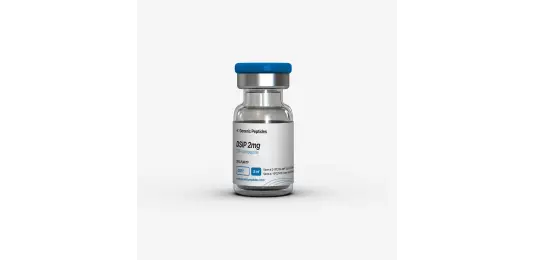
DSIP / Emideltide (Delta Sleep-Inducing Peptide) Guide 2026: Side Effects, Mechanism, Sleep Architecture Effects, FDA Status, and July 24 PCAC Vote for Insomnia, Opioid Withdrawal, and Narcolepsy
By Medical Team of Generic Peptides
DSIP (Delta Sleep-Inducing Peptide) is a 9-amino-acid neuropeptide with the sequence Trp-Ala-Gly-Gly-Asp-Ala-Ser-Gly-Glu (WAGGDASGE), molecular weight 849 Da. It was isolated in 1977 by Guy Schoenenberger and Marcel Monnier at the University of Basel through a now-classic experiment: rabbits were placed in cross-circulation with sleep-induced electrical thalamic stimulation, and substances transferable between sleeping and awake animals were chemically purified. DSIP emerged as the molecule that produced delta-wave EEG activity in recipient animals — slow-wave deep sleep, the most physiologically restorative phase. Nearly 50 years later, the FDA refers to the compound as Emideltide in formal regulatory documents. It's scheduled for Day 2 review at the July 23-24, 2026 Pharmacy Compounding Advisory Committee meeting, evaluating it for opioid withdrawal, chronic insomnia, and narcolepsy indications.
What makes DSIP genuinely interesting in 2026 is the gap between its scientific intrigue and its commercial development. The compound has been studied for nearly 50 years across multiple research groups and produced a substantial preclinical literature (~150 PubMed citations). Yet it has never been developed as a pharmaceutical product. The mechanism remains incompletely characterized — DSIP doesn't bind a single well-defined receptor like classical drugs, but appears to influence multiple sleep-regulatory pathways simultaneously. Human clinical research has been limited but produced specific findings: Schneider-Helmert and colleagues' 1992 double-blind study of 14 chronic insomniacs improved delta-wave sleep without REM suppression. A 16-patient study with IV DSIP (25 nmol/kg) showed higher sleep efficiency and shorter sleep latency. But the consensus from that research was that "short-term treatment of chronic insomnia with DSIP is not likely to be of major therapeutic benefit" — a measured assessment that captures both the real but modest sleep effects and the limits of what was demonstrated.
The compound has lived through a strange arc: initial scientific excitement in the late 1970s and 1980s, declining research interest in the 1990s after Phase II results disappointed at the threshold for major therapeutic benefit, persistent off-label use through compounding pharmacies and research-chemical channels, FDA Category 2 placement in September 2023, removal from Category 2 in early 2026, and now scheduled PCAC review in July 2026 with Emideltide-specific indications under formal regulatory consideration.
DSIP also captured a memorable scientific dispute. Professor Alexander Borbély at the University of Zürich — a leading sleep researcher — eventually concluded that "DSIP turned out to be a flop as a sleep substance and any interest was lost." Schoenenberger himself disagreed, attributing the decline to lack of research funding rather than to negative results. This disagreement reflects something real about peptide research: scientific opinion can diverge legitimately, economic factors shape which compounds get developed, and the difference between "doesn't work" and "wasn't sufficiently tested" often matters more than either side acknowledges.
This article walks through what DSIP actually is and where it came from, the unusual mechanism that has remained partly mysterious for decades, the human research base, the regulatory trajectory through July 24, 2026 and beyond, and how to think about a compound where the evidence is genuinely mixed and the regulatory verdict is imminent.
What DSIP Is: The 1977 Basel Discovery and Sequence
The discovery story is worth telling because it captures the experimental tradition of mid-twentieth-century neuropeptide research. Schoenenberger and Monnier at the University of Basel were studying humoral factors that might transfer sleep-promoting effects between animals. The hypothesis went back decades — that sleep is associated with circulating substances that could be isolated and characterized.
The experimental design used cross-circulation with cerebrovenous blood. Rabbits received electrical thalamic stimulation that induced sleep-like states with delta-wave EEG activity. Cerebrovenous blood from these "sleeping" rabbits was extracorporeally dialysed, and substances transferable between donor and recipient animals were chemically purified. After multiple rounds of fractionation and biological testing, a 9-amino-acid peptide emerged as the active compound.
The full sequence is Trp-Ala-Gly-Gly-Asp-Ala-Ser-Gly-Glu — written in single-letter notation as WAGGDASGE. Molecular weight 849 Da. Schoenenberger named it Delta Sleep-Inducing Peptide based on its EEG effects in recipient rabbits. The original isolation, sequence determination, and synthetic confirmation were published in 1977-1978 across several papers in Pflügers Archiv, Experientia, and related European journals.
Subsequent work by Schoenenberger's group and others confirmed DSIP-like material exists naturally in mammalian brain (hypothalamus, limbic system, pituitary) and peripheral tissues. The peptide co-localizes with various hormones and neurotransmitters, suggesting it's part of an endogenous regulatory system rather than an isolated factor. Graf, Hunter, and Kastin's 1984 paper in Journal of Clinical Endocrinology and Metabolism identified DSIP-like material in human breast milk — an unusual location but consistent with the broader neuroendocrine distribution.
The species-specific effects were noted early. In rabbits, rats, mice, and humans, DSIP primarily induces delta-wave (slow-wave) sleep activity. In cats, the effect is more pronounced on REM sleep. This species variation has remained a puzzle and reflects that DSIP's mechanism isn't a simple receptor activation but involves species-dependent neural circuits.
The U-shaped dose-response curve was another distinctive finding. DSIP's effects on sleep are dose-dependent but not in a linear way. Both doses too low and doses too high reduce the sleep-promoting effect, with an intermediate dose range producing maximum activity. This is unusual for peptide pharmacology and suggests complex regulatory mechanisms rather than simple receptor saturation.
The compound's name in regulatory documents is Emideltide (free base and acetate forms). This is the formal pharmaceutical designation FDA uses in the April 2026 Federal Register notice and the docket FDA-2025-N-6895 establishing the July 24, 2026 PCAC review. "Emideltide" is the modern regulatory term; "DSIP" is the historical scientific name; both refer to the same molecule. Most clinical literature and compounding pharmacy practice uses "DSIP." Most FDA documentation uses "Emideltide."
DSIP Mechanism of Action: The Receptor Question That Doesn't Resolve
This is where DSIP differs from most peptides in this article series. Unlike compounds with well-defined receptor targets (BPC-157 acting through cytoprotection pathways, AOD-9604 through β3-adrenergic receptor, MOTS-c through AMPK activation), DSIP doesn't have a single receptor or signaling pathway that fully explains its effects. Decades of research have characterized multiple mechanistic contributions without converging on a unified explanation.
GABA-A receptor effects.
Some research suggests DSIP modulates GABA-A receptors — the same inhibitory pathway targeted by benzodiazepines, alcohol, and conventional sleep medications. This effect is modest and probably not direct ligand binding, but DSIP appears to enhance GABA-mediated neurotransmission in some experimental contexts. If this mechanism is real, it provides a plausible explanation for the sleep effects.
HPA axis modulation.
DSIP affects cortisol and ACTH regulation in multiple animal models and human studies. The effects appear to normalize HPA axis function rather than uniformly suppressing or stimulating cortisol — DSIP can lower elevated cortisol in stressed conditions and stabilize cortisol patterns. This stress-regulatory mechanism may contribute to both sleep effects (through reduced nighttime cortisol) and broader effects on stress resilience.
Growth hormone and sleep architecture.
Some research has documented DSIP effects on GH release during sleep. GH secretion is normally pulsatile and tied to slow-wave sleep cycles. DSIP may enhance the GH-sleep architecture coupling that becomes disrupted with aging, stress, and various medical conditions.
Neurotransmitter modulation.
Studies have documented effects on serotonin, dopamine, and other monoamine systems. The effects vary by brain region and experimental conditions. DSIP appears to be a general neuromodulator rather than a selective neurotransmitter agonist.
Mitochondrial protection.
A 2014 paper documented that DSIP protects brain mitochondria from hypoxia-induced damage. This neuroprotective effect operates independently of the sleep-related mechanisms and suggests DSIP has cellular protection roles beyond CNS sleep regulation.
Pain modulation and opioid system interaction.
Research has documented analgesic effects in animal models and possibly antagonism of opioid withdrawal effects. The opioid withdrawal indication being considered for the July 2026 PCAC review reflects this research direction. DSIP's interaction with the opioid system isn't fully characterized but appears to involve indirect neuromodulation rather than direct opioid receptor binding.
Autonomic nervous system effects.
DSIP affects sympathetic-parasympathetic balance, with general tendency toward parasympathetic dominance — consistent with sleep-promoting and stress-reducing effects.
The lack of a single mechanistic target has made DSIP harder to develop as a pharmaceutical because pharmaceutical development typically requires clear target identification for regulatory approval and clinical positioning. But the same versatility is part of why DSIP attracted research interest across multiple therapeutic areas (sleep, stress, pain, opioid withdrawal, neuroprotection) over decades.
What we can say with reasonable confidence: DSIP affects sleep architecture in humans (the 1992 Schneider-Helmert trial demonstrated this), modulates cortisol patterns, has measurable effects on autonomic function, crosses the blood-brain barrier to some extent, and produces these effects through multiple converging mechanisms rather than a single receptor pathway. What we can't say with confidence: which mechanism is primary, what dose ranges optimize different effects, whether the same mechanisms operate similarly across humans of different ages and conditions, or whether DSIP's effects translate to clinically meaningful outcomes for specific patient populations.
DSIP Human Research: The Limited but Specific Clinical Evidence
Human research on DSIP has been more substantial than for many peptides in this article series, but the conclusions have been mixed.
Schneider-Helmert et al. 1992 — The 14-patient chronic insomnia trial (PMID 1299794).
This is the most-cited human DSIP study. Double-blind, 14 chronic insomniacs, IV DSIP administration. Results showed improved delta-wave sleep without REM sleep suppression — the desirable pattern of enhancing deep sleep architecture without disrupting REM. The compound was generally well tolerated. The cited conclusion from this and related work was that "short-term treatment of chronic insomnia with DSIP is not likely to be of major therapeutic benefit" — a measured assessment that captured real but modest effects below the threshold for major clinical benefit.
The 16-patient IV study.
A double-blind study with 16 chronic insomnia patients receiving IV DSIP (25 nmol/kg) or placebo before sleep for three consecutive nights. Results: higher sleep efficiency, shorter sleep latency, and improved subjective tiredness measures with DSIP compared to placebo. This study provided clearer positive efficacy signals than the broader DSIP literature, though sample size and duration limit the conclusions.
Stress and cortisol research.
Multiple smaller studies in healthy volunteers and stressed populations have documented DSIP effects on cortisol normalization, particularly in conditions of HPA axis dysregulation. The patterns are consistent with DSIP's role as a stress-regulatory peptide rather than purely a sleep agent.
Opioid withdrawal pilot research.
Some clinical work in the 1980s explored DSIP for opioid withdrawal symptoms, with mixed results. The mechanism — possibly involving stress response normalization and analgesic effects — provided rationale, but the studies were small and didn't establish definitive efficacy. This indication is one of three under formal regulatory consideration in the July 24, 2026 PCAC review.
Narcolepsy research.
Limited clinical exploration of DSIP in narcolepsy populations. Whether DSIP can address the underlying neural dysregulation in narcolepsy (orexin/hypocretin system dysfunction) is an open question, and the PCAC review will likely examine this.
Pain modulation in humans.
Some clinical work has documented analgesic effects, particularly in chronic pain conditions where stress and sleep disruption contribute to pain experience.
Pollard and Pomfrett 2001 editorial in European Journal of Anaesthesiology.
A widely cited editorial described DSIP as "incredibly safe" based on the absence of fatal doses in animal research and minimal reported side effects (transient headache, nausea, vertigo) in human studies. This safety characterization comes from clinical research and decades of off-label use rather than systematic large-scale trials.
The Borbély-Schoenenberger scientific dispute is worth understanding because it captures the field's interpretive divergence. Borbély (University of Zürich, leading sleep researcher) considered the clinical results from chronic insomnia trials "negative or ambiguous" and concluded DSIP "turned out to be a flop." Schoenenberger (the original discoverer) disagreed and attributed the decline of DSIP research to lack of research funding rather than negative results. Both positions have legitimate basis. The clinical research did show real but modest effects below pharmaceutical-development thresholds. The decline of DSIP research did coincide with funding shifts toward other sleep medications (benzodiazepines, then non-benzodiazepine hypnotics like zolpidem) that captured commercial interest.
What the human research base supports: DSIP produces measurable effects on sleep architecture in chronic insomniacs. The compound is generally well tolerated. The effect size is modest — real but not at the threshold of major therapeutic benefit established for FDA-approved sleep medications. Effects on stress, cortisol, and pain modulation are documented but less robustly characterized.
What the human research base doesn't support: claims of dramatic sleep improvement comparable to conventional sleep medications. Claims of efficacy in specific severe sleep disorders (narcolepsy, severe insomnia refractory to standard treatment) where dedicated trials haven't been conducted. Claims of opioid withdrawal benefits at the level required for regulatory approval.
DSIP and the FDA Regulatory Trajectory: 2023-2026
The regulatory story for DSIP has followed the broader peptide regulatory cycle but with specific features that distinguish it from peptides like CJC-1295 with documented adverse events.
September 29, 2023.
FDA placed DSIP on Category 2 of the 503A bulks list as part of the action affecting 19 peptides. Stated rationale included immunogenicity risks (theoretical concern from peptide-related immune responses), absence of safety-related information at modern pharmaceutical standards, and limited human clinical data. Note the FDA's documented framing — the agency cited absence of safety information rather than documented adverse events, distinguishing DSIP's regulatory situation from peptides like CJC-1295 with specific safety concerns from clinical trials.
The Category 2 designation effectively prohibited 503A and 503B compounding pharmacies from preparing DSIP for patient use. Off-label demand shifted toward research-chemical gray market vendors with the standard quality control concerns.
Pre-PCAC negotiation period.
Compounding pharmacy industry advocacy and the broader regulatory pushback led to procedural movement, though DSIP wasn't part of the September 2024 removal of five peptides (AOD-9604, CJC-1295, Ipamorelin, Thymosin Alpha-1, Selank) that went to PCAC review at the December 4, 2024 meeting. DSIP remained in Category 2 through that period.
February 27, 2026 — Kennedy Rogan announcement.
HHS Secretary Robert F. Kennedy Jr. announced on The Joe Rogan Experience #2461 an intent to reclassify approximately 14 of the 19 originally restricted peptides back to Category 1, including DSIP (Emideltide) explicitly. Kennedy specifically acknowledged the gray market consequences of Category 2 restrictions and framed reclassification as restoring regulated pharmacy access.
April 15, 2026.
HHS Secretary Kennedy directed FDA to remove DSIP and 11 other peptides from Category 2 designation. This procedural move cleared the path for PCAC review without PCAC having determined the underlying safety/efficacy question.
April 16, 2026 — Federal Register notice.
FDA published notice of the July 23-24, 2026 PCAC meeting at FDA's White Oak Campus in Silver Spring, Maryland. The Federal Register notice specifically scheduled DSIP (referred to as Emideltide, in both free base and acetate forms) for Day 2 (July 24, 2026) review alongside Semax and Epitalon. The PCAC will evaluate DSIP for three specific indications: opioid withdrawal, chronic insomnia, and narcolepsy.
Public docket and comment period.
Docket FDA-2025-N-6895 was established for public comments. The window for written comments to be formally provided to PCAC members closes July 9, 2026. Comments submitted between July 9 and July 22 will be considered by FDA but won't be directly delivered to the Committee. The deadline to register for oral testimony at the meeting is June 30, 2026.
The procedural reality going forward.
PCAC recommendations are advisory. Even a favorable PCAC vote requires formal FDA notice-and-comment rulemaking to add DSIP to the 503A Bulk Drug Substances List. Standard rulemaking timelines run more than a year after PCAC review. So even under the most favorable scenario, DSIP's return to legal compounding pharmacy preparation likely won't be formally effective until late 2027 or 2028.
What PCAC will weigh on July 24, 2026: the preclinical evidence base accumulated over nearly 50 years of research; the limited but specific human clinical data including the 1992 Schneider-Helmert trial; the safety profile from decades of research and off-label use without major adverse event signals; the three specific indications under formal consideration (opioid withdrawal, chronic insomnia, narcolepsy) and whether evidence supports compounding pharmacy availability for those uses; the gray market consequences of continued restriction; and the manufacturing quality and immunogenicity considerations that motivated the original Category 2 placement.
The substantive arguments in favor of inclusion: long history of research without major safety signals; specific indications with unmet clinical need (treatment-resistant insomnia, opioid withdrawal in patients with limited options, narcolepsy refractory to standard treatment); the gray market that Category 2 restrictions have created. The arguments against: the modest effect sizes documented in clinical research; the multifactorial mechanism that doesn't fit standard pharmaceutical paradigms; the absence of large-scale modern trials; the lack of pharmaceutical sponsor commitment to formal development.
DSIP Safety Profile: What the Decades of Research Show
The safety story for DSIP is somewhat unusual because the human research base is substantial in years but limited in scale.
Common reported effects across human research:
Transient headache, mild nausea, occasional vertigo, mild drowsiness (consistent with sleep-promoting effects), injection site reactions for subcutaneous administration. The 2001 Pollard and Pomfrett editorial in European Journal of Anaesthesiology characterized DSIP as "incredibly safe" based on the absence of lethal doses in animal research and minimal serious adverse events in human studies.
No documented serious adverse events.
Unlike CJC-1295's Phase IIb cardiac death, DSIP doesn't have specific documented serious adverse events in its clinical research history. The compound has been administered to humans across multiple research programs over nearly 50 years without producing safety signals that drew significant regulatory attention.
Theoretical immunogenicity concern.
The FDA's Category 2 rationale cited immunogenicity as a theoretical concern. Peptides administered exogenously can occasionally produce immune responses including anti-peptide antibodies that may be neutralizing or trigger anaphylaxis-like reactions. This concern is theoretical for DSIP rather than documented — clinical experience hasn't produced widespread reports of immunogenicity-related events.
Hormone and endocrine effects.
DSIP's effects on cortisol, ACTH, and possibly GH mean that patients with adrenal or thyroid disorders should be monitored during use. The effects appear to normalize HPA axis function rather than produce severe dysregulation, but specific patient populations with endocrine disease warrant clinical attention.
Cancer considerations.
DSIP doesn't have specific cancer-promotion concerns documented in research. The compound doesn't activate growth hormone signaling at the level that drives IGF-1-mediated proliferation concerns. The mechanism through GABA modulation, HPA axis regulation, and neuroprotection doesn't have established cancer-relevant pathways. Conservative avoidance in active cancer or significant cancer risk factors is reasonable given general principles, but DSIP doesn't carry the specific cancer concerns applicable to GH secretagogues or peptides with strong angiogenic effects.
Long-term safety in humans is incompletely characterized. Clinical research hasn't included extended (multi-year) administration studies. Off-label use over decades hasn't produced visible patterns of long-term harm, but absence of systematic monitoring leaves long-term safety questions partially open.
Drug interaction considerations:
- Sedating medications (benzodiazepines, opioids, alcohol, other sleep medications): potential additive sedative effects; combination requires physician oversight
- Cortisol-affecting medications (corticosteroids, hormone replacement): theoretical interaction through DSIP's HPA axis modulation; monitoring appropriate
- Antidepressants and serotonin-active medications: theoretical interaction through DSIP's neurotransmitter effects; not well characterized
- Other peptides and growth factor compounds: typically combined in protocols without specific interaction concerns
- Standard medications: no specific reported interactions; pharmacokinetic data limited
Contraindications: active cancer (general caution), pregnancy and breastfeeding (no safety data), pediatric populations (no developmental data), severe liver or kidney dysfunction, known hypersensitivity to peptide preparations, concurrent use of high-dose sedating medications without physician oversight, active adrenal insufficiency or significant HPA axis disorders requiring monitoring, severe psychiatric conditions where sleep architecture changes might affect underlying disease.
WADA Status and Sports Considerations
DSIP's sports anti-doping status is less clearly established than for compounds with explicit prohibited list inclusion. The compound doesn't appear in the explicit named substances of the WADA Prohibited List under the standard 2025 categorization. However, several considerations apply:
The S0 (Non-Approved Substances) category covers substances not currently approved by any governmental regulatory health authority for human therapeutic use. DSIP is not FDA-approved or approved by any major regulatory authority, so it falls within this category by the broad S0 framework even if not explicitly named.
Sports authorities including USADA have advisory positions noting that DSIP and other research peptides without regulatory approval should be avoided by athletes due to S0 category coverage and the absence of TUE (Therapeutic Use Exemption) pathways for unapproved compounds.
The general principle for athletes: any compound without specific FDA or equivalent regulatory approval, prepared through compounding pharmacy or research-chemical channels, falls within WADA's prohibited substance framework even if not explicitly named on the Prohibited List. DSIP should be treated as prohibited for athletes subject to WADA testing.
Who Uses DSIP and How It Compares to Alternatives
The user base for DSIP in 2026 is specific and reflects its specific therapeutic positioning rather than broad popularity.
Patients with treatment-resistant insomnia — the primary off-label indication. People who haven't responded adequately to sleep hygiene interventions, CBT-I (cognitive behavioral therapy for insomnia), and standard sleep medications. For this population, DSIP represents a speculative alternative with a plausible mechanism, even if effect sizes are modest.
Patients with chronic stress and HPA axis dysregulation. DSIP's effects on cortisol normalization make it appealing for chronically stressed patients with sleep disruption, fatigue, and stress-related symptoms. This use overlaps with sleep applications but extends to stress-management protocols.
Patients in opioid withdrawal contexts. Some addiction medicine clinics use DSIP off-label for opioid withdrawal symptom management. Limited clinical evidence supports this use, but the mechanism (analgesic effects, stress response normalization, reduced sympathetic activation) is plausible. The July 2026 PCAC review evaluating DSIP for this indication may produce more clarity.
Patients with chronic pain and sleep disruption. Where pain and sleep disturbance are intertwined, DSIP's combined analgesic and sleep effects offer theoretical advantages.
Biohackers and longevity-focused users incorporating DSIP into broader wellness protocols. Less common than for some other peptides because the subjective effects are subtle and the mechanism less commercially marketable than direct GH-axis stimulants.
Patients with anxiety and stress-related sleep disturbance. DSIP's HPA axis modulation may produce benefits beyond pure sleep induction in patients where stress is the primary driver of sleep problems.
The relevant comparisons in 2026:
Conventional sleep medications. Z-drugs (zolpidem, eszopiclone), benzodiazepines, melatonin, antihistamines, and tricyclics dominate sleep medicine. They have FDA approval, extensive evidence, established prescribing protocols, and well-characterized risk profiles (dependence with benzodiazepines, complex behaviors with z-drugs, cognitive effects with antihistamines). For patients with standard insomnia, conventional medications are first-line. DSIP enters consideration only after conventional approaches have failed.
CBT-I (cognitive behavioral therapy for insomnia). Evidence-based first-line treatment for chronic insomnia per most clinical guidelines. Non-pharmacological, no medication side effects, durable benefits. Should be tried before peptide approaches for most patients.
Orexin receptor antagonists (suvorexant, lemborexant). Newer FDA-approved sleep medications targeting wake-promoting orexin system. May offer specific advantages for patients with insomnia related to hyperarousal. Similar therapeutic positioning to DSIP for treatment-resistant patients.
Melatonin and melatonin receptor agonists (ramelteon). First-line for circadian rhythm-related sleep disorders. Different mechanism than DSIP.
Buprenorphine and methadone for opioid use disorder. FDA-approved opioid agonist therapies that address withdrawal more effectively than DSIP-based approaches. For most opioid use disorder patients, agonist therapy is the standard of care.
Lofexidine (Lucemyra). FDA-approved alpha-2 agonist for opioid withdrawal symptom management. Approved alternative to DSIP for this specific indication.
Other peptides with sleep effects (semax, selank, GHK-Cu). Some other peptides have indirect effects on sleep through stress reduction or HPA axis modulation. Different mechanisms with overlapping clinical positioning.
The honest framing: DSIP isn't first-line for any indication where established pharmaceuticals have FDA approval. The compound's positioning is specifically for treatment-resistant cases where standard approaches have failed and patients are willing to pursue compounds with limited human evidence and accept the regulatory uncertainty.
What Comes Next: July 24, 2026 PCAC Review and Beyond
The July 24, 2026 PCAC meeting will be the most consequential moment in DSIP's history since the early 1980s research peak.
The committee will evaluate DSIP (Emideltide) for inclusion on the 503A Bulks List for three specific indications: opioid withdrawal, chronic insomnia, and narcolepsy. Each indication will be assessed for evidence supporting compounding pharmacy preparation. PCAC's assessment will weigh the available human clinical data against the limitations of small sample sizes and aging research, the safety profile from nearly 50 years of research and off-label use, the specific therapeutic positioning relative to FDA-approved alternatives, and the manufacturing quality and immunogenicity considerations.
Possible outcomes:
Favorable PCAC recommendation for one or more indications + FDA rulemaking.
DSIP returns to legal 503A compounding pharmacy availability for specific approved uses. Patients can access through prescription. The most likely scenario for at least the chronic insomnia indication where evidence is most established. Effective availability likely by late 2027 or 2028 after rulemaking completes.
Mixed PCAC outcome.
Committee recommends inclusion for one indication (perhaps chronic insomnia) but not others (opioid withdrawal or narcolepsy where evidence is thinner). Limited compounding pharmacy availability for specific patient populations.
Unfavorable PCAC recommendation.
Committee determines that current evidence doesn't support 503A inclusion for any indication. DSIP remains in regulatory limbo despite removal from Category 2. Off-label use continues through gray market channels.
Procedural complications.
PCAC could recommend conditional inclusion requiring additional data, FDA could delay rulemaking after PCAC vote, or political factors could affect implementation timing.
What's not happening: DSIP is very unlikely to become FDA-approved as a drug product in the foreseeable future. Phase III trials would be required for that pathway, and no pharmaceutical sponsor has shown signs of pursuing such development. The patent situation (DSIP is a natural compound without strong IP protection) and clinical trial costs make commercial development unattractive. The practical regulatory question is only about compounding pharmacy access.
The scientific situation may slowly evolve. Continued academic research on DSIP's mechanism may resolve the long-standing receptor question. New small-scale clinical trials in specific indications (particularly opioid withdrawal where there's renewed interest) may produce updated evidence. Whether any of this changes the broader regulatory trajectory depends on how PCAC weighs decades-old research against modern pharmaceutical evidence standards.
I'll be honest about my assessment. DSIP is one of the more interesting compounds in this article series because the science genuinely has merit while the commercial development never materialized. The 1977 Basel discovery was real science by serious researchers using legitimate experimental methods. The subsequent decades of research produced consistent (if modest) effects on sleep architecture, stress regulation, and pain modulation. The Schneider-Helmert 1992 trial showed real effects in chronic insomniacs. The compound has remained viable as an off-label option through compounding pharmacy practice for decades without producing the kind of safety signals that would justify the September 2023 Category 2 placement on its merits.
What killed DSIP commercially wasn't negative results — it was the disappointing realization that effect sizes weren't large enough to justify Phase III pharmaceutical development at the threshold required for major sleep medication approval. The Borbély-Schoenenberger dispute captures this: Borbély saw the modest effects and concluded "flop"; Schoenenberger saw the modest effects and concluded "underdeveloped." Both were partly right. The research showed real effects. The research didn't show effects large enough to justify the development costs.
Now, in 2026, DSIP has a regulatory pathway through compounding pharmacy practice that doesn't require Phase III trials — it requires PCAC review and FDA rulemaking. If the July 24, 2026 PCAC produces a favorable vote, DSIP returns to legitimate clinical use for treatment-resistant insomnia, opioid withdrawal, or narcolepsy. If unfavorable, the compound remains in the regulatory shadow with continued gray market dynamics.
For patients navigating DSIP decisions in 2026, the framing is: this is a compound with genuine but modest research support, decades of off-label clinical experience without major safety concerns, and an active regulatory process that will produce more clarity within the next 12-24 months. Treatment-resistant insomnia patients exhausting conventional options have a defensible mechanistic rationale for considering DSIP. Patients with chronic stress and HPA axis dysregulation may experience some benefit. Patients with opioid use disorders should pursue FDA-approved opioid agonist therapy first; DSIP is at most a supplemental consideration.
The next major data point will come on July 24, 2026 from the FDA White Oak Campus. Whatever PCAC recommends will define DSIP's clinical future for at least the next several years. The compound that Schoenenberger and Monnier isolated from rabbit brain in 1977 has been waiting nearly 50 years for this moment — and the verdict will likely settle some longstanding questions about what DSIP can actually do clinically.
References
[1] Schoenenberger GA, Monnier M. Characterization of a delta-electroencephalogram (-sleep)-inducing peptide. Proceedings of the National Academy of Sciences USA. 1977;74(3):1282-1286. PMID: 265570. Foundational discovery and characterization paper.
[2] Schoenenberger GA. Characterization, properties, and multivariate functions of delta-sleep-inducing peptide (DSIP). European Neurology. 1984;23(5):321-345. Comprehensive early review of DSIP characterization.
[3] Graf MV, Hunter CA, Kastin AJ. Presence of delta-sleep-inducing peptide-like material in human milk. Journal of Clinical Endocrinology and Metabolism. 1984;59(1):127-132. Endogenous distribution research.
[4] Schneider-Helmert D, Schoenenberger GA. Effects of DSIP in man: multifunctional psychophysiological properties besides induction of natural sleep. Neuropsychobiology. 1983;9(4):197-206. Early human pharmacology research.
[5] Schneider-Helmert D, Gnirss F, Monnier M, Schenker J, Schoenenberger GA. Acute and delayed effects of DSIP (delta sleep-inducing peptide) on human sleep behavior. International Journal of Clinical Pharmacology, Therapy, and Toxicology. 1981;19(8):341-345.
[6] Pollard BJ, Pomfrett CJD. Delta sleep-inducing peptide. European Journal of Anaesthesiology. 2001;18(7):419-422. Editorial characterizing DSIP as "incredibly safe" based on accumulated safety data.
[7] Schneider-Helmert D, Kumar A. Sleep, its subjective perception, and daytime performance in insomniacs with a pattern of alpha sleep. Biological Psychiatry. 1995;37(2):99-105. Related sleep architecture research.
[8] DSIP chronic insomnia trial. 14-patient double-blind study showing improved delta-wave sleep architecture without REM suppression. PMID: 1299794. Published 1992.
[9] DSIP 16-patient IV trial. Chronic insomnia patients receiving 25 nmol/kg IV DSIP or placebo for three nights. Higher sleep efficiency and shorter sleep latency with DSIP.
[10] Borbély AA. Various comments on DSIP research from sleep research community. Reflects scientific interpretation of clinical results within context of sleep medicine field.
[11] DSIP Russian and Eastern European clinical research literature, 1980s-2000s. Multiple small clinical studies on opioid withdrawal, stress, and sleep applications. Variable methodology and reporting standards.
[12] U.S. Food and Drug Administration. Certain Bulk Drug Substances for Use in Compounding that May Present Significant Safety Risks. September 29, 2023. DSIP placed on Category 2 list among 19 peptides. https://www.fda.gov/drugs/human-drug-compounding/certain-bulk-drug-substances-use-compounding-may-present-significant-safety-risks.
[13] U.S. Food and Drug Administration. Federal Register Notice of Pharmacy Compounding Advisory Committee Meeting, published April 16, 2026. PCAC meeting scheduled for July 23-24, 2026 at FDA White Oak Campus, Silver Spring, Maryland. Day 2 (July 24, 2026) covers Emideltide (DSIP), Semax, and Epitalon. Indications under consideration for DSIP: opioid withdrawal, chronic insomnia, and narcolepsy. Docket No. FDA-2025-N-6895.
[14] Kennedy RF Jr. Public statements regarding peptide reclassification from Category 2 to Category 1, The Joe Rogan Experience #2461, February 27, 2026. DSIP (Emideltide) included among approximately 14 peptides under reclassification consideration.
[15] HHS announcement, April 15, 2026. Direction to FDA to remove DSIP and 11 other peptides from Category 2 designation, initiating PCAC review process.
[16] World Anti-Doping Agency. The Prohibited List, current edition. DSIP not explicitly named but covered under S0 (Non-Approved Substances) category for unapproved compounds. Athletes subject to testing should treat as prohibited. https://www.wada-ama.org/en/prohibited-list.
[17] Yehuda S, Carasso RL. Modulation of learning, pain thresholds, and thermoregulation in rats by preparations of free purified alpha-linolenic and linoleic acids: determination of the optimal omega 3-to-omega 6 ratio. Proceedings of the National Academy of Sciences USA. 1993;90(21):10345-10349. Related neuropeptide-pain research context.
[18] Sudakov KV, Umriukhin PE, Rayevsky KS. Delta-sleep-inducing peptide: contemporary aspects of research and prospects for therapeutic application. Biology Bulletin Reviews. 2008. Russian research review.
[19] Iyer KS, McCann SM. Delta sleep inducing peptide (DSIP) stimulates the release of LH but not FSH via a hypothalamic site of action in the rat. Brain Research Bulletin. 1987;19(4):535-538. Hormone modulation research.
[20] Khvatova EM, Samartzev VN, Zagoskin PP, Erlykina EI, Yasnetsov VV. Delta-sleep-inducing peptide protects brain mitochondria from hypoxia-induced damage. Bulletin of Experimental Biology and Medicine. 2014. Neuroprotection research.
[21] U.S. Food and Drug Administration. Public Docket FDA-2025-N-6895. Public comment period for DSIP and other peptides under PCAC review. Comments due July 9, 2026 for direct PCAC consideration; July 22, 2026 for FDA consideration.
[22] DSIP off-label compounding pharmacy practice 2010-2023. Substantial clinical use in functional medicine, addiction medicine, and sleep medicine contexts. Documented in compounding pharmacy practice patterns rather than peer-reviewed primary research.
[23] Lengea Law analysis. FDA Puts BPC-157, TB-500, and 5 Other Peptides Under the Microscope: What Prescribers Need to Know About the 503A Review. April 2026. https://lengealaw.com/fda-puts-bpc-157-tb-500-and-5-other-peptides-under-the-microscope-what-prescribers-need-to-know-about-the-503a-review/.
[24] Various DSIP off-label clinical practice references. Typical dosing protocols (100-500 mcg subcutaneous injection 30-60 minutes before bed) reflect compounding pharmacy and clinical practice rather than pharmaceutical labeling.
[25] DSIP and opioid withdrawal research. Multiple small clinical studies and case series from 1980s-2000s. Variable methodology and conflicting results. The mechanism through stress response normalization and analgesic effects provides theoretical rationale, but evidence base hasn't reached pharmaceutical development thresholds.