Sermorelin: FDA-Approved GHRH Analog With Legitimate Compounding Access
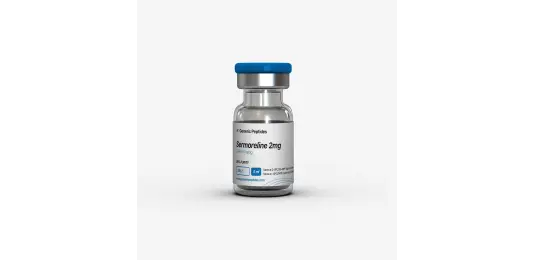
Sermorelin (GHRH 1-29 / Geref): The Historically FDA-Approved GHRH Analog With Legitimate Compounding Pharmacy Pathway and 30-Year Clinical Track Record
By Medical Team of Generic Peptides
Sermorelin acetate is a synthetic 29-amino-acid polypeptide representing the first 29 amino acids of native human growth hormone-releasing hormone (GHRH 1-29) — the shortest fully functional fragment of GHRH that retains complete biological activity. Native human GHRH is a 44-amino-acid peptide produced by the hypothalamus, but the C-terminal 15 amino acids aren't required for receptor binding or biological activity — making sermorelin's truncated structure pharmacologically equivalent to native GHRH for receptor activation purposes. Molecular formula C₁₄₉H₂₄₆N₄₄O₄₂S, molecular weight approximately 3357.8 Da. Sermorelin functions as a true GHRH receptor (GHRHR) agonist on anterior pituitary somatotrophs, activating the Gs protein-coupled adenylate cyclase pathway and producing endogenous growth hormone release that preserves the natural pulsatile pattern of GH secretion under intact hypothalamic-pituitary feedback regulation.
Sermorelin occupies a genuinely unique regulatory position among peptides covered in this article series — it is the only growth hormone-releasing peptide with prior FDA marketing approval that remains accessible through legitimate compounding pharmacy pathways. The compound was originally approved by FDA in 1990 (Geref Diagnostic 0.05 mg base/amp for GH deficiency assessment) and again on September 26, 1997 (Geref injection 0.5 mg and 1.0 mg base/vial under NDA 020443 for treatment of children with idiopathic growth hormone deficiency). The approvals were held by Serono Laboratories, later EMD Serono. On December 2, 2008, EMD Serono notified FDA of voluntary discontinuation of Geref manufacturing and requested withdrawal of NDA 020443 — citing manufacturing difficulties combined with commercial considerations rather than safety or efficacy concerns. The pediatric growth hormone deficiency market had become dominated by recombinant human growth hormone products (Genotropin, Humatrope, Omnitrope, Norditropin), which provided more straightforward clinical pathway than GHRH-mediated stimulation approach. The narrow pediatric market combined with manufacturing complexity made commercial production economically unviable.
The critical regulatory consequence of this discontinuation history is that on March 4, 2013, FDA published a Federal Register notice (FR Doc 2013-04827) formally determining that Geref (sermorelin acetate) injection 0.5 mg base/vial, 1.0 mg base/vial, and 0.05 mg base/amp were not withdrawn from sale for reasons of safety or effectiveness. This FDA determination has substantial regulatory implications. Under Section 503A of the Federal Food, Drug, and Cosmetic Act, compounding pharmacies can legally prepare drugs using bulk drug substances that are components of FDA-approved drugs. Sermorelin retains its status as a "component of an FDA-approved drug" despite the manufacturing discontinuation, because the underlying NDA was withdrawn voluntarily for commercial reasons rather than withdrawn for safety reasons. The Frier Levitt 2025 regulatory analysis on peptide compounding confirms: "Examples of peptides that meet [compounding] criteria are NAD+ and sermorelin." The peptidelibrary.io 2026 comprehensive regulatory analysis classifies sermorelin among five compounds with active FDA regulatory standing: "semaglutide, tirzepatide, PT-141 (Vyleesi), tesamorelin (Egrifta), and sermorelin (Geref, formerly approved and still Category 1 eligible for 503A compounding)."
Importantly, sermorelin was not placed on FDA Category 2 in the September 2023 action that affected nineteen other peptides. Where compounds like CJC-1295, Ipamorelin, GHRP-2, GHRP-6, BPC-157, and others faced Category 2 prohibition because they had never received FDA approval, sermorelin's prior approval history and FDA's 2013 determination protected its compounding pathway. The compound remains accessible through compounding pharmacy channels with stronger legal foundation than essentially any other GH peptide. This regulatory stability distinguishes sermorelin from the regulatory limbo affecting most other peptide-based GH optimization compounds in 2026.
I'll be direct about my assessment of sermorelin from the start. The compound has substantial pharmaceutical legitimacy that distinguishes it from most peptides covered in this article series — prior FDA approval establishing safety profile through pharmaceutical-standard clinical development, current accessibility through legitimate compounding pharmacy pathway with stronger legal foundation than alternatives, well-characterized GHRH receptor agonism mechanism with predictable physiological effects, generally favorable safety profile from accumulated decades of clinical use, preservation of natural pulsatile GH release pattern that mimics physiological signaling. The honest limitations involve the absence of active commercial pharmaceutical product since 2008 making compounding pharmacy quality control important, the dated nature of the most rigorous clinical evidence (pivotal Phase 3 trials are from 1996-1999 era), the short plasma half-life (approximately 10-20 minutes) requiring daily subcutaneous injection rather than the once-weekly dosing that newer GHRH analogs provide, the theoretical concerns about chronic GH excess effects in adults using the compound for off-label longevity applications, the WADA prohibition under S2 affecting competitive athletes, and the cost considerations through compounding pharmacy channels (typically $200-350/month).
This article walks through what sermorelin actually is and how its GHRH 1-29 structure produces its specific pharmacological profile, the GHRH receptor mechanism that produces endogenous pulsatile GH release distinct from continuous receptor activation, the substantial historical clinical evidence including the foundational 1996 Thorner et al. pediatric trials, the unique regulatory positioning through prior FDA approval and current compounding pathway, the safety profile from accumulated clinical experience, and how to think about sermorelin decisions given the operational realities including the legitimate compounding access and the considerations that distinguish sermorelin from newer GHRH analogs.
What Sermorelin Is
Sermorelin's pharmaceutical development began in the 1970s-1980s through systematic investigation of growth hormone-releasing factor (initially isolated from pancreatic tumors associated with acromegaly before being recognized as identical to hypothalamic GHRH). The full 44-amino-acid peptide was characterized by Roger Guillemin's laboratory at the Salk Institute in 1982, leading to subsequent investigation of the minimum sequence required for biological activity. The truncation studies established that GHRH(1-29) retains essentially complete biological activity equivalent to the full 44-amino-acid peptide for receptor activation and GH release stimulation. The 30-44 C-terminal residues contribute to receptor binding affinity but aren't strictly required for biological activity.
The 1990 FDA approval of Geref Diagnostic (0.05 mg base/amp) for evaluating pituitary somatotroph function in suspected GHD diagnosis represented the first clinical application of sermorelin. The diagnostic protocol involved single-dose intravenous administration with serial GH measurement to assess pituitary response capacity. This diagnostic application validated sermorelin's pharmacology and established its safety profile through controlled clinical use.
The September 26, 1997 FDA approval of Geref injection (0.5 mg and 1.0 mg base/vial) under NDA 020443 expanded the indication to therapeutic treatment of children with idiopathic growth hormone deficiency causing growth failure. The therapeutic protocol involved daily subcutaneous administration to stimulate endogenous GH production, with the goal of achieving normal growth velocity in patients whose pituitary somatotrophs were intrinsically capable of GH production but receiving inadequate hypothalamic GHRH stimulation.
The compound's structure as the first 29 amino acids of human GHRH was specifically chosen to balance pharmacological activity with manufacturing feasibility. Synthesizing the full 44-amino-acid GHRH would have been substantially more complex and costly without providing meaningful therapeutic advantage. The 1-29 truncation produces a compound that's identical to native GHRH at the receptor binding interface (positions 1-29 contain all the structural elements required for GHRHR engagement) while allowing more efficient solid-phase peptide synthesis.
Sermorelin is supplied as lyophilized powder for reconstitution before administration. The standard pharmaceutical formulation (when Geref was commercially available) was lyophilized sermorelin acetate in vials providing 0.5 mg or 1.0 mg base equivalent, reconstituted with sterile diluent for subcutaneous administration. Current compounding pharmacy formulations vary but typically provide similar lyophilized powder presentation with standard reconstitution protocols. Research-grade material is supplied as the diacetate salt or trifluoroacetate salt forms typically in 2-15 mg vials.
The naming convention is reasonably consistent. Sermorelin acetate (INN), Geref (original brand name), Geref Diagnostic (diagnostic-formulation brand), GHRH(1-29), GRF(1-29), and various commercial designations refer to the same compound. The "sermorelin" name was assigned by the United States Adopted Names Council during the initial FDA approval process. Some literature uses "GRF" (growth hormone releasing factor) interchangeably with "GHRH" reflecting historical naming evolution before the standardized GHRH nomenclature became universal.
The structural distinction from other GHRH analogs is clinically important. Tesamorelin (Egrifta, Theratechnologies) is a full GHRH(1-44) analog with a modified N-terminal trans-3-hexenoic acid group providing extended metabolic stability — FDA-approved in 2010 for HIV-associated lipodystrophy. CJC-1295 without DAC (also called "Modified GRF 1-29") shares sermorelin's first 29-amino-acid backbone but incorporates four specific amino acid substitutions (D-Ala²-Gln⁸-Ala¹⁵-Leu²⁷ or similar variants depending on specific compound) that confer enhanced metabolic stability, extending half-life from sermorelin's 10-20 minutes to approximately 30+ minutes. CJC-1295 with DAC adds a lysine residue plus albumin-binding maleimide moiety, producing the dramatically extended half-life (1-2 weeks) that allows weekly dosing. Sermorelin represents the unmodified parent structure that established the GHRH-analog pharmaceutical category.
Sermorelin Mechanism of Action
The mechanism is well-characterized through decades of GHRH receptor pharmacology research and aligns with the natural physiological GH regulatory system.
Sermorelin binds the GHRH receptor (GHRHR), a class B G-protein coupled receptor predominantly expressed on anterior pituitary somatotrophs (the GH-producing cells). The GHRHR is also expressed at lower levels in other tissues including hypothalamus, peripheral lymphocytes, and various other cell types, but the somatotroph expression is the primary site responsible for sermorelin's clinical effects.
GHRHR activation initiates Gs protein signaling that produces multiple downstream effects coordinated to support GH synthesis and release. Adenylate cyclase activation generates cyclic AMP (cAMP), which activates protein kinase A (PKA). PKA phosphorylates multiple substrates including transcription factors that promote GH gene expression and various proteins involved in vesicle trafficking that support GH secretory granule release. The combined effects produce both immediate GH release from pre-formed secretory granules and sustained GH synthesis to replenish the secretory capacity. Calcium signaling and other secondary pathways contribute to the integrated somatotroph response.
The clinical importance of sermorelin's mechanism through the GHRHR pathway, rather than through ghrelin receptor activation (which CJC-1295 with DAC, Ipamorelin, GHRP-2, GHRP-6, MK-677/Ibutamoren, and Hexarelin use), produces several mechanistically distinct effects. The GHRH receptor preserves natural feedback regulation through somatostatin (the hypothalamic GH-inhibiting hormone) — when GH and IGF-1 levels rise, somatostatin release inhibits further GHRH-mediated GH release. This negative feedback system prevents inappropriate GH excess and maintains physiological pulsatile pattern even with sermorelin stimulation. Ghrelin receptor agonists work through a parallel pathway that's somewhat less subject to the same feedback regulation, allowing potentially higher peak GH levels but also raising concerns about loss of physiological pulsatility with chronic use.
The pulsatile GH release pattern produced by sermorelin is mechanistically and clinically important. Native GH secretion follows pulsatile pattern with major nocturnal pulses during slow-wave sleep, smaller daytime pulses driven by exercise and feeding, and trough periods between pulses where GH levels are essentially undetectable. This pulsatility appears to be physiologically important — continuous GH exposure (as occurs with exogenous recombinant GH replacement) doesn't fully replicate the metabolic and tissue effects of pulsatile GH signaling. Sermorelin preserves the pulsatile pattern because its mechanism through GHRHR with intact feedback regulation produces GH responses that are temporally limited, allowing the natural between-pulse intervals to occur.
The pharmacokinetic profile reflects sermorelin's brief plasma residence time. After subcutaneous administration, peak plasma concentrations are reached at approximately 5-15 minutes post-injection. Half-life is approximately 10-20 minutes due to rapid enzymatic degradation (primarily by dipeptidyl peptidase-4, DPP-4, which cleaves between residues 2 and 3 producing inactive metabolites). The short half-life means GH stimulation occurs in a temporally limited window after each dose, supporting the natural pulsatile pattern. Daily subcutaneous administration (typically at bedtime to align with natural GH pulse timing) produces single GH pulse per day rather than continuous stimulation.
The peripheral GH effects that follow sermorelin-stimulated GH release operate through standard GH receptor signaling pathways. Hepatic GH receptor activation produces IGF-1 secretion that mediates many of GH's downstream tissue effects. Direct GH receptor effects on muscle, bone, adipose tissue, and other GH-responsive tissues contribute to the full clinical effect profile. The integration of GH and IGF-1 effects produces the complete sermorelin clinical response — protein synthesis support, lipolysis enhancement, glucose metabolism modulation, and tissue-specific anabolic effects.
The mechanism's physiological compatibility distinguishes sermorelin from continuous GH replacement therapy. Because sermorelin works through endogenous mechanisms with preserved feedback regulation, the compound essentially can't produce the supraphysiological GH levels that exogenous recombinant GH can produce when overdosed. The pituitary's intrinsic GH production capacity sets a ceiling on the response — patients with severely depleted somatotroph function may not respond adequately to sermorelin even with therapeutic dosing, while patients with intact pituitary function will produce physiologically appropriate GH responses. This self-limiting characteristic provides safety advantage compared to exogenous GH where overdose risk exists.
Sermorelin Clinical Evidence Base
The clinical evidence base for sermorelin spans more than three decades of research and clinical use, with the foundational pediatric GHD evidence supporting the original FDA approval and accumulated adult use evidence supporting current off-label applications.
The pediatric growth hormone deficiency evidence includes the Thorner et al. 1996 Geref International Study Group paper in Journal of Clinical Endocrinology and Metabolism (PMID 8772600). This pivotal study demonstrated that once-daily subcutaneous sermorelin acetate accelerated growth in growth hormone-deficient children during the first year of therapy. Approximately 74% of patients showed significant growth response within 6 months of treatment initiation. The study established the clinical efficacy of sermorelin in the FDA-approved pediatric indication and provided the basis for the September 1997 NDA approval. Multiple subsequent studies extended the evidence base with consistent findings of growth velocity improvement in pediatric GHD patients.
The Prakash and Goa 1999 review in BioDrugs provided comprehensive synthesis of sermorelin's use in pediatric GHD diagnosis and treatment, characterizing the diagnostic specificity (fewer false positives than alternative testing approaches) and therapeutic efficacy. The diagnostic protocol involved standardized sermorelin administration with serial GH measurement, allowing assessment of pituitary somatotroph capacity that distinguished true GHD from other causes of growth failure.
Adult applications research includes the Corpas et al. 1992 paper in JCEM documenting that GHRH(1-29) twice daily reverses the decreased GH and IGF-1 levels in old men. The Vittone et al. 1997 paper documented effects of single nightly sermorelin injections in healthy elderly men showing increases in IGF-1 and improved sleep architecture. The Walker 2006 paper in Clinical Interventions in Aging presented comprehensive analysis of sermorelin as alternative to recombinant GH for adult-onset growth hormone insufficiency.
These adult studies established the pharmacological foundation for off-label sermorelin use in adult GH optimization contexts. The studies generally documented modest but measurable effects on IGF-1 levels, body composition (modest reductions in fat mass, modest increases in lean body mass), sleep quality, and subjective wellness measures. The effect magnitudes are typically modest compared to recombinant GH replacement, reflecting the more physiological nature of GHRH-mediated stimulation versus exogenous GH replacement.
Modern research applications include the 2021 Chang et al. paper in Frontiers in Pharmacology (PMID 33842627) examining sermorelin effects in recurrent glioma patients — exploring potential applications beyond traditional GHD contexts. The investigation reflects emerging interest in sermorelin's neuroprotective and tumor-modulatory effects in specific clinical contexts.
The body composition and metabolic effects research includes accumulated evidence that adult sermorelin use produces modest improvements in IGF-1 levels (typically 15-30% increases from baseline within 4-12 weeks), modest reductions in fat mass (particularly visceral adiposity), modest increases in lean body mass, and improvements in sleep quality (consistent with restoration of more youthful GH pulsatile patterns). The effect magnitudes are typically smaller than those produced by recombinant GH replacement but with substantially better safety profile and physiological compatibility.
What the evidence supports with reasonable confidence: sermorelin produces measurable GH and IGF-1 elevation in patients with intact pituitary somatotroph function; the compound preserves natural pulsatile GH release patterns; pediatric GHD efficacy is well-established through FDA-quality clinical trial evidence; safety profile is favorable across decades of clinical use; the compound provides legitimate alternative to recombinant GH replacement for selected indications.
What the evidence supports less robustly: the magnitude of body composition effects in adult off-label use compared to alternative interventions; specific anti-aging benefits beyond physiological GH/IGF-1 elevation; head-to-head comparisons against newer GHRH analogs (CJC-1295 with DAC, tesamorelin) in modern clinical contexts; long-term effects of chronic adult use beyond what historical pediatric trials characterized.
Sermorelin Regulatory Status and Compounding Pharmacy Pathway
The regulatory situation for sermorelin in 2026 reflects the unique combination of prior FDA approval history and current compounding pharmacy accessibility.
The historical FDA approval pathway provides the foundational regulatory standing. Geref Diagnostic was approved in 1990 for diagnostic use. Geref injection was approved September 26, 1997 under NDA 020443 for pediatric GHD treatment. EMD Serono voluntarily discontinued manufacturing on December 2, 2008, requesting NDA withdrawal. FDA moved the product to the Discontinued Drug Product List in the Orange Book.
The critical March 4, 2013 Federal Register notice (FR Doc 2013-04827) formally determined that Geref was not withdrawn from sale for reasons of safety or effectiveness. This determination has been the legal foundation for ongoing compounding pharmacy access. Under Section 503A of the FD&C Act, compounding pharmacies can prepare drugs using bulk drug substances that are components of FDA-approved drugs — sermorelin retains this status because the underlying NDA was withdrawn for commercial rather than safety reasons.
The September 2023 FDA Category 2 action that placed nineteen peptides on the restricted list specifically did not include sermorelin. The exclusion reflected sermorelin's prior approval history and the compound's continued eligibility for compounding through the "component of FDA-approved drug" pathway. Where Category 2 placement affected peptides like CJC-1295, Ipamorelin, GHRP-2, GHRP-6, BPC-157, AOD-9604, Thymosin Alpha-1, and others that had never received FDA approval, sermorelin's regulatory standing protected it from the Category 2 restrictions.
The January 2025 FDA Interim Policy Guidance refinements (which eliminated Categories 2 and 3 for newly nominated substances after January 7, 2025, while preserving the existing categorization framework for previously listed substances) didn't materially affect sermorelin's positioning. The compound continued to qualify for legitimate compounding pharmacy preparation under the "component of FDA-approved drug" pathway that's distinct from the bulks list categorization process.
The current operational reality for US patients is that sermorelin has the clearest legitimate access pathway among GH-related peptides. Physicians can legally prescribe sermorelin off-label for adult applications, and licensed compounding pharmacies can legally prepare patient-specific compounded sermorelin formulations. The compound is widely available through specialty compounding pharmacies, telehealth platforms focused on hormone optimization, anti-aging clinics, and integrative medicine practices. Cost typically ranges $200-350/month for compounded preparations including the typical pharmacy markup and consultation fees through telehealth platforms.
The Frier Levitt regulatory analysis explicitly identifies sermorelin among compounds with legitimate compounding pathway: "Examples of peptides that meet criteria are NAD+ and sermorelin." The peptidelibrary.io 2026 comprehensive regulatory analysis classifies sermorelin among five compounds with active FDA regulatory standing alongside semaglutide, tirzepatide, PT-141 (Vyleesi), and tesamorelin (Egrifta) — distinguishing sermorelin's regulatory legitimacy from compounds in regulatory limbo or under PCAC review processes.
The compounding pharmacy quality considerations remain important despite the clear regulatory pathway. Without an active commercial pharmaceutical product, patients depend on compounding pharmacy quality control standards that vary across facilities. FDA-registered 503A and 503B facilities meeting cGMP standards provide higher-quality preparations than informal compounding sources. Patients should verify compounding pharmacy registration, request certificates of analysis for compounded preparations, and use established specialty pharmacies rather than less-regulated alternatives.
For sports anti-doping, sermorelin is prohibited by WADA under category S2 (Peptide Hormones, Growth Factors, Related Substances, and Mimetics) — specifically listed as growth hormone-releasing hormone (GHRH) and growth hormone secretagogue. Prohibited at all times, in and out of competition. The USADA guidance (June 2025) confirms that Therapeutic Use Exemption (TUE) for sermorelin is "highly unlikely" to be approved given the availability of alternative treatments for GH deficiency. Athletes subject to WADA testing should not use sermorelin under any circumstances.
The Department of Defense Operation Supplement Safety has issued advisories regarding GH-related peptide compounds for service members.
In international markets, sermorelin's regulatory status varies. Some jurisdictions maintain pharmaceutical approval through alternative manufacturers; others lack specific approval. Research-grade material is accessible through international research supply channels with the typical quality variability concerns affecting research-grade peptide markets.
Sermorelin Safety Profile
The safety profile is comprehensively characterized through the FDA approval process for pediatric GHD plus extensive accumulated experience in adult off-label use over more than two decades. The accumulated evidence supports a generally favorable safety profile with predictable, manageable side effect patterns.
Common adverse events in clinical trials and post-marketing experience are typically mild and limited. Injection site reactions (redness, mild pain, occasional swelling) are the most common side effects, typically resolving within hours of administration and usually decreasing in frequency with continued use. Mild headache occurs occasionally, particularly during initial treatment phases. Mild flushing, dizziness, or nausea are uncommon but reported. These side effects typically don't lead to treatment discontinuation in well-selected patients.
The mechanism-related effects reflect the GHRH-stimulated GH increase rather than direct sermorelin pharmacology. Mild fluid retention with edema in arms, legs, and occasionally face can occur with chronic use, particularly at higher doses. This effect reflects GH-mediated sodium and water retention through aldosterone modulation. Joint and nerve pain (carpal tunnel-like symptoms) can occur with chronic sustained GH elevation, reflecting GH effects on connective tissue and edema in confined anatomical spaces. These effects are typically dose-dependent and reversible with dose reduction or treatment discontinuation.
The metabolic effects of sustained GH elevation include theoretical concerns about insulin resistance and glucose metabolism. GH antagonizes insulin action at multiple metabolic sites, and chronic GH excess can produce diabetes mellitus or glucose intolerance — well-characterized in acromegaly (pathological GH excess from pituitary tumors). Sermorelin therapy maintains physiological feedback regulation that limits GH excess, reducing but not eliminating these concerns. Patients with pre-existing diabetes or insulin resistance should be monitored during sermorelin treatment, with HbA1c assessment at baseline and periodic monitoring during sustained therapy.
Cardiac considerations involve potential effects of chronic GH excess on cardiac structure. Acromegaly produces cardiomyopathy and ventricular hypertrophy through chronic supraphysiological GH/IGF-1 effects. The risk with physiological-range sermorelin therapy is theoretical rather than empirically demonstrated, but patients with cardiovascular disease should be monitored appropriately.
The hypothetical cancer concerns related to GH/IGF-1 pathway modulation apply to all GH-related compounds. Sustained supraphysiological IGF-1 signaling has been associated with potential growth promotion of existing tumors and theoretical effects on cancer development, though epidemiological evidence is mixed and the magnitude of effect with controlled physiological GH replacement is uncertain. Patients with active cancer or significant cancer risk factors should approach sermorelin with appropriate caution.
Long-term safety in extended adult use is supported by accumulated clinical experience but hasn't been systematically characterized through dedicated multi-year prospective safety studies at modern pharmaceutical evidence standards. The pediatric safety database from the original Geref clinical development covers up to several years of use in growing children. Adult use experience extends back to the 1990s with substantial accumulated case-series and observational evidence but limited prospective controlled long-term safety characterization.
Compounding pharmacy quality variability adds practical safety dimensions. Independent testing of compounded peptide products has documented variable purity, occasional incorrect potency, and rare contamination across different facilities. Patients accessing sermorelin through legitimate FDA-registered compounding pharmacies (503A or 503B facilities meeting cGMP standards) face substantially lower quality concerns than patients using less-regulated alternatives.
Drug interactions involve standard considerations. Concurrent use with insulin or oral hypoglycemics may require dose adjustment given GH's anti-insulin effects. Glucocorticoids may interact through GH axis modulation effects. Other GH-axis compounds (recombinant GH, IGF-1, GH secretagogues like CJC-1295 or Ipamorelin) shouldn't be used concurrently without specific clinical rationale because the combinations amplify cumulative GH/IGF-1 exposure. Levothyroxine adjustments may be needed given GH effects on thyroid hormone metabolism.
Contraindications include pregnancy and breastfeeding (insufficient safety data for adult use, though pediatric experience exists), active malignancy (cancer-relevant concerns about IGF-1 pathway), severe cardiovascular disease, hypersensitivity to sermorelin or peptide preparations, severe hepatic or renal dysfunction (theoretical concerns about altered metabolism though specific contraindications aren't well-established), and competitive athletes subject to WADA testing.
Who Uses Sermorelin and How It Compares to Alternatives
The user base for sermorelin in 2026 reflects the compound's positioning as the most regulatorily-legitimate GH-related peptide accessible through compounding pharmacy pathways.
Adults with documented GH insufficiency or deficiency represent the most evidence-supported user category. Patients with pituitary dysfunction, hypothalamic-pituitary axis disruption from various causes, or age-related GH decline who seek physiological GH restoration rather than recombinant GH replacement have a defensible mechanistic and clinical rationale for sermorelin therapy. The diagnostic and therapeutic pathway through sermorelin offers preservation of natural pulsatile GH patterns that recombinant GH replacement can't fully replicate.
Anti-aging and longevity-focused patients represent the largest off-label user population in 2026. Patients in functional medicine, integrative medicine, and longevity practice contexts use sermorelin for the modest body composition effects (gradual fat reduction, modest lean mass increase), sleep quality improvements, energy and recovery enhancement, and skin/connective tissue effects associated with restored GH/IGF-1 signaling. The physiological compatibility of sermorelin's mechanism makes it an appealing option for patients seeking gentler GH optimization than direct recombinant GH replacement.
Bodybuilders and athletes seeking GH optimization for performance use sermorelin in some contexts, though the relatively short half-life (10-20 minutes) and need for daily injection make sermorelin less convenient than longer-acting alternatives like CJC-1295 with DAC. Athletes subject to WADA testing should not use sermorelin given the explicit S2 prohibition.
Patients prioritizing legitimate regulatory pathway represent a distinct user category. Sermorelin's prior FDA approval history and current compounding pharmacy access provide stronger legal foundation than alternative GH peptides, making it the preferred choice for patients seeking maximally legitimate access pathway.
Patients new to GH peptide therapy often start with sermorelin given the established safety profile, regulatory legitimacy, and prescriber familiarity. Many telehealth anti-aging platforms offer sermorelin as the entry-point GH peptide before considering newer alternatives.
The relevant comparisons in 2026:
CJC-1295 without DAC (Modified GRF 1-29) represents the closest structural analog to sermorelin with four amino acid substitutions providing enhanced metabolic stability. Half-life extended to approximately 30+ minutes versus sermorelin's 10-20 minutes. Same mechanism through GHRHR. Different regulatory positioning — never received FDA approval, removed from FDA Category 2 December 2024 with unfavorable PCAC vote leading to ongoing regulatory complications. For patients prioritizing modern modified GHRH analogs with stability advantages, Modified GRF 1-29 may be preferred; for patients prioritizing regulatory legitimacy, sermorelin remains the established option.
CJC-1295 with DAC adds albumin-binding moiety extending half-life to approximately 1-2 weeks, allowing weekly dosing rather than daily. Different practical advantages but with regulatory complications similar to Modified GRF 1-29 plus potential concerns about loss of natural pulsatile pattern with continuous receptor activation.
Tesamorelin (Egrifta, Theratechnologies) is the FDA-approved (2010) GHRH analog with full 1-44 backbone plus N-terminal trans-3-hexenoic acid modification for stability. Approved for HIV-associated lipodystrophy with substantial Phase 3 evidence base. Generally only used within HIV lipodystrophy indication due to high cost (~$3,000-5,000/month) and specific regulatory positioning. For patients with HIV lipodystrophy specifically, tesamorelin represents established pharmaceutical option; for general adult GH optimization, sermorelin's compounding access is more practical.
Ipamorelin, GHRP-2, GHRP-6, MK-677/Ibutamoren, and Hexarelin work through ghrelin receptor activation rather than GHRH receptor. Different mechanism with different practical advantages and limitations. Generally produce higher peak GH responses than sermorelin alone but with potentially reduced physiological pulsatility. Various compounds in this class face regulatory complications (Ipamorelin, MK-677 received unfavorable 2024 PCAC votes; GHRP-2, GHRP-6, Hexarelin not on Category 2). For combination protocols, GHRP family compounds are sometimes used with sermorelin or other GHRH analogs to produce synergistic GH responses.
Recombinant human growth hormone (somatropin; Genotropin, Humatrope, Norditropin, Omnitrope, Saizen, others) provides direct GH replacement with FDA approval for specific indications. Different mechanism (exogenous replacement rather than endogenous stimulation). Substantially higher cost ($1,000-3,000+/month). Continuous rather than pulsatile GH exposure that may not optimally replicate physiological patterns. For FDA-approved indications (severe pediatric GHD, adult GHD with documented deficiency, specific other indications), recombinant GH represents standard-of-care option. For adult GH optimization without confirmed deficiency, sermorelin's GHRH-mediated approach offers physiological compatibility advantages.
For patients in 2026 considering sermorelin specifically, the operational decision typically involves whether the prior FDA approval and compounding pathway legitimacy justify the daily injection requirement and modest effect magnitudes compared to alternative GH-related interventions. Patients valuing maximal regulatory legitimacy combined with established safety profile and well-characterized pharmacology have a strong rationale for sermorelin. Patients prioritizing maximum GH/IGF-1 elevation efficacy or weekly dosing convenience may prefer alternative compounds despite their less favorable regulatory positioning.
Honest Assessment of Sermorelin in 2026
I'll be direct about sermorelin's positioning in current practice.
The compound has substantial pharmaceutical merits that distinguish it from most peptides covered in this article series — prior FDA approval establishing safety profile through pharmaceutical-standard clinical development, current accessibility through legitimate compounding pharmacy pathway with stronger legal foundation than essentially any alternative GH peptide, well-characterized GHRH receptor agonism mechanism with predictable physiological effects, generally favorable safety profile from accumulated decades of clinical use, preservation of natural pulsatile GH release pattern that mimics physiological signaling. The 2013 FDA Federal Register determination that Geref was not withdrawn for safety or efficacy reasons established the regulatory foundation that has protected sermorelin's compounding pathway through the subsequent peptide regulatory turbulence affecting other GH-related compounds.
The honest limitations involve specific operational considerations. The absence of active commercial pharmaceutical product since 2008 makes compounding pharmacy quality control important — patients should use FDA-registered 503A or 503B facilities with established quality systems. The dated nature of the most rigorous clinical evidence (the pivotal Phase 3 trials supporting the original FDA approval are from 1996-1999 era) means modern Phase 3 evidence at contemporary pharmaceutical standards isn't available for adult applications. The short plasma half-life (10-20 minutes) requires daily subcutaneous injection rather than the more convenient weekly dosing that newer GHRH analogs (CJC-1295 with DAC) provide. The theoretical concerns about chronic GH excess effects in adults using the compound for off-label longevity applications warrant clinical attention. The cost considerations through compounding pharmacy channels (typically $200-350/month) are higher than research-chemical alternatives but lower than FDA-approved alternatives like tesamorelin or recombinant GH. The WADA prohibition under S2 affects competitive athletes who must avoid the compound entirely.
What's genuinely uncertain about sermorelin in 2026 includes whether modern Phase 3 clinical evidence will eventually emerge for adult anti-aging or longevity applications (most current adult use occurs in off-label contexts without dedicated controlled trials at modern standards), whether long-term safety in extended adult use will produce any unexpected concerns beyond the well-characterized acute and short-term safety profile, whether newer GHRH analogs with improved pharmacokinetic profiles will eventually displace sermorelin in clinical practice, and how the broader regulatory landscape for peptide compounding will evolve in ways that might affect sermorelin's specific pathway.
For patients navigating sermorelin decisions, the framing reflects the compound's specific positioning. Patients with documented GH insufficiency seeking physiological restoration rather than recombinant replacement have a well-validated treatment with established safety profile. Patients pursuing adult anti-aging or longevity applications have a regulatory-legitimate option with predictable physiological effects, modest expected benefit magnitudes, and accumulated clinical experience supporting safety. Patients prioritizing maximal regulatory legitimacy among GH-related peptides have the most legally defensible option. Patients seeking convenience features like weekly dosing or maximum GH elevation efficacy may find newer GHRH analogs more practical despite less favorable regulatory positioning.
Sermorelin's place in the broader peptide therapy landscape represents successful pharmaceutical development that produced an FDA-approved compound through standard development pathway, followed by commercial discontinuation that didn't undermine the underlying regulatory standing. The compound demonstrates how prior FDA approval combined with the compounding pharmacy framework can produce sustained legitimate access for compounds that lose commercial backing. The contrast with peptides that never achieved FDA approval (BPC-157, CJC-1295, Ipamorelin, and others with regulatory complications) illustrates how regulatory development pathway profoundly affects compound accessibility regardless of underlying pharmacology merit.
The next 12-24 months are unlikely to produce major changes in sermorelin's regulatory positioning given the established compounding pathway through the "component of FDA-approved drug" mechanism. The compound benefits from procedural stability that the actively reviewed Category 2 peptides lack. The pharmacological foundation won't change — sermorelin is what it has been: a 29-amino-acid synthetic GHRH analog producing endogenous GH stimulation through GHRH receptor activation, with prior FDA approval establishing safety and efficacy in pediatric GHD, accumulated decades of adult off-label use experience, and current accessibility through legitimate compounding pharmacy pathways. The compound's role for appropriately selected patients seeking GHRH-mediated GH optimization with maximum regulatory legitimacy is established and ongoing.
References
[1] Thorner M, Rochiccioli P, Colle M, Lanes R, Grunt J, Galazka A, Landy H, Eengrand P, Shah S. Once daily subcutaneous growth hormone-releasing hormone therapy accelerates growth in growth hormone-deficient children during the first year of therapy. Geref International Study Group. Journal of Clinical Endocrinology and Metabolism. 1996;81(3):1189-1196. PMID: 8772600. Pivotal Phase 3 trial supporting FDA approval for pediatric GHD.
[2] Prakash A, Goa KL. Sermorelin: a review of its use in the diagnosis and treatment of children with idiopathic growth hormone deficiency. BioDrugs. 1999;12(2):139-157. PMID: 18031173. Comprehensive 1999 review of sermorelin pediatric applications.
[3] Corpas E, Harman SM, Pineyro MA, Roberson R, Blackman MR. Growth hormone (GH)-releasing hormone-(1-29) twice daily reverses the decreased GH and insulin-like growth factor-I levels in old men. Journal of Clinical Endocrinology and Metabolism. 1992;75(2):530-535. PMID: 1379254. Foundational adult GHRH(1-29) research.
[4] Vittone J, Blackman MR, Busby-Whitehead J, et al. Effects of single nightly injections of growth hormone-releasing hormone (GHRH 1-29) in healthy elderly men. Metabolism. 1997;46(1):89-96. Adult GHRH(1-29) effects in elderly population.
[5] Walker RF. Sermorelin: A better approach to management of adult-onset growth hormone insufficiency? Clinical Interventions in Aging. 2006;1(4):307-308. PMID: 18046908. Adult applications analysis from Society for Applied Research in Aging.
[6] Chang Y, Chen TT, Tang JL, Yan SQ, Yu YC, Liu Q, Fang JM, Liu XQ. A potentially effective drug for patients with recurrent glioma: sermorelin. Frontiers in Pharmacology. 2021;12:633802. PMID: 33842627. Modern research on glioma applications.
[7] U.S. Food and Drug Administration. NDA 020443 approval for Geref (sermorelin acetate) injection 0.5 mg base/vial and 1.0 mg base/vial. September 26, 1997. Original FDA approval for pediatric GHD treatment.
[8] U.S. Food and Drug Administration. Determination that GEREF (sermorelin acetate) injection, 0.5 milligrams base/vial and 1.0 milligrams base/vial, and GEREF (sermorelin acetate) injection, 0.05 milligrams base/amp, were not withdrawn from sale for reasons of safety or effectiveness. Federal Register. March 4, 2013. FR Doc 2013-04827. https://www.federalregister.gov/documents/2013/03/04/2013-04827. Critical regulatory determination preserving compounding pathway.
[9] EMD Serono. Letter to FDA dated December 2, 2008 announcing voluntary discontinuation of Geref (sermorelin acetate) injection manufacturing and requesting NDA 020443 withdrawal. Manufacturing discontinuation reflecting commercial rather than safety considerations.
[10] U.S. Food and Drug Administration. Discontinued Drug Product List, Orange Book. Sermorelin (Geref) listing following EMD Serono manufacturing discontinuation. Documentation supporting compounding eligibility through prior approval pathway.
[11] U.S. Food and Drug Administration. Interim Policy on Compounding Using Bulk Drug Substances Under Section 503A of the Federal Food, Drug, and Cosmetic Act. Final guidance January 7, 2025. Regulatory framework supporting compounding pharmacy access for previously-approved compounds.
[12] Frier Levitt. Regulatory Status of Peptide Compounding in 2025. April 3, 2025. Industry analysis identifying sermorelin among peptides meeting compounding criteria through component of FDA-approved drug pathway.
[13] U.S. Anti-Doping Agency (USADA). What Should Athletes Know About Sermorelin? June 30, 2025. Official anti-doping guidance documenting WADA S2 prohibition and unlikely TUE approval. https://www.usada.org.
[14] World Anti-Doping Agency. The Prohibited List, current edition. Sermorelin prohibited under S2 (Peptide Hormones, Growth Factors, Related Substances, and Mimetics) — specifically GHRH and growth hormone secretagogues. https://www.wada-ama.org/en/prohibited-list.
[15] Sinha DK, Balasubramanian A, Tatem AJ, et al. Beyond the androgen receptor: the role of growth hormone secretagogues in the modern management of body composition in hypogonadal males. Translational Andrology and Urology. 2020;9(Suppl 2):S149-S159. PMC7108996. Modern context for GH secretagogue use including sermorelin.
[16] Olarescu NC, Gunawardane K, Hansen TK, Møller N, Jørgensen JOL. Normal physiology of growth hormone in adults. In: Feingold KR, et al., eds. Endotext. South Dartmouth: MDText.com, Inc.; 2019, updated 2025. https://www.ncbi.nlm.nih.gov/books/NBK279056/. Comprehensive GH physiology reference.
[17] Al Musaimi M, Bondoc CW, Toomey CB, Robey JA, Pruski JC, Slade SE, Patton DG. Exploring FDA-approved frontiers: Insights into natural and engineered peptide analogues in the GLP-1, GIP, GHRH, CCK, ACTH, and α-MSH realms. Journal of Pharmaceutical Innovation. 2024. PMC10968328. Comprehensive review of FDA-approved peptide analogues including GHRH category.
[18] Guillemin R, Brazeau P, Bohlen P, Esch F, Ling N, Wehrenberg WB. Growth hormone-releasing factor from a human pancreatic tumor that caused acromegaly. Science. 1982;218(4572):585-587. PMID: 6812220. Foundational GHRH characterization research.
[19] Rivier J, Spiess J, Thorner M, Vale W. Characterization of a growth hormone-releasing factor from a human pancreatic islet tumour. Nature. 1982;300(5889):276-278. Original GHRH characterization parallel research.
[20] Healthline. Sermorelin Therapy Benefits, Risks, Uses, Approval, and Side Effects. Updated August 2025. Comprehensive patient information resource.
[21] Eden Hormone Health. Is Sermorelin Safe? FDA, Risks & Side Effects. 2026 clinical reference. Modern clinical practice context.
[22] Kubo H, Sawada T, Kuramochi K, et al. Insulin-like growth factor-1 levels are associated with high comorbidity of metabolic disorders in obese subjects: A Japanese single-center, retrospective study. Scientific Reports. 2022;12(1):1-9. IGF-1 metabolic context relevant to sermorelin GH-mediated effects.
[23] Department of Defense Operation Supplement Safety. Advisory pages on growth hormone-related compounds for service member compliance.
[24] Wikipedia. Sermorelin. https://en.wikipedia.org/wiki/Sermorelin. Comprehensive overview of sermorelin development, FDA history, and current use.
[25] Healthon. Sermorelin: Benefits, FDA Status & Safety in 2025. November 2025 patient-focused clinical reference covering modern compounding pharmacy access framework.