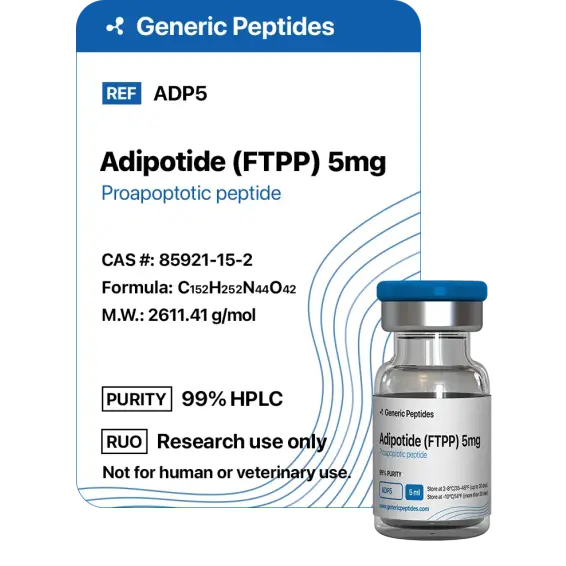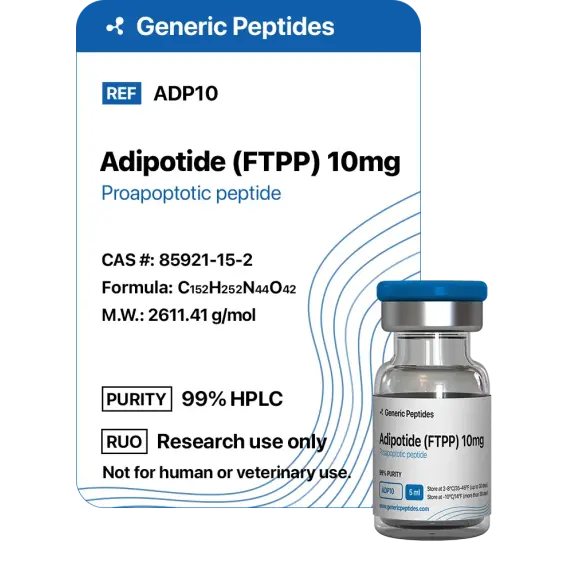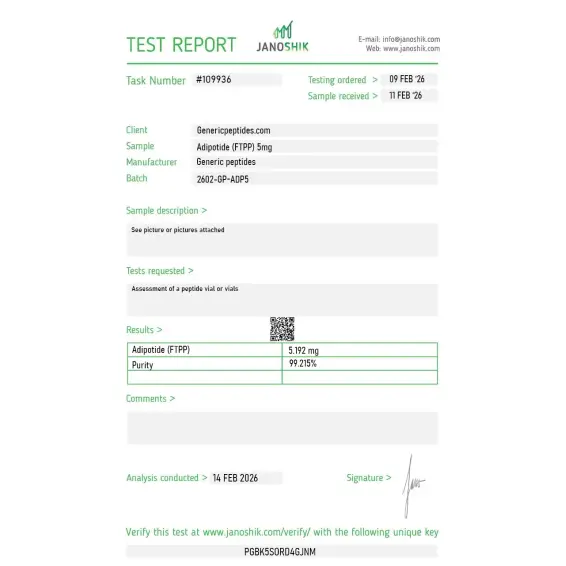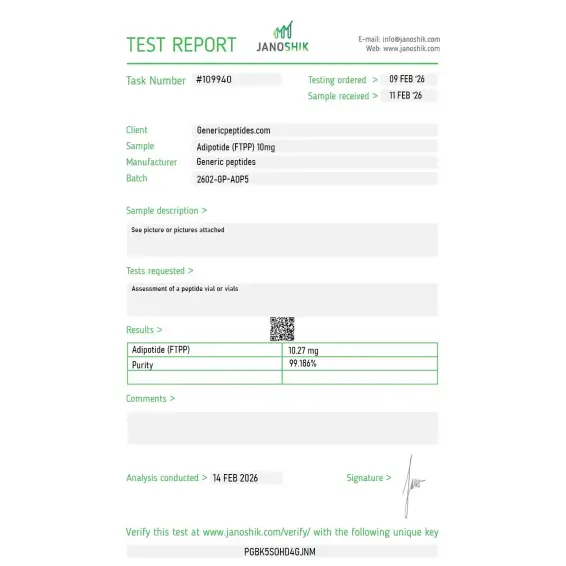
- For in vitro testing and laboratory use only.
- Not for human or animal consumption.
- Bodily introduction is illegal.
- Handle only by licensed professionals.
- Not a drug, food, or cosmetic.
- Educational use only.
- Obese individuals and bodybuilders seeking aggressive fat loss who haven't responded to conventional approaches.
- It homes to fat tissue blood vessels and destroys them, starving fat cells to death from the inside out.
- Obese primates lost 11% body weight and 39% fat volume in 28 days — no appetite suppression or hormonal changes needed.
- Unlike GLP-1 drugs or fat burners, it physically destroys the infrastructure feeding fat cells rather than altering metabolism.
- Adipotide does not suppress testosterone or other hormones — no PCT is required after a cycle.
- Injected subcutaneously once daily; grey-market protocols start at 0.01 mg/kg — no validated human dose exists.
- Standard protocol is 28 consecutive days matching the primate studies; repeat cycles carry compounding unknown risk.
- Kidney damage was documented in every primate species tested — human trials were abandoned with zero published safety data.
Adipotide (FTPP): The Complete Guide to the Fat-Targeting Proapoptotic Peptide — What the Science Actually Says
If you are looking for a compound that represents both the extraordinary ambition and the sobering reality of modern peptide research, Adipotide is your case study. Here is a synthetic molecule engineered with the precision of a guided missile — designed not to suppress appetite, not to alter hormones, not to modulate metabolism, but to literally destroy the blood vessels that feed fat cells and starve them to death. In obese rhesus monkeys, it produced an 11% reduction in body weight in just 28 days. Fat deposits shrank by almost 39%. Insulin resistance improved dramatically, sometimes within days. The scientific world paid attention. A clinical trial was launched in 2012. And then, by 2019, it was quietly abandoned — for reasons that were never publicly stated, with no safety data published, no efficacy results shared, and no explanation given. Adipotide is simultaneously one of the most scientifically fascinating and most cautionary stories in modern peptide research. This article covers everything: the biology, the evidence, the clinical trial history, the kidney toxicity that derailed it, and what honest assessment of the compound looks like in 2025.
What It Is and Where It Comes From
Adipotide is known by several names: FTPP (Fat-Targeted Proapoptotic Peptide), Prohibitin-Targeting Peptide-1 (Prohibitin-TP01), and sometimes TP01 or EX-A6186. It is a synthetic peptidomimetic — a molecule engineered to mimic the structural and functional properties of natural proteins, but with modifications that make it more stable, specific, or potent than the natural versions it resembles.
The compound was developed through the laboratory of researchers Renata Pasqualini and Wadih Arap at The University of Texas MD Anderson Cancer Center, in collaboration with the Barshop Institute for Longevity and Aging Studies. Its origin lies in a broader program of "vascular ZIP code" mapping — the discovery that blood vessels throughout the body are not uniform tubes, but differ molecularly depending on which organ or tissue they supply. This means specific peptides can be discovered that home to the vasculature of specific tissues and no others, much like how a postal address directs a letter to a specific location. The team used phage display library screening — a technique involving billions of random peptide sequences displayed on bacteriophage viruses and tested for selective binding — to identify peptides that selectively bind to the blood vessels of white adipose tissue in vivo.
The first publication identifying prohibitin as the key vascular receptor in white adipose tissue appeared in Nature Medicine in 2004 (Kolonin et al.), establishing proof-of-concept in obese mice. Adipotide itself — the chimeric peptidomimetic combining a homing sequence with a proapoptotic killer domain — was the clinical development candidate that emerged from this research. Arrowhead Research Corporation subsequently licensed the compound for clinical development.
The full chemical designation of Adipotide is: CKGGRAKDC-GG-D(KLAKLAK)₂, or in its alternative notation GKGGRAKDC-GG-D(KLAKLAK)₂. It is a chimeric 18-residue peptidomimetic with a molecular weight of approximately 1,900 Da. The D in the proapoptotic domain designation refers to the use of D-amino acids (the mirror-image form of standard L-amino acids), which confers resistance to proteolytic degradation.
How It Works in the Body — Mechanisms of Action
Adipotide's mechanism is elegantly — and somewhat brutally — logical. It is designed to deliver a death signal specifically and only to the endothelial cells of blood vessels that supply white adipose tissue. When those vessels die, the fat cells they nourish are deprived of oxygen and nutrients, undergo ischemic injury, and are ultimately cleared by the immune system. The compound consists of two functionally distinct domains working in sequence:
Domain 1 — The Homing/Targeting Motif: CKGGRAKDC
This 9-amino-acid cyclic peptide was identified through the vascular ZIP code mapping program as selectively binding to endothelial cells in white adipose tissue vasculature. Its binding partners are a specific receptor complex formed by two proteins: prohibitin (PHB) and annexin A2 (ANXA2).
Prohibitin is a multifunctional protein — it normally resides predominantly inside cells, where it plays roles in mitochondrial membrane stability, cell cycle regulation, and apoptosis signalling. What makes it pharmacologically exploitable as an Adipotide target is that it appears on the cell surface of endothelial cells in white adipose tissue vasculature in unusual abundance — a phenomenon not seen to the same degree in most other normal vascular beds. This atypical surface expression creates a molecular "address" that the homing domain can recognise.
Annexin A2 is a calcium-binding protein involved in membrane organisation, exocytosis, and cell-cell interaction. It forms a complex with prohibitin on the endothelial surface of adipose vasculature. The CKGGRAKDC sequence appears to structurally mimic a segment of ANXA2 itself, allowing it to engage the ANXA2-PHB complex with selectivity.
Beyond the vascular targeting, emerging research has revealed that this same prohibitin-ANXA2 complex plays a role in CD36-mediated fatty acid transport from endothelial cells into adipocytes. CD36 is the primary fatty acid transporter in adipose tissue; it recruits to the ANXA2-PHB complex in the presence of extracellular fatty acids to facilitate lipid uptake. When Adipotide binds this complex and disrupts it, it may therefore simultaneously impair the blood supply to fat cells (through vascular apoptosis) and reduce the efficiency of fatty acid transport into adipocytes (through CD36 complex disruption) — a dual mechanism of action against fat storage.
Domain 2 — The Proapoptotic Killer Domain: D(KLAKLAK)₂
Connected to the homing domain via a flexible glycine-glycine (GG) linker, this amphipathic D-amino acid sequence is the executioner component. The (KLAKLAK)₂ motif is a known proapoptotic sequence that, on its own, has no meaningful cell selectivity — it would kill any cell it entered. Its genius in Adipotide's design is that it is rendered non-toxic until delivered specifically to the target cells by the homing domain.
Once the CKGGRAKDC domain binds to the prohibitin-ANXA2 complex on adipose vascular endothelial cells, the entire molecule is internalised. Inside the cell, the (KLAKLAK)₂ domain inserts into mitochondrial membranes and disrupts their integrity. Mitochondrial membrane disruption releases cytochrome c and activates the caspase cascade — the classical intrinsic pathway of apoptosis (programmed cell death). The endothelial cell undergoes apoptosis. This process is amplified across the microvasculature of white adipose tissue, leading to collapse of the capillary network supplying fat cell clusters.
Downstream Consequences
Once the blood supply to adipose tissue is disrupted, several things happen in sequence:
- Adipocytes are starved of oxygen, glucose, and fatty acid precursors
- Deprived adipocytes undergo ischaemic cell death and/or necrosis
- Dead and dying adipocytes are phagocytosed and cleared by macrophages
- Adipose tissue mass decreases as fat depots shrink
- Metabolic consequences follow, including reduced leptin secretion (which paradoxically contributes to delayed appetite reduction rather than immediate hunger suppression), improved insulin sensitivity (partly through reduced adipose tissue inflammatory signalling), and altered adipokine profiles
The appetite reduction observed in treated animals was notably delayed — it didn't appear at the start of treatment but emerged progressively as fat mass decreased. This pattern is consistent with the leptin reduction accompanying fat loss rather than a direct neurological effect on hunger, and distinguishes Adipotide's appetite effects mechanistically from drugs like GLP-1 agonists that suppress hunger rapidly through central nervous system pathways.
What It Was Studied For and What Effects It Showed
Obese Mouse Studies (2004 — Kolonin et al.)
The foundational proof-of-concept study in Nature Medicine demonstrated that targeted apoptosis of white adipose vasculature in obese mice produced dramatic fat loss. Treated obese mice on high-fat diets lost approximately 30% of their body weight over 28 days of daily treatment. Critically, lean mice on normal diets showed no significant weight loss at equivalent doses — the compound required abundant adipose vasculature (with its high prohibitin expression) to work effectively. This obesity-specificity is a significant pharmacological advantage: the compound has a built-in safety ceiling in lean individuals because there is simply less target tissue.
Obese Primate Study (2011 — Barnhart et al., Science Translational Medicine)
This is the landmark paper and the highest-quality evidence for Adipotide's efficacy. It tested the compound in spontaneously obese rhesus monkeys — animals that had become obese through the same mechanisms as humans (overeating, reduced activity), not through genetic manipulation or artificial diets.
Obese rhesus monkeys treated with 0.43 mg/kg subcutaneously daily for 28 days lost an average of 11% of their body weight. MRI and DEXA imaging confirmed a substantial and measurable reduction in white adipose tissue mass across both visceral and subcutaneous fat depots. Abdominal circumference decreased alongside BMI. Treated animals used approximately 50% less insulin in glucose tolerance tests — a dramatic improvement in insulin resistance that appeared within days of starting treatment, well before significant weight loss had accumulated. This early insulin sensitivity improvement suggested that the metabolic effects were not simply a consequence of reduced fat mass but reflected a direct metabolic consequence of disrupting adipose vasculature and fatty acid transport.
The study also confirmed findings in two additional primate species — baboons and crab-eating macaques — providing cross-species validation that strengthened the translatability of the findings. Fat cell volume was reduced by approximately 38.7% in treated animals compared to controls. Lipid profiles (cholesterol, triglycerides, HDL, LDL) remained normal throughout treatment and recovery. No nausea, vomiting, or food aversion was observed clinically. Activity levels remained normal.
Cancer and Oncology Research
Adipotide's development was originally entwined with cancer research, for two reasons. First, the prohibitin-targeting vascular delivery system had already been validated as a cancer drug delivery platform by the same laboratory (using a different homing peptide targeting prostate cancer vasculature). Second, prohibitin is highly expressed not just in adipose vasculature but also in the vasculature of various tumours, including prostate, breast, and ovarian cancers. The concept of using a similar ligand-directed proapoptotic approach to destroy tumour blood supply has been explored in multiple publications.
Additionally, Adipotide's clinical trial was specifically designed in obese prostate cancer patients — the hypothesis being that reducing the adipose microenvironment could improve outcomes in an obesity-linked cancer. The two indications (obesity and cancer) were thus clinically intertwined in the development strategy.
Forms and Methods of Administration
All animal studies and the human clinical trial used subcutaneous injection as the route of administration. Adipotide is a peptide and is degraded by digestive enzymes, making oral administration non-viable. Intravenous administration has been used in research settings but subcutaneous injection is the standard protocol given its equivalence in pharmacokinetics and the practicality of once-daily dosing.
The compound is supplied as a lyophilised white powder, reconstituted with sterile water or bacteriostatic water before injection, similarly to other injectable research peptides. There is no oral, nasal, or other non-injectable formulation with any validated bioavailability.
Dosage: Research Findings vs Real-World Practice
Animal Model Doses
The obese mouse studies used doses optimised for rodent body surface area — the specific mg/kg figures were not widely published as the primary outcome was proof-of-concept. The obese primate studies systematically tested 0.25, 0.43, and 0.75 mg/kg/day subcutaneously for 28 consecutive days. The 0.43 mg/kg dose was identified as the optimal therapeutic dose based on the best benefit-to-toxicity balance — producing significant weight loss and metabolic improvement while causing only mild, reversible kidney effects.
Human Clinical Trial Starting Dose
When Arrowhead Research Corporation initiated the Phase I clinical trial in obese prostate cancer patients in 2012, the starting dose was set at 0.03 mg/kg/day — a very conservative fraction of the primate optimal dose. This 14-fold reduction from the primate optimal dose reflects the standard precautionary approach in first-in-human oncology trials, and also reflects awareness of the renal toxicity signal.
Grey-Market Community Protocols
The underground bodybuilding and research community has circulated protocol suggestions typically starting at 0.01 mg/kg/day as a subcutaneous injection for 28-day cycles. For a 90 kg individual this equates to 0.9 mg per day. These doses are essentially arbitrary — extrapolated loosely from primate data with massive dose-reduction factors applied for safety. Whether any fat loss effects occur at these doses in humans is completely unknown. There are no pharmacokinetic data for subcutaneous administration in humans, no dose-response data in humans, and no validated human-equivalent dose established from the terminated trial.
Cycles and Protocols
The entire research paradigm for Adipotide has centred on a 28-day (4-week) continuous daily injection protocol, mirroring both the mouse and primate study designs and the planned clinical trial design. This is not an arbitrary choice — 28 days appears to be sufficient time for the vascular apoptosis mechanism to produce measurable changes in adipose tissue mass, and the primate recovery data showed that renal parameters normalised within approximately 28 days after stopping treatment.
In the grey-market community, 28-day cycles are therefore the near-universal convention. Some sources suggest longer cycles of up to 12 weeks are possible, citing the baboon pilot data where similar results were seen over a 12-week protocol. However, the kidney toxicity concern makes extended cycles particularly concerning — there is no safety data for human use beyond the short duration of the terminated trial, and certainly no data on repeated cycles.
What It Is Combined With and Why
In the research and grey-market peptide community, Adipotide is sometimes stacked with other compounds purportedly for enhanced fat loss. However, this practice carries unique considerations given Adipotide's mechanism:
Because Adipotide targets vasculature through a physical-structural mechanism (vascular apoptosis), it does not compete for receptors or enzymes with metabolic fat-loss compounds — theoretically allowing combination. However, because it causes kidney stress, stacking it with other nephrotoxic compounds (certain NSAIDs, high-dose creatine protocols, some antibiotics, or GH-axis peptides that affect kidney perfusion) would compound renal toxicity risk unpredictably.
From a mechanistic standpoint, combining Adipotide with AOD-9604 (a growth hormone fragment with lipolytic properties), BPC-157 (for potential tissue repair and vascular recovery between cycles), or tesamorelin (for visceral fat reduction through a complementary metabolic mechanism) has been discussed in community circles. These combinations are entirely unsupported by any formal research evidence and should be regarded as speculative and potentially dangerous given the additive pharmacological demands on the body.
The one scientifically rational combination context — which was part of the original clinical development strategy — is use in obesity-linked cancer, where reducing adipose tissue mass might improve both metabolic profile and tumour microenvironment simultaneously.
The Science: What Is Proven and What Is Not
What is supported by published research:
- Selective binding of the CKGGRAKDC homing domain to prohibitin-ANXA2 complex on white adipose tissue vasculature — confirmed in multiple species including validation in human white fat samples by the Pasqualini/Arap lab
- Apoptosis induction specifically in white adipose tissue endothelial cells — confirmed histologically in animal models
- Approximately 30% body weight reduction in obese mice over 28 days
- Approximately 11% body weight reduction with approximately 39% adipose tissue volume reduction in obese rhesus monkeys over 28 days — published in Science Translational Medicine
- Improved insulin resistance beginning within days of treatment onset in primates — documented quantitatively
- Dose-dependent, reversible renal tubular toxicity in multiple primate species — confirmed histologically and biochemically
- Validation of prohibitin as the homing target in human white adipose tissue explants (human vascular mapping data)
- Cross-species pharmacological consistency (mice, rats, rhesus monkeys, crab-eating macaques, baboons)
What is NOT established:
- Efficacy or safety in humans — the clinical trial was discontinued with no published data
- Whether the renal toxicity observed in primates is dose-reducible to acceptable levels in humans
- Long-term outcomes beyond 28-day treatment windows
- Whether fat regrowth occurs after treatment cessation (primate data showed some weight regain during recovery)
- The specific mechanism of the early insulin sensitivity improvement before significant weight loss
- Whether repeated treatment cycles are safe or produce tolerance/resistance
- Optimal dose, frequency, and duration for any human indication
- Whether selectivity for white adipose tissue is complete in humans or whether off-target tissues (beyond kidney tubules) are affected
Side Effects and Real Risks
Kidney Toxicity — The Primary Concern
This is the central safety issue with Adipotide and cannot be understated. In every primate species tested — rhesus macaques, crab-eating macaques, and baboons — Adipotide produced dose-dependent renal tubular toxicity. The specific findings in the landmark 2011 study included:
- At 0.25 mg/kg (the lowest dose tested): minimal kidney lesions, elevated serum creatinine beginning from this dose level
- At 0.43 mg/kg (the "optimal" dose): serum creatinine remained slightly to moderately elevated throughout the 28-day treatment period, with mild tubular degeneration and regeneration; mild dehydration with increased urine output; alterations in serum phosphorus and potassium
- At 0.75 mg/kg (the highest dose): lesions scored minimal to moderate in the kidney tubules, with single-cell necrosis and tubular degeneration clearly visible histologically at 24 hours post-final dose
The research team characterised these effects as "mild, dose-dependent, predictable, and reversible" — noting that renal parameters normalised during the 4-week post-treatment recovery period. This characterisation supported moving to clinical trials. However, the keyword here is "relatively mild" in the context of a primate study conducted under controlled research conditions with veterinary monitoring, conservative dosing, and a short treatment duration. In the real-world context of unmonitored human use, the same renal stress could escalate to serious kidney injury, particularly in individuals with pre-existing renal impairment, those who are dehydrated, or those taking other nephrotoxic substances.
Other Documented Effects
- Mild dehydration at higher doses in primates (related to increased urine output from tubular effects)
- Progressive reduction in caloric intake (delayed — not immediate; appears to reflect leptin reduction from fat loss rather than direct appetite suppression)
- Potential weight regain after cessation: primate data showed that body weight, BMI, and abdominal circumference began to reverse during the recovery period after stopping treatment — suggesting the fat loss is not permanent unless accompanied by maintained treatment or lifestyle changes
- No nausea, vomiting, or food aversion in primate studies
- Normal lipid profiles maintained throughout treatment
Theoretical Risks Not Studied
- Long-term renal consequences of repeated cycles
- Cardiovascular effects of significant rapid fat mass reduction (large rapid loss of adipose tissue changes the hormonal, inflammatory, and vascular environment substantially)
- Immunological responses — white adipose tissue is now well-recognised as an immune-active organ; its rapid ablation could theoretically trigger inflammatory cascades or cytokine release
- Effects on brown adipose tissue (which also has vasculature but appears less targeted due to different receptor expression profiles — this has not been definitively characterised)
- Interactions with any pharmaceutical or supplement use
Effects on Hormones and the Endocrine System
Adipose tissue is not simply a passive fat store — it is an endocrine organ. Its rapid ablation therefore carries significant hormonal implications:
Leptin
Leptin is produced almost exclusively by white adipocytes and signals satiety to the hypothalamus. As fat mass is rapidly reduced by Adipotide, leptin levels fall in parallel. This is why the appetite suppression seen in treated animals was delayed and progressive rather than immediate — the reduced caloric intake emerged as leptin levels fell and the hypothalamus reduced satiety signalling, paradoxically creating a modest hyperphagia risk. In severely obese individuals (who are often already leptin-resistant), this effect may be less significant in terms of hunger but the hormonal shift still occurs.
Insulin / Glucose Metabolism
The dramatic improvement in insulin sensitivity observed in treated primates — using approximately 50% less insulin for equivalent glucose disposal — occurred very rapidly, within days of starting treatment. This timeline suggests it was not simply a consequence of reduced fat mass (which would take weeks to produce metabolic effects). The likely explanation is direct disruption of adipose tissue inflammatory signalling: obese white adipose tissue is a major source of pro-inflammatory cytokines (TNF-alpha, IL-6, MCP-1) and free fatty acids that drive peripheral insulin resistance. Rapid disruption of the adipose vasculature reduces this inflammatory output nearly immediately. This represents a genuinely interesting mechanism for treating insulin resistance distinct from any existing drug class.
Adiponectin
Adiponectin is an insulin-sensitising adipokine that is paradoxically reduced in obesity and increased with fat loss. Adipotide-mediated fat mass reduction would be expected to improve adiponectin levels, contributing to the observed metabolic improvements.
Reproductive Hormones
Adipose tissue aromatises androgens to oestrogens — rapid fat loss would reduce this conversion, potentially altering sex hormone balance in both men and women. In obese individuals with elevated oestrogen due to peripheral aromatisation, this could be metabolically beneficial but hormonally significant. Conditions like PCOS (polycystic ovary syndrome), which is directly tied to adiposity and hormonal dysregulation, are a speculative future research area for Adipotide-class compounds.
Cortisol
Adipose tissue also expresses 11β-HSD1, an enzyme that converts inactive cortisone to active cortisol locally within fat depots. Obesity-driven cortisol amplification in adipose tissue contributes to metabolic syndrome. Adipotide-mediated fat reduction would theoretically reduce this local cortisol activation.
Cancer Risk — A Direct Answer
Adipotide's relationship with cancer is the opposite of the concern with many growth-factor peptides. Rather than potentially promoting cancer, Adipotide-class compounds are being investigated as anti-cancer tools.
Why Adipotide Has Anti-Cancer Potential
Prohibitin — the primary binding target of Adipotide's homing domain — is expressed on the surface of tumour vasculature in several cancer types, including prostate, breast, and ovarian cancer. This is the same atypical surface expression that makes it a useful target in adipose vasculature. The logic of using a prohibitin-targeting proapoptotic peptide to destroy tumour blood supply is mechanistically identical to its use against fat tissue vasculature. This is precisely why the Phase I clinical trial was conducted in prostate cancer patients — the researchers were simultaneously testing an anti-obesity and potential anti-tumour mechanism in a patient population where both were relevant.
Is Adipotide Itself a Cancer Promoter?
There is no evidence or theoretical mechanism by which Adipotide would promote cancer. Its mechanism — targeted vascular apoptosis — does not involve growth factor stimulation, angiogenesis promotion, or IGF-1/GH axis activation. The compound does not have mitogenic properties. In fact, by reducing white adipose tissue mass, Adipotide would likely reduce the pro-tumourigenic effects of obesity on several cancer types (breast, colorectal, endometrial, prostate cancers all have documented associations with obesity). The cancer concern with Adipotide is absence of benefit characterisation in humans, not promotion of cancer.
Contraindications
- Any pre-existing kidney disease or impairment (even mild CKD significantly elevates the risk of serious nephrotoxicity given the documented renal tubular effects)
- Single kidney or reduced kidney reserve
- Concurrent use of other nephrotoxic drugs (NSAIDs, aminoglycoside antibiotics, contrast dyes, certain antifungals)
- Active cancer not under oncological supervision (the compound's effects on tumour vasculature are not characterised — it could theoretically help or harm depending on the tumour's prohibitin expression)
- Dehydration or conditions causing reduced kidney perfusion (heart failure, severe liver disease, circulatory compromise)
- Pregnancy and breastfeeding (no data; the drastic hormonal and metabolic changes from rapid fat loss are inherently unsafe in pregnancy)
- Normal or low body weight / lean individuals (the efficacy in lean animals was essentially absent; the risk:benefit ratio is particularly unfavourable)
- Paediatric and adolescent patients
- Any individual without access to clinical kidney function monitoring during treatment
Interactions With Drugs and Other Substances
- NSAIDs (ibuprofen, naproxen, diclofenac): Reduce renal blood flow through prostaglandin inhibition. Combining with Adipotide's known renal tubular stress creates a predictable and potentially serious additive nephrotoxicity risk.
- ACE inhibitors / ARBs: Reduce kidney perfusion pressure. Combined with Adipotide's renal stress, could precipitate acute kidney injury.
- Aminoglycoside antibiotics: Independently nephrotoxic. Combination absolutely contraindicated.
- Diuretics: Could worsen dehydration — a documented Adipotide side effect at higher doses — and reduce kidney perfusion.
- Contrast media (iodinated): Radiocontrast nephropathy risk would be significantly elevated in the context of existing Adipotide-induced tubular stress.
- GLP-1 agonists (semaglutide, liraglutide): Mechanistically complementary fat-loss effects (central appetite suppression vs. peripheral vascular ablation), but pharmacological interactions unknown. Both compounds substantially alter metabolic parameters rapidly.
- Any compound causing fluid loss or dehydration: Amplifies the dehydration and kidney perfusion risk documented in primate studies.
Legal Status: EU and USA
United States
Adipotide has no FDA approval for any indication. It is not a DEA-scheduled controlled substance. Clinical development was initiated by Arrowhead Research Corporation under IND (Investigational New Drug) designation but was discontinued in 2019. As a research chemical, it can be purchased online for laboratory research purposes. The FDA's position is that it cannot be marketed for human therapeutic use without approval, and selling it with claims of human health benefits constitutes an illegal drug claim. As of 2025, it remains available through grey-market research chemical suppliers without quality assurance.
European Union
Adipotide has no EMA authorisation. It has not undergone the European regulatory approval process. It circulates in the EU through the same grey-market channels as other unapproved research peptides. Regulatory enforcement against human use varies by member state.
United Kingdom
Not listed in the Misuse of Drugs Act. Personal possession is not specifically criminalised. Sale for human therapeutic use without MHRA authorisation is illegal under The Human Medicines Regulations 2012.
Global Regulatory Status
No national regulatory authority anywhere in the world has approved Adipotide for human therapeutic use. The Phase I trial's discontinuation in 2019 without published results means the compound has no viable approval pathway in the near term.
Sports Status — WADA Position
Adipotide is not explicitly named by WADA in its Prohibited List as a specific named substance. However, it would almost certainly fall under the broader ban on metabolic modulators and, potentially, under S0 (Non-Approved Substances) as a compound not approved for human therapeutic use by any regulatory authority. Any substance that has not received market authorisation as a drug is subject to S0 prohibition.
There is no established athletic performance enhancement rationale for Adipotide — it does not increase strength, endurance, oxygen delivery, or any primary performance metric. Its use in sports contexts, to the extent it exists at all, is purely body composition-focused (reducing fat mass for weight-class sports or physique competitions). For tested athletes, the S0 category prohibition would apply regardless of the performance argument, simply because the compound is unapproved.
The compound is not known to be a practical or widespread doping concern in competitive athletics, and no specific detection test is publicly referenced by WADA. The economics and complexity of its administration make it an unlikely choice for most athletes.
Storage and Solution Preparation
Storage of Lyophilised Powder
Adipotide powder should be stored at −20°C away from light for long-term stability. Refrigerator storage (2–8°C) is acceptable for short-term storage of unopened vials. As a peptide with both standard L-amino acids and D-amino acids, Adipotide has reasonable stability against enzymatic degradation, but physical and chemical stability still requires cold storage. The D-amino acid composition of the (KLAKLAK)₂ domain specifically confers resistance to protease degradation, which is part of its engineered design.
Reconstitution
Reconstitute with sterile bacteriostatic water (0.9% benzyl alcohol) or sterile saline. Inject the water slowly along the inner wall of the vial. Roll gently — never shake. Allow complete dissolution. Typical vials are supplied at 5–10 mg of lyophilised powder. Reconstituted solutions should be stored at 2–8°C and used within 28 days.
Dosing Calculations
For a 90 kg individual at the conservative 0.01 mg/kg/day grey-market protocol: 0.01 × 90 = 0.9 mg/day. A 10 mg vial reconstituted in 2 mL bacteriostatic water provides 5 mg/mL; a 0.9 mg dose would require 0.18 mL (18 units on a U100 insulin syringe). For reference, the clinical trial starting dose of 0.03 mg/kg/day in a 90 kg person would be 2.7 mg/day — three times the grey-market convention.
Who Uses It and For What Purpose
Bodybuilders and Physique Athletes
Adipotide acquired notoriety in bodybuilding communities shortly after the 2011 primate study attracted media attention. The appeal is obvious: a compound that produces near-surgical fat removal — 39% reduction in adipose tissue volume in 28 days — without metabolic manipulation, hormonal disruption, or appetite suppression is uniquely appealing in a community always seeking maximal body composition change. Use appears to be limited by cost, complexity, and the widely-circulated cautionary case of severe kidney injury in a prominent user. The compound has never been mainstream even within the research peptide community.
Obesity Researchers and Scientists
The legitimate research use is as a tool to study the consequences of adipose tissue reduction in controlled animal models — specifically to examine the metabolic, hormonal, and inflammatory effects of rapid selective white fat ablation independent of dietary manipulation.
Oncology Research
Research into prohibitin-targeting vascular therapy for tumour vasculature destruction uses the mechanistic insights from Adipotide as a template. The broader class of vascular ZIP code-guided proapoptotic peptides remains an active area of academic cancer research.
Comparison With Alternatives and Similar Products
Adipotide vs GLP-1 Agonists (Semaglutide/Ozempic, Tirzepatide)
This is the most relevant comparison for anyone interested in Adipotide as a fat-loss intervention. Semaglutide (Ozempic/Wegovy) and tirzepatide (Mounjaro/Zepbound) are FDA-approved, extensively studied, and currently represent the gold standard of pharmacological weight management. They work through central nervous system GLP-1 receptor activation to reduce appetite and alter gastric emptying. Clinical trials show 15–22% body weight reduction over 68 weeks of weekly injection. Their side effects (nausea, vomiting, gastrointestinal discomfort, pancreatitis risk) are well-characterised and generally manageable. They have no documented kidney toxicity and are actually renoprotective in diabetic patients. For anyone genuinely seeking pharmacological weight management, GLP-1 agonists are the evidence-based choice. They are legal, prescribable, and have passed full regulatory review. Adipotide has none of these properties and carries an unquantified renal risk. The comparison is stark.
Adipotide vs AOD-9604
AOD-9604 is a fragment of the human growth hormone molecule (hGH177-191) that retains the lipolytic properties of GH without affecting IGF-1 or growth promotion. It works by stimulating fat cell breakdown (lipolysis) through β3-adrenergic receptor mechanisms. AOD-9604 reached clinical trials for obesity with an acceptable safety profile and no kidney toxicity. The mechanism is completely different from Adipotide — lipolysis (mobilising fat from existing cells) versus vascular apoptosis (destroying the fat cells' infrastructure). Neither has FDA approval for obesity, but AOD-9604 is a considerably less aggressive and better-tolerated option.
Adipotide vs Tesamorelin
Tesamorelin is the only FDA-approved GHRH analog — approved specifically for visceral fat reduction in HIV-associated lipodystrophy. It works by stimulating GH release, which increases lipolysis. Its evidence base for visceral fat reduction in specific populations is strong. For practitioners or researchers interested in visceral fat, tesamorelin represents a legal, approved, characterised alternative to Adipotide's unapproved approach.
Adipotide vs Surgical Liposuction / Bariatric Surgery
The original scientific framing of Adipotide was as a non-surgical alternative to these invasive procedures. Liposuction physically removes subcutaneous fat but does not address metabolic syndrome or insulin resistance as effectively. Bariatric surgery produces durable weight loss and metabolic improvement but carries surgical risks. Adipotide's mechanism — targeting both subcutaneous and visceral fat simultaneously while improving insulin sensitivity — was designed to produce metabolic benefits not achievable with liposuction. Whether this pans out in humans remains unknown.
What Doctors and Official Medicine Say
The mainstream medical position is unequivocal: Adipotide has no approved therapeutic indication, no completed Phase II human clinical trial, and an incomplete and unpublished safety record from its discontinued Phase I trial. No physician can legitimately prescribe it. No medical organisation endorses it.
The termination of the clinical trial in 2019 without published results is itself a significant signal. While pharmaceutical companies sometimes discontinue trials for business reasons unrelated to safety, the known renal toxicity signal in every primate species tested provides a scientifically plausible reason for clinical failure. The absence of published data from the human trial is one of the most frustrating aspects of this compound's history — it means the research community and the public have no access to whatever was learned about human tolerability during the trial.
Several critical letters and commentary pieces were published in response to the 2011 Barnhart primate paper, raising questions about the translatability of the kidney findings, the small sample size (10 treated monkeys in the efficacy arm), and the optimistic characterisation of "mild and reversible" renal toxicity. One critical letter in Science Translational Medicine in 2012 specifically questioned whether the renal findings were truly as benign as presented. These concerns appear, in retrospect, to have been prescient.
The Future: Clinical Trials and Prospects
Adipotide's clinical development is effectively dormant. Arrowhead Research Corporation, which licensed the compound, pivoted its entire business model to RNA interference therapeutics and has no disclosed Adipotide program. The patents related to the compound's use have largely expired or been abandoned. No other pharmaceutical company has announced a development program for the compound.
The scientific concept underlying Adipotide — vascular ZIP code-guided tissue-targeted proapoptotic therapy — remains intellectually valid and has influenced the broader field of targeted peptide therapy. Second-generation compounds designed with improved therapeutic indices (wider gaps between effective and toxic doses) or alternative homing peptides that achieve greater receptor selectivity or reduced kidney exposure are theoretically feasible. Research papers have explicitly suggested that next-generation adipotide-class compounds could be designed with improved safety profiles once the renal toxicity mechanism is better characterised.
The question of why prohibitin appears on renal proximal tubule cells — creating the off-target toxicity — remains incompletely answered. If that mechanism can be understood and engineered around (for example, by modifying the homing peptide to reduce affinity for renal prohibitin expression relative to adipose prohibitin expression), a safer variant might emerge.
Whether any pharmaceutical entity will invest in this development given the availability of GLP-1 agonists — which are remarkably effective, well-tolerated, and now commercially dominant in the obesity space — is an open question. The obesity drug landscape has been transformed since 2011 when Adipotide's primate data was published. The competitive and regulatory environment for a new obesity drug in 2025 is entirely different from what it was then.
Summary — The Key Takeaways
Adipotide is the most mechanistically innovative fat-loss compound in modern peptide research. The vascular ZIP code concept — identifying a molecular address specific to white adipose tissue vasculature and using it to deliver a surgical death sentence to fat-feeding blood vessels — represents genuinely novel science. The results in obese primates were impressive by any standard: 11% body weight loss, 39% adipose volume reduction, and a 50% improvement in insulin sensitivity, all in 28 days. The early insulin resistance improvement, occurring before significant fat mass loss, suggests a depth of metabolic effect that goes beyond simply removing fat cells.
And yet the compound is not in clinical use. It never completed human trials. The kidney toxicity — dose-dependent, documented in every primate species studied, confirmed at the histological level — was the obstacle that appeared in every experiment. The Phase I trial in humans was discontinued in 2019 with zero published data, leaving the research community without answers about whether the renal effect was manageable in humans or whether the compound simply failed the translation from primate to human kidney tolerability.
The honest assessment for 2025: Adipotide is one of the most pharmacologically interesting research peptides available, and one of the most dangerous compounds to use outside of a controlled clinical setting. The margin between an effective dose and a renally toxic dose in primates was narrow. The absence of any human pharmacokinetic data, dose-response characterisation, or safety documentation makes unsupervised human use genuinely reckless. The kidney failure risk is real, documented in controlled research settings, and potentially irreversible in the context of unmonitored use.
For anyone drawn to Adipotide by its remarkable animal data: the compound's promise is real, but its development failed for a reason. Until a safer next-generation variant emerges with adequate clinical characterisation, GLP-1 receptor agonists represent both the evidence-based and the pharmacologically safe choice for meaningful pharmacological weight management. Adipotide belongs to the research laboratory, not to self-experimentation.
Adipotide (FTPP) Dosage & Usage Guide: Complete Protocols for Targeted Fat Loss
Introduction
Adipotide (FTPP — Prohibitin-targeting peptide) dosage and usage represents one of the most targeted fat loss approaches in experimental peptide research, working by a fundamentally different mechanism than any other weight loss compound: it selectively destroys the blood supply feeding white adipose tissue (WAT), causing programmed cell death in fat cells. This guide covers all available research data, real-world protocols, and critical safety information — because Adipotide carries a more significant risk profile than most research peptides.
What Research Says About Dosage
Adipotide has a small but notable body of primate research and one key human obesity trial context, making it more clinically relevant than many experimental peptides.
| Study / Source | Dose Used | Goal | Population |
|---|---|---|---|
| Kolonin et al. (2004, Nature Medicine) | ~1 mg/kg/day (IP) | Proof of concept fat loss | Obese mice |
| Arap et al. / Kolonin (2011, Science Translational Medicine) | 0.5–1 mg/kg/day SubQ | Fat loss, metabolic markers | Obese rhesus monkeys |
| Primate study findings (2011) | 0.5 mg/kg/day × 28 days | ~11% body weight loss, ~30% body fat loss | Obese rhesus monkeys |
| Primate study — side effects noted | 0.5–1 mg/kg/day | Reversible nephrotoxicity (kidney stress) observed | Rhesus monkeys |
| Human equivalent extrapolation | ~0.03–0.05 mg/kg/day | Fat loss | Extrapolated (no completed human trials published) |
| Community practical use | 100–500 mcg/day flat dose | Fat loss | Human anecdotal |
Real-World Dosage Protocols
Given the kidney toxicity risk, the community has generally settled on conservative doses well below the primate study levels.
| Experience Level | Dose | Frequency | Notes |
|---|---|---|---|
| Conservative / cautious | 100–150 mcg/day | Once daily | Lowest reported effective range; prioritizes safety |
| Standard | 200–250 mcg/day | Once daily | Most commonly used real-world dose |
| Intermediate | 250–500 mcg/day | Once daily | Approaching upper safe limit; requires hydration protocol |
| High / research-referenced | 500 mcg–1 mg/day | Once daily | Primate study range; significant nephrotoxicity risk in humans |
| Weight-based (conservative extrapolation) | 0.03–0.05 mg/kg/day | Once daily | ~2–3.5 mg for 70 kg person — likely excessive; flat dosing preferred |
Dosage by Goal
| Goal | Recommended Daily Dose | Frequency | Cycle Length |
|---|---|---|---|
| Mild fat loss / body recomposition | 100–200 mcg | Once daily | 2–4 weeks |
| Moderate fat loss (primary goal) | 200–300 mcg | Once daily | 3–4 weeks |
| Aggressive fat loss | 300–500 mcg | Once daily | 2–4 weeks max |
| Stubborn / visceral fat targeting | 200–300 mcg | Once daily | 3–4 weeks |
| Metabolic syndrome / obesity (research context) | 500 mcg | Once daily | 4 weeks (with monitoring) |
Forms of Administration
| Form | Bioavailability | Ease of Use | Best For |
|---|---|---|---|
| Subcutaneous injection | High | Moderate | Standard; only practical route |
| Intramuscular injection | High | Moderate | Acceptable; not standard for this peptide |
| Oral | Negligible | Easy | Not viable — peptide destroyed in GI tract |
| Intraperitoneal (research) | Very high | Clinical/animal only | Used in mouse studies; not applicable to humans |
Injection Guide
Reconstitution
- Common vial size: 2 mg or 5 mg lyophilized powder
- For 2 mg vial: add 2 mL bacteriostatic water → 1 mL = 1,000 mcg → 0.1 mL = 100 mcg
- For finer control: add 4 mL BW to 2 mg vial → 1 mL = 500 mcg → 0.1 mL = 50 mcg
- Swirl gently to dissolve — never shake
- Refrigerate reconstituted vial; use within 4 weeks
- Store lyophilized vials refrigerated or frozen, away from light
| Injection Type | Site | Needle Size | Notes |
|---|---|---|---|
| Subcutaneous | Belly fat, love handles, upper thigh, flanks | 27–31G, 0.5 inch | Rotate daily; some target near stubborn fat deposits |
| Intramuscular | Deltoid, glute | 23–25G, 1–1.5 inch | Not standard; SubQ preferred |
Injection steps
- Wipe vial septum and injection site with alcohol; allow to dry
- Draw correct volume with insulin syringe; confirm dose calculation
- Pinch skin; insert at 45°
- Aspirate lightly — resite if blood appears
- Inject slowly; withdraw; light pressure on site
- Drink 500–750 mL water immediately after injection — non-negotiable kidney protection step
Cycle Length and Timing
| Protocol | Cycle Length | Frequency | Timing | Notes |
|---|---|---|---|---|
| Conservative short cycle | 2 weeks on, 4–6 weeks off | Once daily | Morning | Minimizes kidney exposure; repeat cautiously |
| Standard cycle | 3–4 weeks on, 6–8 weeks off | Once daily | Morning | Most common; allows kidney recovery |
| Aggressive (advanced only) | 4 weeks on, 8+ weeks off | Once daily | Morning | Max 500 mcg/day; full kidney monitoring required |
| Primate-referenced | 4 weeks continuous | Once daily | Morning | Used in monkey study; nephrotoxicity was observed |
| Repeat cycling | 2–3 cycles per year max | — | — | Extended breaks between cycles essential |
Kidney Protection Protocol
This section is unique to Adipotide among research peptides — kidney protection is not optional.
| Requirement | Detail | Why |
|---|---|---|
| Water intake | Minimum 3–4 liters/day on-cycle | Flushes kidneys; reduces concentration of apoptotic byproducts |
| Electrolytes | Daily electrolyte supplementation | Prevents hyponatremia from high water intake |
| NAC (N-Acetyl Cysteine) | 600–1200 mg/day | Antioxidant nephroprotection |
| Vitamin C | 1000–2000 mg/day | Additional antioxidant kidney support |
| Avoid NSAIDs | No ibuprofen, naproxen, etc. on-cycle | NSAIDs are nephrotoxic; compounding risk |
| Avoid alcohol | Minimize or eliminate on-cycle | Additional kidney stress |
| Bloodwork | Creatinine + BUN before, during (week 2), and after cycle | Detect early kidney stress |
| Discontinue immediately if | Creatinine rises >20% from baseline, reduced urine output, flank pain | Early nephrotoxicity signs |
Beginner Protocol
- Starting dose: 100–150 mcg/day, SubQ, morning
- Hydration: Begin 3–4 L/day water protocol the day before starting
- NAC: Start 600 mg/day NAC 3 days before first injection
- Bloodwork: Get baseline creatinine and BUN before day 1
- Week 1: 100–150 mcg/day — monitor for nausea, fatigue, changes in urine output or color
- Week 2: If well tolerated, increase to 200–250 mcg; get repeat creatinine check
- Maximum beginner cycle: 3 weeks total; do not extend on first cycle
- Post-cycle: Recheck creatinine and BUN 2 weeks after stopping
- Break: Minimum 6 weeks before considering second cycle
- What to watch: Dark or reduced urine (warning sign), flank/lower back pain, unusual fatigue, nausea — stop immediately if any appear
Common Dosage Mistakes
| Mistake | Why It Happens | How to Avoid |
|---|---|---|
| Skipping kidney protection protocol | Seems unnecessary at low doses | Nephrotoxicity can occur even at moderate doses; protocol is mandatory |
| Running cycles longer than 4 weeks | Wanting more fat loss | Apoptosis byproduct load increases; kidney damage risk rises nonlinearly |
| Using weight-based primate doses directly | Misapplying research data | Primate doses caused kidney toxicity; use conservative flat human doses |
| Not getting bloodwork | Avoiding cost / inconvenience | Nephrotoxicity can be subclinical until serious; bloodwork is the only safety net |
| Stacking with other nephrotoxic compounds | Wanting synergistic fat loss | Additive kidney risk; Adipotide should be run solo |
| Taking NSAIDs for injection discomfort | Habit | Compounds kidney risk significantly; use paracetamol only if needed |
| Repeating cycles too quickly | Impatient with results | Kidneys need 6–8 weeks to fully recover between cycles |
| Insufficient water intake | Forgetting / inconvenience | 3–4 L/day is a minimum, not a suggestion |
Safety and Maximum Dose
Adipotide has the most significant safety concern of any peptide in common research use. The mechanism (apoptosis of vascular endothelial cells feeding fat tissue) is powerful but not perfectly selective.
| Dose Range | Category | Notes |
|---|---|---|
| 100–150 mcg/day | Cautious / low | Lowest likely effective range; safest option |
| 150–300 mcg/day | Therapeutic / moderate | Standard range with full kidney protection protocol |
| 300–500 mcg/day | Caution — high end | Significant nephrotoxicity risk; bloodwork mandatory |
| > 500 mcg/day | Avoid | Approaches primate nephrotoxic range; not justified |
| > 1 mg/day | Do not use | Primate study dose at which kidney damage was clearly documented |
Full side effect profile
| Side Effect | Frequency | Severity | Notes |
|---|---|---|---|
| Nephrotoxicity (kidney stress) | Moderate risk | Serious | Dose and duration dependent; reversible if caught early |
| Nausea / GI discomfort | Common | Mild–moderate | Usually manageable; reduce dose if severe |
| Fatigue / lethargy | Common | Mild | Especially weeks 2–3; from apoptotic load |
| Reduced appetite | Common | Mild | Generally welcome given fat loss goals |
| Injection site reactions | Occasional | Mild | Rotate sites; resolves quickly |
| Muscle cramping | Occasional | Mild | Electrolyte depletion from high water intake |
| Flank pain | Warning sign | Serious | Stop immediately; seek medical advice |
| Dark / reduced urine | Warning sign | Serious | Stop immediately; assess kidney function |
Quick Reference Summary
| Goal | Dose | Frequency | Cycle Length | Form | Critical Requirement |
|---|---|---|---|---|---|
| Mild fat loss | 100–150 mcg | Once daily (AM) | 2–3 weeks | SubQ injection | Full hydration + NAC protocol |
| Moderate fat loss | 200–300 mcg | Once daily (AM) | 3–4 weeks | SubQ injection | Bloodwork + hydration + NAC |
| Aggressive fat loss | 300–500 mcg | Once daily (AM) | 3–4 weeks max | SubQ injection | Mandatory bloodwork; no NSAIDs |
| Visceral / stubborn fat | 200–300 mcg | Once daily (AM) | 3–4 weeks | SubQ injection | Full protocol; monitor closely |
| Beginner first cycle | 100–150 mcg | Once daily (AM) | 2–3 weeks | SubQ injection | Baseline bloods; 3–4 L water/day |
Adipotide (FTPP) Storage Guide: Lyophilized Powder and Reconstituted Solution
Adipotide (FTPP) is a proapoptotic peptide that stores reliably when handled correctly — keep it cold and protected from light in both forms, and it will maintain full stability until use.
Lyophilized Powder (Unreconstituted Vial)
| Parameter | Details | Notes |
|---|---|---|
| Storage temperature | 2–8°C (36–46°F) — refrigerator preferred; up to 25°C (77°F) acceptable short-term | Shelf life: up to 24 months refrigerated; 3–6 months at room temperature |
| Freezing | Allowed — –20°C (–4°F) or below is acceptable for dry powder | Avoid repeated freeze-thaw cycles; let vial warm to room temperature before opening to prevent condensation |
| Light sensitivity | Yes — protect from light | Keep in original packaging or a dark container; away from UV and direct sunlight |
| Signs of degradation | Yellow or brown discoloration; visible clumping or caking; unusual odor after reconstitution | Fresh powder is white to off-white and completely dry; discard if discolored or clumped |
| Common mistakes | Storing in an unsealed vial; exposing to humidity; leaving on a countertop for extended periods | Keep vials sealed; return to fridge immediately after handling |
Reconstituted Solution (After Mixing with Bacteriostatic or Sterile Water)
| Parameter | Details | Notes |
|---|---|---|
| Storage temperature | 2–8°C (36–46°F) — refrigerator only; do not leave at room temperature for more than a few hours | Shelf life: up to 30 days with bacteriostatic water; use plain sterile water within 7 days |
| After reconstitution — freezing | Not recommended — freezing damages the peptide structure; refrigerator only, no exceptions | Keep powder unreconstituted if longer storage is needed; mix only what you need |
| Light sensitivity | Yes — protect from light | Store vial wrapped in foil or in a dark container inside the fridge; UV degrades the solution faster than powder |
| Signs of degradation | Cloudiness; particulates; color change to yellow or brown; unusual odor | A properly reconstituted solution is clear and colorless; discard if anything looks off |
| Common mistakes | Leaving reconstituted vial at room temperature; using plain sterile water and storing for weeks; shaking vigorously | Always swirl gently, never shake; use bacteriostatic water for multi-dose vials; label with the date of reconstitution |
Shipping & Product Authenticity
Every order is processed quickly and shipped with full tracking. All products come directly from the official Dragon Pharma supply chain — in original manufacturer packaging, handled discreetly from warehouse to door.
Shipping Times
| Destination | Delivery Time | Notes |
|---|---|---|
| USA Domestic | 4–5 business days | Faster when local warehouse stock is selected at checkout |
| International | 13–15 business days | Tracking included; update frequency may vary by destination country |
| Order Processing | 24–48 business hours | Processing begins after payment confirmation |
| Tracking | Provided on all orders | Tracking number sent after dispatch; multiple warehouses may result in separate shipments |
Direct Supply & Discreet Delivery
This product is supplied through the official Dragon Pharma distribution chain and shipped in original manufacturer packaging. The outer shipping package remains discreet, with privacy-focused handling and no unnecessary external product details.
What to Expect
- Orders are processed after payment confirmation
- USA domestic shipping is typically faster when local stock is selected
- International orders include tracking, though update frequency may vary by destination
- Multiple warehouses may result in separate shipments when applicable
Authenticity & Verified Supply
Authenticity support includes official Dragon Pharma presentation, batch-linked lab proof, and original packaging — all of which help reinforce product legitimacy and buyer confidence.
| Authenticity Feature | Details |
|---|---|
| Packaging | Original manufacturer packaging — sealed and unaltered |
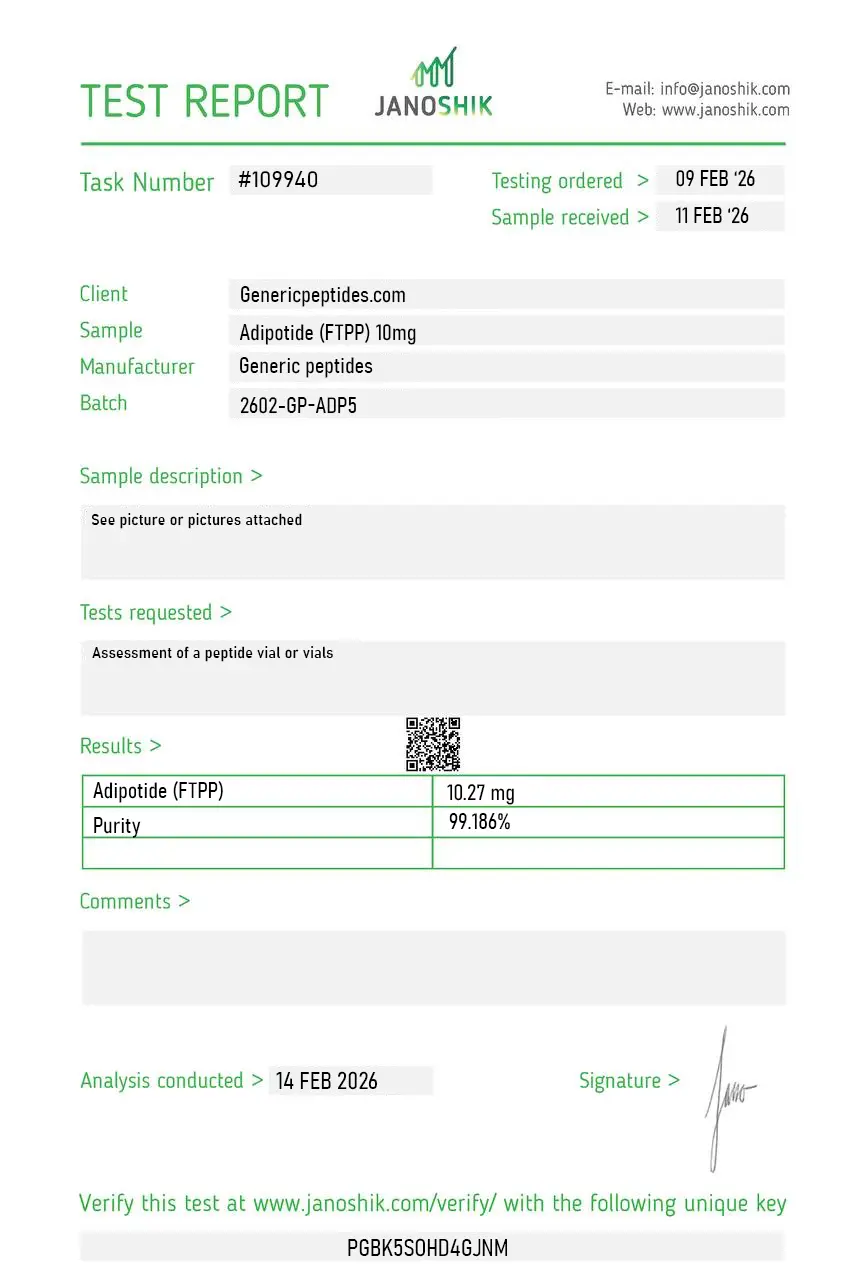
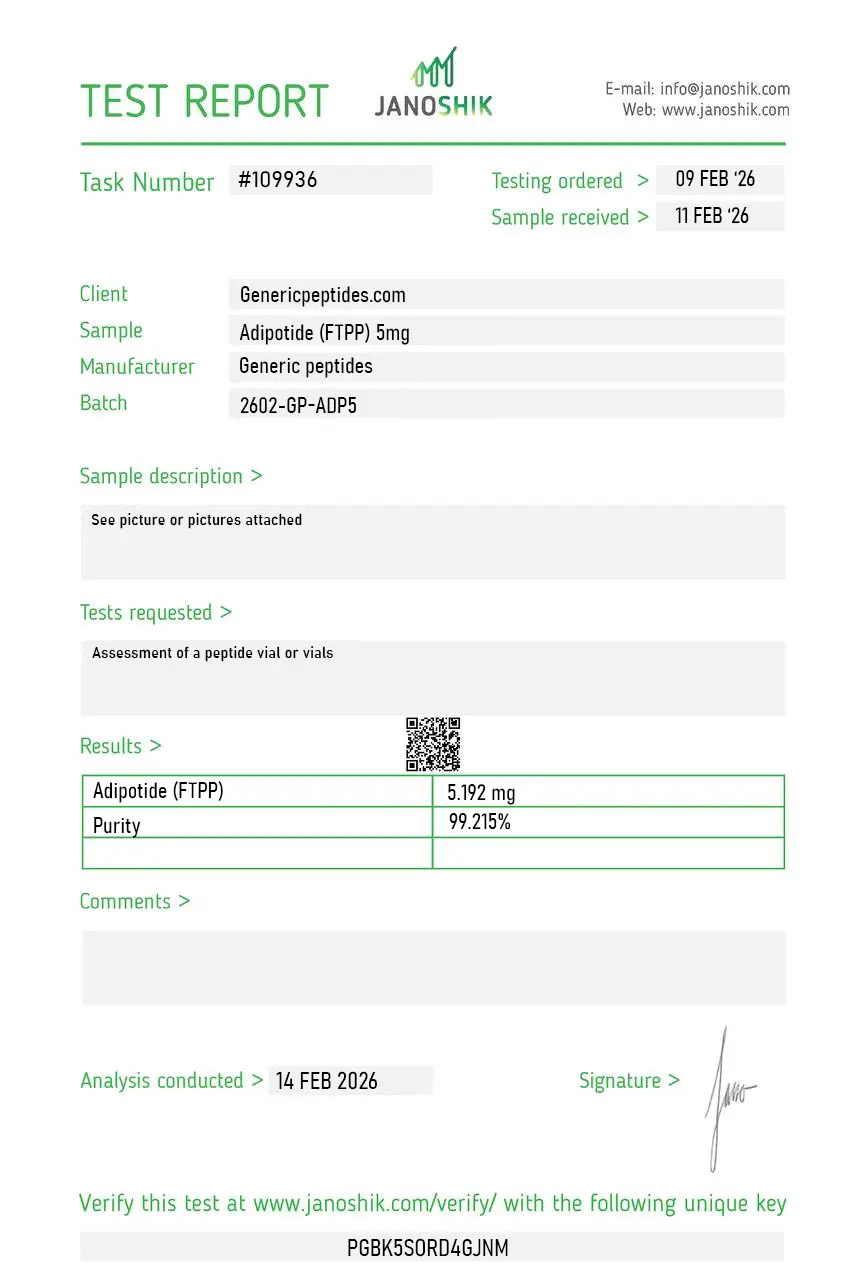
| Lab Proof | Batch-linked certificate of analysis available on request |
| Supply Chain | Sourced exclusively through official Dragon Pharma distribution |
Adipotide — formally known as FTPP (Fat-Targeted Proapoptotic Peptide) or Prohibitin-Targeting Peptide 1 — is a synthetic peptidomimetic compound developed at the University of Texas M.D. Anderson Cancer Center by researchers Mikhail Kolonin, Renata Pasqualini, and Wadih Arap. Interestingly, it was not originally designed for weight loss at all — the team was studying vascular targeting as a cancer treatment strategy when they discovered that a specific peptide sequence could selectively bind to blood vessels supplying white adipose tissue. That accidental discovery launched an entirely new class of targeted anti-obesity research compounds. Clinical development was later licensed to Arrowhead Research Corporation, which initiated a Phase I human trial in 2012 before permanently discontinuing the program in 2019.
Adipotide works through a mechanism unlike anything else in the weight-loss space. It is a two-part chimeric peptide: the first segment, CKGGRAKDC, acts as a homing device that binds specifically to a protein called prohibitin, which is expressed on the inner surface of blood vessels supplying white adipose tissue. The second segment, D(KLAKLAK)₂, is a proapoptotic sequence — once the peptide has docked onto these fat-feeding blood vessels, this domain is internalized into the cell and disrupts mitochondrial membranes, triggering programmed cell death (apoptosis). The blood supply to white fat tissue collapses, the fat cells are starved of oxygen and nutrients, and they die and are gradually cleared by the immune system. It does not suppress appetite, alter hormones, or raise metabolic rate — it literally dismantles the infrastructure that keeps fat cells alive.
The preclinical results were striking. In obese mice, 28 days of Adipotide treatment produced approximately 30% reduction in body weight. In obese rhesus monkeys — a much closer model to humans — a 28-day treatment cycle resulted in an average 11% reduction in body weight and a 39% decrease in white adipose tissue, confirmed by MRI and DEXA scanning. Crucially, insulin resistance also improved dramatically, sometimes within just the first few days of treatment — an effect researchers observed even before significant weight loss occurred. The fat-loss was confirmed to include both subcutaneous and visceral fat deposits, and no significant effects were observed on brown adipose tissue, which is metabolically important and desirable to preserve.
Yes, but the results were never published. In May 2012, Arrowhead Research Corporation initiated a Phase I dose-escalation trial in obese patients with castrate-resistant prostate cancer — a population chosen because reducing white fat was hypothesized to slow prostate cancer progression, and because these patients had no remaining standard treatment options. The trial was discontinued before completion, and no safety or efficacy data from the human trial was ever made publicly available. Clinical development was formally abandoned in 2019. The reasons were never officially specified, though the nephrotoxicity observed in primate studies is widely considered the most likely cause. This is one of the most significant information gaps in modern peptide research — a compound with genuinely promising animal data that simply vanished from the clinical pipeline without explanation.
The primary safety concern identified in primate studies was kidney toxicity — specifically, dose-dependent damage to the renal tubules, the microscopic structures responsible for filtering and reabsorbing substances from the blood. In obese monkeys, higher doses produced tubular degeneration and single-cell necrosis in the kidneys, with elevated serum creatinine levels indicating renal stress. The good news from primate data was that these effects were described as relatively mild, predictable, and reversible after stopping treatment. However, the therapeutic window — the margin between an effective dose and a kidney-damaging dose — proved too narrow in human subjects for the compound to be considered clinically viable in its original form. The nephrotoxicity is believed to stem from the proapoptotic D(KLAKLAK)₂ domain being processed by a kidney enzyme during excretion, causing collateral damage to renal tubular cells.
Yes, and this deserves direct mention. The bodybuilder Bostin Loyd publicly documented his self-administration of Adipotide and subsequently developed stage 5 kidney failure — the most severe category of renal impairment. While direct causation between Adipotide use and kidney failure in his specific case has been debated, the incident became widely circulated in peptide and bodybuilding forums as a serious cautionary example. It underscores a critical point: the kidney monitoring protocols used in controlled research settings — where renal function is tested repeatedly and dosing is halted at the first sign of distress — are entirely absent when someone self-administers a research compound purchased online without medical supervision.
The honest answer is we do not fully know, because no data was ever published. The Phase I trial was discontinued without public explanation, and Arrowhead Research later pivoted its business focus entirely to RNA interference therapeutics — a different technology platform. The most scientifically plausible reason is that the gap between the dose required for meaningful fat loss and the dose that damaged kidneys was too narrow in human patients to develop a safe, practical drug. Additionally, the regulatory pathway for a compound that permanently destroys fat-feeding blood vessels — with irreversible cellular death as its core mechanism — would require an exceptionally clean safety profile that Adipotide apparently could not demonstrate.
The selectivity is real but not absolute. The prohibitin and ANXA2 receptor system that Adipotide targets does appear to be preferentially expressed on blood vessels feeding white adipose tissue, which is why brown adipose tissue — important for heat generation and metabolism — was not significantly affected in animal studies, and liver toxicity was not observed. However, the kidneys appear to interact with the peptide's proapoptotic domain during excretion, causing off-target damage in that organ. Researchers have noted that at higher doses, the selectivity is not sufficient to protect the kidneys. This is precisely the problem that next-generation approaches — including nanoparticle delivery systems currently in early-stage development — are attempting to solve by packaging the therapeutic payload differently.
Adipotide has never received approval from the FDA or any other regulatory authority for human use. It is not available as a prescription medication anywhere in the world. Products sold online are marketed as "research chemicals" for laboratory use only — a label that does not make human consumption legal or safe. Its human clinical trial was terminated without published results, meaning there is no validated evidence of safety or efficacy in people. Anyone purchasing and self-injecting Adipotide is doing so outside any legal or medical framework, with no established safe dose, no clinical oversight, and no published human safety data to reference.
The science behind Adipotide has not been abandoned — it has evolved. Researchers continue developing next-generation "hunter-killer" peptides that target adipose stromal cells for cancer combination therapy. Separately, a company called Adipo Therapeutics presented data in 2024 on a nanoparticle-based approach designed to convert white fat into metabolically active brown fat. Perhaps most importantly, the annexin A2–prohibitin receptor system that Adipotide targets has been confirmed to exist in the white adipose tissue vasculature of human patients — meaning the biological target is real and valid. The challenge is delivering a therapeutic payload to that target without harming the kidneys, and that problem remains unsolved in any approved compound.