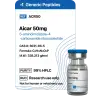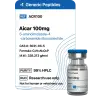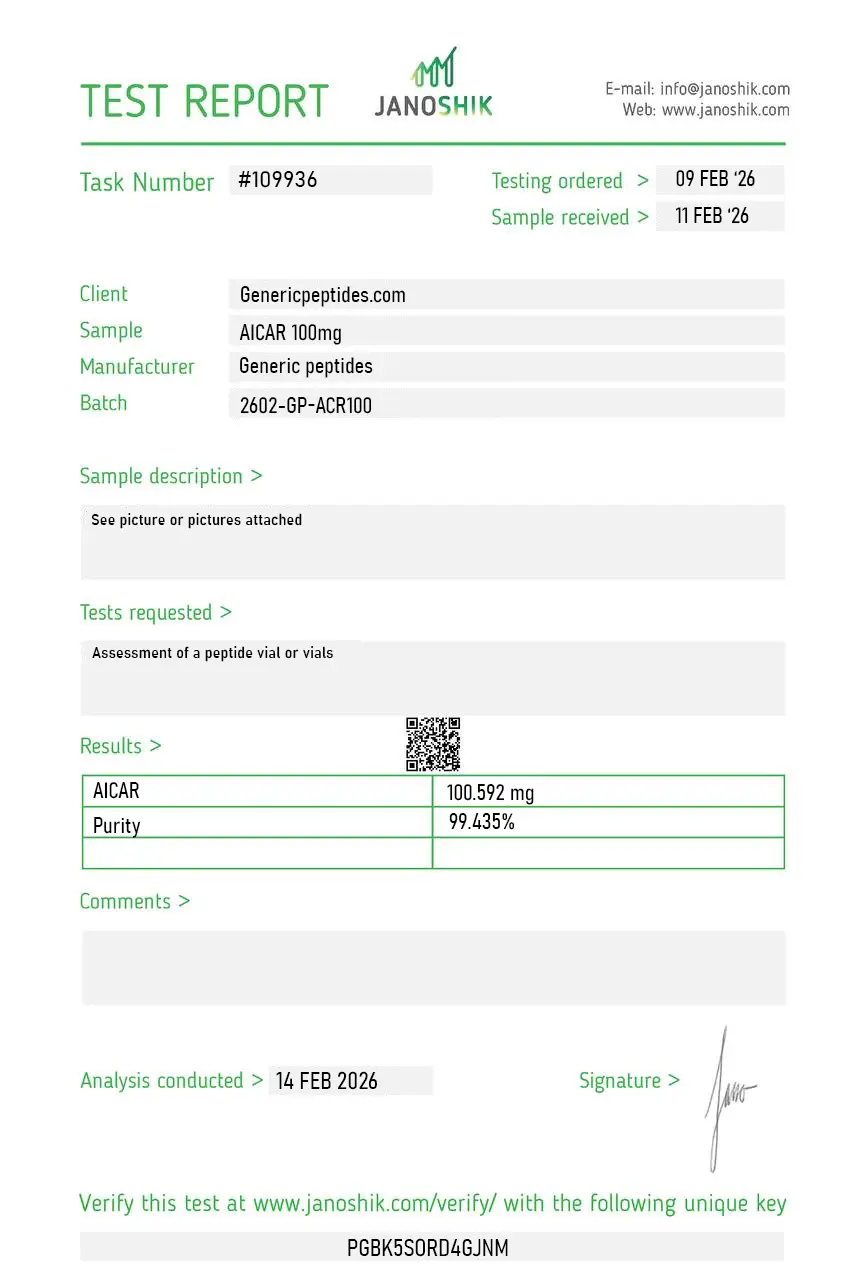
Aicar

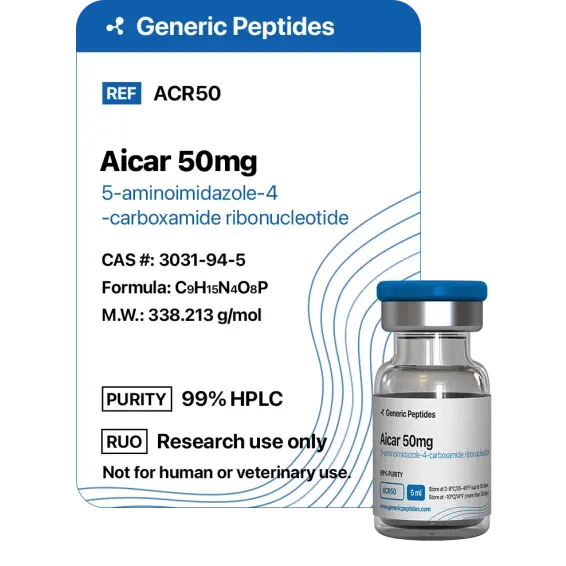
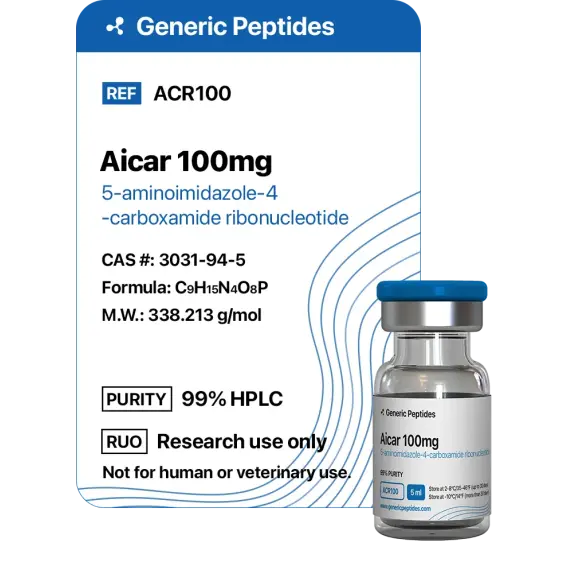
CAS # 3031-94-5
Mol. weight 338.21 g/mol
Formula C9H15N4O8P
Identity
Manufacturer Generic Peptides
Active substance Acadesine (5-Aminoimidazole-4-carboxamide-1-β-D-ribofuranoside)
Synonyms Acadesine; AICA Riboside; AICA-R; NSC 105823; 5-Aminoimidazole-4-carboxamide riboside
Composition
Form Lyophilized powder
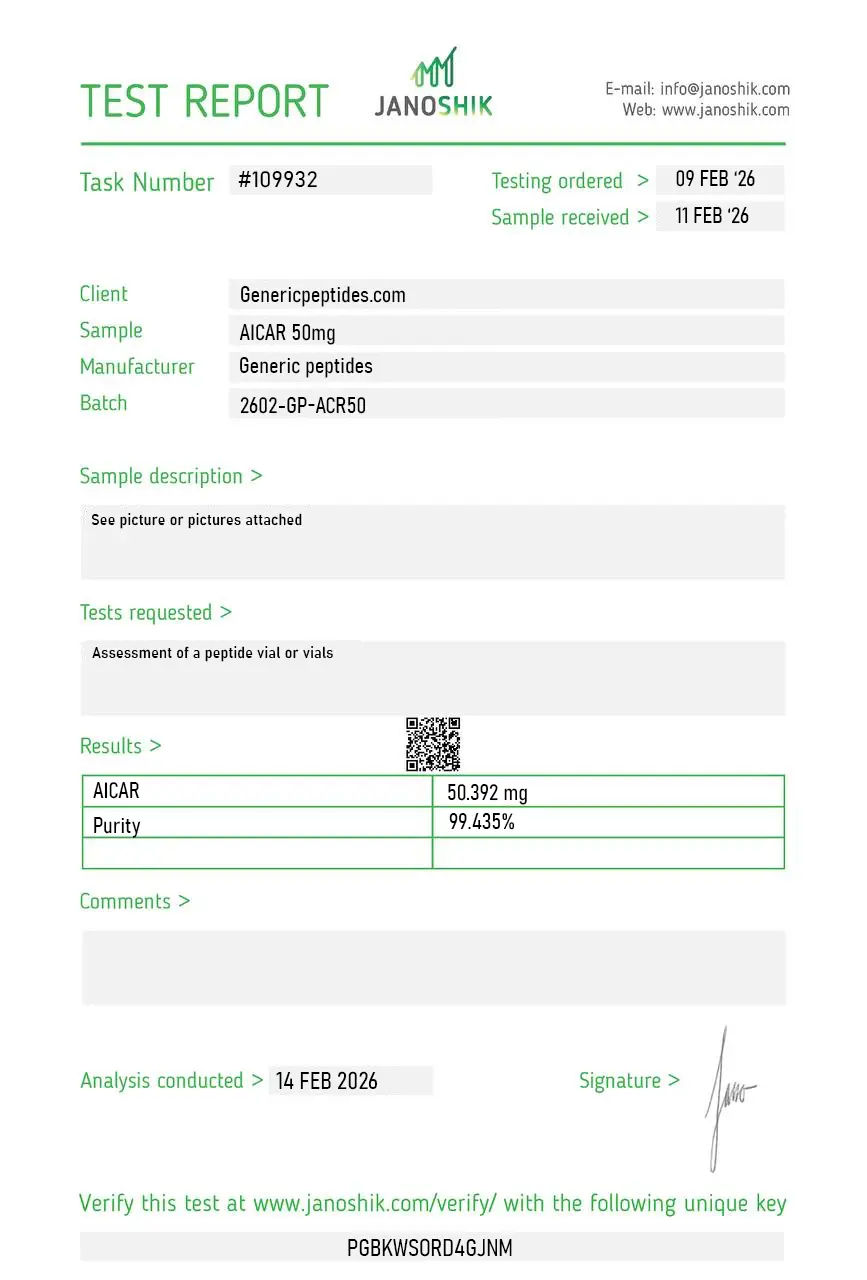
Purity ≥ 99% HPLC
Sequence N/A — not a peptide
Product usage — Research only
  • For in vitro testing and laboratory use only.
  • Not for human or animal consumption.
  • Bodily introduction is illegal.
  • Handle only by licensed professionals.
  • Not a drug, food, or cosmetic.
  • Educational use only.
Availability: In Stock
$45.00
Quantity
Strength
Shipping
Wishlist
Quick Summary: AICAR (Acadesine)
  • Researchers studying metabolism, endurance athletes seeking a training edge, and scientists investigating diabetes and cancer.
  • It tricks cells into thinking energy is running low, activating the same fat-burning and endurance pathways as exercise.
  • Sedentary mice gained 44% more endurance in 4 weeks — but this has never been replicated or validated in humans.
  • Unlike stimulants or hormones, it works through cellular energy sensing — not through the hormonal system directly.
  • AICAR does not suppress testosterone or other hormones — no PCT is needed after use.
  • Grey-market community protocols use 10–50 mg/day subcutaneously, but no validated human dosing exists.
  • Typically cycled for 4–6 weeks with an equal break after, though this convention is based on the mouse study — not human data.
  • WADA-banned since 2009 under S4 — and detectable via carbon isotope testing even at low doses.

AICAR (Acadesine): The Complete Guide to the "Exercise in a Pill" — What Science Really Says About the World's Most Studied AMPK Activator

If there is one compound that has genuinely captured the imagination of scientists, athletes, anti-ageing researchers, and doping control authorities in equal measure, it is AICAR. The idea behind it sounds almost too good to be true: a molecule that tricks your cells into believing they are exercising — activating the same metabolic pathways as a hard workout — without you having to leave the sofa. A 2008 study showed that sedentary mice given AICAR increased their running endurance by 44% without a single training session. That headline spread around the world instantly. Ronald Evans, the Salk Institute scientist who ran the study, was so aware of the implications that he notified WADA about the compound before the paper was published. By 2009, AICAR was banned. In 2012, a sports doctor and nine others connected to a Spanish cycling team were arrested for supplying it. And yet — here is the honest part — the same compound is also being investigated in oncology, has been used in over 4,000 cardiac surgery patients, and is one of the most important research tools in the entire field of cell metabolism. AICAR is not simple. This article gives you the complete picture.

What It Is and Where It Comes From

AICAR stands for 5-Aminoimidazole-4-carboxamide-1-β-D-ribofuranoside. It is also known as acadesine, AICA riboside, and by various synonyms including NSC 105823, AICA-riboside, and the trade designation GP 1-110. Despite the somewhat intimidating name, AICAR is not a foreign substance invented from scratch — it is a synthetic version of a molecule the human body produces naturally as part of the purine biosynthesis pathway. Every cell in your body makes tiny amounts of AICAR endogenously as an intermediate in the de novo synthesis of purines (the building blocks of DNA and RNA). The synthetic version simply makes far more of it available to tissues than natural production ever could.

Important nomenclature note: AICAR is frequently confused with AICAR ribotide (also called ZMP, or AICA ribonucleotide), which is the intracellular phosphorylated form that actually does the biochemical work. When people say "AICAR" they almost always mean the exogenous riboside (the unphosphorylated form that is administered), which scientific literature more precisely abbreviates as AICAr. Once inside cells, AICAr is phosphorylated by adenosine kinase to become ZMP — the active intracellular molecule. This distinction matters for understanding both the pharmacology and the detection of doping.

Structurally, AICAR is an analog of adenosine — it is close enough in shape to adenosine to enter cells through the same nucleoside transporters (ENT1 and ENT2), but different enough to have distinct biological effects once inside.

How It Works in the Body — Mechanisms of Action

AICAR's primary fame rests on its ability to activate AMPK — AMP-activated protein kinase — one of the most fundamentally important enzymes in cellular biology. But the full picture is substantially more complex than a simple "AICAR activates AMPK." A landmark 2021 systematic review in Cells documented extensively that many of AICAR's effects are actually AMPK-independent, which is both scientifically important and practically significant for interpreting the research.

The AMPK Pathway — Primary Mechanism

AMPK is the cell's master energy sensor. It is a heterotrimeric enzyme consisting of a catalytic α-subunit and regulatory β and γ subunits. The γ-subunit contains AMP-sensing domains — when cellular AMP rises (signalling energy depletion), AMP binds the γ-subunit, allosterically activating AMPK and simultaneously protecting it from dephosphorylation at its activation site (Threonine-172 on the α-subunit). The upstream kinase LKB1 (liver kinase B1) phosphorylates Thr172, maintaining AMPK in an active state.

AICAR enters cells via adenosine transporters and is phosphorylated by adenosine kinase to generate ZMP (AICAR monophosphate). ZMP structurally resembles AMP and binds to the CBS3 site on AMPK's γ-subunit, mimicking the AMP signal. Critically, ZMP does this without actually changing the cell's real AMP:ATP ratio or oxygen consumption — it tricks AMPK into thinking energy is depleted when it isn't. A key advantage of ZMP over natural AMP is that it cannot be cleared as quickly — ZMP accumulates to millimolar concentrations inside cells, sustaining AMPK activation. Once activated, AMPK phosphorylates a wide array of downstream substrates to shift cellular metabolism from energy-consuming (anabolic) to energy-producing (catabolic) states.

Key AMPK-Dependent Effects

  • Activation of fatty acid oxidation (fat burning) by phosphorylating and inhibiting acetyl-CoA carboxylase (ACC), reducing malonyl-CoA and opening the carnitine shuttle for fat transport into mitochondria
  • Inhibition of fatty acid synthesis and cholesterol synthesis (by phosphorylating ACC and HMGCR)
  • Increased glucose uptake in skeletal muscle by stimulating GLUT4 transporter translocation to the plasma membrane — mimicking insulin action in muscle
  • Inhibition of mTORC1 (via TSC2 phosphorylation and RAPTOR phosphorylation), reducing protein synthesis and cell growth — with implications for both anti-ageing and anti-cancer effects
  • Stimulation of mitochondrial biogenesis via PGC-1α (peroxisome proliferator-activated receptor γ coactivator-1α) — the master regulator of mitochondrial development, directly responsible for the endurance-enhancing effect observed in mice
  • Promotion of autophagy and mitophagy (cellular self-cleaning processes) via ULK1 phosphorylation
  • Conversion of fast-twitch, fatigue-prone type II muscle fibres toward fatigue-resistant, fat-burning type I (slow-twitch) fibre phenotype

AMPK-Independent Effects — The Critical Caveat

A growing body of evidence, systematically reviewed in 2021, shows that many effects previously attributed to AMPK activation by AICAR are actually caused by ZMP acting on other AMP-sensitive enzymes or by AICAR disrupting purine/pyrimidine nucleotide homeostasis directly. These AMPK-independent effects include:

  • Inhibition of fructose-1,6-bisphosphatase (a gluconeogenic enzyme in the liver) — contributing to blood glucose lowering independently of AMPK
  • Inhibition of glycogen phosphorylase in cardiac muscle — relevant to heart protection effects
  • Inhibition of AICAR transformylase (an enzyme in the purine synthesis pathway) — disrupting nucleotide synthesis, which is how AICAR kills cancer cells in some contexts
  • Direct cell cycle arrest via proteasomal degradation of Cdc25c (a G2/M phosphatase) — demonstrated in glioma cells independently of AMPK
  • Interactions with adenosine metabolism — AICAR competes for nucleoside transporters and inhibits adenosine deaminase, raising extracellular adenosine levels, which has vasodilatory and cardioprotective consequences
  • Inhibition of inflammatory signalling in glial cells
This duality — AMPK-dependent and AMPK-independent — means that interpreting AICAR research requires caution. Studies that conclude "this effect is due to AMPK" based solely on AICAR administration may be drawing false conclusions. For the reader, this means that AICAR's biological profile is both broader and harder to predict than simple "AMPK activator" language implies.

What It Was Studied For and What Effects It Showed

Cardioprotection (1980s–2000s) — The Original Application

Before AICAR was famous as an exercise mimetic or anti-doping concern, it was studied as a cardiac protective agent. Animal studies in the 1980s demonstrated that AICAR infusion improved postischemic recovery in the heart. This led to a series of Phase II clinical trials in the 1990s testing intravenous AICAR in patients undergoing coronary artery bypass grafting (CABG). A 1997 meta-analysis of five international randomised trials found that AICAR reduced early cardiac death, heart attacks, and combined adverse cardiovascular outcomes. The results were promising enough to lead to a large Phase III trial — RED-CABG — which was ultimately stopped early in 2012 after interim analysis showed no meaningful reduction in morbidity or mortality compared to placebo. The cardiac application remains unproven as an approved treatment despite the substantial early data. Importantly, this clinical program established that AICAR is well tolerated in humans at doses up to 100 mg/kg IV — data from more than 4,000 cardiac patients.

The "Exercise in a Pill" Revelation (2008)

The compound changed direction entirely in 2008 when Ronald Evans' team at the Salk Institute published a landmark paper in Cell showing that sedentary mice given AICAR for four weeks increased their running endurance by 44% without any training. The mechanism: AICAR activated AMPK in skeletal muscle, inducing expression of genes linked to oxidative metabolism and converting type II (fast, fatiguing) fibres toward type I (slow, fatigue-resistant, fat-burning) fibre phenotype. The paper also showed synergistic effects when AICAR was combined with GW501516 (a PPARδ agonist), which worked through a separate but complementary pathway. Evans contacted WADA before publication — the potential for performance enhancement was immediately obvious.

Diabetes and Metabolic Disorders

AICAR's AMPK-activating properties make it pharmacologically interesting for insulin resistance and type 2 diabetes. In obese Zucker rats, AICAR significantly improved metabolic control. In muscle, AMPK activation by AICAR stimulates GLUT4 trafficking and glucose uptake independently of insulin. In the liver, AICAR inhibits gluconeogenesis (the liver's production of new glucose), contributing to blood glucose lowering. These effects mirror those of metformin — the world's most widely used antidiabetic drug, which also activates AMPK, albeit by a different mechanism (mitochondrial Complex I inhibition rather than ZMP accumulation). Notably, while AICAR and metformin have very similar metabolic effects, metformin is not WADA-banned.

Diabetic Peripheral Neuropathy (2025 research)

A 2025 study published in the International Journal of Molecular Sciences investigated AICAR as an exercise mimetic specifically for diabetic peripheral neuropathy (DPN) — nerve damage caused by diabetes. The research found that AICAR treatment prevented or reversed experimental DPN in mouse models of both Type 1 and Type 2 diabetes by improving mitochondrial function in dorsal root ganglion (DRG) neurons via AMPK phosphorylation and regulation of mitophagy (the cellular process of removing damaged mitochondria). AICAR increased phospho-AMPK in DRG neurons by 3-fold, improved mitochondrial respiration, and reversed sensory neuropathy markers. This is significant because many DPN patients cannot exercise due to neuropathic foot pain — an exercise mimetic could be uniquely valuable in this population.

Haematological Cancers — CLL and Beyond

In 2003, researchers reported that AICAR selectively induces apoptosis (programmed cell death) in B-cells from patients with chronic lymphocytic leukaemia (CLL) — one of the most common blood cancers. Crucially, this cytotoxic effect appears to be largely AMPK-independent, occurring instead through AICAR's interference with purine nucleotide synthesis (inhibiting AICAR transformylase) and through direct activation of apoptotic signalling. Cancer cells with high purine synthesis demands are especially vulnerable. This finding led to actual clinical investigation: a Phase I/II trial in relapsed/refractory CLL patients was conducted across multiple centres, reporting in 2013 that a maximum tolerated dose of 210 mg/kg IV was established with an acceptable safety profile. Additional research has shown AICAR synergises with the anti-cancer antibody rituximab against mantle cell lymphoma, and has cytotoxic effects in acute lymphoblastic leukaemia (ALL) and splenic marginal zone lymphoma cell lines. Antifolate drugs like methotrexate — used in cancer treatment — sensitise cancer cells to AICAR by inhibiting AICAR transformylase, the enzyme that normally clears ZMP.

Neurological Conditions

AICAR is under preclinical investigation for several neurological conditions. Its activation of AMPK and induction of mitophagy appears to protect neurons from metabolic stress and ischaemic damage. Animal models have shown reduced neuronal death after stroke and improvements in spinal cord injury models. The 2025 DPN study also highlighted AICAR's potential for neuroprotection in peripheral nerves specifically.

Inflammation and Immune Modulation

AICAR inhibits pro-inflammatory cytokine production and inducible nitric oxide synthase (iNOS) in glial cells (the brain's immune cells), with implications for neuroinflammatory conditions. It also modulates macrophage polarisation via the JAK2/STAT3 signalling pathway, shifting macrophages toward less inflammatory phenotypes — relevant to metabolic diseases with inflammatory components like obesity-related asthma and atherosclerosis.

Forms and Methods of Administration

Intravenous (IV) Infusion

The administration route used in all formal clinical trials — both the cardiac surgery program and the CLL cancer trials. IV infusion allows precise dosing and bypasses all absorption variability. The cardiac trials used doses of approximately 100 mg/kg over several hours; the CLL trial used 50–315 mg/kg over 4-hour infusions. This is an exclusively clinical and research procedure.

Subcutaneous Injection

The route used in most animal research studies. Not formally validated in human clinical trials but used in the grey-market research community. The reconstituted compound is injected into subcutaneous fat similarly to other research peptides.

Oral Administration

The 2008 Narkar/Evans mouse study that made headlines used oral AICAR for four weeks. This is notable because most nucleoside analogs have poor oral bioavailability. AICAR has demonstrated some degree of oral absorption and bioactivity in rodents, which is part of why it attracted doping interest — an oral "exercise pill" is far more practically usable than an injectable one. However, human oral bioavailability data is extremely limited, and the oral doses studied in mice (500 mg/kg) translate to completely impractical human equivalent doses when properly scaled.

Dosage: Research Findings vs Real-World Practice

Clinical Trial Doses (Humans)

The foundational human pharmacokinetic and safety study from 1991 established safety and tolerance at doses relevant to cardiac applications. At doses up to 100 mg/kg IV, only mild and transient side effects were reported equally between placebo and drug groups in over 4,000 cardiac patients — an important safety signal. The CLL Phase I/II trial established 210 mg/kg as the maximum tolerated dose (MTD) and optimal biological dose (OBD) for anti-cancer IV infusions over 4 hours, with manageable adverse effects.

The Scale Problem for Performance Use

Here is the key point that is almost always glossed over in discussions of AICAR as a performance enhancer: the mouse endurance study used 500 mg/kg body weight for four weeks. Translating this dose to an 80 kg human using standard interspecies dose-conversion formulas yields approximately 2.4–3.2 grams per day. At the time of the study, this would have cost approximately $45,000 per month at research-grade prices. Even in 2025, the compound is extraordinarily expensive at research-grade purity. This is one major reason documented human doping use has been relatively limited: the practicality and economics are prohibitive for most athletes. Whether lower, more practical doses produce meaningful performance enhancement in humans is simply not known.

Grey-Market / Community Protocols

The community of researchers and self-experimenters who have used AICAR report protocols typically ranging from 10 to 50 mg/day via subcutaneous injection for 4 to 8-week cycles. These doses are a tiny fraction of the clinical trial doses and an even tinier fraction of the mouse study doses. Whether they produce any meaningful AMPK activation in humans is unknown — there is no pharmacokinetic data for subcutaneous human dosing at these ranges.

There are no FDA-approved, EMA-approved, or clinically validated dosing guidelines for human performance or wellness use of AICAR whatsoever.

Cycles and Protocols

In the absence of any human clinical data for wellness or performance protocols, discussing "cycles" for AICAR is largely speculative. The grey-market convention that has emerged mirrors the 4-week mouse study duration: cycles of 3 to 6 weeks, followed by equivalent off periods. Some community protocols extend to 8 weeks. The rationale for cycling reflects general caution rather than evidence of tolerance, desensitisation, or established safety windows.

What is known from clinical contexts: the CLL trial used up to five doses over 12 days at very high IV doses, with monitoring for renal function (a key toxicity concern at high doses). The cardiac surgery application was single-infusion during surgery. Neither context provides guidance for repeated low-dose subcutaneous use over weeks.

What It Is Combined With and Why

In animal research, AICAR has been most famously combined with GW501516 (a PPARδ agonist), with which it showed synergistic and additive endurance enhancement in the 2008 Salk study. These two compounds act on complementary but distinct pathways: AICAR through the AMPK energy-sensing pathway; GW501516 through PPARδ-mediated transcriptional activation of fat oxidation and mitochondrial genes. The combination produced greater endurance gains than either alone. This is also the combination most relevant to historical doping — both appeared on WADA's banned list in 2009.

In the cancer research context, AICAR has been combined with rituximab (showing synergy in mantle cell lymphoma) and is conceptually combinable with antifolate chemotherapy agents like methotrexate (which sensitise cancer cells by blocking ZMP clearance).

In community wellness circles, AICAR is sometimes mentioned alongside metformin (for complementary metabolic effects), GW501516 (mirroring the Salk study stack, despite the known carcinogenicity concerns with GW501516), or other AMPK-activating compounds like berberine. These combinations are entirely unsupported by human evidence.

The Science: What Is Proven and What Is Not

What is supported by human or rigorous animal evidence:

  • 44% endurance increase in sedentary mice from 4 weeks of oral AICAR — demonstrated in a published, peer-reviewed, well-designed animal study
  • AMPK activation in skeletal muscle, liver, and heart tissue — extensively documented across hundreds of studies
  • Type II to Type I muscle fibre conversion via PGC-1α activation in rodent models
  • Improved glycaemic control in obese animal models via GLUT4 translocation and gluconeogenesis inhibition
  • Cardioprotection in animal ischaemia models and early positive signal in CABG trials (not replicated in Phase III)
  • Selective cytotoxicity in CLL and other haematological malignancies — confirmed in Phase I/II human trial with tolerable safety profile
  • Prevention and partial reversal of diabetic peripheral neuropathy in mouse models (2025)
  • IV human tolerability established at doses up to 210 mg/kg in the clinical setting

What is NOT established in humans:

  • Endurance or performance enhancement at any practical dose — the mouse study has not been replicated in humans
  • Effective dose range for any wellness or performance indication
  • Safety of repeated subcutaneous dosing at any dose
  • Metabolic or body composition effects in healthy humans
  • Long-term safety profile with any dosing regimen
  • Oral bioavailability and effective oral dosing in humans
  • Neuroprotective effects in human diabetic neuropathy (only preclinical data as of 2025)

Side Effects and Real Risks

From Human Clinical Studies

At doses up to 100 mg/kg IV in more than 4,000 cardiac surgery patients, side effects were mild and comparable to placebo — establishing a reasonable acute safety window for this route and context. At the higher doses used in the CLL trial (up to 315 mg/kg), documented adverse effects included:

  • Hyperuricaemia (elevated uric acid levels) — occurring commonly but clinically manageable with prophylactic allopurinol; this is a predictable consequence of the nucleotide metabolism disruption caused by ZMP accumulation
  • Transient anaemia and/or thrombocytopenia (reduced red blood cells and platelets) — generally not clinically significant and self-resolving
  • Renal impairment — documented at higher doses (210 mg/kg+), leading to dose reduction or discontinuation in some subjects; this is the most significant dose-limiting toxicity
  • Infusion-related hypotension (transient low blood pressure) — reported as clinically significant in some subjects
  • Nausea and gastrointestinal discomfort at higher doses

At doses below 100 mg/kg IV, the safety profile was very favourable — this is actually one of AICAR's more reassuring aspects: it has been used in thousands of humans in clinical contexts without alarming acute safety signals.

Theoretical and Extrapolated Risks

  • Neurodegeneration risk from excessive or off-target AMPK activation: USADA has explicitly stated that "too much activation of AMPK, or activating it in the wrong tissue, can cause serious side effects, including neurodegeneration, or preventing cells from dividing." This is not hypothetical — accumulation of natural ZMP in patients with Lesch-Nyhan syndrome (a genetic purine metabolism disorder) is associated with neurological abnormalities, suggesting that nucleotide disruption by ZMP can directly damage neurons.
  • Cell division inhibition: Because AMPK activation suppresses mTOR and anabolic signalling, excessive AMPK activation in tissues requiring constant cell renewal (gut epithelium, immune cells, bone marrow) could theoretically impair normal tissue maintenance.
  • Unknown risks of repeated low-dose subcutaneous use: This route and dose range has never been formally studied in humans. Everything extrapolated from IV clinical trial data or oral rodent data is pharmacokinetically speculative.
  • Quality of unregulated sources: As with all research chemicals, AICAR sold through grey-market suppliers is unregulated for purity and dose accuracy. At the prices involved, adulteration or mislabelling is a serious practical risk.

Effects on Hormones and the Endocrine System

AICAR's effects on the endocrine system are indirect — it does not bind to hormone receptors directly but modulates hormonal signalling through AMPK and downstream pathways.

Insulin Signalling

AICAR improves insulin sensitivity in skeletal muscle by stimulating GLUT4 trafficking independently of the insulin receptor — essentially, it allows muscle to absorb glucose without needing an insulin signal. This is one of its core mechanisms in diabetes research. Importantly, a 2025 study in adipocytes found a contrary effect: sustained AICAR incubation actually inhibited insulin-stimulated glucose uptake in fat cells, through an AMPK-independent, ZMP-dependent mechanism. This highlights the tissue-specificity of AICAR's effects — beneficial in muscle, potentially problematic in adipose tissue — and underscores the complexity of using a systemic AMPK activator.

Cortisol and Stress Hormones

Unlike many performance-enhancing compounds, AICAR does not significantly stimulate the hypothalamic-pituitary-adrenal (HPA) axis or raise cortisol. AMPK activation is metabolically stimulating rather than hormonally stimulating. However, metabolic stress signals from AMPK could theoretically interact with stress hormone pathways in complex ways not yet fully characterised.

Reproductive Hormones

An animal study showed that intracerebroventricular injection of AICAR affected melatonin levels in ewes, suggesting potential hypothalamic interactions. The broader reproductive hormonal implications in humans are not studied.

Thyroid Function

AMPK activation influences thyroid hormone sensitivity at the cellular level in some tissues. Clinical significance in humans at typical doses is unknown.

Cancer Risk — A Direct Answer

AICAR's relationship with cancer is genuinely paradoxical and deserves careful unpacking.

The Anti-Cancer Evidence

AICAR is being investigated as a cancer treatment — not as a cancer risk. Its cytotoxic effects in B-cell CLL, mantle cell lymphoma, acute lymphoblastic leukaemia, and other haematological malignancies are AMPK-independent and appear to work through disruption of purine synthesis (blocking AICAR transformylase, causing toxic ZMP accumulation in cancer cells) and through direct pro-apoptotic signalling. This is the basis of the Phase I/II clinical trial in CLL. The anti-cancer mechanism is selectively more potent in cancer cells than normal cells in these contexts because cancer cells have higher purine synthesis demands.

The Pro-Cancer Concern

However, the AMPK pathway's relationship with cancer is genuinely double-edged. AMPK can suppress tumour formation through LKB1-mediated inhibition of mTOR and anabolic growth signalling — explaining why LKB1, the upstream kinase that activates AMPK, is a tumour suppressor gene. But once tumours are established, AMPK may help cancer cells survive metabolic stress — the same stress-resistance pathway that makes muscle cells more endurance-capable also makes cancer cells more metabolically resilient. A PNAS study found that while AICAR and metformin inhibited cancer cell proliferation in glioma, constitutive AMPK activation was already present in established gliomas as a stress-survival response — suggesting AMPK activation may be a sign that the cancer has already adapted to use it defensively.

AICAR is not a carcinogen — it does not cause cancer by damaging DNA. Its AMPK-independent anti-cancer effects in blood cancers are genuinely promising and being tested clinically. However, its AMPK-activating effects could theoretically support the metabolic survival of established solid tumours. Anyone with active cancer should not use AICAR outside of a clinical trial context with oncological supervision. The situation is fundamentally different from compounds like BPC-157 or CJC-1295 (which stimulate angiogenesis and IGF-1 respectively, potentially feeding tumours) — AICAR's cancer relationship is more complex and context-dependent.

Contraindications

  • Active solid tumours (complex AMPK/tumour interaction; use only under oncologist supervision)
  • Severe renal impairment (dose-limiting renal toxicity at high IV doses; unknown risk at low SC doses)
  • Gout or hyperuricaemia (AICAR raises uric acid levels predictably via ZMP accumulation)
  • Lesch-Nyhan syndrome or other purine metabolism disorders (ZMP accumulation pathological in these patients)
  • Active severe anaemia or thrombocytopenia (documented haematological effects at high doses)
  • Severe hepatic impairment (liver is a primary target of AICAR's metabolic effects; unknown risk)
  • Pregnancy and breastfeeding (no data)
  • Concurrent use of methotrexate or other antifolate drugs without oncological supervision (significantly amplifies ZMP accumulation and cellular toxicity)
  • Hypotension or cardiovascular instability (infusion-related hypotension documented clinically)

Interactions With Drugs and Other Substances

  • Methotrexate and antifolate drugs: These inhibit AICAR transformylase — the enzyme that clears ZMP — dramatically amplifying intracellular ZMP accumulation and therefore AICAR's effects. This combination is deliberately exploited in cancer research but could be seriously dangerous in other contexts.
  • Allopurinol: Used prophylactically in the CLL trial to manage AICAR-induced hyperuricaemia. Anyone using AICAR at higher doses should be aware of this interaction and discuss uric acid management with a physician.
  • Metformin: Both activate AMPK (via different mechanisms) and both lower blood glucose. Combined use could produce additive or synergistic hypoglycaemic effects, particularly in diabetic patients — requiring careful glucose monitoring.
  • Other AMPK activators (berberine, resveratrol, salicylates): Additive AMPK activation with poorly characterised synergy ceiling. Theoretical risk of excessive AMPK activation with the adverse consequences outlined by USADA.
  • Insulin and antidiabetic agents: AICAR stimulates glucose uptake in muscle independently of insulin. Combined with insulin or secretagogues, hypoglycaemia risk increases.
  • Adenosine receptor drugs: AICAR raises extracellular adenosine levels by inhibiting adenosine deaminase and competing for nucleoside transporters. This could interact unpredictably with drugs that modulate adenosine signalling (dipyridamole, theophylline, caffeine — a mild adenosine receptor antagonist).

United States

AICAR has no FDA approval for any indication. It is classified as a research chemical. The cardiac application completed Phase III trials with a negative outcome; the oncology application is still in investigational phases. AICAR is not a DEA-scheduled controlled substance, so simple possession for research purposes is technically legal. It cannot be sold for human therapeutic use without FDA approval. It circulates through grey-market research chemical suppliers at very high prices.

European Union

AICAR has no EMA approval. It is sold as a research chemical in EU member states. Regulatory enforcement against human use varies by country. The EMA's harmonisation of research chemical regulations is ongoing but has not specifically targeted AICAR.

United Kingdom

Not listed in the Misuse of Drugs Act. Personal possession is not criminalised. Sale for human use without MHRA approval violates The Human Medicines Regulations 2012.

Australia

Likely captured under Schedule 9 (prohibited substance) or Schedule 4 depending on context, given its pharmacological activity and research-only status. Athletes in all jurisdictions should treat it as the prohibited substance it is under WADA.

Sports Status — WADA Position

AICAR has been explicitly banned by WADA since 2009, under Section S4: Hormone and Metabolic Modulators — specifically under the subcategory of "PPARδ-AMP-activated protein kinase (AMPK) axis agonists." This is an S4 prohibition, applicable at all times (in- and out-of-competition), with no Therapeutic Use Exemption pathway available since AICAR has no approved medical indication.

The backstory of AICAR's ban is unusually direct: the scientist who demonstrated the 44% endurance effect in mice proactively contacted WADA before publication. The ban followed quickly in 2009. Real-world enforcement became necessary almost immediately — in 2009, France's anti-doping agency reported suspicions that AICAR had been used in the Tour de France, finding traces in discarded bins from team vehicles. In 2012, a Spanish sports doctor and nine associates were arrested in connection with an international network supplying AICAR to cyclists.

Detection of AICAR presents a unique technical challenge because AICAR occurs naturally in the human body as an endogenous purine synthesis intermediate. Initial detection focused on quantifying urine and blood concentrations above natural baseline thresholds (above 920 ng/mL AICAR ribotide in erythrocytes has been established as above natural levels). A more robust method was subsequently developed using GC-C-IRMS (gas chromatography, combustion, isotope ratio mass spectrometry), which exploits the fact that synthetic AICAR has different carbon isotope ratios (δ¹³C values) than endogenous AICAR — synthetic AICAR gave δ¹³C values of approximately −9 to −11‰ compared to −22 to −25‰ for natural endogenous AICAR. This isotopic difference allows unambiguous detection of doping even when the absolute concentration might overlap with natural ranges. AICAR ribotide in red blood cells persists for approximately 10 days after administration, providing a detection window well beyond the acute exposure.

Storage and Solution Preparation

AICAR is supplied as a white to off-white lyophilised powder or crystalline solid. As a research chemical, it is typically available in quantities of milligrams to grams.

Storage

The lyophilised powder is stable at −20°C for extended periods (2+ years when properly stored). At room temperature, degradation can occur over weeks to months. Reconstituted solutions should be stored at −20°C and are typically stable for 3 months. Avoid repeated freeze-thaw cycles — aliquot into single-use volumes before freezing.

Reconstitution

AICAR has reasonable aqueous solubility — it dissolves in water (approximately 50 mg/mL in water or PBS). For IV or SC research use, it is dissolved in sterile saline or PBS (phosphate-buffered saline) and filtered through a 0.22-micron membrane for sterility. Unlike peptides, AICAR does not require bacteriostatic water since it is not susceptible to bacterial contamination in the same way.

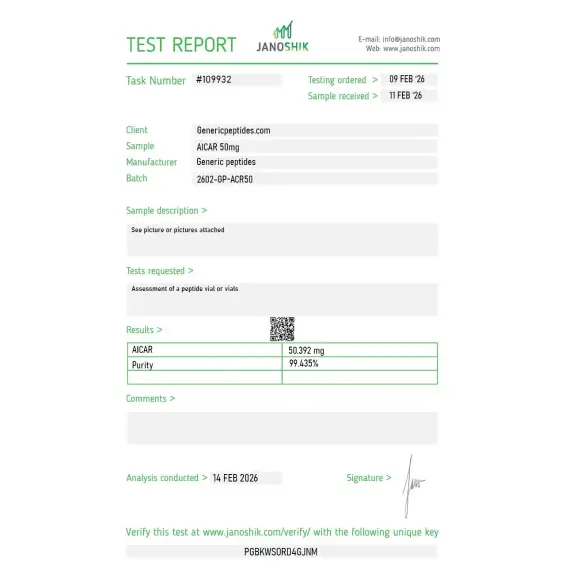
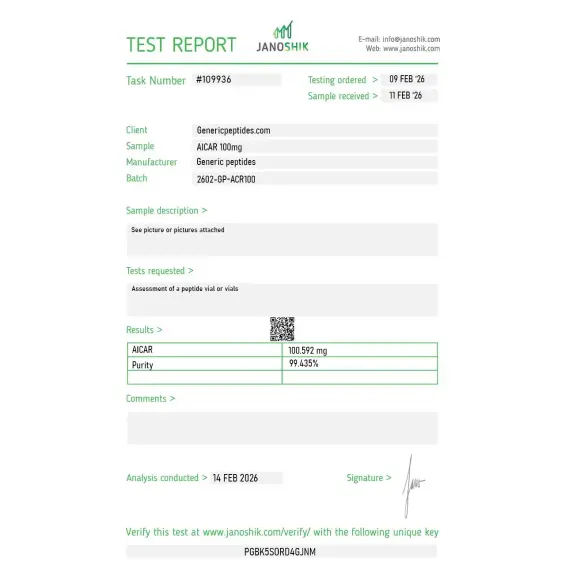
Research-grade AICAR from reputable biochemical suppliers (Sigma-Aldrich, Selleckchem, Cayman Chemical, etc.) is extraordinarily expensive — typically $100–$500+ per gram depending on purity specifications. This is why grey-market "AICAR" from cheaper sources carries serious quality risks. Cheaper sources have every financial incentive to use lower-purity material or to mislabel entirely different compounds. For any serious experimental use, third-party HPLC purity verification is essential.

Who Uses It and For What Purpose

Researchers and Scientists

By far the dominant legitimate user group. AICAR is one of the most widely used pharmacological tools in the entire field of cellular metabolism research. Thousands of published studies have used it to dissect AMPK biology, study diabetes, cancer, mitochondrial function, and exercise physiology in cell cultures and animal models. Its use as a research tool vastly outnumbers its use as a performance enhancer or wellness compound.

Endurance Athletes (Doping Context)

Despite the cost and detection risk, AICAR has been documented in use among elite cyclists and likely other endurance athletes since the late 2000s. The appeal is the theoretical possibility of shifting muscle fibre composition and enhancing oxidative metabolism without training — particularly attractive for maintaining fitness during injury recovery or for athletes seeking an edge that is difficult to detect without isotopic analysis. The economics and availability are genuinely limiting factors.

Oncology Research (Clinical)

AICAR (as acadesine) has been through Phase I/II clinical testing in CLL patients, establishing human safety data at high IV doses in the oncological context. It remains an active area of haematological cancer research, particularly regarding combination with rituximab.

Metabolic Disease Research

Type 2 diabetes, obesity, and metabolic syndrome researchers use AICAR extensively as a research tool and are investigating it as a potential therapeutic agent, though no approved indication has emerged.

The Potential Diabetic Neuropathy Patient

The 2025 research on AICAR preventing and reversing diabetic neuropathy in animal models opens a specific potential future patient population — people with DPN who cannot exercise due to neuropathic symptoms — where an exercise mimetic would have clear clinical rationale. This remains entirely preclinical.

Comparison With Alternatives and Similar Products

AICAR vs Metformin

Both activate AMPK and improve insulin sensitivity. Metformin does so by inhibiting mitochondrial Complex I (reducing the cell's ability to make ATP, thereby raising AMP:ATP ratio); AICAR does so more directly via ZMP mimicking AMP. Metformin is the world's most prescribed antidiabetic drug, has decades of human safety data, and is FDA-approved for type 2 diabetes. Metformin is NOT WADA-banned despite having similar metabolic effects — an inconsistency that is occasionally noted in the scientific community, though the performance-enhancing evidence for metformin is far weaker. For any diabetic patient, metformin is the vastly preferable, evidence-based, legal choice over AICAR.

AICAR vs GW501516 (Cardarine)

Often discussed together because of the 2008 Salk study. GW501516 is a PPARδ agonist that acts on gene expression directly to promote fat oxidation. It showed even more dramatic endurance effects in combination with AICAR than AICAR alone. However, GW501516 was definitively shown to cause rapid cancer development in animal studies during its own clinical development program, leading its developer GlaxoSmithKline to permanently abandon it. GW501516 is a known carcinogen in animals and is absolutely not suitable for human use. AICAR's risk profile, while uncertain, is fundamentally different — it does not carry a known carcinogenicity signal. Comparing AICAR and GW501516 as equivalent compounds is scientifically inaccurate.

AICAR vs Berberine

Berberine is a natural AMPK activator (also via mitochondrial Complex I inhibition, like metformin) with clinical evidence for blood glucose lowering and lipid improvement. It is available as a dietary supplement without prescription, is inexpensive, has reasonable human safety data, and is not WADA-banned. For anyone interested in AMPK activation for general metabolic health, berberine represents a far more practical, evidence-based, and legal alternative.

AICAR vs Exercise Itself

The inevitable comparison. Natural exercise activates AMPK by genuinely depleting cellular energy — muscle contractions increase the AMP:ATP ratio authentically. Exercise also activates a cascade of other beneficial signalling including calcium/calmodulin pathways, mechanical strain signalling, and neurotrophic factor release, which AICAR does not replicate. The 2008 Salk study actually showed that AICAR combined with exercise training produced greater effects than either alone — suggesting AICAR is best conceptualised as a complement to exercise signalling rather than a complete replacement.

What Doctors and Official Medicine Say

The mainstream medical position is unambiguous: AICAR has no approved therapeutic indication for any condition. Its cardiac application failed in Phase III. Its oncological application is still investigational. No prescriptions can be written for it. USADA has explicitly warned that AICAR is "an experimental compound that is not yet approved for therapeutic use in humans and should not be used by any athletes," and has noted that "too much activation of AMPK, or activating it in the wrong tissue, can cause serious side effects, including neurodegeneration, or preventing cells from dividing."

The scientific community's view is more nuanced and more positive: AICAR is a uniquely useful research tool with genuine therapeutic promise — particularly in haematological cancers, metabolic disease, and neuroprotection — but one that requires proper clinical development before any medical recommendation can be made. The insight that many of its effects are AMPK-independent also complicates therapeutic targeting, since off-target ZMP effects could produce both unexpected benefits (cancer cell killing) and unexpected harms (nucleotide disruption in normal cells) depending on dose and tissue.

The Future: Clinical Trials and Prospects

AICAR's future lies primarily in oncology and potentially in diabetic neuropathy — not in performance enhancement or general wellness. The CLL Phase I/II trial established human tolerability at doses sufficient to produce biological effects in cancer cells. The logical next step — a randomised Phase II/III trial in CLL patients — would require pharmaceutical development sponsorship that has not yet clearly emerged. The combination with rituximab in mantle cell lymphoma is a scientifically compelling case for further investigation.

The 2025 DPN data opens a genuinely exciting potential application: diabetic peripheral neuropathy is a condition with no currently approved disease-modifying treatment, and AICAR's exercise-mimetic mechanism is particularly well-suited to patients who cannot exercise due to the neuropathy itself. Translating this to human trials would require well-designed dose-finding studies prioritising the SC route that would actually be practical for a chronic neurological condition.

The broader AMPK drug development landscape is active. More selective AMPK activators — drugs that activate specific AMPK isoforms in specific tissues — are under development by multiple pharmaceutical companies, partly because AICAR's lack of specificity (activating AMPK everywhere and also hitting off-target ZMP-sensitive enzymes) makes it suboptimal as a drug despite its remarkable research utility. The insights gained from decades of AICAR research are directly informing these next-generation AMPK-targeting drugs.

Summary — The Key Takeaways

AICAR is genuinely fascinating — it occupies a unique position as simultaneously the most important research tool in cellular energy biology, a promising experimental anti-cancer agent with human clinical data, a documented banned doping substance, and an extremely expensive grey-market compound whose performance-enhancing effects in humans are largely unproven.

The 2008 mouse endurance study was real and the biology is sound. AMPK activation does promote fat oxidation, mitochondrial biogenesis, and type I muscle fibre development. But translating a 500 mg/kg mouse experiment to practical human use — at subcutaneous doses of 10–50 mg per day — is an enormous pharmacological leap that has never been formally validated. The economics alone have kept this compound out of widespread human experimentation.

What is genuinely established in humans: AICAR is reasonably safe in clinical doses up to 210 mg/kg IV in cancer patients, with manageable toxicity (uric acid elevation, transient haematological changes, renal effects at high doses). Its anti-cancer effects in B-cell malignancies are real and are being clinically developed. The nuclear concern — ZMP accumulating in the wrong tissues and causing neurological damage — is theoretical in normal adults at modest doses but becomes relevant with excessive use or genetic predisposition.

The honest verdict: AICAR is not appropriate for performance enhancement or general wellness use in 2025. It is not approved, has no established safe or effective dose for these purposes, is explicitly banned by WADA, and carries real unknown risks from repeated subcutaneous use that has never been formally studied. If you are a scientist or researcher, it remains one of the most valuable tools available for studying cellular metabolism. If you are an oncologist, the clinical development path is genuinely promising. If you are an athlete — do not touch it.

⚠ DISCLAIMER This article is for informational and educational purposes only. It does not constitute medical advice, diagnosis, or treatment. AICAR (acadesine) is not approved by the FDA, EMA, or any other regulatory authority for human therapeutic use. It is explicitly banned by WADA. Do not use AICAR without consulting a licensed healthcare professional. The author and publisher accept no liability for any actions taken based on the content of this article.

AICAR Dosage & Usage Guide: Complete Protocols for Endurance, Fat Loss, and Metabolic Performance

Introduction

AICAR (5-Aminoimidazole-4-carboxamide ribonucleotide) dosage and usage has attracted serious attention from endurance athletes, researchers, and metabolic health enthusiasts due to its ability to activate AMPK — the body's master metabolic switch — mimicking the effects of prolonged exercise at a cellular level. This guide covers everything known from research and real-world use about how to dose, cycle, and administer AICAR effectively and safely.

What Research Says About Dosage

AICAR has a solid body of preclinical research and several human studies, primarily in metabolic disease contexts. It is one of the few performance-relevant peptides with actual human trial data.

Study / Source Dose Used Goal Population
Boon et al. (2008, Diabetes) 500 mg IV over 45–60 min Insulin sensitivity, AMPK activation Type 2 diabetic adults
Gibala et al. (referenced AMPK work) Animal equivalent ~500 mg/kg Mitochondrial biogenesis Rodent models
Narkar et al. (2008, Cell — Salk Institute) 500 mg/kg/day (rodent) Endurance increase (+44% run time) Mice (sedentary)
Cuthbertson et al. (2007) 750 mg IV infusion Muscle protein synthesis / AMPK Healthy elderly adults
Espinoza et al. (2011) 500 mg IV Mitochondrial function, fat oxidation Older adults
Human equivalent (SubQ practical) 10–25 mg/day Endurance, fat loss, metabolic Extrapolated / community
Critical note: Most dramatic research results (e.g., +44% endurance in sedentary mice) used IV or intraperitoneal administration at very high mg/kg doses. Human SubQ bioavailability is meaningfully lower. Direct dose translation from rodent studies is not 1:1.

Real-World Dosage Protocols

Community protocols differ significantly from research IV doses due to route of administration. SubQ is the standard real-world method.

Experience Level Dose Frequency Notes
Beginner 10 mg/day Once daily Start low; assess tolerance and energy response
Intermediate 15–25 mg/day Once daily Most commonly reported effective range
Advanced 25–50 mg/day Once daily Upper practical range; diminishing returns above 50 mg
Research-referenced (human IV) 500 mg Single infusion (clinical only) IV route only; not replicable via SubQ self-administration
Short burst / pre-event 25–50 mg Daily for 5–10 days pre-competition Used by endurance athletes before target events
Important: Some practitioners report strong effects at just 10–15 mg/day SubQ. Higher doses increase hypoglycemia risk. Do not jump straight to 50 mg.

Dosage by Goal

Goal Recommended Daily Dose Frequency Cycle Length
Endurance improvement 15–25 mg Once daily 4–6 weeks
Fat oxidation / fat loss 15–25 mg Once daily 6–8 weeks
Insulin sensitivity / metabolic health 10–20 mg Once daily 4–8 weeks
Mitochondrial biogenesis 20–50 mg Once daily 6–8 weeks
Pre-competition peak (endurance) 25–50 mg Once daily for 5–10 days Short blast only
Anti-aging / longevity (AMPK activation) 10–15 mg Once daily or every other day 4–6 weeks on, 4 off
Stacked with GW-501516 (Cardarine) 10–20 mg AICAR Once daily 4–6 weeks (high risk stack — see safety)

Forms of Administration

Form Bioavailability Ease of Use Best For
Subcutaneous injection Moderate–high Moderate Standard practical use
Intravenous infusion Highest Very difficult (clinical only) Research / clinical settings only
Intramuscular injection Moderate Moderate Acceptable alternative to SubQ
Oral capsule / powder Very low (largely degraded) Easy Not recommended — poor absorption
Nasal spray Low / unproven Easy Not established for AICAR
Bottom line: SubQ injection is the only practical self-administration route. Oral AICAR is largely destroyed before reaching systemic circulation.

Injection Guide

Reconstitution

  1. Common vial size: 50 mg lyophilized powder
  2. Add 2 mL bacteriostatic water → 1 mL = 25 mg → 0.1 mL = 2.5 mg
  3. For finer dosing: add 5 mL BW → 1 mL = 10 mg → 0.1 mL = 1 mg
  4. Swirl gently to dissolve — never shake
  5. Refrigerate reconstituted vial; use within 4 weeks
  6. Store dry (lyophilized) vials frozen or refrigerated away from light
Injection Type Site Needle Size Notes
Subcutaneous Belly fat, love handles, upper thigh 27–31G, 0.5 inch Most common; rotate sites daily
Intramuscular Deltoid, glute, quad 23–25G, 1–1.5 inch Faster absorption; not necessary for most users

SubQ injection steps

  1. Wipe vial top and injection site with alcohol swab; let dry completely
  2. Draw correct volume into insulin syringe
  3. Pinch 1–2 inches of skin at injection site
  4. Insert at 45° angle; pull back slightly — resite if blood appears
  5. Inject slowly and steadily; withdraw; apply light pressure
  6. Rotate injection site each day

Cycle Length and Timing

Protocol Cycle Length Frequency Timing Notes
Standard endurance / fat loss 4–6 weeks Once daily Morning, fasted Fasted AM aligns with metabolic goals
Metabolic health / insulin sensitivity 6–8 weeks Once daily Morning Pairs well with fasted cardio
Anti-aging / longevity 4–6 weeks on, 4 off Every other day Morning Conservative long-term approach
Pre-competition blast 5–10 days Once daily Morning 25–50 mg; stop 2–3 days before event
Stacked protocol (with Cardarine) 4–6 weeks Once daily Morning Significantly amplified endurance effect
Extended research-style 8 weeks max Once daily Morning Monitor blood glucose; take full break after
Timing: Morning fasted administration is consistently preferred — AMPK activation enhances fat oxidation during subsequent activity or cardio.

Beginner Protocol

  • Starting dose: 10 mg once daily, SubQ, fasted morning
  • First week: Low dose only — assess for hypoglycemia (dizziness, shakiness, fatigue)
  • Week 2–3: Increase to 15–20 mg if well tolerated
  • Eat within 30–60 minutes of injection to manage blood glucose
  • Do not skip meals on AICAR — hypoglycemia risk is real, especially in lean individuals
  • Cycle length: 4–6 weeks; take minimum 4 weeks off before repeating
  • Track: Fasting blood glucose (home glucometer recommended), energy levels, endurance metrics
  • What to watch for: Dizziness, cold sweats, unusual fatigue, heart palpitations (signs of hypoglycemia — eat immediately)
  • Avoid stacking with insulin, metformin, or other glucose-lowering agents as a beginner

Common Dosage Mistakes

Mistake Why It Happens How to Avoid
Starting at 50 mg (rodent dose extrapolation) Misreading research doses Human SubQ effective range starts at 10 mg; work up slowly
Skipping meals after injection Not aware of hypoglycemia risk Always eat within 60 minutes of injection
Using oral powder / capsules Wanting to avoid injections Oral bioavailability is too low to be meaningful; inject
Running continuously without cycling Good results; no obvious reason to stop AMPK tolerance and potential cardiac concerns; cycle strictly
Stacking with Cardarine without research Wanting maximal endurance effect Both are WADA-banned; Cardarine has significant cancer risk in animal studies — understand risks
Injecting without rotating sites Laziness / habit Rotate every injection; same-site repeated injections cause lipodystrophy
Not monitoring blood glucose No obvious symptoms initially Subclinical hypoglycemia impairs cognition and performance; test regularly
Ignoring uric acid levels Unknown side effect AICAR metabolism raises uric acid; relevant for those with gout risk

Safety and Maximum Dose

AICAR is one of the better-researched compounds in this space but carries specific metabolic risks that are non-trivial.

Dose Range Category Notes
< 10 mg/day SubQ Sub-therapeutic Likely insufficient AMPK activation for meaningful effect
10–25 mg/day SubQ Safe / therapeutic Standard range; manageable hypoglycemia risk with food timing
25–50 mg/day SubQ Caution Increased hypoglycemia risk; requires glucose monitoring
> 50 mg/day SubQ Avoid No established additional benefit; significant hypoglycemia risk
500 mg IV (clinical) Clinical setting only Never self-administer IV; used only in controlled research

Key safety concerns

Concern Detail Mitigation
Hypoglycemia AMPK activation lowers blood glucose Never fast for extended periods on-cycle; carry fast carbs
Uric acid elevation AICAR is an adenosine precursor; metabolism raises uric acid Monitor if gout-prone; stay well hydrated
Cardiac safety (long-term) Chronic AMPK over-activation — theoretical concern; not confirmed in humans at low doses Cycle strictly; do not run indefinitely
WADA prohibition AICAR is banned in competitive sport (class S4 — hormone and metabolic modulators) Prohibited for all competitive athletes under WADA code
Drug interactions Potentiates glucose-lowering drugs (metformin, insulin, GLP-1 agonists) Do not combine without physician oversight

Quick Reference Summary

Goal Dose Frequency Cycle Length Form Key Note
Endurance improvement 15–25 mg Once daily (AM fasted) 4–6 weeks SubQ injection Monitor glucose
Fat oxidation / loss 15–25 mg Once daily (AM fasted) 6–8 weeks SubQ injection Pair with cardio
Insulin sensitivity 10–20 mg Once daily (AM) 6–8 weeks SubQ injection Post-injection meal required
Mitochondrial biogenesis 20–50 mg Once daily 6–8 weeks SubQ injection Upper end; monitor closely
Pre-competition blast 25–50 mg Daily for 5–10 days Short burst only SubQ injection Stop 2–3 days pre-event
Anti-aging / longevity 10–15 mg Every other day 4–6 weeks on/off SubQ injection Conservative; long-term friendly
Beginner starting point 10 mg Once daily (AM) 4–6 weeks SubQ injection Increase only if well tolerated
Disclaimer This article is for informational and educational purposes only. It does not constitute medical advice, diagnosis, or treatment. AICAR is an investigational compound not approved by the FDA or equivalent regulatory agencies for human performance or therapeutic use outside of specific clinical research contexts. AICAR is prohibited in competitive sport by WADA. Real risks include hypoglycemia, elevated uric acid, and unknown long-term effects of chronic AMPK activation. Always consult a qualified healthcare professional before use, and monitor blood glucose regularly if you choose to use this compound. Do not combine with glucose-lowering medications without physician supervision.

AICAR Storage Guide: Lyophilized Powder and Reconstituted Solution

AICAR is a nucleotide analogue and holds up well when stored correctly — keep it cold, dry, and away from light, and each form will stay stable and ready to use.

Lyophilized Powder (Unreconstituted Vial)

Parameter Details Notes
Storage temperature 2–8°C (36–46°F) — refrigerator preferred; up to 25°C (77°F) acceptable short-term Shelf life: up to 24 months refrigerated; 6–12 months at room temperature
Freezing Allowed — –20°C (–4°F) or below is acceptable for dry powder Avoid repeated freeze-thaw cycles; let vial warm to room temperature before opening to prevent condensation
Light sensitivity Yes — protect from light Keep in original packaging or a dark container; away from UV and direct sunlight
Signs of degradation Yellow or brown discoloration; visible clumping or caking; unusual odor after reconstitution Fresh powder is white to off-white and completely dry; discard if discolored or clumped
Common mistakes Storing in an unsealed vial; exposing to humidity; leaving on a countertop for extended periods Keep vials sealed; return to fridge immediately after handling

Reconstituted Solution (After Mixing with Bacteriostatic or Sterile Water)

Parameter Details Notes
Storage temperature 2–8°C (36–46°F) — refrigerator only; do not leave at room temperature for more than a few hours Shelf life: up to 30 days with bacteriostatic water; use plain sterile water within 7 days
After reconstitution — freezing Not recommended — freezing damages the peptide structure; refrigerator only, no exceptions Keep powder unreconstituted if longer storage is needed; mix only what you need
Light sensitivity Yes — protect from light Store vial wrapped in foil or in a dark container inside the fridge; UV degrades the solution faster than powder
Signs of degradation Cloudiness; particulates; color change to yellow or brown; unusual odor A properly reconstituted solution is clear and colorless; discard if anything looks off
Common mistakes Leaving reconstituted vial at room temperature; using plain sterile water and storing for weeks; shaking vigorously Always swirl gently, never shake; use bacteriostatic water for multi-dose vials; label with the date of reconstitution
Disclaimer This guide is for general informational purposes only and does not constitute medical or pharmaceutical advice; always follow the storage instructions provided by your specific manufacturer or prescribing professional.

Shipping & Product Authenticity

Every order is processed quickly and shipped with full tracking. All products come directly from the official Dragon Pharma supply chain — in original manufacturer packaging, handled discreetly from warehouse to door.

Shipping Times

Destination Delivery Time Notes
USA Domestic 4–5 business days Faster when local warehouse stock is selected at checkout
International 13–15 business days Tracking included; update frequency may vary by destination country
Order Processing 24–48 business hours Processing begins after payment confirmation
Tracking Provided on all orders Tracking number sent after dispatch; multiple warehouses may result in separate shipments

Direct Supply & Discreet Delivery

This product is supplied through the official Dragon Pharma distribution chain and shipped in original manufacturer packaging. The outer shipping package remains discreet, with privacy-focused handling and no unnecessary external product details.

All shipments use plain outer packaging with no product branding or references visible on the outside. Your privacy is handled as a default, not an option.

What to Expect

  • Orders are processed after payment confirmation
  • USA domestic shipping is typically faster when local stock is selected
  • International orders include tracking, though update frequency may vary by destination
  • Multiple warehouses may result in separate shipments when applicable

Authenticity & Verified Supply

Authenticity support includes official Dragon Pharma presentation, batch-linked lab proof, and original packaging — all of which help reinforce product legitimacy and buyer confidence.

Authenticity Feature Details
Packaging Original manufacturer packaging — sealed and unaltered
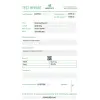
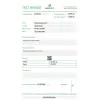
Lab Proof Batch-linked certificate of analysis available on request
Supply Chain Sourced exclusively through official Dragon Pharma distribution
Shipping & Returns For complete delivery details, tracking policy, and reshipment terms, please see our Shipping Info page.
Please log in to write review.

AICAR (5-aminoimidazole-4-carboxamide-1-β-D-ribofuranoside), also known as acadesine, is a naturally occurring compound the body produces as an intermediate step in the synthesis of purine nucleotides — the building blocks of DNA and RNA. While small amounts are produced endogenously and tightly controlled, synthetic AICAR can be manufactured in a lab and is chemically identical to the naturally occurring form. It is technically a nucleoside analog rather than a peptide, though it is often grouped alongside research peptides in performance and longevity communities. Its primary claim to fame is its ability to powerfully activate a critical cellular enzyme called AMPK.

When AICAR enters cells — through the same transport channels used by the natural signaling molecule adenosine — it is converted inside the cell into a compound called ZMP. ZMP closely mimics AMP, the molecule cells produce when they are running low on energy, such as during intense exercise. ZMP then binds to the gamma subunit of AMPK (AMP-activated protein kinase), flipping the same metabolic switch that exercise flips. Once activated, AMPK tells cells to burn stored fat for fuel, increase glucose uptake, and build new mitochondria to generate energy more efficiently — essentially mimicking the cellular state of a hard workout, without the physical activity.

The nickname comes from a landmark 2008 study at the Salk Institute, in which sedentary mice given AICAR orally for four weeks showed a 44% increase in running endurance despite never exercising. The compound activated metabolic genes associated with endurance training and promoted the conversion of fast-twitch muscle fibers — which rely on glycogen and fatigue quickly — to slow-twitch fibers that burn fat and resist fatigue. However, it is important to note that these results were seen in non-exercising animals, and there is no confirmed evidence that AICAR produces the same dramatic effects in humans who already exercise, or that it replicates all the cardiovascular, neurological, and structural benefits of actual physical activity.

Animal and cell studies have linked AICAR activation of AMPK to a range of potential effects: improved insulin sensitivity and glucose uptake in muscle tissue, enhanced fat oxidation, increased mitochondrial biogenesis, anti-inflammatory activity, and cardioprotective effects during ischemia — meaning it may help reduce injury to the heart during periods of low blood flow. Some animal studies also suggest improvements in cognition and motor coordination following AICAR treatment. Research has also explored its potential use in metabolic disorders including type 2 diabetes and obesity, and in certain blood cancers where AMPK signaling plays a role in cell proliferation.

Human data is very limited. AICAR was studied in the 1990s as a cardioprotective agent during heart surgery, where intravenous infusion showed it could reduce the frequency and size of myocardial infarcts by up to 25% in some studies. A Phase I/II cancer trial established a maximum tolerated intravenous dose and found generally mild, transient side effects at those levels. Outside of these clinical settings, there are no large-scale controlled human trials confirming the endurance, fat loss, or metabolic benefits seen in animal models. Nearly all human safety data comes from short-term intravenous administration in hospital settings — which is very different from the repeated subcutaneous or oral dosing used in the fitness and biohacking world.

In controlled human studies, AICAR has generally been described as well tolerated at clinical doses, with mild, transient side effects such as injection site reactions, nausea, and headache. However, the USADA has explicitly warned that too much activation of AMPK, or activating it in the wrong tissue, can cause serious side effects — including neurodegeneration and preventing cells from dividing normally. Adding to this concern, naturally occurring accumulation of AICAR in the body has been associated with certain metabolic disorders in humans. Long-term risks of chronic AMPK activation from exogenous AICAR in healthy people have simply never been studied, and should not be assumed to be safe.

Not entirely, and this matters. A growing body of scientific literature has established that AICAR produces numerous effects that are actually independent of AMPK — meaning they cannot be explained simply by AMPK activation alone. AICAR also interferes with purine and pyrimidine synthesis pathways, affects mTOR signaling, and modulates the tumor suppressor p53, among other actions. Researchers have called for caution in interpreting AICAR-based studies because attributing all its effects to AMPK is an oversimplification. This complexity makes predicting the full consequences of AICAR use in humans considerably harder than early research suggested.

AICAR has not been approved for human use by the FDA or the European Medicines Agency. In the United States it is classified as an Investigational New Drug and is legally available only for research purposes. For athletes, AICAR has been prohibited at all times by the World Anti-Doping Agency since 2009, classified under Hormone and Metabolic Modulators on the WADA Prohibited List due to its potential performance-enhancing effects. WADA developed a urine test to detect it, and it has been implicated in doping violations in professional cycling. USADA has also specifically warned athletes that all AMPK activators — not just AICAR — are banned under this category.

There are no official or FDA-approved dosing guidelines for human use. Animal studies have used doses in the range of 250–500 mg per kilogram of body weight — a scale that would translate to thousands of milligrams per day for a human, making direct comparison to research peptide dosing protocols difficult and potentially misleading. Human research protocols used intravenous infusions at doses up to 42 mg/kg over several hours in cardiac surgery contexts. The research community does not have a standardized subcutaneous dosing protocol for AICAR in healthy humans, and any protocol circulating online is extrapolated from animal data without clinical validation.

Anyone with a personal or family history of cancer should be especially cautious, as AICAR's effects on cell cycle regulation and purine synthesis pathways are complex and not fully understood in the context of malignancy. People with heart arrhythmias or any cardiac condition should also avoid it without extensive specialist oversight, given AICAR's powerful effects on cardiac energy metabolism and ion channel activity. Pregnant women, children, and people with any metabolic disorder should not use AICAR outside a properly supervised clinical trial. Given that long-term human safety data does not exist, this compound carries unknown risks for anyone using it outside a clinical setting.

Related Products