Epitalon: Longevity Tetrapeptide With 2026 FDA PCAC Review
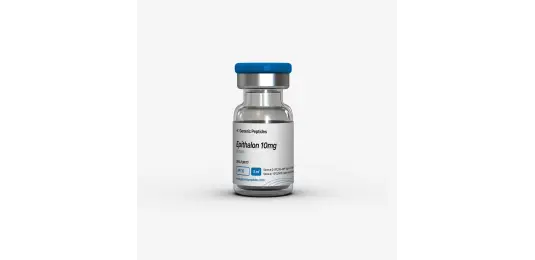
Epitalon (AEDG) Mechanism, Side Effects, TFDA Status in 2026: Complete Clinical Review of the Pineal Tetrapeptide, 25 Years of Khavinson Research, 2025 Independent Replication, and July 24 PCAC Reclassification Vote
By Medical Team of Generic Peptides
Epitalon is a 4-amino-acid peptide with the sequence Ala-Glu-Asp-Gly (AEDG), molecular weight 390 Da. It was synthesized by Vladimir Khavinson and colleagues at the St. Petersburg Institute of Bioregulation and Gerontology in the 1980s as a simplified analog of epithalamin — a longer polypeptide extract from bovine pineal gland that had shown anti-aging properties in earlier Soviet research. Khavinson's group engineered Epitalon to identify the minimum bioactive fragment of epithalamin. Four amino acids turned out to be enough. Twenty-five years of subsequent research has accumulated one of the deeper evidence bases for any longevity-focused peptide, with the central claim being telomerase activation, telomere lengthening, and pineal gland function restoration in aging biological systems.
The compound is scheduled for review at the FDA Pharmacy Compounding Advisory Committee meeting on July 24, 2026 (Day 2 of the two-day session at FDA's White Oak Campus in Silver Spring, Maryland). PCAC will evaluate Epitalon for inclusion on the 503A Bulk Drug Substances List, which would restore legal compounding pharmacy preparation that was prohibited when FDA placed Epitalon on Category 2 in September 2023.
What makes Epitalon genuinely interesting in 2026 isn't just the regulatory inflection point — it's that the research base has just received its first major independent replication of the central telomerase-activation claim. Al-dulaimi et al. published in 2025 (PMC12411320) demonstrating that Epitalon increases telomere length in human cell lines, with 12-fold hTERT upregulation in 21NT breast cancer cells and 5-fold upregulation in BT474 cells. This is the first published replication of the core Khavinson finding (Khavinson et al. 2003 in Bulletin of Experimental Biology and Medicine) by an unaffiliated research group. The replication strengthens the mechanistic story — and also raises new questions about Epitalon's effects in cancer cell biology, where the same telomerase-activation mechanism that supports healthy cell renewal could theoretically support tumor progression.
The Russian research base is substantial in volume but methodologically variable. Khavinson's group at St. Petersburg has published extensively in Russian journals over decades, with progressively wider international publication including the comprehensive 2025 Araj et al. review in International Journal of Molecular Sciences. Independent replication outside the Khavinson program has been historically limited but is now beginning to accumulate. The peptide has been used clinically in Russia for various age-related conditions for years, with practical clinical experience exceeding the formally published evidence base.
This article walks through what Epitalon actually is and where the science came from, the telomerase mechanism that defines its therapeutic positioning, the 25 years of accumulated evidence and what the recent independent replications mean, the regulatory trajectory through July 24, 2026, and how to think about the compound honestly given the unusual evidence pattern of substantial Russian research, growing international recognition, and the specific pharmacological questions that remain.
What Epitalon Is: The Khavinson Discovery and the Pineal Connection
The compound's origin story matters because it shapes everything about Epitalon's evidence base and clinical positioning.
In the 1970s and 1980s, Soviet gerontology researchers at multiple institutions investigated pineal gland extracts for their potential anti-aging properties. The pineal gland produces melatonin and other hormones whose functions decline with aging. Researchers including Vladimir Anisimov and Vladimir Khavinson hypothesized that pineal extracts contained bioregulatory peptides that could supplement age-related declines and produce geroprotective effects.
Epithalamin was the original pineal extract — a longer polypeptide preparation from bovine pineal glands. Soviet research demonstrated that epithalamin extended lifespan in mice, restored melatonin rhythms in aging monkeys and humans, modulated immune function, and produced various physiological effects consistent with anti-aging activity. The challenge was that epithalamin was a complex extract with poorly characterized active components, making pharmaceutical development difficult.
Khavinson and colleagues at the St. Petersburg Institute of Bioregulation and Gerontology pursued a systematic program to identify the minimum bioactive components of epithalamin. They synthesized progressively shorter peptide fragments and tested each for biological activity. The 4-amino-acid sequence Ala-Glu-Asp-Gly emerged as retaining substantial activity — and at this length, the peptide could be synthesized cleanly, characterized fully, and developed for research and clinical use. Khavinson named it Epitalon (also spelled Epithalon in international literature; both spellings refer to the same compound).
The 2025 Araj et al. comprehensive review in International Journal of Molecular Sciences notes that AEDG was subsequently identified within the natural pineal gland polypeptide complex, confirming that the synthesized peptide corresponds to a real endogenous component rather than being a purely artificial design [1]. This wasn't established at the time of original synthesis — Khavinson's group identified the natural occurrence of AEDG in pineal extracts later, after the synthetic peptide had already shown bioactivity.
Khavinson built the broader research program around the concept that short tissue-specific peptides decline with aging and supplementation can restore tissue function. This "peptide bioregulation" framework produced multiple synthesized peptides for various tissues — Cortexin (brain), Thymalin (thymus), Prostatilen (prostate), and others — with Epitalon as the pineal-specific compound. The framework has been more accepted in Russian gerontology than in Western pharmaceutical research, partly because the publication patterns favored Russian-language journals and partly because the peptide bioregulation paradigm doesn't fit cleanly into standard receptor-based pharmacology models.
Naming convention. The compound appears in the literature with multiple spellings — Epitalon (Russian transliteration), Epithalon (alternative international), Epithalone (less common), and AEDG (single-letter sequence designation). All refer to the same Ala-Glu-Asp-Gly tetrapeptide. The FDA uses "Epitalon" in regulatory documents.
Epitalon Mechanism of Action: Telomerase Activation, ALT, and the H1.3 Connection
The mechanism question is genuinely interesting because Epitalon's effects span multiple cellular pathways and the most recent research is changing the mechanistic understanding.
Telomerase activation through hTERT upregulation — the historical primary mechanism.
Khavinson's foundational 2003 study in Bulletin of Experimental Biology and Medicine demonstrated that Epitalon increases hTERT expression and telomerase activity in human somatic cells [2]. Telomerase is the enzyme that adds telomeric DNA to chromosome ends, counteracting the telomere shortening that occurs with each cell division. Most somatic cells have telomerase activity that is suppressed below the threshold needed for maintaining telomere length, leading to progressive shortening and eventual replicative senescence (the Hayflick limit). Epitalon's reactivation of telomerase activity, if it works as proposed, would partially counter this fundamental aging mechanism.
The Khavinson 2003 study reported that Epitalon treatment of human fetal lung fibroblasts activated hTERT expression, increased telomerase activity, and extended the cells' proliferative lifespan beyond the Hayflick limit by more than 10 additional doublings. This was a striking finding that made Epitalon distinctive among aging-research compounds.
The 2025 Al-dulaimi et al. independent replication and ALT discovery.
Published in 2025 (PMC12411320) [3], this paper from a research group unaffiliated with the Khavinson program tested Epitalon in human cell lines including 21NT and BT474 breast cancer cells, IBR.3, and HMEC normal cell lines. Key findings:
- 12-fold hTERT mRNA upregulation in 21NT cells at 1 μg/ml Epitalon (4-day treatment)
- 5-fold hTERT upregulation in BT474 cells at 0.5 μg/ml
- Confirmation of telomerase activation effects in cancer cell lines
- Importantly, evidence that Epitalon may simultaneously suppress telomerase in some cancer cells (through H1.3 binding and H19 upregulation) while activating ALT (Alternative Lengthening of Telomeres) — a separate telomere maintenance mechanism
This is the most important development in Epitalon mechanism research in years. The independent replication of telomerase-activation findings strengthens the basic claim. But the discovery of dual mechanism (telomerase activation in normal cells, possibly different effects in cancer cells through ALT) adds layers of complexity. If Epitalon's effects on telomere maintenance differ between normal and cancer cells, the compound's safety profile in cancer-prone populations becomes more nuanced than a simple "activates telomerase = potentially supports tumor growth" framework would suggest.
H1.3 histone binding.
Khavinson's group demonstrated in 2020 that Epitalon binds histone H1.3 [4]. H1.3 is one of several linker histones involved in chromatin organization. The H1.3 binding may explain how a small tetrapeptide can affect gene expression at multiple loci — by modulating chromatin structure rather than acting through specific receptor-mediated signaling.
Pineal melatonin restoration.
Khavinson's research documented Epitalon effects on age-related decline in melatonin production. Aged rhesus monkeys treated with Epitalon showed restoration of melatonin rhythms approaching those of younger animals. Some human studies have reported similar effects. The mechanism for pineal restoration likely involves regulatory effects on pineal cell function, possibly through chromatin modulation in pineal tissue.
Antioxidant and stress-protective effects.
Multiple studies have documented Epitalon's antioxidant activity. The mechanism includes both direct antioxidant effects (the peptide can scavenge reactive oxygen species) and indirect effects through upregulation of cellular antioxidant defense systems.
Mitochondrial protection.
Recent research has documented Epitalon effects on mitochondrial health. Epitalon enhanced mitochondrial function and reduced intracellular reactive oxygen levels in bovine cumulus cells and cumulus-oocyte complexes [1].
Effects on aging skin fibroblasts and stem cells.
A 2022 study (Gutop et al., Advances in Gerontology) showed Epitalon prevents oxidative stress in induced-aging skin fibroblast models. Other research has documented effects on oral stem cell aging.
Immune modulation and gene expression effects.
Broader effects on immune function, gene expression patterns related to aging, and various downstream physiological systems have been documented in multiple studies.
What we can say about Epitalon's mechanism with confidence: the compound activates hTERT and increases telomerase activity in somatic cell lines (now confirmed by independent replication beyond the Khavinson program). It binds histone H1.3. It has antioxidant activity. It produces broad effects on aging-related cellular pathways through chromatin modulation rather than classical receptor signaling.
What remains less clear: how the cell-line findings translate to whole-organism aging outcomes in humans; whether the mechanism differs significantly between normal and cancer cells in ways that affect safety profile; what the optimal dosing and administration patterns are for clinical applications; and whether the various claimed effects (sleep regulation, immune modulation, metabolic effects) all reflect the same fundamental mechanism or represent separate pharmacological actions.
Epitalon Research Base: 25 Years of Evidence and the Independent Replication Question
The Epitalon evidence base has both depth and unusual structural features that distinguish it from typical pharmaceutical development.
Russian-language research literature.
Khavinson's group and other Russian researchers have published hundreds of studies on Epitalon over 25+ years. Topics include lifespan extension in mice and rats, age-related disease prevention, melatonin restoration in aged monkeys, immune function, sleep regulation, oxidative stress protection, cardiovascular effects, oncogenesis effects (mostly preventive in age-related cancer models), and clinical applications in elderly patients. The Russian literature has been less consistently translated and indexed than would be ideal for international scientific assessment.
Khavinson 2003 elderly cohort study.
Khavinson and colleagues conducted a 12-year observational study in elderly patients receiving Epitalon (and related peptide bioregulators) compared to controls. The study reported reduced mortality in treated patients compared to age-matched controls. This is among the most significant human clinical findings claimed for Epitalon. Methodological limitations include the observational design rather than randomized controlled trial, potential selection effects in who received treatment, and the difficulty of replicating long-term mortality outcomes.
Khavinson 2010 Biogerontology review.
Anisimov VN, Khavinson VK published "Peptide bioregulation of aging: results and prospects" in Biogerontology (2010;11(2):139-149) [5]. This widely cited review synthesized the broader peptide bioregulation evidence base including Epitalon-specific findings. International publication helped bring the Russian research to broader scientific attention.
Mouse lifespan studies.
Multiple Russian studies have documented modest lifespan extension in mice receiving Epitalon, typically in the range of 10-15% mean lifespan increase. The effects appear most pronounced in studies starting Epitalon administration in middle-aged animals.
Aged monkey melatonin studies.
Research in aged rhesus macaques showed Epitalon administration restored circadian melatonin rhythms toward patterns characteristic of younger animals. This is among the more striking translational findings, since melatonin pattern preservation correlates with multiple aspects of healthy aging.
Skin and cellular aging research.
Epitalon's effects on cellular aging in skin fibroblasts and various epithelial cell types have been studied extensively. The 2022 Gutop et al. study and subsequent work characterizes specific cellular mechanisms.
The 2025 Araj et al. comprehensive review.
Araj SK, Brzezik J, Mądra-Gackowska K, Szeleszczuk Ł published "Overview of Epitalon — highly bioactive pineal tetrapeptide with promising properties" in International Journal of Molecular Sciences in March 2025 [1] (PMC11943447). This Polish-led international review synthesizes 25 years of Epitalon research and represents the most current comprehensive assessment of the field. The review's framing — "highly bioactive" with "promising properties" — reflects a measured but generally positive scientific assessment from a non-Russian source.
The 2025 Al-dulaimi independent replication.
As described above, this is the major recent development in Epitalon research [3]. Independent confirmation of telomerase-activation findings, plus new ALT mechanism research in cancer cell contexts, represents the kind of scientific validation that the Epitalon evidence base has needed.
Limitations and gaps in the evidence base:
- Independent replication outside the Khavinson program has been historically limited (the Al-dulaimi 2025 paper is significant precisely because such replications were rare before)
- Formal human pharmacokinetic studies establishing basic ADME parameters in modern pharmaceutical standards are limited
- Long-term carcinogenicity assessment in normal-cell contexts has not been conducted at the scale that pharmaceutical regulatory approval requires
- Controlled human trials with pre-specified efficacy endpoints and blinded outcome assessment for specific clinical indications haven't been conducted at modern Phase III standards
- Comparative studies against other telomerase-modulating interventions haven't been conducted
- Most clinical applications described in Russian literature don't have corresponding randomized controlled trials in the international literature
The 2025 independent replication in cancer cells is particularly important because it both confirms the mechanism and adds new questions. If Epitalon affects telomerase differently in cancer cells (potentially suppressing rather than activating, while engaging ALT through alternative pathways), the safety and efficacy considerations in patients with cancer or significant cancer risk become more nuanced than the simpler pharmacological framework would suggest.
Epitalon and the FDA Regulatory Trajectory: 2023-2026
The Epitalon regulatory story closely tracks the broader peptide regulatory cycle covered for other compounds in this series.
September 29, 2023.
FDA placed Epitalon on Category 2 of the 503A bulks list as part of the action affecting 19 peptides. Stated rationale included immunogenicity risks (theoretical concern), absence of safety-related information at modern pharmaceutical standards, manufacturing impurity considerations, and limited human clinical data meeting current FDA evidence standards. The Category 2 designation effectively prohibited 503A and 503B compounding pharmacies from preparing Epitalon for patient use.
The compounding pharmacy ecosystem for Epitalon had been substantial before September 2023 — anti-aging clinics, longevity-focused medical practices, and functional medicine clinics had been routinely prescribing compounded Epitalon for years. The regulatory restriction abruptly ended legitimate clinical access. Patients shifted toward research-chemical gray market vendors with the standard quality control concerns.
Pre-PCAC development.
Epitalon wasn't part of the September 2024 removal of five peptides (AOD-9604, CJC-1295, Ipamorelin, Thymosin Alpha-1, Selank) that received the December 4, 2024 PCAC review (and unfavorable votes). Epitalon remained in Category 2 through that period.
February 27, 2026 — Kennedy Rogan announcement.
HHS Secretary Kennedy announced intent to reclassify approximately 14 of the 19 originally restricted peptides back to Category 1, including Epitalon explicitly. The announcement framed reclassification as restoring legitimate compounding pharmacy access and acknowledged the gray market consequences of restrictive regulation.
April 15, 2026.
HHS Secretary Kennedy directed FDA to remove Epitalon and 11 other peptides from Category 2 designation, initiating the PCAC review process. Removal from Category 2 doesn't equal Category 1 inclusion — it's a procedural step that clears the path for PCAC consideration without resolving the underlying question.
April 16, 2026 — Federal Register notice.
FDA published notice of the July 23-24, 2026 PCAC meeting. The Federal Register notice specifically scheduled Epitalon for Day 2 (July 24, 2026) review alongside Emideltide (DSIP) and Semax. The PCAC will evaluate whether Epitalon should be added to the 503A Bulk Drug Substances List based on the available evidence.
Public docket and procedural timeline.
Docket FDA-2025-N-6895 was established for public comments. Written comments to be formally provided to PCAC members close July 9, 2026. Oral testimony registration deadline June 30, 2026. The two-day meeting at FDA's White Oak Campus in Silver Spring, Maryland, will include open public hearing sessions throughout both days.
What PCAC will weigh on July 24, 2026 for Epitalon:
- The 25-year Russian research base, its strengths and methodological limitations
- The 2025 Al-dulaimi independent replication of telomerase activation findings
- The Khavinson 2003 elderly cohort observational mortality study
- The 2025 Araj et al. comprehensive international review's positive but measured assessment
- The aged primate melatonin restoration findings
- The cancer cell biology questions raised by the 2025 ALT mechanism research
- Manufacturing quality and immunogenicity considerations
- The gray market consequences of continued restriction
- Specific clinical applications where evidence supports compounding pharmacy preparation
Procedural reality going forward.
PCAC recommendations are advisory. Even a favorable PCAC vote would require formal FDA notice-and-comment rulemaking to add Epitalon to the 503A Bulks List. Standard rulemaking timelines run more than a year after PCAC review. So even under the most favorable scenario, Epitalon's return to legal compounding pharmacy availability likely won't be formally effective until late 2027 or 2028.
Possible outcomes:
The favorable scenario: PCAC recommends Epitalon for 503A inclusion based on the substantial accumulated evidence and the recent independent replication. FDA initiates rulemaking. Compounding pharmacy access returns by 2027-2028.
The mixed scenario: PCAC recommends inclusion with conditions or limitations, perhaps requiring specific clinical applications or additional manufacturing standards. Limited compounding pharmacy availability.
The unfavorable scenario: PCAC determines that the evidence base, despite its volume, doesn't meet current FDA standards for compounding pharmacy preparation. Concerns about cancer cell biology effects, the limited independent replication, or manufacturing quality contribute to a negative vote. Epitalon remains in regulatory limbo despite removal from Category 2.
Epitalon Safety Profile and the Cancer Question
The safety story for Epitalon has favorable historical signals and one specific concern that the 2025 cancer cell research has highlighted.
Favorable historical safety profile.
Russian clinical practice with Epitalon over decades hasn't produced documented serious adverse event patterns. The compound is generally described as well-tolerated with minimal reported side effects. Common reports include mild injection site reactions, occasional transient headache, and rare sleep disturbances. Long-term cohort studies in elderly patients (the Khavinson 12-year study and others) haven't reported safety concerns at the level that would have ended clinical use.
Reported adverse effects: injection site reactions (redness, mild tenderness), transient headache occasionally, mild sleep changes (consistent with melatonin pathway effects), rare immunogenicity concerns (theoretical given peptide nature), generally well-tolerated short-term.
The cancer biology concern.
Telomerase activation has been a longstanding theoretical concern with Epitalon because telomerase reactivation is a feature of most cancer cells. The traditional framing was: a compound that activates telomerase could potentially support tumor growth in pre-existing cancers or contribute to tumor development.
The 2025 Al-dulaimi research adds nuance to this concern. The findings suggest that Epitalon's effects on telomere biology in cancer cells may differ from effects in normal cells — potentially involving ALT mechanism rather than primary telomerase activation, with possible H1.3-mediated suppression of telomerase in some cancer contexts. Whether these findings represent net protective or net concerning effects in cancer-relevant scenarios isn't fully resolved by the available data.
What this means clinically: for patients with active cancer or significant cancer risk factors, Epitalon should be approached with substantially more caution than the historical Russian clinical practice has applied. The cancer cell biology effects are mechanistically real and warrant proper investigation before broader clinical recommendation.
Long-term safety in human populations.
Despite decades of Russian clinical use, formal long-term safety data at modern pharmaceutical standards is limited. The Khavinson 2003 12-year mortality study found mortality reduction in treated patients (a positive signal), but the study design didn't enable rigorous safety characterization for cancer-related outcomes specifically.
Effects on hormones and the endocrine system.
Epitalon affects melatonin patterns through its pineal-restorative mechanism. Some research has documented effects on cortisol, growth hormone, and other endocrine parameters, though these effects appear modest. The compound doesn't directly stimulate the GH/IGF-1 axis or the HPG axis, distinguishing it from more direct hormonal stimulants.
Drug interactions:
- Sleep medications and melatonin: Epitalon's effects on melatonin patterns may interact with concurrent melatonin supplementation or sleep medications. Practical effects are usually modest.
- Hormone replacement therapies: theoretical interaction through endocrine effects; not formally characterized.
- Cancer treatments: significant theoretical concern given the cancer cell biology effects; concurrent use should be avoided pending better characterization.
- Immune modulators: Epitalon has documented immune effects; concurrent use with immunomodulators warrants attention.
- Other peptides and growth factor compounds: typically combined in longevity protocols without specific interaction concerns.
Contraindications: active cancer or recent cancer history (high priority given the 2025 cancer cell findings), pregnancy and breastfeeding (no safety data), pediatric populations (no developmental data), severe liver or kidney dysfunction, known hypersensitivity to peptide preparations, concurrent active oncology treatment, populations with significant cancer risk factors warrant clinical discussion before use.
WADA Status and Sports Considerations
Epitalon's WADA status follows the general pattern for unapproved peptides without explicit named-substance prohibition. The compound isn't specifically named on the current WADA Prohibited List under standard 2025 categorization. However, several considerations apply:
The S0 (Non-Approved Substances) category covers substances not currently approved by any governmental regulatory health authority for human therapeutic use. Epitalon is not FDA-approved or approved by any major regulatory authority for therapeutic use. By the broad S0 framework, athletes subject to WADA testing should treat Epitalon as covered under that category.
USADA and similar organizations have advisory positions noting that research peptides without regulatory approval should be avoided by athletes, regardless of explicit named-substance prohibition status.
For athletes subject to WADA testing, Epitalon should be considered prohibited even though it doesn't appear in the explicit named-substance lists.
Who Uses Epitalon and How It Compares to Alternatives
The Epitalon user base in 2026 is specifically positioned for longevity-focused users rather than acute therapeutic indications.
Longevity and healthspan users drawn by the telomerase activation framework and the broader anti-aging research base. This group includes people interested in research on cellular aging, telomere biology, and pineal function preservation.
Anti-aging medicine practices and clinics that incorporate Epitalon into broader longevity protocols alongside other compounds (typically including DHEA, hormones, melatonin, and various nutraceuticals).
Patients with age-related sleep disturbance interested in pineal gland function restoration and natural melatonin pattern improvement.
Patients with general age-related decline seeking interventions that might address fundamental cellular aging mechanisms rather than symptomatic management.
Functional medicine and integrative medicine patients with specific concerns about cellular aging, oxidative stress, or pineal function.
Russian medical tourism patients who have traveled to Russia or Eastern European countries to access Epitalon-based protocols at clinics that have used the compound for decades.
The relevant comparisons in 2026:
Lifestyle interventions for cellular aging. Caloric restriction, intermittent fasting, exercise, sleep optimization, and stress management have established effects on telomere length and cellular aging parameters. For most users, these foundational interventions are first-line for longevity-focused outcomes.
Other longevity peptides. Multiple peptides in this article series (MOTS-c, GHK-Cu, Thymosin Alpha-1, Semax) target different aspects of aging biology. Different mechanisms with potentially complementary effects.
Rapamycin (sirolimus). Off-label use in longevity contexts based on extensive research showing mTOR inhibition extends lifespan in multiple species. More established human evidence base than Epitalon. Different mechanism (mTOR inhibition vs telomerase activation).
NAD+ precursors (NMN, NR). Different mechanism (NAD+ metabolism support). Substantially more human pharmacokinetic data than Epitalon. Common in longevity protocols.
TA-65 (cycloastragenol). Plant-derived telomerase activator with stronger commercial development in supplement form. Mechanism overlap with Epitalon. Lower potency but more accessible.
Direct telomerase research compounds. Various compounds in pharmaceutical research targeting telomere biology directly. Most are still in preclinical or early clinical stages.
Conventional medicine for age-related concerns. Standard treatments for sleep, energy, cognitive function, and cardiovascular health remain the established options for symptoms that drive longevity-peptide interest. For most patients with specific complaints, conventional approaches have stronger evidence than Epitalon.
The honest framing: Epitalon doesn't replace lifestyle interventions, doesn't compete with FDA-approved treatments for specific medical conditions, and doesn't have the clinical evidence base that established longevity interventions like metformin or rapamycin have accumulated. The compound's positioning is specifically for longevity-focused users willing to incorporate Russian research-based interventions with limited international validation, accepting the regulatory uncertainty and the cancer biology questions raised by recent research.
What Comes Next: July 24, 2026 PCAC Review and Beyond
The July 24, 2026 PCAC meeting will be the most consequential moment in Epitalon's regulatory history.
The committee will evaluate Epitalon for inclusion on the 503A Bulks List, weighing the substantial accumulated evidence (with both its strengths and methodological limitations) against current FDA standards for compounding pharmacy preparation. The 2025 Al-dulaimi independent replication strengthens the mechanistic case in ways the field has long needed. The 2025 Araj et al. comprehensive review provides a measured international synthesis. The cancer cell biology findings add specific safety considerations that PCAC will likely address.
Possible outcomes:
Favorable PCAC recommendation + FDA rulemaking.
Epitalon returns to legal 503A compounding pharmacy availability. The recent independent replication and comprehensive review may support this outcome. Effective availability likely by late 2027 or 2028 after rulemaking completes.
Mixed PCAC outcome.
Committee recommends inclusion with specific conditions — perhaps requiring physician monitoring for cancer surveillance, restricted to specific clinical indications, or with manufacturing quality requirements. Limited compounding pharmacy availability.
Unfavorable PCAC recommendation.
Committee determines that despite the volume of Russian research, current evidence base doesn't meet FDA standards for compounding pharmacy preparation. The cancer cell biology concerns from 2025 research may contribute to negative vote. Epitalon remains in regulatory limbo despite removal from Category 2.
The substantive arguments in favor: 25 years of accumulated research, the recent independent replication, the long-term Russian clinical use without major safety signals, the comprehensive international review's measured positive assessment, the gray market consequences of continued restriction. The arguments against: limited independent replication outside the Khavinson program (now improving with 2025 paper), absence of large-scale modern randomized trials, methodological concerns about Russian-language literature standards, the cancer cell biology questions that need fuller characterization, manufacturing quality considerations.
What's not happening: Epitalon is very unlikely to become FDA-approved as a drug product in the foreseeable future. Phase III trials would be required for that pathway, and no pharmaceutical sponsor has shown signs of pursuing such development. The patent situation (AEDG is a natural sequence with limited IP protection) and clinical trial costs make commercial development unattractive. The practical regulatory question is only about compounding pharmacy access.
The scientific situation will continue evolving. The 2025 Al-dulaimi independent replication may stimulate additional non-Russian research groups to investigate Epitalon. The 2025 Araj et al. review establishes Epitalon in mainstream international scientific literature in ways that prior Russian-dominated publication patterns hadn't achieved. New research on the H1.3 binding mechanism, the ALT pathway interaction, and cancer cell biology effects will likely accumulate over the next several years.
I'll be honest about my position on Epitalon. The compound is genuinely interesting scientifically because the mechanism — telomerase activation through chromatin modulation — is real biology that the 2025 Al-dulaimi paper has now independently confirmed. The 25-year Russian research base is substantial in volume and includes findings that, if they translate to human outcomes, would represent meaningful longevity-relevant effects. The Khavinson 12-year mortality study in elderly patients showed reduced mortality in treated patients — a remarkable result if the methodology was sound, even acknowledging the limitations of observational designs.
What I'm less confident about is whether the modest cellular and animal effects translate to clinically meaningful longevity outcomes in humans, whether the cancer cell biology findings represent a manageable safety concern or a fundamental limitation, and whether the regulatory caution that has kept Epitalon out of mainstream pharmaceutical development reflects genuine evidence limitations or insufficient research investment in a promising compound. These questions don't have clean answers from the current evidence base.
For users navigating Epitalon decisions in 2026, the framing is: this is a compound with substantial Russian research support, recent international scientific validation, and decades of clinical use without major safety signals — accompanied by specific cancer biology questions raised by 2025 research that warrant attention. Longevity-focused users without significant cancer risk factors have a defensible mechanistic rationale for considering Epitalon, particularly if combined with appropriate physician oversight. Users with active cancer or significant cancer risk should approach with substantial caution given the unresolved cell biology questions.
The next major data point will come on July 24, 2026 from the FDA White Oak Campus. Whatever PCAC recommends will define Epitalon's regulatory trajectory for at least the next several years. The compound that Khavinson and colleagues synthesized in the 1980s as a simplified epithalamin analog has accumulated 25 years of evidence and recently received its first major independent replication — the regulatory verdict will determine whether that evidence base is sufficient for compounding pharmacy preparation under modern FDA standards. The next 12-24 months will produce more clarity about Epitalon's clinical future than the previous decade of regulatory limbo has provided.
References
[1] Araj SK, Brzezik J, Mądra-Gackowska K, Szeleszczuk Ł. Overview of Epitalon — highly bioactive pineal tetrapeptide with promising properties. International Journal of Molecular Sciences. 2025;26(6):2691. PMID: 40137559. PMC: PMC11943447. DOI: 10.3390/ijms26062691. Comprehensive 2025 international review of 25 years of Epitalon research.
[2] Khavinson VKh, Bondarev IE, Butyugov AA. Epitalon peptide induces telomerase activity and telomere elongation in human somatic cells. Bulletin of Experimental Biology and Medicine. 2003;135(6):590-592. Foundational Khavinson 2003 telomerase activation paper.
[3] Al-dulaimi S, Thomas R, Matta S, Roberts T. Epitalon increases telomere length in human cell lines through telomerase upregulation or ALT activity. Aging. 2025. PMC: PMC12411320. PMID: 40908429. DOI: 10.21203/rs.3.rs-7066545/v1. First major independent replication of telomerase activation findings, plus discovery of ALT mechanism in cancer cell contexts.
[4] Khavinson VKh, Lin'kova NS, Polyakova VO, Kvetnaya TV, Kvetnoy IM. Identification of Peptide AEDG in the Polypeptide Complex of the Pineal Gland. Bulletin of Experimental Biology and Medicine. 2017. Identification of AEDG in natural pineal gland polypeptide complex, confirming endogenous occurrence.
[5] Anisimov VN, Khavinson VKh. Peptide bioregulation of aging: results and prospects. Biogerontology. 2010;11(2):139-149. PMID: 19898981. DOI: 10.1007/s10522-009-9249-8. International review establishing Russian peptide bioregulation framework in mainstream literature.
[6] Khavinson VKh, Morozov VG. Peptides of pineal gland and thymus prolong human life. Neuroendocrinology Letters. 2003;24(3-4):233-240. Khavinson elderly cohort study reporting reduced mortality.
[7] Khavinson VKh, Goncharova ND, Lapin BA. Synthetic tetrapeptide epitalon restores disturbed neuroendocrine regulation in senescent monkeys. Neuroendocrinology Letters. 2001;22(4):251-254. Aged monkey melatonin restoration findings.
[8] Anisimov VN, Khavinson VKh, Morozov VG. Carcinogenesis and aging. IV. Effect of low-molecular-weight factors of thymus, pineal gland and anterior hypothalamus on immunity, tumor incidence and life span of C3H/Sn mice. Mechanisms of Ageing and Development. 1982;19(3):245-258. Foundational mouse lifespan extension research.
[9] Gutop EO, Linkova NS, Kozhevnikova EO, Fridman NV, Ivko OM, Khavinson VKh. AEDG Peptide Prevents Oxidative Stress in the Model of Induced Aging of Skin Fibroblasts. Advances in Gerontology. 2022;12:143-148. DOI: 10.1134/S2079057022020096. Recent skin fibroblast aging research.
[10] Khavinson VKh, Lin'kova NS, Tarnovskaya SI. Short Peptides Regulating Gene Expression Through Chromatin Remodeling. Biology Bulletin Reviews. 2020. H1.3 binding and chromatin remodeling mechanism research.
[11] U.S. Food and Drug Administration. Certain Bulk Drug Substances for Use in Compounding that May Present Significant Safety Risks. September 29, 2023. Epitalon placed on Category 2 list among 19 peptides. https://www.fda.gov/drugs/human-drug-compounding/certain-bulk-drug-substances-use-compounding-may-present-significant-safety-risks.
[12] U.S. Food and Drug Administration. Federal Register Notice of Pharmacy Compounding Advisory Committee Meeting, published April 16, 2026. PCAC meeting scheduled for July 23-24, 2026 at FDA White Oak Campus, Silver Spring, Maryland. Day 2 (July 24, 2026) covers Emideltide (DSIP), Semax, and Epitalon. Docket No. FDA-2025-N-6895.
[13] Kennedy RF Jr. Public statements regarding peptide reclassification from Category 2 to Category 1, The Joe Rogan Experience #2461, February 27, 2026. Epitalon included among approximately 14 peptides under reclassification consideration.
[14] HHS announcement, April 15, 2026. Direction to FDA to remove Epitalon and 11 other peptides from Category 2 designation, initiating PCAC review process.
[15] Khavinson VKh, Solov'ev AYu, Tarnovskaya SI, Lin'kova NS, Ryzhak GA. Effect of Synthetic Peptides on the Expression of CD79a Gene and Cell Proliferation in B-Lymphocytes. Bulletin of Experimental Biology and Medicine. 2014;156(6):794-797. Immune modulation research.
[16] Khavinson VKh, Lin'kova NS, Trofimova SV. AEDG and KE Peptides Activate Stem Cells in Cell Reprogramming. Advances in Gerontology. 2018. Stem cell reprogramming research.
[17] Korkushko OV, Khavinson VKh, Shatilo VB, Antonyuk-Shcheglova IA. Peptide geroprotector from the pituitary gland inhibits rapid aging of elderly people: results of 15-year follow-up. Bulletin of Experimental Biology and Medicine. 2011;151(3):366-369. Long-term clinical follow-up research.
[18] Trofimova S, Khavinson V, Linkova N, Konson K, Trofimov A, Polyakova V, Kvetnoy I. Morphofunctional changes of skin in young and old subjects: features of regulation by short peptides. Biology Bulletin Reviews. 2014. Skin aging and peptide regulation research.
[19] World Anti-Doping Agency. The Prohibited List, current edition. Epitalon not explicitly named but covered under S0 (Non-Approved Substances) category for unapproved compounds. https://www.wada-ama.org/en/prohibited-list.
[20] Khavinson VKh. Peptides and Ageing. Neuroendocrinology Letters. 2002;23(Suppl 3):11-144. Comprehensive monograph on peptide bioregulation framework.
[21] Various Russian-language Epitalon clinical practice references. Decades of clinical use in Russian gerontology and longevity medicine without published peer-reviewed primary trials at modern Phase III standards.
[22] Khavinson VKh, Anisimov VN, Zavarzina NY, Zabezhinskii MA, Zimina OA, Popovich IG, Shtylik AV, Malinin VV, Morozov VG. Effect of vilon and epitalon on biological age and life span of mice. Bulletin of Experimental Biology and Medicine. 2000;130(11):1116-1118. Mouse lifespan extension research.
[23] Vinogradova IA, Bukalev AV, Zabezhinski MA, Semenchenko AV, Khavinson VKh, Anisimov VN. Effect of Vilon and Epitalon on health span and lifespan in male rats. Aging Clinical and Experimental Research. 2010. Continued lifespan research in rat models.
[24] U.S. Food and Drug Administration. Public Docket FDA-2025-N-6895. Public comment period for Epitalon and other peptides under PCAC review.
[25] Lengea Law analysis. FDA Puts BPC-157, TB-500, and 5 Other Peptides Under the Microscope: What Prescribers Need to Know About the 503A Review. April 2026. Comprehensive analysis of July 23-24, 2026 PCAC meeting agenda and regulatory implications.