CJC-1295 DAC: Long-Acting GHRH Analog After Halted Pharmaceutical Developmen
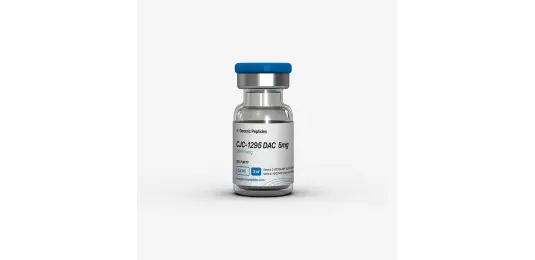
CJC-1295 with DAC (Long-Acting GHRH Analog) Guide 2026: Side Effects, Mechanism, 8-Day Half-Life, Cardiac Safety, FDA Status, and DAC vs No-DAC Comparison
By Medical Team of Generic Peptides
CJC-1295 with DAC (Drug Affinity Complex) is a 30-amino-acid synthetic analog of growth hormone-releasing hormone (GHRH), engineered with a maleimidopropionic acid attachment that allows it to covalently bind plasma albumin. The albumin binding extends the compound's functional half-life from minutes to approximately 8 days, producing sustained 2-10 fold increases in growth hormone levels and 0.5-3 fold increases in IGF-1 lasting 9-11 days from a single subcutaneous dose. ConjuChem developed it through Phase II clinical trials in the early-to-mid 2000s. The Phase IIb trial in HIV-associated lipodystrophy was halted in July 2006 after a participant died from myocardial infarction approximately 3 hours after the 11th dose. ConjuChem ceased clinical development. The compound subsequently found a substantial off-label market through compounding pharmacy practice.
In 2026, CJC-1295 sits at one of the most contested points in the FDA peptide regulatory transition. It was placed on Category 2 in September 2023, removed for PCAC referral in September 2024, voted against for 503A inclusion at the December 4, 2024 PCAC meeting, included in the February 27, 2026 Kennedy Rogan announcement listing peptides for potential reclassification, and remains in regulatory limbo. The cardiac death in the Phase IIb trial — even though attributed by the attending physician to underlying coronary artery disease rather than CJC-1295 itself — created a documented adverse event signal that distinguishes CJC-1295 DAC's regulatory profile from peptides without similar history.
What makes CJC-1295 DAC genuinely interesting beyond the regulatory drama is the pharmacology. The DAC technology — designed by ConjuChem to extend peptide half-lives through albumin conjugation — was a legitimate pharmaceutical innovation that produced one of the few growth hormone secretagogues with clinically meaningful duration of action. A single weekly subcutaneous injection producing GH and IGF-1 elevation for over a week is fundamentally different from typical peptide pharmacokinetics where half-lives are measured in hours. This duration was the compound's commercial appeal as both a pharmaceutical candidate and as an off-label compound.
This article walks through what CJC-1295 DAC actually is, the DAC technology that defines it, the Phase II clinical evidence and the cardiac event that ended development, the off-label compounding pharmacy era, the 2023-2026 regulatory saga, and how to think about the compound honestly in a 2026 landscape where its future depends on regulatory decisions that haven't yet been finalized.
CJC-1295 DAC vs CJC-1295 Without DAC: The Critical Distinction
Before going further, the naming and structural distinction matters because two related compounds are often discussed under the "CJC-1295" name with very different pharmacological profiles.
CJC-1295 with DAC (also called CJC-1295 DAC, CJC-1295 long-acting, or simply "CJC-1295" in pharmaceutical literature) is the compound this article is about. Structure: 30-amino-acid GHRH(1-29) analog with four amino acid substitutions for stability (D-Ala²-Gln⁸-Ala¹⁵-Leu²⁷) plus a maleimidopropionic acid attached to a lysine residue at position 30. The maleimide group covalently binds free cysteine on plasma albumin, creating the albumin-conjugated long-acting compound. Half-life approximately 8 days. Single weekly dosing. Pharmaceutical candidate that ConjuChem developed.
CJC-1295 without DAC (also called Modified GRF (1-29), CJC-1295 short-acting, or sometimes "Mod GRF") is a different compound. Structure: same 30-amino-acid GHRH(1-29) analog with the same four stability substitutions, but without the DAC albumin-binding modification. Half-life approximately 30 minutes — similar to native GHRH. Multiple-times-daily dosing required. This is the compound typically used in CJC-1295/Ipamorelin combination protocols where pulsatile GH release is desired. Covered separately in this article series.
The clinical, pharmacological, and regulatory profiles of these two compounds differ substantially. The Phase IIb cardiac event applies to CJC-1295 DAC specifically. The compounding pharmacy ecosystem developed protocols for both versions. WADA prohibition covers both.
When sources refer to "CJC-1295" without specifying DAC vs no-DAC, they're almost always describing CJC-1295 DAC if discussing pharmaceutical development, half-life, or weekly dosing; and CJC-1295 without DAC (Modified GRF 1-29) if discussing combination protocols with Ipamorelin or short-acting GHRH applications.
This article focuses specifically on CJC-1295 DAC.
What CJC-1295 DAC Is: Structure, DAC Technology, and ConjuChem Development
The compound was developed by ConjuChem, a Montreal-based pharmaceutical company, in the early 2000s. ConjuChem's core technology was the Drug Affinity Complex (DAC) platform — a method of attaching maleimide groups to short peptides to enable covalent binding with plasma albumin's free cysteine residue (Cys34). The albumin conjugation dramatically extends peptide half-lives from minutes (typical for unmodified short peptides) to days, while preserving biological activity at the receptor.
The starting material was GHRH(1-29), the biologically active 29-amino-acid N-terminal fragment of full-length growth hormone-releasing hormone. ConjuChem applied four amino acid substitutions to improve stability against enzymatic degradation: D-alanine at position 2 (resists DPP-IV cleavage), glutamine at position 8 (improves resistance to deamidation), alanine at position 15, and leucine at position 27. Position 30 was added with lysine, and the maleimidopropionic acid was attached to that lysine's side chain.
The result: a 30-amino-acid peptide with the modified GHRH sequence and the DAC attachment that, upon subcutaneous injection, would covalently bind albumin in plasma. The albumin conjugate retains GHRH receptor binding activity at the pituitary somatotrophs but circulates with albumin's natural ~19-day half-life rather than being rapidly cleared as free peptide.
In practice, the half-life observed in human studies was approximately 8 days — shorter than native albumin half-life because some of the conjugated peptide is metabolized through normal albumin turnover and proteolytic processing. But 8 days is dramatically longer than the ~30 minutes for unmodified GHRH(1-29) or the similar short half-life for CJC-1295 without DAC.
ConjuChem's clinical development moved through Phase I and into Phase II for two main indications: growth hormone deficiency in adults and HIV-associated lipodystrophy (visceral fat accumulation common in HIV-treated patients).
CJC-1295 DAC Mechanism of Action and Pharmacokinetics
The mechanism is straightforward GHRH receptor pharmacology with extended duration. The DAC-modified peptide retains binding affinity for the GHRH receptor on pituitary somatotrophs. Activation of the GHRH receptor stimulates somatotroph proliferation and triggers pulsatile GH secretion. The downstream effects mirror those of native GHRH: GH release into circulation, hepatic IGF-1 production driven by GH-stimulated JAK2-STAT5 signaling, downstream IGF-1 effects on tissues including muscle protein synthesis, lipolysis in adipose tissue, and bone/cartilage growth signals.
What's different from short-acting GHRH compounds is the pharmacokinetic profile. The Teichman 2006 paper in Journal of Clinical Endocrinology and Metabolism characterized the compound's pharmacokinetics and pharmacodynamics in healthy adults [1]. Key findings:
- Single subcutaneous dose produces 2-10 fold increase in plasma GH levels lasting 6 days or longer
- IGF-1 levels rise 0.5-3 fold and remain elevated for 9-11 days
- Functional half-life approximately 8 days (consistent with albumin conjugation)
- GH secretion remains pulsatile despite continuous receptor stimulation — physiological pulsatility is preserved because GH release is regulated by multiple factors including somatostatin, ghrelin, sleep-wake cycles, and feedback from IGF-1 itself
The preserved pulsatility is important pharmacologically. Constant non-pulsatile GH stimulation has different physiological effects than pulsatile stimulation, and Teichman et al. specifically demonstrated that CJC-1295 DAC maintains pulsatile GH release even with continuous receptor activation. This was framed in the original development as a safety advantage relative to direct GH administration.
The duration of action enables once-weekly dosing — a substantial pharmaceutical advantage. Daily injections are a significant adherence burden for chronic therapies. Once-weekly subcutaneous injection is far more practical for long-term administration.
What CJC-1295 DAC produces, functionally: sustained elevation of the GH-IGF-1 axis with preserved physiological regulation. The clinical applications under development assumed that this sustained elevation would produce the classical GH-replacement effects (improved body composition, enhanced bone density, improved energy and well-being in deficiency states) without the daily dosing burden of recombinant hGH.
What CJC-1295 DAC doesn't do that's worth noting: it doesn't directly suppress somatostatin or activate other secretagogue pathways like ghrelin receptor (GHS-R1a). It works specifically through GHRH receptor activation. Combinations with GHRPs (ghrelin receptor agonists like Ipamorelin) produce synergistic effects because the two pathways are mechanistically distinct, but CJC-1295 DAC alone works only through GHRH signaling.
CJC-1295 DAC Clinical Development: Phase I Through Halted Phase IIb
The clinical development program produced several published studies before its halt.
Teichman et al. 2006, Journal of Clinical Endocrinology and Metabolism.
Phase I/II characterization in healthy adults. Established the pharmacokinetic profile (8-day half-life), documented dose-response for GH and IGF-1 elevation, and confirmed acceptable short-term safety in healthy volunteers [1]. This is the foundational human pharmacology paper.
Phase II program for adult growth hormone deficiency.
Multiple smaller studies explored efficacy in GHD adults. Outcomes generally consistent with GH replacement theory — improvements in body composition, energy, well-being measures.
Phase IIb HIV-associated lipodystrophy trial (NCT00267527).
This was the pivotal trial. Multicenter, randomized, placebo-controlled, double-blind design. Population: HIV patients with visceral obesity from antiretroviral therapy (a well-characterized clinical problem at the time). Dose: weekly subcutaneous CJC-1295 DAC. Duration: 12 weeks. Primary endpoint: visceral adipose tissue reduction.
The trial was halted in July 2006 after the death of one participant from myocardial infarction approximately 3 hours after the 11th weekly dose. The patient presented with chest discomfort and ECG-confirmed cardiac arrest. The attending physician attributed the event to underlying asymptomatic coronary artery disease with plaque rupture rather than to CJC-1295 DAC directly.
This attribution matters legally and clinically but doesn't fully resolve the question. Asymptomatic coronary artery disease is common in middle-aged HIV patients — the population enrolled in this trial. Plaque rupture causing MI can be triggered by various physiological stressors including elevated heart rate, vasodilation, increased cardiac output, or systemic inflammatory responses. CJC-1295 DAC's documented cardiovascular effects include increased heart rate and vasodilatory reactions (flushing, warmth, transient hypotension) [2, 6]. Whether the compound's hemodynamic effects contributed to triggering the plaque rupture in a patient with underlying CAD is an open question that wasn't definitively resolved.
What's documented: the cardiac event triggered halt of the trial. ConjuChem ceased clinical development of CJC-1295 DAC. Concerns about immunogenicity (theoretical risk that DAC-albumin conjugates could elicit anti-albumin antibodies) and systemic vascular reactions accumulated. Subsequent ConjuChem corporate restructuring led to the eventual discontinuation of the program rather than transfer to another sponsor.
The published Phase II program for GHD continued briefly after the lipodystrophy halt but didn't progress to registrational Phase III development. ConjuChem ultimately wound down. CJC-1295 DAC's pharmaceutical development effectively ended around 2007.
What we don't have because of the halt: a Phase III safety database that would have characterized the cardiac event signal in larger populations. We don't know whether the lipodystrophy trial cardiac event was a one-in-a-thousand random event in a vulnerable population, or an early signal of a real cardiac risk that would have appeared more frequently in larger trials. The single event in the halted Phase IIb is the clinical safety signal we have to interpret without further data.
CJC-1295 DAC in the Off-Label Compounding Pharmacy Era
After ConjuChem's development ended, CJC-1295 DAC entered an extensive off-label commercial life through US compounding pharmacy practice. From roughly 2010 through September 2023, the compound was routinely compounded by 503A and 503B pharmacies under physician prescription for off-label use.
Aesthetic medicine clinics, men's health clinics, anti-aging practices, and functional medicine centers used CJC-1295 DAC widely. Typical protocols involved 1-2 mg subcutaneous injection once weekly, sometimes combined with growth hormone secretagogues like Ipamorelin (using the no-DAC version of CJC-1295 for that combination — different compound, different rationale). The clinical positioning was as a long-acting GH-axis stimulant for body composition improvement, anti-aging effects, and recovery enhancement.
The compounding pharmacy ecosystem was substantial — representing a genuinely large patient population using physician-prescribed CJC-1295 DAC for over a decade. Patient outcomes in this off-label era weren't systematically tracked, and no large-scale post-marketing surveillance produced data that would have helped resolve the cardiac safety question from the halted Phase IIb. But years of clinical use without widespread reports of cardiac events (analogous to the 2006 Phase IIb death) suggested either that the cardiac risk was specific to the HIV-with-CAD population in the original trial, or that the off-label patient population was younger and healthier and didn't demonstrate the risk that would have emerged in older or sicker populations.
This compounding pharmacy commercial life is the context for understanding the September 2023 FDA action. CJC-1295 DAC wasn't a research-only compound suddenly being newly regulated — it was an established off-label medication with a substantial patient population being abruptly removed from legal compounding pharmacy preparation.
CJC-1295 DAC and the FDA Category 2 Regulatory Saga
The CJC-1295 regulatory trajectory is among the most contested in the entire 2023-2026 peptide regulatory cycle.
September 29, 2023.
FDA placed CJC-1295 on Category 2 of the 503A bulks list. Stated rationale included: risk of immunogenicity (anti-albumin antibodies from the DAC conjugation), cardiovascular concerns (specifically citing the documented "increased heart rate and systemic vasodilatory reaction" with flushing, warmth, and transient hypotension), peptide-related impurities from compounding manufacture, and limited human safety information [40]. The Category 2 designation effectively prohibited 503A and 503B compounding pharmacies from preparing CJC-1295 for patient use.
The cardiovascular concern specifically referenced the kind of effects observed in clinical practice and the Phase IIb trial — though the FDA didn't directly cite the 2006 cardiac death, the cardiovascular concern language reflected the documented cardiovascular effects of the compound.
Patient access ended. Compounding pharmacies couldn't legally prepare CJC-1295. Demand shifted to research-chemical gray market vendors with the attendant quality control concerns. The same dynamic that affected BPC-157, AOD-9604, and other peptides in the September 2023 action affected CJC-1295 substantially.
Lawsuit and industry pushback.
The Evexias and Farmakeio lawsuit in Texas under the Administrative Procedure Act specifically named CJC-1295, AOD-9604, Ipamorelin, and Thymosin Alpha-1 — the four peptides with the strongest compounding pharmacy histories before September 2023. The litigation argued lack of FDA transparency in the Category 2 placement decision-making process.
September 2024.
AOD-9604, CJC-1295, Ipamorelin, Thymosin Alpha-1, and Selank were removed from Category 2 and referred to the Pharmacy Compounding Advisory Committee (PCAC) for formal review. This was a procedural step rather than reinstatement to Category 1 — it cleared the regulatory pathway for PCAC consideration without resolving the underlying classification question.
December 4, 2024 PCAC meeting.
The committee reviewed CJC-1295, AOD-9604, and Thymosin Alpha-1 for potential inclusion on the 503A bulks list. CJC-1295 received an unfavorable PCAC vote — the committee voted against inclusion. The cited reasons included the Phase IIb cardiac event, the immunogenicity concerns from DAC-albumin conjugation, the absence of large-scale published safety data after the development halt, and the general concern about cardiovascular effects in a patient population that might include people with undiagnosed coronary disease.
This was the most unfavorable PCAC outcome among the major contested peptides at that meeting. AOD-9604 and Thymosin Alpha-1 also received negative votes but for different specific reasons; CJC-1295's cardiac history weighed particularly heavily.
February 27, 2026 Kennedy Rogan announcement.
HHS Secretary Kennedy announced intent to reclassify approximately 14 of the 19 originally restricted peptides back to Category 1, including CJC-1295. The announcement was political/policy rather than procedural — Kennedy's statement framed reclassification but didn't specify the regulatory mechanism, and the December 2024 PCAC vote against CJC-1295 specifically would need to be addressed somehow in any reclassification process.
April 16, 2026 Federal Register notice.
FDA published the announcement of the July 23-24, 2026 PCAC meeting reviewing seven peptides for 503A inclusion. CJC-1295 is not among the seven peptides under review at this meeting, because it had its PCAC review at the December 4, 2024 meeting (with negative vote).
This procedural detail is important: the July 2026 PCAC meeting reviews peptides that haven't yet had committee review. CJC-1295 already had its review and got a negative vote. For CJC-1295 to return to legal compounding pharmacy preparation, FDA would need to either: (1) override the December 2024 PCAC recommendation through formal rulemaking (unusual but procedurally possible), (2) bring CJC-1295 back to PCAC for re-review based on new data or changed circumstances, or (3) engage the courts via the ongoing Evexias/Farmakeio litigation to compel a different outcome.
As of mid-2026, CJC-1295's path to reclassification is genuinely unclear. The political signals from Kennedy and the broader HHS leadership favor reclassification of multiple peptides including CJC-1295. The procedural reality is that CJC-1295 already received a negative PCAC vote and the standard administrative pathway is more challenging than for peptides at their first PCAC review. Whether Kennedy's announcement will translate to a procedural pathway for CJC-1295 specifically is one of the substantial uncertainties in the 2026 peptide regulatory landscape.
CJC-1295 DAC Safety Profile: The Cardiac Question
The safety profile for CJC-1295 DAC has two distinct components — the documented Phase II safety database and the specific cardiac event that ended development.
Common reported effects in clinical use:
Injection site reactions (redness, warmth, occasional bruising), facial flushing in the hours after injection (the documented vasodilatory response), warmth sensation, mild transient hypotension during the 24-48 hours post-injection, occasional headache, occasional mild fluid retention. The vasodilatory effects were predictable and dose-dependent in the clinical program.
Cardiovascular effects:
The "increased heart rate and systemic vasodilatory reaction" specifically cited in FDA Category 2 documentation. Flushing, warmth, and transient hypotension are documented effects of the GHRH-mediated vasodilation. Heart rate elevation typically modest but documented. These effects are mechanistically expected from GHRH receptor activation and the secondary GH-mediated effects on cardiovascular tone.
The Phase IIb cardiac death:
Single myocardial infarction event in the HIV-lipodystrophy trial, ~3 hours post-11th-dose, attributed by attending physician to underlying asymptomatic coronary artery disease with plaque rupture. The patient population was HIV-treated patients with visceral obesity — a population with elevated cardiovascular risk independent of CJC-1295 administration.
Interpretation of the cardiac event:
This is where reasonable people disagree. The conservative interpretation is that the temporal relationship (3 hours post-dose) and the documented hemodynamic effects of CJC-1295 DAC (vasodilation, increased heart rate, transient hypotension) plausibly contributed to triggering the plaque rupture in a patient with underlying CAD. The more permissive interpretation is that asymptomatic CAD with eventual plaque rupture is common in this population, the temporal relationship could be coincidental, and a single event in a Phase IIb trial doesn't establish a causal relationship.
The difference matters for regulatory thinking. If the cardiac event was a coincidental occurrence in a vulnerable population, then CJC-1295 DAC has an acceptable safety profile in healthier populations and the December 2024 PCAC vote was overcautious. If the cardiac event reflected a real signal, then larger-scale use of CJC-1295 DAC could produce more cardiac events, particularly in older populations with undiagnosed CAD.
Years of off-label compounding pharmacy use (2010-2023) didn't produce widespread reports of cardiac events analogous to the Phase IIb death — though the absence of systematic post-marketing surveillance means we don't have rigorous data on cardiac outcomes in the off-label population. The compounding pharmacy patient population was likely younger, healthier, and less HIV/CAD-burdened than the Phase IIb trial population, which could explain the absence of similar events without resolving the underlying mechanistic question.
Immunogenicity concerns:
The DAC technology creates a covalent peptide-albumin conjugate. Theoretical concern: anti-albumin antibodies could develop, leading to either reduced efficacy (antibodies neutralizing the peptide) or autoimmune responses. The Phase II program didn't characterize this systematically. Off-label use over more than a decade hasn't produced widespread reports of immunogenicity-related adverse events, but the absence of systematic monitoring leaves this question incompletely resolved.
Effects on hormones and the endocrine system:
Sustained elevation of GH and IGF-1 over the dosing interval. Insulin sensitivity may decrease modestly with chronic GH-axis stimulation (GH has counter-regulatory effects on insulin signaling). Glucose tolerance may shift slightly. Cortisol, thyroid hormones, sex hormones not directly affected by CJC-1295 DAC's mechanism, though chronic IGF-1 elevation has secondary effects on multiple endocrine axes.
Cancer considerations:
Sustained IGF-1 elevation is a recognized cancer-related concern. IGF-1 is a proliferation signal for many tumor types, and chronic elevation in older populations or those with cancer risk factors warrants caution. The combination of GH-axis stimulation and the long-acting nature of CJC-1295 DAC produces more sustained IGF-1 elevation than short-acting GHRH analogs or daily-dosed GH replacement, which may amplify the IGF-1-cancer concern. For active cancer patients or those with significant cancer risk factors, CJC-1295 DAC should be avoided.
Contraindications: active cancer or recent cancer history (IGF-1 concerns), known coronary artery disease or significant cardiovascular risk factors (the cardiac signal from Phase IIb), pregnancy and breastfeeding (no safety data), pediatric populations except in supervised growth deficiency contexts, severe liver or kidney dysfunction, hypersensitivity to peptide preparations or albumin, competitive athletes subject to WADA testing.
Drug Interactions
Insulin and oral hypoglycemics: CJC-1295 DAC's sustained GH elevation reduces insulin sensitivity. Diabetic patients on hypoglycemic medications may need monitoring and potentially dose adjustment.
GH secretagogues (Ipamorelin, GHRP-2, GHRP-6, Hexarelin): mechanistically complementary (GHRH-receptor and GHS-R1a are different pathways producing synergistic GH release). The CJC-1295/Ipamorelin combination is the most common stack in off-label practice, though the no-DAC version of CJC-1295 is typically used in that combination because pulsatile rather than sustained signaling is the goal.
Exogenous hGH: redundant mechanism — both produce GH-axis activation. Combination doesn't add benefit and amplifies cumulative GH-axis exposure.
Insulin sensitizers (metformin): may help mitigate the modest insulin resistance from sustained GH elevation. No specific interaction studies but mechanistically reasonable combination.
Corticosteroids: glucocorticoids antagonize GH effects on protein synthesis and bone metabolism. Concurrent use reduces GH-axis benefits.
Sex hormones (testosterone, estradiol): no direct interaction with CJC-1295 DAC's mechanism, but the GH-axis effects are influenced by sex hormone status. Many off-label users combine CJC-1295 DAC with TRT or HRT.
Antihypertensives: CJC-1295 DAC's vasodilatory effects may potentiate antihypertensive medications, contributing to transient hypotension particularly during the first 24-48 hours post-injection.
WADA Status
CJC-1295 (both DAC and no-DAC forms) is prohibited by WADA under category S2.2.1 (Peptide Hormones, Growth Factors, Related Substances, and Mimetics — Hypoxia-Inducible Factor (HIF) activators and growth factors). The S2 category broadly covers GH-releasing factors and analogs. CJC-1295 falls within the GHRH analog subcategory.
Prohibited at all times, in and out of competition. Detection methods are validated at WADA-accredited laboratories. Both DAC and no-DAC versions are detectable. Athletes subject to WADA testing should treat CJC-1295 (any version) as prohibited.
Who Uses CJC-1295 DAC and How It Compares
The primary off-label user groups in 2026 include patients seeking GH-axis stimulation for body composition improvement (anti-aging, recovery, muscle/fat balance), patients with subclinical or borderline GH deficiency exploring alternatives to recombinant hGH, athletes (outside WADA-tested contexts) using GH-axis support for recovery, post-menopausal women and aging men interested in GH-axis effects on body composition, and biohackers and longevity-focused users incorporating CJC-1295 DAC into broader hormonal optimization protocols.
The compound's appeal centers on the convenience of weekly dosing (versus daily hGH), the perceived "natural" mechanism of stimulating endogenous GH release rather than replacing it directly, and accumulated clinical experience from the off-label era that suggests reasonable tolerability in healthier populations.
The most relevant comparisons:
Tesamorelin is FDA-approved for HIV-associated lipodystrophy through GHRH-analog mechanism similar to CJC-1295 DAC but without DAC modification. Daily subcutaneous injection rather than weekly. Specific FDA approval gives it the regulatory pathway CJC-1295 DAC never achieved. For HIV lipodystrophy specifically, tesamorelin is the established option. For other off-label GHRH-analog applications, CJC-1295 DAC's weekly dosing was its main differentiator.
Recombinant human growth hormone (somatropin) provides direct GH replacement with extensive Phase III data for FDA-approved indications. Daily injection. More expensive than CJC-1295 DAC. Subject to specific federal anti-distribution provisions under 21 U.S.C. § 333(e) for non-approved use. For approved indications, hGH is the standard of care.
Sermorelin is short-acting GHRH analog, daily injection, generally cleaner regulatory and safety profile but without CJC-1295 DAC's duration advantage.
GH secretagogues (Ipamorelin, GHRP-2) work through GHS-R1a rather than GHRH receptor. Pulsatile GH release rather than sustained. Common as stacking partners with no-DAC CJC-1295 in off-label practice.
CJC-1295 without DAC (Modified GRF 1-29) provides GHRH-receptor activation without the long-acting DAC modification. Daily or multiple-times-daily dosing. Different commercial profile and use case from CJC-1295 DAC.
The honest framing for 2026 patients: if you're seeking GH-axis stimulation with weekly dosing convenience and you're operating in jurisdictions where CJC-1295 DAC remains accessible, the off-label use profile is well-established but the regulatory situation is uncertain. The cardiac event from Phase IIb is a real safety consideration that warrants attention in patients with cardiovascular risk factors. For HIV-lipodystrophy specifically, tesamorelin has the FDA approval that CJC-1295 DAC doesn't. For general GH-axis stimulation, multiple alternatives exist with varying tradeoffs.
What Comes Next for CJC-1295 DAC
The regulatory question for CJC-1295 DAC is genuinely uncertain in mid-2026.
Best-case scenario:
The Kennedy administration finds a procedural pathway to override the December 2024 PCAC recommendation, either through formal rulemaking that addresses the cardiac event differently than PCAC did, through bringing CJC-1295 back to PCAC for re-review with updated framing, or through legal pathways via the Evexias/Farmakeio litigation. Reclassification to Category 1 occurs sometime in 2027-2028. Compounding pharmacies resume preparation with appropriate cardiovascular risk screening protocols.
Mixed scenario:
CJC-1295 DAC remains in regulatory limbo while other peptides (BPC-157, TB-500, others under July 2026 PCAC review) advance through favorable PCAC votes and rulemaking. Off-label gray market access continues. Compounding pharmacy access doesn't return.
Status quo scenario:
December 2024 PCAC recommendation stands. CJC-1295 DAC remains effectively prohibited from compounding pharmacy preparation. Patients continue accessing through research-chemical channels or international pharmacies.
The Phase IIb cardiac event will continue to weigh on regulatory thinking. Even if the broader peptide regulatory environment becomes more permissive, CJC-1295 DAC's specific safety signal (MI in a Phase II trial, even if attributed to underlying CAD) creates a higher procedural bar than peptides without similar history. Whether the compound returns to legal compounding pharmacy availability depends substantially on how regulatory authorities weigh that single documented event against more than a decade of subsequent off-label use without similar reports.
What's not happening: CJC-1295 DAC isn't going to be FDA-approved as a drug product in the foreseeable future. ConjuChem doesn't exist as the original sponsor; no other pharmaceutical company has shown interest in restarting the development program; the cardiac event would require substantial Phase III safety database to overcome in any new development effort. The practical regulatory question is only about compounding pharmacy access, not drug approval.
For users navigating CJC-1295 DAC decisions in 2026, the honest framing is: the compound has substantial pharmacological characterization and a decade-plus of off-label clinical experience suggesting reasonable tolerability in healthier populations; it has a documented Phase IIb cardiac event that hasn't been definitively resolved; the regulatory pathway to legal compounding pharmacy availability is more uncertain than for peptides under the July 2026 PCAC review; and the CJC-1295/Ipamorelin combination protocols typically use the no-DAC version for different mechanistic reasons. Patients with cardiovascular risk factors should approach with particular caution given the documented hemodynamic effects and the Phase IIb event. Patients seeking weekly-dosing convenience for GH-axis stimulation have a defensible mechanistic rationale but face regulatory uncertainty about future legal access.
I'll be direct about my position. CJC-1295 DAC is the compound in this article series where the regulatory caution has the strongest empirical basis. The Phase IIb cardiac death isn't a hypothetical concern — it's a documented event with plausible (if not definitively proven) connection to the compound's hemodynamic effects. Even though the off-label era didn't produce visible patterns of similar events, the absence of systematic monitoring means we can't confidently rule out that larger-scale, less-curated use would produce more cardiac signals. The December 2024 PCAC vote against CJC-1295 inclusion reflected a specific safety consideration that other peptides don't have. Whether that vote was correct depends on factors that haven't been fully tested, including the cardiac risk profile in larger populations and whether vasodilatory effects in CAD patients constitute a real clinical signal.
The off-label compounding pharmacy era benefited from selection effects — patients accessing compounded CJC-1295 DAC through anti-aging and aesthetic medicine clinics were typically younger, healthier, and at lower cardiovascular risk than the HIV-lipodystrophy population in Phase IIb. Whether the apparent off-label safety reflects genuine compound safety or population selection remains unresolved without systematic data. For users in 2026 weighing CJC-1295 DAC use, the cardiovascular risk profile of the user matters substantially. For users without cardiovascular risk factors, the compound's mechanistic profile and off-label experience suggest acceptable short-term tolerability. For users with any cardiovascular concern, the Phase IIb event is a real consideration that warrants attention.
The next 12-24 months will determine whether CJC-1295 DAC returns to legal compounding pharmacy availability or remains in regulatory limbo. The trajectory depends on procedural pathways that haven't been fully clarified, political factors at HHS leadership level, ongoing litigation outcomes, and whether new safety data accumulates that addresses the cardiac signal. Whatever happens regulatorily, the underlying pharmacology won't change — CJC-1295 DAC is a long-acting GHRH analog with documented sustained GH-IGF-1 elevation, weekly dosing convenience, and a single cardiac event in its Phase II development history. How that combination of features plays out in clinical use over the next decade will define the compound's actual place in medicine.
References
[1] Teichman SL, Neale A, Lawrence B, Gagnon C, Castaigne JP, Frohman LA. Prolonged stimulation of growth hormone (GH) and insulin-like growth factor I secretion by CJC-1295, a long-acting analog of GH-releasing hormone, in healthy adults. Journal of Clinical Endocrinology and Metabolism. 2006;91(3):799-805. PMID: 16352683. DOI: 10.1210/jc.2005-1536. Foundational human pharmacology paper documenting 8-day half-life and sustained GH-IGF-1 elevation.
[2] Alba M, Fintini D, Sagazio A, Lawrence B, Castaigne JP, Frohman LA, Salvatori R. Once-daily administration of CJC-1295, a long-acting growth hormone-releasing hormone (GHRH) analog, normalizes growth in the GHRH knockout mouse. American Journal of Physiology - Endocrinology and Metabolism. 2006;291(6):E1290-E1294. Animal model characterization.
[3] ClinicalTrials.gov. NCT00267527. A multicenter, randomized, double-blind, placebo-controlled phase 2 study to determine the safety, efficacy, and tolerability of CJC-1295 in HIV-infected patients with visceral abdominal obesity. Status: terminated July 2006 following participant death from myocardial infarction. https://clinicaltrials.gov/study/NCT00267527.
[4] ConjuChem Inc. Press releases regarding CJC-1295 development program 2005-2007. Termination of Phase IIb HIV lipodystrophy trial following participant death.
[5] U.S. Food and Drug Administration. Certain Bulk Drug Substances for Use in Compounding that May Present Significant Safety Risks. September 29, 2023. CJC-1295 placed on Category 2 list. https://www.fda.gov/drugs/human-drug-compounding/certain-bulk-drug-substances-use-compounding-may-present-significant-safety-risks.
[6] U.S. Food and Drug Administration. Categorization documentation for CJC-1295. Cited concerns include "increased heart rate and systemic vasodilatory reaction" with flushing, warmth, and transient hypotension; immunogenicity from DAC-albumin conjugation; peptide-related impurities; limited human safety information.
[7] U.S. Food and Drug Administration. PCAC referral for CJC-1295. September 2024. Removal from Category 2 for formal Pharmacy Compounding Advisory Committee review.
[8] U.S. Food and Drug Administration. Pharmacy Compounding Advisory Committee Meeting, December 4, 2024. CJC-1295 reviewed alongside AOD-9604 and Thymosin Alpha-1. PCAC voted against CJC-1295 inclusion on 503A bulks list. Cited concerns included Phase IIb cardiac event and immunogenicity considerations.
[9] Kennedy RF Jr. Public statements regarding peptide reclassification from Category 2 to Category 1, The Joe Rogan Experience #2461, February 27, 2026. CJC-1295 included among approximately 14 peptides under consideration for reclassification despite December 2024 unfavorable PCAC vote.
[10] U.S. Food and Drug Administration. Federal Register Notice of Pharmacy Compounding Advisory Committee Meeting, published April 16, 2026. PCAC meeting scheduled for July 23-24, 2026. CJC-1295 not included among the seven peptides at this meeting (already had December 2024 review with negative vote).
[11] Evexias Health Solutions and Farmakeio v. FDA. United States District Court, Texas. Administrative Procedure Act lawsuit challenging Category 2 placement of AOD-9604, CJC-1295, Ipamorelin acetate, and Thymosin Alpha-1.
[12] World Anti-Doping Agency. The Prohibited List, 2025 Edition. CJC-1295 prohibited under S2.2.1. Both DAC and no-DAC forms covered. Prohibited at all times. https://www.wada-ama.org/en/prohibited-list.
[13] Walker RF. Sermorelin: A better approach to management of adult-onset growth hormone insufficiency? Clinical Interventions in Aging. 2006;1(4):307-308. Comparison context for short-acting GHRH analogs.
[14] Sigalos JT, Pastuszak AW. The safety and efficacy of growth hormone secretagogues. Sexual Medicine Reviews. 2018;6(1):45-53. Mainstream safety review of GHRH analogs and GH secretagogues.
[15] Falutz J, Allas S, Mamputu JC, et al. Long-term safety and effects of tesamorelin, a growth hormone-releasing factor analogue, in HIV patients with abdominal fat accumulation. AIDS. 2008;22(14):1719-1728. Tesamorelin as the FDA-approved GHRH analog for HIV lipodystrophy comparison.
[16] Khorram O, Laughlin GA, Yen SS. Endocrine and metabolic effects of long-term administration of GHRH analog. Journal of Clinical Endocrinology and Metabolism. 1997;82(5):1472-1479. GHRH-analog research context.
[17] Wikipedia. CJC-1295. Comprehensive overview including pharmacokinetics (2-10 fold GH increase, 0.5-3 fold IGF-1 increase, 8-day half-life), Phase IIb HIV lipodystrophy trial halt, and current regulatory status.
[18] Grokipedia. CJC-1295. Detailed regulatory and clinical history including NCT00267527 trial termination, FDA Category 2 status, and ongoing reclassification discussion.
[19] FDA Docket FDA-2024-N-4777. CJC-1295 PCAC review documentation and public comment materials. December 4, 2024 PCAC meeting.
[20] U.S. Food and Drug Administration. Federal Register Notice establishing PCAC docket for July 23-24, 2026 review. Docket No. FDA-2025-N-6895. Public comment period preceding PCAC meeting.
[21] Kraemer WJ, Ratamess NA. Hormonal responses and adaptations to resistance exercise and training. Sports Medicine. 2005;35(4):339-361. GH-axis context.
[22] Kojima M, Hosoda H, Date Y, Nakazato M, Matsuo H, Kangawa K. Ghrelin is a growth-hormone-releasing acylated peptide from stomach. Nature. 1999;402(6762):656-660. PMID: 10604470. Ghrelin/GHS-R1a context for understanding GHRP combinations.
[23] CJC-1295 + Ipamorelin clinical practice references. Multiple compounding pharmacy and clinical practice guidelines for off-label combination protocols. Note: Ipamorelin combinations typically use no-DAC CJC-1295 (Modified GRF 1-29) rather than DAC version.
[24] Department of Defense Operation Supplement Safety. Advisory pages on CJC-1295 and related GH-axis peptides for service member compliance.
[25] Boddy J, Fox C. Compounding pharmacy peptide regulatory framework analysis 2024-2026. Industry analyses of CJC-1295 specific regulatory trajectory and PCAC voting patterns.